The Star of *Zabriskie Point* and a Bank Robbery: How Mark Frechette Traded Hollywood for Prison (12 photos)
Picture this: a 20-year-old Boston carpenter gets into a street argument with a stranger—and just a year later, his face is staring out from the covers of Rolling Stone and Vogue. Mark Frechette landed the lead in Michelangelo Antonioni’s cult film entirely by accident, with zero acting experience. With a $60,000 paycheck, a romance with his co-star, and sudden worldwide fame, the world seemed to be at his feet. Yet three years later, the former film star was robbing a Boston bank alongside members of a mysterious commune to which he had donated every last cent. Here is the story of how a street carpenter became the face of the hippie generation—only to destroy his own life for a charismatic guru. 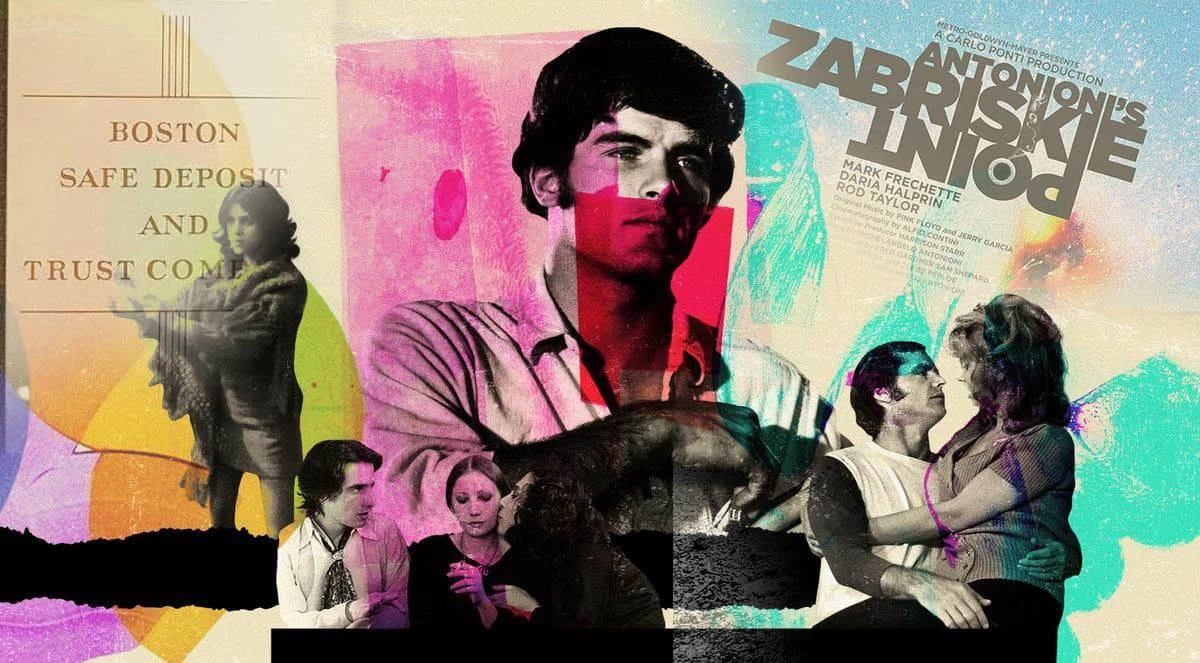
The Chance Encounter That Changed Everything
In the spring of 1968, 20-year-old Mark Frechette was scraping by on odd jobs in Boston. Working as a carpenter and occasionally begging on the street, he was already married with a child—living a full adult life despite his youth. At the same time, Frechette was reading the underground newspaper "Avatar" and trying to join preacher Mel Lyman's secretive Boston commune. The group’s leader didn't even give him a second look, leaving Frechette's first attempt to join the cult empty-handed. 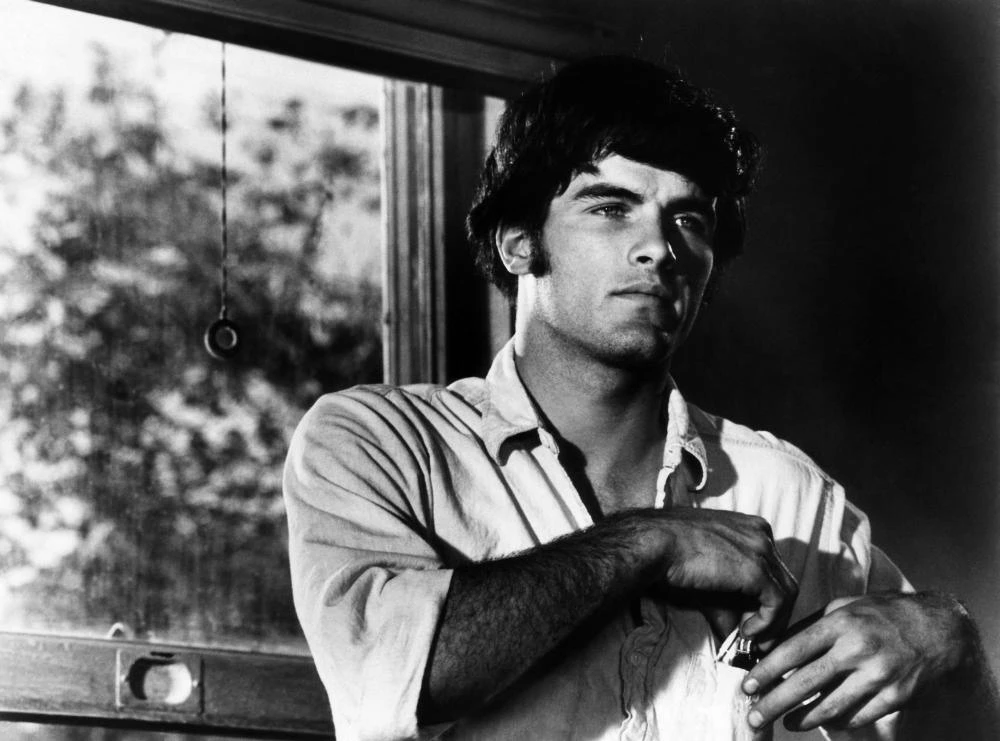
Before Hollywood came calling, Frechette was just an ordinary Bostonian with an unremarkable background
The turning point came out of nowhere. Sally Dennison, casting assistant to Italian director Michelangelo Antonioni, had spent months scouring America for a fresh face for his upcoming film. Walking down a Boston street, she spotted the young carpenter furiously screaming at someone leaning out of a third-story window. "He's twenty and he hates," she told Antonioni. That single phrase was enough: the director invited Frechette for an audition without even testing his acting ability. 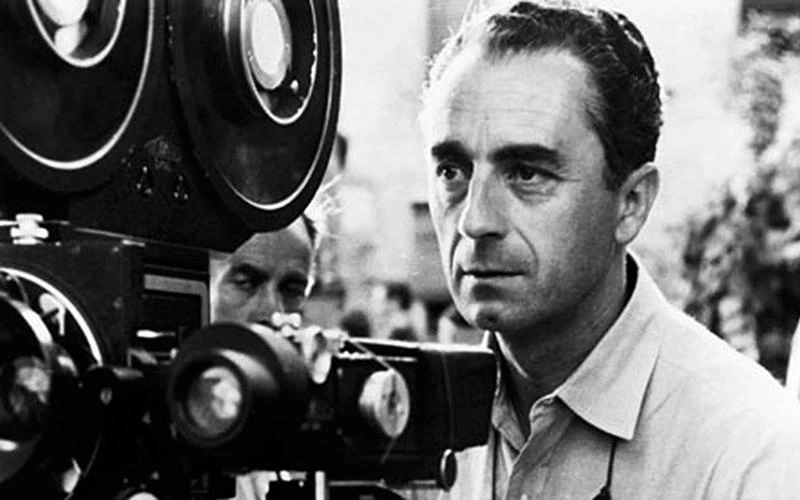
Antonioni deliberately shunned professional actors in pursuit of documentary-like authenticity
The Face Antonioni Was Looking For
Casting for the lead role took nearly a year, with the director sifting through thousands of candidates. He didn't want a trained actor, but a raw, authentic face of the era—edgy, angry, and instantly recognizable to late-1960s youth. Frechette landed the role of a student accused by police of killing an officer during a campus riot. In the film, the protagonist steals a plane and flies to Death Valley, where he meets a young woman named Daria. 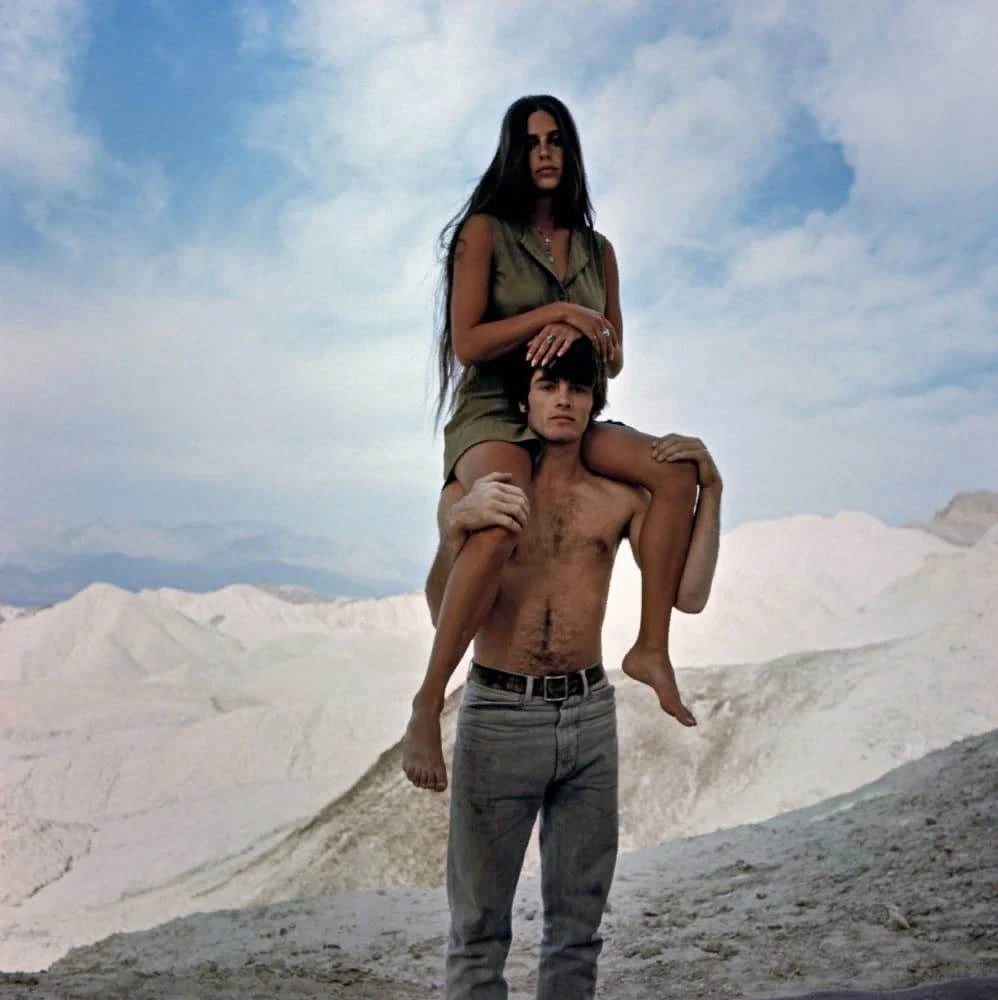
Despite flopping at the box office, "Zabriskie Point" quickly attained cult status
Antonioni also cast an untrained actor for the female lead—Daria Halprin. Filming was fraught with constant conflict: Frechette and the director clashed fiercely over the script, arguments that persisted until production wrapped. Professional inexperience wasn't the novice actor's only hurdle; far more serious was the fact that he never learned how to handle the sudden fame thrust upon him.
Overnight Stardom
"Zabriskie Point" premiered in New York on February 5, 1970, expanding nationwide four days later. Critics panned the film, and it tanked at the box office. But that did little to dim Frechette's newfound celebrity: even before the premiere, in November 1969, he graced the cover of Look magazine and appeared in a fashion shoot for Vogue. On March 7, 1970, he made the cover of Rolling Stone, followed by Sight & Sound and Films and Filming. In just a few months, the former carpenter had transformed into the face of a new generation. 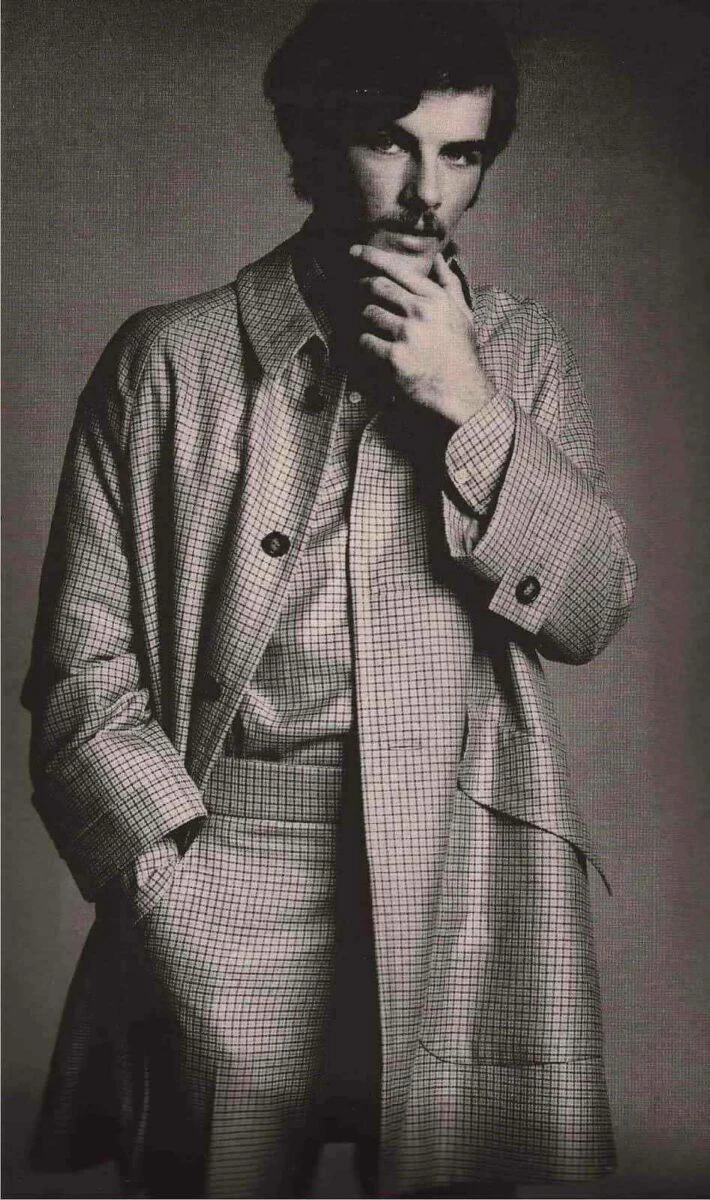
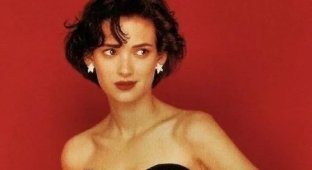
The Vogue photo shoot came out before the film's premiere—Frechette became famous ahead of time
Fame soon revealed its darker side. Appearing on The Merv Griffin Show, Frechette sat alongside activist Abbie Hoffman—who wore an American flag shirt—and ended up getting into an live on-air scuffle with another guest. The incident was later dissected on The Dick Cavett Show in April 1970, where Frechette appeared alongside his co-star Daria Halprin. At the time, the press dubbed them the first couple of the counterculture.
A Big Paycheck, a Romance, and the First Cracks
In total, Frechette earned around $60,000 from "Zabriskie Point" and two subsequent films—the Italian-Yugoslav production "Many Wars Ago" (1970) and the Italian drama "La Grande Scrofa Nera" (1971, his final screen credit). By early 1970s standards, it was a small fortune, enough to secure a comfortable life for years. His romance with Daria Halprin continued after filming wrapped. Frechette urged her to join Mel Lyman's Boston commune, but she refused. 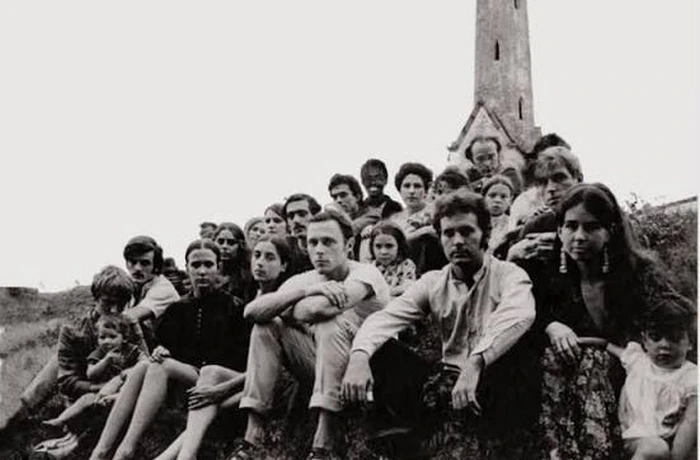
The Fort Hill commune occupied several houses in Roxbury, a working-class Boston neighborhood
The Hollywood glamour failed to give Frechette a sense of belonging. Feeling like an outsider among filmmakers, he gravitated back toward the world that had once turned him away. This time, things played out differently: his celebrity status unlocked doors that had been closed to an obscure carpenter. Frechette became a full-fledged member of the Fort Hill community—and the life he had built over the previous three years began to rapidly unravel.
The Fort Hill Guru
The Fort Hill commune was founded in 1966 by musician Mel Lyman, who played harmonica in the Jim Kweskin Jug Band before leaving the group to start his own community. The group established itself in several houses in Boston's impoverished Roxbury neighborhood. Starting in 1967, the commune published its own underground paper, "Avatar," featuring essays, political manifestos, and personal revelations from community members—including Lyman himself. 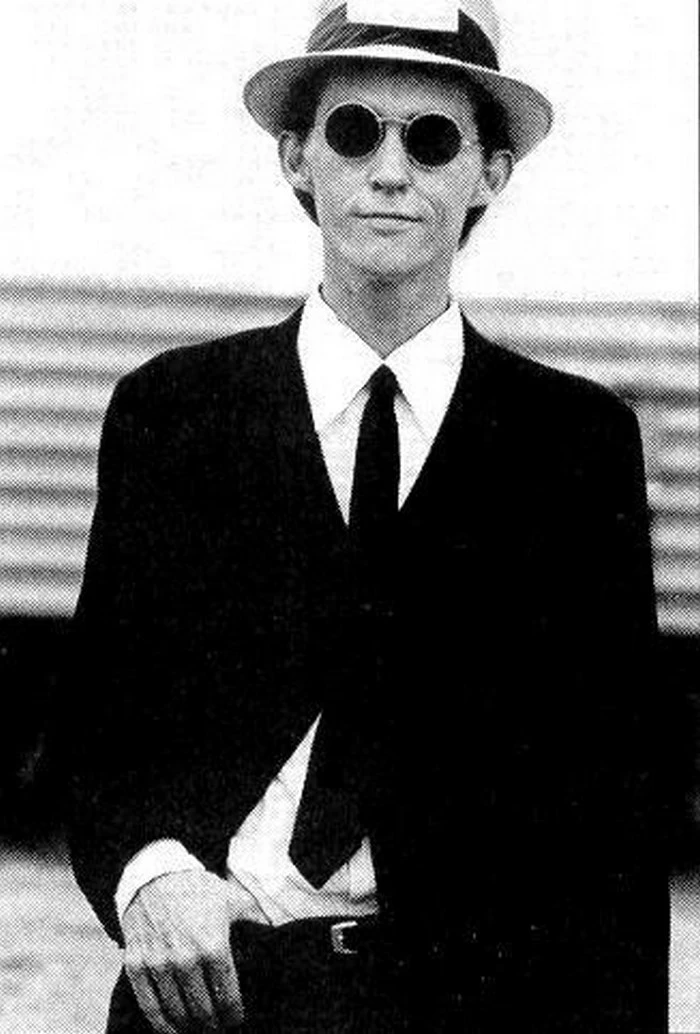
Mel Lyman always denied running a cult, referring to Fort Hill simply as "the family"
Beneath the guise of a spiritual and creative brotherhood lay tactics typical of destructive cults. Lyman used LSD to manipulate his followers' mindsets, relied on astrological "prophecies," and maintained an internal oversight arm that members called the "Karma Patrol." For Frechette, who was searching for a father figure and mentor, Lyman quickly assumed almost divine proportions.
Frechette Gives Away Everything
Frechette took the decisive step willingly: he handed over his entire $60,000 film earnings to the community, following the commune's rule of shared property. To him, it felt like the ultimate act of liberation from material bonds. For Lyman, the new convert's media profile was a valuable asset: Frechette became the public face of Fort Hill, drawing new recruits and donations to the group. 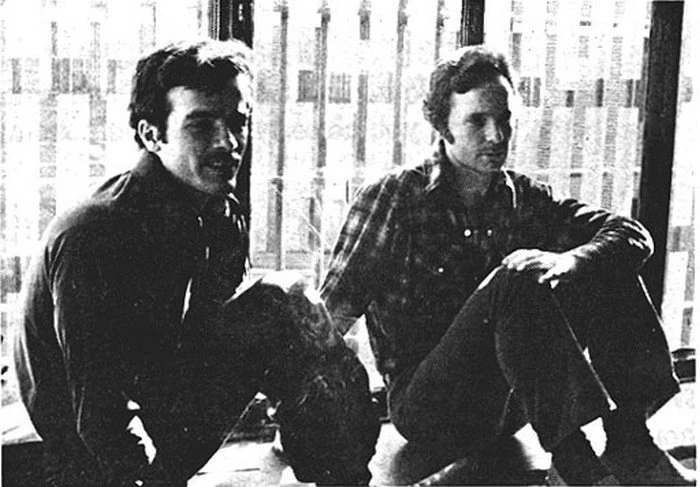
Sheldon Bernhard (right), Frechette's fellow commune member and one of the three bank robbers
Just how far Frechette had detached from reality by 1973 is illustrated by a single incident. Hungarian film director Dezső Magyar, a friend of his, recalled receiving phone calls from Frechette regularly assuring him that he was on the verge of securing $5 million for a joint film based on Dostoevsky's works, promising he would "get the money in Boston." A few days after one such call, Magyar turned on the TV to news that Mark Frechette had been arrested during an armed bank robbery.
The Robbery Meant to Save a Movie
On August 29, 1973, Frechette and two other Fort Hill members attempted to rob the New England Merchant’s Bank in Boston's Roxbury neighborhood. According to sources close to the commune, the money was intended specifically to fund Lyman's film project. The heist went wrong almost immediately: an alarm tripped inside the bank, and police arrived within moments. 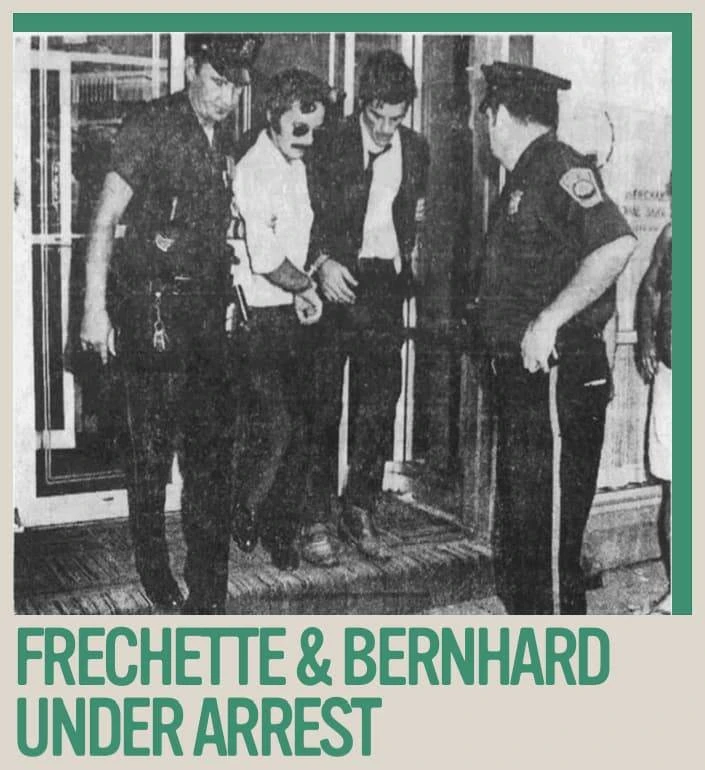
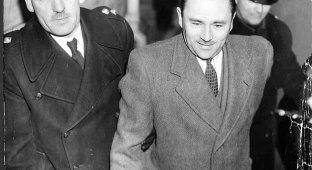
Police detain the New England Merchant’s Bank robbers, August 1973
A shootout ensued. One of the robbers, Christopher "Herc" Thien, was shot dead at the scene. Frechette and his companion Sheldon Bernhard were taken into custody. Both pleaded guilty prior to trial—a desperate bid to raise cash for a commune guru ending in felony charges and prison sentences for the former Hollywood star.
Trial and Years Behind Bars
Pleading guilty didn't spare Frechette a harsh sentence. The court handed down 6 to 15 years in prison, with Bernhard receiving a prison term as well. The former star was sent to serve his time at MCI-Norfolk, a minimum-security state prison in Massachusetts. 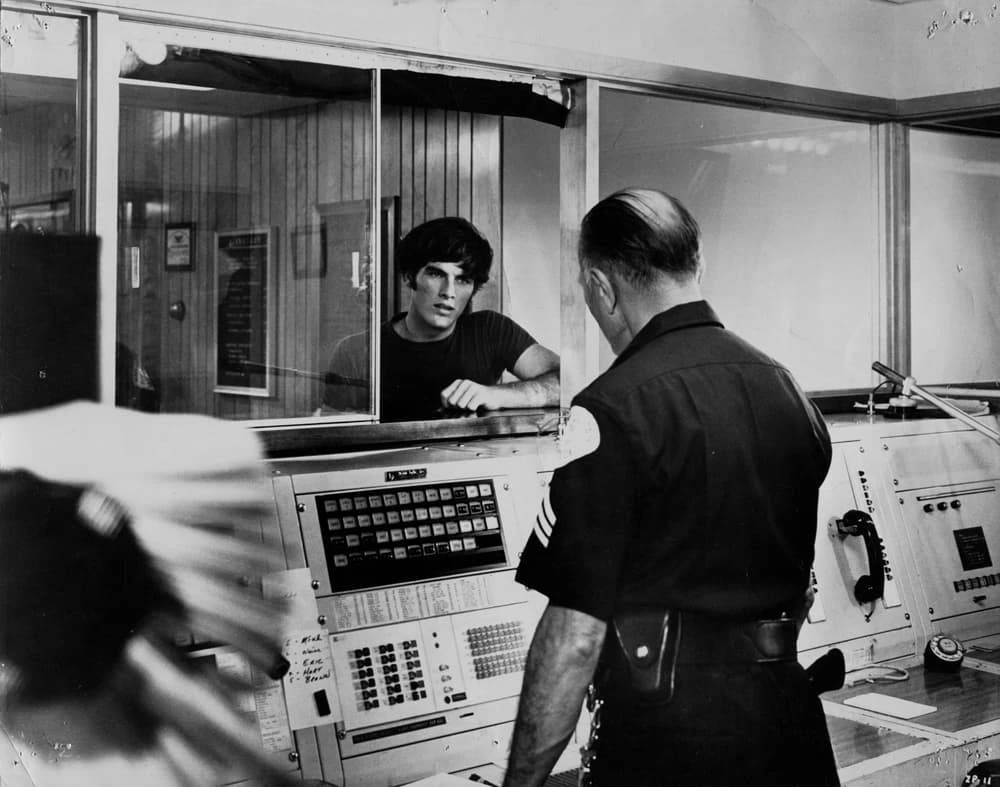
His role in "Zabriskie Point" remained Frechette's only truly prominent film credit
According to friends' recollections, Frechette struggled deeply in prison with the ruin of his former life, sinking into a severe depression. The commune for which he had renounced money, fame, and a cinematic career remained outside the prison walls—and along with it vanished the sense of purpose he had so frantically sought just a few years earlier.
Death in the Prison Gym
On September 27, 1975, two years after his arrest, Frechette died in the prison gym when a 150-pound weight barbell fell onto his throat, suffocating him. Prison officials officially declared the death an accident. However, friends who knew about his prolonged depression suspected that his death may not have been accidental. 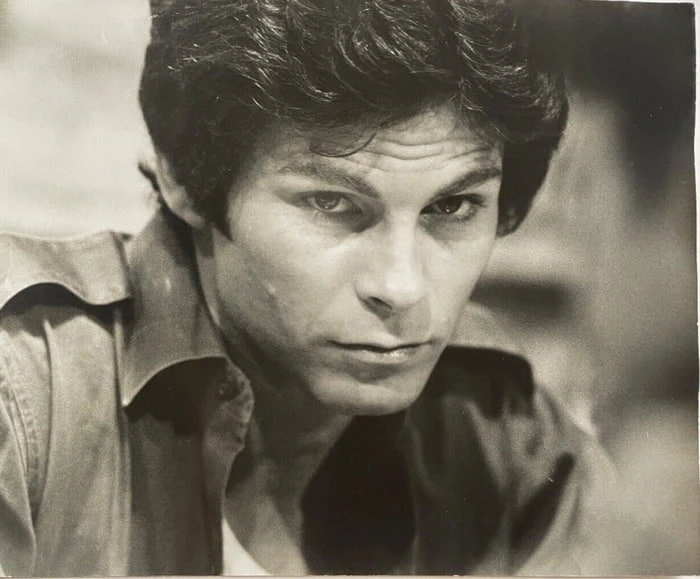
Mark Frechette in the early 1970s, during the years when his face graced magazine covers
He was 27 years old—the same age at which Janis Joplin, Jimi Hendrix, and Jim Morrison had died just years prior. Frechette was buried at Mount Feake Cemetery in Waltham, Massachusetts, far from the Hollywood lights that had briefly illuminated his tragic life.
Symbol of a Lost Generation
The Fort Hill commune itself outlived its most famous member by decades: today, its business ventures, evolved from the original community, still operate in Boston, Los Angeles, and Kansas. The fate of Mel Lyman remains a mystery to this day; officially he died in 1978, but no outsiders ever saw a body or a death certificate. 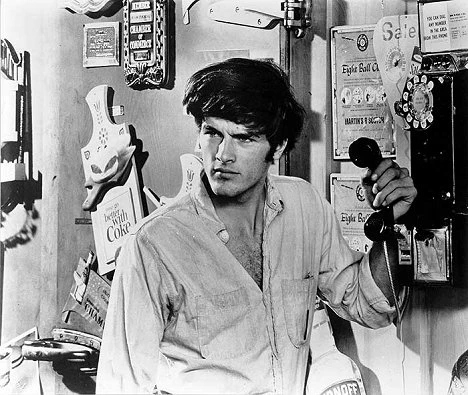
His role in "Zabriskie Point" brought Frechette fame—and sealed his ultimate fate
Frechette's story did not go unnoticed by documentary filmmakers: in 2008, director Michael Jaroschy made a short film about him titled "Death Valley Superstar"—part travelogue, part elegy for a man forever frozen between stardom and obscurity.
Mark Frechette became the voice of a generation before becoming its most tragic cautionary tale. A man who had it all—fame, money, a future in film—proved powerless against another man's charisma and ideology. What do you think: was this tragic end inevitable from the start, or was Frechette undone by a fatal chain of avoidable accidents?