The Spencer Curse: Why 300 Years of Misfortune Haunted the Dynasty of Diana and Churchill (13 Photos)
The Spencer family tree gave the world both Winston Churchill and Diana, the "People's Princess." Over three centuries, this aristocratic dynasty produced dukes, prime ministers, and society beauties. Yet behind their grand titles lies a haunting, recurring pattern: marriages of convenience, emotionally distant parents, infidelity, crippling debt, and untimely deaths. It is hardly surprising that following Diana's tragic death, headlines were quick to point to an ancestral curse. 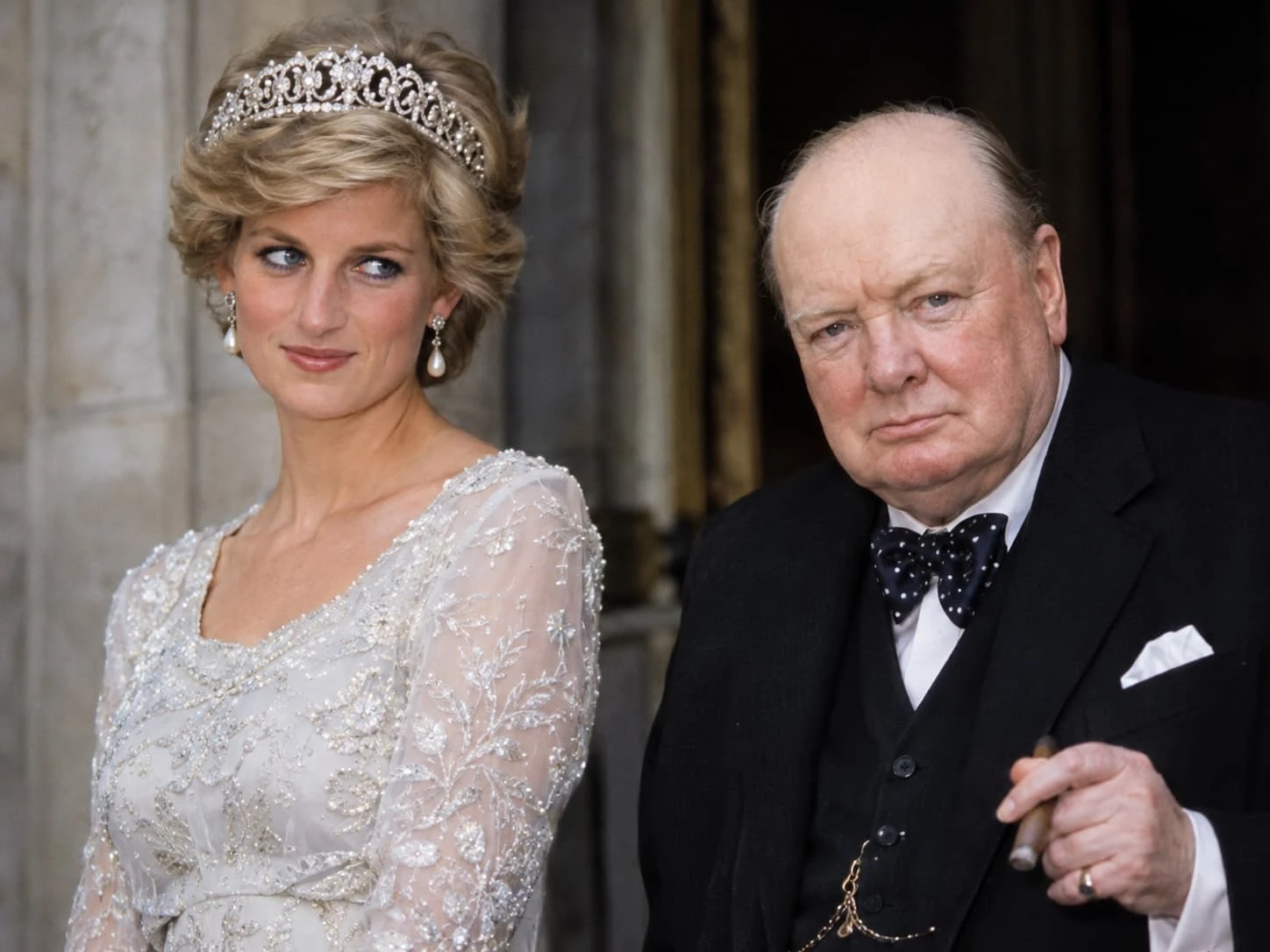
One Bloodline, Two Branches: How the Spencers and Churchills Joined Forces
It all began in the early 18th century when Charles Spencer, 3rd Earl of Sunderland, married Lady Anne Churchill. Her father, John Churchill, 1st Duke of Marlborough, won acclaim for his legendary victory at the Battle of Blenheim in 1704. In gratitude, Queen Anne granted him the royal estate where a monumental palace was later erected.
The couple had five children, and two of their sons founded the family's primary branches. The elder, Charles, inherited the title of Duke of Marlborough from his aunt in 1733, becoming the ancestor of all subsequent dukes, including Winston Churchill. The younger son, John, fathered the line of the Earls Spencer—and with it, Princess Diana. 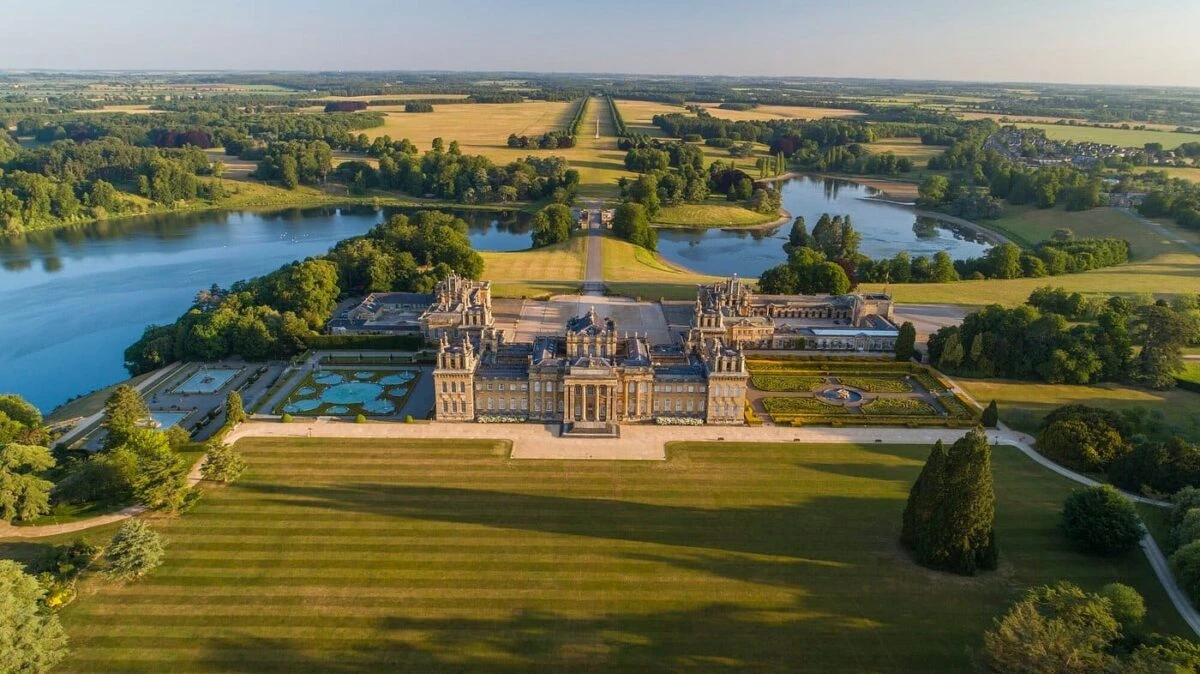
Blenheim Palace, the ancestral seat of the Dukes of Marlborough, where Winston Churchill was born in 1874
The hyphenated surname came later: in 1817, the 5th Duke of Marlborough officially adopted the name Spencer-Churchill to emphasize his descent from the hero of Blenheim. Winston bore this name as well. He signed his books "Winston S. Churchill" to avoid confusion with the American novelist of the same name.
The two branches always remained close, but according to family lore, their misfortunes were just as intertwined. From that point on, the family chronicle was marked by a succession of women married off solely for money and prestige.
Diana Russell: The Prince’s Bride-to-Be Who Was Denied the Crown
Lady Diana Spencer was born on July 31, 1710, the younger sister of Charles and John. Her mother died before she turned six, and her father passed away in 1722. The orphaned girl was raised by her formidable grandmother, Sarah Churchill, Dowager Duchess of Marlborough.
Sarah was determined to see her granddaughter become queen. She orchestrated a secret match between Diana and the heir to the throne, Frederick, Prince of Wales. With the prince drowning in debt, Sarah offered him an astronomical dowry of £100,000. The clandestine wedding was set to take place in a hunting lodge in Windsor Great Park. 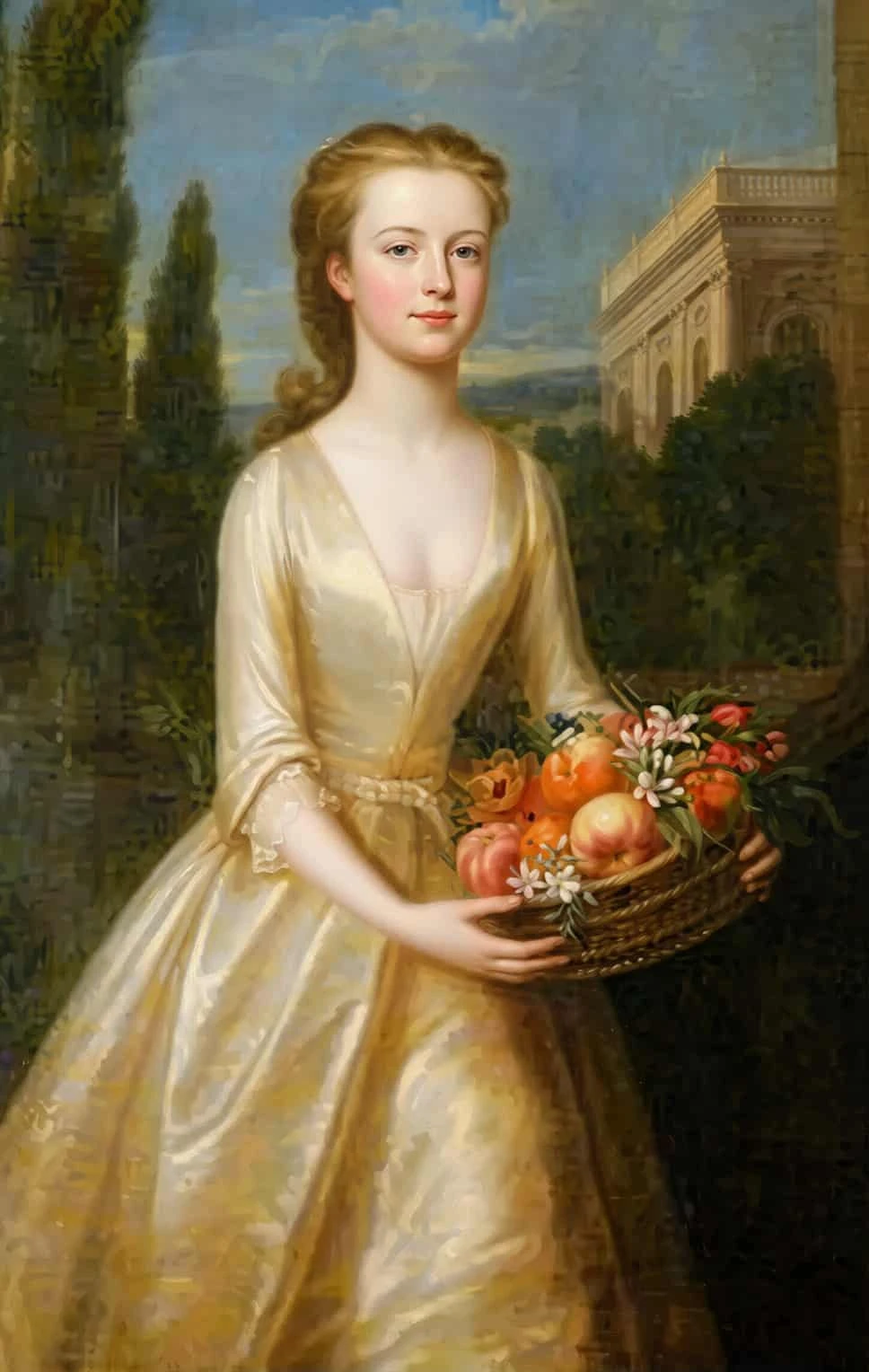
Diana Russell, Duchess of Bedford. Her grandmother groomed her to marry the heir to the British throne
The scheme was foiled by Prime Minister Robert Walpole, whose network of spies uncovered the plot. In 1736, Frederick married a German princess, and their son would later reign as King George III.
In 1731, Diana was married off to Lord John Russell instead. When his elder brother died a year later, she became the Duchess of Bedford. In 1732, while pregnant, she suffered a carriage accident. Her baby was born prematurely and survived less than a day. In the spring of 1735, Diana contracted tuberculosis. She died on September 27 of that year, aged just 25.
Georgiana Cavendish: The 18th-Century Style Icon
Georgiana was born on June 7, 1757, at the family seat of Althorp. Her father, John Spencer, was one of the wealthiest men in England. Georgiana's younger brother, George, is a direct ancestor of Princess Diana. It comes as no surprise that contemporaries drew striking parallels between these two Spencer beauties.
At seventeen, Georgiana married William Cavendish, 5th Duke of Devonshire. Her new husband proved emotionally cold and aloof. She soon discovered he already had an illegitimate daughter, Charlotte. 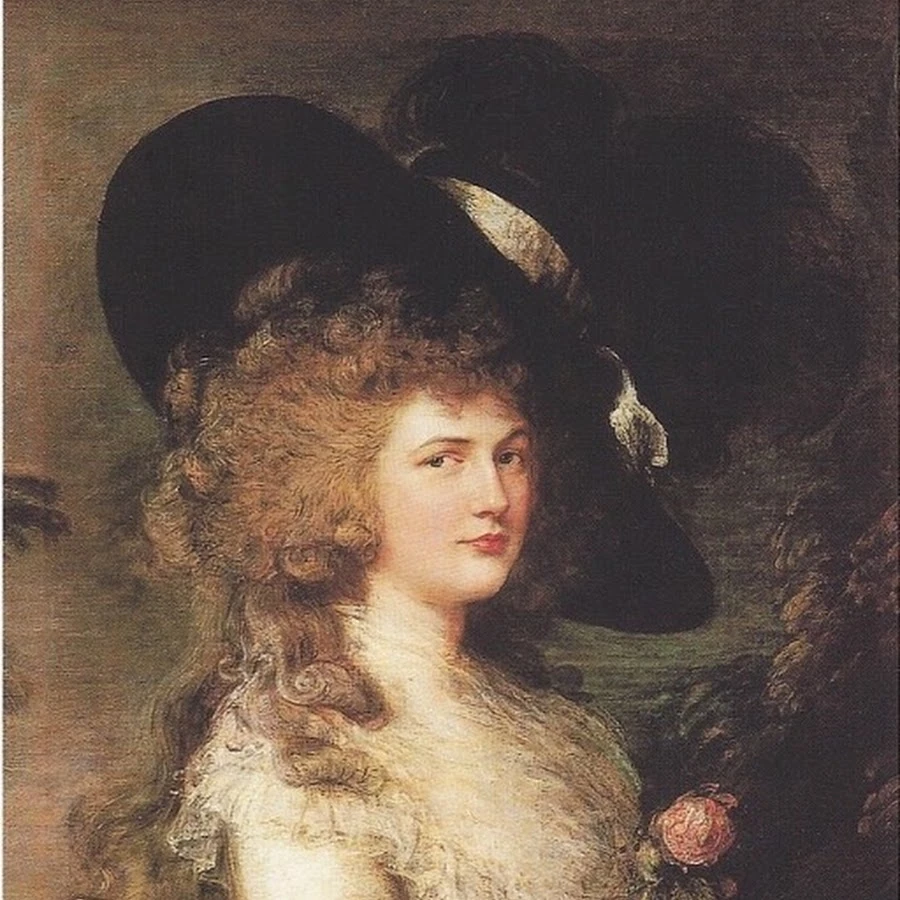
Georgiana Cavendish, painted by Thomas Gainsborough. Her elaborate hairstyles and hats were copied by fashionable women across London
Georgiana sought solace in high society. Her feathered hairstyles and statement hats were instantly mimicked across London. In 1784, the duchess campaigned openly for the politician Charles James Fox—an unheard-of audacity for a woman in Georgian society.
Her other passion was gambling. Her debts mounted far faster than she could conceal them from her husband. Georgiana borrowed from friends, bankers, and even the Prince of Wales, yet she never managed to fully clear her obligations.
A Ménage à Trois and Exile: The Duchess's Reckoning
In 1782, Lady Elizabeth Foster—known simply as Bess—entered the couple's lives. While Georgiana considered her a dear friend, the duke made her his mistress. Bess moved into the Cavendish household and bore the duke two children. This bizarre arrangement lasted for more than twenty years.
For years, Georgiana struggled to produce an heir, giving birth to daughters in 1783 and 1785. The long-awaited son finally arrived in 1790, securing the Cavendish succession and protecting their vast estates. 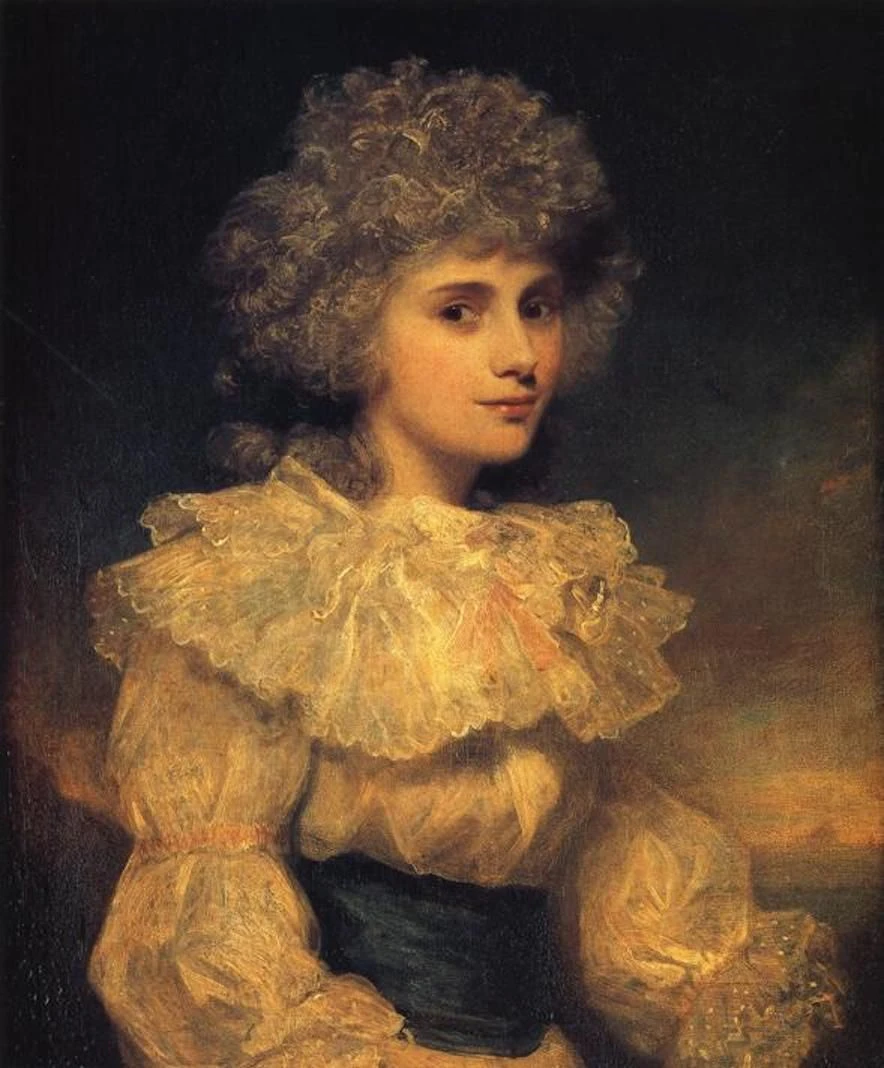
Lady Elizabeth Foster, Georgiana's best friend and her husband's mistress. Following the duchess's death, she married the duke
In 1791, the duchess fell passionately in love with young politician Charles Grey, the future Prime Minister after whom Earl Grey tea is named. The duke gave her an ultimatum: end the affair or never see her children again. Choosing her children, Georgiana went abroad, where she gave birth to a daughter, Eliza, in February 1792.
The infant was given to Grey's parents to raise, and the duchess was not permitted to return home until the autumn of 1793. Mounting debt and failing health plagued her until the end. Georgiana died of a liver abscess on March 30, 1806, aged 48. Three years later, Bess married the widowed duke, becoming the new Duchess of Devonshire.
The 9th Duke of Marlborough: A Noble Title for Vanderbilt Millions
By the late 19th century, little remained of the Marlborough family fortune. Blenheim Palace was astronomically expensive to maintain, and agricultural revenues had plummeted. Charles Spencer-Churchill, born in Simla, India, on November 13, 1871, inherited the title of 9th Duke of Marlborough in 1892, along with a crumbling stately home.
Salvation came from across the Atlantic. Alva Vanderbilt, the ambitious mother of 18-year-old Consuelo, was desperate to see her daughter become an English duchess. She orchestrated the match herself. When Consuelo resisted, her mother kept her locked in her room until she broke. Alva later bluntly admitted: "I forced my daughter to marry the Duke." 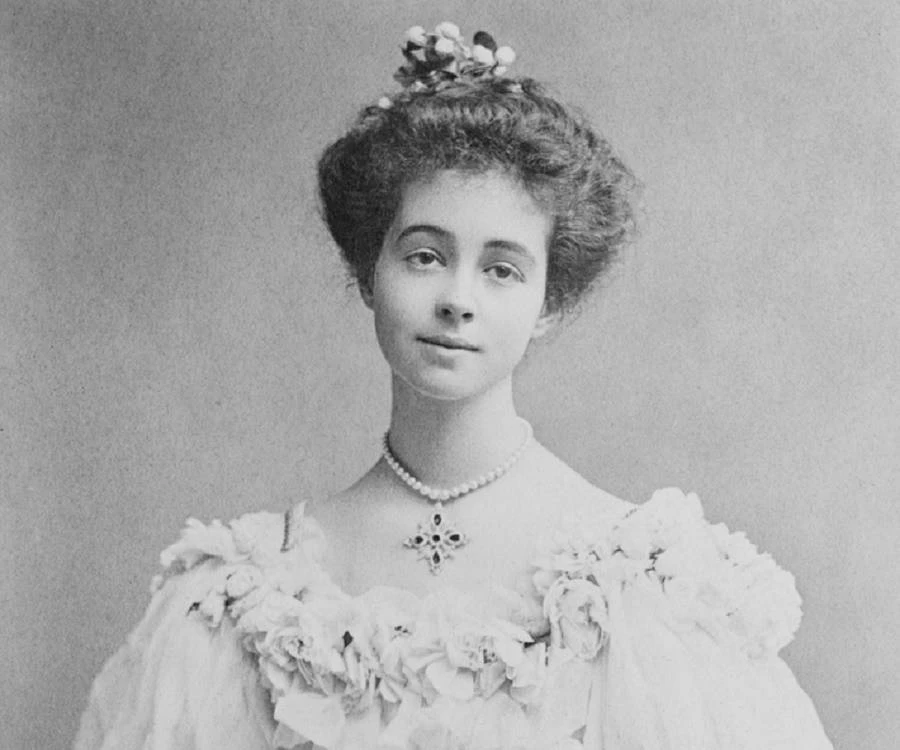
Consuelo Vanderbilt, Duchess of Marlborough. Her dowry saved Blenheim from financial ruin
On November 6, 1895, the 23-year-old duke married Consuelo in New York. Her dowry amounted to $2.5 million in railroad stock. The duke poured the windfall into Blenheim immediately: paying for extensive restorations, landscaping the grounds, and furnishing the great library.
Consuelo's heart belonged to another man, the American Winthrop Rutherfurd. The duke was hardly faithful either. On the morning of her wedding, the bride wept in absolute isolation: "Nobody spoke to me," she later recalled.
Gladys Deacon: The Second Wife and the Battle for Blenheim
Money could not buy happiness. According to Consuelo, the duke candidly told her on their honeymoon that he had married her solely to save Blenheim. She bore him two sons, John and Ivor—wryly dubbed "the heir and the spare" by Consuelo herself—yet marital warmth was nonexistent.
The couple finally divorced in 1921, and that same year, the duke married another American, Gladys Deacon—a longtime acquaintance whom Consuelo herself had once introduced to society. Consuelo was living in a Curzon Street mansion built for the Marlboroughs by her father. Remarkably, the two women remained friends. 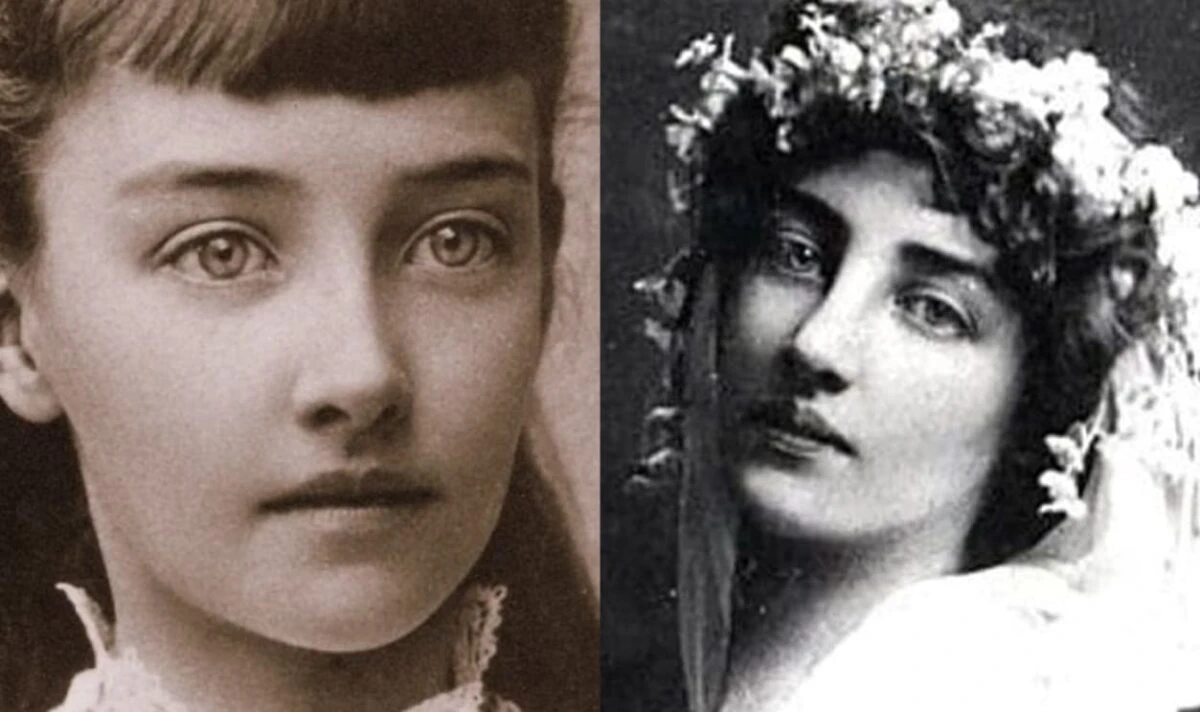
Gladys Deacon, the duke's second wife. Once a friend of Consuelo, she would become Duchess of Marlborough herself
His second wife had no intention of surrendering the palace. The marriage quickly turned bitter and remained childless. Gladys's behavior grew increasingly erratic: she bred Spaniels throughout Blenheim and allegedly placed a revolver on the dinner table, announcing she might simply shoot the duke. In response, he moved to London and cut off the electricity and gas to drive her out. In 1933, he successfully evicted her from Blenheim altogether.
The duke died on June 30, 1934, at the age of 62. His life was yet another testament to the fact that high titles guarantee no personal happiness. Blenheim, however, was saved for future generations and remains open to the public today.
Winston Churchill: From Boer Captivity to Parliament
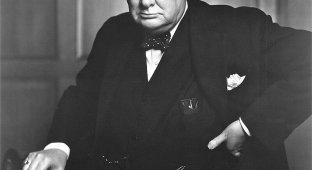
Winston was born at Blenheim Palace on November 30, 1874. He was the first cousin of the 9th Duke of Marlborough. His parents, the prominent politician Lord Randolph Churchill and the American socialite Jennie Jerome, paid little heed to their son. For years, the lonely boy wrote desperate letters from boarding school begging them to visit. 
The young Churchill. Long before reaching the heights of power, he shot to fame with his daring escape from Boer captivity
Until 1897, Winston was heir presumptive to the dukedom of Marlborough. When the 9th Duke had his first son, Churchill's prospects of inheriting vanished, freeing him to pursue his own destiny. In 1899, he headed to South Africa to cover the Boer War as a war correspondent.
Captured by the Boers, he staged a sensational escape from Pretoria about a month later. The exploit made him an overnight celebrity across Britain. By 1900, the 25-year-old Churchill had won a seat in Parliament.
Throughout the 1930s, Churchill was among the few sounding the alarm about the mortal threat posed by Nazi Germany, largely falling on deaf ears. On May 10, 1940, he was summoned to become Prime Minister, steering the nation through its darkest hour. 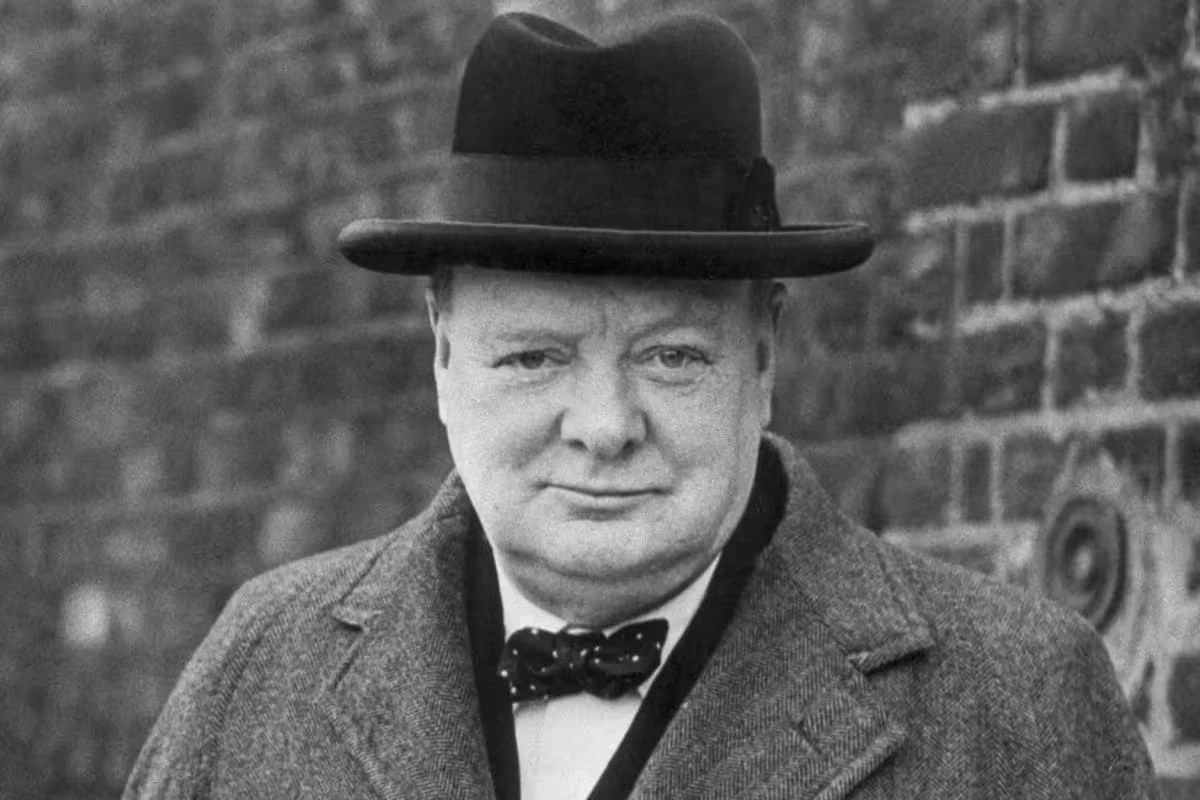
Churchill served twice as Prime Minister: from 1940 to 1945 and from 1951 to 1955
The war took a staggering physical toll. In December 1941, he suffered a mild heart attack in Washington, and in 1943, he battled pneumonia twice. Then, in July 1945, right after securing victory in the Second World War, the British electorate voted his party out of office.
The "Black Dog" and the Tragic Fates of Churchill’s Children
Throughout his life, Churchill was plagued by bouts of depression, which he famously dubbed his "black dog." The expression had roots in the 18th century, coined in the days of Samuel Johnson, but it was Churchill who immortalized it as the quintessential metaphor for depression.
In 1908, he married Clementine Hozier. Together they had five children, though the household would know profound grief. Their youngest daughter, Marigold, died of sepsis in August 1921 at just two years and nine months old. Churchill was devastated by the loss and could not bear to speak of her for years. 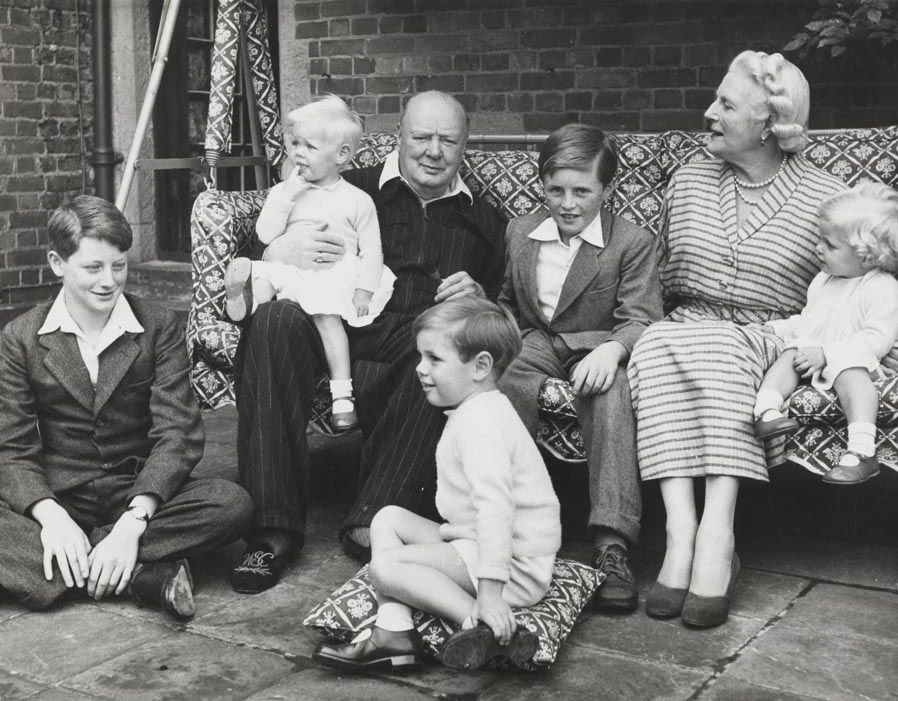
Churchill with his wife, Clementine, and their children. The family weathered a series of devastating losses
His eldest daughter, Diana, battled severe depression and took her own life in 1963. His son Randolph and daughter Sarah struggled for years with alcoholism, which ravaged their personal lives and careers. Of the five children, only the youngest, Mary, lived into venerable old age, later writing memoirs about her childhood in the Churchill home.
Churchill himself suffered several strokes after the war, which severely compromised his health. Even so, he returned as Prime Minister in 1951, serving until 1955. Right up to the end, he maintained an exhausting lifestyle: working late into the night, getting little exercise, and sipping whisky incessantly. We explored his eccentric daily routine in a previous article. He passed away on January 24, 1965, at the age of 90.
Princess Diana: History Repeats Itself
On January 12, 1960, Viscount Althorp and his wife, Frances, had a son named John, who lived for only ten hours. Eighteen months later, on July 1, 1961, Diana was born. Her parents had married in 1954 and lived at Park House on the royal Sandringham estate, where the young Diana often played with Prince Andrew and Prince Edward.
In 1967, her mother walked out on the family for Peter Shand Kydd, an Australian wallpaper fortune heir. The couple divorced in 1969; the court awarded custody to her father, and Diana stayed with him. Frances married Shand Kydd in May that year. The split left deep scars on the children. Diana later recalled listening to her parents' furious rows and being shuttled back and forth between two households. 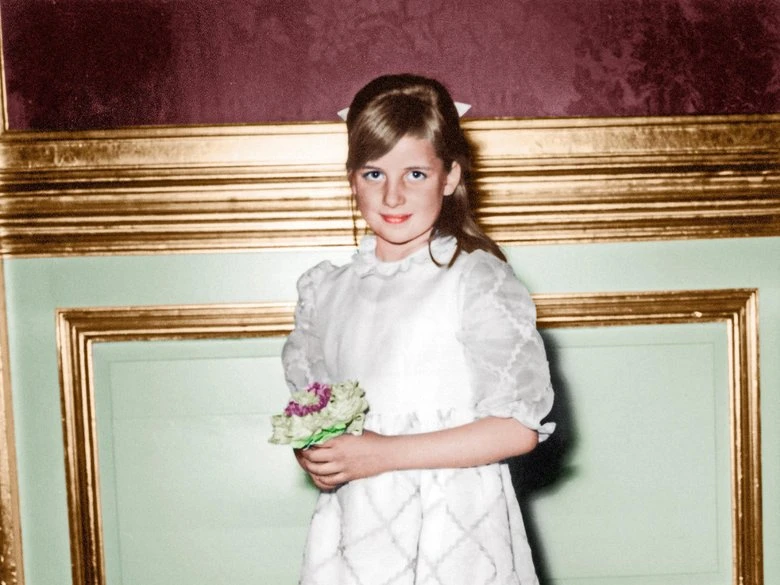
Diana grew up caught between her parents' homes. The divorce came when she was just eight years old
Diana grew up in an atmosphere of loneliness and family strife. At age nine, she was sent to boarding school at Riddlesworth Hall in Norfolk. She brought along her pet guinea pig, Peanuts, as the school allowed pupils to bring small pets. She later attended West Heath in Kent, following in her older sisters' footsteps.
Academics did not come easily; she failed her O-levels twice. However, she showed a natural flair for piano, ballet, and sports. At sixteen, Diana left school without formal qualifications. In 1976, her father married Raine, Countess of Dartmouth, the daughter of romance novelist Barbara Cartland. The Spencer children despised their stepmother, christening her "Acid Raine"—a bitter pun on her name. Diana's relationship with her remained deeply strained.
The Wedding of the Century and Divorce: A Fairy Tale Gone Wrong
On July 29, 1981, Diana married Prince Charles at St Paul's Cathedral. She was just twenty years old, catapulted overnight onto the global stage. An estimated 750 million people watched the broadcast as her 25-foot bridal train trailed down the aisle. It looked like the ultimate fairy tale, but the marriage began unravelling almost immediately. 
Charles and Diana's nuptials were billed as the "wedding of the century." The bride's train stretched nearly twenty-five feet
The couple formally separated in 1992. In her bombshell 1995 BBC Panorama interview, Diana opened up about her bulimia and uttered the iconic line: "There were three of us in this marriage." Everyone knew she meant Camilla Parker Bowles.
The divorce was finalized on August 28, 1996. Diana retained her title as Princess of Wales but was stripped of her "Her Royal Highness" style. Exactly one year and three days later, on August 31, 1997, she was killed in a high-speed car crash in Paris's Pont de l'Alma tunnel while fleeing pursuing paparazzi alongside Dodi Fayed. She was 36 years old.
A Curse or a Generational Pattern?
Looking at the generations side by side, the supposed curse takes on a distinctly earthly shape. Almost every prominent member of the family was married off for money, prestige, or political clout. Children were raised by distant, emotionally detached parents, only to repeat the cycle in their own marriages.
Vast fortunes enabled vices, affairs, and high-profile scandals, but did nothing to stave off disease and profound loneliness. Psychologists call these generational scripts, where children unconsciously adopt their parents' behavioral blueprints. The press, of course, prefers the phrase "family curse"—it makes for far more sensational headlines. 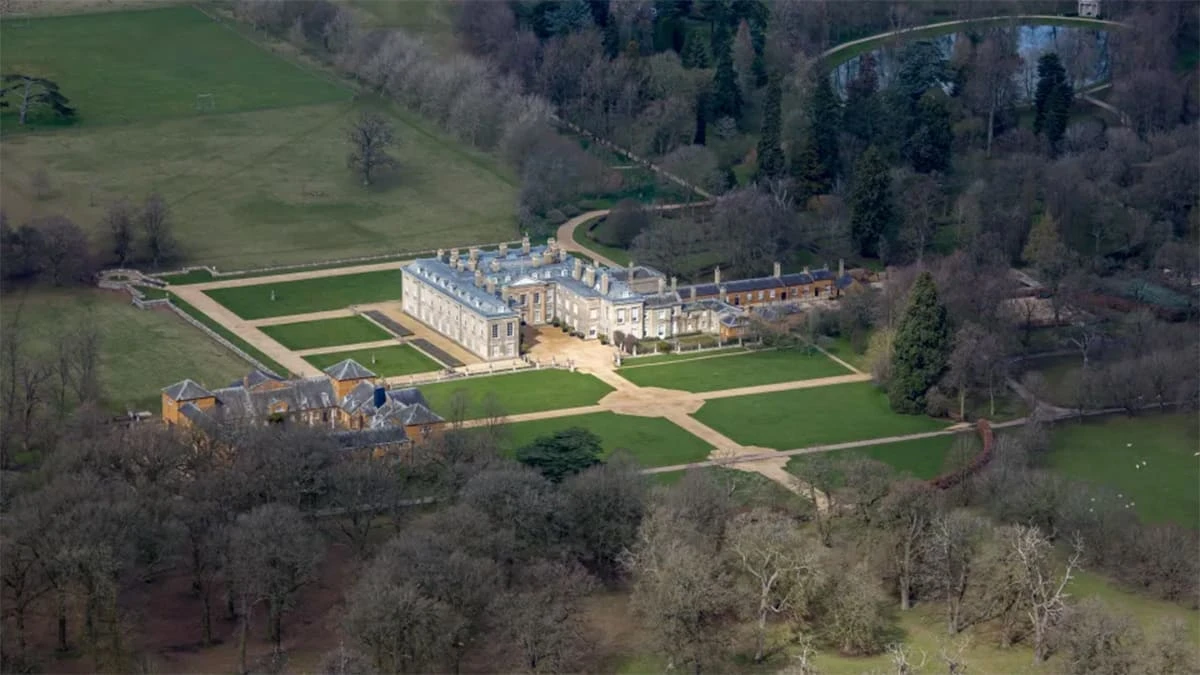
Althorp, the ancestral seat of the Earls Spencer. Princess Diana is buried on an island in the middle of the estate's lake
The Spencer saga continues. Nearly 300 years after Sarah Churchill's thwarted royal ambitions, her direct descendant stands directly in line for the British throne: Prince William, Diana's son.
What do you think: is the Spencer curse real, or merely a tragic generational cycle no one managed to break? Share your thoughts in the comments!