Many river and sea fish protect themselves with spines, but ruffs outshine most of them. Their dorsal fins are reinforced with stiff, pointed rays, their gill covers are covered with small spines, and their mouths are lined with small but very sharp teeth. Encounters with ruffs are often costly, not only for predatory fish but also for fishermen.
Many river and sea fish protect themselves with spines, but ruffs outshine most of them. Their dorsal fins are reinforced with stiff, pointed rays, their gill covers are covered with small spines, and their mouths are lined with small but very sharp teeth. Encounters with ruffs are often costly, not only for predatory fish but also for fishermen. 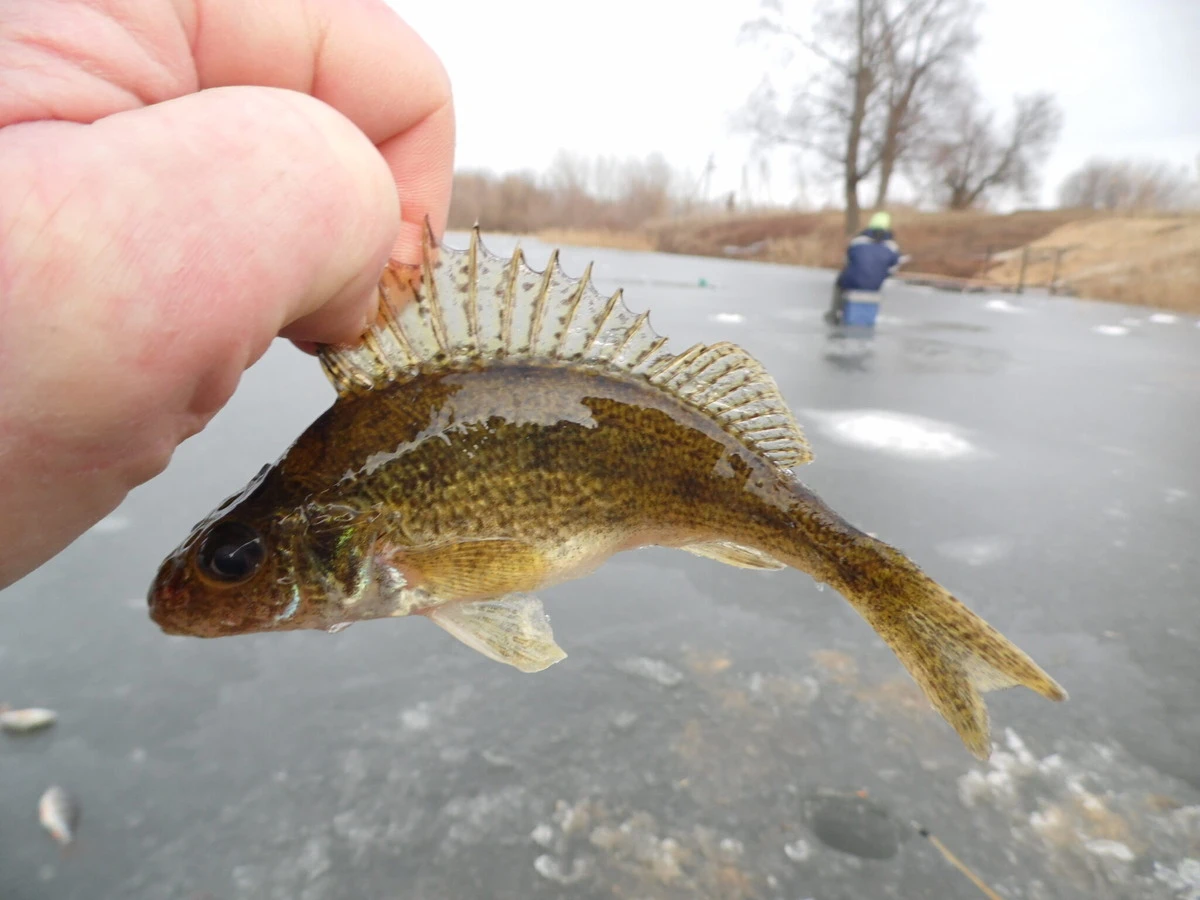
The word "ruff" itself is no accident. When the fish is taken out of the water, it immediately spreads its spiny dorsal fin and the spines on its gill covers, literally "ruffling up."
Ruffs are an extremely difficult target for fishing. While catching them is fairly easy, if they live in a body of water, it becomes difficult to catch anything other than ruffs. They will take any bait at any time of day, making it very difficult to catch the target fish. And getting it off the hook is quite a challenge. The small gray-green fish, barely large enough to fit in the palm of your hand, instantly spreads all its spines, bends its tail to the side, and assumes the appearance of a creature with absolutely nothing to lose. A sting is almost inevitable. 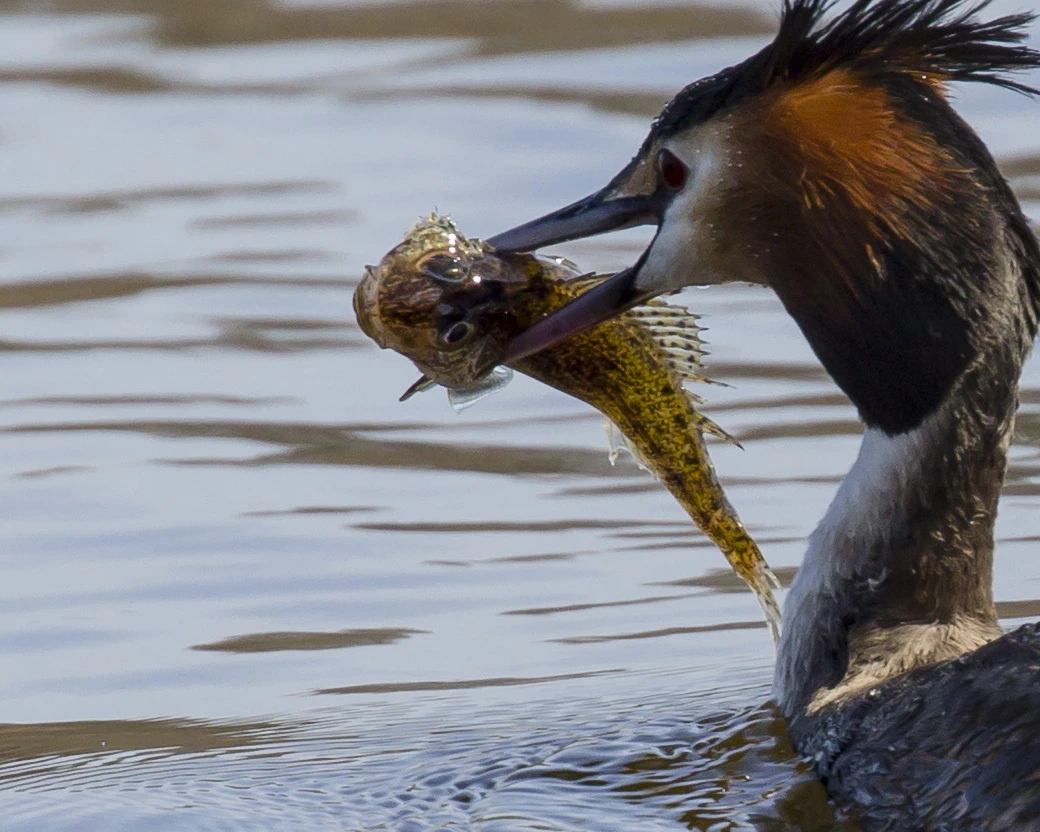
But fish-eating waterfowl are truly adapted to this type of hunting. Their beaks prevent initial injury, and their hard esophagus and stomach are virtually scratch-proof.
The ruff's main weapon isn't the sharpness of its spines, but what's on them. The fish's body is covered in a thick, special mucus. When a thorn pierces a fisherman's skin, mucus gets into the wound, causing inflammation, often with suppuration. It's not poison in the strict sense, but the effect is comparable to mild poisoning. Experienced fishermen remove the ruff from the hook through a rag or glove, without risking their bare hands. Furthermore, once caught in a net, the ruff becomes firmly entangled, greatly complicating fishing... 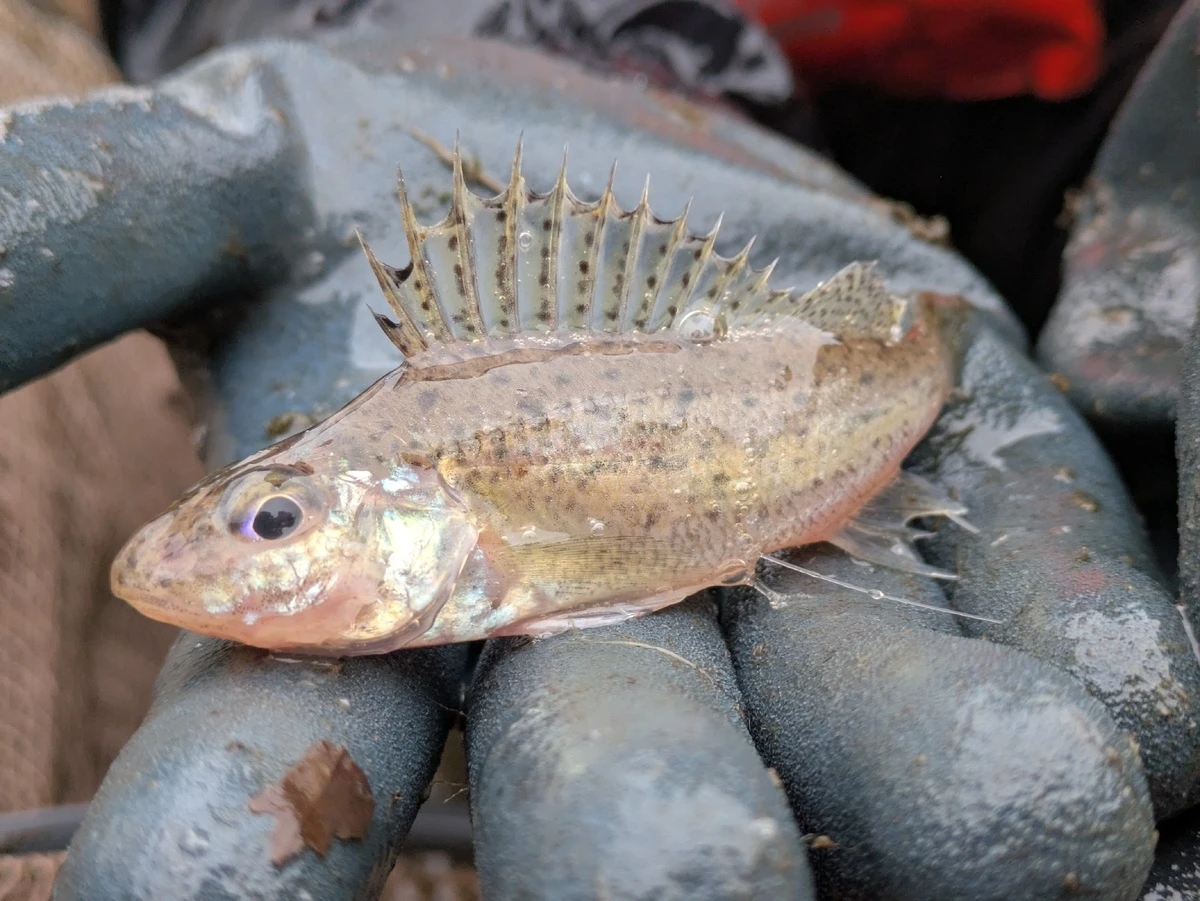
Come on, where's the normal fish?!
Per unit of body weight, the ruff consumes six times more food than the carp. It eats year-round, even during spawning. In winter, when most fish sharply decrease their activity, the ruff continues to hunt under the ice with almost summer intensity. This is why it bites so well during ice fishing. The ruff is a schooling fish, and this is its main strength. A school of ruffs, having found bait, occupies a spot with such determination that bream, white bream, and roach simply leave. Fishermen know this phenomenon well: once a ruff starts biting, nothing else will happen. 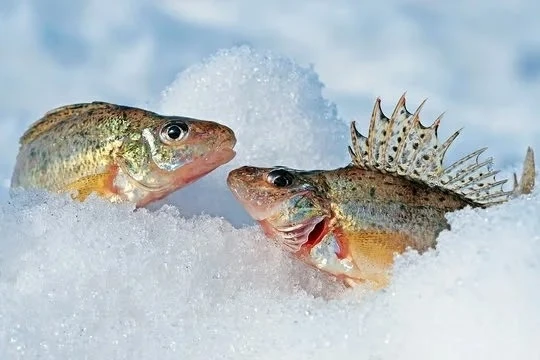
How many healthy fingers do you say you have?
The ruff's diet consists of anything it can fit in its mouth: insect larvae, worms, small crustaceans, and the eggs of other fish. This last is especially significant: the ruff eats eggs deliberately and in large quantities. If predators don't keep their numbers in check, they can suppress the reproduction of valuable fish in an entire body of water. Furthermore, ruffs combine their inedibility with a remarkable fecundity and ecological flexibility. A female ruff is ready to reproduce as early as her second year of life and can lay up to 200,000 eggs per year. At this point, she herself will grow to a maximum of 30 centimeters in length! How does such a tiny creature fit so many offspring? 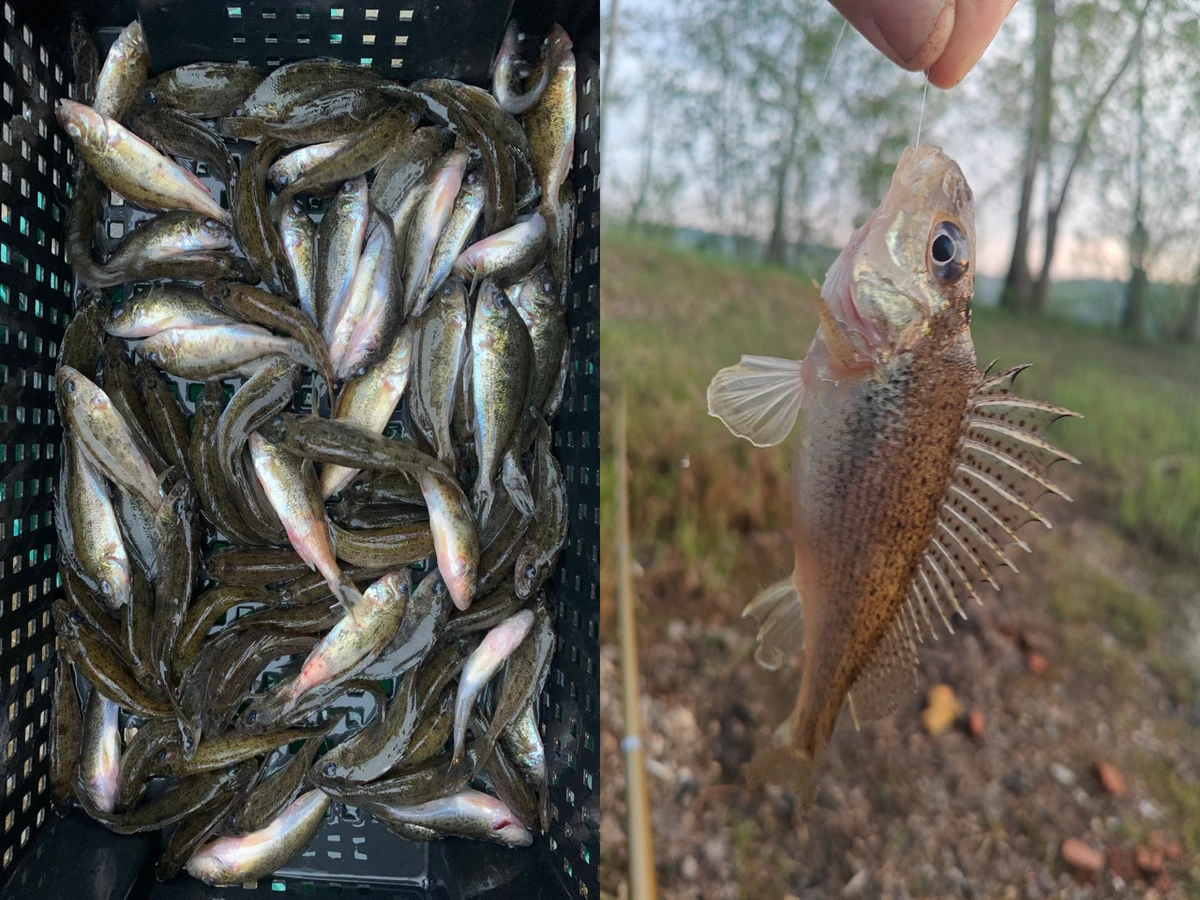
If he poops, it means he loves!
However, changes in water composition and temperature have very little effect on their fertility, which is why ruffs can displace larger fish from their ecological niches. This is especially true in bodies of water under heavy human influence. This is why ruffs have long been considered a trash fish. They are like scaly nettles, occupying damaged ecosystems, disrupting life around them, while thriving in the new conditions. 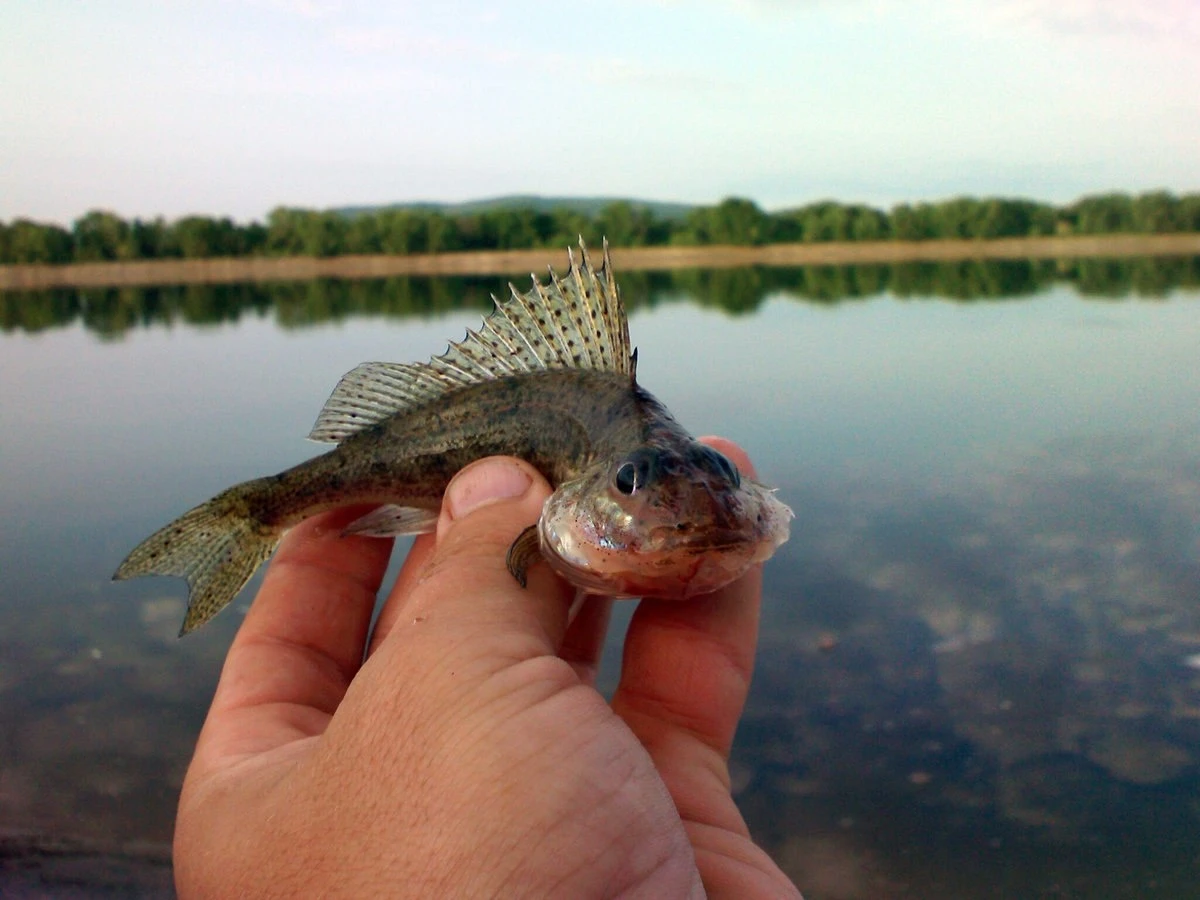
Bro, give me a ride to the travel agency.
The ruff has been so successful in its expansion that it even managed to escape its natural range—Europe and Siberia—and reach the United States. In the 1980s, it even penetrated the famous Great Lakes system and began causing trouble there. And locals have no idea how to get rid of it. Fishermen both dislike and respect the ruff. They dislike it because it takes up space, pricks, and interferes with catching "normal" fish. They respect it because, when there's no fish, it's the ruff that keeps you from going empty-handed. In winter, the ruff bites well. Its meat—white, lean, and free of excess fat—is quite edible, although the small bones still want to pierce the roof of your mouth in a last-ditch attempt to annoy you. 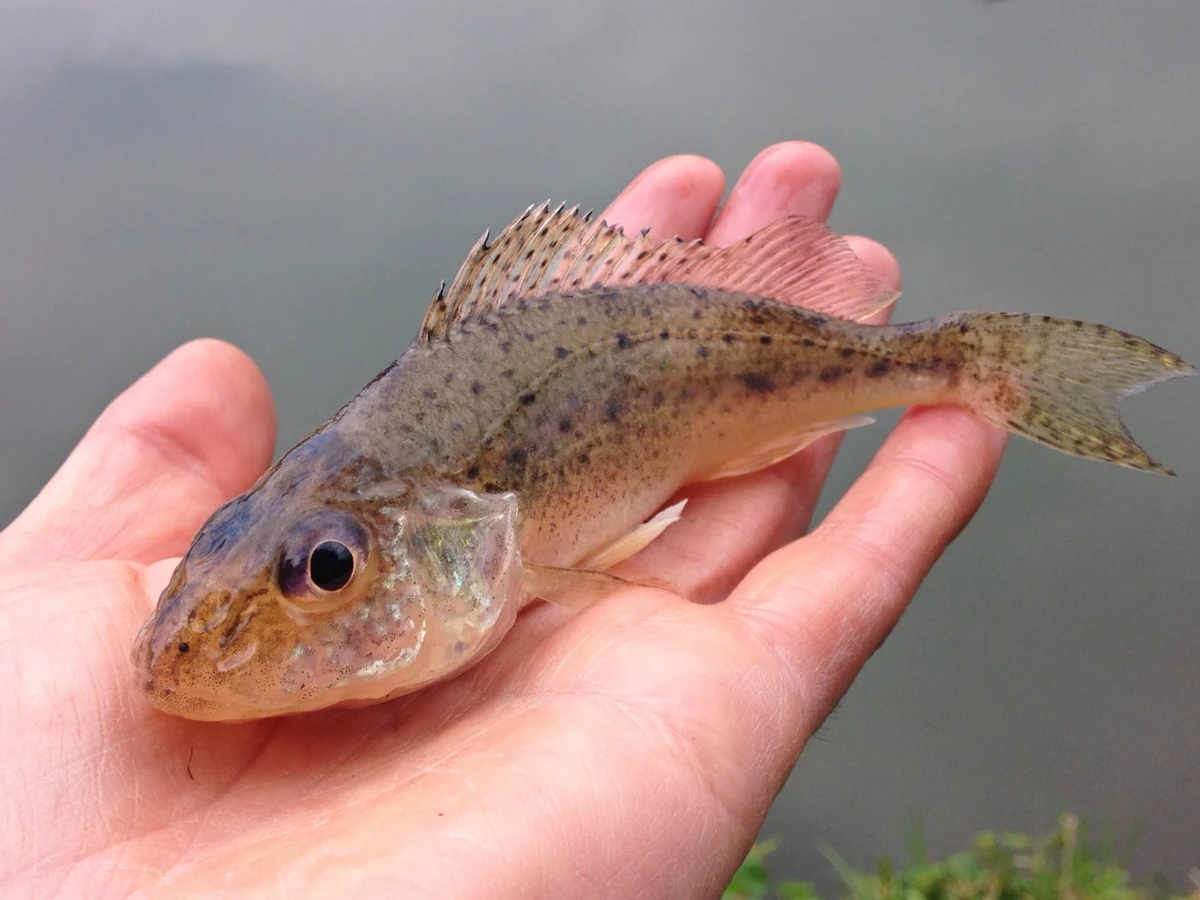
But with such a catch, artistic photography skills are developing quite well...
Add your comment
You might be interested in:













Supercar of Russian oligarch confiscated in Ukraine (3

Fish house in India (5 photos)

Production of an inexpensive electric sports car SC-01 has

Jump From one of the highest highway bridges in the US

Hyundai sets record sales thanks to unexpected models (2

Took It and Immediately Regretted It: 17 Photos and GIFs
A whale shark swam to the fishermen for help (3 photos + 1

Captivating and unique video shows a deer shedding its

The coffin on wheels was valued at $29,000 (20 photos)

Margaret Hamilton Dies at 90: The Story of the Moon

25 Incredibly Beautiful and Rare Stones (26 Photos)

16 Fascinating and Surprising Facts About Life in Sweden

"What Is This Thing?": 20+ Bizarre Objects That

13 "Healthy" Habits You Should Actually Quit (14

Cassini Spacecraft Reveals Saturn’s Rings (10 Photos)

How Germany Got a Mountain Made of Salt (6 photos)

30 Everyday Details That Will Change How You See the World

Hypnotic and Oddly Satisfying GIFs That Show How Food Is
