Rastafari: What We Know About the Religion of Jah and Its Followers (8 Photos)
Rastafari is one of the world's youngest, most unique, and widely stereotyped religions. Because it emerged in Africa—the cradle of humankind—its followers maintain that their faith is the world's oldest and purest. In reality, Rastafari only recently marked its centennial, and its key spiritual figure is not a mythical ancient deity, but a real historical figure who lived in the 20th century. 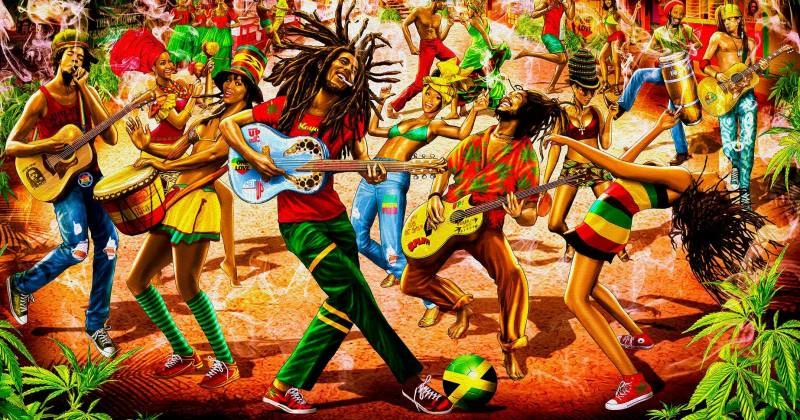
The movement indeed originated in the birthplace of humanity: Ethiopia. Given the long-standing Christian tradition in this part of Africa, it is no surprise that Christianity heavily influenced the new faith. Notably, Ethiopian Christianity differs significantly from Western Christian traditions. 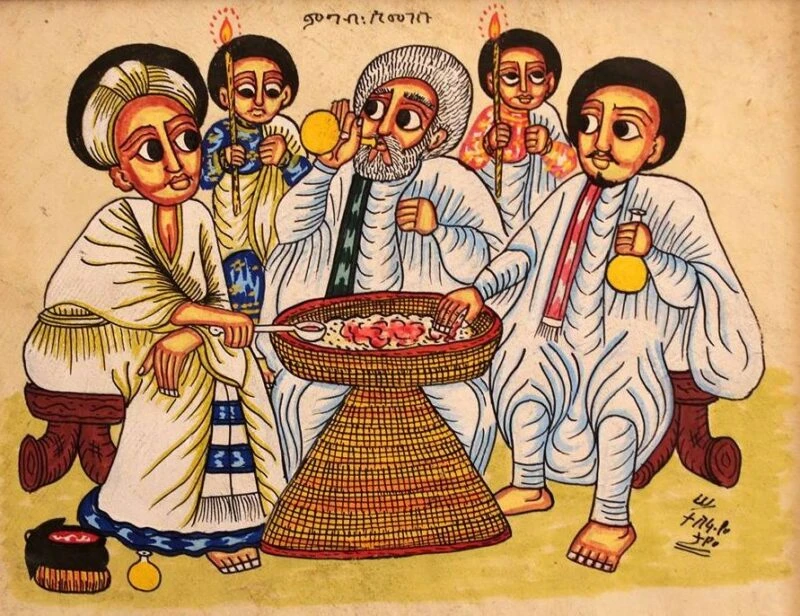
In Ethiopian iconography, Jesus and the saints are depicted as Black, portrayed in a distinct, almost stylized artistic tradition. Church services in Ethiopia are equally striking to visitors, featuring traditional African drums rather than conventional choral chants. Rastafari adopted much from this distinct form of Christianity, while also drawing inspiration from ancient animist traditions.
At the heart of Rastafari is the call for all people of African descent to return to their ancestral homeland. African history was deeply fractured by Western powers, who spent centuries forcibly transporting Black populations by land and sea into lifelong servitude. 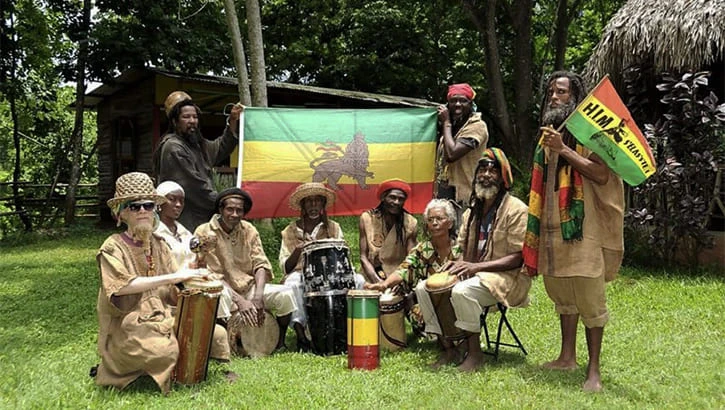
The Caribbean island of Jamaica served as a major transit hub for slave traders bound for North and South America. As a result, African cultural roots remained powerful on the island, providing fertile ground for Rastafari to take hold. The movement teaches that Black Africans were subjected to slavery under white rule as punishment for past sins.
Rastas believe they must await the day when Jah shows mercy and leads them back to the promised land—Ethiopia. This belief parallels the Biblical story of the Israelites' captivity in Egypt before their return to Canaan. Despite the abolition of slavery, Rastafari continues to view Western culture as an oppressive force, prompting Rastas to consciously distance themselves from European norms. 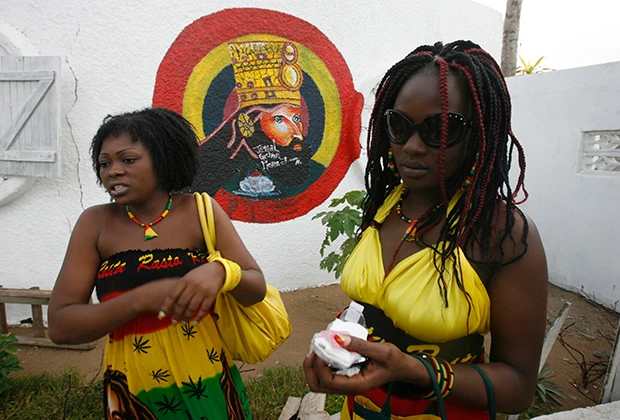
While Rastafari shares historical links with Christianity, it stands apart in fundamental ways. It lacks rigid rituals, formal canons, or a single codified doctrine. Nevertheless, Rastas follow strict core principles.
Rastas consider the human body sacred, forbidding tattoos, haircuts, shaving, and body modifications. The ideal Rasta diet (Ital) is natural and plant-based; if meat is consumed, pork is strictly avoided. While Rastas recognize Jah as the ultimate truth, their faith preaches tolerance and respect for the personal and religious beliefs of others. 
Compassion extends to all living things—people, animals, and nature alike. Western society, with its materialism and vices, is viewed as inherently corrupt and something to be avoided. Above all, Rastafari promotes universal brotherhood and love. Malice, aggression, and deceit are strictly forbidden, echoing moral values found across many global faiths.
Rastafari does not venerate saints in the traditional sense, but it holds key historical figures in high regard. Chief among them is Marcus Garvey, founder of the Universal Negro Improvement Association and a passionate civil rights advocate. 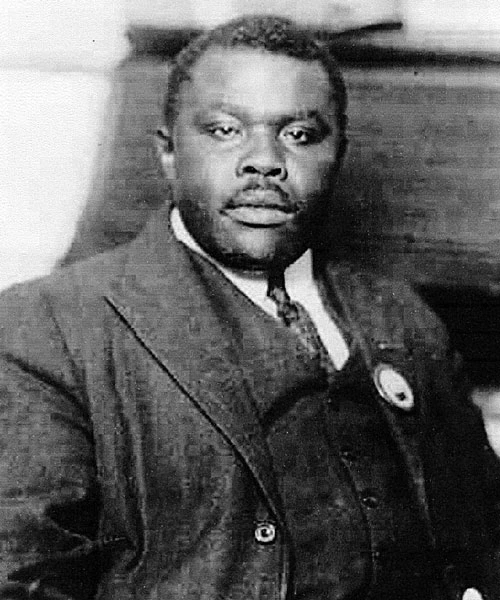
Marcus Garvey
In the early 20th century, Garvey championed the Back-to-Africa movement, urging Black people around the world to return home and live in peace and unity. In his speeches, he often spoke of a "Black King" who would deliver exiled sons and daughters back to their land. This prophecy laid the groundwork for the veneration of Haile Selassie I, the last Emperor of Ethiopia.
Before taking the throne, the Ethiopian monarch held the noble title Ras Tafari Makonnen, which ultimately gave the movement its name. Believed to be a direct descendant of King Solomon, Haile Selassie I was revered by Rastas as the earthly incarnation of Jah. 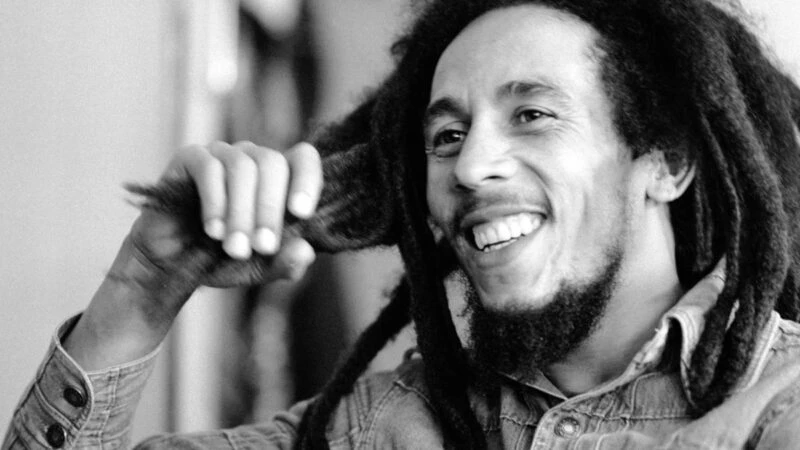
Bob Marley
Another monumental figure in Rastafari is Bob Marley. While not considered a prophet or saint, his global influence in spreading Rasta culture cannot be overstated. Marley's music bridged Jamaican and African heritage, making him the definitive icon of the Rasta way of life.
Dreadlocks remain a central symbol of Rasta identity. Beyond honoring traditional African hairstyles, dreadlocks represent a commitment to keeping one's hair natural and uncut. They also hold sacred meaning: Rastas believe that Jah will recognize his people by their locks when the time comes to be gathered home. 
Where does the name Jah come from? The term comes straight from the Bible—Jah is a shortened form of Yahweh, used in Judeo-Christian traditions. Rastas refer to the promised land as Zion, representing Ethiopia and the African continent as a whole. Conversely, Western civilization is called Babylon—a symbol of materialism, greed, and systemic oppression.