Thanks to him, ordinary carrot soup saved thousands of lives. 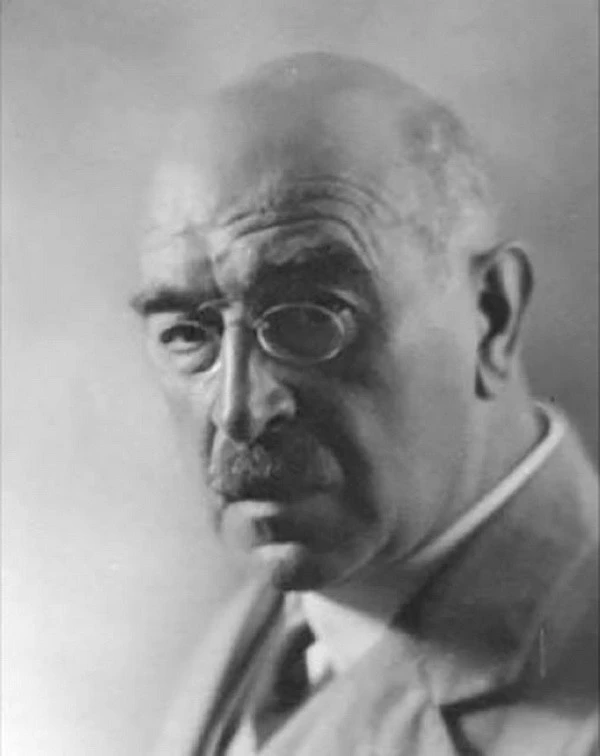
Pediatrician Ernst Moreau. Thanks to him, ordinary carrot soup saved thousands of lives, made it possible to diagnose, for example, cerebral palsy. He discovered lactobacilli, yet he never received a single significant award, and in our region, few have heard of him.
It's scary to think, but just a century and a half ago, the average human life expectancy was half what it is today. Of course, this doesn't mean our ancestors lived to 35-40 years of age and died of old age. Infant mortality accounts for a large part of this figure. It wasn't enough for a child to be born; they had to survive to adulthood. One hundred and forty-two years ago, a man was born who made this task easier—pediatrician Ernst Moro.
Today, we would call Moro a Slovenian physician, as he was born on December 8, 1874, in Ljubljana, the capital of modern-day Slovenia. But in those distant years, Ljubljana was just one city in the Austro-Hungarian Empire, and it had a different name—Laibach, the capital of the Duchy of Carniola.
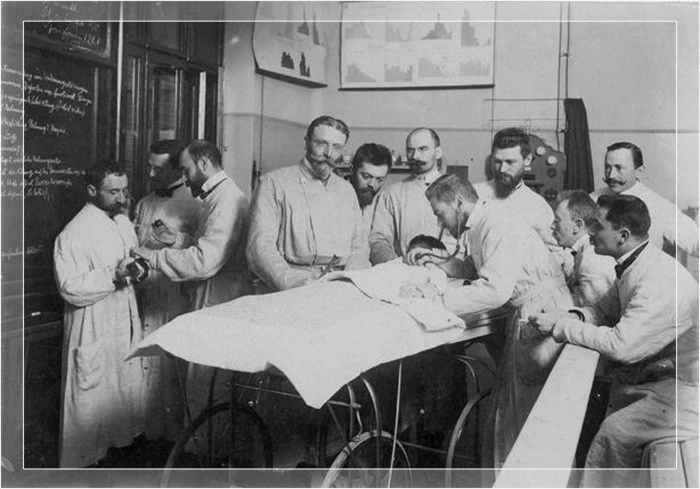
However, Moro studied in true Austria, in Graz. In 1899, he received his medical degree (what is now called an MD in the US and UK). From 1901 to 1902, he worked with the great Theodor Escherich (the same one who discovered the bacterium Escherichia coli, or intestinal bacteria). In Munich, he specialized in pediatrics in 1906, and two years later became a professor at the University of Heidelberg.
It was in 1908 that he made a crucial discovery, which would only be explained a century later. At that time, many children were dying from diarrhea. Moreau created a simple recipe that halved the infant mortality rate—a simple carrot soup. Half a kilo of carrots is pureed, poured into a liter of water, seasoned with three grams of salt, and boiled down to a total volume of one liter. That's all.
It wasn't until 2002 that it became clear that the acidic oligosaccharides formed in this soup, which are released into the solution from carrots, prevent bacteria from adhering to the intestinal mucosa. Another study showed that, thanks to these properties, the soup even treats diarrhea caused by antibiotic-resistant bacteria.
In principle, this alone is reason enough to remember Moro and be grateful to him. He is credited with introducing the sterilization of baby bottles and discovering that breastfed babies are much more resistant to disease (much later, it became clear that breastfed babies are protected by their mother's antibodies, unlike formula-fed babies). It was Moro who invented "Moro milk" for artificial feeding (cream-flour-butter-sugar). It was Moro who discovered lactobacilli found in fermented milk products and demonstrated their benefits. He also discovered a reflex present in infants in the first months of life: if you make a sharp sound near their head, they will first spread their arms, spreading their fingers, and then bring their hands together, clenching them. The absence of this reflex is a sign of damage or suppression of the central nervous system. It is the Moro reflex, or rather its absence, that can, for example, be used to suspect cerebral palsy.
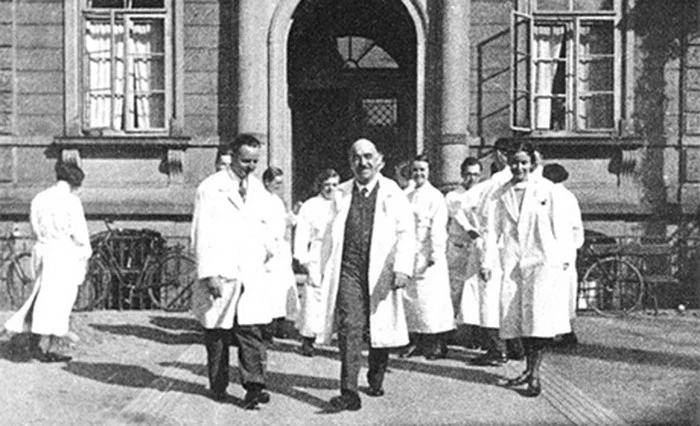
Surprisingly, despite all his achievements, Moreau lived a modest life and was never awarded any prizes (he was never nominated for a Nobel Prize in medicine). However, he was fortunate to survive the Third Reich. He was only forced to resign from his professorship in Heidelberg in 1936 "for health reasons" (in reality, because of his Jewish wife), but he continued to pursue his passion until the age of 74. The great pediatrician worked as a private physician until 1948, opening a pediatric clinic on Mozartstrasse, No. 10. 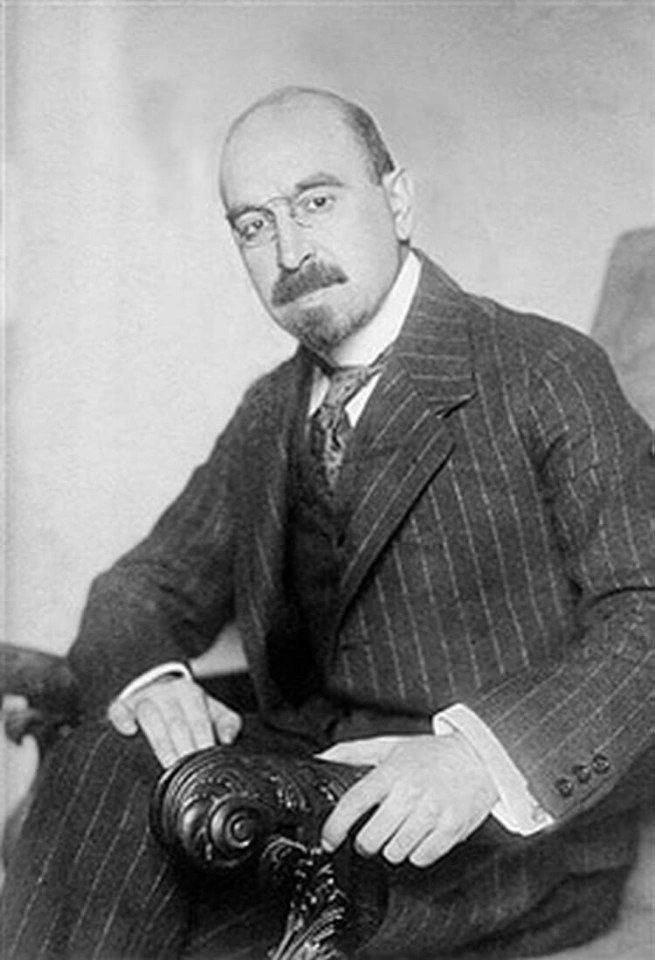
Add your comment
You might be interested in:












A Half-Life fan created a working massager in the shape of

The Adventures of John Rambo in Half-Life 2

A Half-Life fan made a headcrab-shaped neck massager (4

A dark-skinned comedian attended a race in the guise of a

What kind of animal is this crawling

Ferrari, Maybach and more: what auto parts and parts for

Toyota Updated the Luxury Century Sedan for the First Time

AUDI presented the anniversary limited station wagon Audi

Gabe Newell talked about how his day goes
Margaret Hamilton Dies at 90: The Story of the Moon

25 Incredibly Beautiful and Rare Stones (26 Photos)

16 Fascinating and Surprising Facts About Life in Sweden

"What Is This Thing?": 20+ Bizarre Objects That

13 "Healthy" Habits You Should Actually Quit (14

Cassini Spacecraft Reveals Saturn’s Rings (10 Photos)

How Germany Got a Mountain Made of Salt (6 photos)

30 Everyday Details That Will Change How You See the World

Hypnotic and Oddly Satisfying GIFs That Show How Food Is
