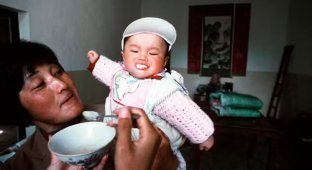
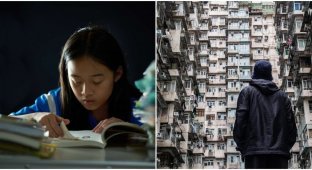
How China's One-Child Policy Shaped Its Present and Future (6 Photos)
From 1979 to 2015, China enforced its infamous "one-child policy." In effect, it was a massive social experiment involving an entire nation. Predictably, the policy carried devastating consequences that ripple across generations to this day. 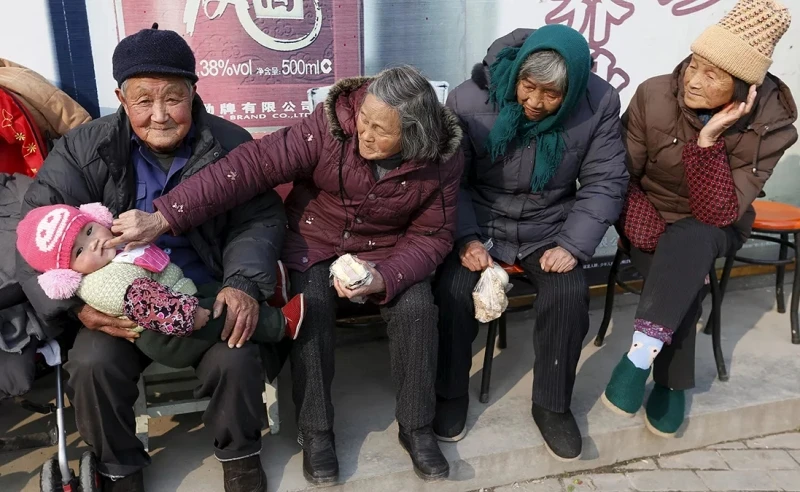
From One to Three
Life in rural China has always been tough. Historically, villagers received no government pensions and had to rely entirely on themselves, making children essential for maintaining the household and farm. But the one-child policy left countless elderly people utterly alone. If an only son died or moved away, there was no one left to care for aging parents. 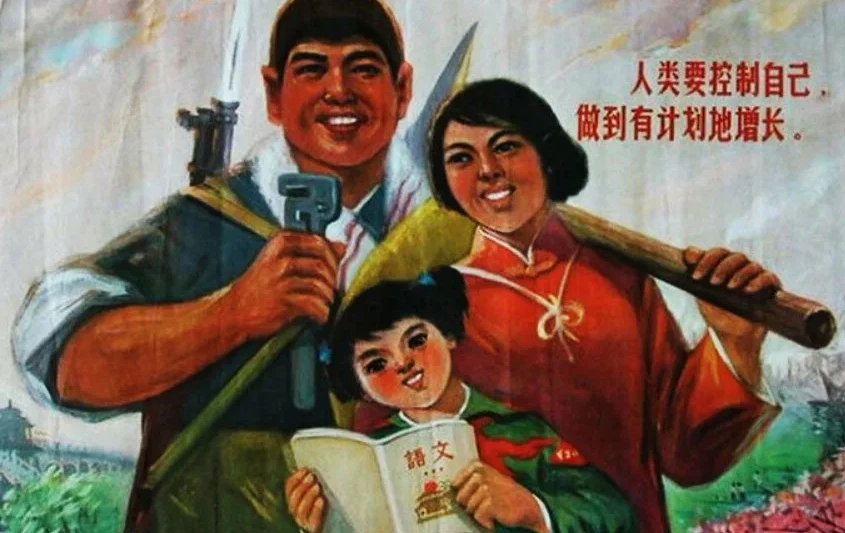
This crisis forced the authorities to rethink social security, eventually introducing a basic minimum pension for rural seniors. Beijing realized that the country was heading straight into a demographic crunch, complete with all its grim consequences. Japan served as a stark warning right next door—a nation of elderly citizens heavily reliant on the tax burden of a shrinking young workforce.
At the same time, many young Japanese adults can no longer afford to start families of their own, driving birth rates even lower and accelerating the aging process. China eventually caught on, but the damage was already done. In 2015, Beijing scrapped the one-child rule, raising the cap to two children. When that failed to curb the demographic decline, the limit was raised again in 2021 to allow three children per family. 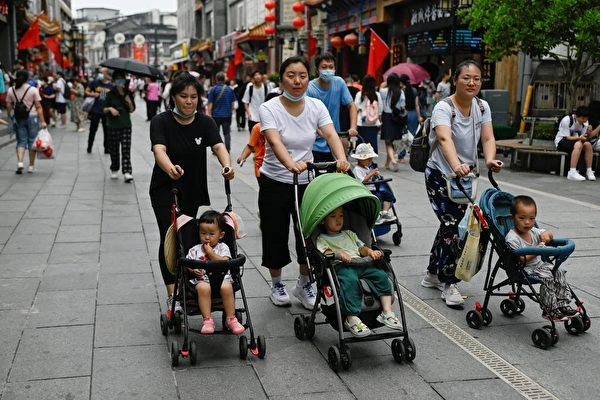
However, decades of strict family planning left a deep mark. Chinese couples showed little enthusiasm for having three kids, having grown accustomed to smaller families and different priorities. Today's generation has vastly different lifestyle expectations and financial burdens, with a mindset firmly focused on career advancement and financial stability.
The Secret Behind the Economic Miracle
Before the 1970s, China looked very different: families commonly had five or more children. By 1979, the country's population surpassed one billion and kept climbing rapidly—a staggering leap from just 542 million in 1949. When the restrictive law was formally codified in 1980, many resisted. Local officials enforced it ruthlessly, in some areas resorting to forced abortions. 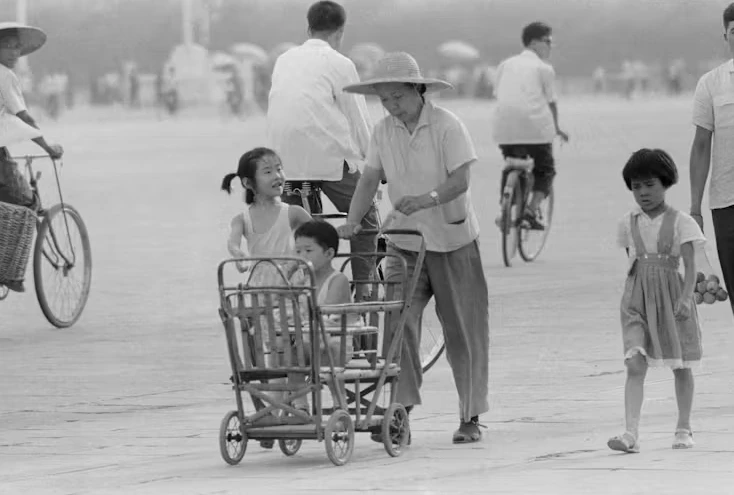
Over time, the regime shifted away from extreme measures toward heavy fines and institutional penalties. Couples who ignored the rules risked their civil rights and livelihoods—having a second child could easily cost both parents their jobs. Yet the policy delivered the economic jolt the government wanted: China embarked on an unprecedented period of rapid growth.
With fewer children to raise, the workforce remained focused on productivity. Able-bodied grandparents weren't tied down caring for large broods, remaining active in the economy instead. Mothers returned to work quickly after taking a single maternity leave. The policy also boosted labor mobility: as new factories sprang up across the nation, small families with just one child could easily relocate wherever jobs were available.
Unintended Consequences
Yet the human cost was immense. By 2010, an estimated one million Chinese families had lost their only child, leaving elderly parents with no descendants to honor their memory or care for them. With all family expectations resting on a single child, pressure on young people skyrocketed. Parents rushed to marry off their only son to secure a male heir to carry on the family line. Furthermore, the policy widened social inequality: wealthy families could simply pay the fines to have extra children, while the poor were left with no choice but to comply. 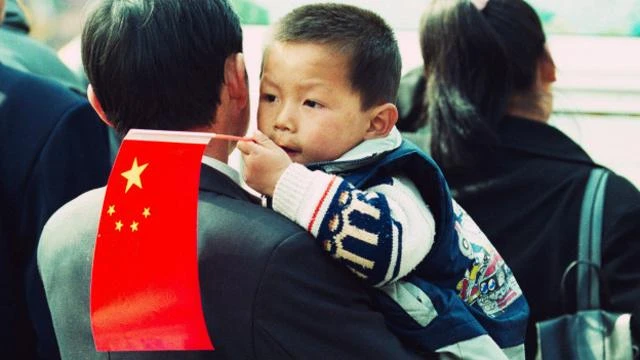
Deep-seated cultural preferences for sons led to sex-selective abortions and widespread abandonment of baby girls, causing a massive gender imbalance. As a result, China ended up with millions more men than women, leaving an entire generation of young men struggling to find a bride.
This shortage of women fueled a surge in human trafficking, with women and girls smuggled internally and from neighboring countries to be forced into marriages or exploited. 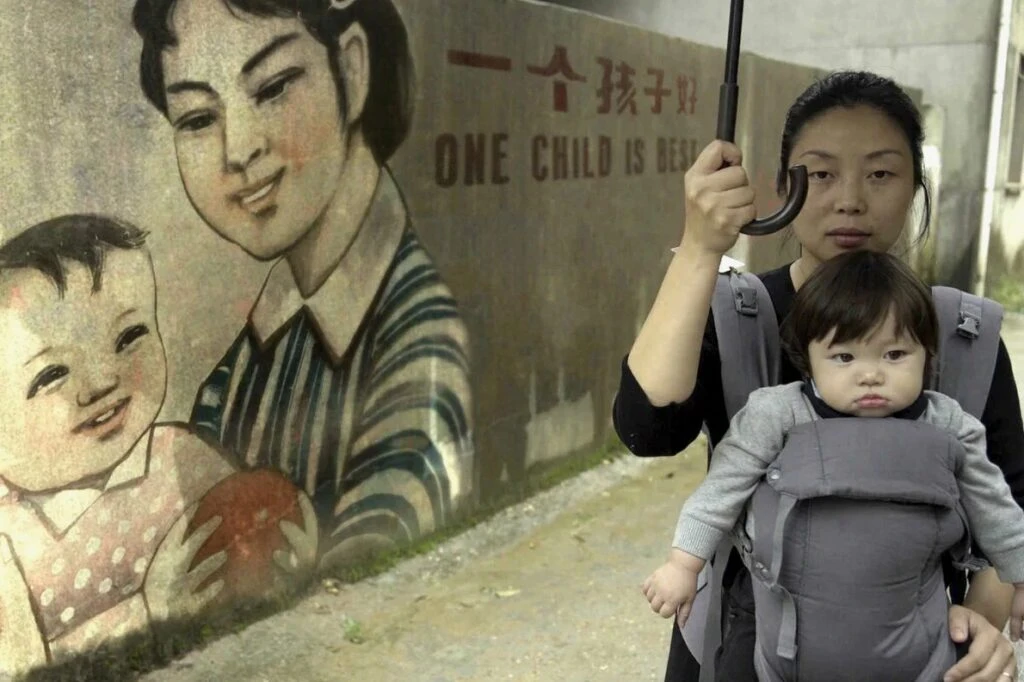
The policy also spawned a generation of so-called "little emperors"—only children burdened with crushing expectations to succeed. This high-pressure environment has taken a heavy toll on youth mental health, frequently leading to anxiety, depression, and burnout as children struggle under an unfair weight of familial responsibility.
Today, China is paying the bill for its economic miracle, and the fallout from this grand social experiment will linger for decades. In many ways, the nation borrowed from its own future. Young couples still stick to one child—if they decide to marry and have kids at all. Previous generations laid the groundwork for prosperity; now, young adults prefer to enjoy comfortable lives unburdened by large families.