Leaving Food for the Dead—and Eating the Leftovers: How Remembrance Festivals Are Celebrated Worldwide (18 photos)
Almost everywhere on Earth, there is a night when the living await visitors from the beyond. In Ireland, ancient megaliths align with the sun of Samhain. In Mexico, altars are adorned with vibrant marigolds, while in Thailand, lavish feasts are laid out for wandering spirits. In China, families sweep graves and offer green rice cakes. Here are 7 festivals honoring the dead—and the remarkable threads that unite them. 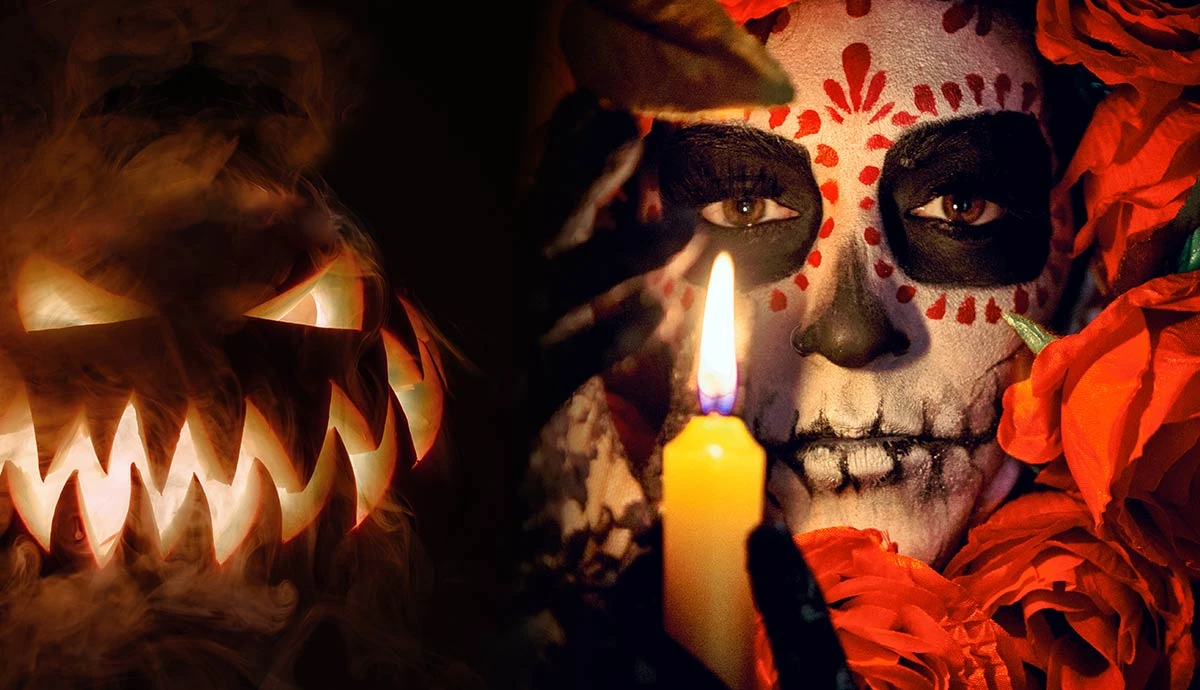
1. Samhain: The Celtic Roots of Halloween
For the Gaelic Celts, Samhain was both a harvest festival and a day of remembrance. Marking the end of the harvest and the onset of winter, it was believed to be a time when the veil between the living and the dead grew exceptionally thin, allowing ancestors to walk among their kin. 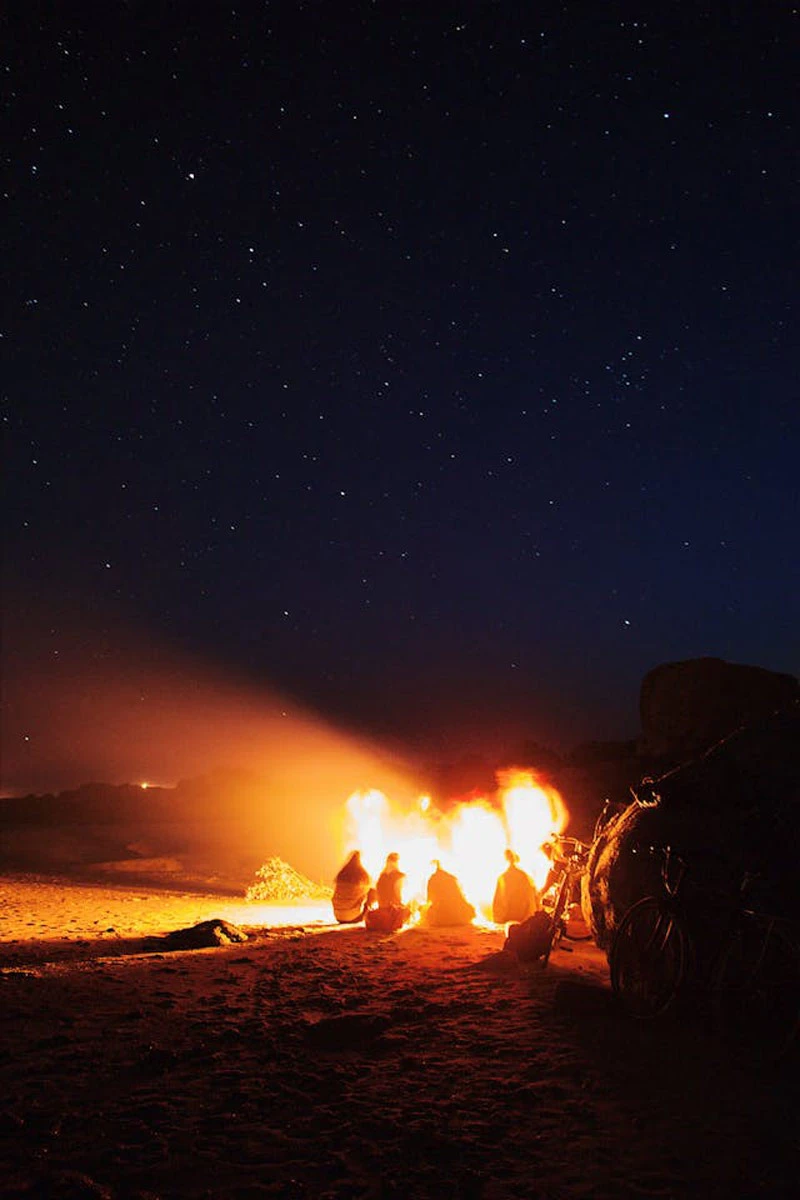
Marking the transition from harvest to winter, Samhain was celebrated around roaring fires and communal feasts.
During the Neolithic era, roughly 6,000 years ago, there were no cities in Europe. Instead, towering megaliths rose across the landscape—massive stone monuments where scattered communities gathered. Ireland's Newgrange is illuminated by the sun only on the winter solstice. Other ancient sites are aligned with Samhain, which fell around November 1 and marked the turn of the new year. On this day, for instance, the morning sun beams straight down the passageway of the Mound of the Hostages on the Hill of Tara.
At Boscawen-ûn in Cornwall, the sunset on November 1 aligns precisely between two standing stones, framed by a prominent quartz pillar. 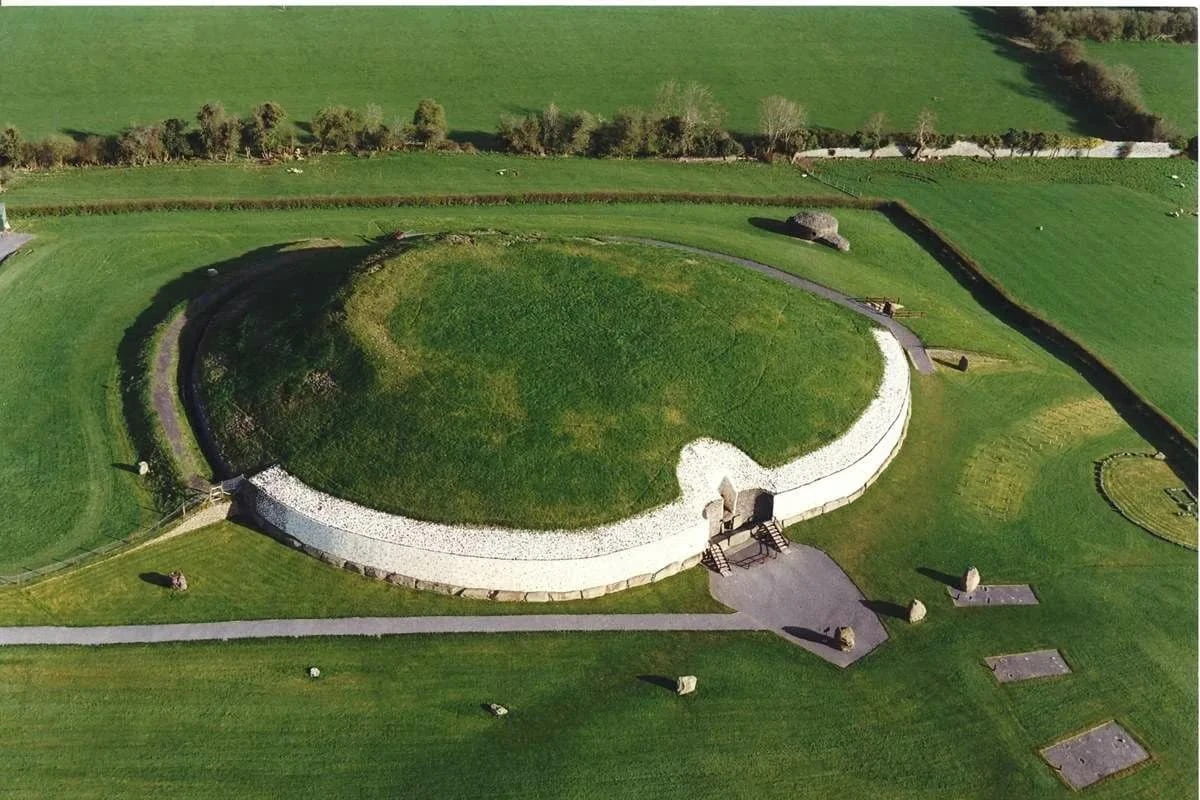
Sunlight pierces these ancient tombs only on specific dates—alignments carefully calculated by their prehistoric builders.
The festivities were celebrated with grand banquets featuring the season's bounty. Without refrigeration, consuming the harvest was far more practical than storing it. As a result, feasting became just as essential to the ritual as storytelling and remembering the departed.
Yet Samhain was far more than a seasonal milestone; it was the most important night of the year for communing with the dead. The Celts believed the Otherworld—the spirit realm—coexisted with and overlapped our own. While spirits remained in their world for most of the year, at Samhain, the barrier between realms virtually vanished. 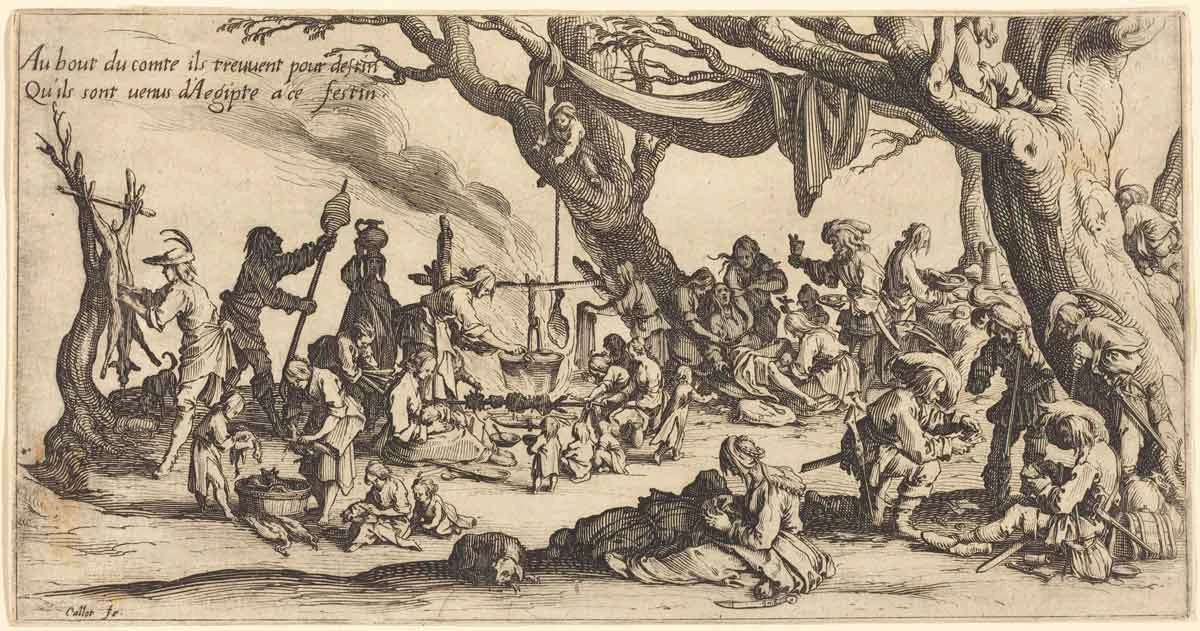
Feasting was central to every celebration, captured by artists for centuries. An etching by Jacques Callot, 1621.
It was at these megaliths, where people gathered to feast, that Earth and the Otherworld were thought to meet. The Irish called these places
sí
. Here, the living could commune with their ancestors and even glimpse the future. The entities believed to dwell there closely resemble what we now call the fae, or fairies.
2. Halloween: America's Spooky Season
Halloween might feel as American as apple pie, but its roots are distinctly European. Its foundation was laid when early Christian traditions reinterpreted pagan rituals, particularly Samhain.
It all started with small cakes. In the Middle Ages, spiced baked goods were handed out to the poor in exchange for prayers for souls trapped in purgatory—a practice known as "souling." In essence, it was the church-sanctioned precursor to trick-or-treating. Over time, these spiced, raisin-studded soul cakes evolved into the mountain of sweets we see today. 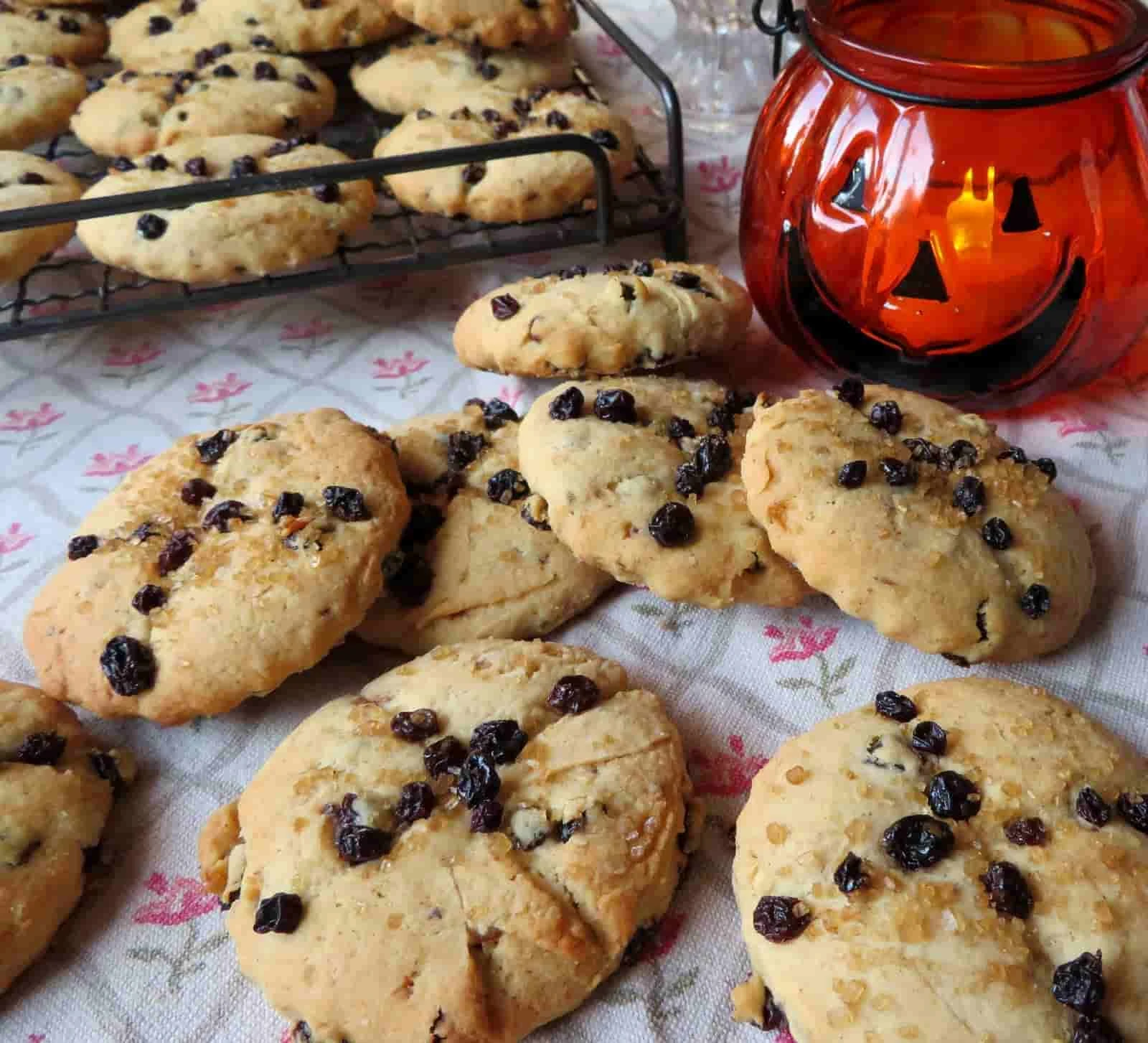
Soul cakes: pastries given in exchange for prayers, and the ancestor of modern Halloween candy.
If soul cakes gave us trick-or-treating, where did the glowing orange lantern come from? The jack-o'-lantern traces its roots straight to Irish folklore and the tale of Stingy Jack, a trickster who outwitted the devil. Barred from both heaven and hell, Jack was condemned to wander the Earth with only a carved-out turnip lit by an ember from hell to guide his path. From this legend arose the tradition of carving frightening faces into root vegetables to ward off evil spirits. 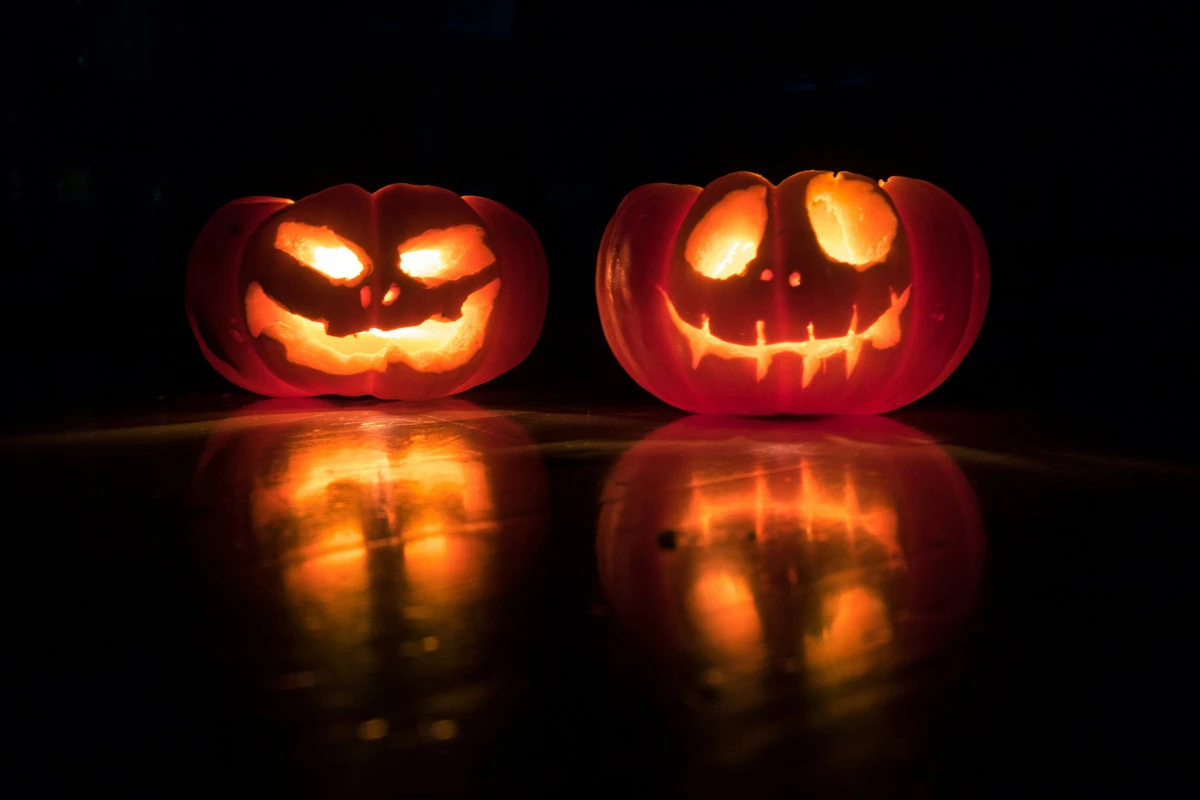
The carved turnip: the original jack-o'-lantern, long before pumpkins took over.
When waves of Irish immigrants arrived in the United States, particularly after the Great Famine in the mid-19th century, they brought Jack’s legend with them. Finding turnips scarce but pumpkins abundant—and far easier to hollow out—they traded the turnip for the pumpkin, creating the iconic symbol we know today. 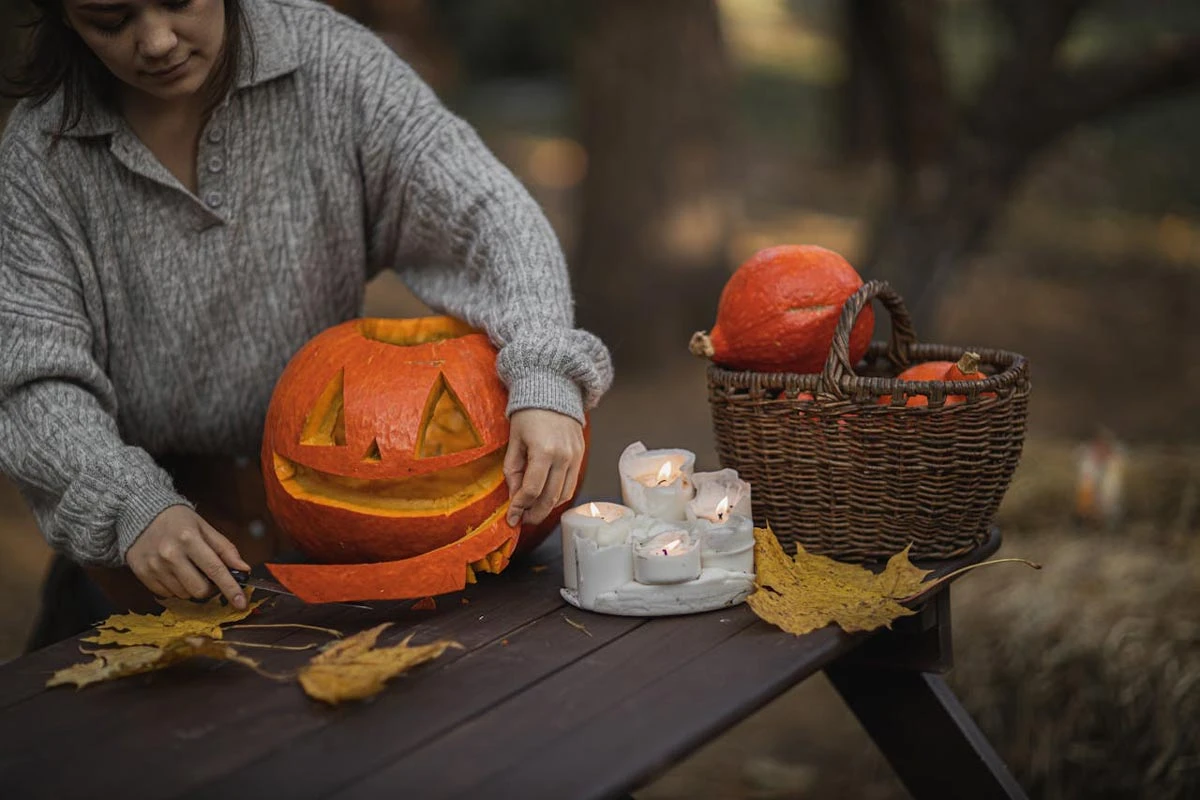
Pumpkins proved far more accessible than turnips, quickly becoming the enduring symbol of the holiday.
In the American cultural melting pot, English soul cakes, Irish jack-o'-lanterns, and German harvest customs blended together. By the 20th century, mail-order catalogs and mass retail turned it into a commercial powerhouse with postcards, decorations, and ready-made costumes. What began as a single sacred night grew into a month-long extravaganza of haunted houses, costume parties, and trick-or-treating.
3. All Souls' Day: From Purgatory to Festa dei Morti
If Samhain is Halloween's ancient forebear, All Souls' Day on November 2 is its devout counterpart. Dedicated to remembering the departed—particularly those awaiting prayers to enter heaven—the observance took on a vibrant life of its own in Italy, especially in Sicily, where it transformed into the
Festa dei Morti
, or the Festival of the Dead. 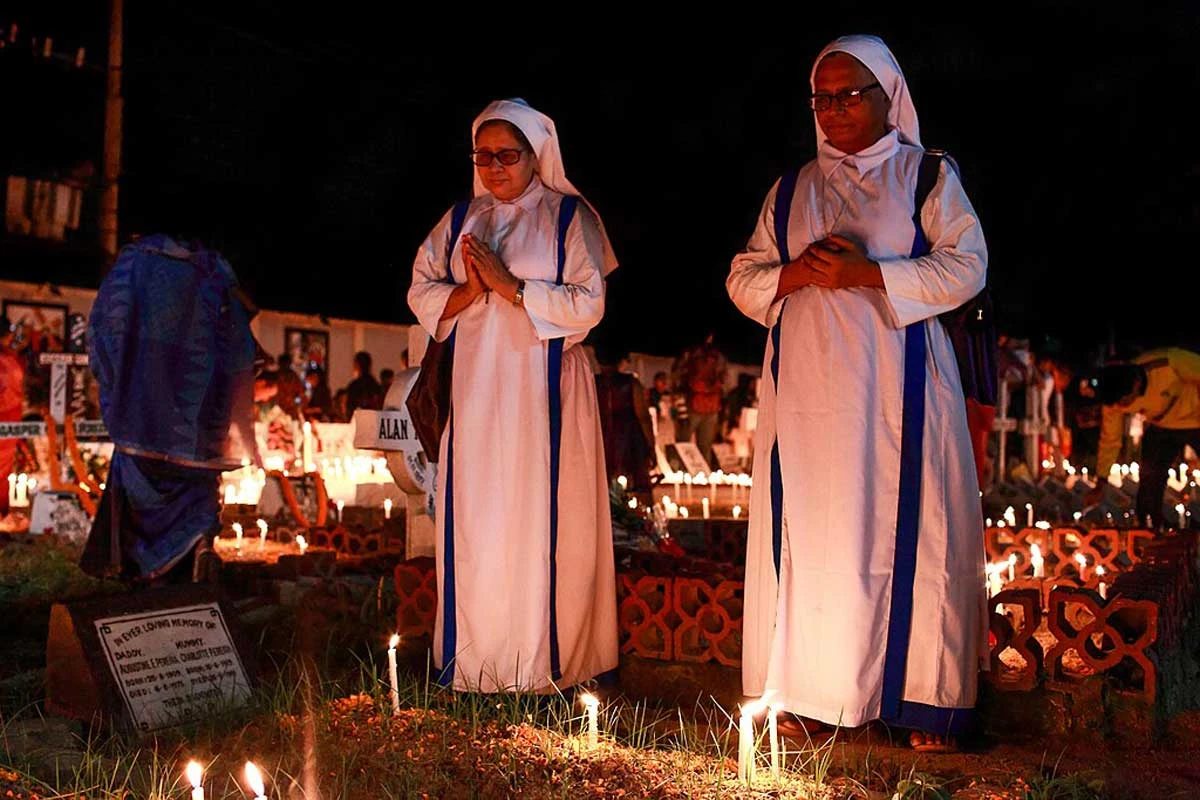
Originally a solemn day of prayer for souls in purgatory, the observance took a festive turn in Italy.
In Sicily and Sicilian communities abroad, the Festa dei Morti feels more like a Mediterranean carnival than a somber vigil. Tradition holds that on the night of November 1, spirits return to visit their families. To welcome them, locals prepare elaborate spreads, baking
frutta martorana
—intricately painted marzipan shaped like miniature fruit—and crunchy bone-shaped cookies known as
ossa dei morti
("bones of the dead"). 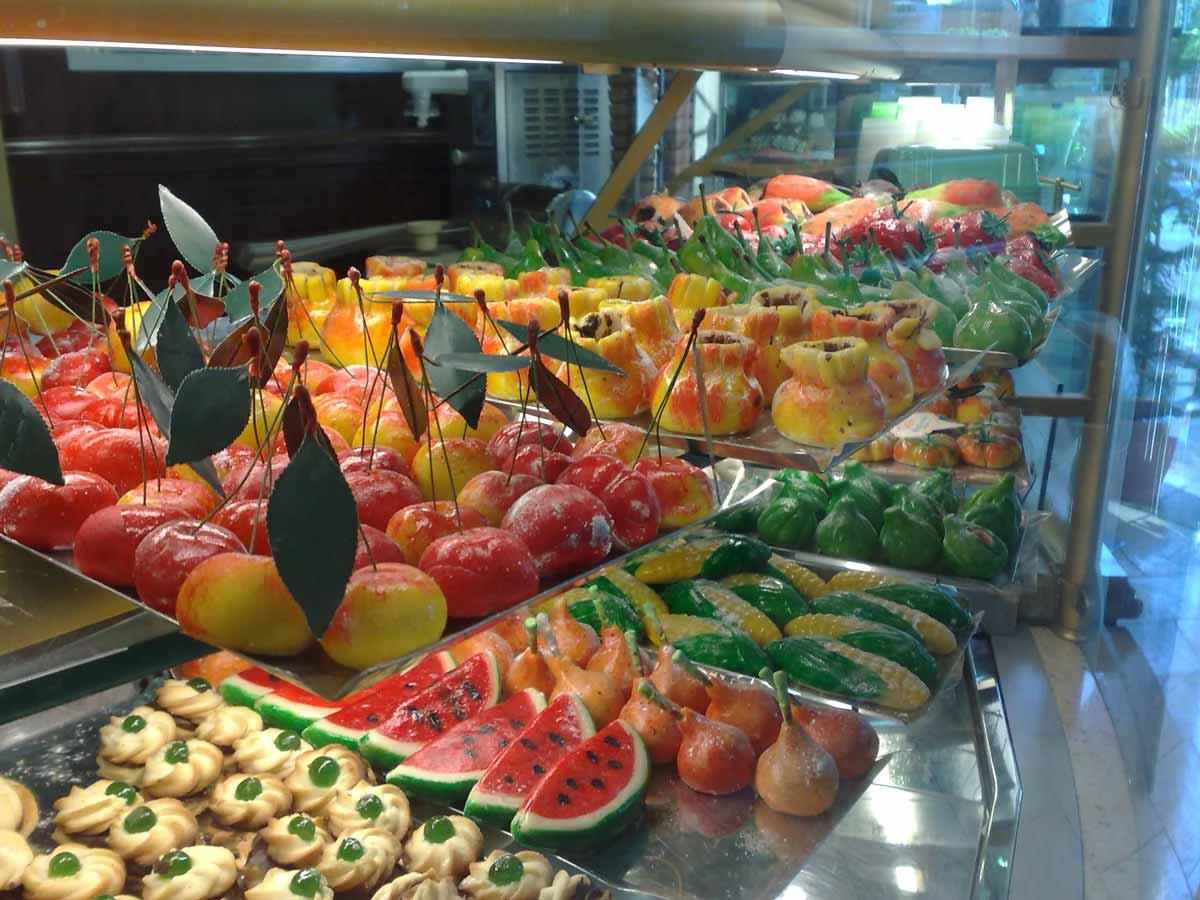
Realistic fruit-shaped marzipan is crafted with meticulous care to welcome returning spirits.
On the morning of November 2, children wake up to find sweets and toys left by their departed ancestors at the foot of their beds. This heartwarming tradition bridges the gap between the youngest generation and relatives they may never have met. Locals often liken it to Christmas—just with a slightly more ethereal guest of honor. 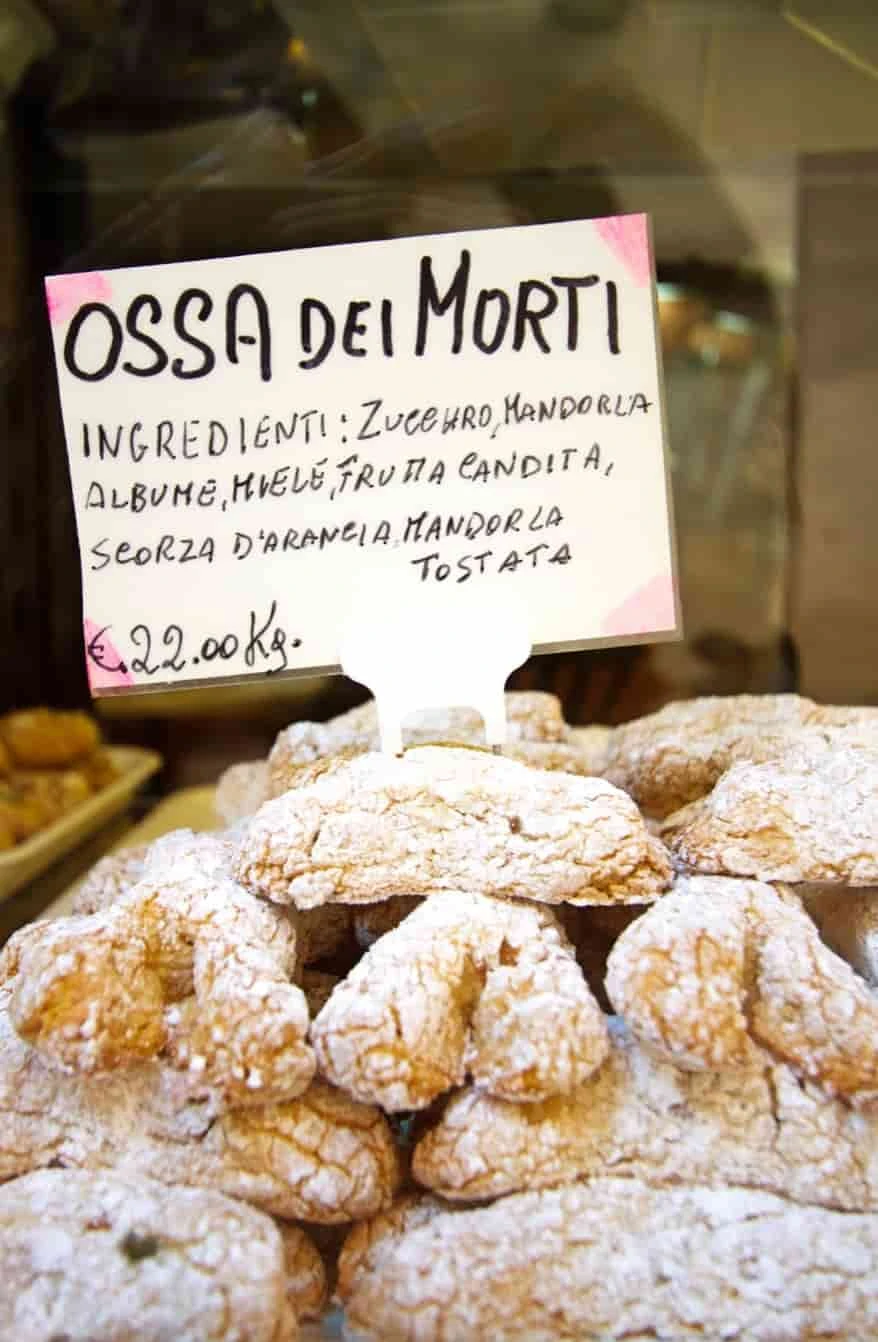
Crisp on the outside and chewy within, ossa dei morti cookies are baked specifically for the arrival of the spirits.
Yet the occasion is not solely about confections. Families flock to cemeteries to clean gravestones, placing fragrant blossoms and flickering candles at resting places. It is a profound ritual that keeps the memory of lost loved ones at the heart of family life.
4. Day of the Dead: A Celebration of Life and Death
Mexico’s Day of the Dead, or
Día de los Muertos
, is a joyous, kaleidoscopic celebration that honors mortality just as passionately as it celebrates life. The holiday was born from a unique fusion of indigenous Mesoamerican beliefs and Spanish Catholicism.
Long before the arrival of the Spanish, the Aztecs and other Nahua peoples commemorated the dead as an integral chapter in the cycle of existence, rather than a final end. An entire month of their calendar was dedicated to honoring the deceased with offerings of food, drink, and flowers to assist them on their perilous journey through the underworld. 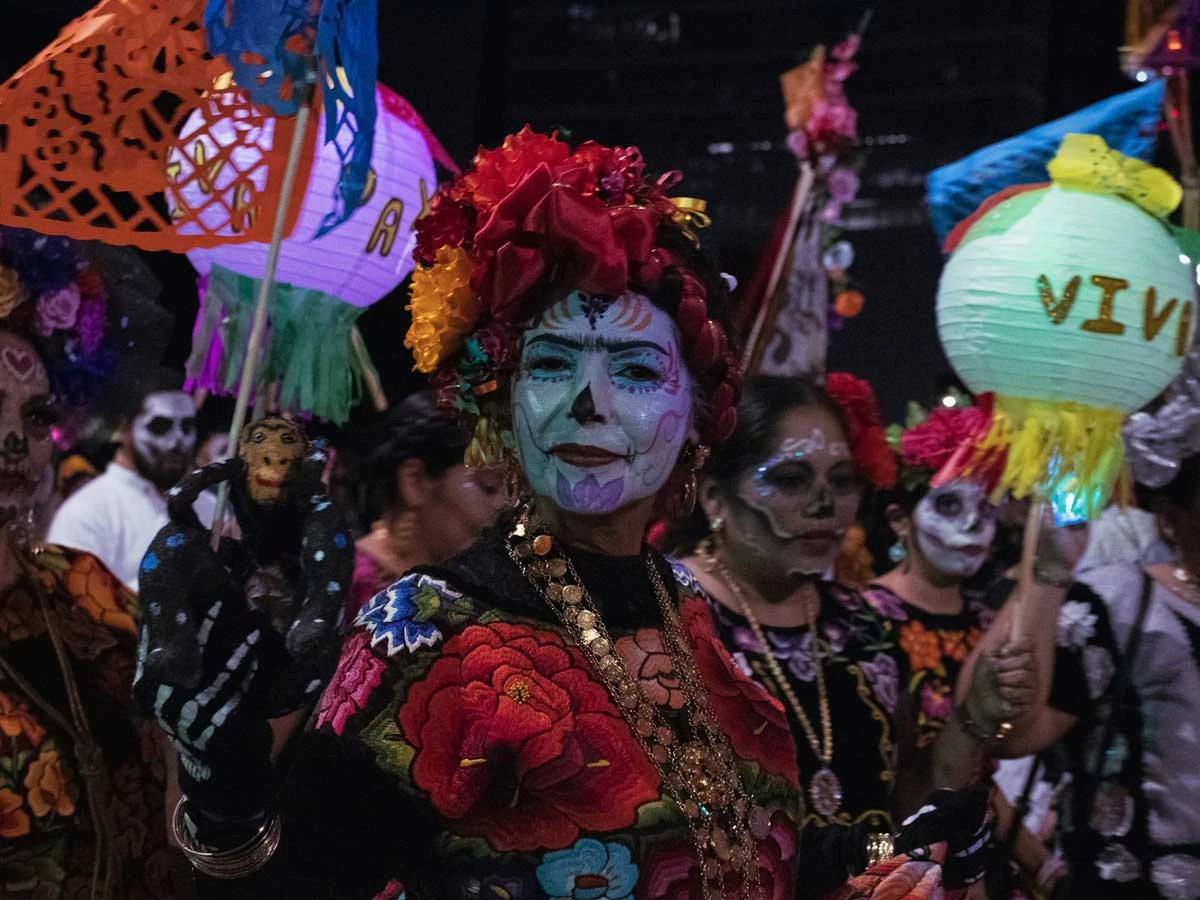
During Día de los Muertos, solemn remembrance blends effortlessly with color, music, and joy.
With the introduction of the Catholic calendar, the festivities shifted to November 1 and 2, aligning with All Saints' and All Souls' Days. The first day,
Día de los Angelitos
(Day of the Little Angels), is dedicated to children who passed away, while the second honors departed adults. It is essentially a two-day fiesta focused on reunion and fond remembrance rather than mourning.
The undisputed star of the festival is the
cempasúchil
, or Mexican marigold. Their radiant orange petals and pungent scent are believed to guide wandering spirits back to the living realm. They blanket everything in sight—spilling across streets, adorning altars, and carpeting cemetery headstones. 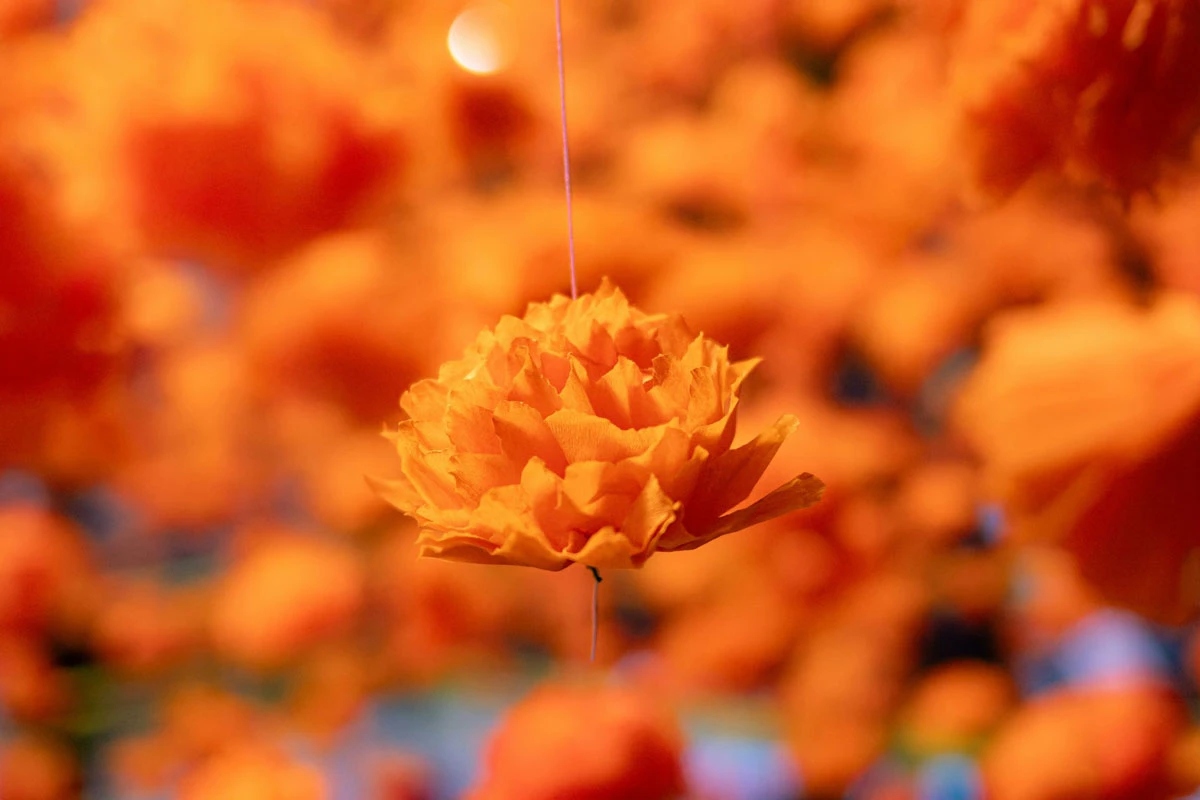
With their bright color and strong aroma, cempasúchil marigolds are believed to light the path home for visiting spirits.
At the heart of the celebration are the
ofrendas
, or altars. These tiered displays are lovingly assembled with portraits of the deceased, their favorite foods, flickering candles, copal incense, and marigolds. The candles illuminate their journey, the incense purifies the air, and the food invites weary spirits to dine. It is, quite literally, throwing a welcome party filled with an ancestor’s favorite earthly pleasures.
Día de los Muertos
is ultimately an exuberant affirmation of life—a poignant reminder to cherish our time and the people we love.
5. Obon: Japan’s Festival of the Ancestors
Every year in mid-August, families across Japan pack their bags and head back to their ancestral hometowns for Obon, one of the country's most cherished annual traditions. It is a time to pay homage to departed forebears and express gratitude for the sacrifices they made.
Above all, Obon is about family. Think of it as a massive, multi-generational reunion where the guest list includes those who have crossed over to the other side. According to Buddhist beliefs, ancestral spirits return to the physical world during this sacred window. 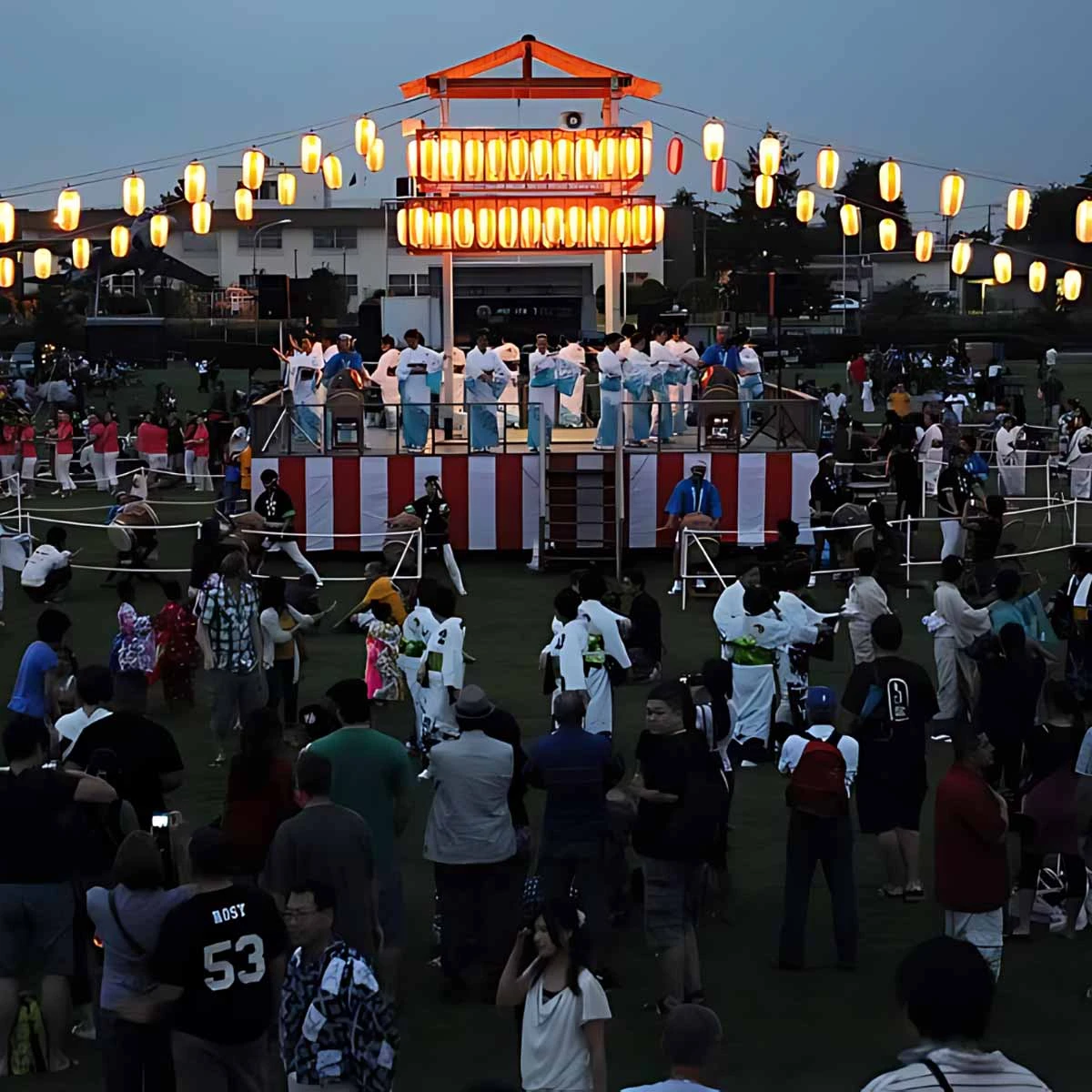
Bon Odori street dancing is a hallmark of Obon, blending ancestor veneration with communal celebration.
Welcoming the spirits comes with a set of deeply ingrained customs. In keeping with Buddhist reverence for all sentient life, activities like fishing are put on hold, and meals are often vegetarian. Some believe ancestors can visit in the form of dragonflies, meaning insects are treated with special care and left undisturbed.
Sewing is also avoided during the festival; blood is considered impure, and an accidental prick of a needle could disrupt the serene spiritual atmosphere. Chores of that kind are simply set aside for later. 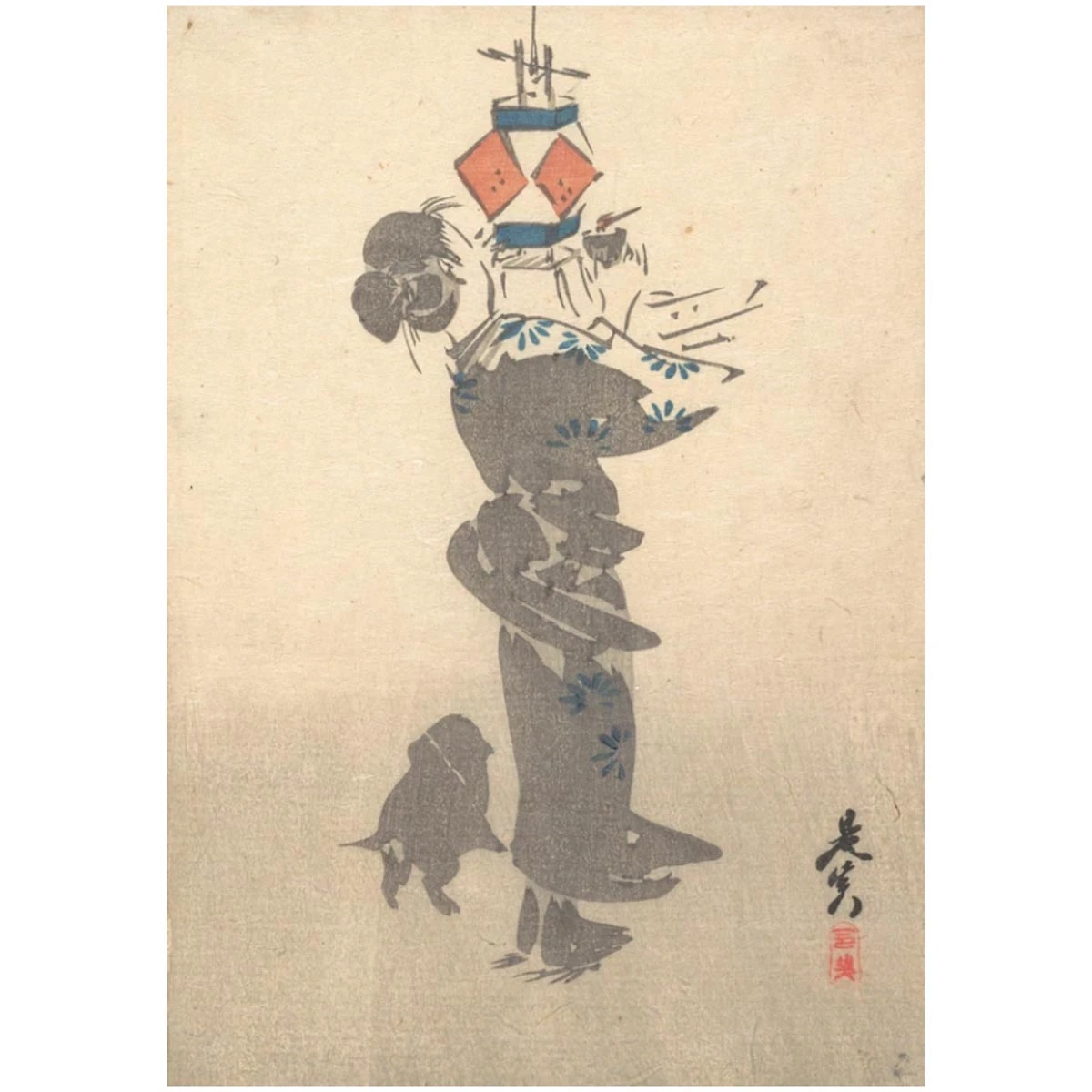
Lanterns are lit during Obon to guide spirits safely back to their family homes.
A key decorative element is the
bon-hozuki
, or Chinese lantern plant, whose bright orange husks resemble miniature paper lanterns. Alongside them, families arrange Buddhist home altars with traditional
goku
offerings: incense, fresh flowers, candles, pure water, and favorite dishes.
Obon is rich in quiet joy, marked by grave visits, lively
Bon Odori
folk dances, and reminiscing about those who came before.
6. Sat Thai: Thailand’s Season of Gratitude for the Departed
Theravada Buddhist ritual and spectral folklore meet in Sat Thai, a festival held at the end of the tenth lunar month to honor deceased kin. It feels like a Thai blend of Halloween, Thanksgiving, and a family reunion: rather than costumes, the focus is on wandering spirits, temple offerings, and copious amounts of food.
During Sat Thai, people channel their efforts into making merit on behalf of the deceased. Think of it as sending a spiritual care package to the beyond: a way to support and care for ancestors in their afterlife. 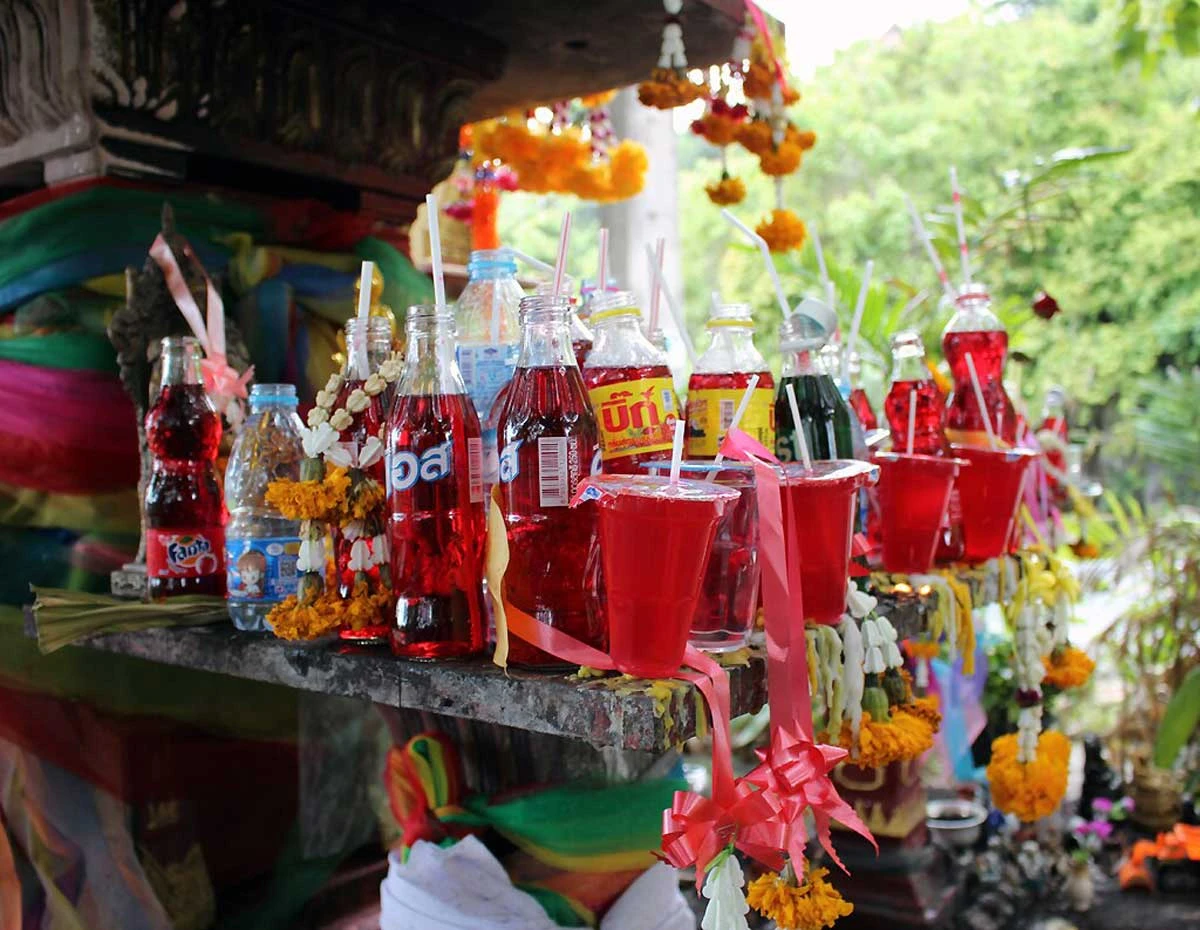
Offerings left at spirit houses are a way for the living to support those navigating the afterlife.
The festival spans three days. The first is dedicated to preparation. On the second, families bring food to local temples to offer to the deceased, a practice believed to relieve spirits from suffering. The third day is the culmination of merit-making, when karmic merits are formally transferred to ancestors to help ease their karmic burdens. 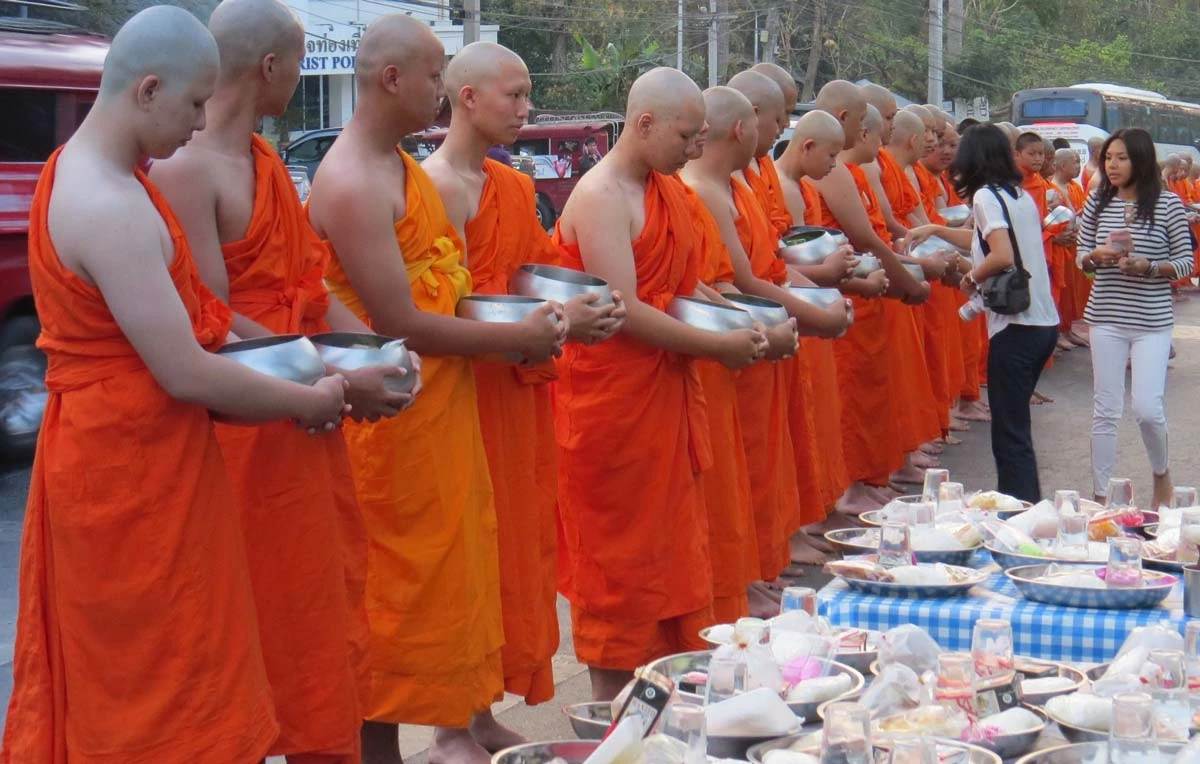
Food offered to monks generates spiritual merit that is transferred to departed ancestors.
One of the festival's most fascinating customs is leaving food on raised platforms for wandering souls who have no living descendants to pray for them. Once the spirits have symbolically "consumed" the essence of the meal, the food is shared among the living. Eating leftovers after the ghosts have dined is believed to bring good fortune.
7. Qingming: The Chinese Tomb-Sweeping Day
Qingming, often called Tomb-Sweeping Day, is China’s national day of ancestral remembrance. Held in the spring, it brings families together to tidy gravesites, honor their lineage, and reflect on the past. The name itself translates poetically to the "Pure Brightness Festival." 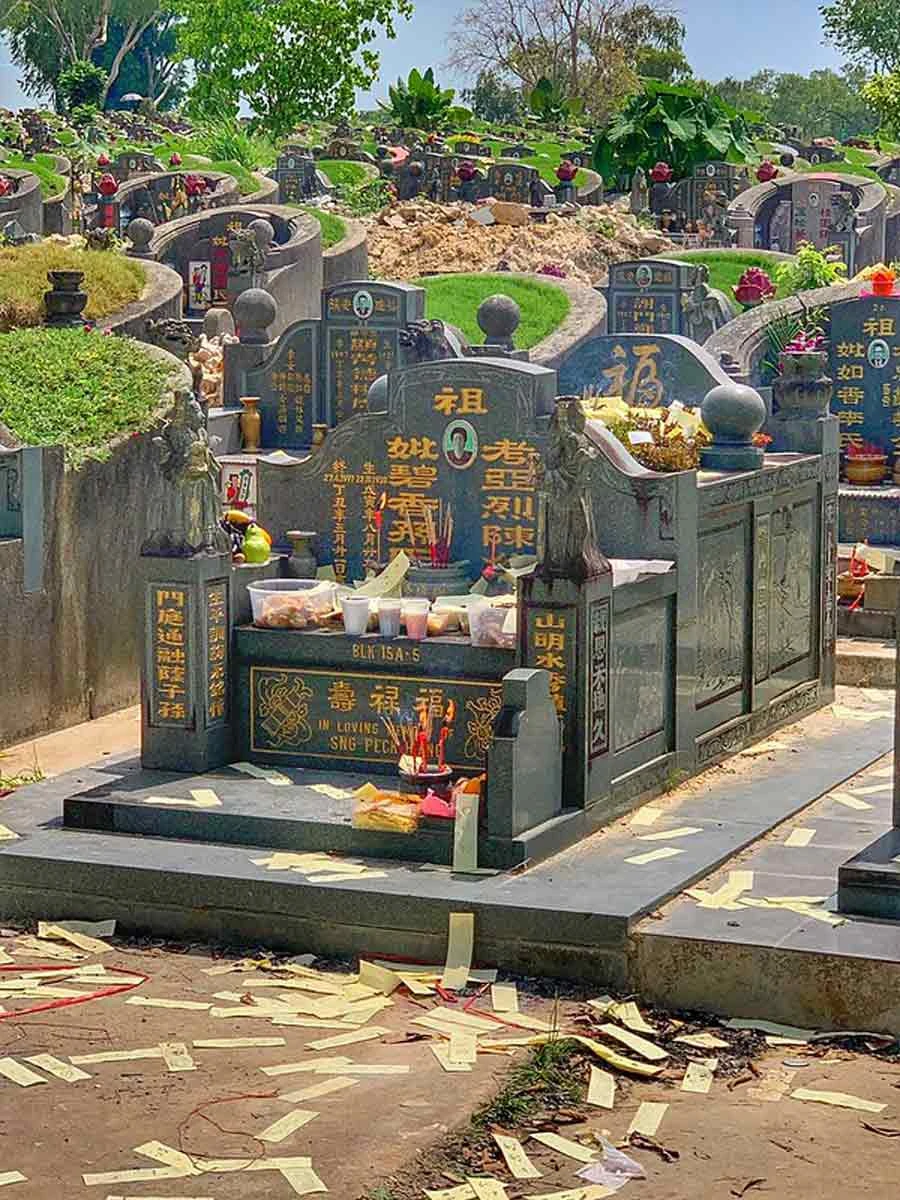
During Qingming, families visit ancestral graves, while those living far away set up home altars.
Falling on April 4 or 5, the festival sees families weed and clean tombs, lay fresh flowers, burn incense, and offer paper replicas of material goods—symbolic gifts sent directly to the spirit realm. For members of the Chinese diaspora unable to travel to family plots, paying tribute at an ancestral altar at home serves as a meaningful alternative.
Many take time on this day for deep personal reflection, recalling shared memories, life lessons, and the lasting impact of their forebears. These moments of remembrance are often accompanied by
qingtuan
—sweet, jade-green glutinous rice balls filled with sweet bean paste, closely resembling mochi. 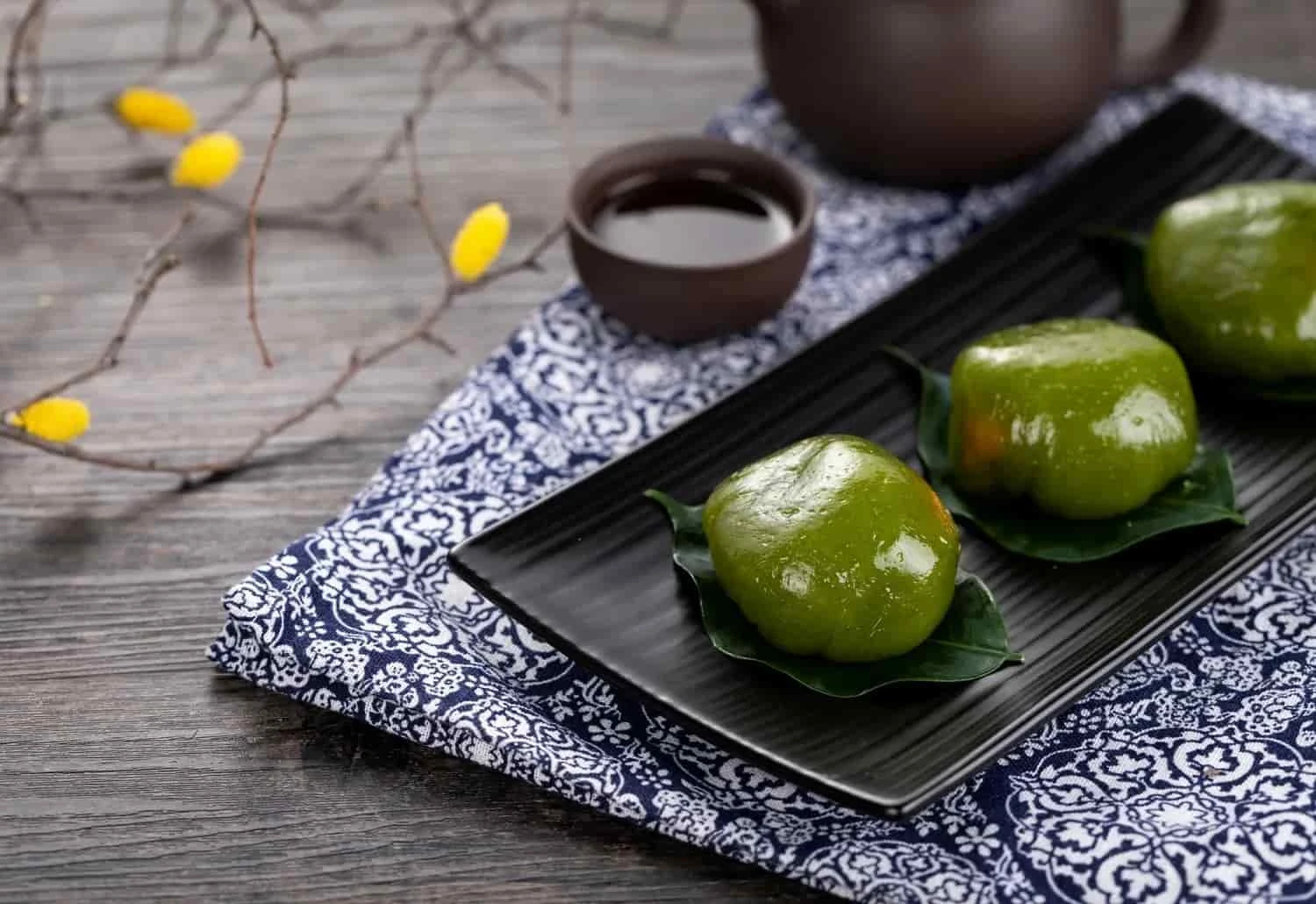
Qingtuan is the festival's quintessential treat, enjoyed while reminiscing about family history.
Another widespread practice is the burning of
mingbi
, or "ghost money," often at crossroads, which are traditionally regarded as portals between realms. Families also place willow branches over doorways to ward off wandering, malicious spirits.
Because the festival is traditionally associated with the Cold Food Festival, fires were once forbidden for cooking, reserved solely for burning incense and ritual offerings. Eating cold, pre-prepared dishes remains a cherished element of the observance.
Ultimately, Qingming reminds us that love, filial piety, and respect bridge the gap between worlds, even when the divide between the living and the dead feels insurmountable.
What Unites These Celebrations
Diverse as they are across continents and faiths, these seven festivals converge on three universal elements: food, light, and memory. Food is shared with the departed, light illuminates their journey home, and living memory keeps their legacy alive.
Which of these traditions resonates most with you? Let us know in the comments how your culture honors those who have passed.