If you ever catch yourself feeling unloved and unwanted, think again. The world is teeming with passionate admirers who would love nothing more than to get intimately acquainted with your inner workings. 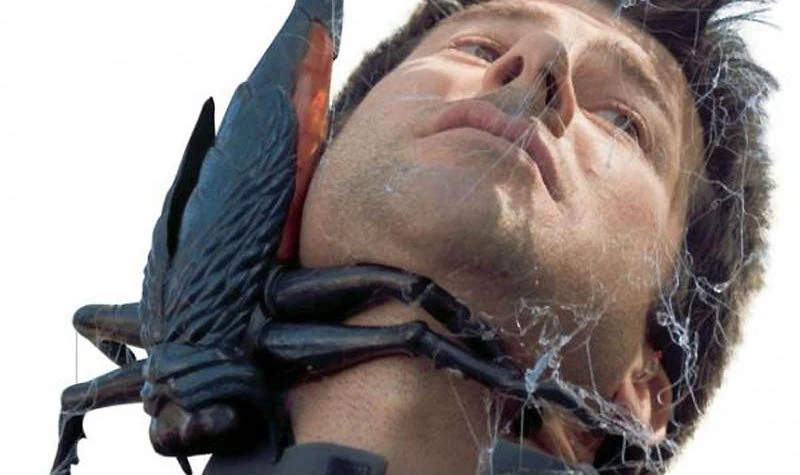
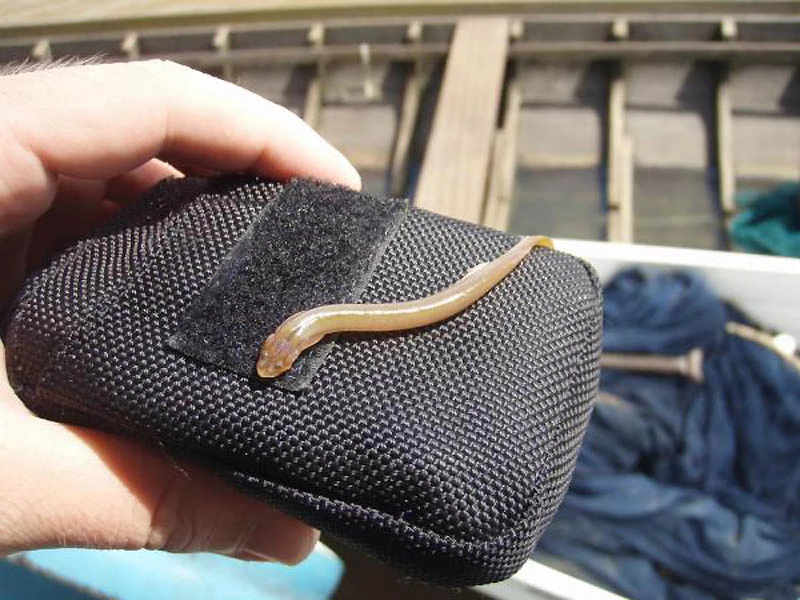
1. Candiru
Cultured minds often debate whether the Creator of the Universe has a sense of humor. The jury might still be out on that one, but one thing is certain: He has no conscience whatsoever. Otherwise, the candiru wouldn't exist.
Meet the candiru, of the order Siluriformes and family Trichomycteridae (or Pygidiidae). This parasitic catfish is a foul creature measuring barely three to four millimeters wide and about five centimeters long, translucent as jelly. The little bastard lives in South America, though some ichthyologists believe any warm, ice-free freshwater body could suit it just fine. Theoretically, someone could introduce it to Southern Europe, Asia, or Africa—and whoever did would go down as the most diabolical terrorist in human history, putting Lenin and Bin Laden to shame.
The candiru lurks wherever large mammals gather—like watering holes and bathing spots—sniffing the water. Sensors on its snout pick up traces of urea. Catching a whiff, it darts straight toward the fragrant source and wriggles right up the urethra. Backward-pointing spines on its gill covers lock into the canal walls with such tenacity that pulling it back out is virtually impossible.
Once lodged inside the penis, the candiru twists and tears at the surrounding tissue with its barbs, feasting on the flowing blood while the host endures unspeakable agony. Extraction usually requires delicate surgery. Amazonian natives have their own remedy: dunking the affected appendage into a brew of toxic plants. It does no favors for the penis—the caustic brew burns the flesh and causes systemic poisoning—but it kills the candiru, whose corpse rots away and dissolves over a few days. And for good reason, locals never, ever urinate while swimming, as that is the surefire way to summon a swarm. 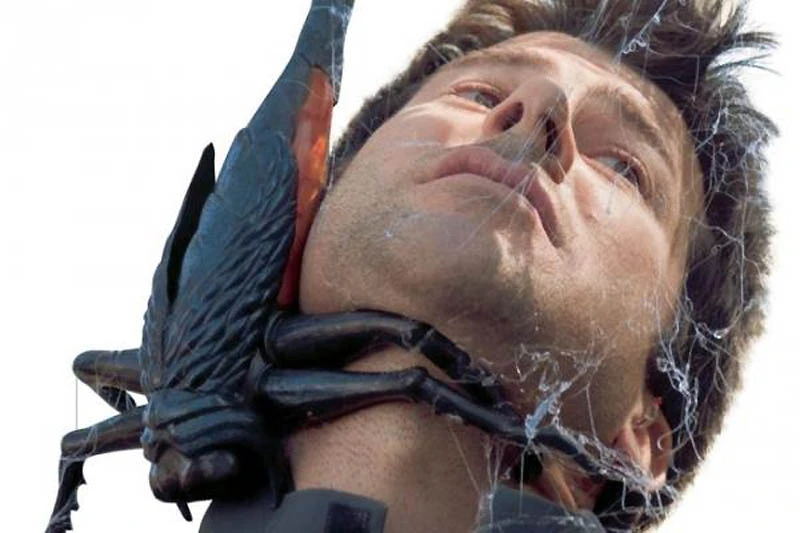
2. Costa Rican Kamikaze Chalcid Wasp
Many parasitic wasps of the chalcid family lay their eggs inside mammals, but this particular breed seems to have a special fondness for humans. Just ask Michael Cantrell, a New England farmer who learned about their habits the hard way. The poor guy was stung right inside the ear, suffering excruciating pain and total hearing loss for two solid weeks.
Then, in the dead of night during week three, Michael's wife woke up, turned on the light, and witnessed a horror show: tiny squirming creatures crawling out of her husband's ear onto the pillow. Emergency surgery saved his life, extracting nearly a pound of larvae poised to pupate. Had they matured, the farmer’s skull would have practically burst from the inside. 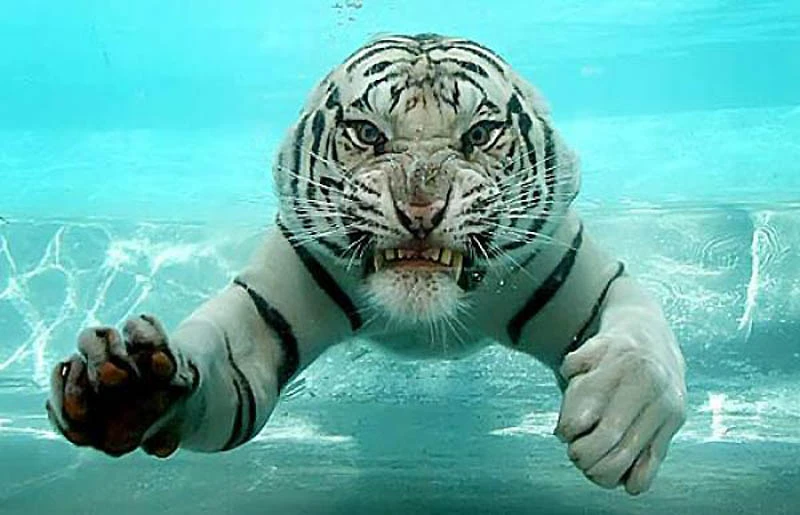
3. The Tiger
The undisputed heavyweight of the cat family, stretching up to 2.8 meters in length and weighing as much as 400 kilograms. For reasons unknown, roughly one in ten tigers—whether Bengal, Amur, or Sumatran—becomes a dedicated man-eater, developing an insatiable craving for human flesh. Meanwhile, the other nine turn their noses up at the delicacy, and even if they kill a human in a fit of rage, they won't stick around to make a meal of it. 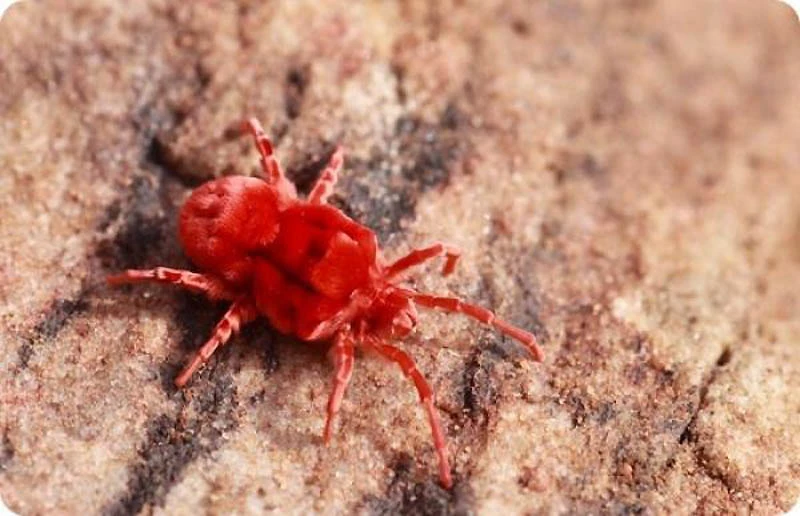
4. Chigger (Harvest Mite)
Found worldwide, this nearly invisible speck can hide behind a single arm hair like you behind a giant sequoia. Pick up a few outdoors, and they’ll scramble up your ankles, slip beneath your clothes, and head straight for tender territory. Once settled, they drill a microscopic crater into your skin, inject digestive enzymes to liquefy the tissue, and slurp down the resulting flesh-and-blood smoothie. 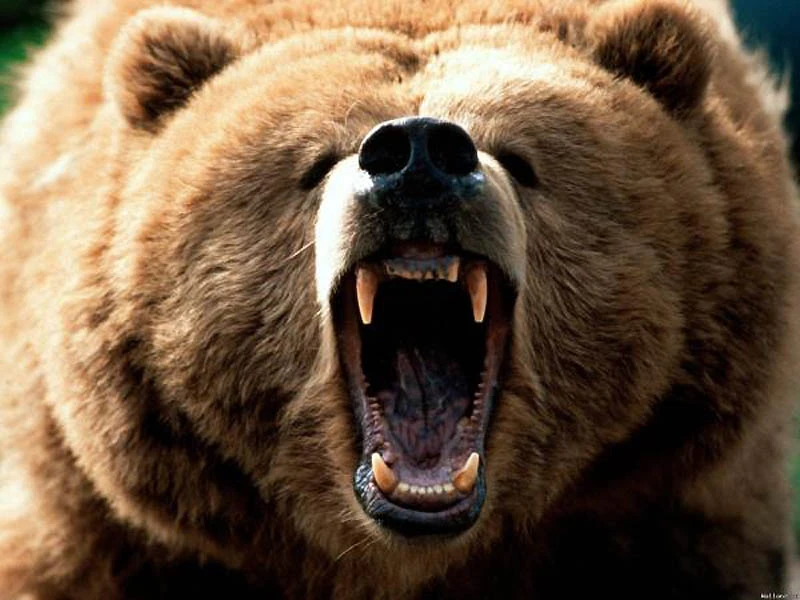
5. The Bear
That adorable teddy bear you once fed pretend porridge has grown up, and frankly, he’s got an attitude problem. Bears account for one out of every six fatal mammal attacks on humans, outpacing even lions and jaguars. Worse still, they don't just attack out of territorial defense or fear; these behemoths are opportunistic carnivores who wouldn't mind spicing up their berry-and-ant diet with a lost hiker.
In terms of danger to humans, the ranking goes: polar bear, grizzly, brown, and black. That said, the latter two are mostly a mortal threat in late winter—especially late February into early March, when deep snow remains, roots and shoots are nonexistent, and their fat reserves have completely burned away. 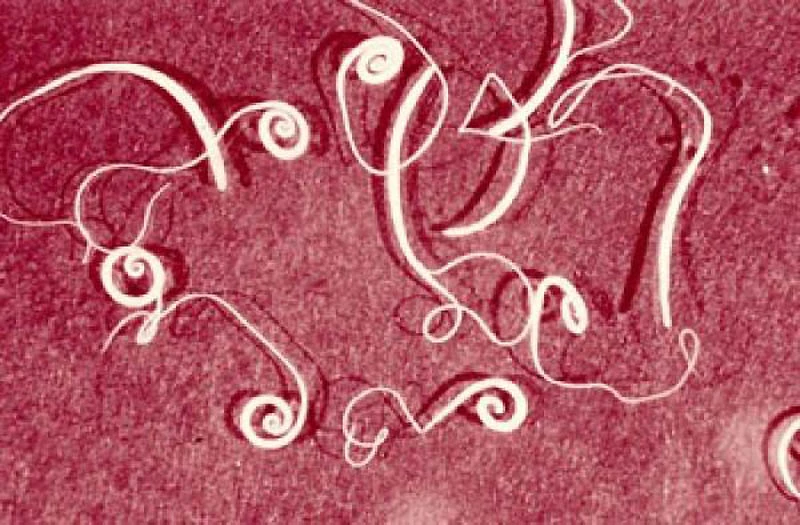
6. Guinea Worm
Found in parts of Africa and Yemen. Moral of the story: skip Africa and Yemen. If you absolutely must go, stick strictly to bottled water. Never open your mouth when swimming—or better yet, stay out of the water completely. No, we're not being paranoid; we're just acquainted with the Guinea worm. Read on, and you'll see why.
Drink untreated water, and you might swallow tiny water fleas infected with parasite larvae. The fleas are harmless enough—stomach acid dissolves them in minutes. The larvae, however, couldn't care less about stomach acid. They burrow straight into your tissues and grow, reaching lengths of up to five feet. For some twisted reason, they usually colonize their victims in pairs.
About a year in, the lovebirds mate. The male promptly perishes, while the female sets off toward the exit. Chewing through flesh and muscle, she travels down to the lower leg and bores a hole outward. The limb swells into an agonizing blister that eventually bursts, allowing the worm to slowly emerge. Her grand debut can take up to a week, accompanied by blinding pain and a milky secretion swarming with millions of microscopic larvae. 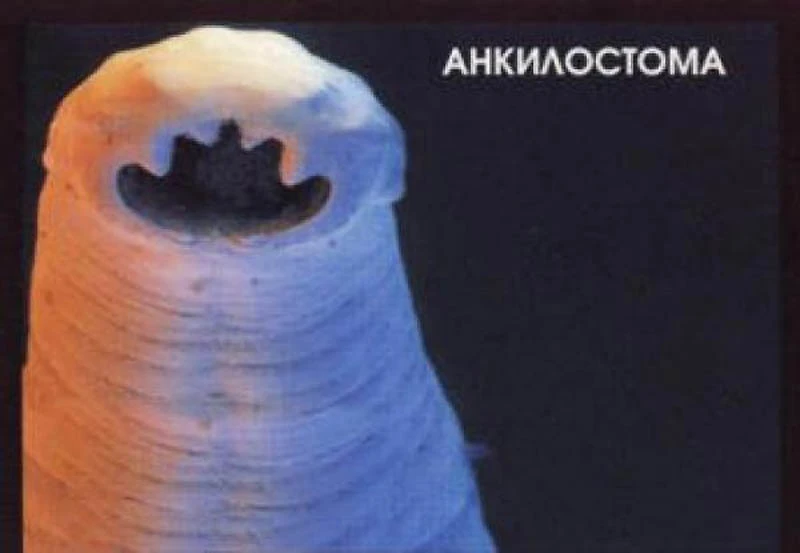
7. Hookworm
Found across the globe, this parasite is likely lurking nearby right now. Its larvae lie in wait in the soil, praying for a bare foot to stroll past. Step on one, and the microscopic hookworms burrow straight through your pores into the bloodstream, hitchhiking up to your lungs and throat. Coughed up and swallowed with saliva, they finally complete their epic trek and arrive home: the digestive tract.
Settled snugly in the small intestine, the larvae mature, sprout sharp fangs, and latch onto blood vessels to feast on your warm, nutritious blood. Life is good: it’s cozy, food delivers itself right into their jaws, and parenting is a breeze—eggs are simply flushed out into the world with your daily digestive waste.
A hookworm host might spot trouble by these telltale signs:
— Unexplained anemia;
— Bizarre cravings to eat non-food items—like chalk, dirt, or perhaps that tantalizing piece of drywall over there;
— Constant exhaustion and chronic drowsiness.
Fortunately, a timely lab test and proper anthelmintic medication leave the hookworm without a fighting chance. 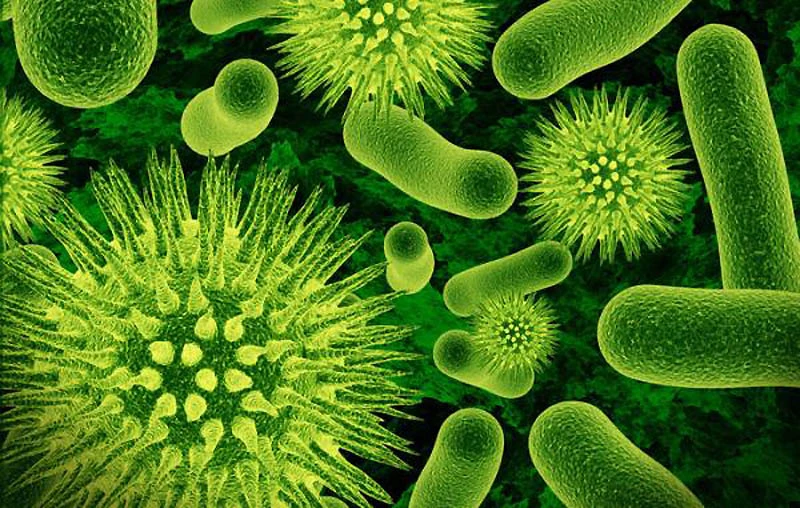
8. Bacteria
Next time you feel utterly useless, spare a thought for bacteria. Billions of these tiny, elegant creatures are diligently devouring you inside and out at this very second. Eventually, they will finish the job completely. But don't hold a grudge: without them, you wouldn't have survived this long—or existed at all. After all, bacteria built organic life on this planet in the first place. 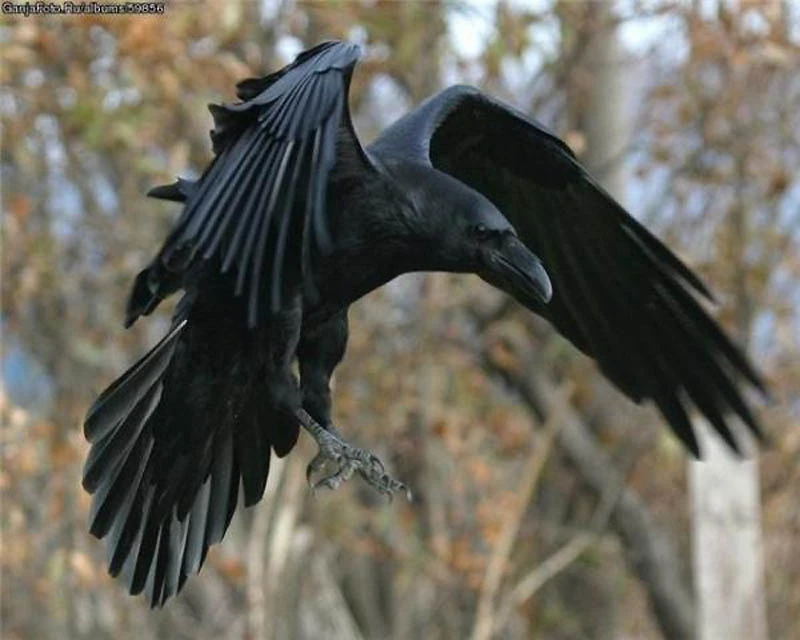
9. The Crow
These cunning, predatory birds are smart enough to leave able-bodied adults alone. But never leave a baby stroller unattended on a balcony. There have been incidents... Actually, you really don't want to know. Trust us, you don't. And we certainly have no desire to recount them here. 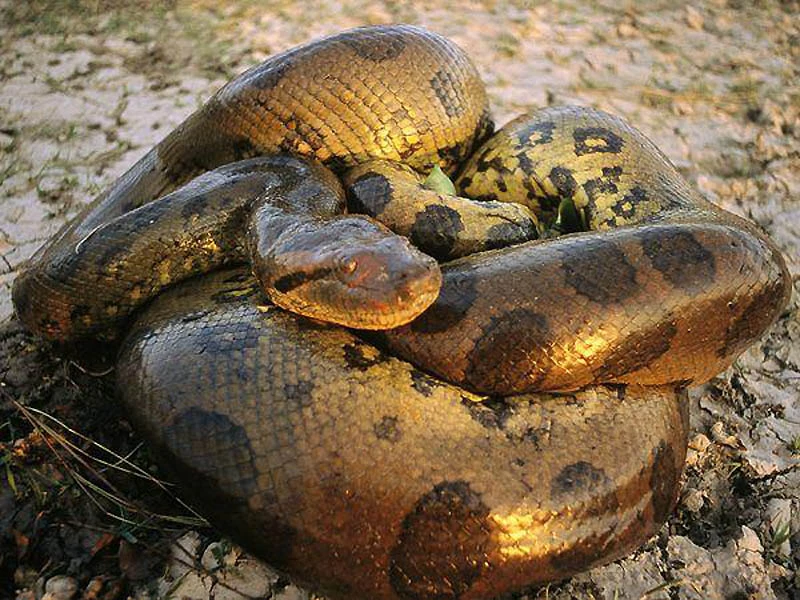
10. The Anaconda
Technically, these massive aquatic snakes (reportedly reaching lengths of up to 16 meters) prefer monkeys. But their eyesight is terrible—so if you've been skipping sleep, shaves, and showers for weeks, a giant constrictor might not bother checking your ID before swallowing you whole. 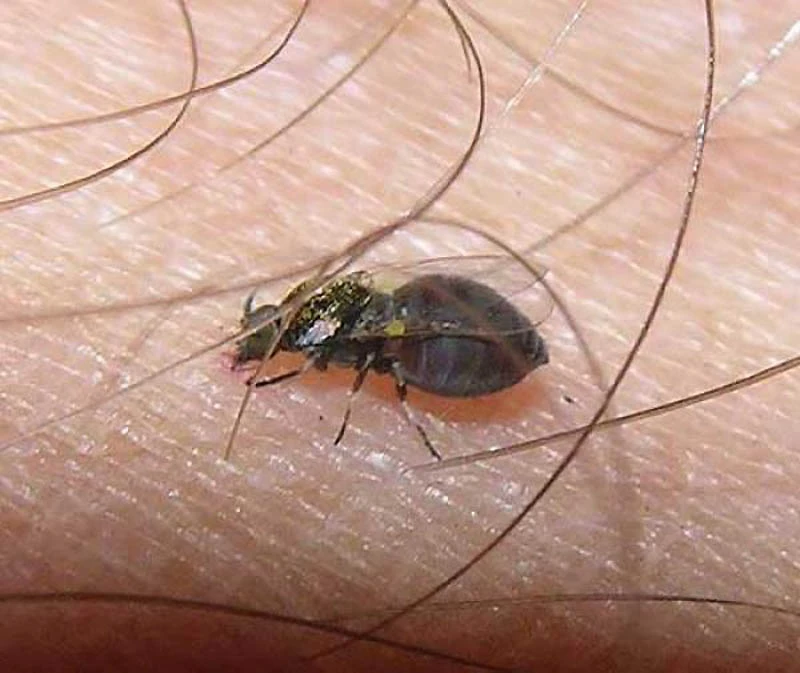
11. The Black Fly
A female mosquito can sniff out a healthy human from nearly two miles away. But she’s an amateur compared to the Siberian black fly, whose sensory receptors pick up the intoxicating symphony of your body odor from over six miles out.
Little wonder that within thirty minutes, millions of buzzing little cannibals can converge from across the taiga. Granted, if you're fully clothed, swatting furiously, and drenched in bug spray, they won't pick you clean. But during executions favored by old Siberian warlords—tying an offender naked to a tree in the wilderness—swarms of black flies would strip a body down to the bare bone in just twenty-four to forty-eight hours. 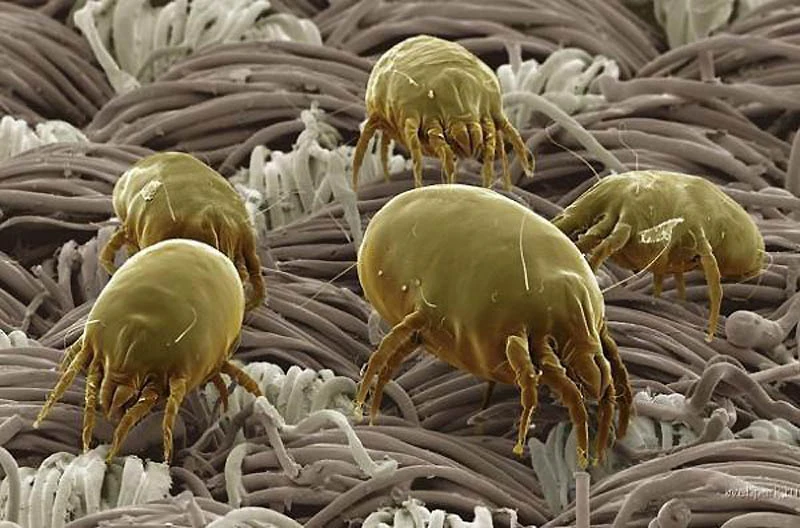
12. The Louse
“Either socialism will defeat lice, or lice will defeat socialism,” Vladimir Lenin famously declared. As you can see, the lice are still doing just fine. 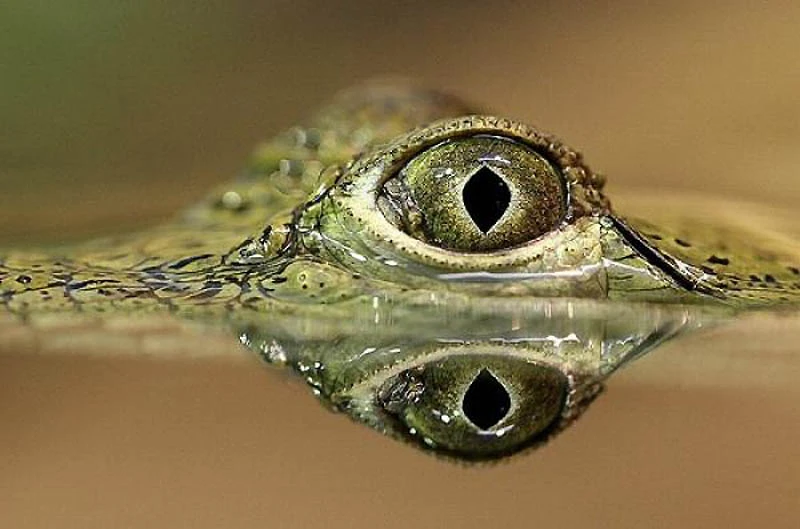
13. The Crocodile
From the Australian news outlet Today: “22-year-old Brett Mann was killed by a massive saltwater crocodile in the Finniss River after stopping to wash motorbikes with friends and being swept away by a swift current. His two friends were forced to cling to a tree in the flooded river for 22 hours to escape the aggressive beast until they were winched to safety by a rescue helicopter. The crocodile is believed to have stashed the remains of Brett Mann, and search efforts are ongoing.”
Headlines like this grace Australian papers about once a month. The two most lethal species to humans are the Nile crocodile and the saltwater crocodile (Crocodylus porosus). Between them, they consume around twenty Homo sapiens a year. 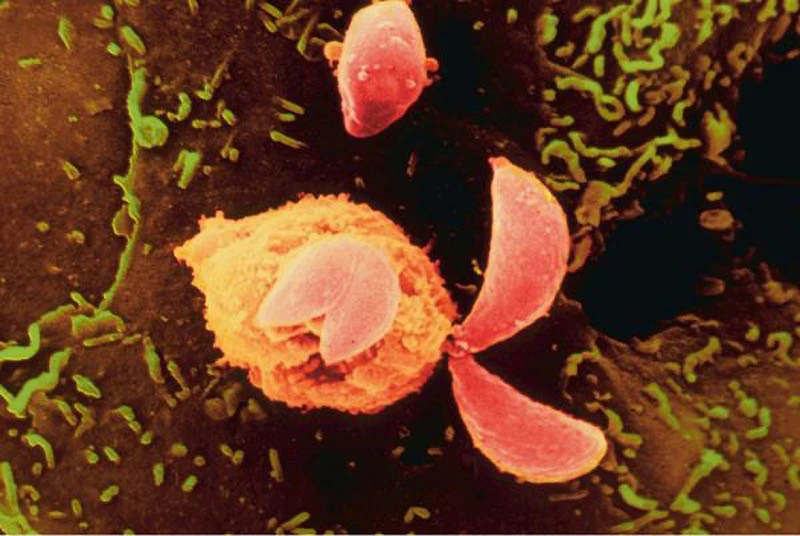
14. The Brain Parasite
Two age-old mysteries continue to baffle humanity: why people are so obsessed with cats, and what really drives irrational behavior. As it turns out, the two might be connected. According to UK health agencies, up to 40% of cat owners carry Toxoplasma gondii—a brain-dwelling parasite transmitted by feline friends.
Scientists are still investigating exactly how this microbe alters human brain chemistry beyond simply taking up residence. But the general symptoms are well documented: if you’ve been fighting an endless, low-grade cold for years—sniffling, sore throat, lingering fatigue—it might not be a draft, but your beloved purring furball. As Bulgakov wrote: “Yesterday we strangled cats, and strangled them, and strangled them...” 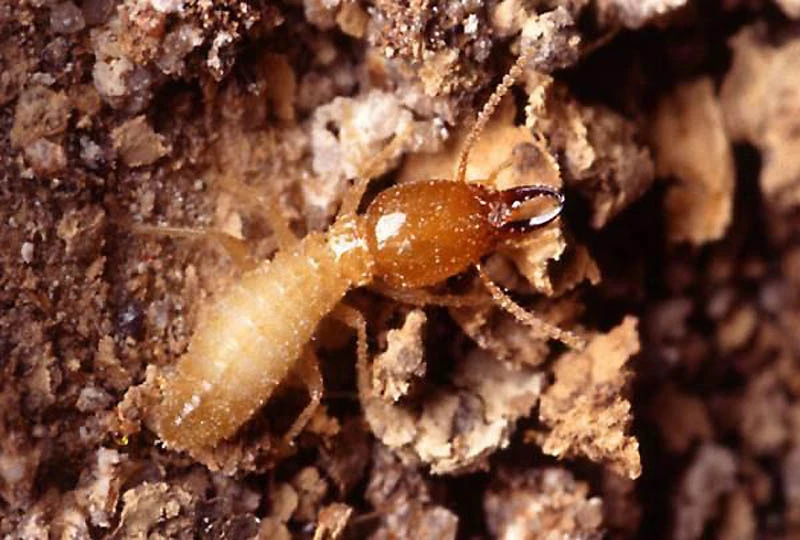
15. The Ghost Termite
A genuinely bizarre organism. These tiny, translucent critters found in Australia and the United States normally build their colonies around tree roots—unless, of course, they happen upon a large mammal, such as a human.
Should fortune favor them, they march in an orderly column up the traveler’s leg, doggedly ascending until they locate the rectum. Humoring their inner mountaineer with a victory tune, the ghost termites slip into this warm, fragrant cavern and set up shop.
Surgeons have reportedly removed termite nests weighing three to four pounds from victims' rectums, housing upwards of twenty to thirty thousand insects. What they feed on in there needs no explanation. What remains a mystery is how victims endured it for years before seeking help, considering the textbook symptom of infestation is described as “intolerable, searing rectal itching.” 
16. Jean-Bédel Bokassa
In some corners of the world, a nation's relationship with its ruler resembles a toxic romance straight out of the 'he hits me because he loves me' playbook. Case in point: the Central African Republic and its president-turned-emperor, Jean-Bédel Bokassa.
Bokassa truly loved his people—especially roasted, served with gravy and hot sauce. His chefs were virtuosos at preparing human flesh, and the supply chain never ran dry. Political rivals, disgraced ministers, and unruly generals frequently ended up on the imperial dinner table, but grown men proved stringy and tough. Thus, under the Emperor's personal oversight, operations expanded to include younger prey.
In January 1979, school children in the capital of Bangui protested against being forced to buy overpriced, low-quality uniforms from Bokassa's personal factory. Over a hundred children aged six to sixteen were arrested. Bokassa ordered forty of them sent straight to the imperial kitchens, while the rest were tied up in the palace square and repeatedly run over by a truck—with the Emperor personally behind the wheel. That proved to be the final straw.
Not that the populace revolted—they remained respectfully submissive. But France, the nation's former colonial ruler, decided to put an end to his culinary indulgences. In September 1979, French paratroopers seized Bangui and toppled the cannibal emperor. Yet he never faced proper justice; he lived comfortably in his private French chateau, and by 1986, his name was actually put forward again for the presidency of the CAR.
And many locals welcomed the idea of his return. After all, the man maintained order! Sure, he ate us, whipped us, and buried folks alive. Sure, the country suffered crippling poverty and mass starvation. But he was a real emperor. A true strongman. Not like the wishy-washy democratic rabble peddled by the decadent West.
Bokassa never got reelected—his liver proved wiser than much of the electorate, abruptly ending its owner's existence in late 1986. 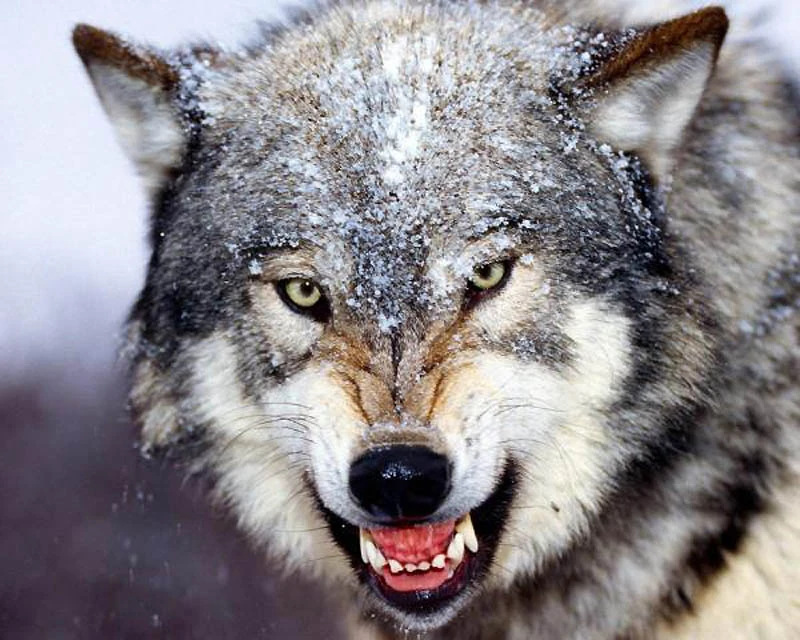
17. The Wolf
Timber wolves are notoriously bold and display little fear of humans. While popular wisdom insists a healthy wolf will never attack a person, a starving one is a different story altogether. Wolves easily claim fifth place on the mammalian man-eater charts. 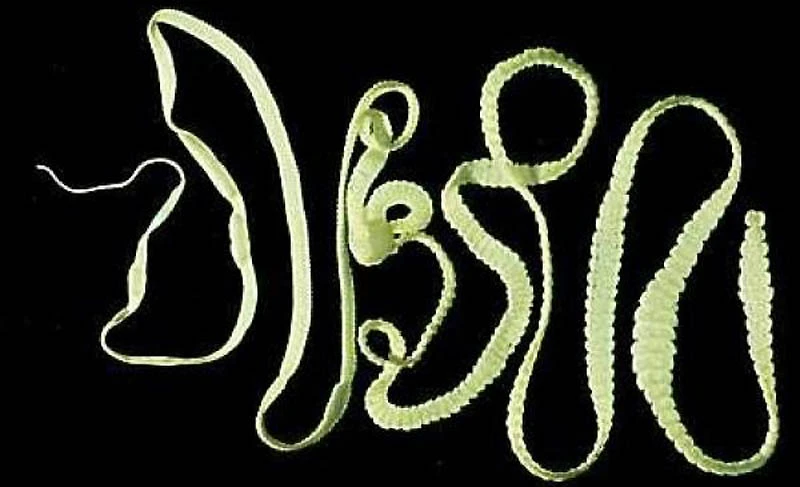
18. Beef Tapeworm
Rare-steak enthusiasts stand the greatest chance of getting up close and personal with a beef tapeworm, which slips into the body through undercooked meat. To give credit where it's due, the tapeworm is relatively polite: it doesn't devour you from the inside or drink your blood. Not out of courtesy, mind you, but because it lacks a digestive tract altogether.
Instead, you do all the eating and digesting, while the worm passively absorbs nutrients through its skin. And grows. It can reach a staggering twenty-six feet in length. Fortunately, clearing an infection nowadays is straightforward—just avoid home remedies and see a doctor the moment you notice hallmark symptoms like unexplained weight loss, fatigue, and dizziness. 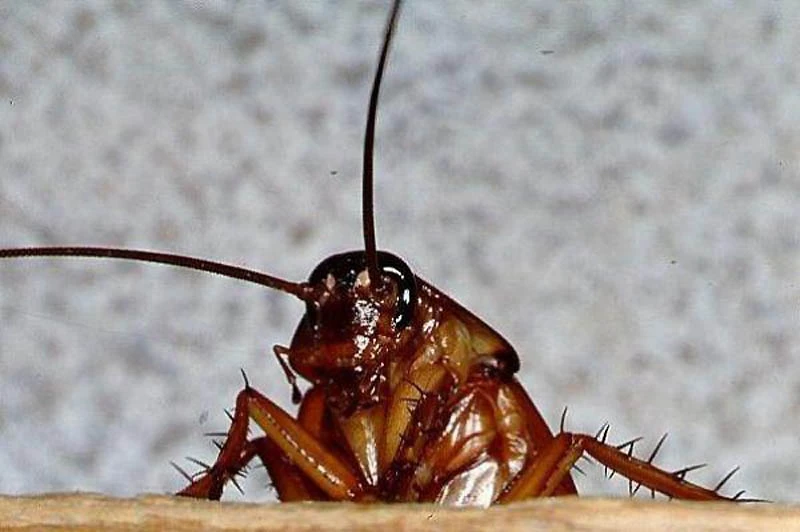
19. The Cockroach
If an inhospitable homeowner leaves behind not a single crumb, cockroaches still find a way to get by. At night, starving roaches crawl over sleeping humans and start nibbling on their feet. Not eating them whole, of course—just gnawing off microscopic flakes of epidermis from their toes.
And what about humans? Let’s see who the real apex glutton on this planet is:
— 1,500 edible insect species.
— 2,897 edible plant species.
— 1.5 million animal species on Earth—and if push comes to shove, humans can eat practically any of them.
— 2,000 edible mushroom species.
— Roughly 10,000 edible marine species.
Add your comment
You might be interested in:











The neural network generated a photo of a spectacular

In Ukraine there is a famous buyer for the most extreme

A young Ukrainian itishnik became the owner of the McLaren

A car transporter with very rare Mercedes was spotted in

Don't worry, I'll help you

30 photos with the main cat weapon - claws (31 photos)

When you are welcome at home

Philosophical works that will make you think and look at

!PAGE FOR FRIENDS!

The Serial Killer Who Thought 'No Body, No Crime' Would

'Jaws': Behind the Scenes (10 Photos)

200 Watches Hurled from a Third-Floor Window (3 Photos)

Lucy Lawless Never Planned on Becoming Xena (9 Photos)

Executioners: How They Lived, What They Earned, and Why

Winona Ryder Turns 55: The Actress's Best Photos (11 Photos)

French Shopkeeper Turns into a Meme After Trying to Defend
Rescuing a Chubby Raccoon (3 Photos)

Turns Out Ostriches Love Bald People (7 Photos + Video)
