Lugworms: What Are Those Strange Sand Mounds on Northern Beaches? (10 Photos)
Sometimes, spotting nature’s wonders requires a keen eye—or just a healthy dose of curiosity. Where most people see nothing more than a weird little pile of sandy poop, an inquisitive mind sees an anomaly worth a closer look. And right beneath it, they’ll find a lugworm: a bizarre creature of the northern seas that could potentially hold the secret to saving human lives. 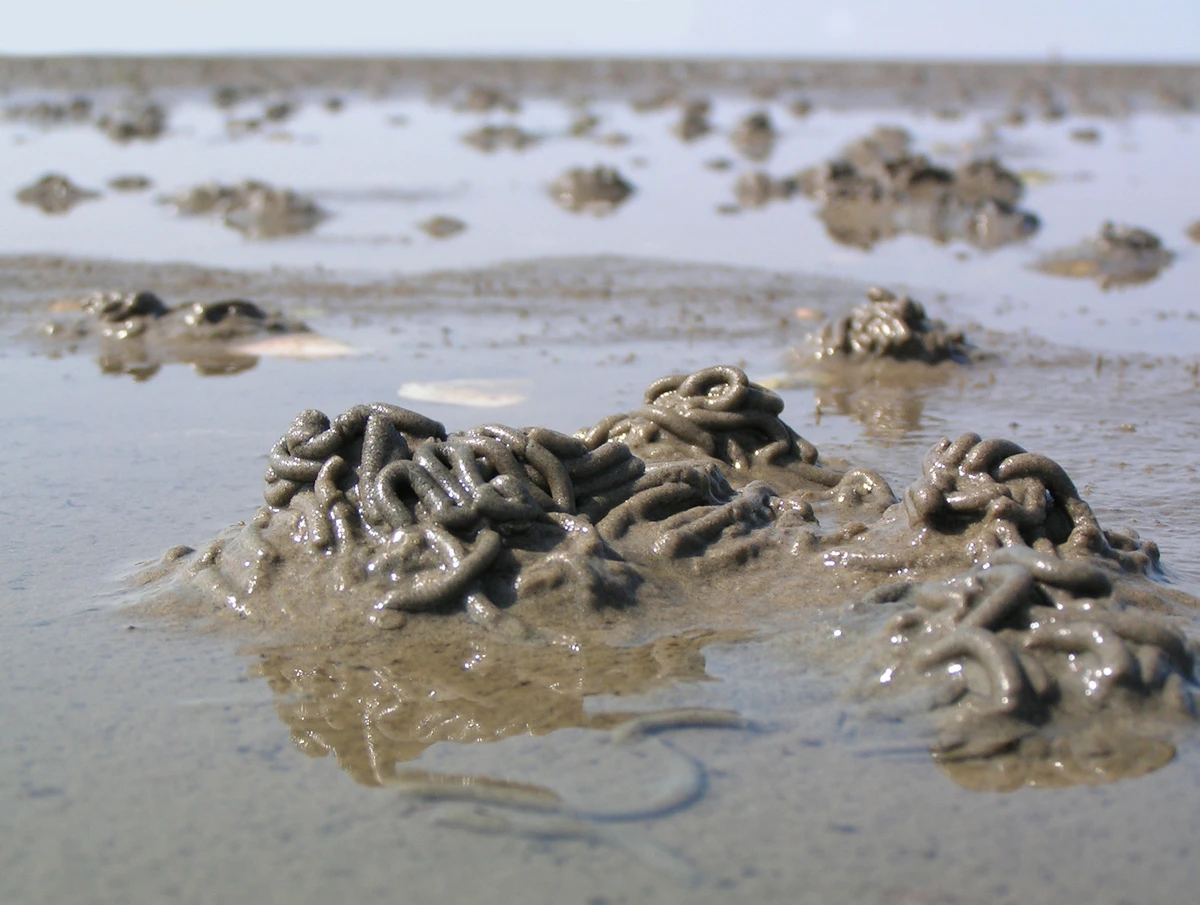
Have you ever spotted these strange mounds on the shore?
Lugworms are worms, plain and simple. But they look nothing like the earthworms wriggling through garden soil, meadows, or forests. Nor do they resemble the marine bristle worms crawling across coral reefs in search of carrion and easy prey. Lugworms occupy a niche right in between, thriving in the intertidal zones of the Arctic Ocean as well as the northern stretches of the Pacific and Atlantic. 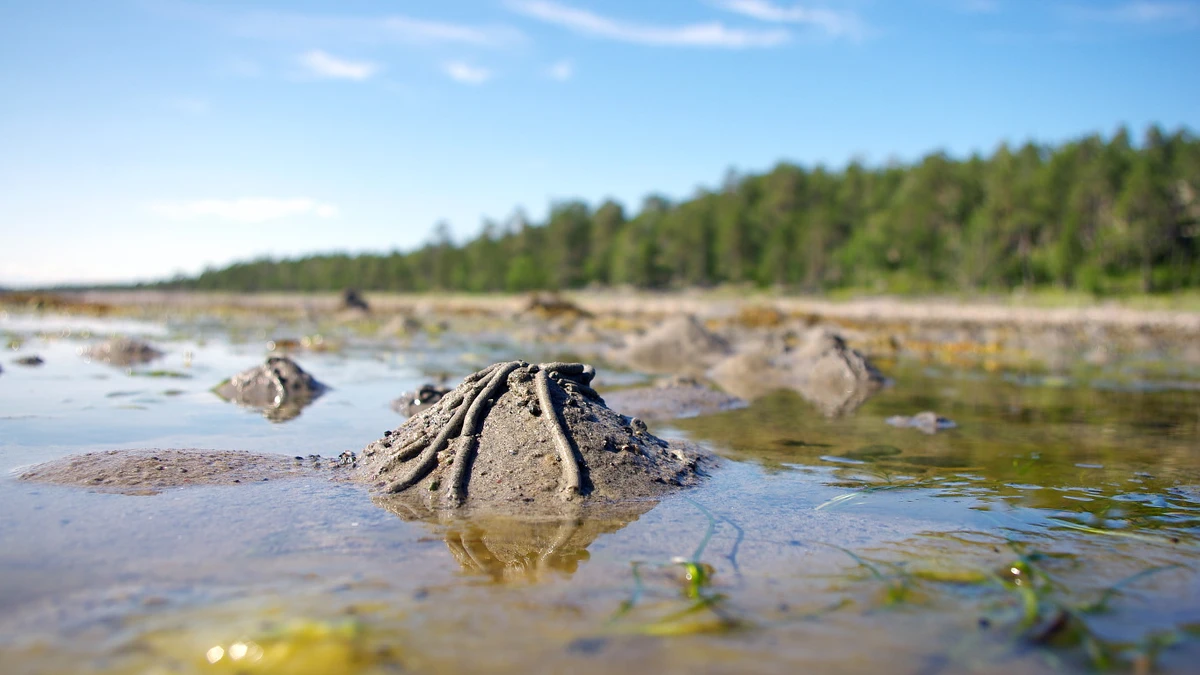
Someone went a little overboard with their waste disposal.
A lugworm spends its entire life buried in the sand, bent into a neat U-shape. With one end of its body, it swallows organic matter drifting down from above; with the other, it squirts out undigested remains mixed with ingested sand. This creates those strange, poop-like squiggles on the shore—which, funnily enough, is exactly what they are. 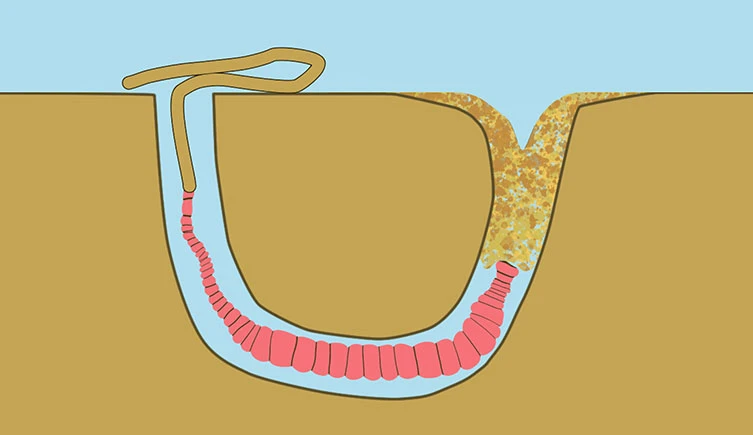
The front end is on the right. 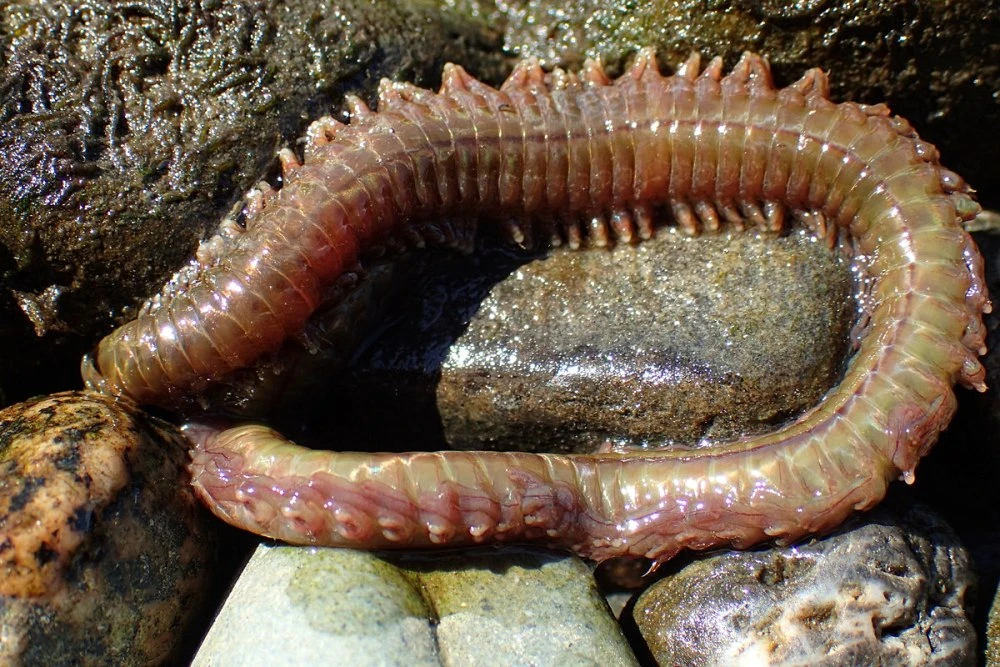
And here’s what the worm looks like out of its burrow.
The rest of its body is covered in tiny hooks and bristles. These anchor the lugworm in place, preventing harsh currents from ripping it out of the cozy burrow where it plans to spend its entire life. Not that it always works: lugworms are a favorite snack for fish at high tide and seabirds at low tide. Against those hungry predators, the anchor hooks offer little protection. 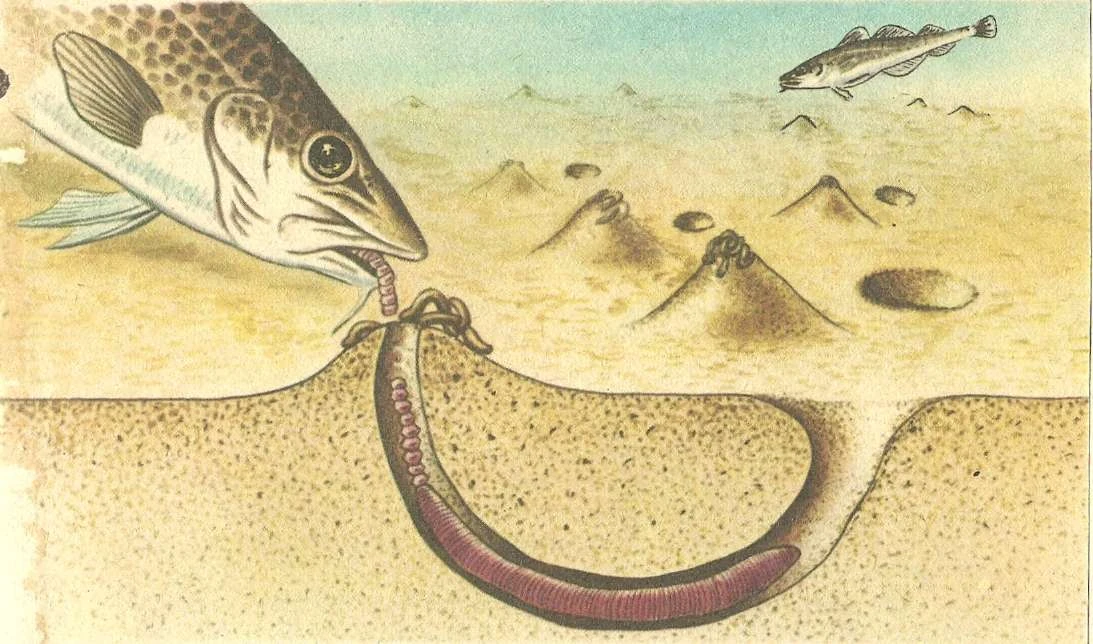
Knock, knock! Anybody home?
Yet strong currents and hungry predators are only half the battle. The real struggle for a lugworm comes with low tide. As marine creatures, they can’t breathe atmospheric oxygen. When the tide goes out and the sand dries up, these worms have to hold their breath—for up to six hours at a time. Every single day. 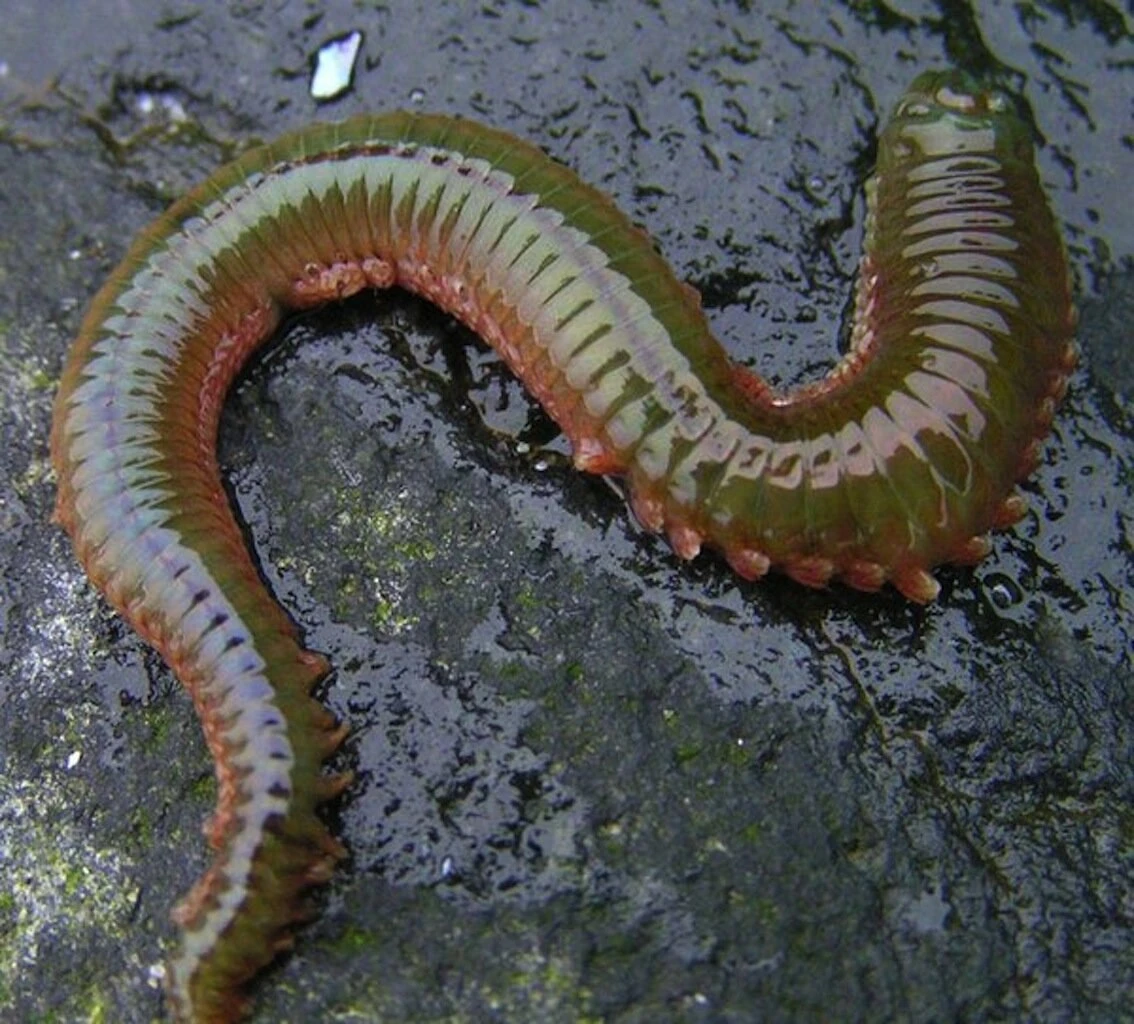
Held its breath for so long it turned green from the strain.
To survive such extreme conditions, lugworms have evolved multiple lines of defense against oxygen deprivation. The first and most crucial is an exceptionally large reserve of oxygen in their blood—far greater than ours. When that runs low, the worm taps into oxygen stored in its myoglobin. In humans, myoglobin is confined to muscles, helping them function briefly during severe oxygen shortages. But in lugworms, myoglobin is packed into every organ and tissue in massive quantities. 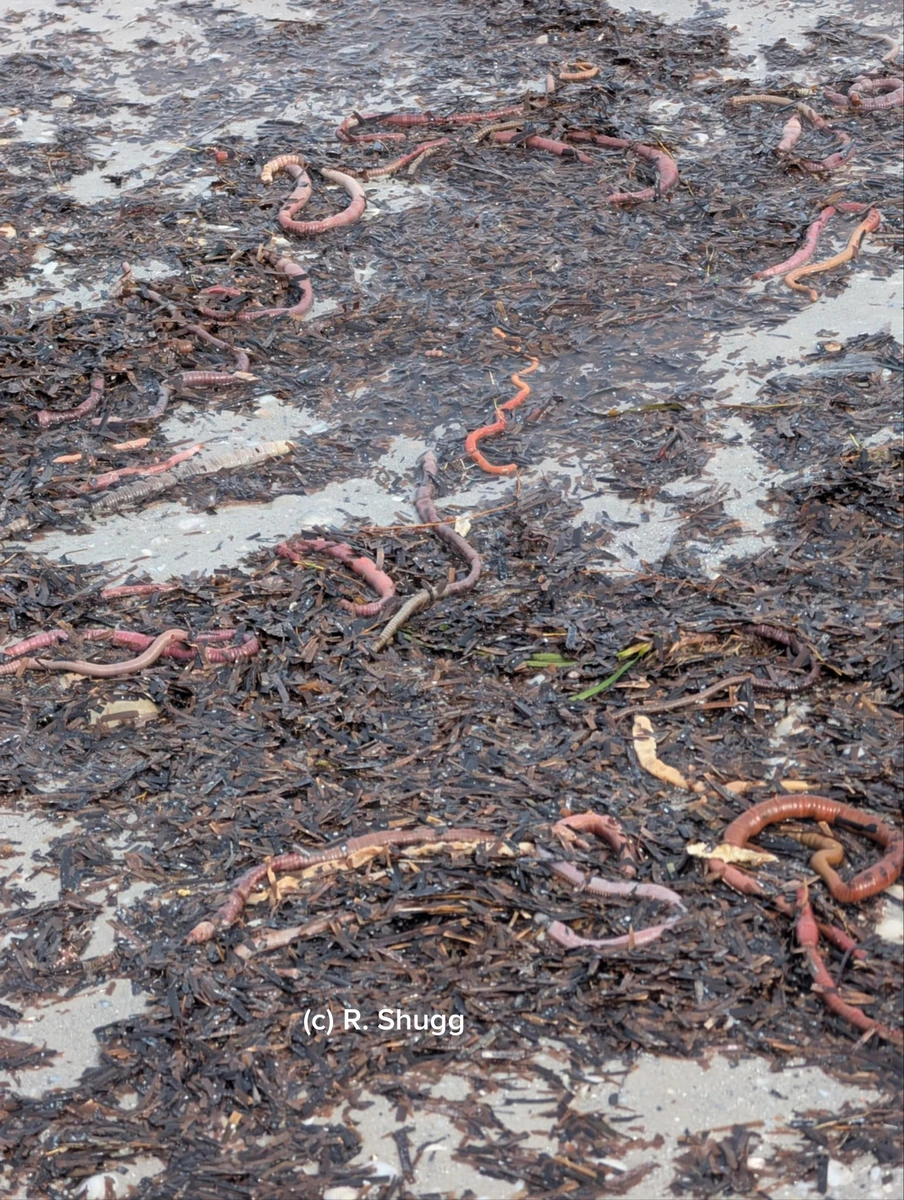
Population density depends directly on how nutrient-rich the coastal waters are. In prime spots, you can find up to 17 of them per square meter!
Eventually, even those reserves run out, forcing the lugworm to switch to anaerobic respiration. Much like ancient bacteria, it generates energy by breaking down organic compounds without oxygen. But it can't rely on this trick forever: anaerobic respiration gradually acidifies the worm's body, causing its metabolic processes to falter. If the water doesn't return in time, the lugworm will essentially poison itself. Fortunately, Earth's tides operate like clockwork thanks to the Moon's stable orbit, so the water always arrives right on cue. 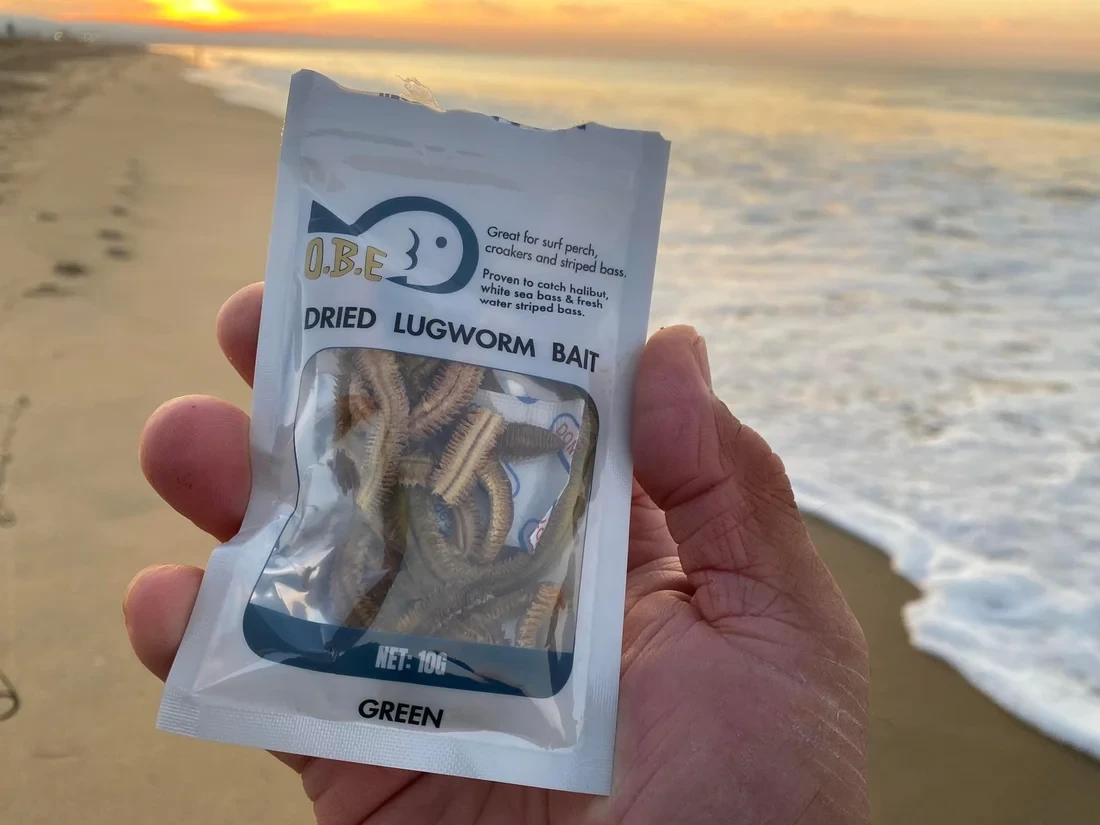
Lugworms are also hugely popular with anglers—they make top-tier bait for big ocean fish.
The lugworm's ability to hold its breath for hours on end has captured the interest of researchers worldwide. Scientists are painstakingly studying the tiny creature's internal mechanisms to unravel the secrets behind this phenomenon. If they can discover a way to buy humans extra time without oxygen, it could save thousands of lives. Drowning victims, people trapped under rubble, and patients undergoing critical emergency surgery could gain precious extra minutes—making the research well worth the effort. 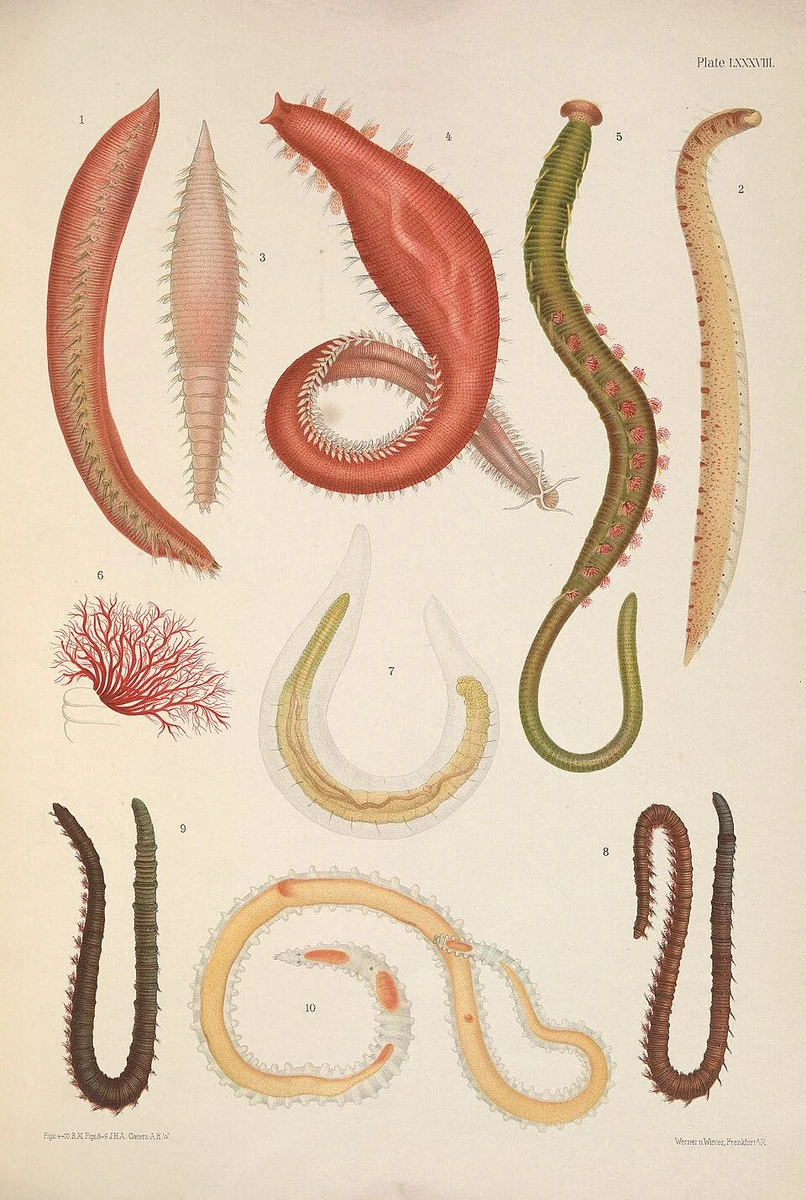
Lugworms galore.
Admittedly, breakthroughs on that front remain elusive for now. However, biologists stumbled upon something equally fascinating: arenicins. Arenicins are antimicrobial proteins produced by lugworms to defend themselves against parasites and dangerous bacteria. No other animal possesses anything quite like them, meaning human pathogens haven't developed resistance to them—unlike penicillin-based antibiotics. Antimicrobial drugs based on arenicins are currently undergoing animal trials and could one day serve as our ultimate weapon against superbugs—resistant bacteria immune to all existing treatments. And all of these medical possibilities opened up simply because an observant beachgoer stopped to take a closer look at what seemed to be a weird little pile of sandy poop. 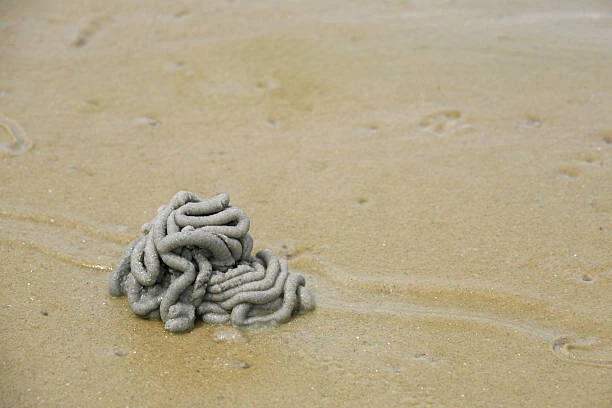
So next time you're standing over one of these little mounds, give it the respect it deserves.