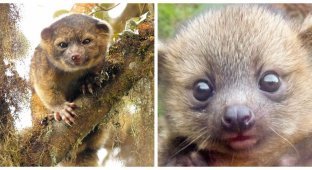
Olinguito: The Raccoon Who Decided to Become a Monkey (8 photos)
This extremely rare animal was only discovered in 2013. 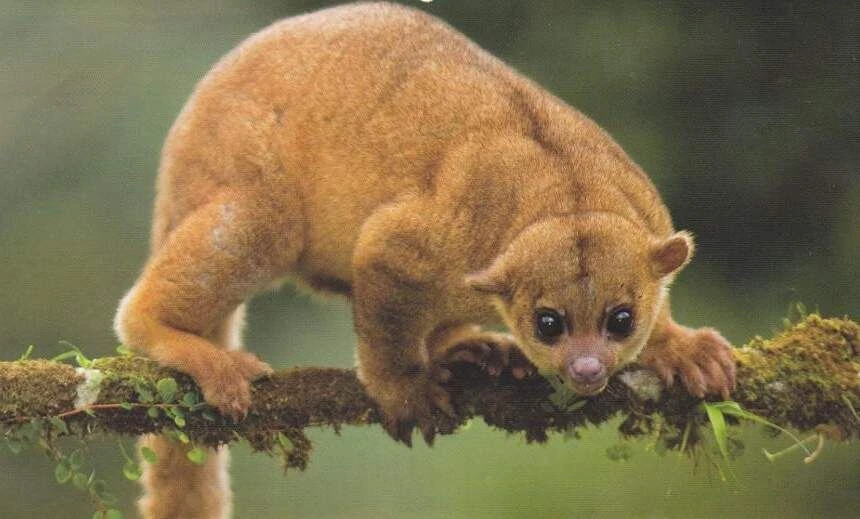
Bet I'm a better tree climber than you?
Olinguitos behave like true monkeys. They live strictly in the trees, never descending to the ground, and nimbly hop between the treetops, relying on their strong legs and long, tail-like tail. Their tenacious paws are capable of grasping any branch or clinging to the bark with their short, sharp claws. 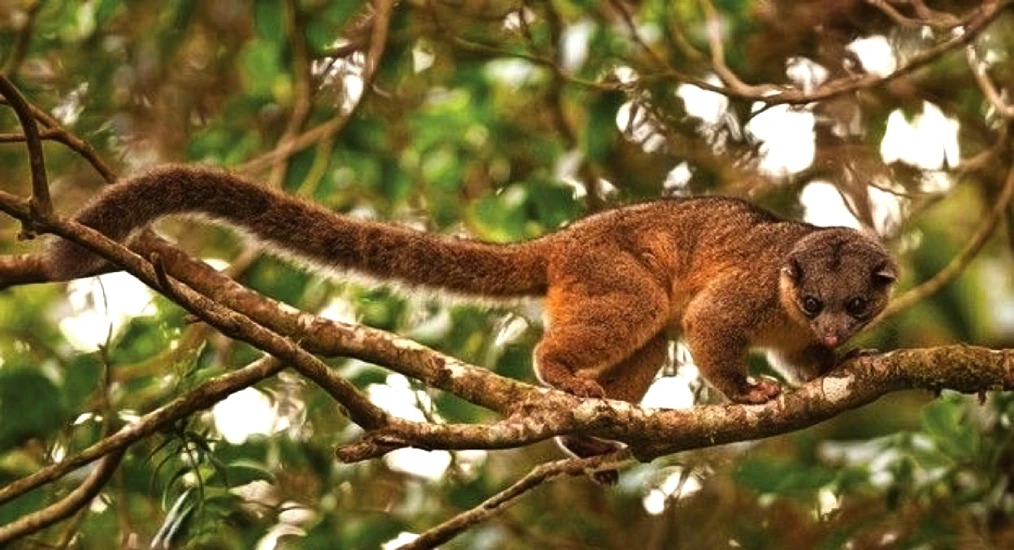
By flicking their tails, olinguitos can maintain balance and correct the direction of a jump right in the air!
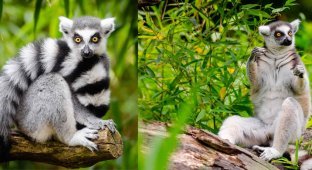
They even have a typical monkey diet! Normal raccoons are members of the carnivorous order, which, while they can eat almost anything, prefer meat to greenery. Meanwhile, raccoon-primates feed almost exclusively on fruit, like lemurs or tarsiers. Only occasionally do they include insects or small lizards in their diet. But frankly, it's understandable—at a body weight of 900 grams, they're not particularly strong enough to hunt! 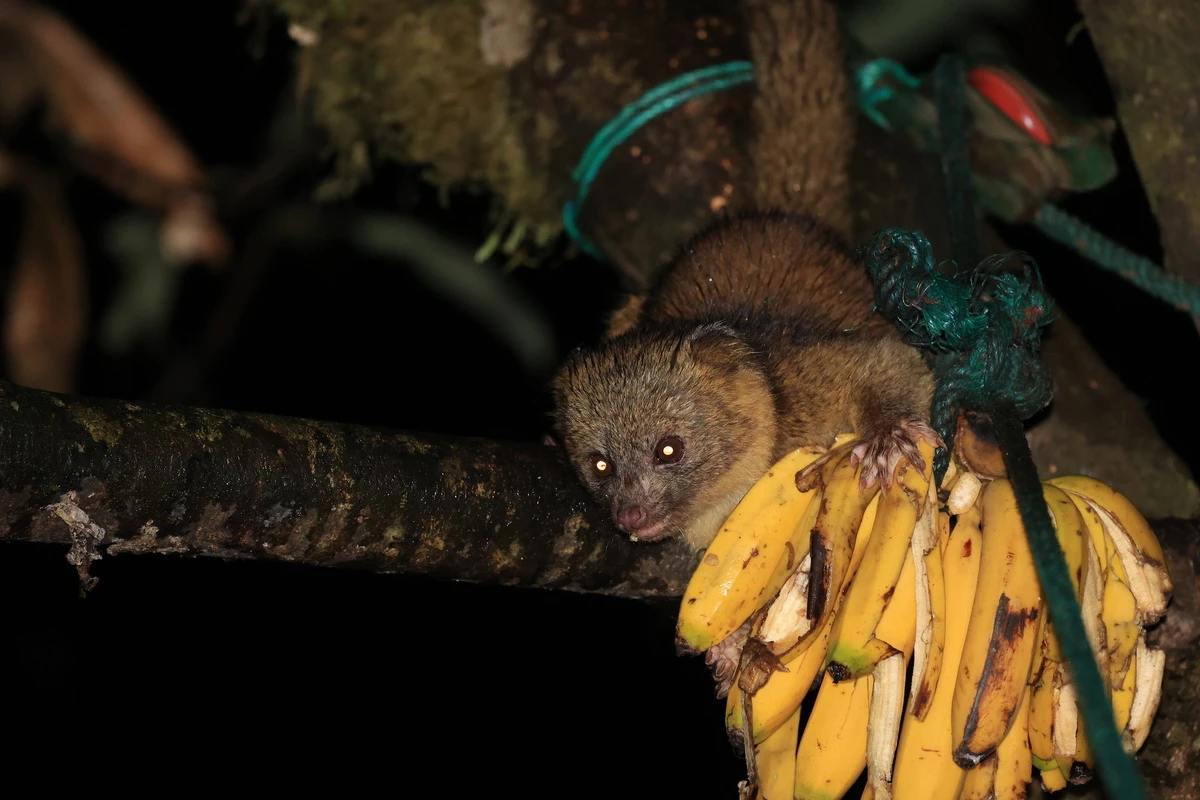
What a gift, thanks, humans.
But, of course, they are not perfect copies of monkeys; they have their differences. Olinguitos are very timid, quiet, and solitary creatures that do not have the monkeys' habit of gathering in huge groups and screaming throughout the forest. They prefer to hide in dense tree canopies and only forage for food in the dead of night. Therefore, studying them is extremely difficult. So difficult that humans only discovered these strange raccoons in 2013. And not in their native Andean forests, but in the museum's storerooms, where several specimens had been lying unused since 1923! 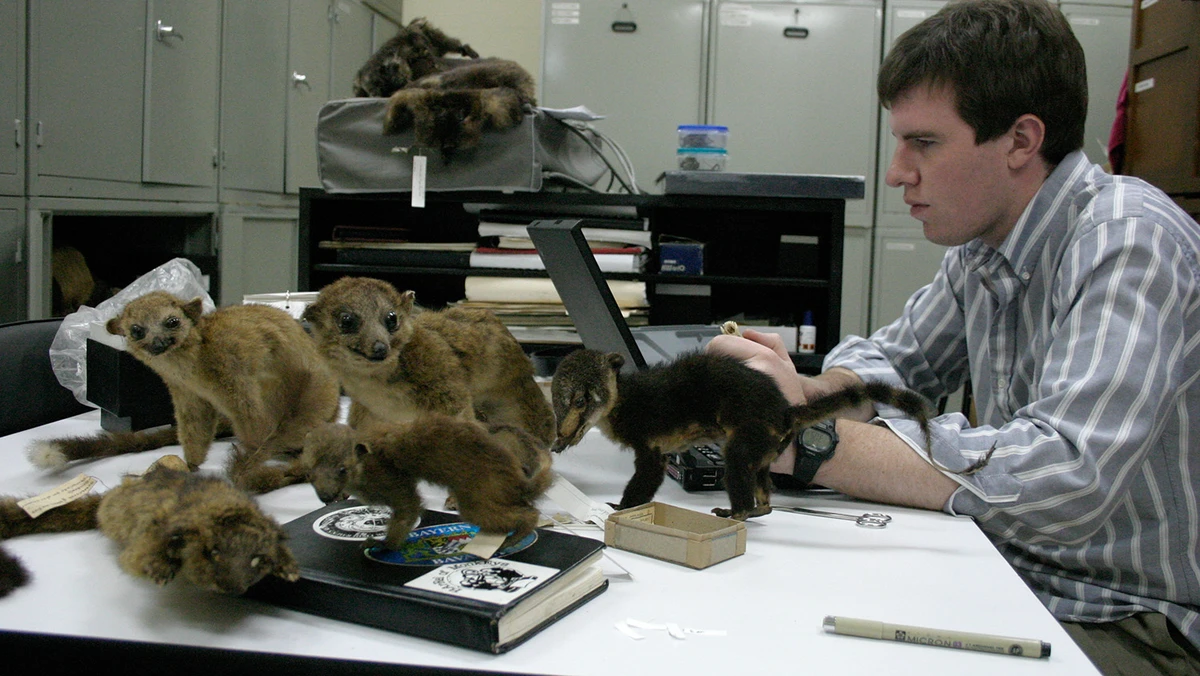
Those very ancient specimens.
Until 2013, neither scientists nor local residents knew of the olinguitos' existence. And if they encountered them, they mistook them for kinkajou or olingo—larger animals whose evolutionary paths diverged more than 2 million years ago. 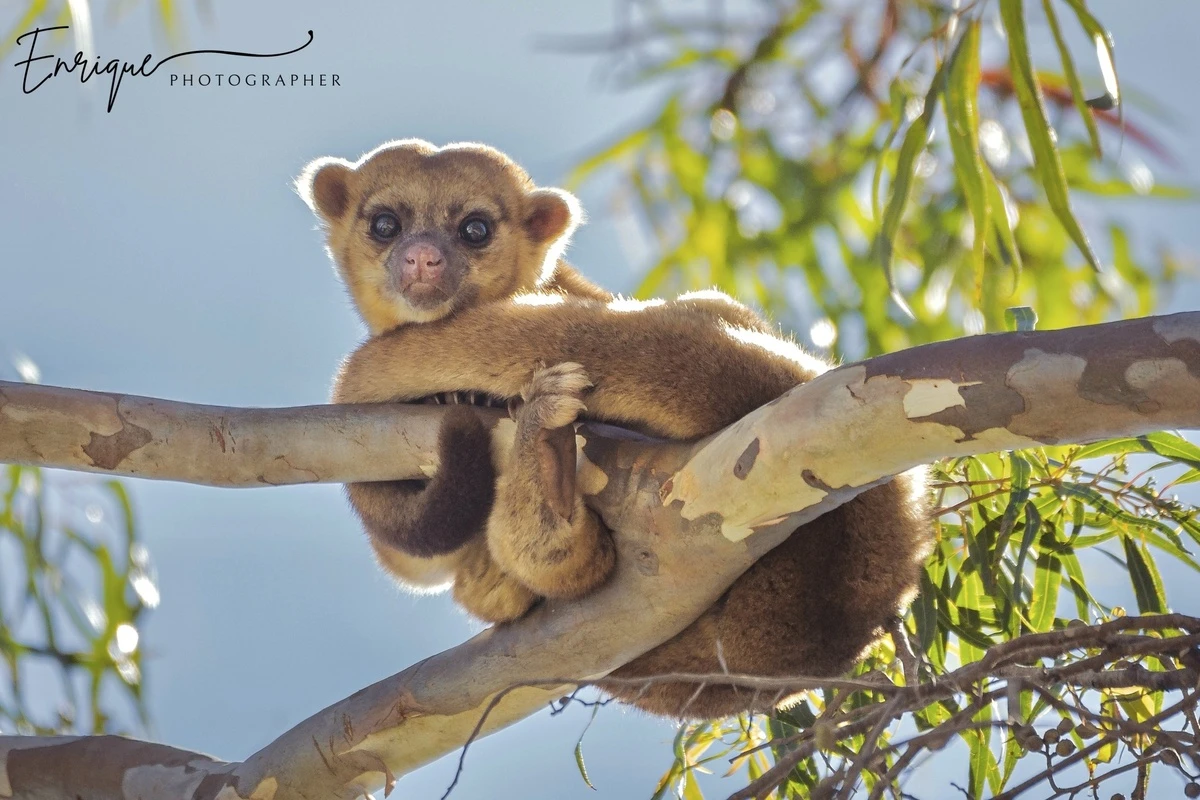
Kinkajou are larger, up to 3 kg, and are also raccoon-like. 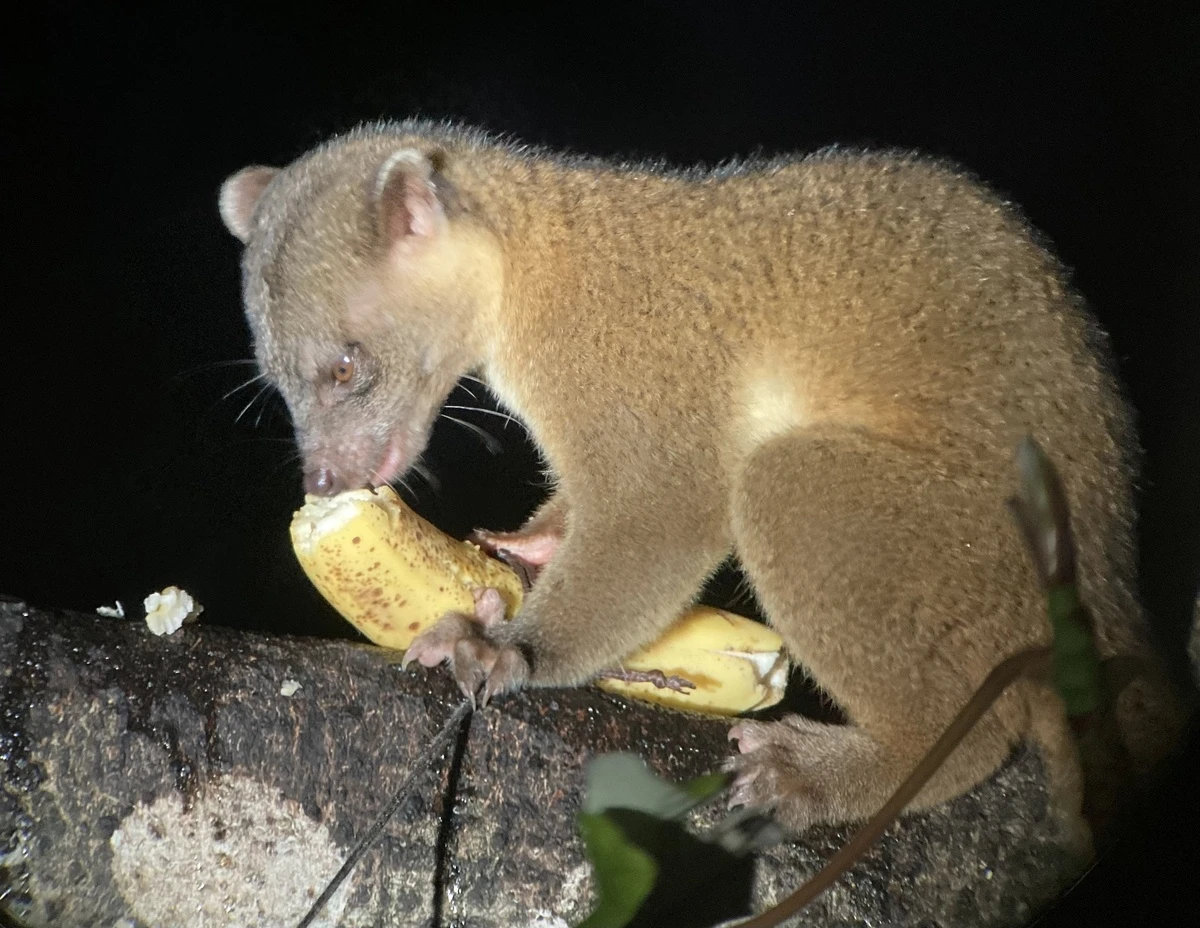
Olingo is an entire genus, which includes our hero, Olinguito, and three other species. All live in the tropical forests of northern South America. 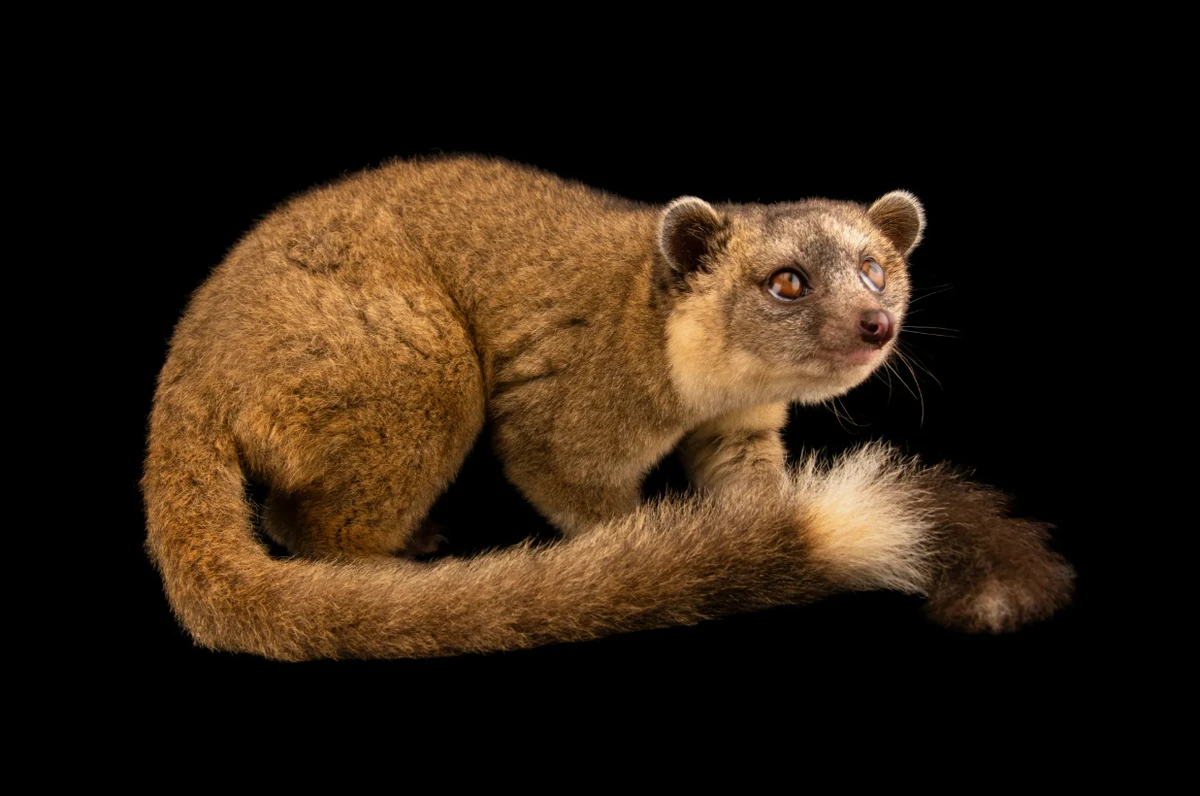
And the olinguito itself. Notice how there's almost no difference? Well, yes, the difference is essentially only in size, habitat, and minor nuances of life.
Once, it even reached the point of absurdity. A female olinguito and a male olinguito were kept in a cage at the Washington Zoo. Zookeepers and zoologists spent a whole year wondering, "Why aren't they breeding?" 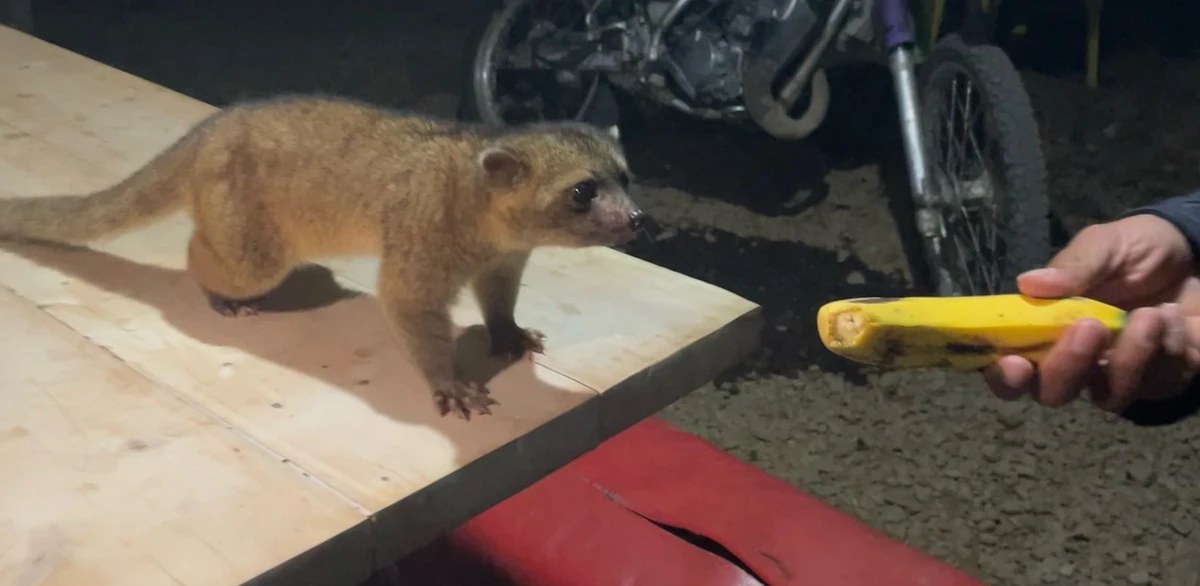
By the way, olinguitos aren't afraid of people. Apparently they sense a kindred spirit.
And frankly, we need to sort out the olinguito's reproduction issues as soon as possible. As soon as we discovered these curious little creatures, we immediately discovered that their numbers are rapidly declining. After all, about 40% of the Andean mountain forests—their natural habitat—has been destroyed to date. And the species' range continues to shrink year after year.