Ferdinandea - the ghost island that sparked the Four Powers War (13 photos + 1 video)
Long ago, in the waters off the coast of Sicily, there existed an island called Ferdinandea. 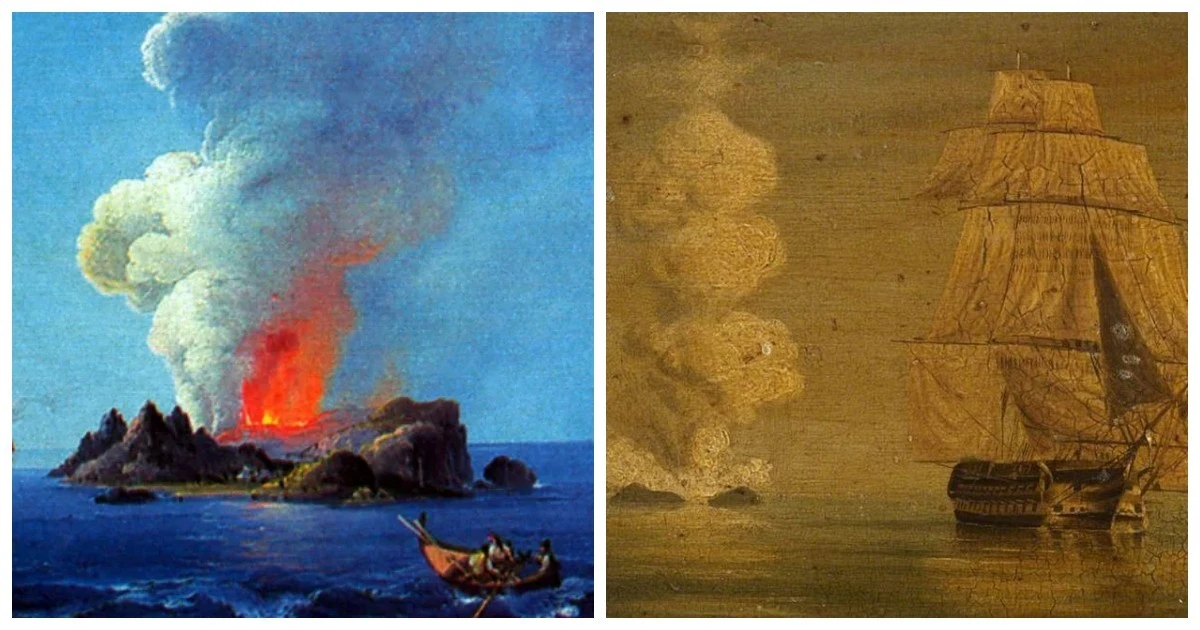
It arose right where the Mediterranean Sea narrows into the strait between Sicily and Tunisia—a strategic point for any maritime power dreaming of controlling trade routes. As soon as news of the island spread, a veritable tug-of-war for sovereignty began between four powerful nations. However, the dispute was short-lived. Less than six months later, the island was reclaimed by the sea. But nearly two hundred years later, the territorial dispute was about to flare up again, as Ferdinandea decided to rise to the surface again.
The Birth of a Legend 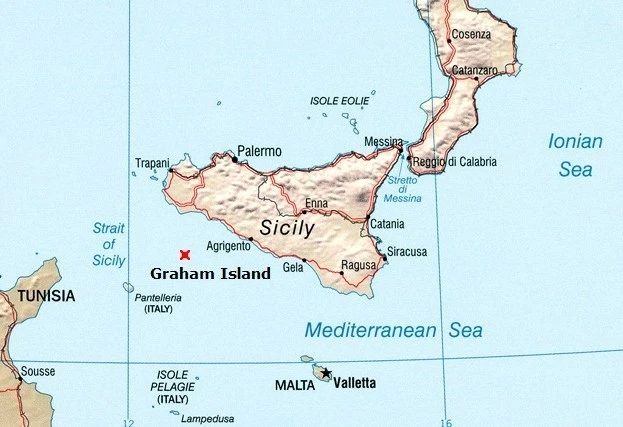
Approximate Location
The story of Ferdinandea begins in July 1831. The first signs were tremors and a suffocating smell of sulfur. The volcano had awakened somewhere underwater. Sicily itself is volcanic, and locals were accustomed to eruptions large and small, but on land there were no signs of a catastrophe. 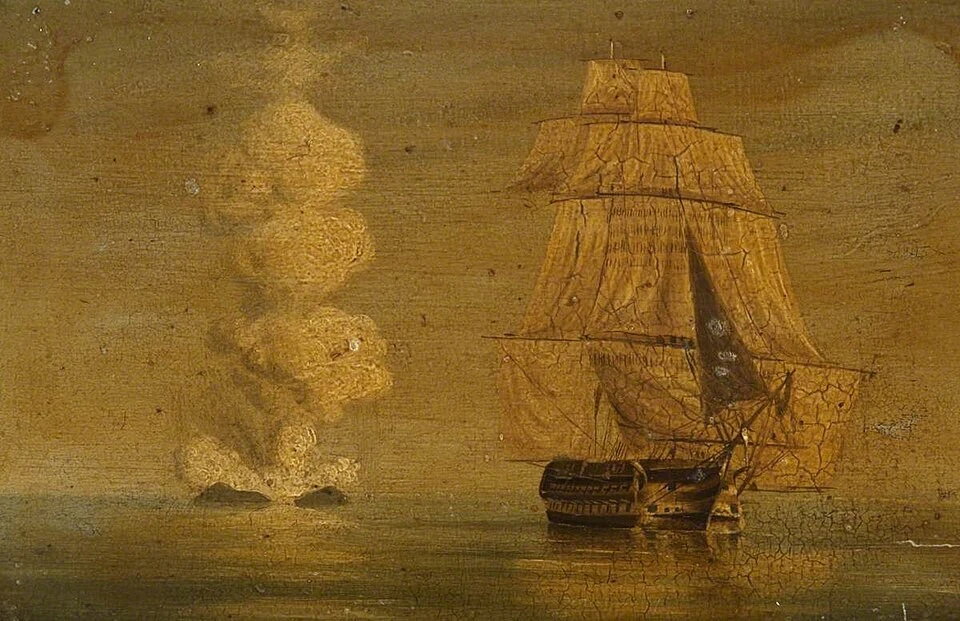
Ship Guards Island
A few days later, a huge column of smoke was spotted at sea. Eyewitnesses thought the ship was on fire. A passing brig approached the scene and saw seething water and dead fish bobbing in the waves. The captain was almost certain he had witnessed the appearance of a sea monster. Only two weeks after the first signs was it confirmed that a new island had emerged from the water. 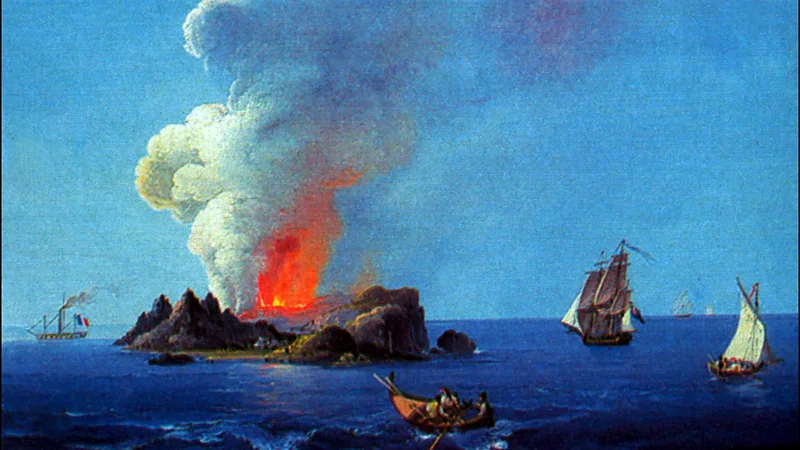
Throughout July and the following month, the island grew before our eyes, becoming a prominent dot on the horizon, visible from the coast of Sicily. It continued to erupt, spewing lava and hot ash. Eventually, Ferdinandea reached 63 meters in height and almost 5 kilometers in circumference. A peak formed on the northeastern side, and in the center lay a plain with two small ponds. The largest of these was 20 meters in circumference and 2 meters deep.
Battle for the Crown 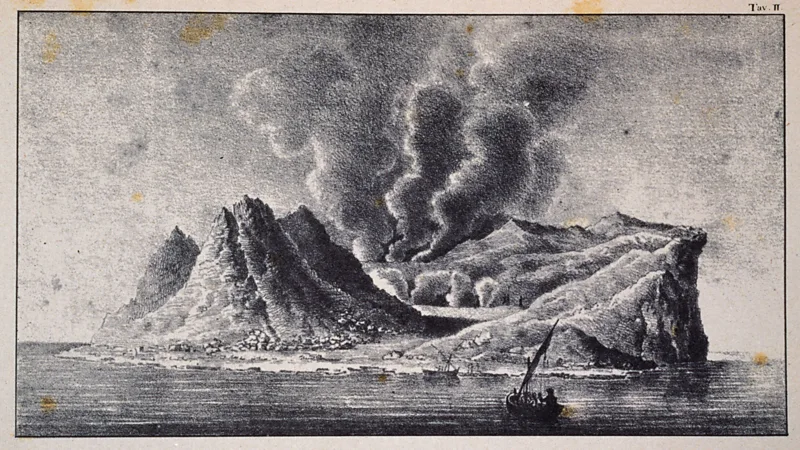
This volcanic island emerged in a tactically important location, close to the main sea routes of the Mediterranean. Every country with a navy here understood that whoever controlled the island controlled all commercial and military shipping. 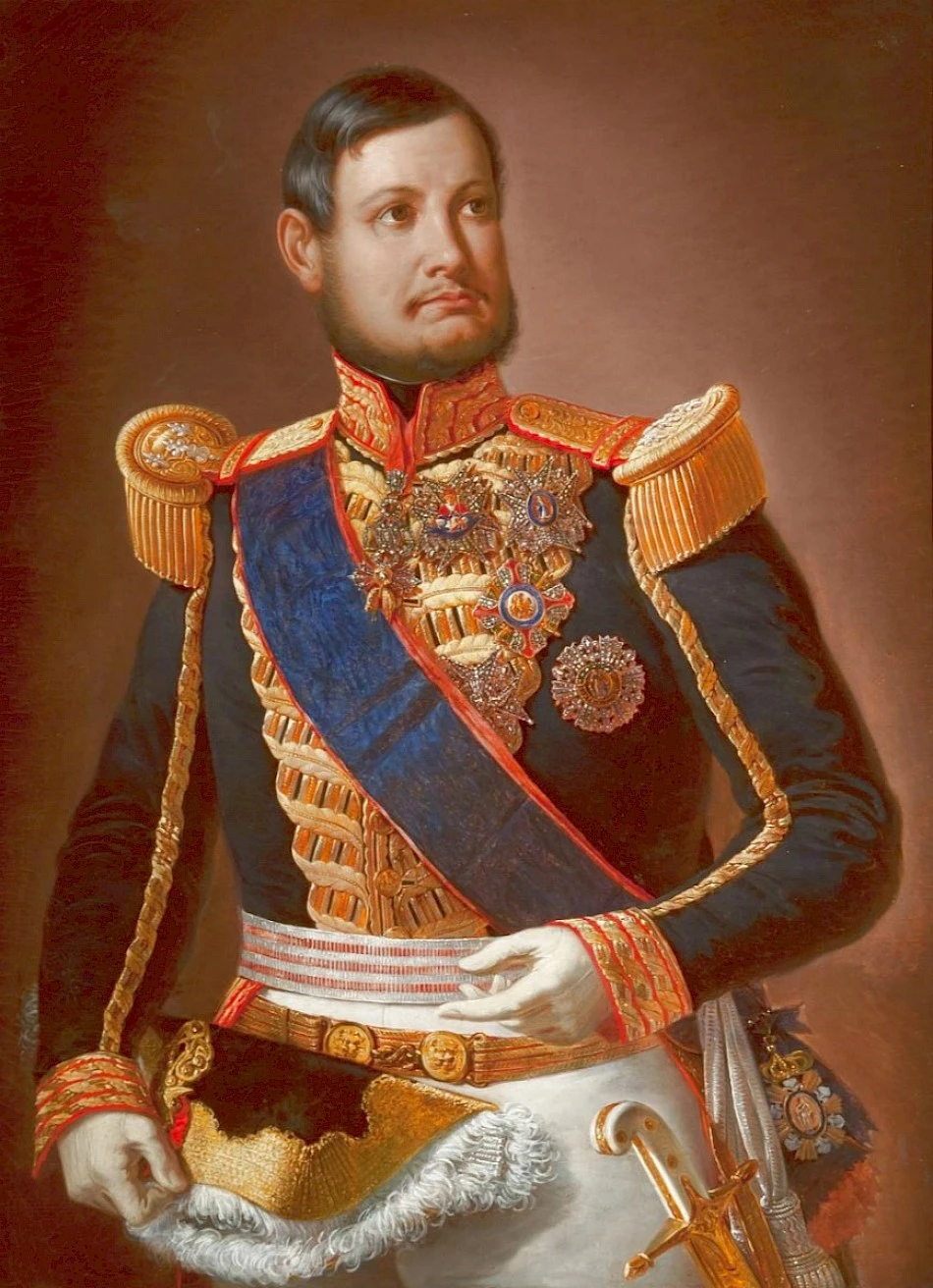
King Ferdinand II ruled Sicily, as well as part of mainland Italy, including Naples, which were collectively known as the Two Sicilies.
The British were the first to raise their flag. A warship landed troops, declared the island British territory, and named it Graham in honor of the First Lord of the Admiralty. King Ferdinand II of Sicily, considering this an invasion, sent a corvette to reclaim the land. He gave the island his own name, Ferdinandea. Spain also expressed interest. Last to arrive were the French, who compared the eruption to the uncorking of a bottle of champagne and named the island Julia (after July, the month of its formation). 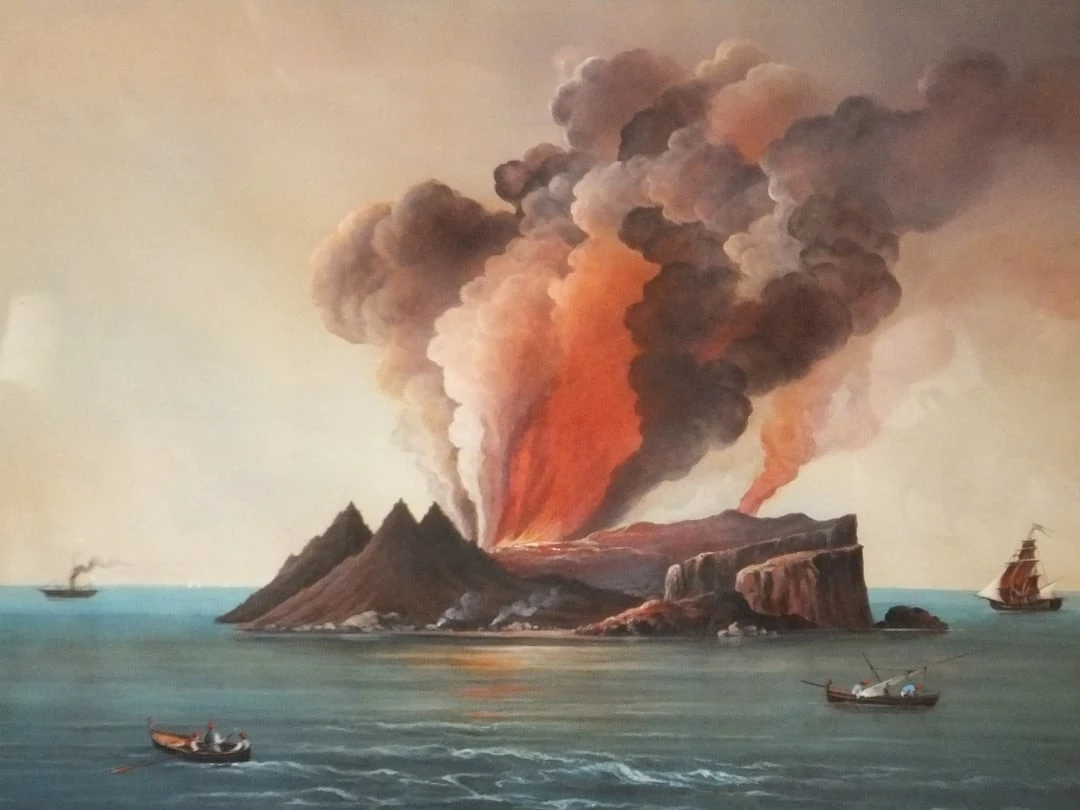
The conflict raged for five months. Diplomats exchanged notes, newspapers were full of headlines. Tourists flocked to see the new land and two small lakes. The French even announced the construction of a first-class resort here. No one paid any attention to the island slowly sinking back into the water.
The End of History (and a New Beginning) 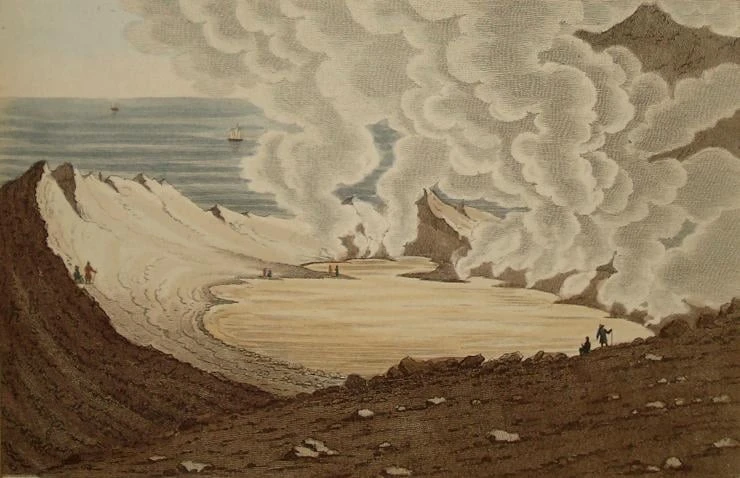
The volcanic material that made up Ferdinandea was too loose and soft. As soon as the eruption ceased, the waves began to erode it at an incredible rate. By December 17, 1831, the island had completely disappeared beneath the waves. The territorial dispute had died down. 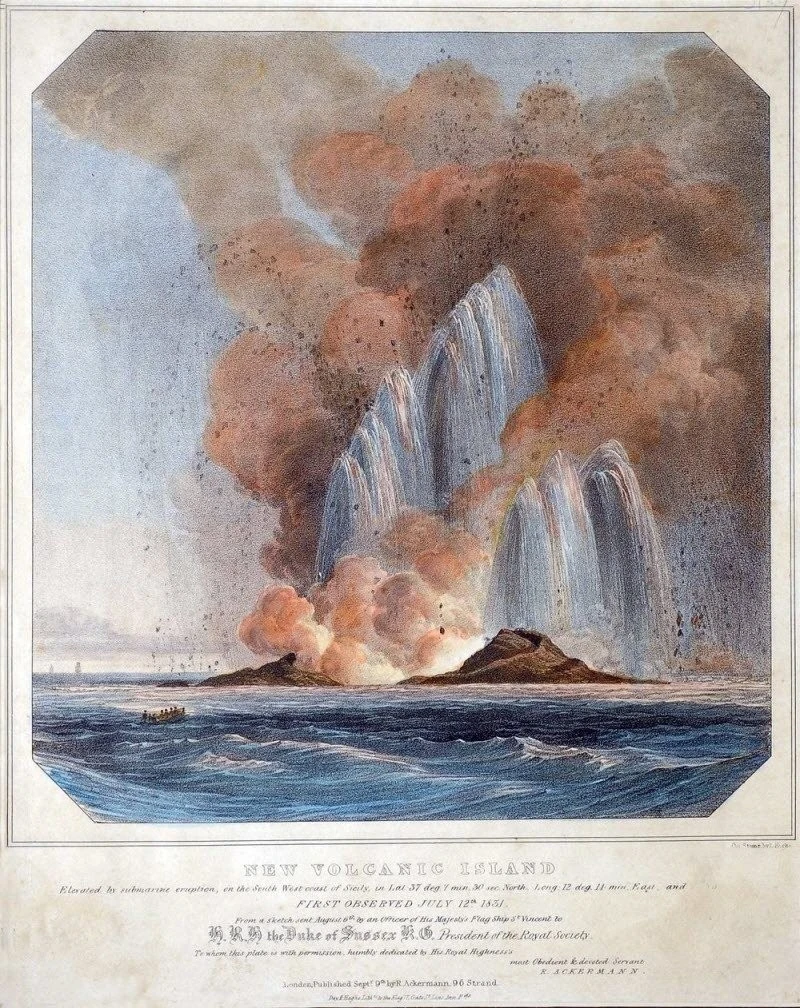
But this wasn't the first appearance. Ferdinandea is said to have surfaced as early as the First Punic War (3rd century BC). Since then, it has performed this feat four or five times. In 1863, the island briefly reappeared and then disappeared again. For the last century and a half, Ferdinandea has lain at a depth of about 8 meters.
Modern: Underwater Race 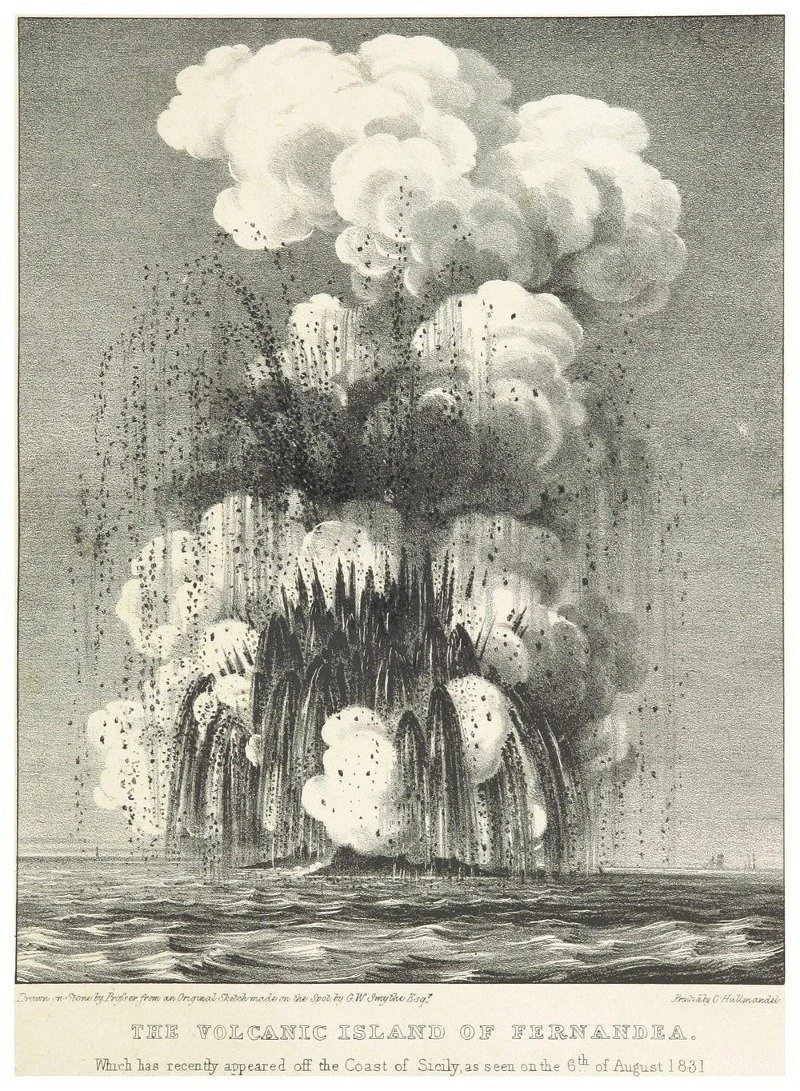
In 2000, seismic activity in the area increased again. Volcanologists began to speculate that the Empedocles volcano (the name given to the massif of which Ferdinandea is a part) was preparing to erupt again. To prevent a repeat of the diplomatic spat, Italy acted quickly: a team of divers lowered a Sicilian flag and a marble plaque onto the summit of the seamount, bearing the inscription: "This patch of land, once Ferdinandea, belonged and will forever belong to the Sicilian people." 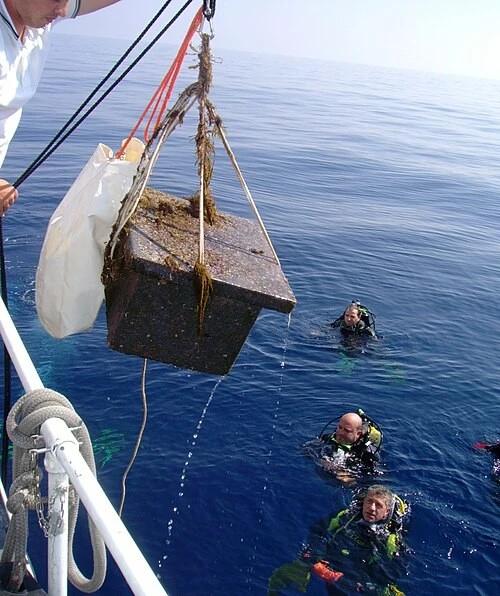
The seismograph, installed on the former island in 2006, was removed in 2007.
True, the sign was smashed almost immediately. Either by fishing tackle or by vandals. But everyone understood the gesture. 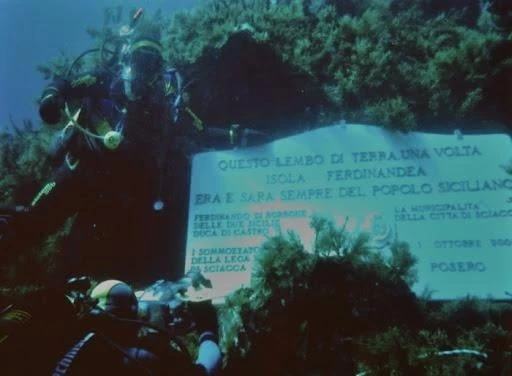
If the island rises again in the near future, there will no longer be a major territorial war. It no longer has the strategic value it did in the 19th century. Most likely, the island will simply return to Italy by right of blood and geography. 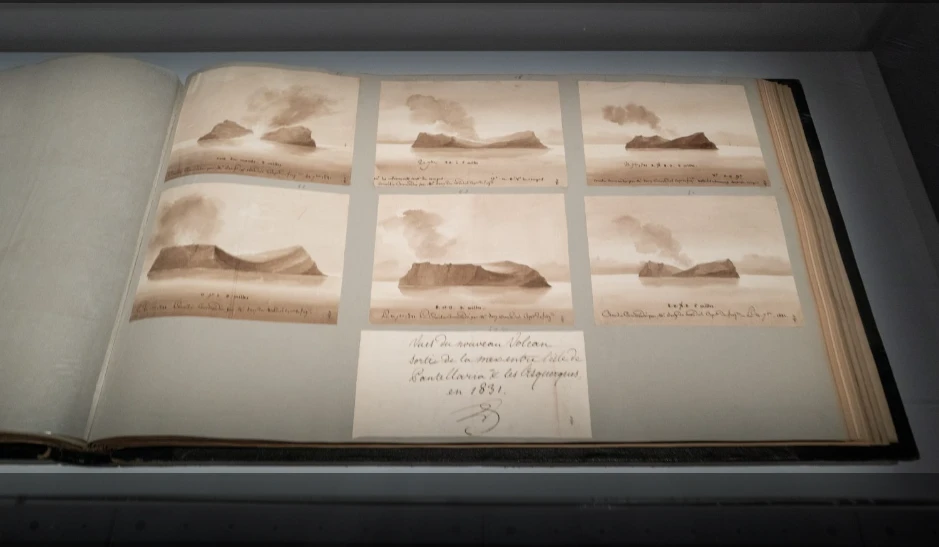
Exhibit
Currently, it is still underwater (at a depth of 6-8 meters), but scientists are constantly monitoring it as a potentially active volcano. And from December 2025 to September 2026, the Mucem museum in Marseille is hosting an exhibition dedicated to Ferdinandea. The island has not physically risen, but has become a cultural treasure.