A mosquito-free paradise: how 1200 People live on a piece of land the size of two football fields (12 photos + 1 video)
Santa Cruz del Islote isn't just an island. It's an experiment in survivability in a place where there's no place for police, cemeteries, or loneliness. 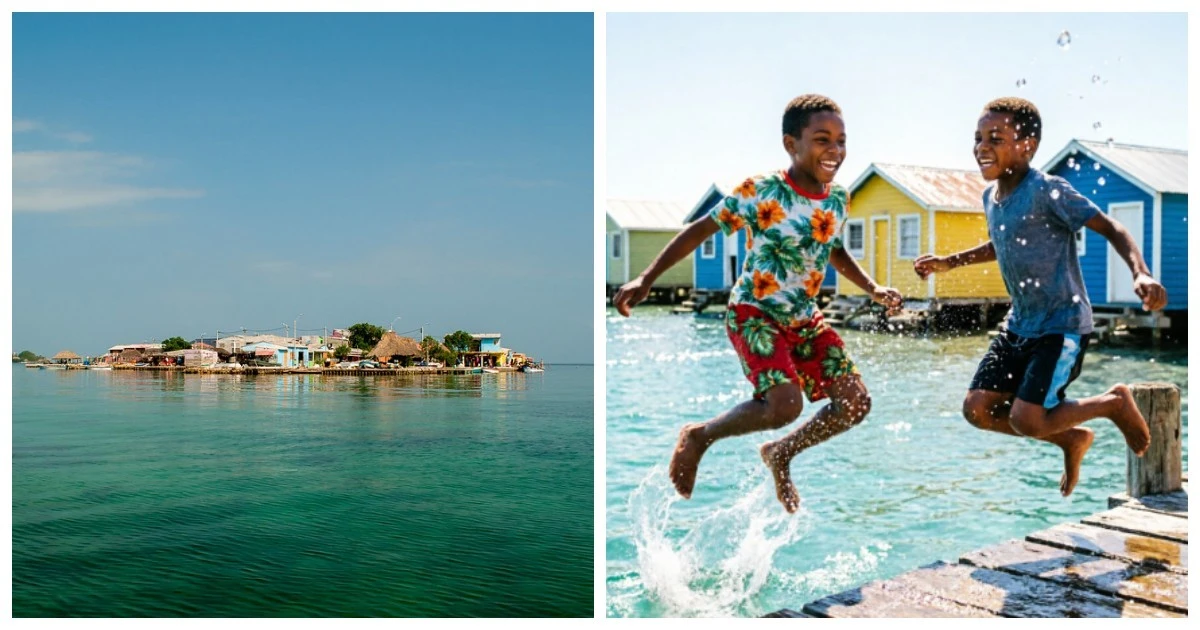
Imagine an island you can walk around in 10 minutes. Where there are no cars simply because there's simply no room. Where children jump out of their windows into the sea, and neighbors know literally everything about each other. 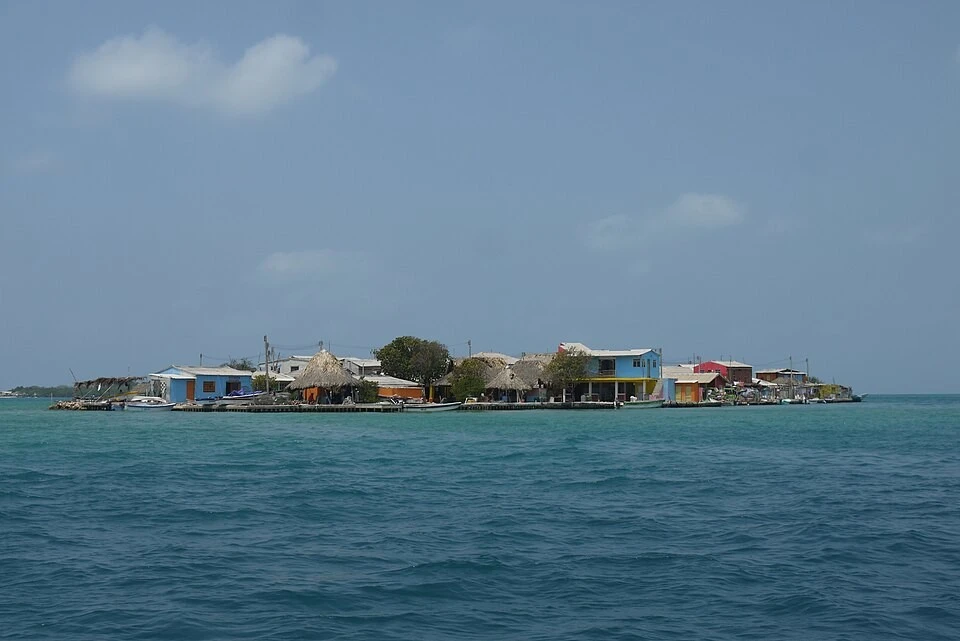
Santa Cruz del Islote is located off the coast of Colombia, part of the San Bernardino archipelago. It covers just 1.2 hectares, a little larger than two football fields. Yet, it is home to between 800 and 1,200 people.
There are no high-rise buildings here. Only one- and two-story houses painted bright turquoise, yellow, and green. And no vacant plots of land, as every inch is densely packed.
The Story of a Happy Discovery 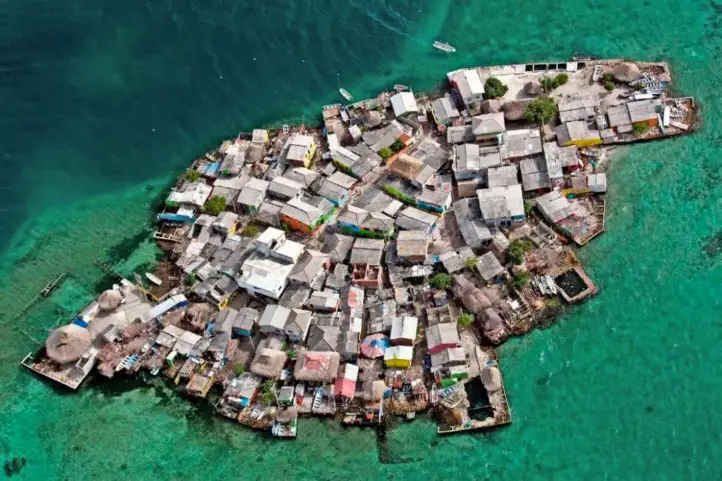
About 150-160 years ago, a group of fishermen from the city of Baru were looking for new fishing spots. It got dark, and they decided to spend the night on this small island.
And then something incredible happened. The island was mosquito-free. In the Caribbean, where mosquitoes are a real curse, this was akin to a miracle. The fishermen slept so well that they decided to stay forever.
Later, the sea washed ashore a concrete cross ("cruz" in Spanish). The first settlers erected it in the center of the island. From that day on, the place became known as Santa Cruz del Islote, meaning "Holy Cross on the Islet."
Living in Cramped Spaces, but Not in Distress 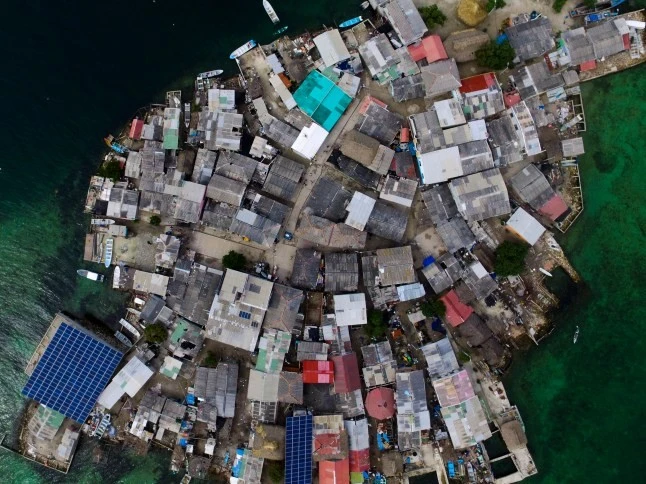
Today, the island has 90-115 houses, a couple of shops, a restaurant, a school, and a nightclub. There is no cemetery; the dead are buried on neighboring islands.
The only open space is a courtyard about half the size of a tennis court. During high tide, it often submerges. Many houses are built directly over the water, on artificial platforms made of wooden piles. This is because there simply wasn't enough land for everyone.
Water, electricity, and no trash 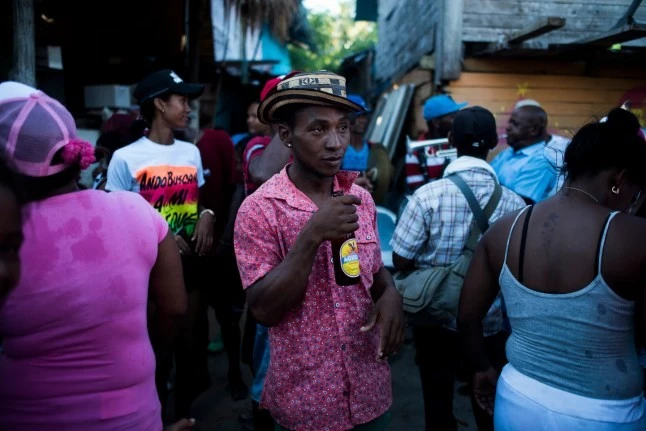
Utilities are limited here. There's no running water or sewer system. Water is brought in—Colombian sailors deliver fresh water every three weeks. Electricity is only available for five hours a day—from 7 to 11 PM. This is the time when everyone watches soap operas or football on TV. To watch the final match, neighbors chip in for gasoline for the generator.
Trash is a real problem. The island hires a company to remove it, and it works. In 2021, Japan donated solar panels to the island, and now it has 24/7 internet.
From fish to tourists 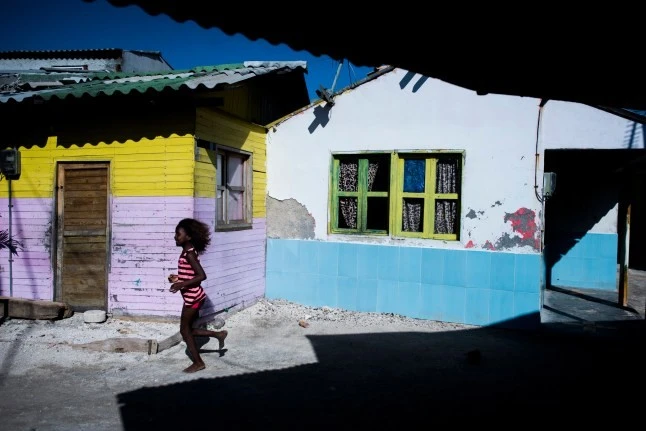
Previously, all residents were fishermen. But fish stocks dwindled, and the men had to find other work.
Today, the economy relies on tourism. On the neighboring island of Mukura, there is an upscale resort where locals work as guides, cooks, and cleaners. Others sell shells, handicrafts, and local food to tourists. 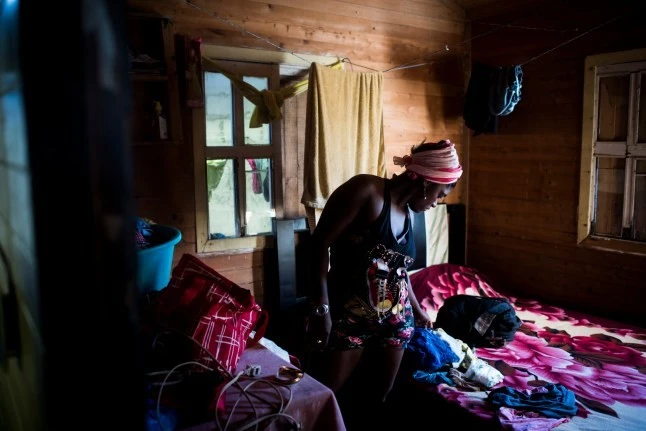
In 2025, Colombian authorities allowed small-scale fishermen to keep sharks they accidentally catch. Previously, this was strictly prohibited. Conservationists are furious, but locals are happy.
Children and 6 Surnames 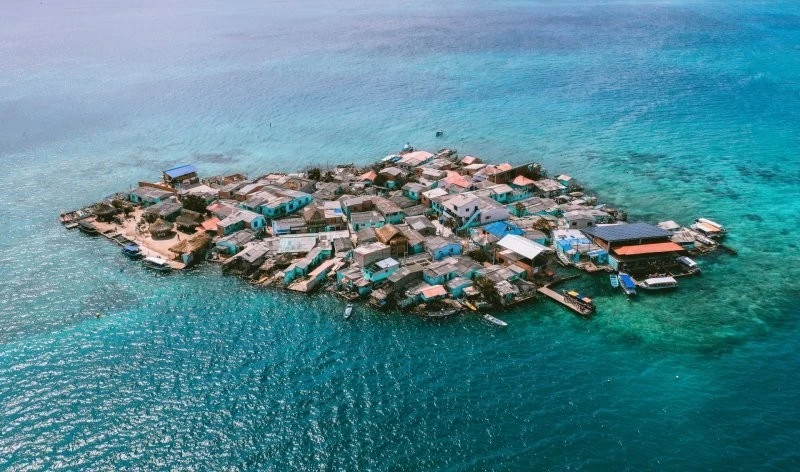
65% of the island's population are children and teenagers. They grow up surrounded by water and begin swimming before they can walk.
Surprisingly, there are only six families on the island. All residents are related to one degree or another. Marriages are only possible with newcomers, otherwise genetic diversity would drop to zero.
There are no police on the island. It's not because there's a lack of money; they're simply not needed. Doors are never locked. Children are described as "calm" and "well-disciplined."
Threat from the Sea 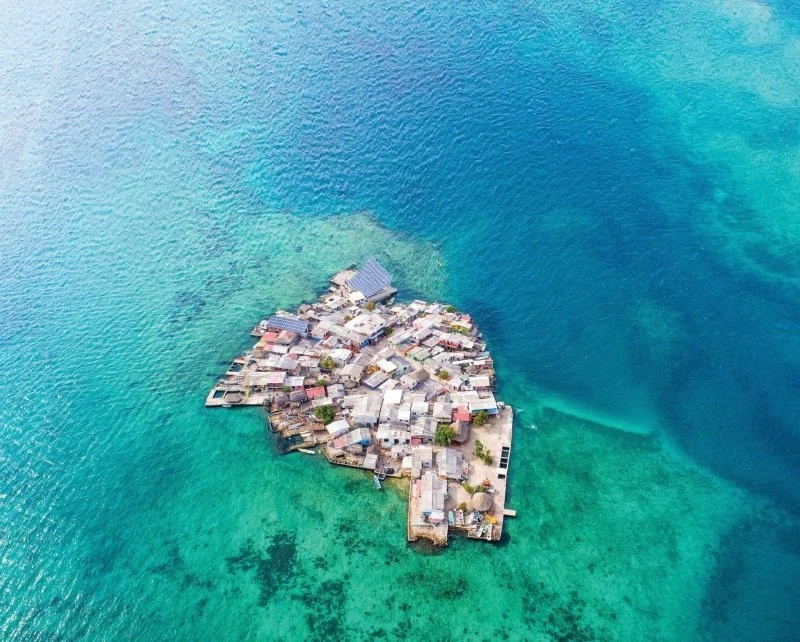
Paradise has a downside: rising sea levels. Flooding used to be seasonal, but now the streets are often 5-6 centimeters deep. One of the archipelago's islands is already completely submerged. 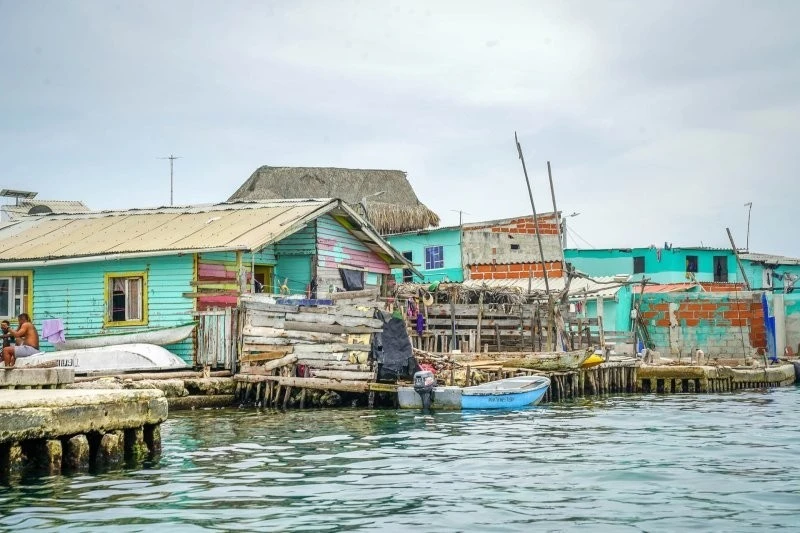
Sea levels are predicted to rise by 50-60 centimeters by 2040. This means Santa Cruz del Islote could simply disappear. 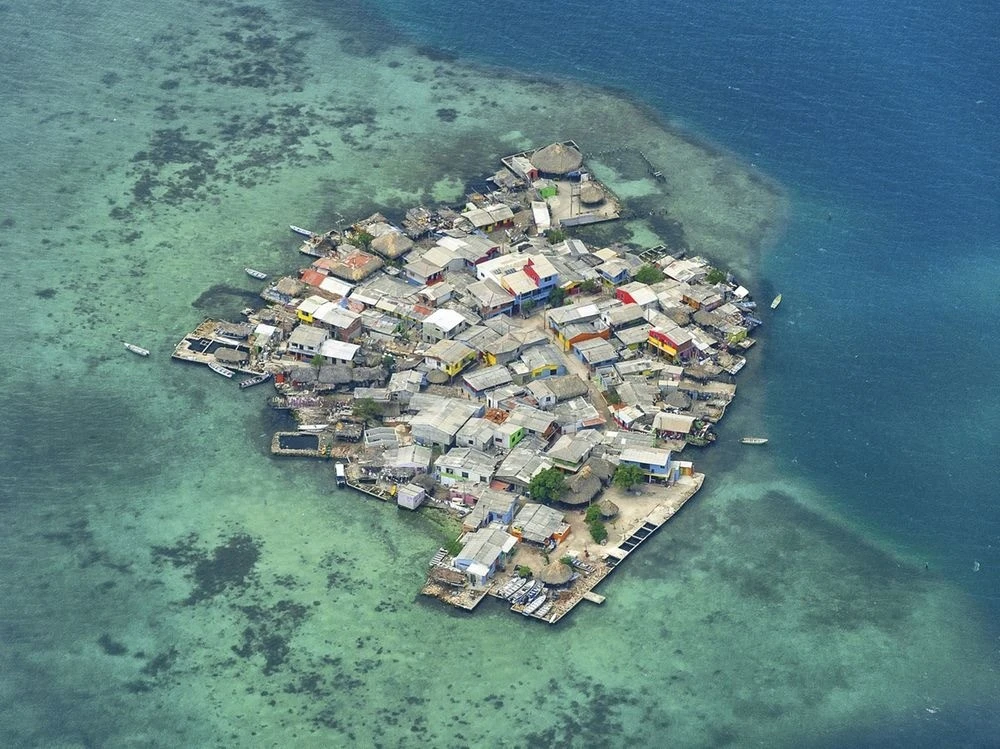
Another problem is the influx of tourists, which could lead to the disappearance of the mangrove archipelago. 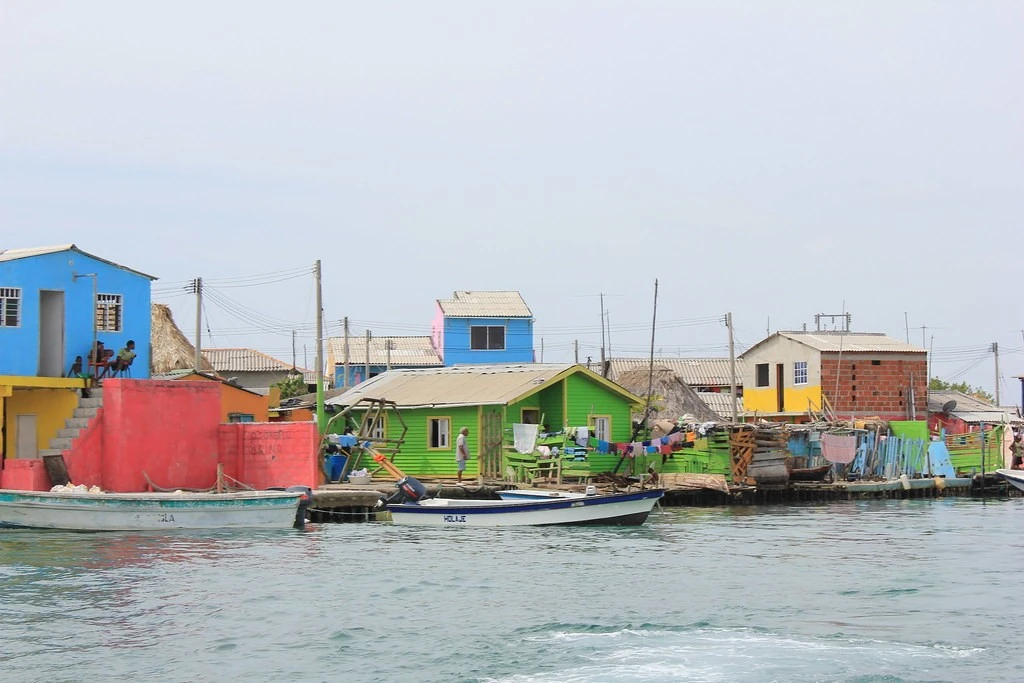
The island still exists, battling daily with the tides but continuing to attract tourists from around the world with its unique atmosphere of absolute community. The threat of flooding remains, but as the sun rises each morning over the colorful houses, locals continue to call this patch of land home and paradise.