Tesla robo-taxis are already involved in accidents in Austin (3 photos)
Service Launch and First Incidents
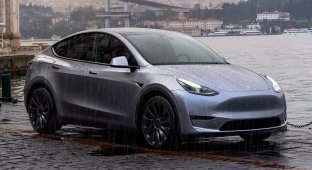
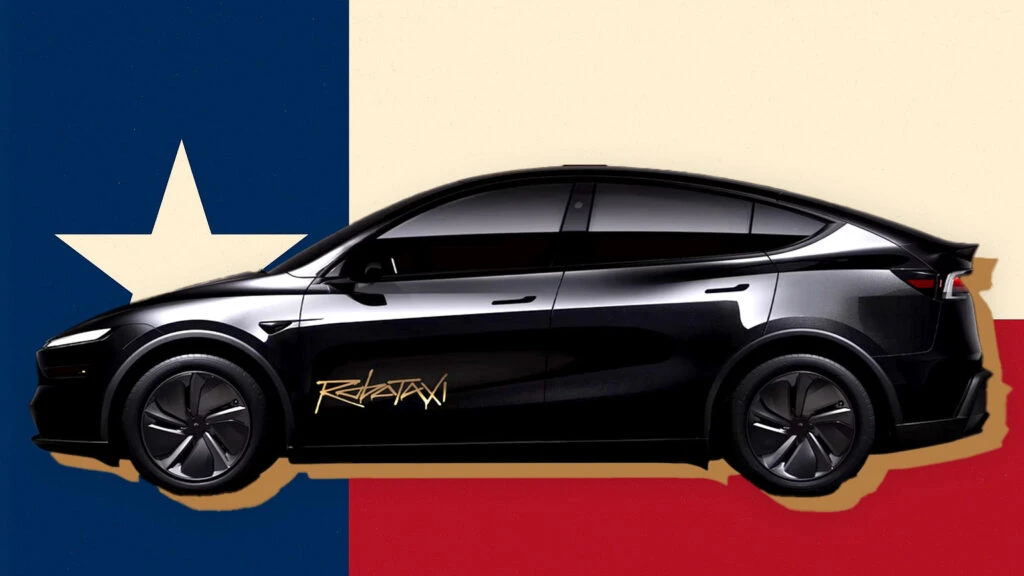
On July 1, Tesla launched its long-awaited robo-taxi service in Austin, Texas, joining competitors like Waymo and Zoox. Many heralded it as a triumph for Elon Musk, viewing the event as the first step toward rolling out the service that is expected to cover large parts of the United States. However, new data has shown that Model Ys equipped with the Full Self-Driving (FSD) system, which are already driving on the streets of Austin, have already been involved in several accidents.
Accident Data
Recently released data found by Forbes shows at least three accidents dating back to July 1. While initially thought to have all occurred on the same day, it now appears that the incidents occurred on different days throughout the month. Many details have been redacted by Tesla to protect confidential information, but some basic information has been released.
Description of the first accidents
The first accident occurred at 3:45 a.m. on an unspecified date in July. Tesla’s description states that the Model Y
“was stopped (moving straight) and struck from the right rear by an SUV from the right front. Police were called.”
The second collision was reported at 12:20 p.m. and is described as follows:
“Tesla collided with a stationary object with the right front end at 8 mph. Minor injuries, no hospitalization required. Police were called. Tesla was towed.”
In the third crash, which occurred at 3:15 p.m.,
“the right rear end of the Tesla contacted the right front end of an SUV while the Tesla was making a right turn while traveling at 2 mph. Police were not called.” 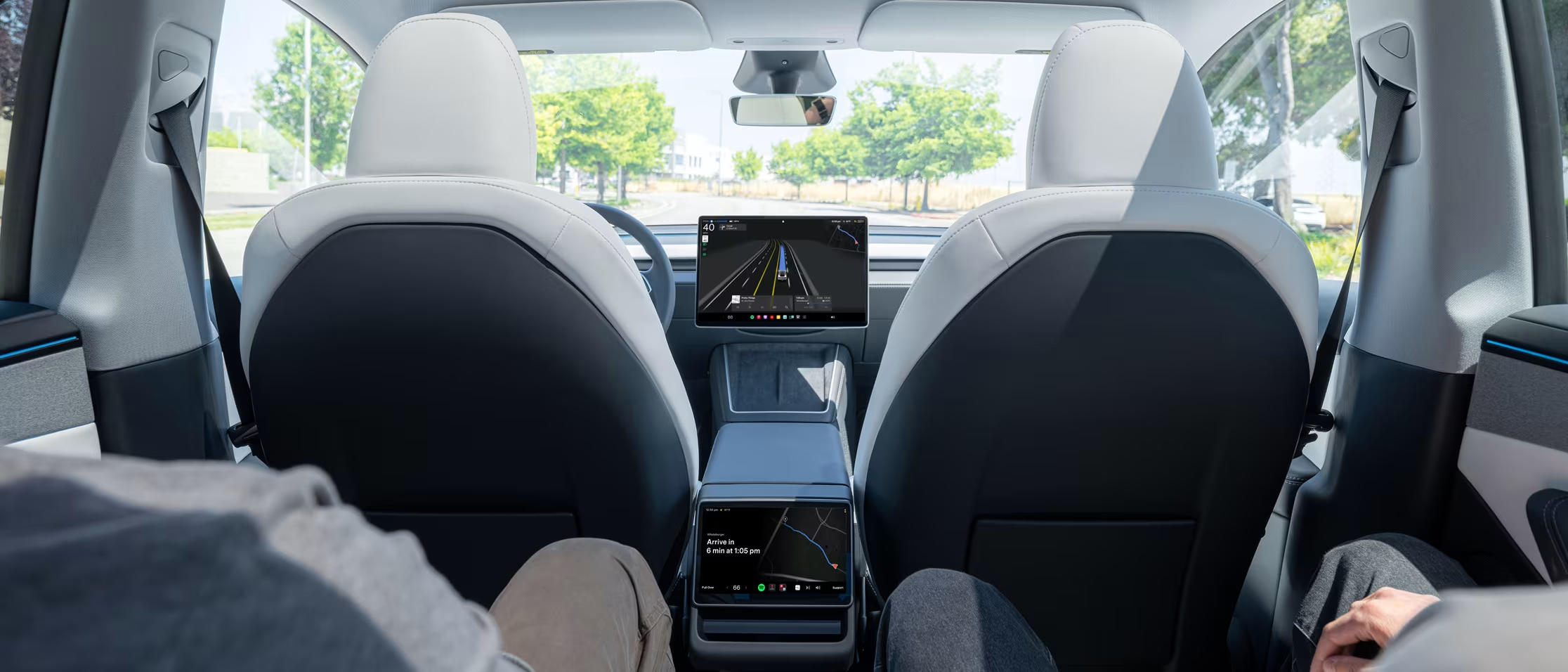
Robotaxi Trouble
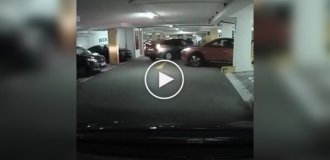
At least one other accident is believed to have occurred in July but was not reported. Forbes notes that video footage showed one of the robotaxi's tires hitting the front of a parked car in a parking lot. It's unclear why this accident wasn't listed, but it could be because the incident occurred on private property or because the damage was limited to tire tracks.
Comparison with competitors
It’s not known how many miles Tesla’s robo-taxi service in Austin has driven, but Elon Musk said in late July that they’ve racked up about 7,000 miles of testing. By comparison, Waymo’s autonomous vehicles have logged more than 96 million miles since they were introduced a few years ago.
Safety statistics also highlight the gap. ArsTechnica reports that in Waymo’s first 50 million miles, the company has recorded 60 serious crashes that deployed airbags or injured people. Tesla’s performance in Austin, while still early, shows how steep the learning curve can be. 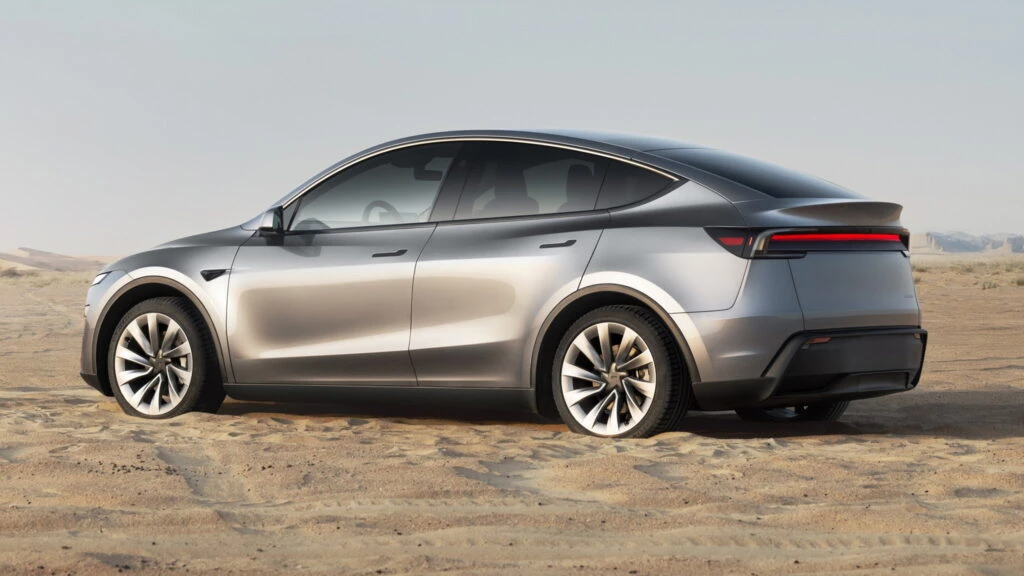
These early incidents highlight the typical challenges that all autonomous vehicle developers face during the implementation phase. The low speeds at which the collisions occurred and the minimal consequences may indicate that the safety systems are functioning at a basic level, preventing serious accidents. However, the huge difference in mileage between Tesla and players like Waymo, which have millions of miles of experience, clearly outlines the road ahead. The success of the service will depend not only on the technology, but also on the company’s transparency in such situations and its ability to quickly improve the system based on the data it collects.