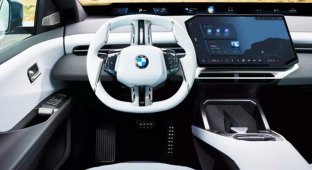
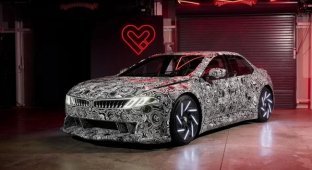
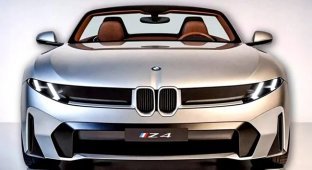
Next-generation BMWs will be updated faster than your smartphone (2 photos)
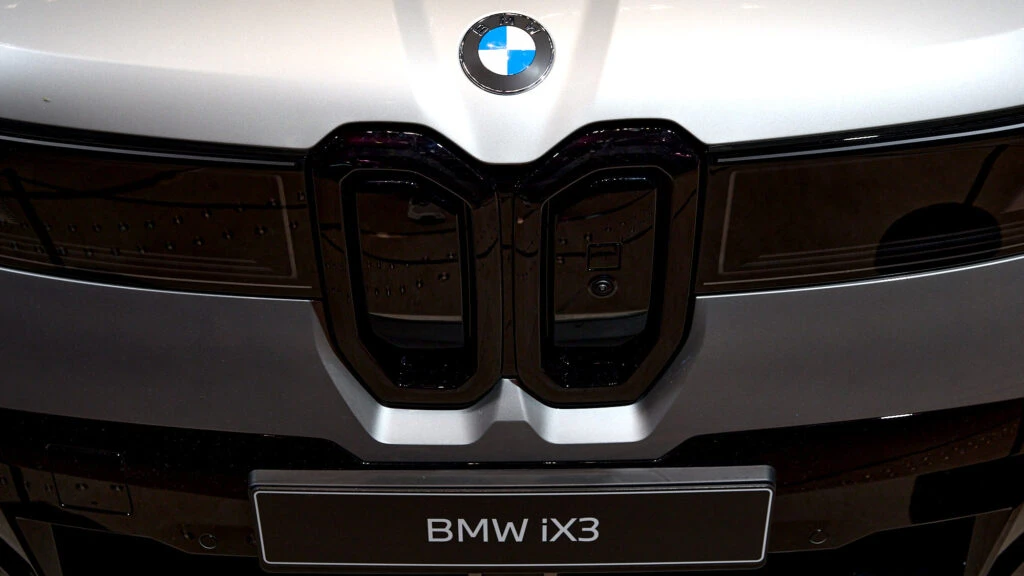
Presentation of the new generation of the BMW iX3
The second generation of the BMW iX3 will debut not only as an updated and improved version of the original model, but also as the first vehicle in the Neue Klasse line, which will determine the direction of the brand's development for the next decade. Software plays a central role in this transformation. BMW emphasizes that the digital foundation of these cars will be key to their evolution, and the iX3 is designed to receive up to three major updates per year.
Key technological innovations
BMW is positioning the Neue Klasse as a major technological breakthrough, in particular thanks to the so-called “Heart of Joy” – a high-performance control unit that will be used in all future models. It works together with the company’s Dynamic Performance Control software and manages all driving-related processes, including wheel control and steering, within milliseconds.
Christoph Grote, BMW’s Senior Vice President Electronics and Software, said: “I hardly know a BMW driver who, after a few laps on the track in the new iX3, doesn’t get out of the car with a big smile. It’s hard to put into words. You have to feel it. The car handles very easily, almost playfully, and with incredible precision.”
Continuous development and updates
BMW also emphasizes the long-term potential of its developments. Every electronic system in the Neue Klasse is designed to be updated “over the air”, ensuring that the iX3 will receive new functions even after it leaves the factory. The same will apply to all future models in this line. 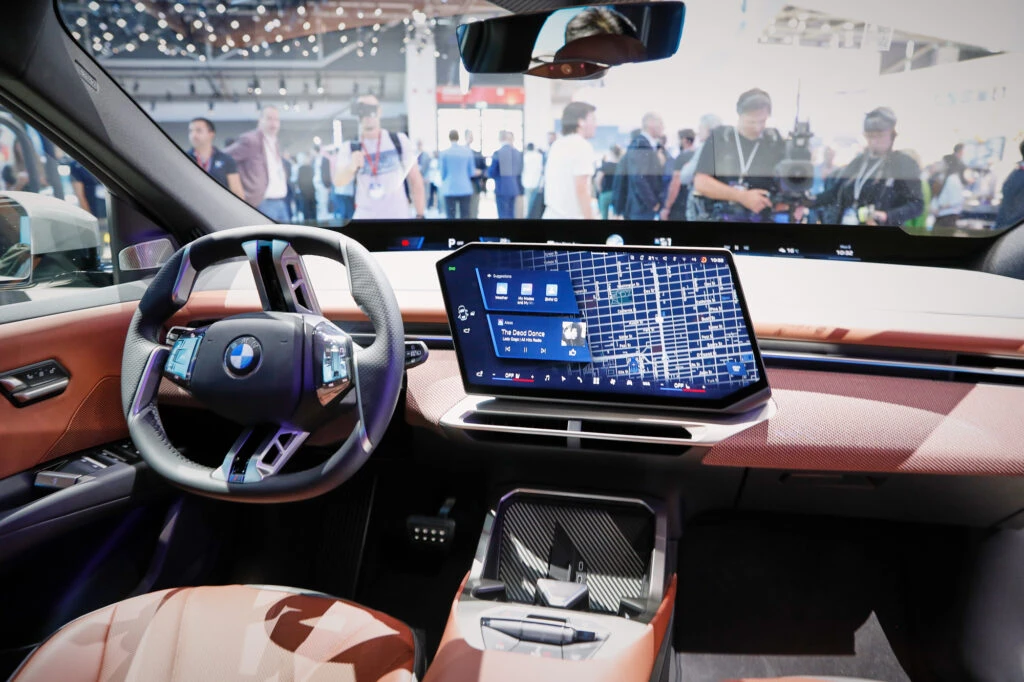
Grothe added: “Most competitors can only update the infotainment system, but we can update the entire vehicle – all control units, drive system, charging, ADAS… This is an important feature for a software-defined vehicle. Compared to our current production vehicles, the software volume in the New Class models has increased by about four times. It is therefore great that we already have a lot of experience with over-the-air updates and that in the future the installation of an update in a BMW will also be completed in about 20 minutes – for all drive types.”
Future plans
BMW’s next-generation electronics are set to be available in 40 models by the end of 2027, and all will receive frequent updates.
“In terms of functionality, we are constantly developing for our customers. We plan to release three updates a year, which will also bring tangible new features to customers,” said Grote, referring to the iX3. “This allows us to keep the cars up-to-date for a very long time without having to physically intervene in the car itself. Our customers will experience many exciting innovations in the New Class in the coming years.”
Photos by Stefan Baldauf and Guido ten Brink.
The planned scale of the new technology implementation is indicative of a global change in BMW’s approach to automotive production. The fourfold increase in software compared to previous generations not only improves functionality, but also creates the prerequisites for future innovations that can be added remotely. This is especially important in the context of rapid technological developments, when physical hardware updates are becoming less relevant compared to software improvements. BMW's approach to "over-the-air" updates for all vehicle systems sets a new standard in an industry where most manufacturers are still limited to multimedia updates.