NASA presented a plan to create a habitable base on the Moon (5 photos)
According to the US space agency's plans, astronauts will be able to live on Earth's satellite as early as 2032. 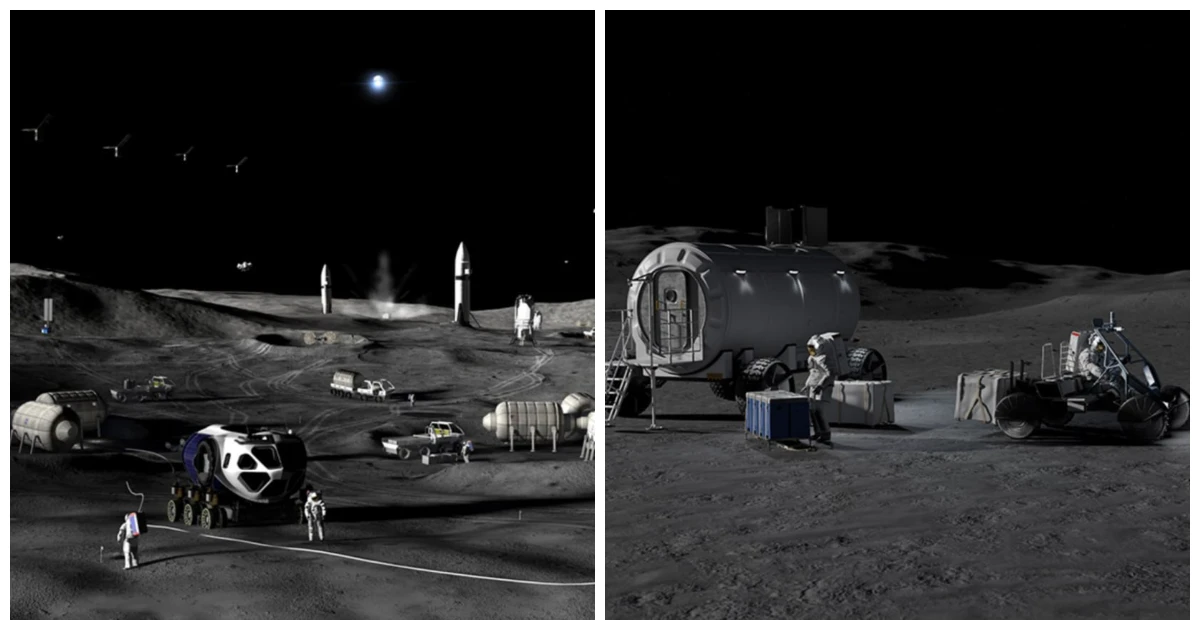
The US National Aeronautics and Space Administration (NASA) published a detailed three-phase plan on Tuesday for establishing a permanent station near the Moon's south pole.
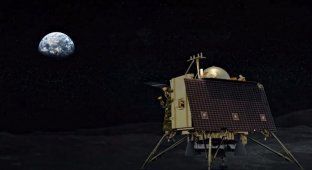
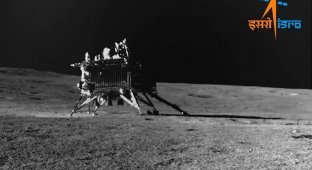
The first phase will begin this fall or winter. It will include the Blue Moon Mark 1 Endurance module, equipped with stereo cameras to study engine interactions with the surface, and a laser retroreflector array to precisely determine the orbiter's position. The lander will land in the Shackleton Crater at the Moon's south pole. Then, also this year, the Griffin lander is planned to be launched with 500 kg of cargo, including the FLIP rover.
During the first phase, which will last until 2029, a total of 4 tons of payload will be dropped on the Moon.
By 2028, manned and unmanned vehicles will be delivered to the Moon, including four unmanned aerial vehicles, communications, and observation satellites. All of this is necessary for the development and testing of navigation, communications, and power systems, including those using mini-nuclear power plants. 
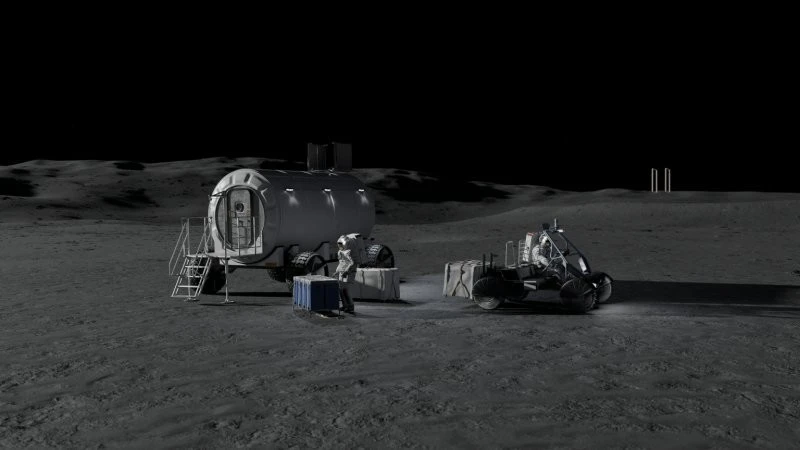
The second phase, from 2029 to 2032, involves the creation of a "semi-permanent infrastructure" and the transition from shuttle flights to the Moon to the first settlement and logistics operations. During this phase, a permanent power supply for the future station will be deployed using solar panels and a mini-nuclear power plant. According to NASA's plans, by this time rovers will be roaming the lunar surface and drones will be flying above. All this is necessary for the installation of the first elements of the habitation module. Over three years, NASA plans to build 24 landing pads on the moon's surface for small, medium, and heavy cargo modules, which will deliver 60 tons of payload to the Moon. 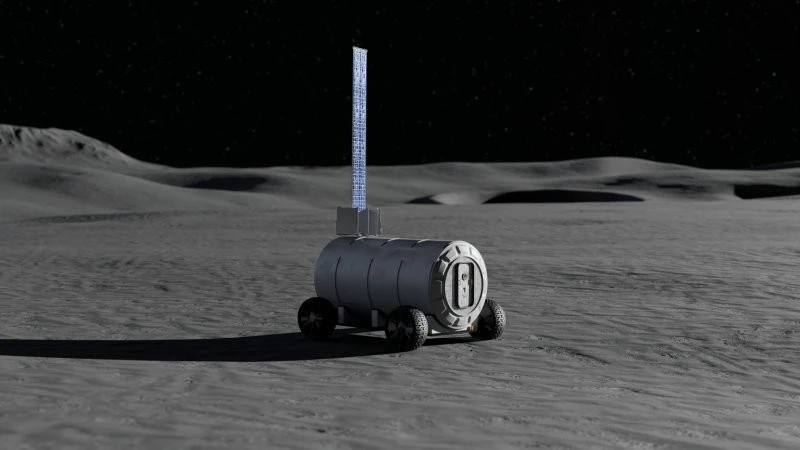
Habitation module
The third stage will begin in 2032. At this point, astronauts will reportedly be able to maintain a permanent presence on the Moon, rotating between each other for uninterrupted work. The first crews will fine-tune the modules' life support systems for subsequent "settlers." This stage also includes the first geological exploration for the potential extraction of fuel and the provision of additional energy resources for the lunar base.
The third stage also includes plans to use manned lunar rovers with pressurized cabins for long-distance expeditions to the Moon. Astronauts will explore the surface and subsurface of the Moon, as well as conduct other research. 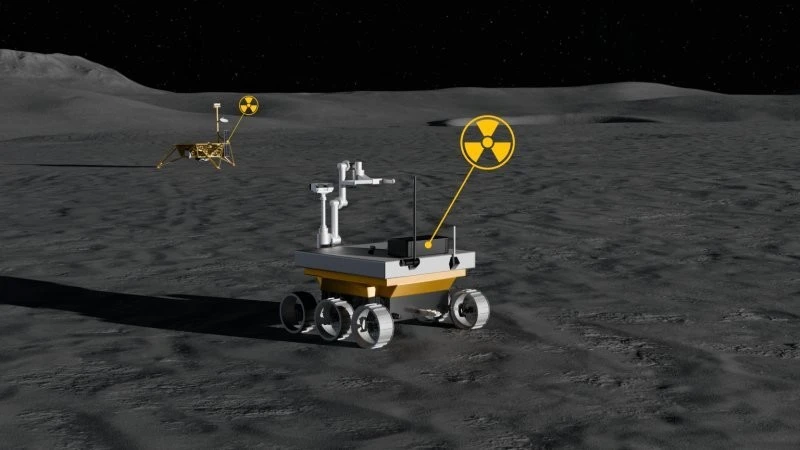
It is also noted that during the final stage, up to 38 tons of payload will be delivered to the Moon annually, including food, water, medicine, power system components, and scientific equipment. Up to 500 kg of payload—soil samples, minerals, and scientific materials—will be delivered unmanned from the Moon to Earth. It is expected that unmanned systems for delivering cargo to Earth will be developed by this time.
Dozens of companies are participating in the project. NASA has already awarded contracts for the development and construction of both vehicles and drones.