Why Military Personnel Salute by Raising Their Hand to Their Head (6 photos)
In military circles, there is a popular saying: "Never salute an uncovered head." It refers to the rule that a soldier should only render a salute while wearing headwear. As it happens, this rule isn't universal. But why do soldiers raise their hand to their head in the first place, and how did this worldwide tradition actually originate? 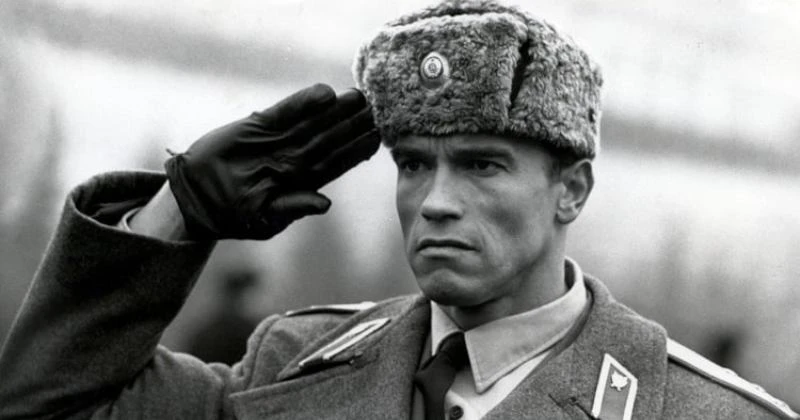
This military gesture goes by many names—rendering a salute, saluting, or throwing a salute. Officially, however, it is known as the "military salute." Regulations define it as "an expression of camaraderie among service members, a mark of mutual respect, and a demonstration of courtesy and good manners." 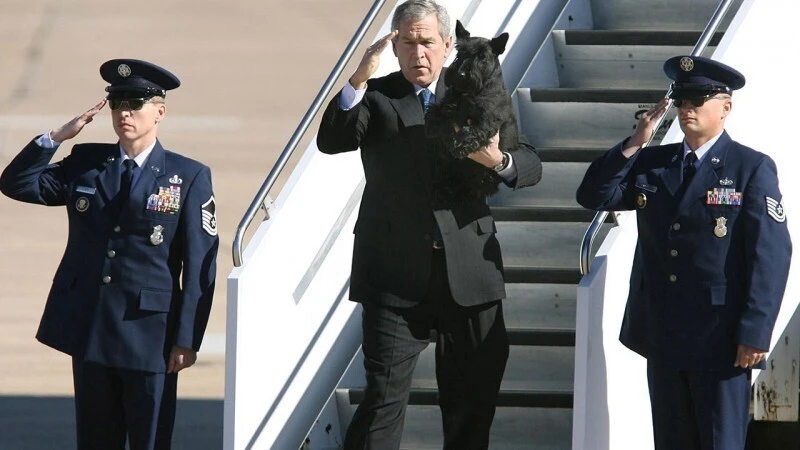
As for saluting only while covered, this rule does not apply across all armed forces. For instance, in the Israel Defense Forces, service members are allowed to salute bareheaded. In Japan, military personnel replace the gesture with a brief bow under similar circumstances.
The U.S. military follows another rule: the person saluting must have both hands free—a rule occasionally broken by U.S. presidents. Barack Obama famously saluted troops while holding a cup of coffee, and George W. Bush once saluted Marines while clutching his dog under his arm. Naturally, both incidents sparked outrage among tradition-minded and patriotic Americans. 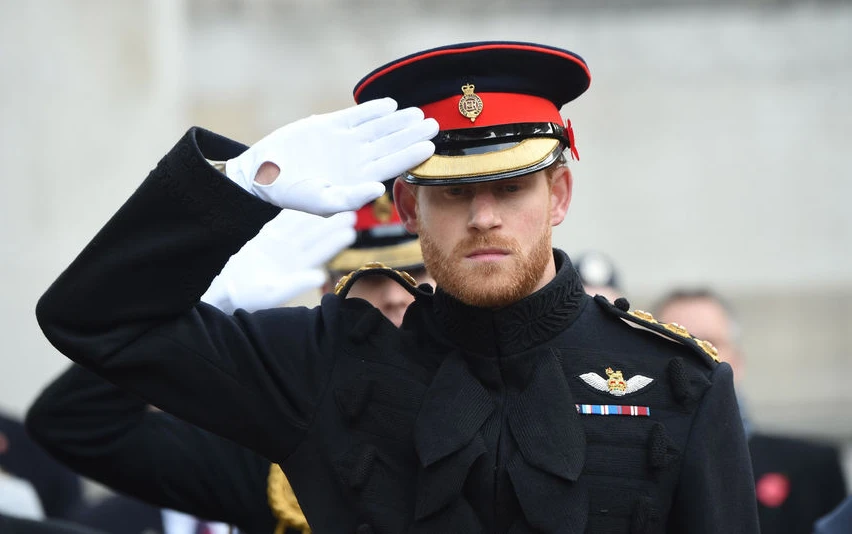
The salute takes various forms around the world. In some militaries, the hand is held palm down; in others, palm facing outward. Polish soldiers even salute using just two fingers. Yet the hand is always raised toward the head. Surprisingly, no military historian or expert can say with absolute certainty how the salute originated—there are only theories of varying plausibility.
Helmets, Hats, and Bicornes
The two most popular origin stories are so widely repeated that many treat them as historical fact. One theory holds that ancient warriors greeted each other by showing an open right palm to prove they were unarmed. Another claims the tradition dates back to the Middle Ages, when knights lifted the visors of their helmets to reveal their faces and show peaceful intent. 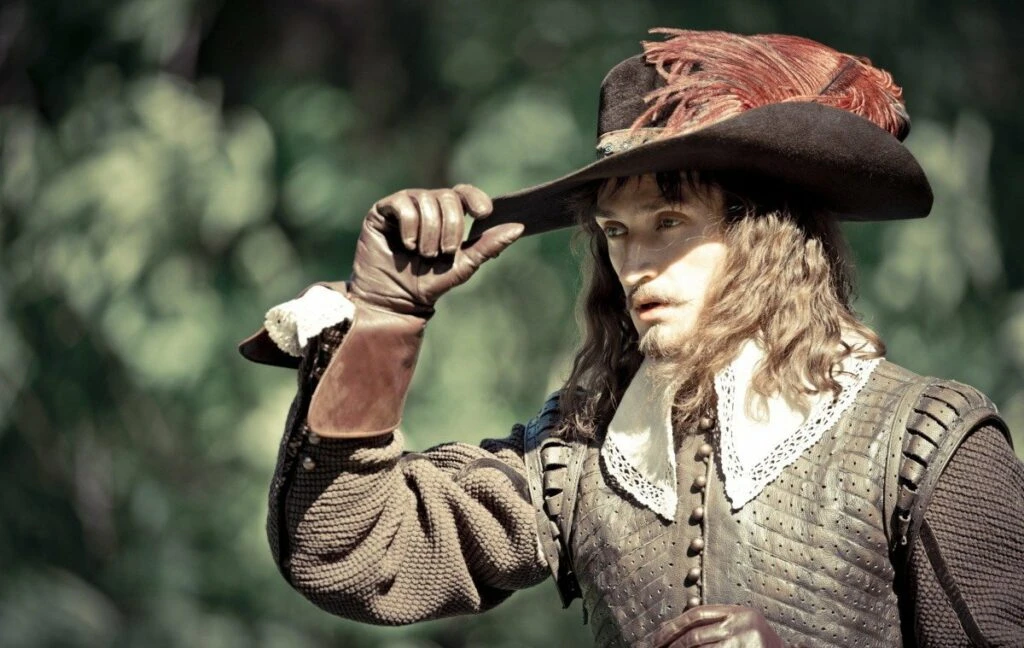
While both explanations sound logical, there is no solid evidence to back them up. Military history records suggest that before saluting became standard, soldiers simply tipped or removed their hats when greeting others. They uncovered their heads in the presence of superior officers, nobility, and, of course, royalty.
Over time, military headgear grew larger and more elaborate, making it impractical to constantly take it off. As a result, hats were removed only on formal occasions or before high-ranking officials. In everyday situations, troops began simply touching the brim of their hats as a symbolic gesture. The 1745 British Army Regulations put it as follows:
"When meeting or speaking with an officer, men are not to pull off their hats, but merely to raise a hand to them and bow." 
In short, military life was made a little easier. The Austrian army, however, introduced a two-tiered system in 1790: soldiers wearing standard hats could simply salute, but those wearing a bicorne were required to remove it. This distinction was not abolished until 1868.
Shift to a Symbolic Gesture
Eventually, militaries abandoned touching the headgear altogether. Simply bringing a hand up to the head became sufficient. This shift to a symbolic gesture was practical: soldiers' hands were often dirty, especially in the field, and wearing heavy gloves made grabbing a hat brim awkward. 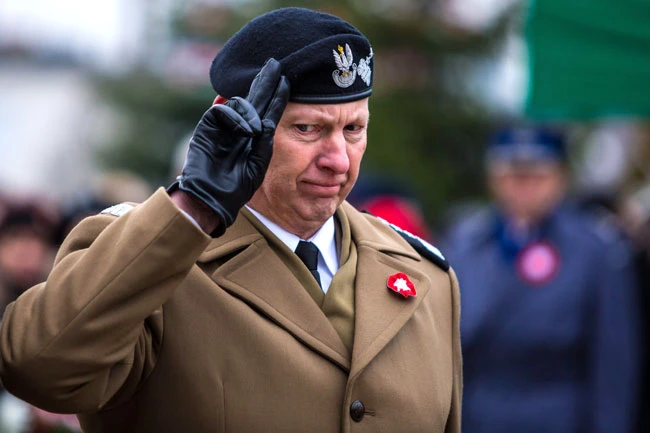
In the early 19th century, British sailors greeted officers by raising a cupped hand to the right side of their forehead, mimicking the motion of grasping a hat brim without actually touching it. In Poland, the two-finger salute developed as a sign of respect for the national coat of arms featured on their cap badges.