How Women Lived in Eastern Harems, or What They Don't Tell You in Romantic Movies (10 photos)
The word "harem" conjures up vivid images for most people—an abundance of seductive, scantily clad women, murmuring fountains, sweet wine, and constant indulgence. In short, heavenly pleasure. But remember that the times when harems existed were harsh, and a woman's life even harder.
So, in reality, the sultan's harems were far from this idealistic image. 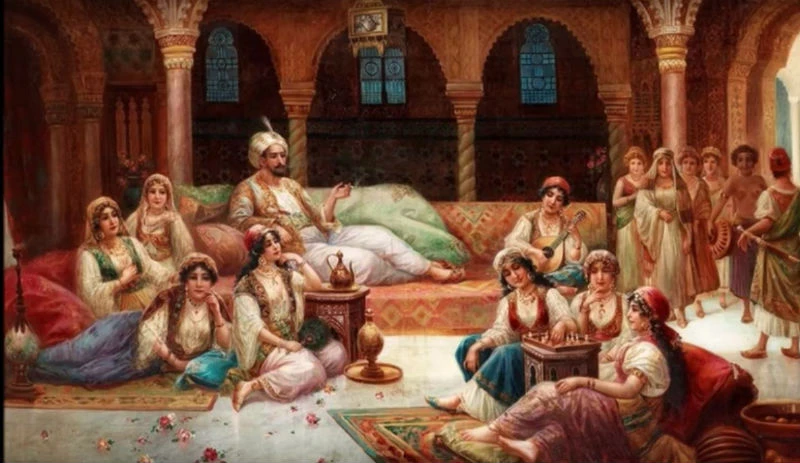
In Arabic, "harem" means "separated, forbidden." This place in the house was always hidden from prying eyes and carefully guarded by servants. The women lived in this secret room. The most important among them was either the wife who had the honor of marrying first and held a high title alongside her betrothed, or the eunuchs. 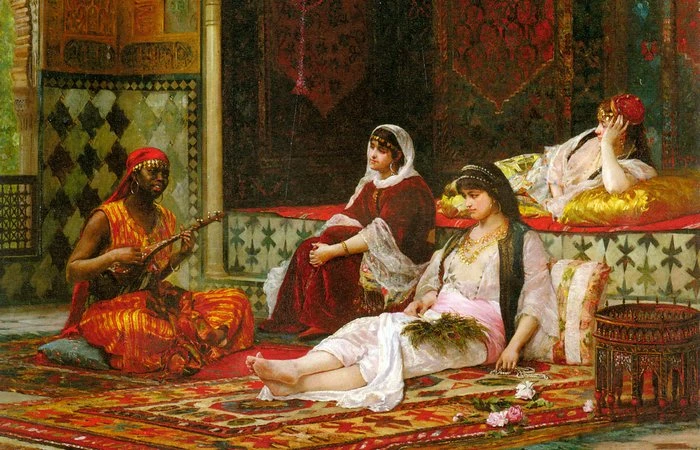
Sultan's harems often contained a huge number of women, sometimes numbering in the thousands. The sultan's mother always selected his wives and concubines—this was a strict rule. It was very easy to find a place in the harem—all you had to do was be a beautiful young virgin. But even in the harem, not every woman succeeded in establishing a relationship with her "husband" and producing an heir.
Such intense competition among wives allowed only the most intelligent, calculating, dexterous, and cunning women to rise to the top. Those who lacked such gifts were condemned to performing household duties and serving the entire harem. They might never see their betrothed again. 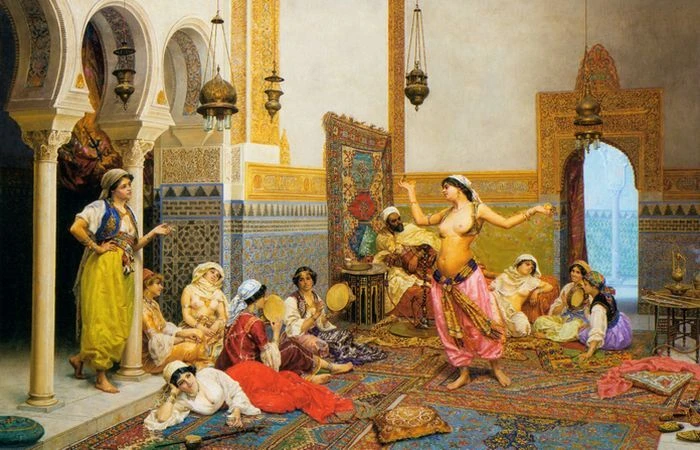
Harems had special rules that could not be violated. So, things were far from as romantic as, for example, in the popular TV series "Magnificent Century." The ruler might become infatuated with a new girl, and those who were an eyesore could be executed. Moreover, the methods of execution were astonishing in their cruelty.
One way to get rid of a tiresome wife is to place her in a leather bag filled with snakes, tie it tightly, tie a stone to the bag, and throw it into the sea. An easy method of execution is strangulation with a silk cord. 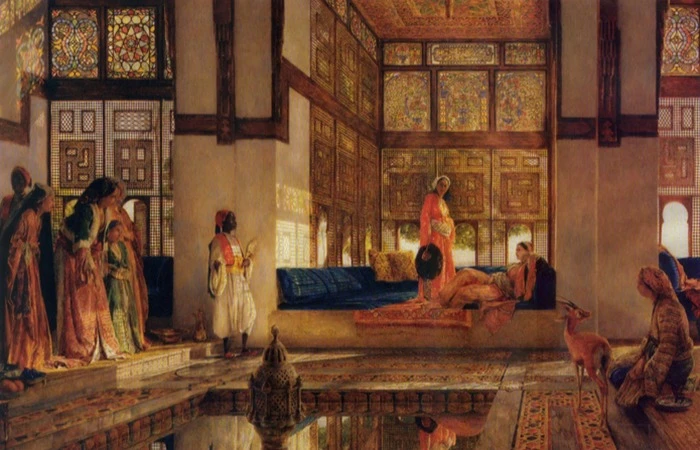
Laws in the Harem and the State
According to documents, the first harems arose in the Ottoman Empire. Initially, they were formed exclusively of slave women, and the sultans took as wives only the heirs of Christian rulers of neighboring states. However, during the reign of Bayezid II, these traditional practices changed. From then on, the sultan did not limit himself to marriage at all, and children were sired by his slave women.
Undoubtedly, the most important person in the harem was the sultan, followed by his mother, known as the "valide." Whenever the country's ruler changed, his mother would inevitably move into luxurious mansions, and the move itself was accompanied by a lavish procession. After the sultan's mother, the most important were his betrothed, known as "kadın-effendi." Next came the disenfranchised female slaves, known as "jariye," who often filled the harem. 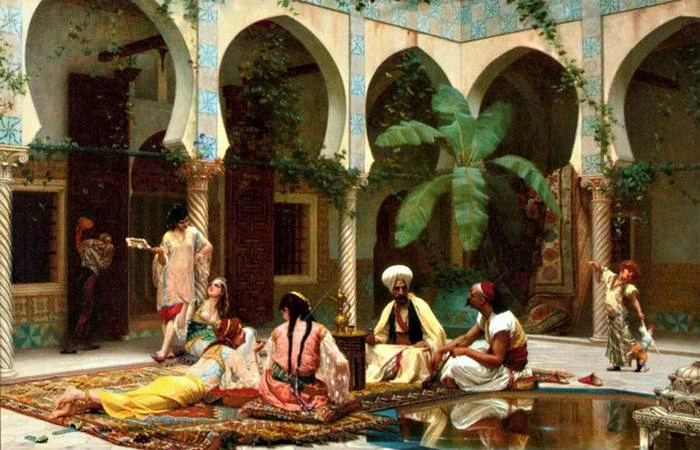
The Caucasian princes desired for their daughters to end up in the sultan's Ottoman harem and marry him. While putting their daughters to bed, caring fathers sang songs to them about their happy fate, the luxurious fairytale life they would experience if they were lucky enough to become the sultan's wives.
Future slave girls could be purchased by their overlords when they were five to seven years old; they would raise them until puberty, which meant they were 12 to 14 years old. Parents would renounce their rights to their child in writing after voluntarily selling their daughter to the sultan. 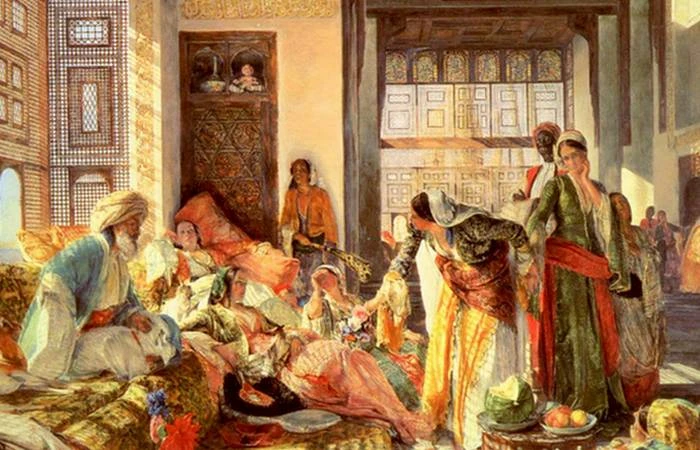
While the girl was growing up, she learned not only all the rules of social etiquette but also how to please a man. Upon reaching adolescence, the mature girl was shown around the palace. If a slave's physical or physical appearance were found to be defective during an examination, or if she failed to learn proper etiquette and exhibited poor behavior, she was considered unfit for the harem and was considered less valuable than others, so her father was paid less than he had expected. 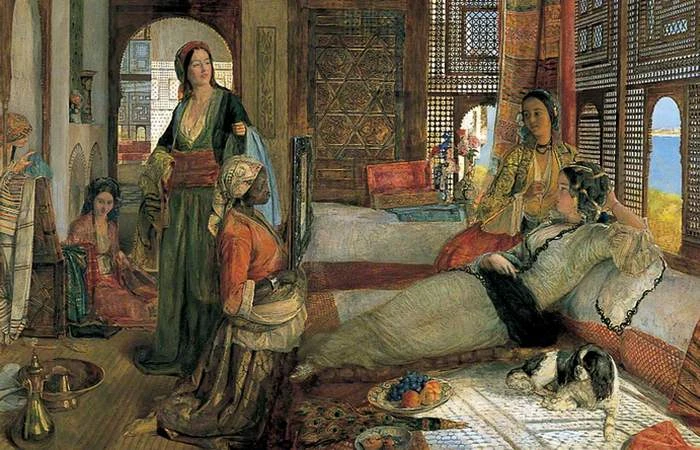
The Daily Life of Slaves
The lucky women the sultan supposedly considered taking as his concubines were expected to have an excellent knowledge of the Quran and mastered the arts of womanhood. And if a slave did manage to secure the honorable position of wife, her life would change radically. The sultan's favorites organized charitable foundations and financed the construction of mosques. They revered Muslim traditions. The sultan's wives were highly intelligent. The high intelligence of these women is confirmed by surviving letters.
Concubines were treated with relative dignity; they were well cared for and regularly presented with gifts. Even the most humble slaves received a daily payment, the amount of which was personally determined by the sultan. On holidays, such as birthdays or weddings, slaves were given money and various gifts. However, if a slave was disobedient and regularly violated established rules and laws, her punishment was severe—brutal beatings with whips and sticks. 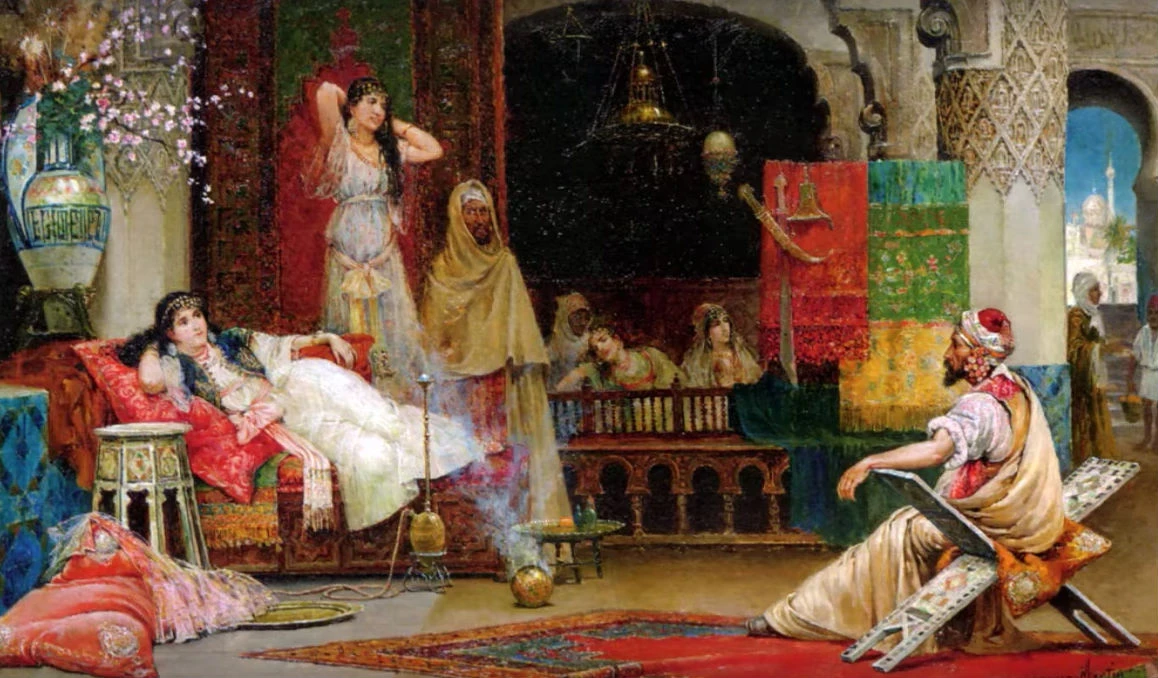
Marriage and Adultery
After nine years in the harem, a slave was granted the right to leave, but only with her master's approval. If the sultan approved, the woman received a document from him certifying her freedom. In this case, the sultan or his mother were required to buy her a luxurious house, provide an additional dowry, and find her a husband.
Before entering heaven, particularly passionate concubines would engage in intimate relationships with each other or with eunuchs. Incidentally, all the eunuchs were brought from Africa, so they were all black.
This was done for a specific purpose—it made it easy to identify a woman who had committed adultery with a servant. After all, if a woman became pregnant, the babies would be dark-skinned. But this was extremely rare, as slaves often entered the harem already castrated, and therefore could not have children. Relationships often developed between concubines and eunuchs. It even got to the point where women leaving the harem would leave their new husbands, complaining that the eunuchs gave them much more pleasure. 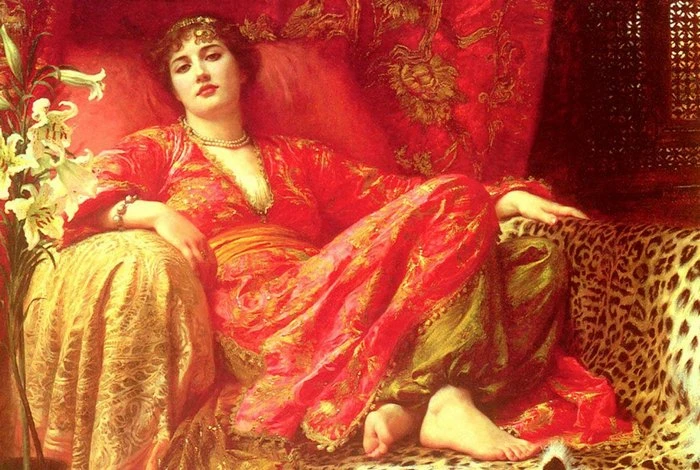
Roxolana
Until the 16th century, girls from Georgia, Croatia, and Ukraine entered the harem. Byazid married a Byzantine princess, and Orhan Gazi chose Emperor Constantine's daughter, Princess Caroline, as his wife. But the most famous Sultan's wife, according to legend, was from Ukraine. Her name was Roxolana, and she remained the betrothed of Suleiman the Magnificent for 40 years.
According to literary works of the time, Roxolana's real name was Anastasia. She was a priest's daughter and was noted for her beauty. The girl was preparing for her wedding, but shortly before the ceremony, she was kidnapped by Tatars and sent to Istanbul. There, the would-be bride ended up in a Muslim market where slaves were traded.
As soon as she found herself within the palace walls, she converted to Islam and learned Turkish. Anastasia proved to be particularly cunning and calculating, so through bribery, intrigue, and seduction, she quickly reached the young padishah, who became infatuated with her and later married her. She gave her husband three healthy, strong men, including the future sultan, Selim II. 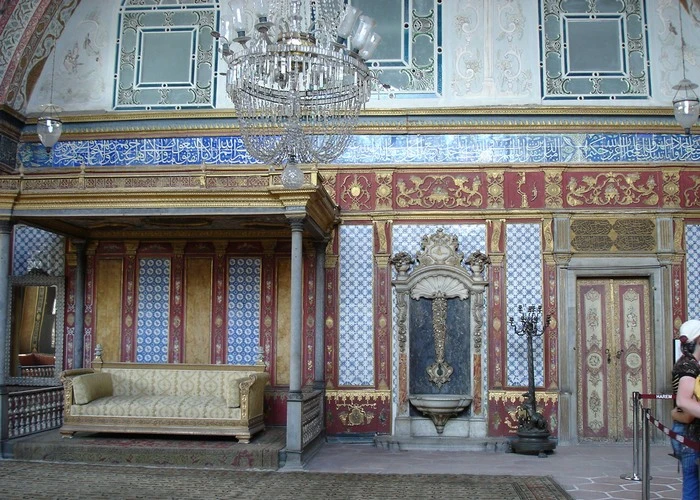
Harems no longer exist in modern Turkey; the last one disappeared in the early 20th century. A museum was later opened in its place. Nevertheless, polygamy is still practiced among the elite today. Young, 12-year-old beauties are given against their will to wealthy older men. This practice is mostly carried out by impoverished parents who lack the means to support a large number of children.
In the United Arab Emirates and several other Muslim countries, polygamy is legal, but a maximum of four wives are permitted at any one time. The same law obliges a polygamist to provide adequately for his wives and children, but there's no mention of respect. Therefore, despite the glamorous lifestyle, wives are often subject to extreme strictness. In the event of a divorce, the children always remain with their father, and their mothers are forbidden from seeing them. This is the price to pay for a comfortable and luxurious life with an influential Arab man.