11 Most Beautiful Women of the Early 20th Century (12 photos)
The Edwardian era (the reign of King Edward VII of Great Britain from 1901 to 1910) is known for its beautiful and talented women. Beauty standards vary from decade to decade, and during this era, pale skin was fashionable, but blonde hair was not. Doesn't sound much like today's popular notions of beauty, does it? But who says you have to meet certain standards to be beautiful? Here's Vintage Everyday's list of the 11 most beautiful women of the Edwardian era. 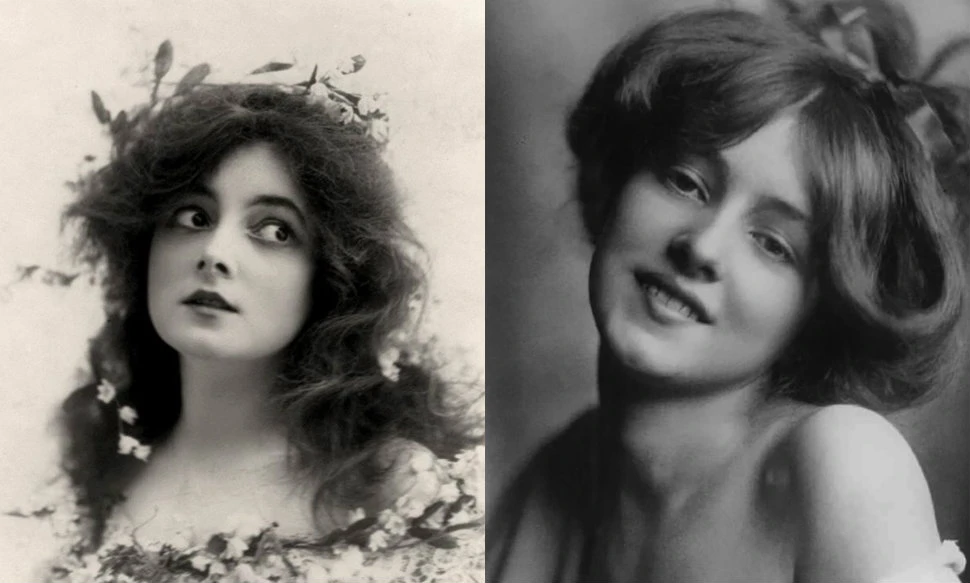
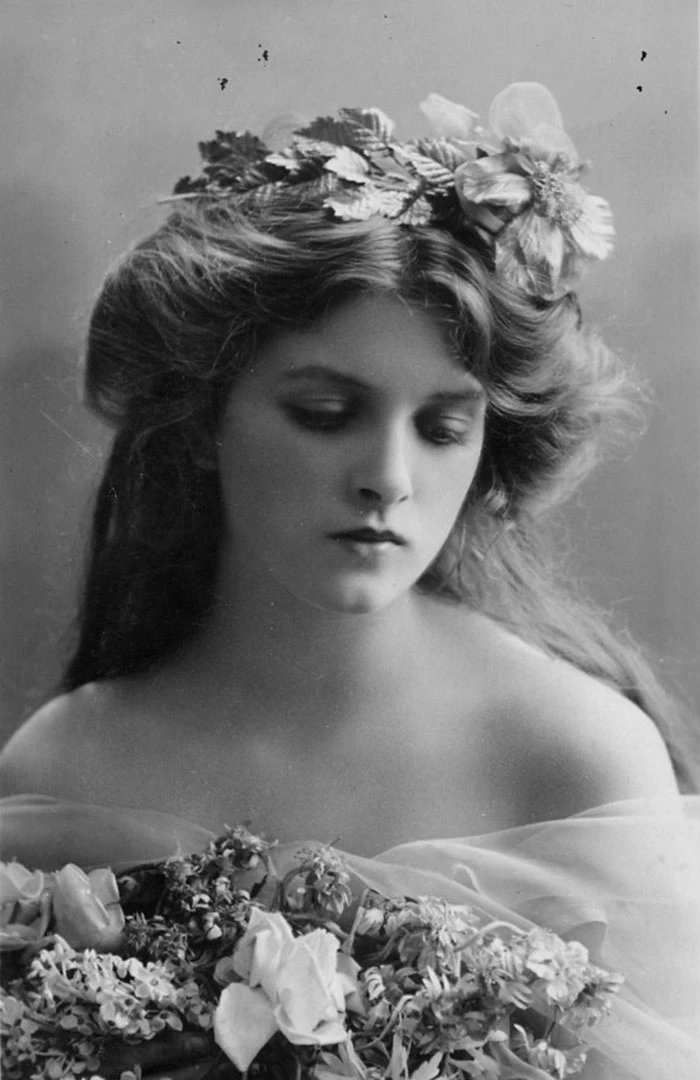
Gladys Constance Cooper was an English actress whose career spanned seven decades. Beginning her stage career as a teenager in musical comedies and pantomimes, she later went on to star in plays and silent films before the First World War. She then became the director of London's Playhouse Theatre, where she also played numerous roles, earning numerous accolades, including from the renowned playwright William Somerset. Gladys also regularly appeared on the West End and Broadway stages and was even nominated for an Oscar three times. 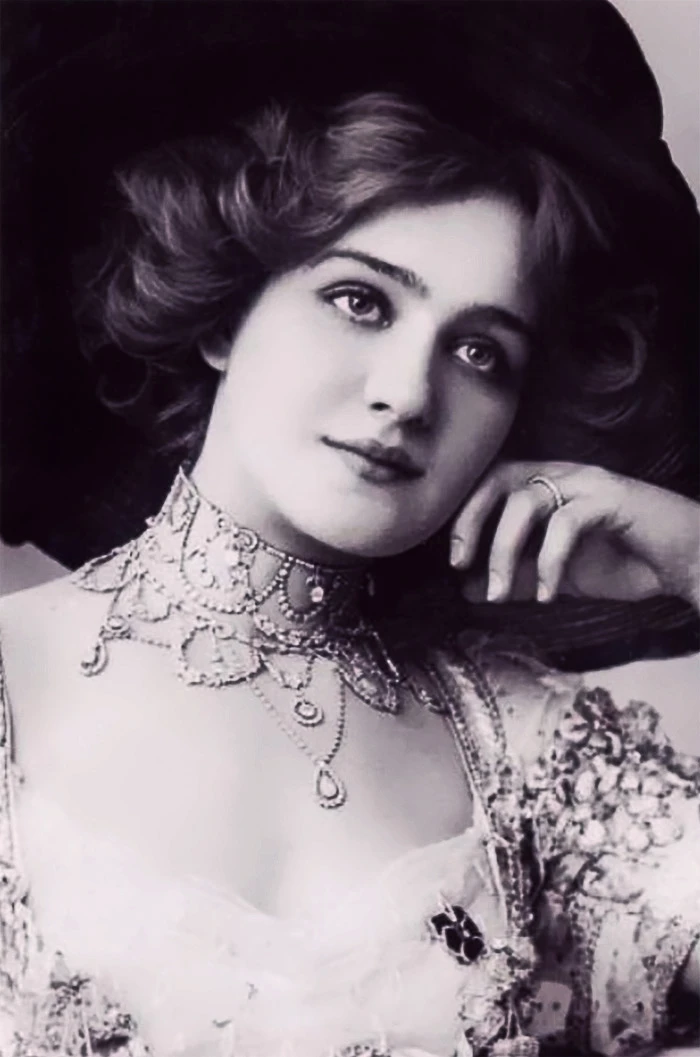
Lily Elsie was a popular English actress and singer during the Edwardian era, best known for her role in the London production of Franz Lehár's opera The Merry Widow. Beginning her career as a child, Elsie earned a reputation as a good actress in the 1890s thanks to her roles in musical comedies. She subsequently appeared in several more successful operettas and musicals. Enchanting people with her beauty and charm, Elsie became one of the most frequently photographed actresses of the early 20th century. 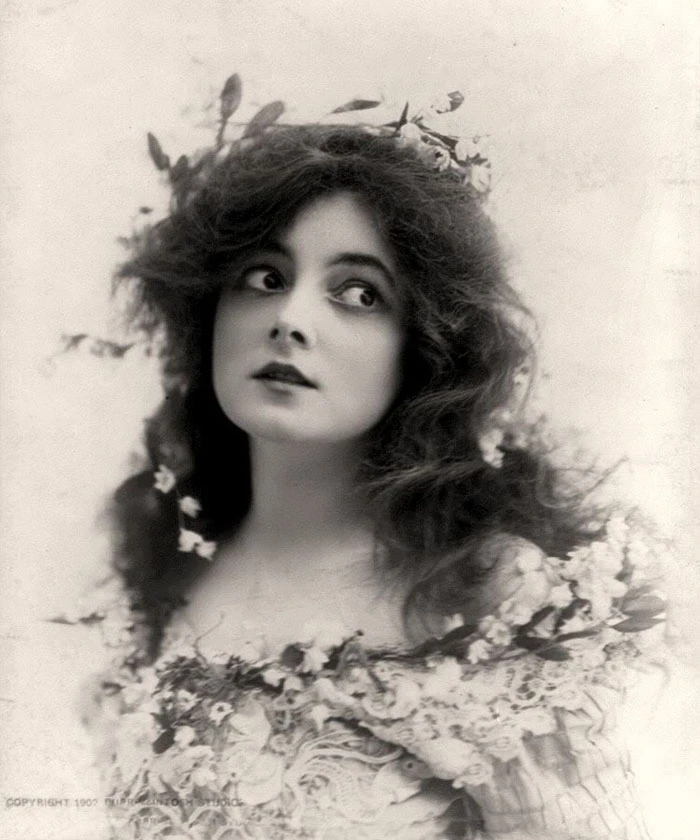
Marie Doro was an American actress of the early silent film era. While still a chorus girl, she caught the attention of impresario Charles Frohman, who later offered her several roles on Broadway. There, she worked with the renowned actor of the time, William Gillette (Sherlock Holmes), and her career was shaped by the influence of these two experienced mentors. Although Marie was usually cast in simple, typecast roles, she nevertheless proved herself to be an intelligent, well-rounded, and resourceful actress. 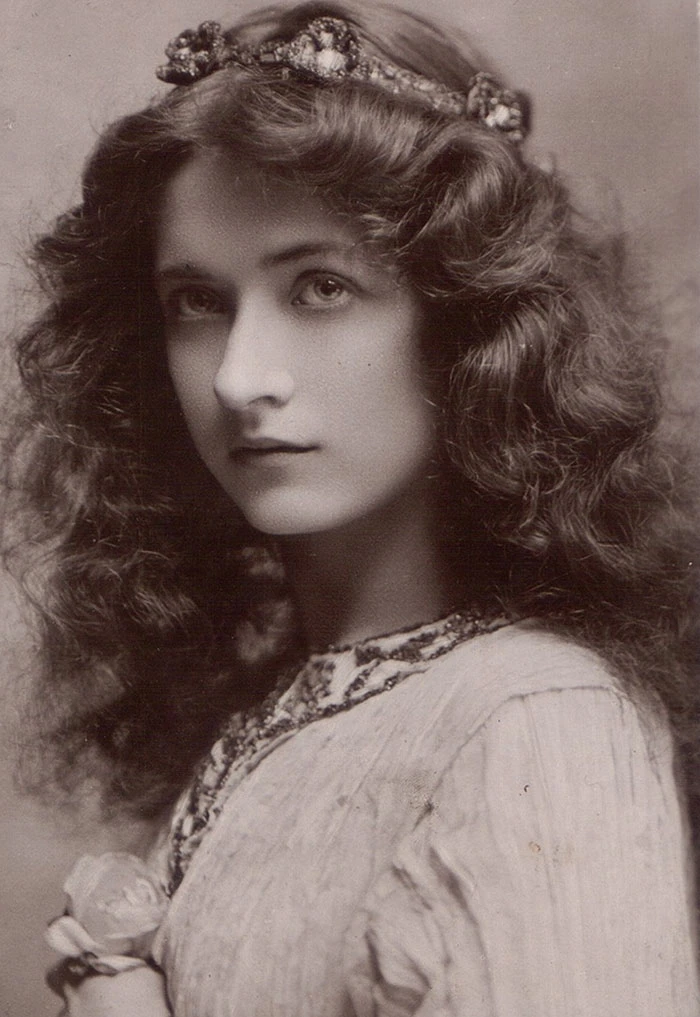
Maud Feeley was an American actress of the silent film era, who also found her voice in the sound era. At the age of three, she first appeared on stage with her mother, Margaret Feeley, and then performed in a production of Henryk Sienkiewicz's novel Quo Vadis, where she again appeared with her mother. Afterward, Maud toured England with a production of Sherlock Holmes, in which she starred opposite William Gillette. From 1902 to 1905, she frequently collaborated with Henry Irving, appearing in his productions. 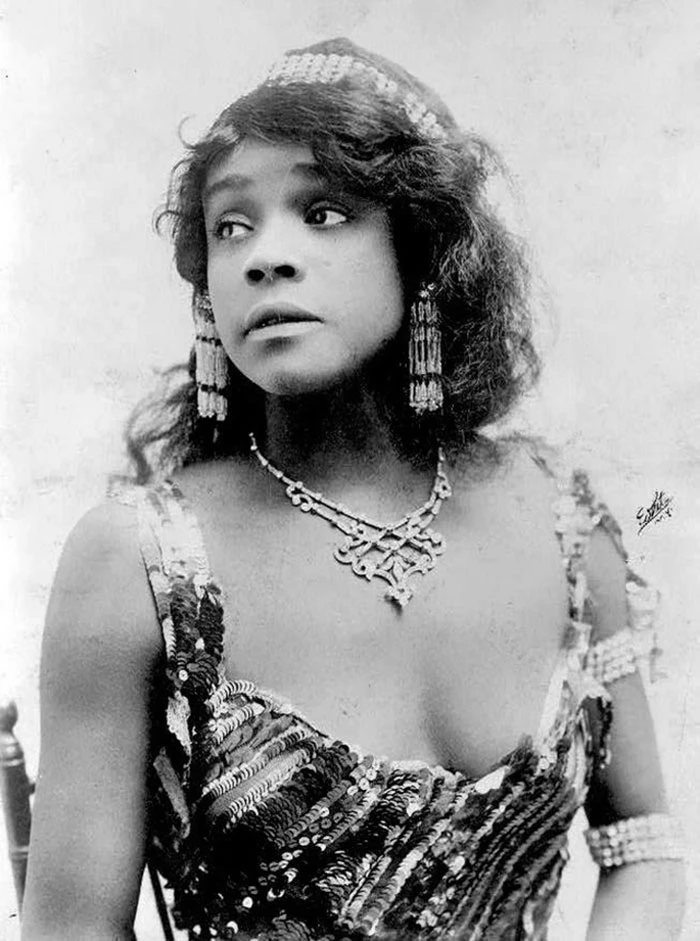
Aida Overton Walker, known as the Cakewalk Queen, was an African-American vaudeville actress, singer, dancer, and choreographer. She and her husband and partner performed in numerous performances of the time. 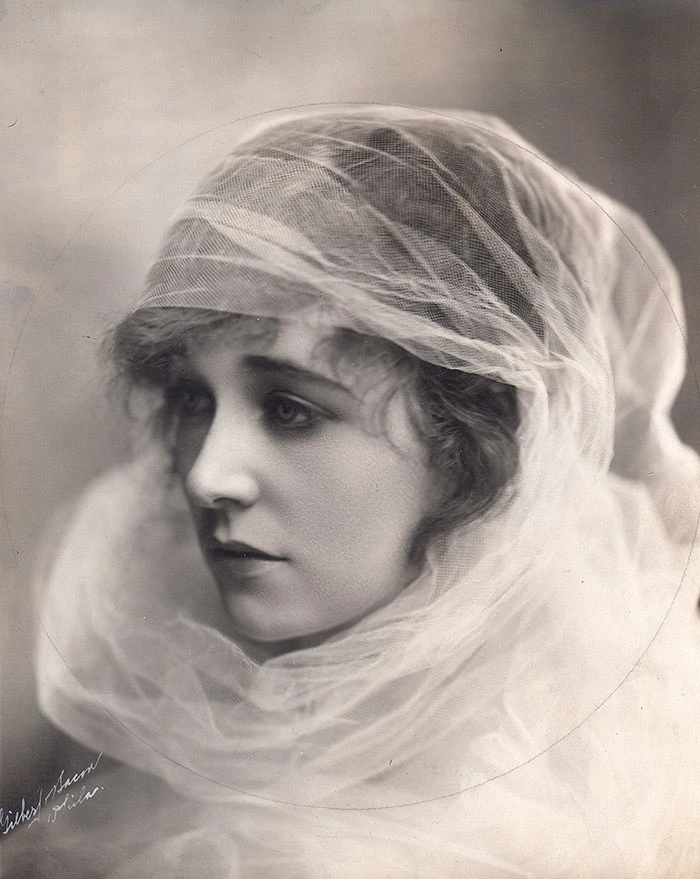
Ethel Clayton was an American actress who played many roles in silent films. She made her film debut in 1909 in a short film called "Justified." Gradually, her career developed, and Ethel began appearing in more and more films, primarily musical comedies and musicals. In total, she played over 180 film roles. 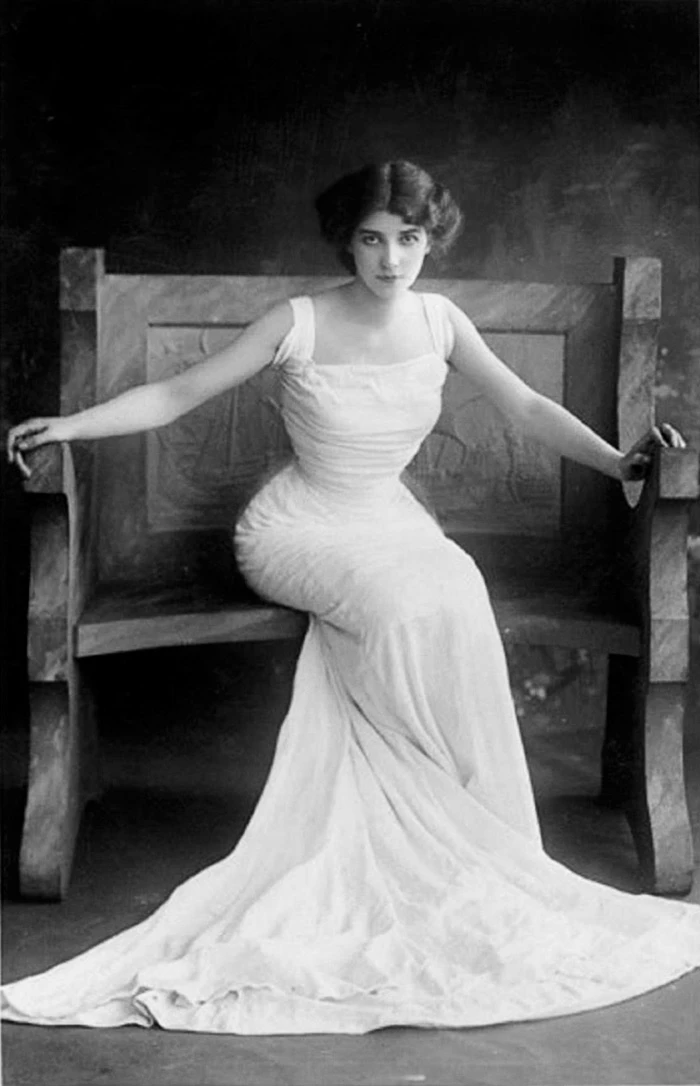
Ethel Warwick was a British stage actress. She became known for her roles in such productions as The Bigamist (1916), The Magistrate (1921), and The Bachelor's Child (1932). As a teenager, before her acting career began, Ethel worked as a nude model, posing for, among other things, the renowned portrait artist James Whistler. 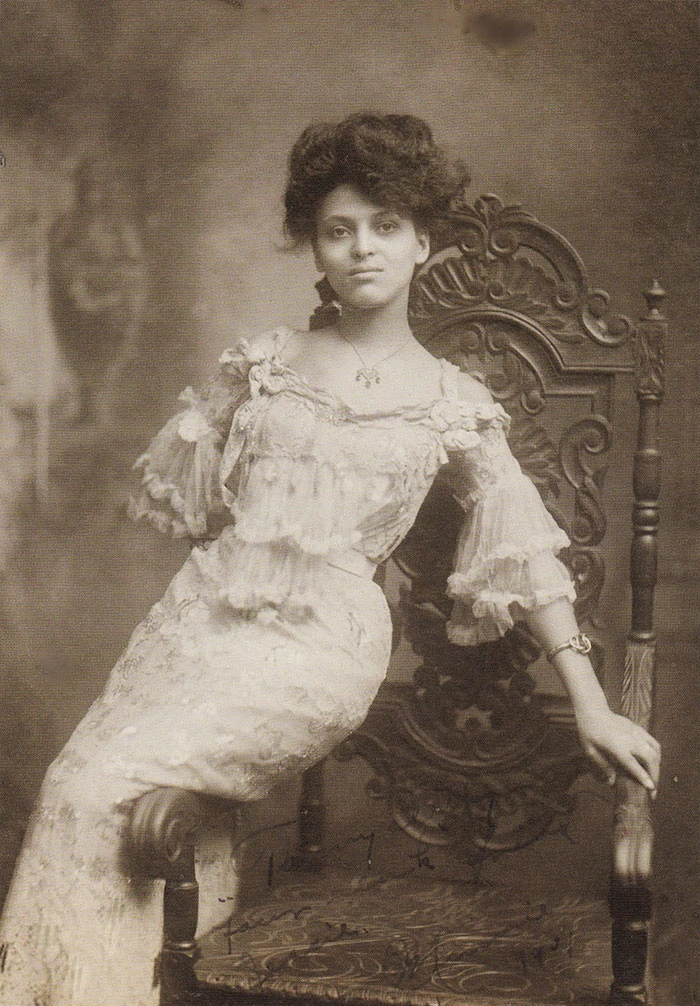
Minnie Brown was an actress. She was one of several highly successful African-American actresses working during this period, including Ollie Burgoyne, Pearl Hobson, and Georgette Harvey. 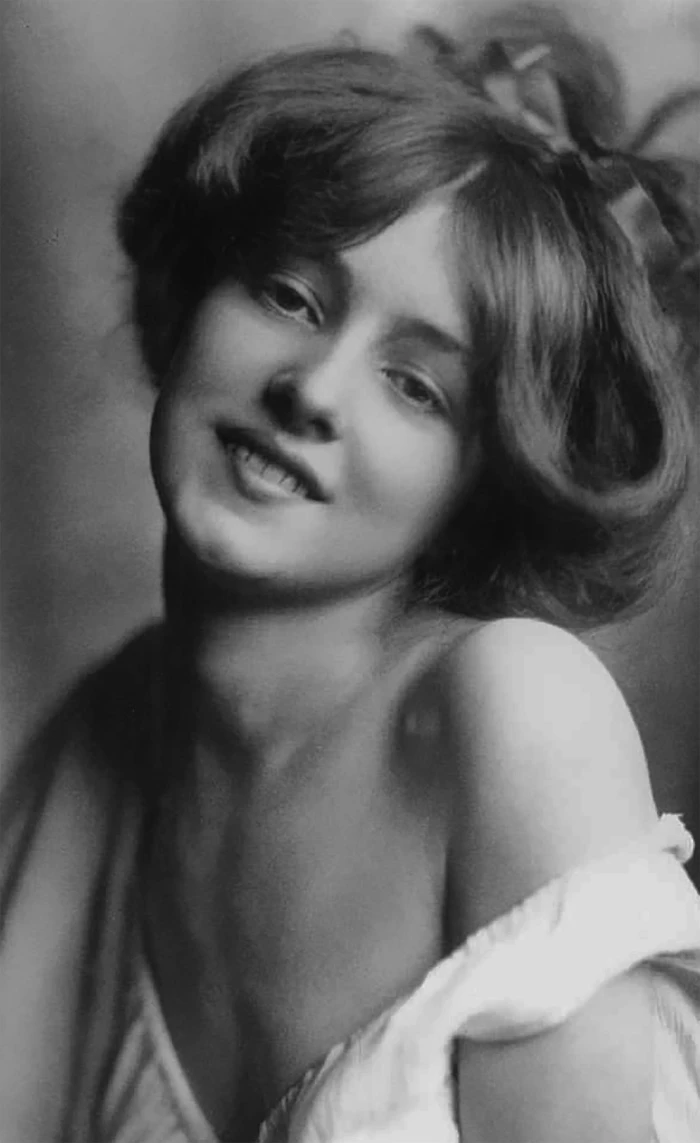
Evelyn Nesbit was a popular American chorus girl and model of the early 20th century. During those years, her face and figure were practically everywhere, appearing in newspapers with thousands of copies printed, on magazine covers, souvenirs, and calendars. 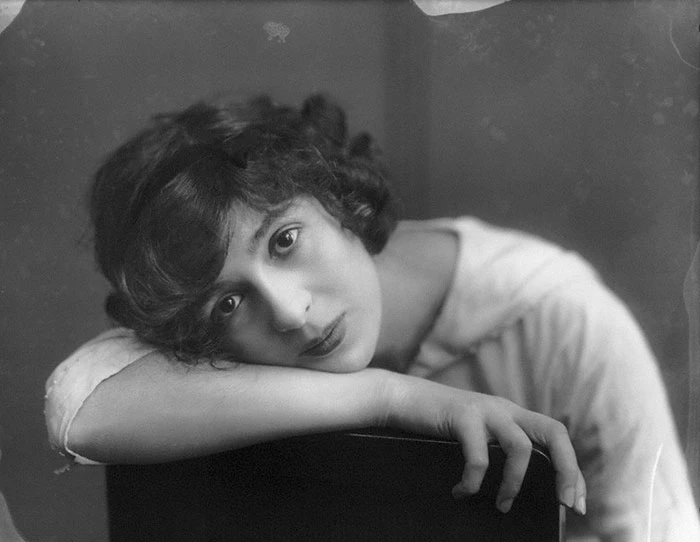
Julia James was an actress from London. She began her career at the Aldwych Theatre under Seymour Hicks, playing a role in the play "Balabolka" (1905). She later also performed in the musical "The Gottenberg Girls" and in productions of "Havana" and "Our Miss Gibbs." 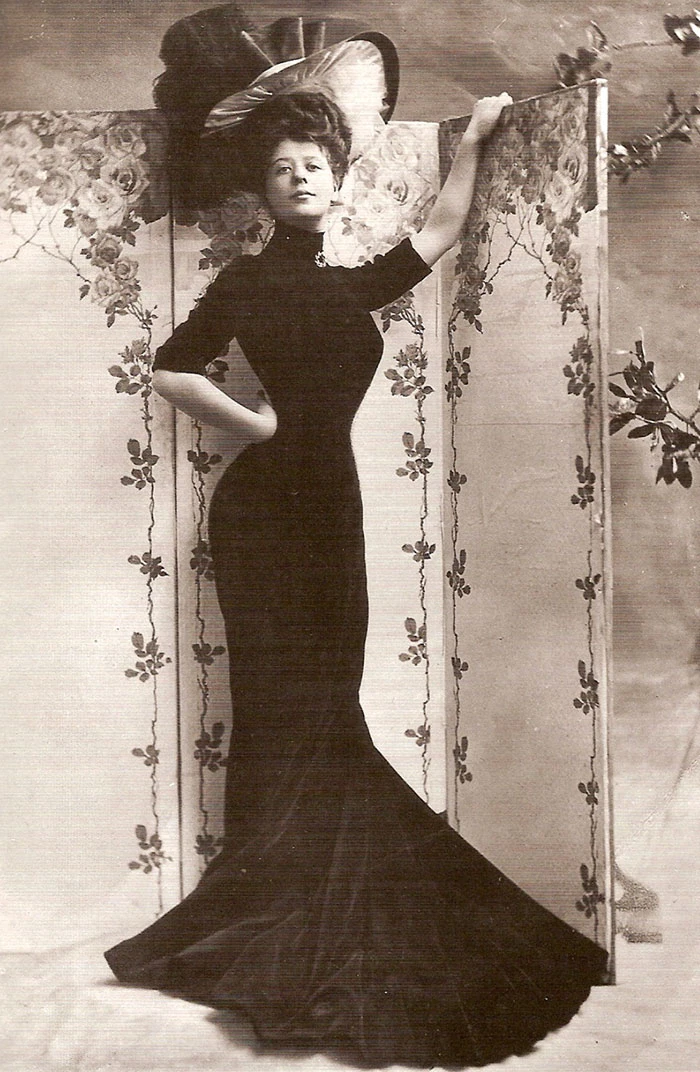
Belgian-born American actress Camille Clifford became the embodiment of the so-called Gibson Girls—the ideal of feminine beauty created by American illustrator Charles Gibson at the turn of the 20th century. Her high hairstyle and hourglass figure largely defined the Gibson Girl style. Photographs of Camille taken by Lizzie Coswell Smith in 1905 often appear in fashion history books to illustrate Edwardian style. Camille's signature style was a long, elegant dress and a tightly corseted, 16-inch waist.