10 monumental but little-known buildings of the world (11 photos)
Human civilization has created and built many amazing structures, and these monumental projects, left to us as a legacy by our ancestors, fill many people with pride. Unfortunately, only a few of these amazing structures are world-famous or even recognizable.
Most people have heard of the world's greatest monuments, such as the Parthenon, the Colosseum, and the Pyramids of Giza. However, in this list, we will try to shed light on lesser-known historical monuments that many people may not know about. 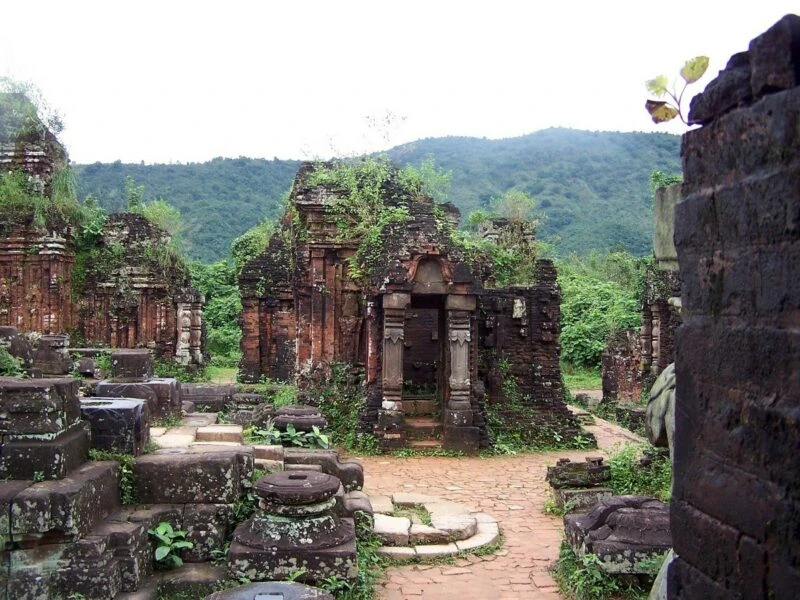
Not all monuments date back to antiquity, but some are among the most astonishing creations of our ancestors, despite not achieving worldwide fame.
1. Incalajata
Bolivia may not be renowned for its rich history and treasures, but it is filled with remnants of Incan history. One of the least known, yet most striking, Incan sites is the fortress of Incalajata, located just a few hours' drive east of Cochabamba. 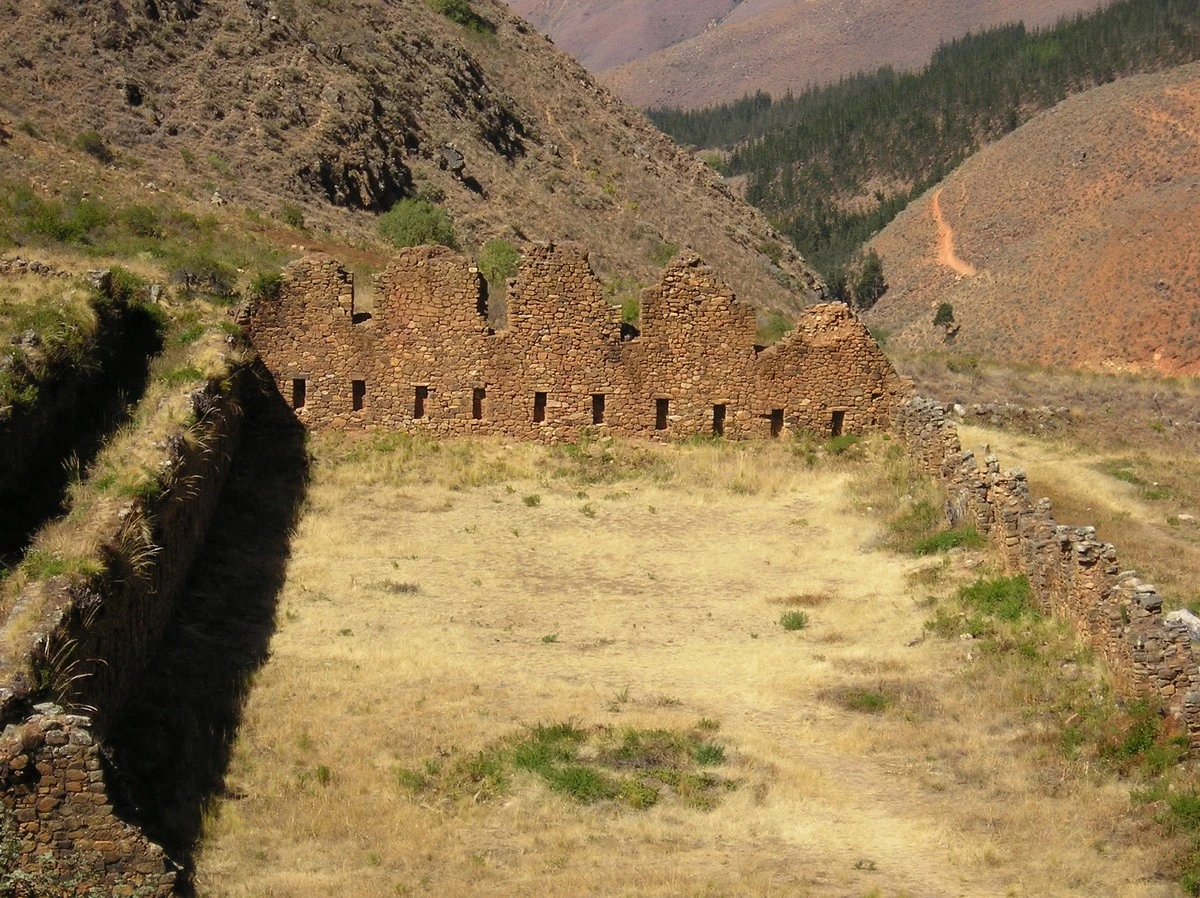
Before the Spanish conquest, Inca territory extended into the Cochabamba Valley due to its rich agricultural potential. They built complex systems of roads and forts, and the fortress of Incalajata became a strategic effort to further expand their territory toward the Amazon River.
The fortress was originally built by Tupac Inca Yupanqui around 1465 to repel invaders from lower, tropical regions. This remote fortress was poorly preserved and was only recently placed under the protection of the Bolivian government, at the recommendation of the University of San Simon in Cochabamba.
2. Temple of Hercules Victor
The Temple of Hercules Victor is a majestic ancient building on the Forum Boarium in Rome. It is a circular temple built in the classical Greek peripteral style. Built in the second century, it consists of a cella set within a concentric circle of twenty Corinthian columns. 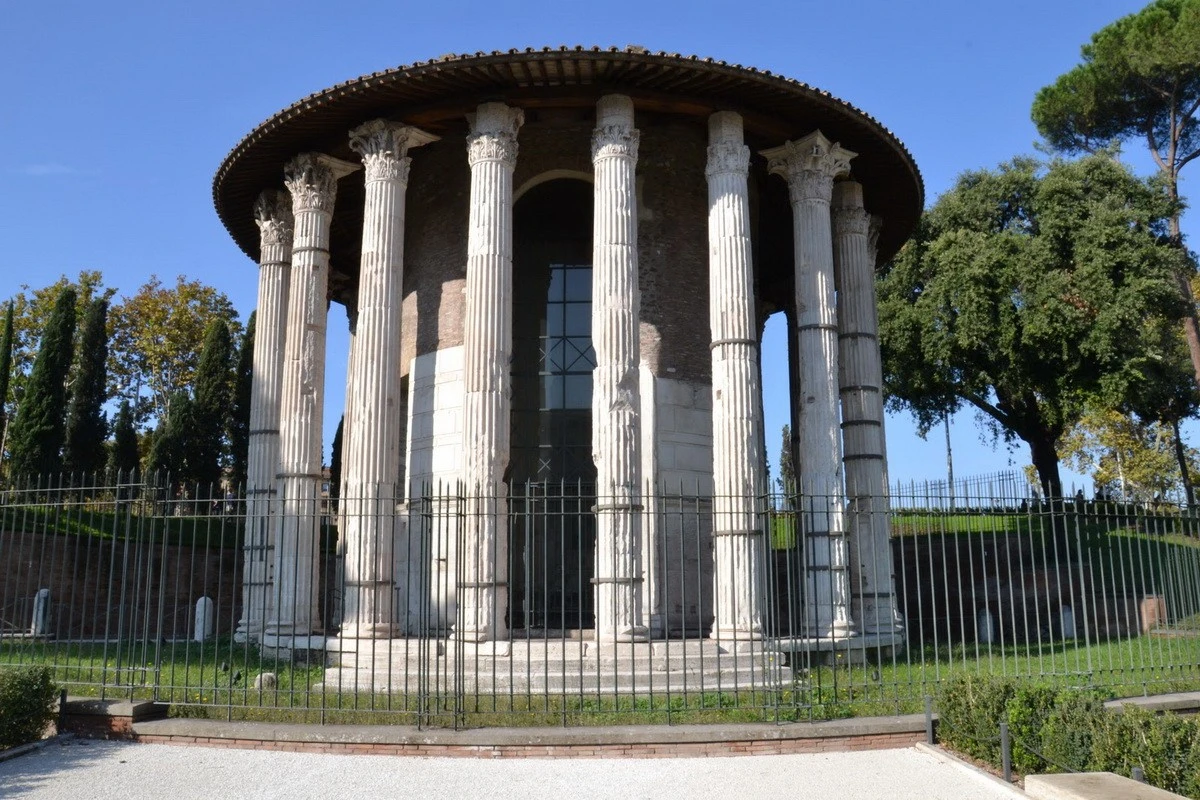
The columns supported the ancient architrave (the upper part connecting the columns) and the roof. Unfortunately, both the architrave and the roof are gone, but the walls of the cella and 19 of the original 20 columns remain to this day. This unique building is of great historical significance, as it is the oldest surviving marble building in all of Rome.
There are no definitive sources to determine to whom this temple was dedicated or what its original name was, but it is believed to be connected to the legend of Hercules and Cacus. It is because of this connection to the legend that today this temple is called the Temple of Hercules Victor.
3. My Son Temple Complex
The My Son Temple Complex, located in Vietnam, is one of the most remarkable groups of ancient buildings, but unfortunately, almost nothing is known about it to the general public, especially in Western countries. At one time, it consisted of more than 70 temples and was one of the most important temple complexes in Buddhism. 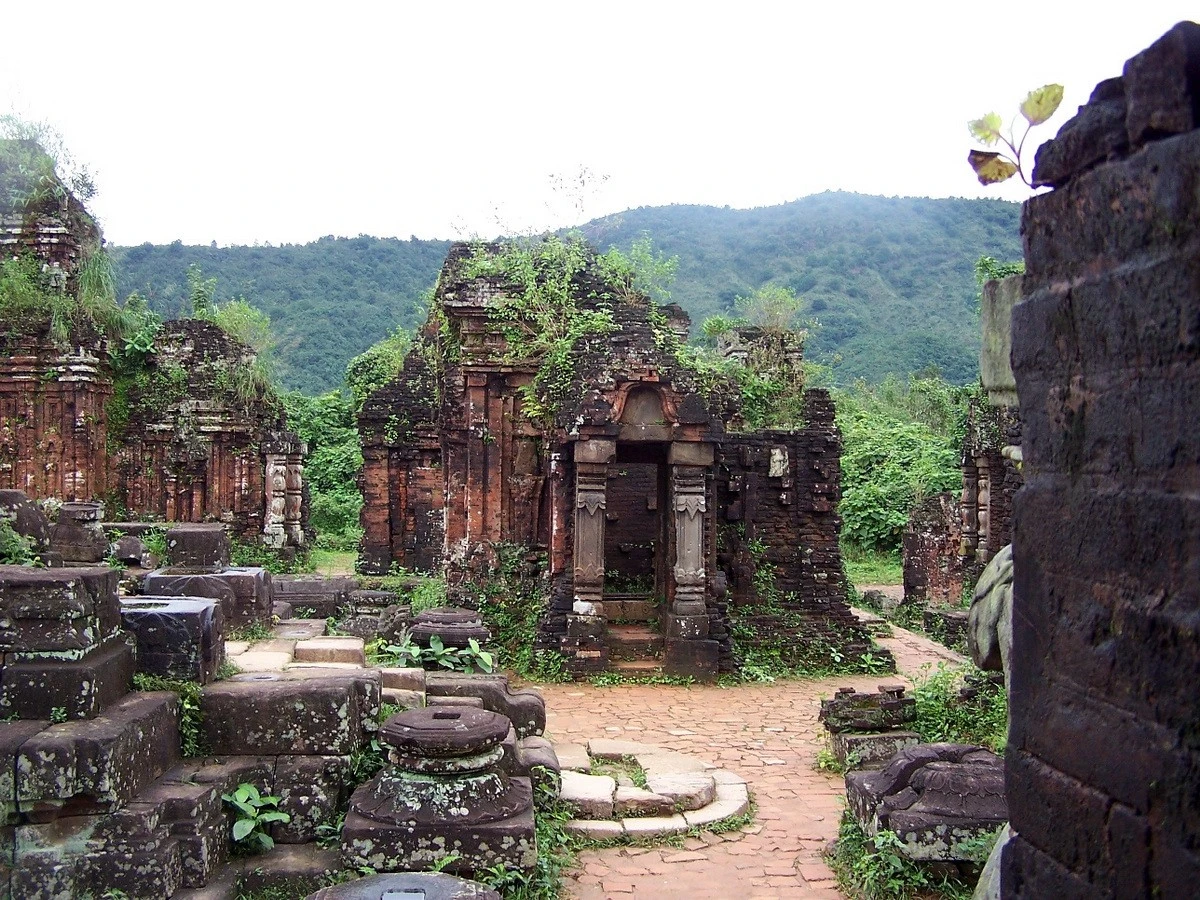
Built in the 4th century, My Son was an important center of knowledge, spirituality, and politics for the Champa culture. Nestled in a lush, green valley in central Vietnam, beneath the stunning backdrop of Mount Cat's Tooth, lies one of the most important archaeological sites of the ancient Champa kingdom, which dominated modern-day Vietnam until the 13th century.
In 1937, French scientists began restoring the My Son temples. Unfortunately, many of the historic buildings were destroyed during the Vietnam War, when American aircraft bombed the region. The area surrounding the complex remains extremely dangerous for tourists and locals due to the presence of unexploded landmines.
4. Temple of Poseidon at Cape Sounion
The Poseidon Nature Reserve at Cape Sounion is one of the most important nature reserves in the world, yet it is barely known outside of Greece. Random finds by scientists indicate human habitation in this area during prehistoric times, but they have found no evidence of religious rites at such an early date. 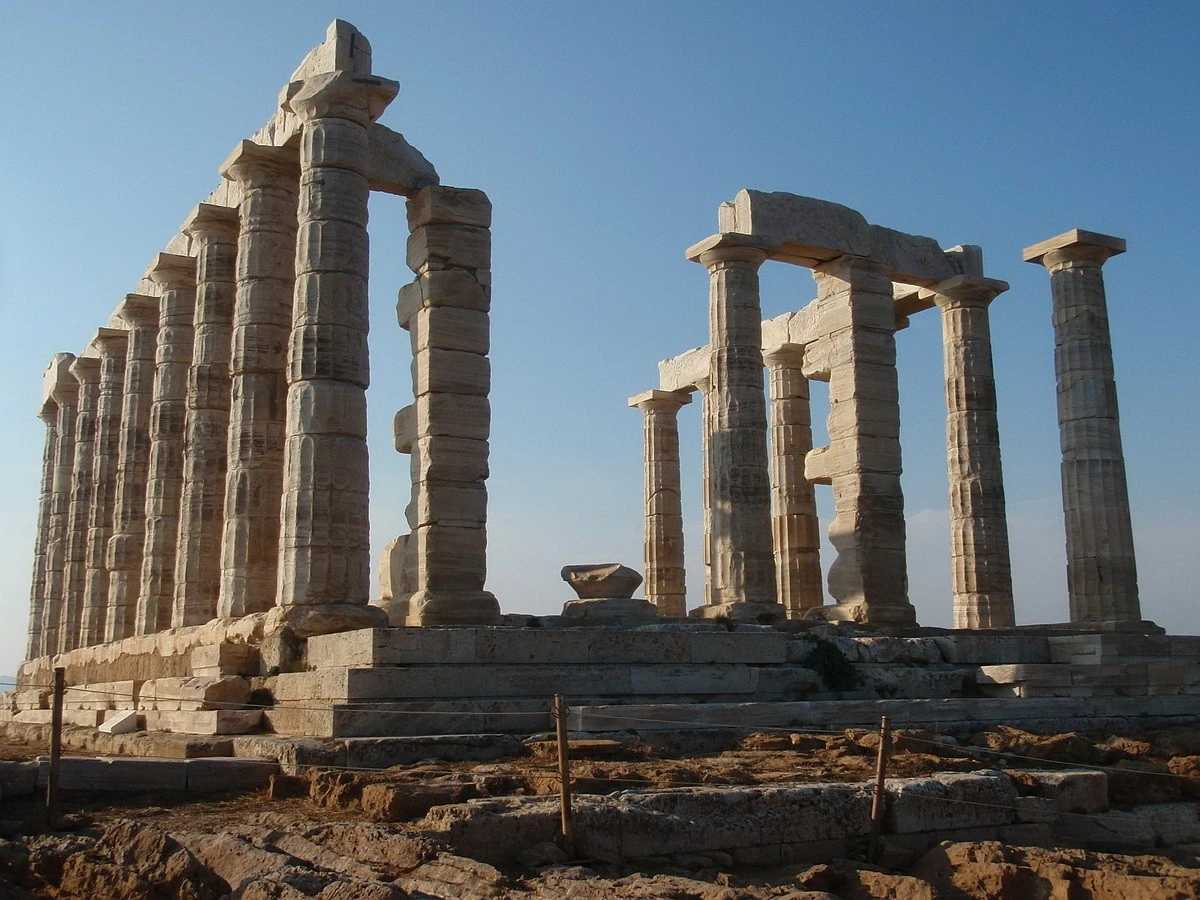
The Sounion sanctuary is first mentioned in the Odyssey as the place where Menelaus stopped on his return from Troy to bury his helmsman, Frontos Onetoris. Numerous finds dating back to the 7th century BC prove the existence of an organized cult, whose rites were held on the two peaks of the promontory, on the southern edge where the temenos of Poseidon was located. Today, the Temple of Poseidon in Sounion is a little-known cultural site, but ironically, it is a well-known romantic destination, popular with young couples seeking stunning views and the full moon in August.
5. Chogha Zenbil
Chogha Zenbil is a massive ziggurat located in Iran and is one of the most impressive monuments in modern-day Khuzestan. It was built around 1250 BC by King Untash-Napirisha in honor of the great god Inshushinak. This structure is over three thousand years old and has survived to this day in remarkably good condition. Chogha Zenbil is also the only ziggurat built outside Mesopotamia. 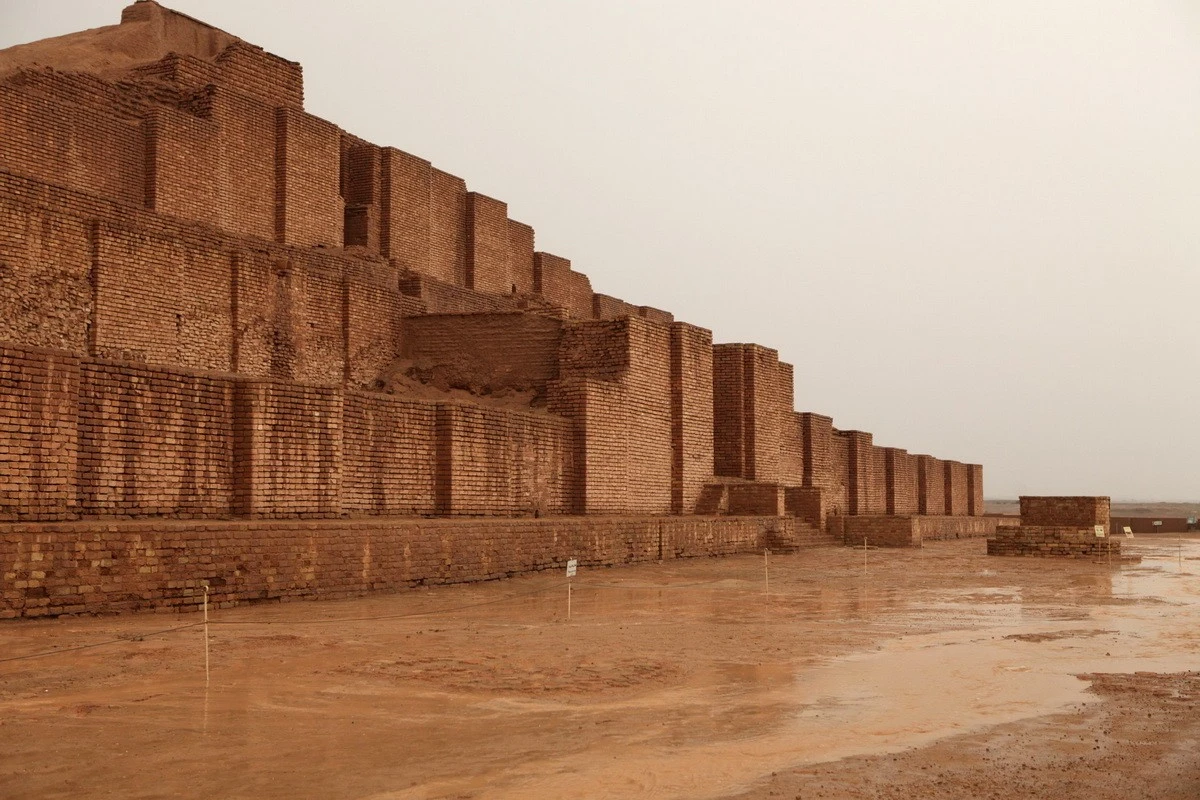
Ziggurats were not used in the same way as most Western temples—they were not intended to house priests and conduct religious rituals. Instead, the ziggurat was seen as a resting place for the gods. By building a ziggurat near a major city, rulers ensured that the gods were nearby and watching over the people. In 1979, Chogha Zenbil became the first site in Iran to be inscribed on the UNESCO World Heritage List.
6. Jetavanarama Dagoba
The Jetavanarama Dagoba, a favorite project of King Mahasena, is the largest structure in Anuradhapura, Sri Lanka. Originally, the structure stood at least 122 meters tall, making it the third-tallest structure in the world at the time, second only to the Egyptian pyramids of Dahshur and Giza. 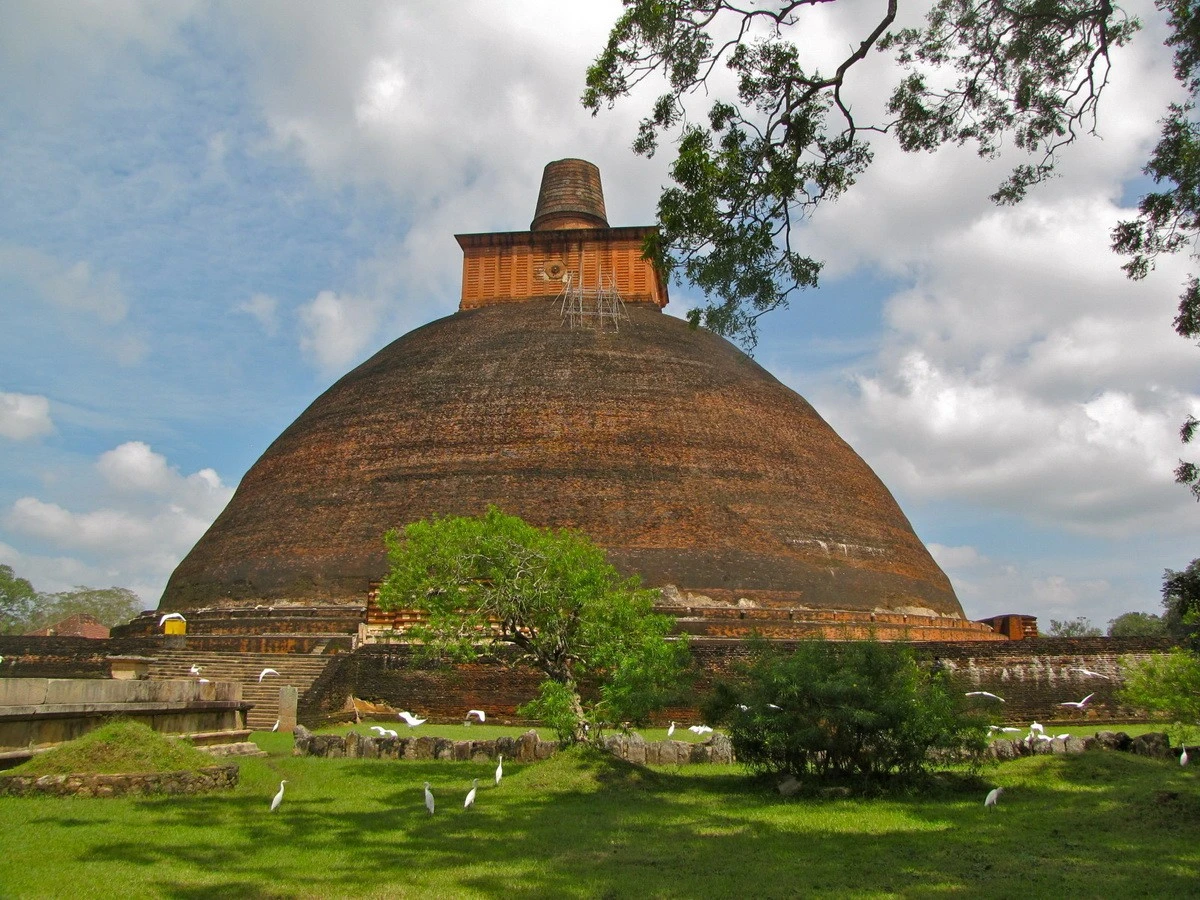
The Jetavanarama Dagoba must have towered over the ancient city just as it does today, despite its height having shrunk over time to approximately 75 meters. However, despite the fact that the structure's dome was once covered in greenery and its spire has broken off, the building is currently being restored with the support of UNESCO. If the Jetavanarama Dagoba seems familiar to you, it's likely because you remember it as the beautiful backdrop to Duran Duran's classic music video for "Save A Prayer."
7. Ruins of Nalanda
Nalanda was a Buddhist university built in 450 CE and the oldest university in Indian history. Among its many famous guests were the Buddha and Mahavira, and at its zenith, it had over 10,000 students and over 2,000 faculties. The site witnessed the rise and fall of many empires and emperors, all of whom contributed to the university's development. 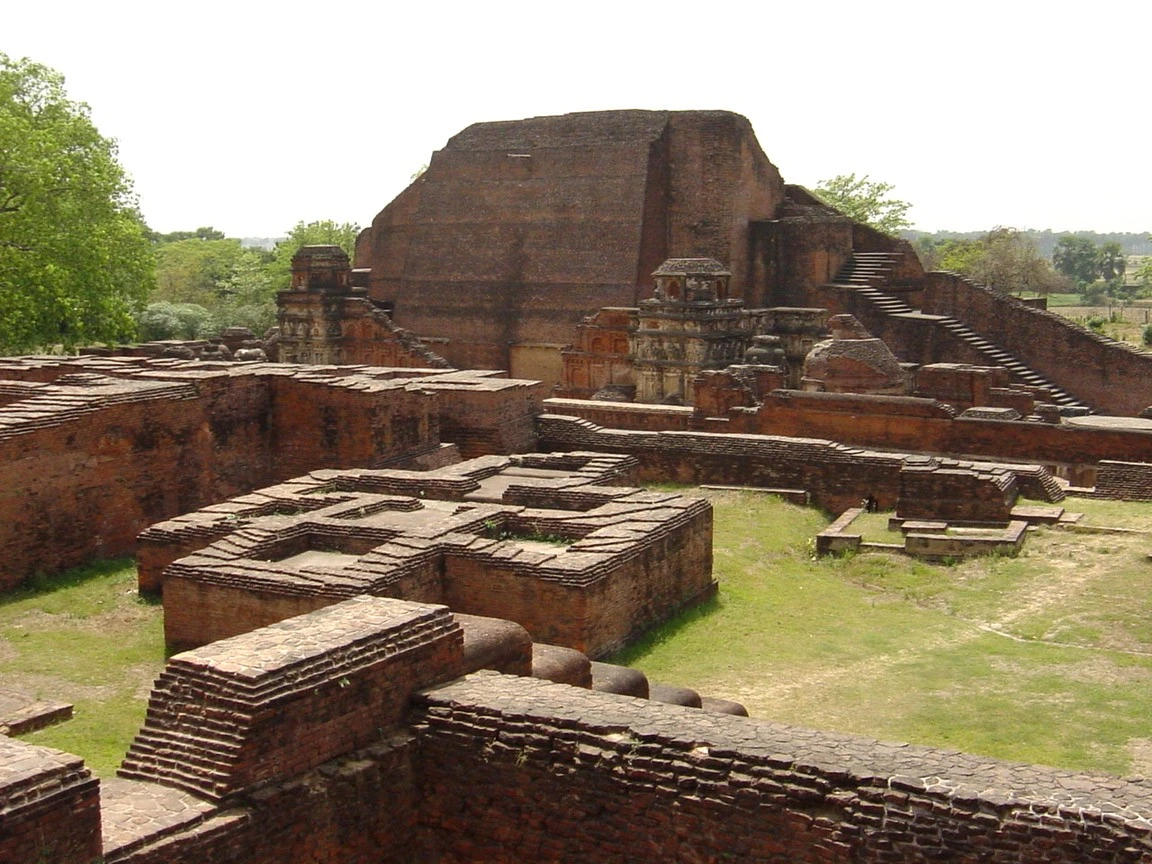
However, it was destroyed by Turkish Muslim invaders in 1193, when students and faculty were killed and the vast university library was burned. Today, all that remains of the university are extensive ruins, spread over 14 hectares, reminding visitors of the grandeur of its glorious past.
8. Vézelay Abbey
The Church of Sainte-Marie-Magdalene, a Benedictine abbey in Vézelay, Burgundy, is one of the most important surviving monuments of Romanesque architecture and sculpture. It was a pilgrimage church, said to have housed the remains of Saint Mary Magdalene, to whom it was dedicated. 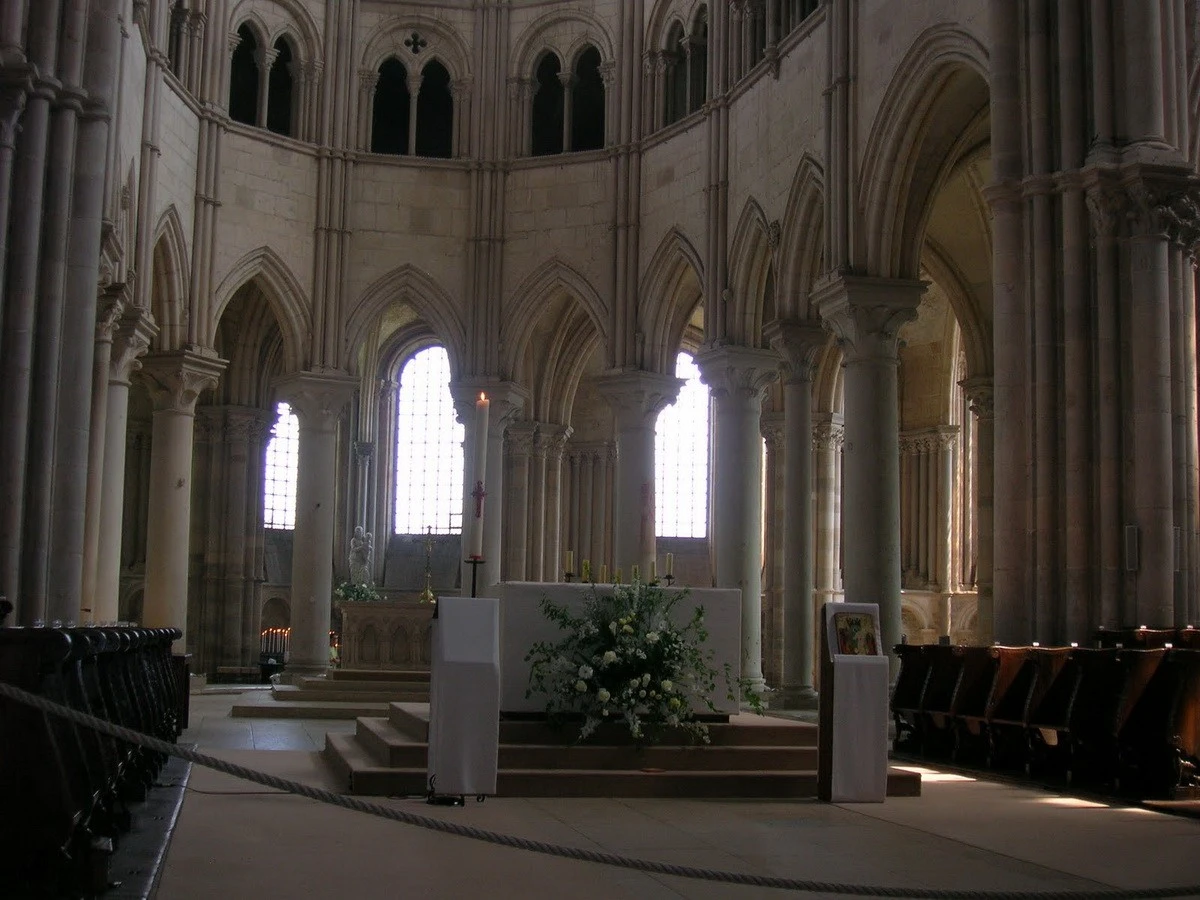
Built in the early 12th century, this building is renowned for its high groin vaults in the nave and narthex, as well as its stunning sculptures on the gateways and capitals. Built in the late 19th century, the choir is an important witness to the introduction of the Gothic style to Burgundy. The stucco on the building's exterior façade was largely destroyed during the French Revolution, but fragments still survive.
9. Temple of Hephaestus/Hephaesteion
The Temple of Hephaestus was built in 450 BC and dedicated to the god of fire, Hephaestus. The temple is located in Thission, one of the most popular tourist areas of Athens, attracting over 10 million tourists annually. UNESCO describes the Hephaesteion as one of the best-preserved ancient temples in the world, which truly makes one wonder how it is so little known outside of Greece. It is little known due to a lack of publicity and incentives from the Greek authorities. 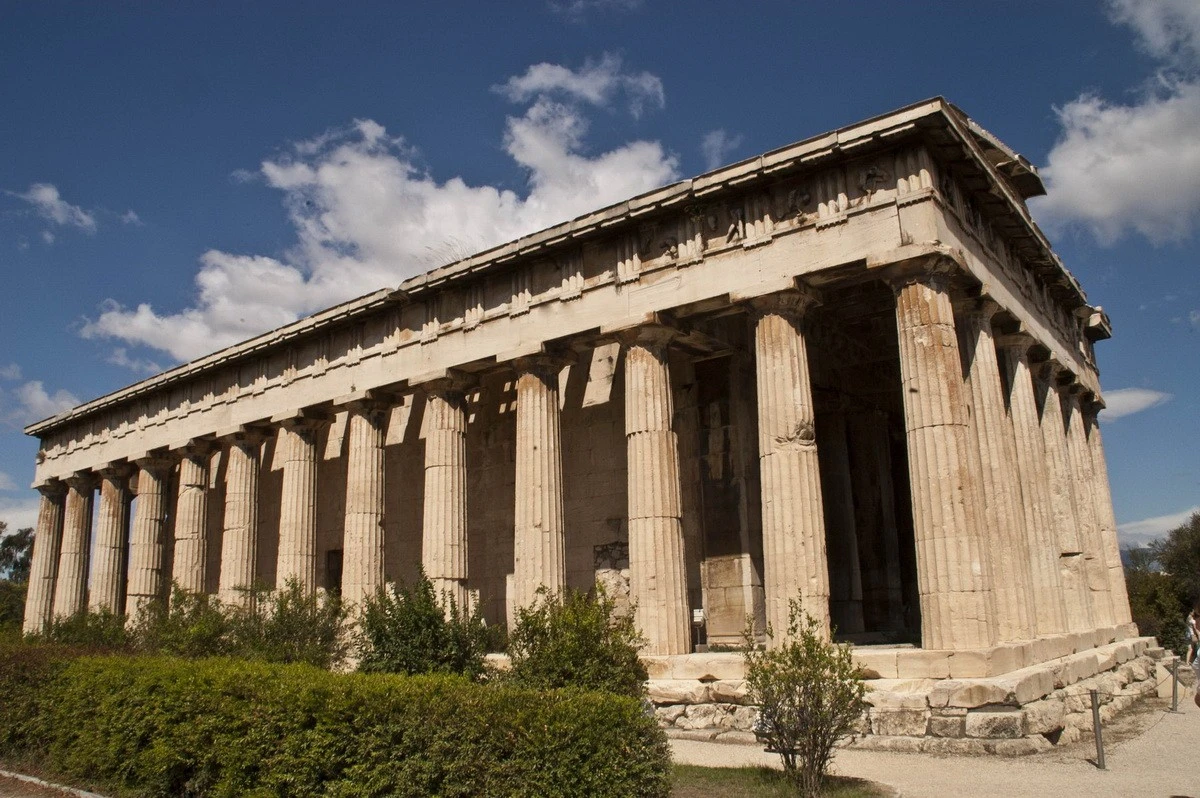
This tall and pompous temple is made of marble. Built on top of a small hill, it features 34 columns. This Doric-style temple is a must-see if you're visiting the Ancient Agora in Athens. This area was the center of commercial, political, and social activity during the Golden Age of Pericles, and was also a meeting place for the citizens of ancient Athens.
10. Meteora Monasteries
What makes Meteora so special is the amazing monasteries perched atop towering cliffs. In the 11th century, Meteora, a region of virtually inaccessible sandstone cliffs, was originally inhabited by monks in caves within the rocks. Meteora is rightfully considered a unique achievement of astonishing architecture and human creativity. On the one hand, it is a natural wonder with its enormous, inaccessible cliffs, and on the other, it is a marvel crafted by the hand of man, who managed to tame nature and create places within it that are practically inaccessible. Construction of the monasteries began in the 14th century, and by the 16th century, there were already 24 active monasteries. 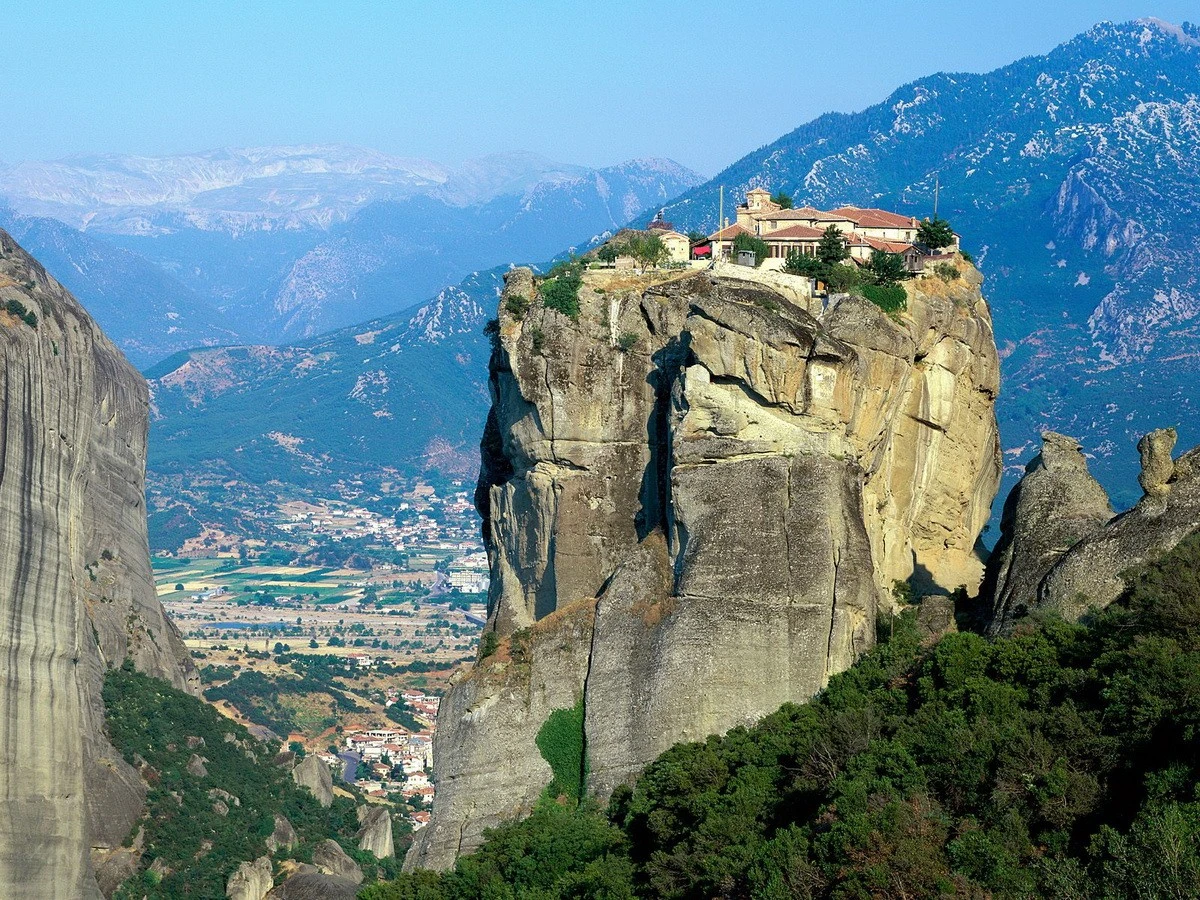
The monasteries were not only religious but also centers of scholarship and creativity. During the Byzantine Empire, they attracted not only deeply religious people but also philosophers, poets, artists, and profound Greek thinkers. During the Turkish occupation, it was the monasteries that maintained Greek culture and traditions in this area. It is believed that without these monasteries, Greek culture and religion would have disappeared, and modern Greece would be little more than a reflection of the Ottoman Empire, with very little knowledge of its roots and history. Today, only six monasteries remain in Meteora. UNESCO has described the Holy Meteora as:
"a unique monument of humanity that must be preserved at all costs... a monument that belongs not only to Greece but also to the entire world."