Advice for pregnant women from the past—ranging from simply ridiculous to downright harmful (11 photos)
The goal of any respectable pregnant woman is to ensure a healthy and happy nine months of waiting. Even today’s expectant mothers find it difficult to navigate the multitude of conflicting advice on the subject, but women of the past faced an even harder task: they had to follow strange, absurd, and sometimes downright unhealthy recommendations that were considered the height of common sense at the time. 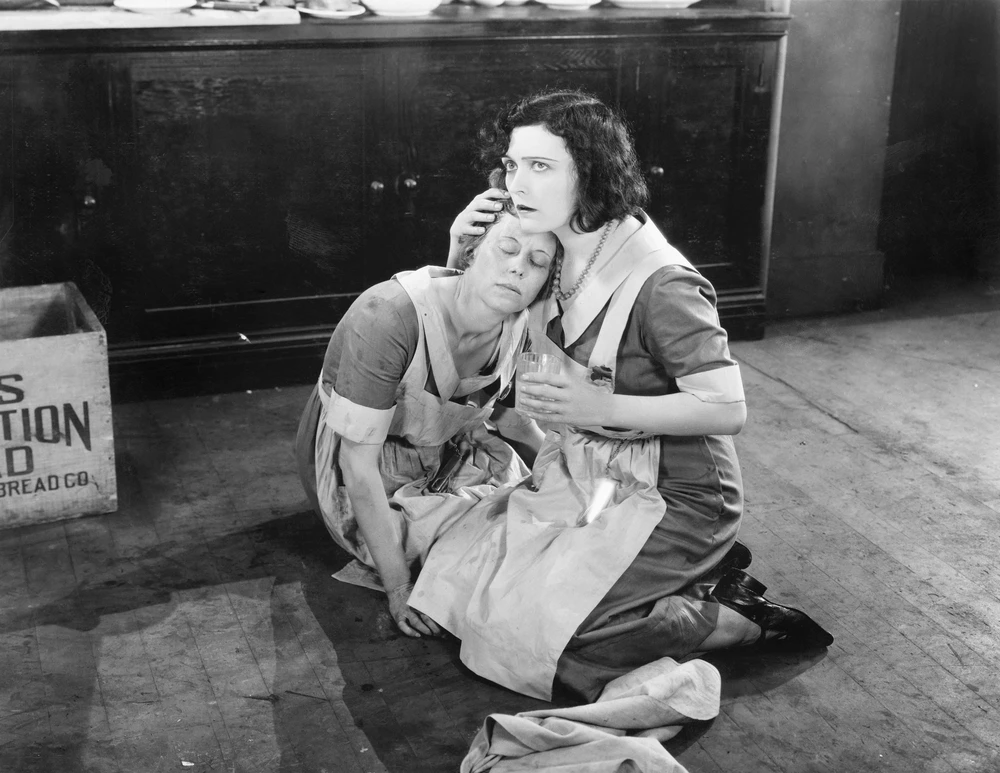

How do you know if you’re pregnant?
Nowadays, we can buy a simple pregnancy test at any pharmacy and share the news with the whole family within minutes. But just a few decades ago, determining pregnancy was a long and complicated process. When scientists discovered the pregnancy hormone hCG in the early 20th century, the best method they could devise involved injecting a woman's urine into immature rabbits or mice. Five days later, the animal was killed so its ovaries could be examined. If they were enlarged, the woman could be congratulated on the impending addition to her family. 
What should you avoid eating?
A pregnant woman's diet was centered on avoiding anything that might harm the unborn child—much like today. However, the list of potential "harmful" foods changed significantly over time. For instance, in the 15th century, pregnant women were strictly forbidden from eating rabbit heads—believed to cause a cleft lip in the baby—or soft cheeses, which were thought to result in a baby boy having a small penis. Any other advice? Certainly! For example, avoiding spicy foods, as they might cause the baby to go blind. 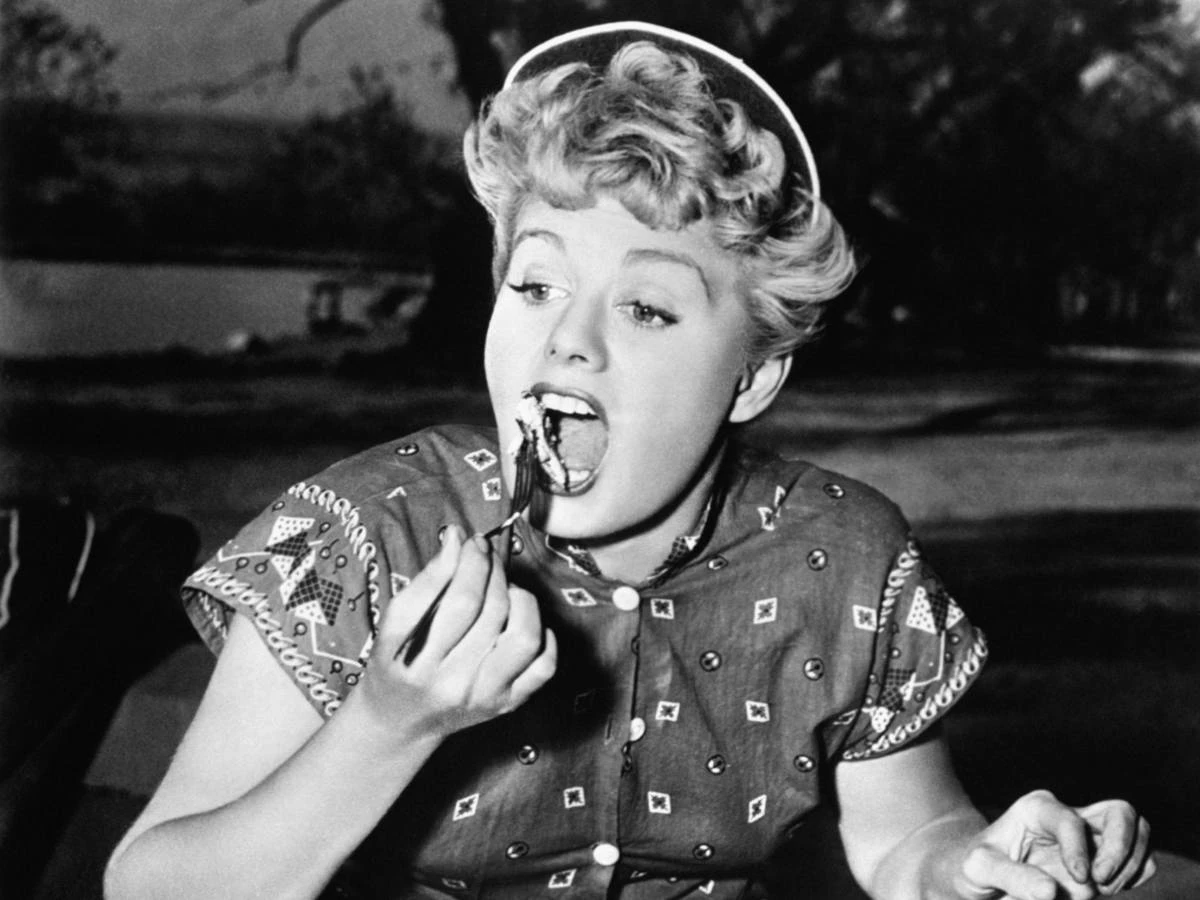
What *should* be eaten instead?
Medieval physicians often advised pregnant women to consume "warm, dry foods" (whatever that actually meant...) and wash them down with plenty of red wine. Meanwhile, a delightful Finnish tradition—one that would likely appeal to most expectant mothers today—suggested eating chocolate to ensure the baby would be happy. As for the strange food cravings and sudden, intense urges experienced during pregnancy, it was believed that these would determine the future child's tastes and favorite foods. 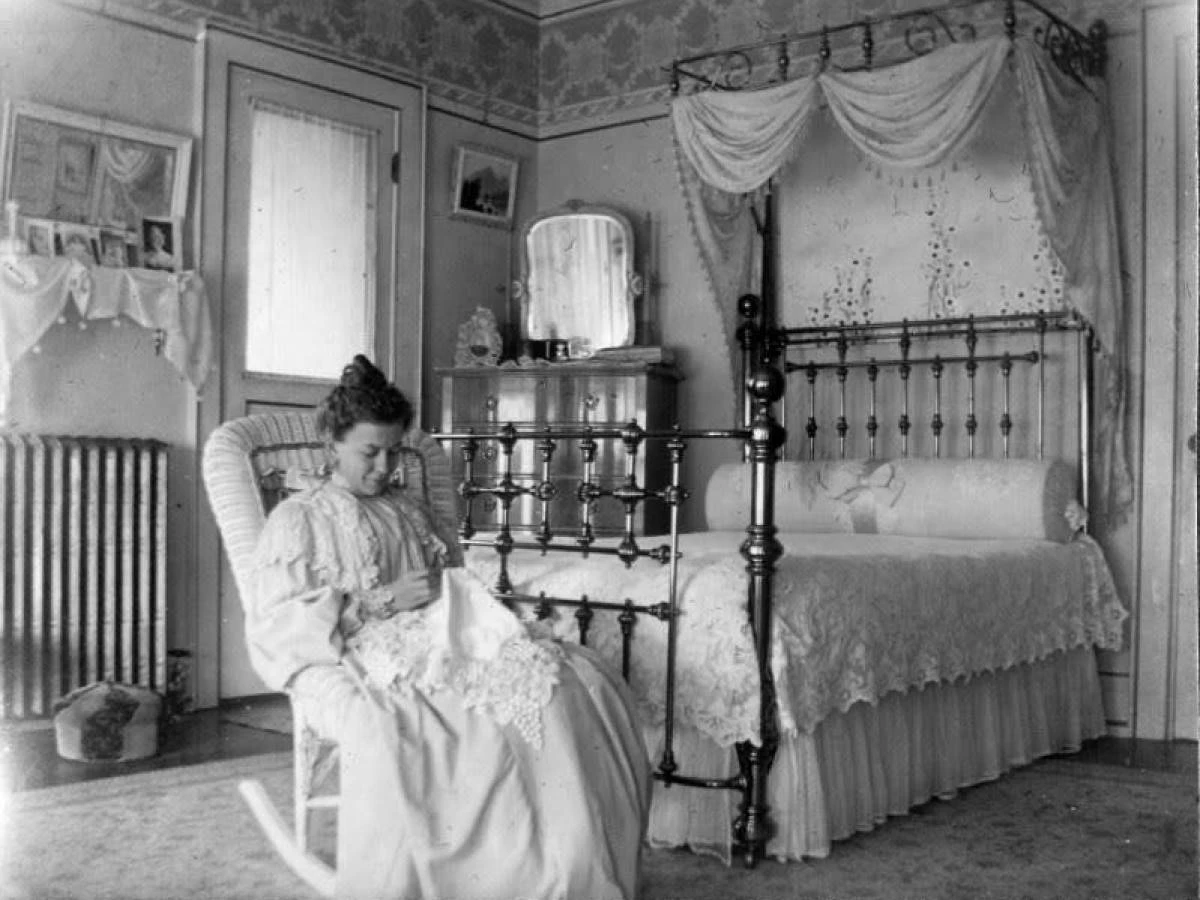
What to think about?
Victorian-era doctors believed that a pregnant woman's thoughts were transmitted to the baby. They held that the child's future character depended directly on the mother's feelings, emotions, and experiences during pregnancy. In other words, calm and happy mothers produced calm and happy children. 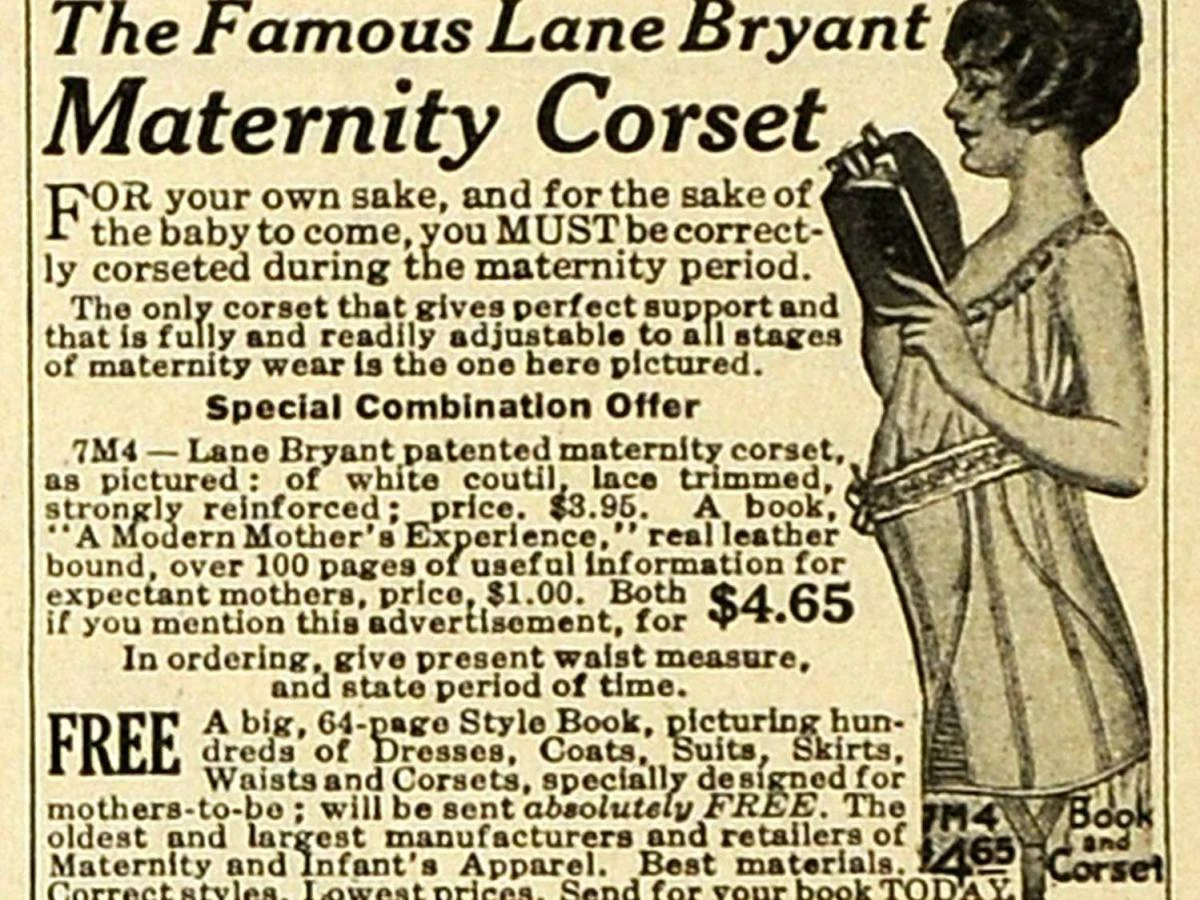
Wear a corset!
In the past, there was nothing worse for pregnant women than actually looking pregnant. Clothing manufacturers tackled this problem by advising all expectant mothers to wear rigid corsets. It was believed that wearing a corset was beneficial for the baby, too, as it kept the child in the "right place." While supportive bands are still widely used today, those old maternity corsets made it quite difficult to sit, eat, or even simply breathe. 
Should you have sex?
The answer is obvious—only if you want your child to be born a pervert. John Harvey Kellogg—the inventor of the famous cornflakes—was also a physician known for his work in the field of sexology. His advice to expectant parents was extremely strict and unequivocal: absolutely not! "Sexual activity during pregnancy should be abstained from for the benefit of both the child and the mother. The harmful impact of gratifying one's passions on the child—at the very time their character is being formed—is undoubtedly far greater than we tend to think. We have not the slightest doubt that this is the primary cause of passing on a propensity for debauchery to the child." In other words, the offspring would inevitably turn into a pervert if Mom and Dad had sex. After all, you only have to wait nine months. And then another eighteen years or so... Just to be on the safe side. 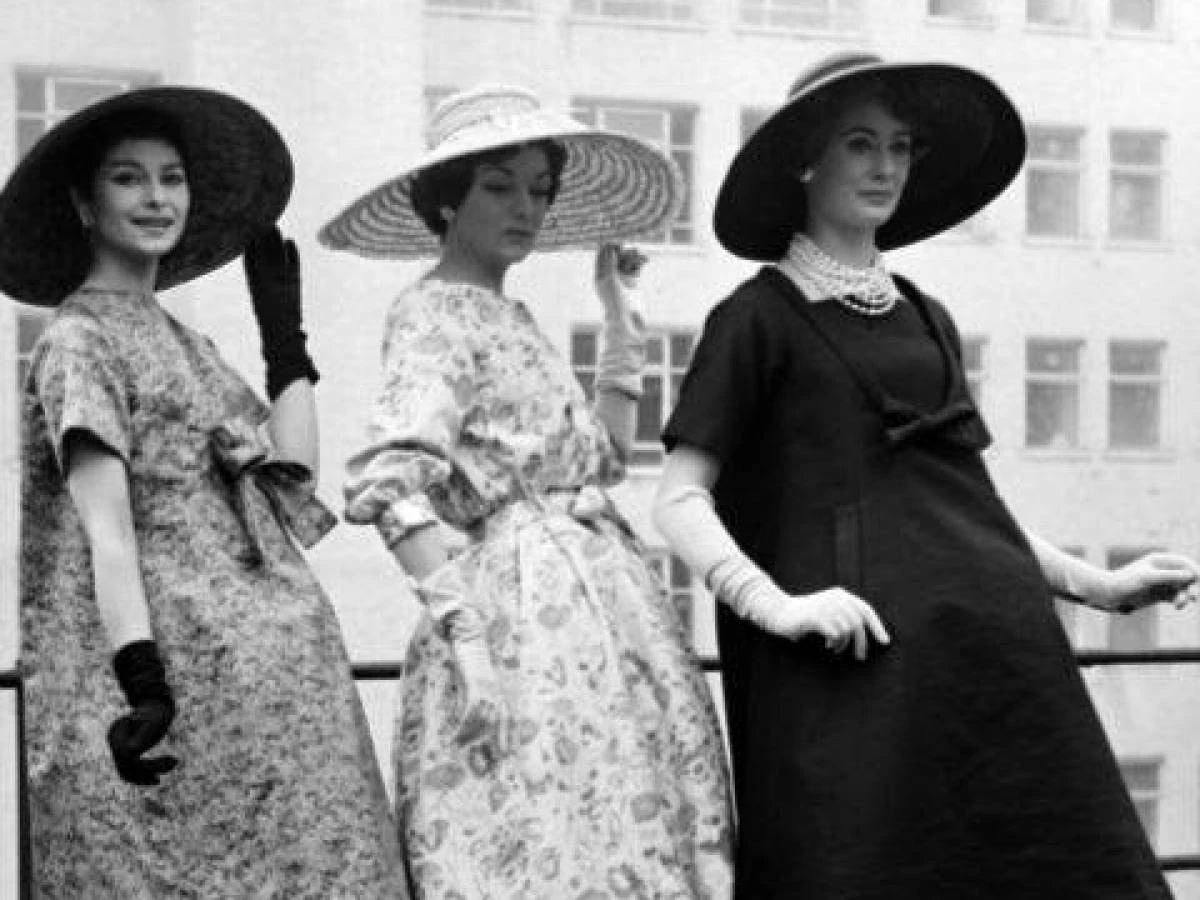
Why go outside when you can stay home and do needlework?
Experts in the mid-1950s warned pregnant women against excessive activity, recommending rest and relaxation as the best pursuits for an expectant mother. Staying up late, spending time in stuffy rooms, and experiencing emotional stress were all considered extremely harmful. Instead, a woman was expected to sit by the family hearth, read books, listen to the radio, do needlework, and engage in heart-to-heart conversations. One wonders—with whom? 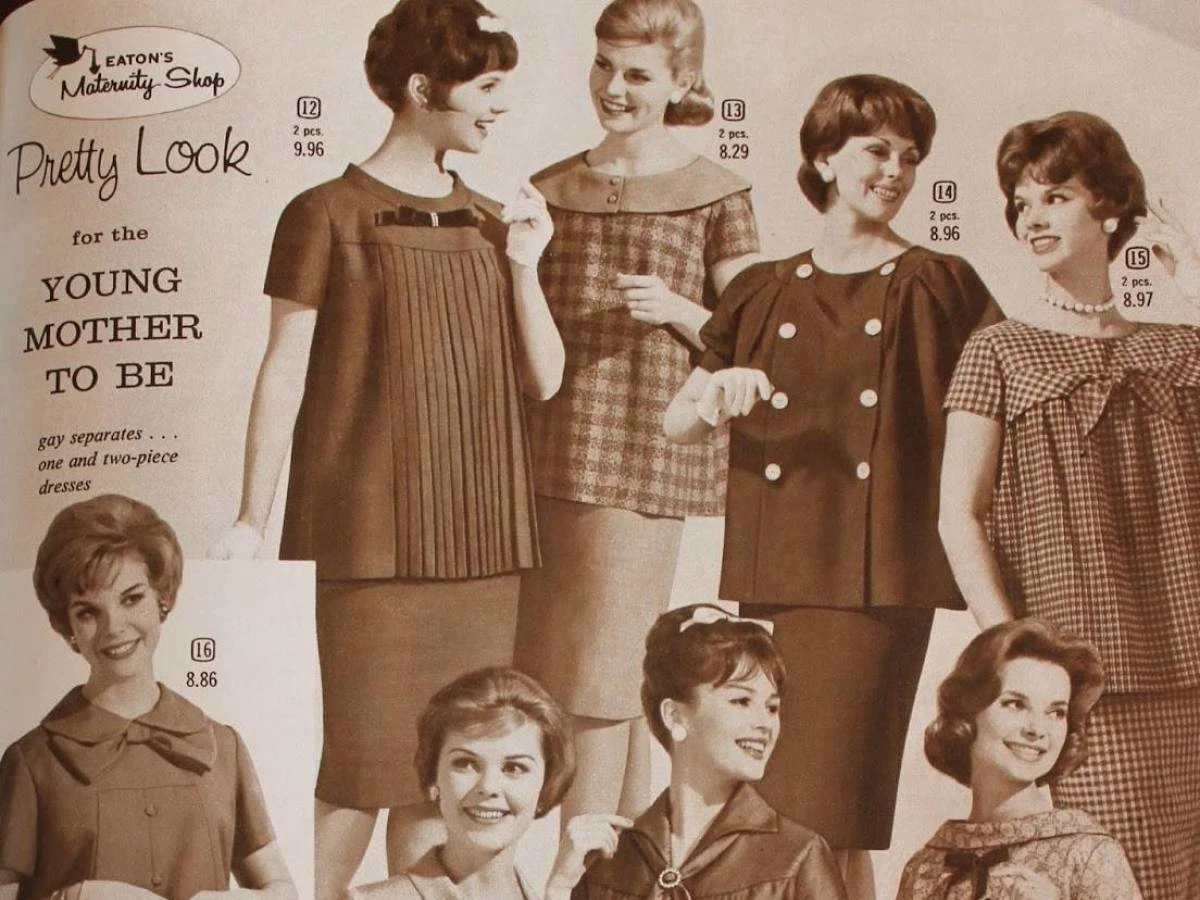
If you did venture outside, you had to follow maternity fashion!
Once corsets were finally abandoned and women—including expectant mothers—could sit and breathe normally again, manufacturers of maternity wear set out to make their clothes as "interesting" and "fashionable" as possible. Yet, their primary goal remained the same: to conceal the pregnancy for as long as possible. Mid-20th-century pregnancy guides strongly advised expectant mothers to wear loose-fitting blouses and dresses that hid their growing bellies—bellies that served as an obvious reminder to the world that the woman had (the horror!) engaged in sex. All in all, of course, it was better for them to simply stay at home. To avoid any trouble. 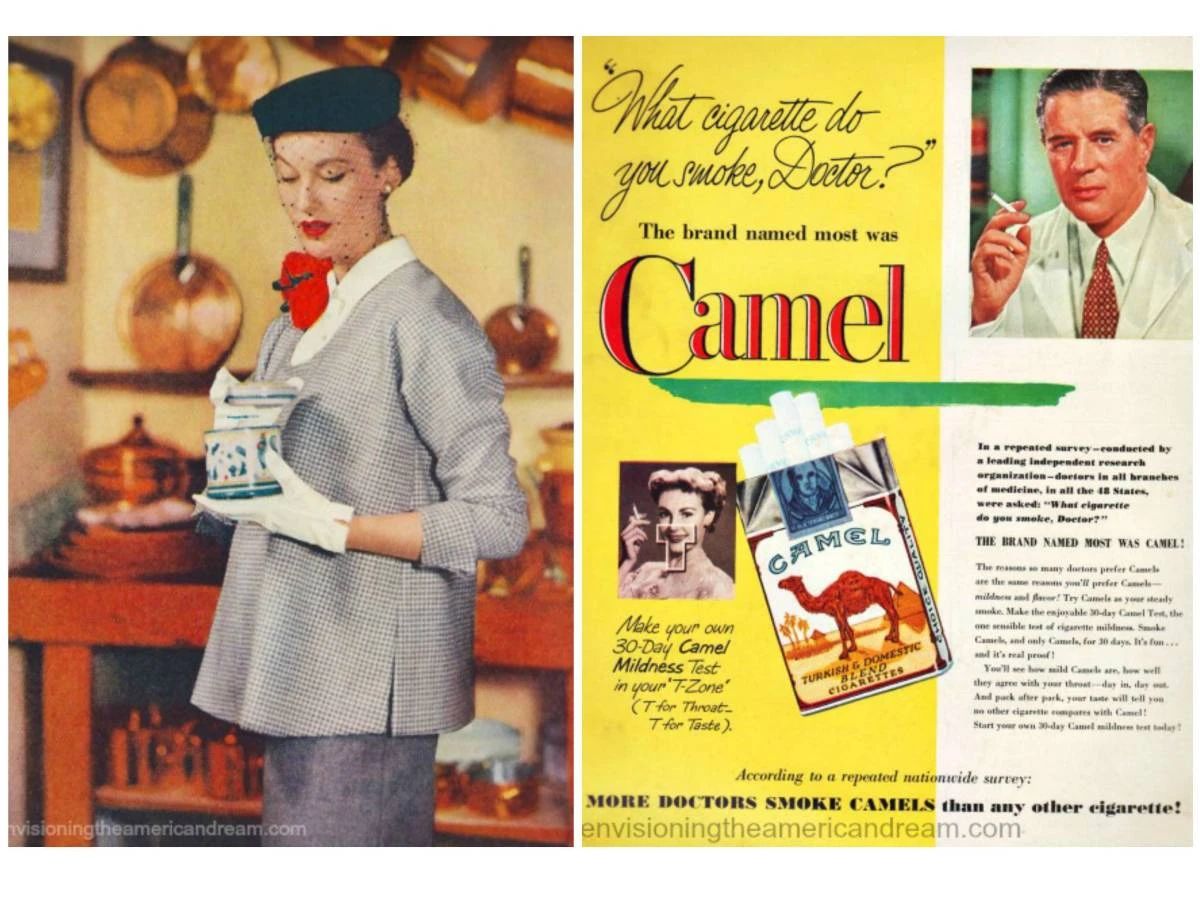
Smoke cigarettes!
It is hard to believe, but until the second half of the 20th century, doctors did not warn pregnant women about the dangers of smoking to the unborn child. In fact, during the 1940s and 1950s, doctors even encouraged the use of certain cigarette brands, claiming they were "healthier" than others. Some went even further, suggesting that smoking cigarettes made pregnant women calmer and, consequently, benefited the baby. 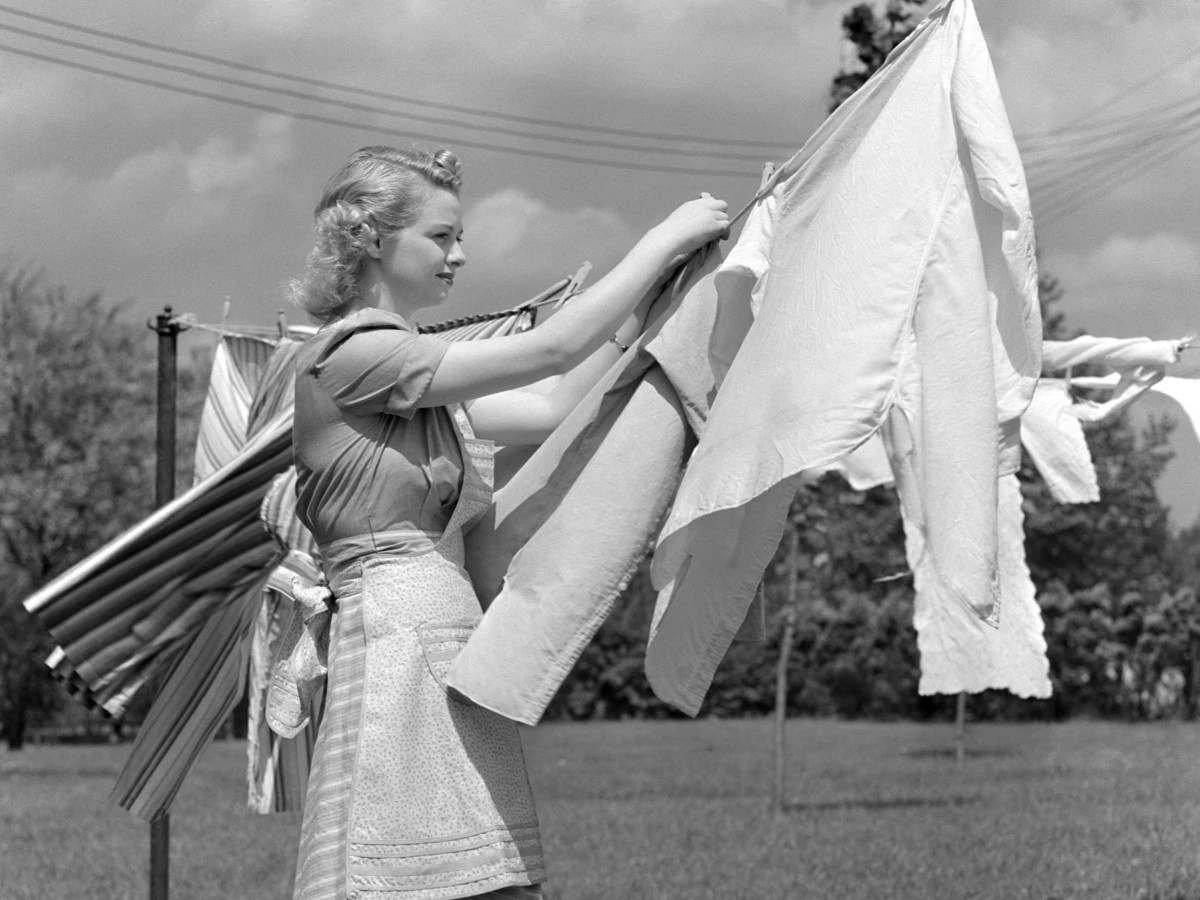
Don't forget about your husband!
As the due date approaches, advice—both past and present—tends to focus primarily on the birth itself and the new mother's subsequent recovery. However, according to a 1972 housewife, one should also look after one's husband before heading to the maternity hospital:
"Just make sure that, from this moment on, he always has a supply of clean underwear to last the entire time you are away. And if he is going to be home alone, stock the pantry with foods he can manage on his own."