35 Quirky and Fascinating Facts from Weird History That Every History Buff Will Love (36 Photos)
The popular X (Twitter) account "Weird History" recently celebrated its 10th anniversary, but to the delight of its hundreds of thousands of followers, its stream of intriguing trivia shows no signs of slowing down. And that's great news—because you can never know too much! Here is a roundup of fascinating historical tidbits that are guaranteed to help you impress your friends at your next trivia night. 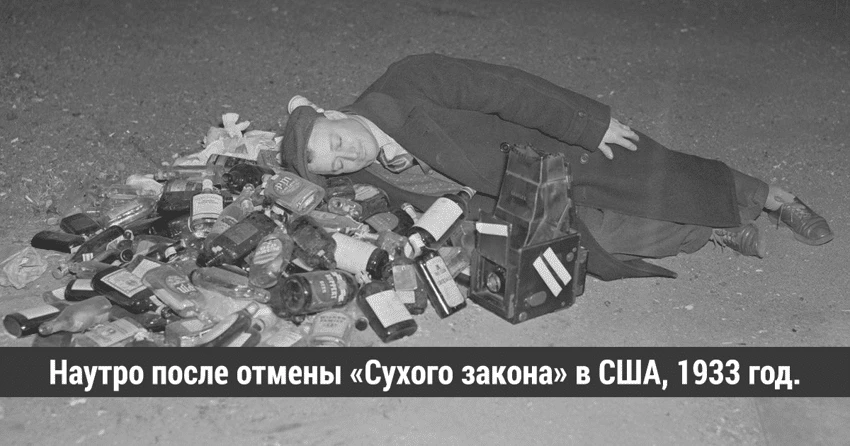
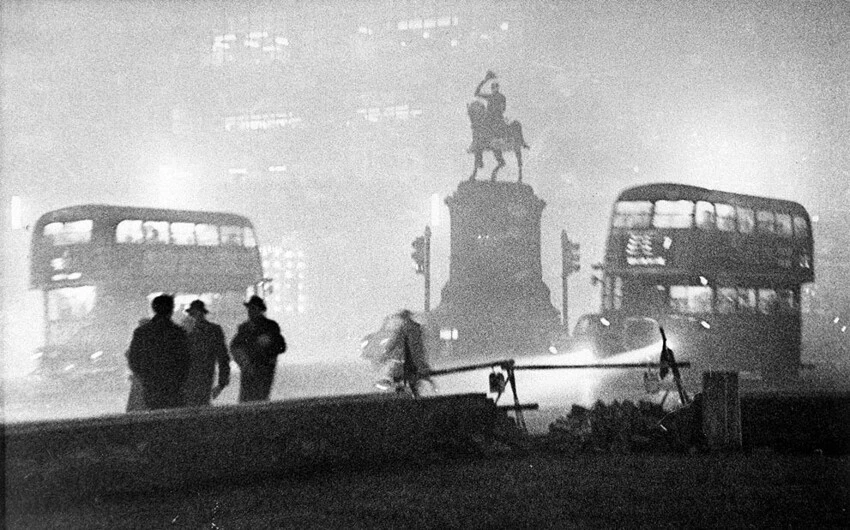
During London's Great Smog of 1952, blind residents helped guide sighted people home because they could navigate the city streets completely by touch. 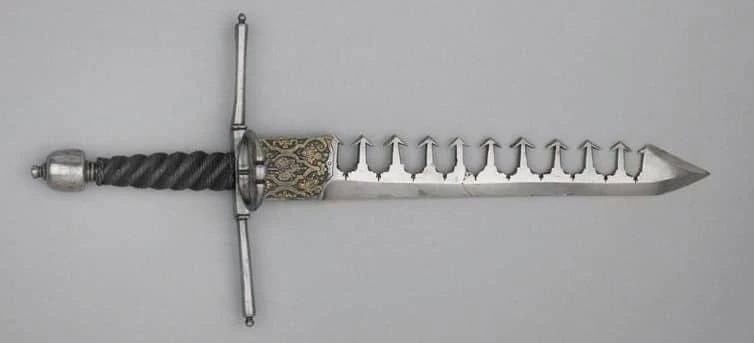
A parrying dagger. Held in the left hand to block incoming sword strikes while attacking with the main weapon in the right. 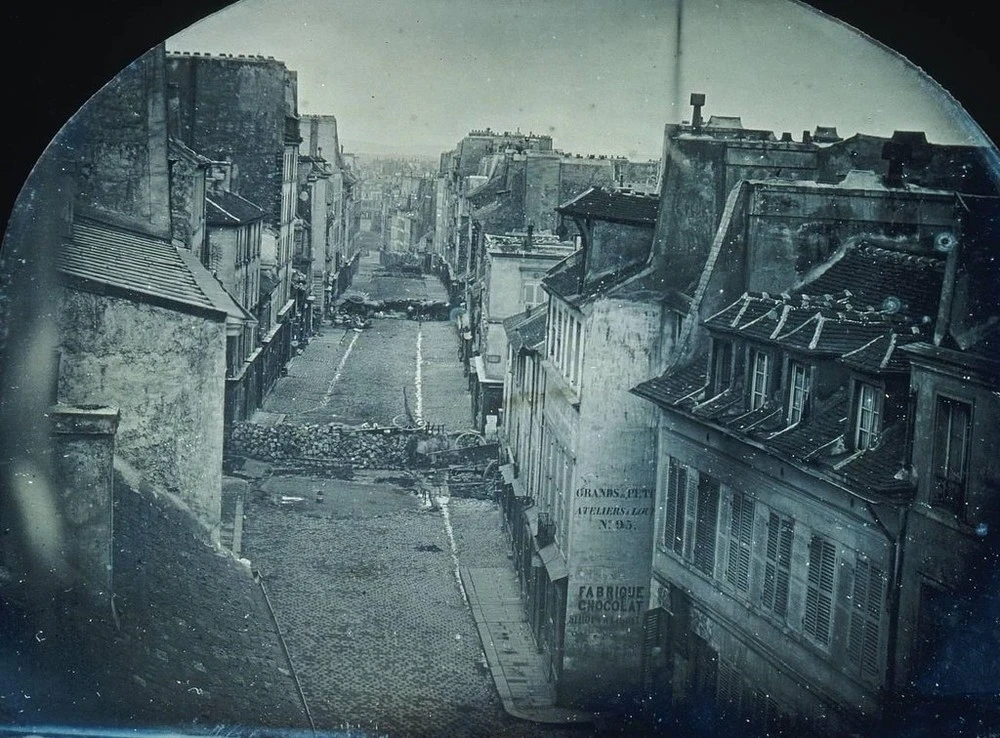
Street barricades in Paris during the French Revolution of 1848. 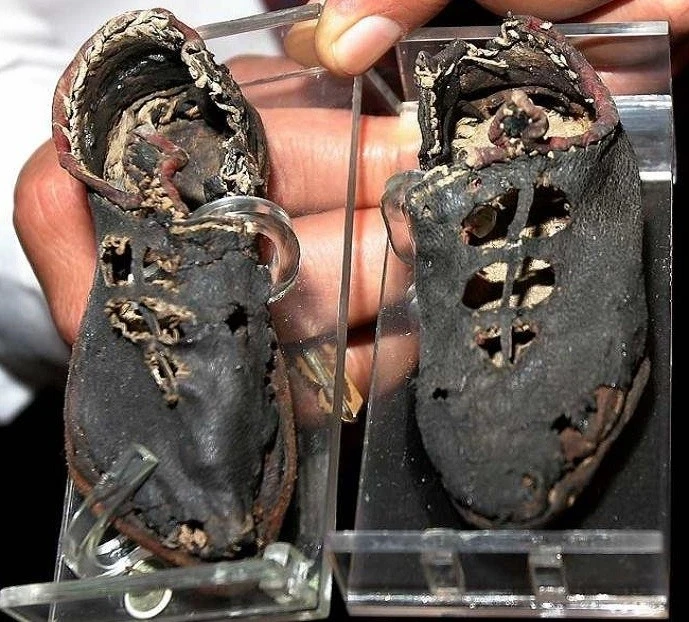
A pair of children's leather shoes dating back to Ancient Rome. 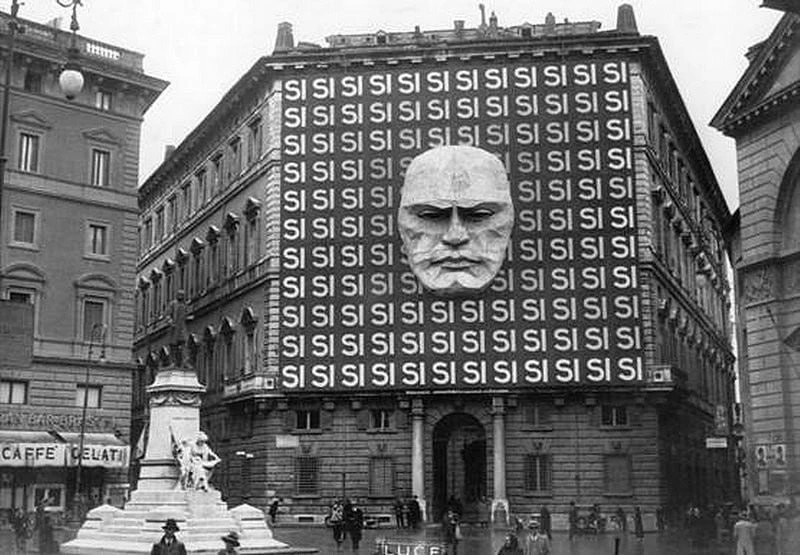
Benito Mussolini's Fascist Party headquarters in Rome, 1934. 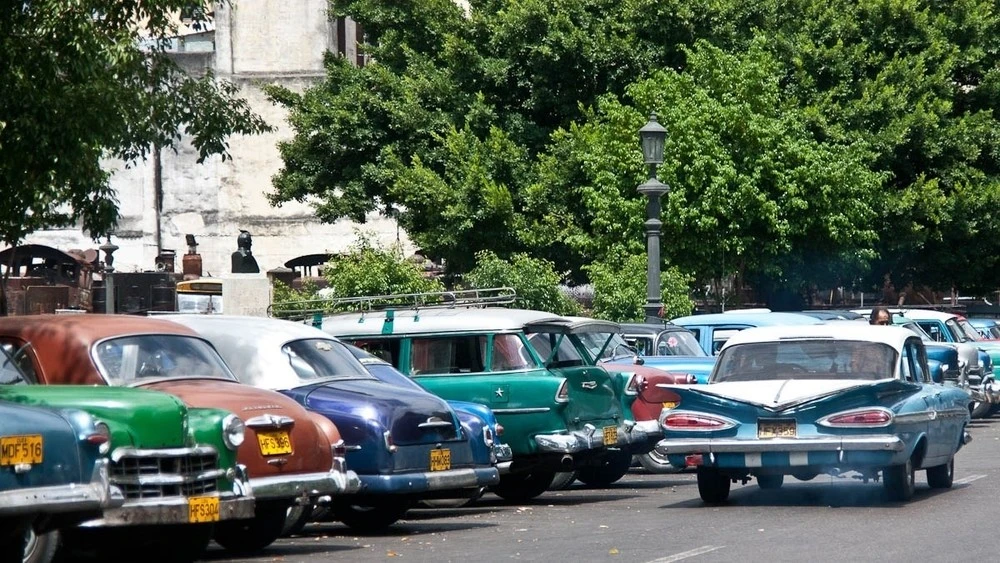
Thanks to the long-standing trade embargo, Cuba has more classic 1950s cars still on the road than anywhere else on Earth. 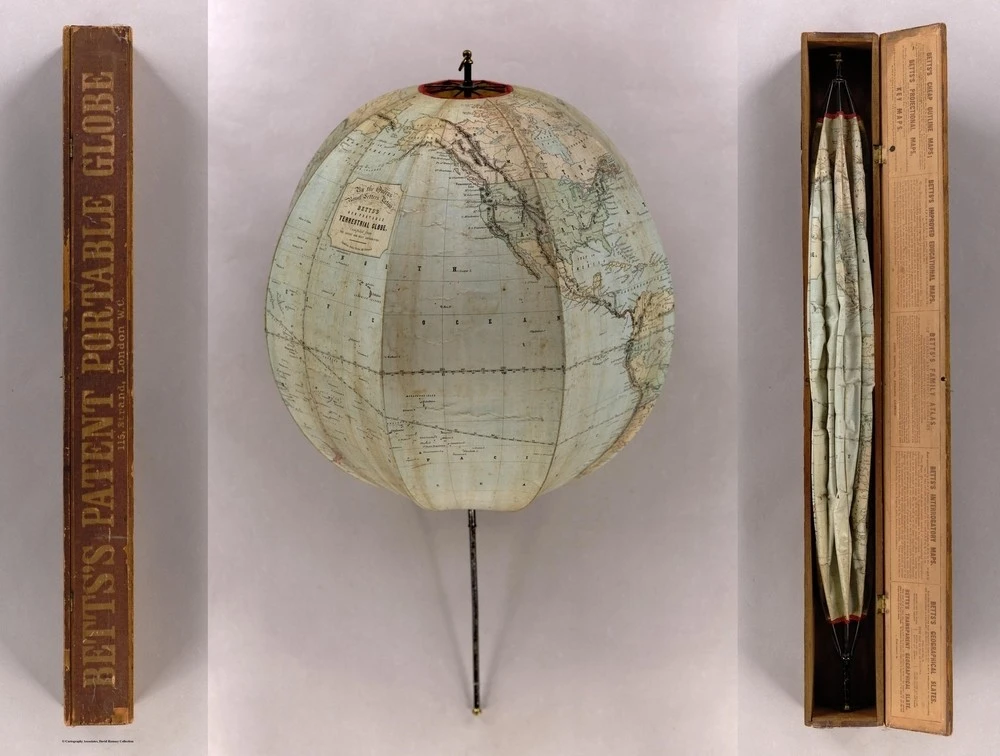
A collapsible umbrella-style globe from 1852. 
The 1,000-year-old Key Monastery in India, perched at an altitude of 4,166 meters (13,668 feet) above sea level. 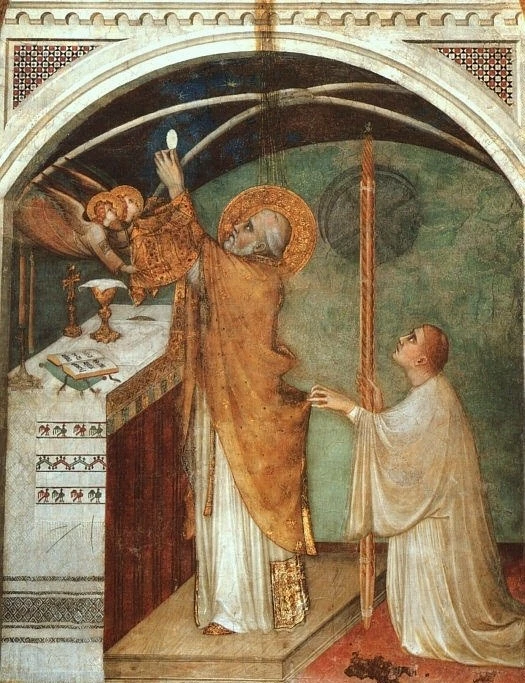
During Communion, priests recite the Latin phrase "Hoc est corpus meum" ("This is my body") to consecrate the bread. The phrase is widely believed to be the origin of the magic words "hocus pocus." 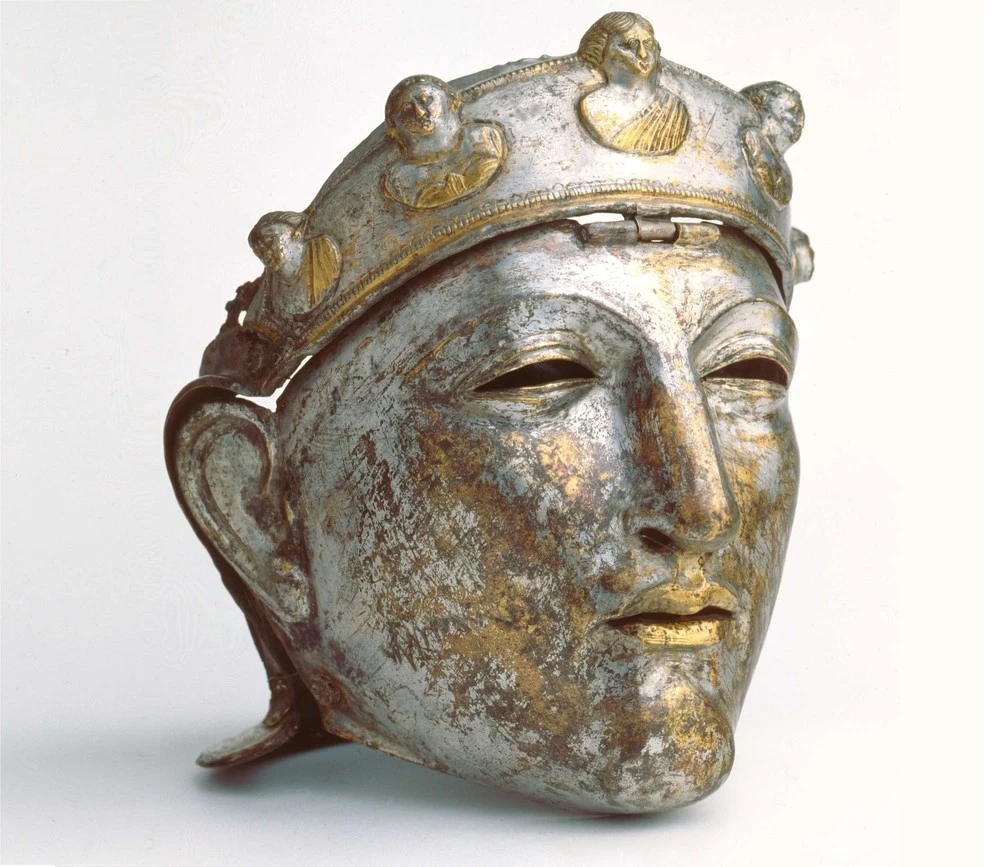
A Roman cavalry parade helmet featuring a protective face mask, worn by elite riders. 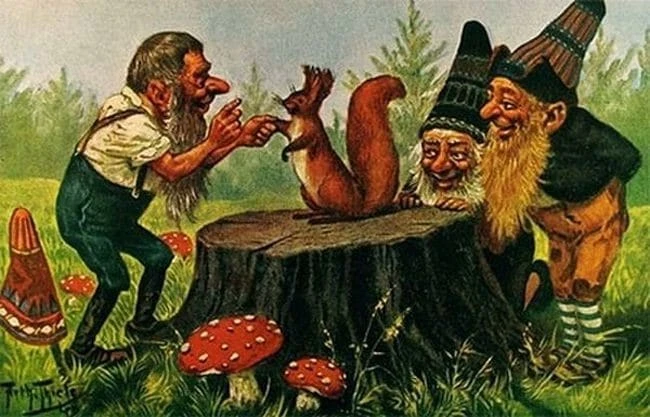
The creator of the garden gnome originally crafted them hoping they would attract real gnomes to his garden so he could invite them over for tea. 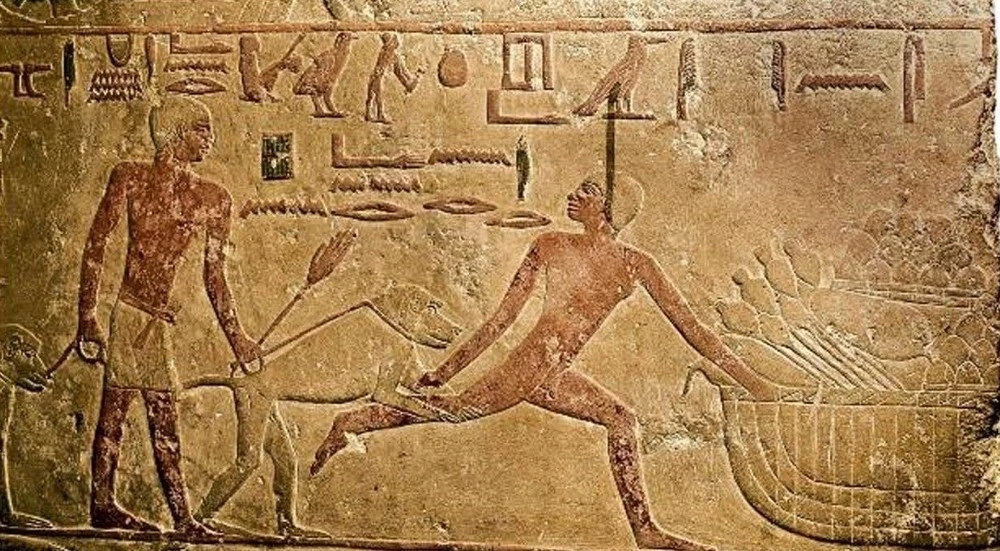
Ancient Egyptians used trained baboons to help law enforcement catch criminals. 
Leonard Nimoy authored two autobiographies: *I Am Not Spock* and *I Am Spock*. 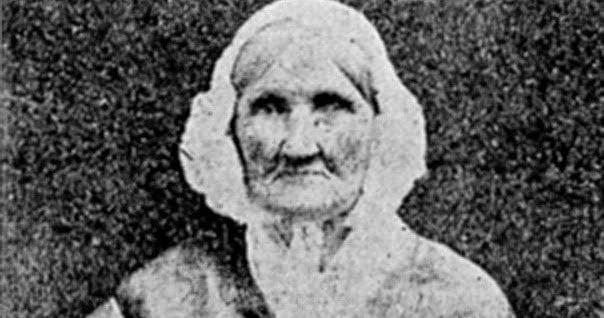
Hannah Stilley was born in 1746, and this photograph was taken in 1840. She is believed to be the earliest-born person ever captured on camera. 
An ostrakon—a piece of pottery ancient Greeks used to vote on which citizen should be exiled. 
The site where Julius Caesar was assassinated is now a sanctuary for stray cats. 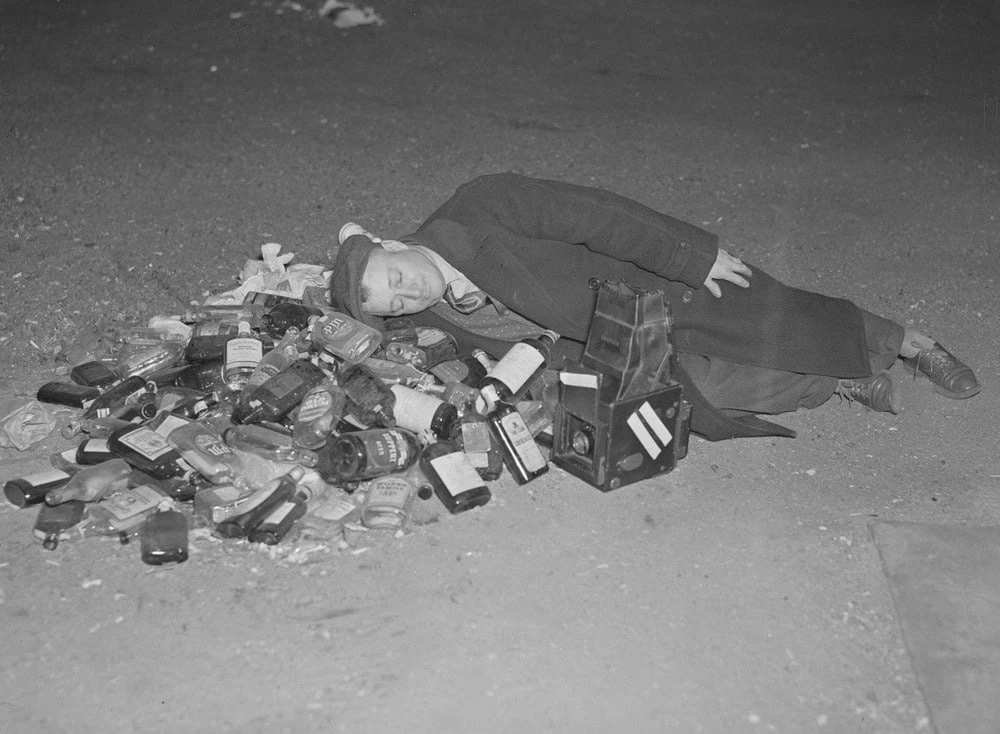
The morning after Prohibition was repealed in the US, 1933. 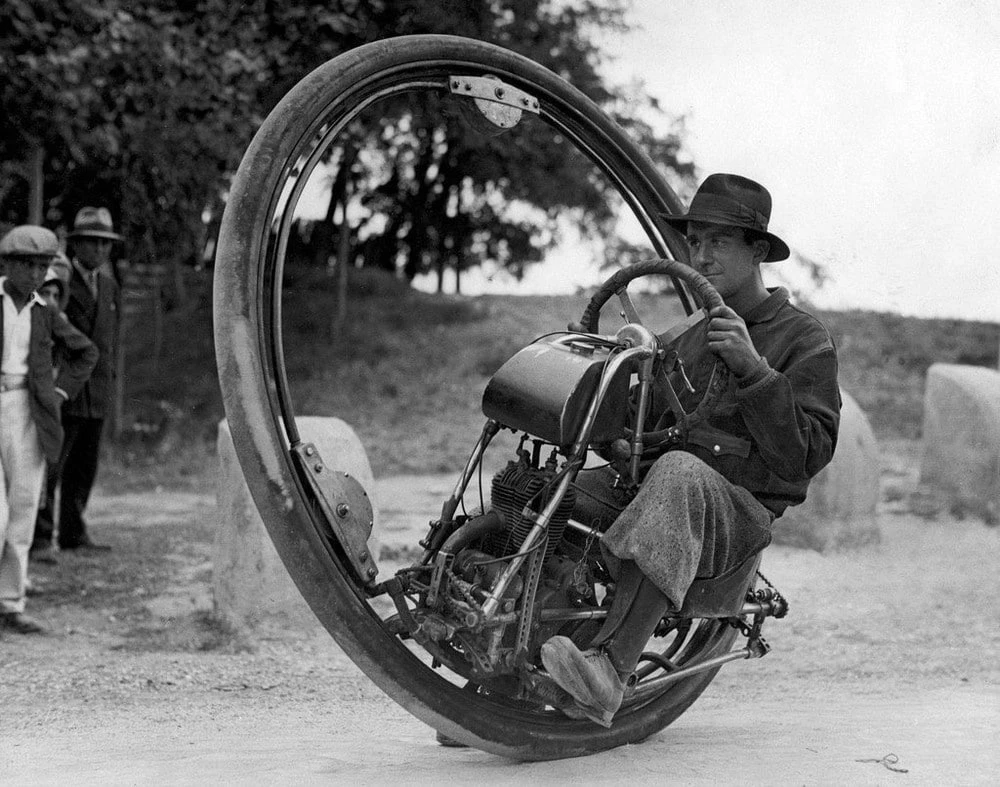
A monowheel from 1931—too bad it never caught on! 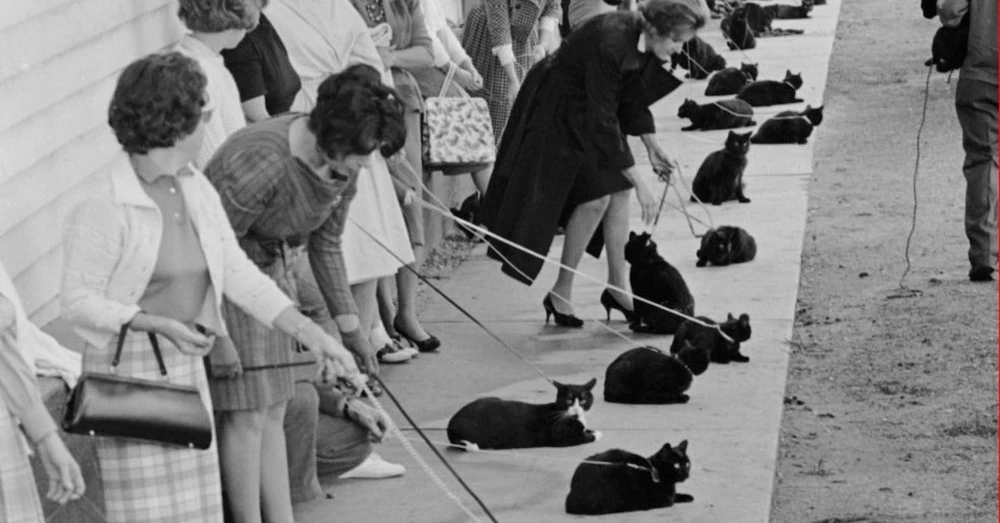
Black cats lining up for a movie audition in Hollywood, 1961. 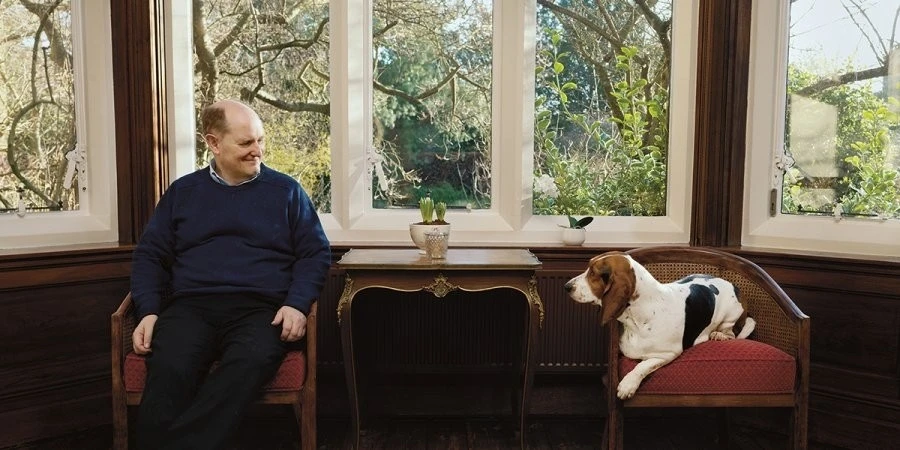
Dogs are strictly banned from Selwyn College, Cambridge, so Yo-Yo the Basset Hound was officially classified as a "very large cat." 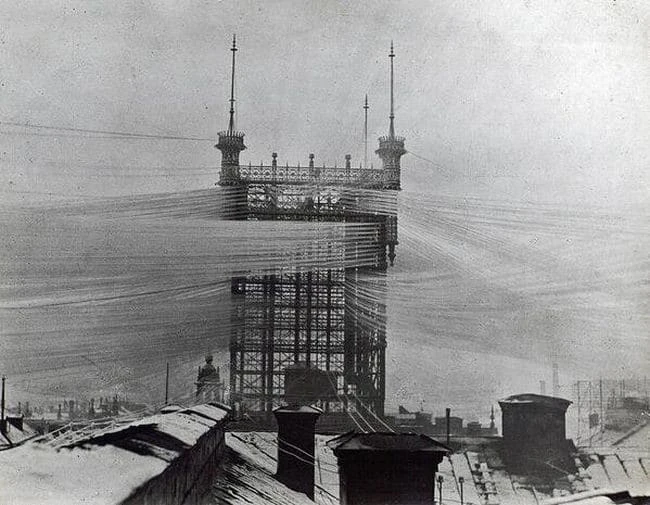
The Telefontornet in Stockholm before underground cables took over: featuring 5,000 phone lines tangled together, 1890. 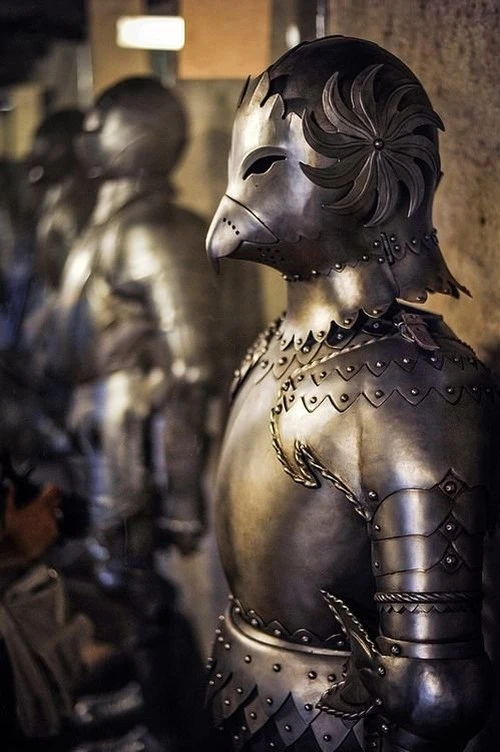
Bird-shaped medieval armor on display at Prague Castle. 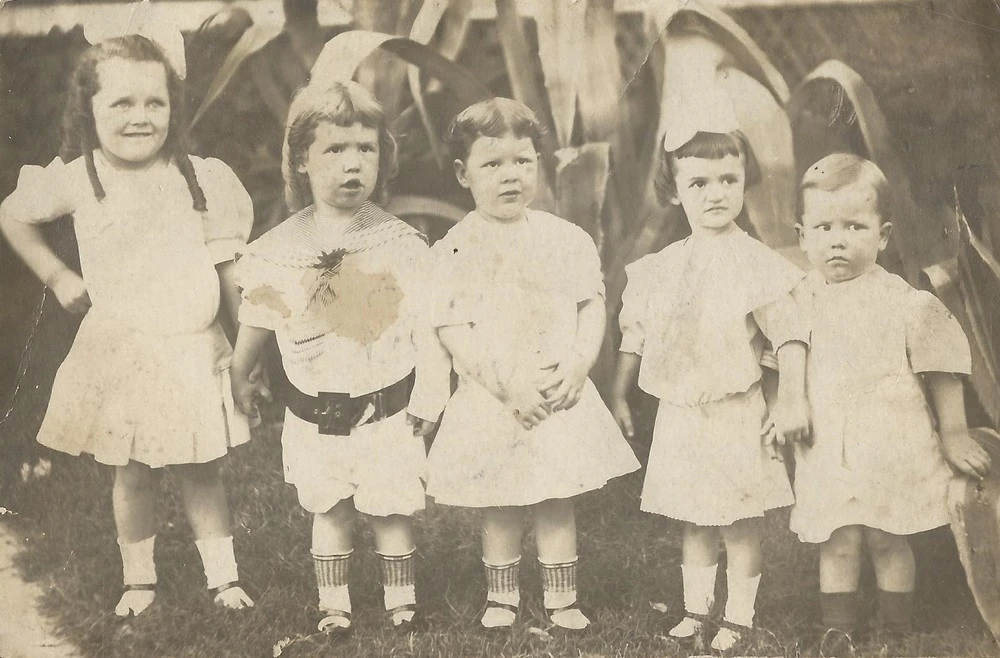
Until the early 20th century, it was common practice to dress young boys in pink and girls in blue. 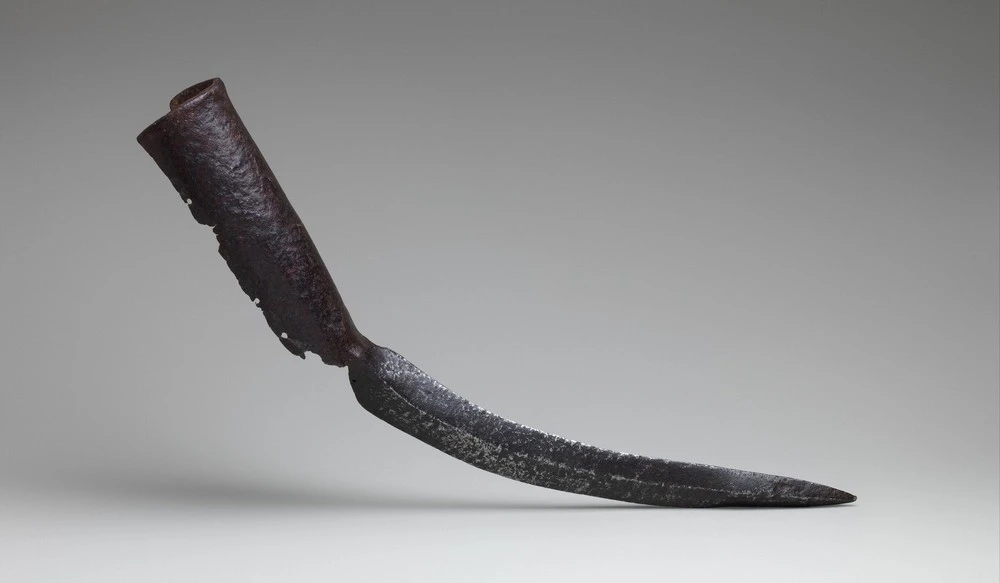
In ancient and medieval India, these blades were attached to the tusks of war elephants entering battle. 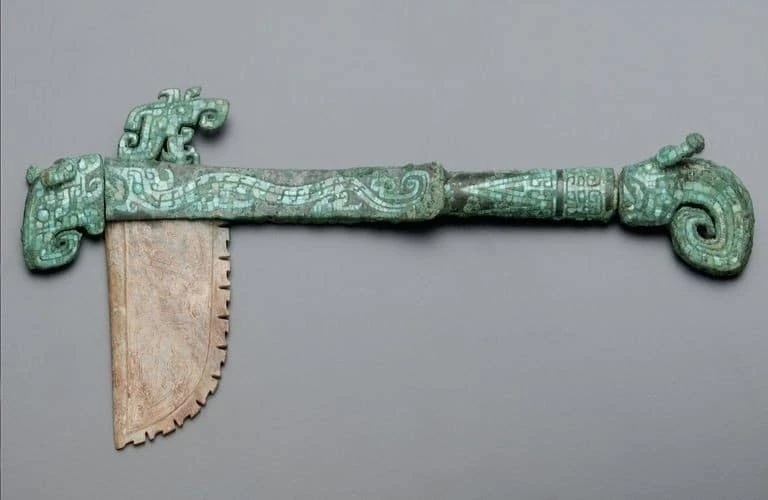
A 3,000-year-old bronze battle-axe adorned with dragons from Ancient China. 
A staircase inside the 4,000-year-old Palace of Knossos on Crete, the oldest palace in Europe. 
In 2010, Iran officially banned mullet haircuts. 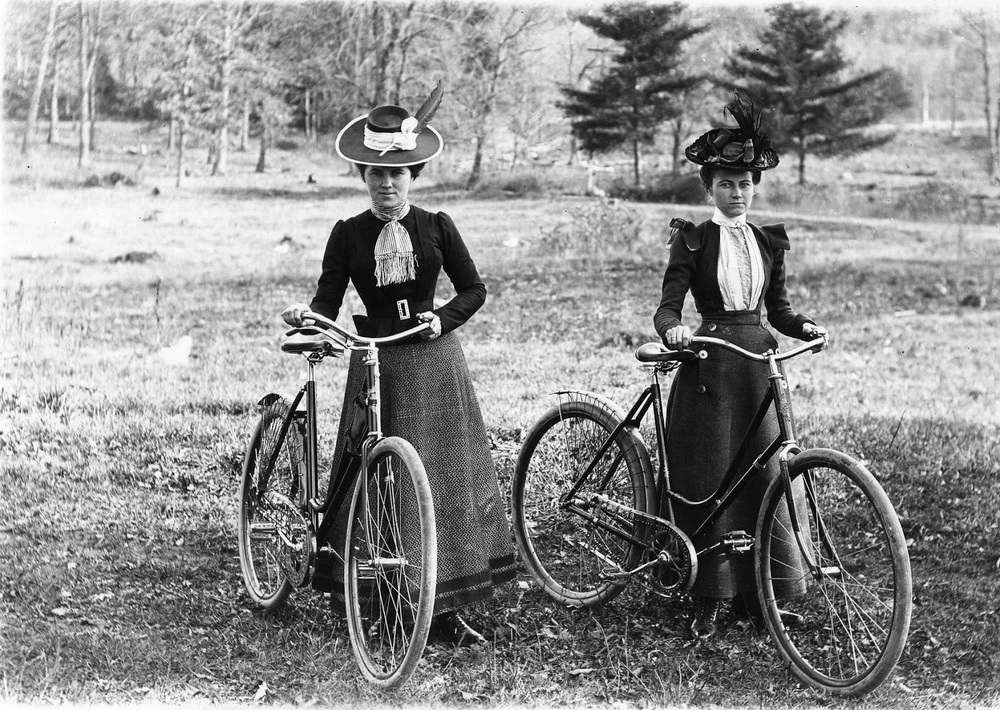
In the 19th century, female cyclists were warned about "Bicycle Face"—a fictional medical condition supposedly causing bulging eyes and a clenched jaw. 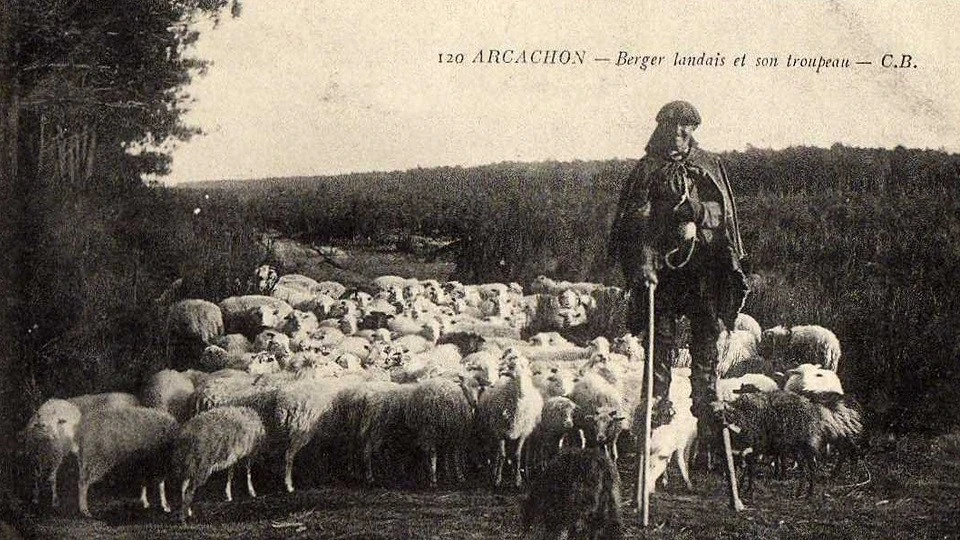
Shepherds in parts of France used to walk on high stilts to keep an eye on their flocks and stay out of the soggy marshlands. 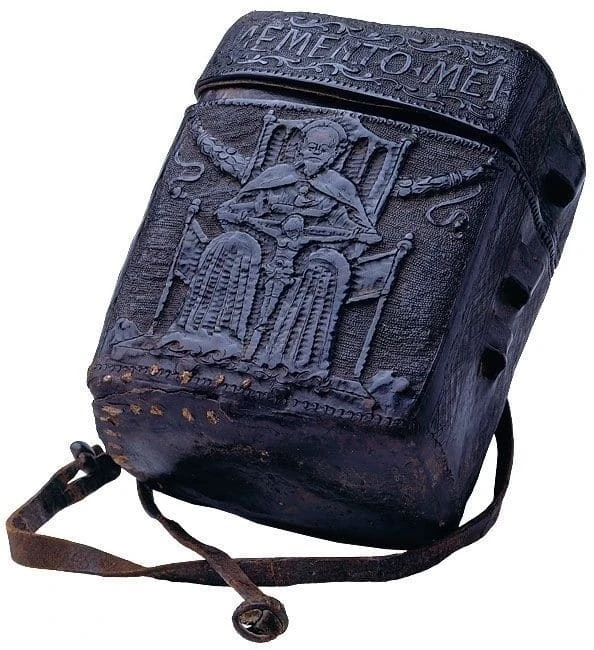
A medieval Italian satchel for carrying books. Looks like a backpack belonging to a heavy metal fan! 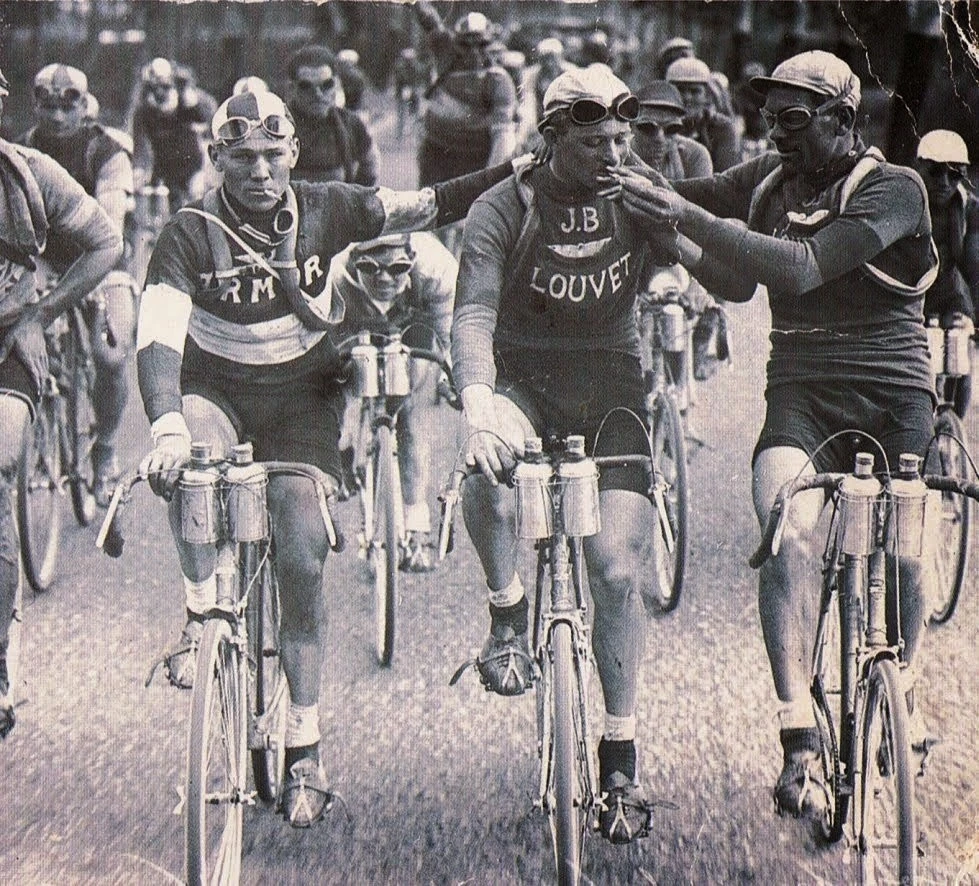
Cyclists taking a cigarette break during the 1920 Tour de France. 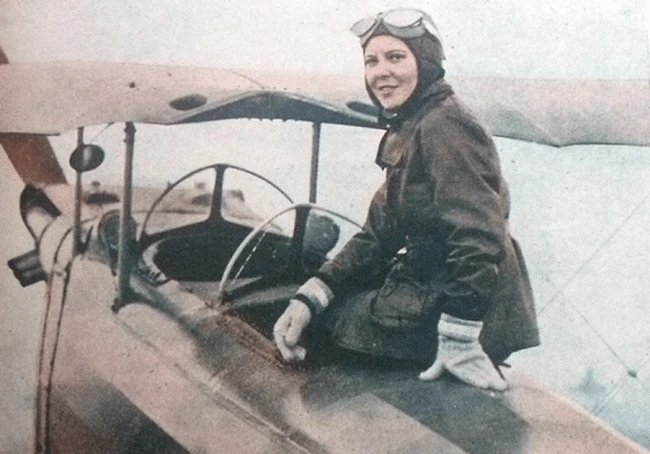
Sabiha Gökçen, one of the world's first female fighter pilots, pictured in 1937. 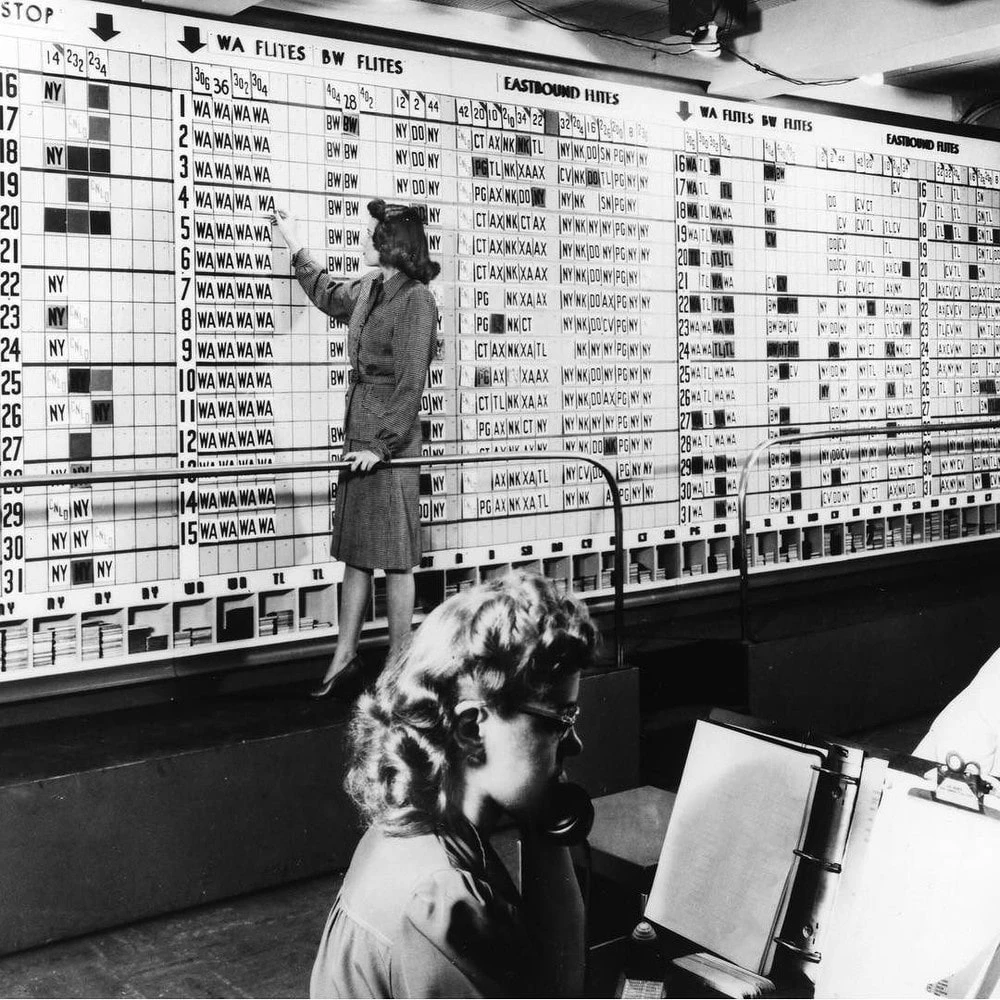
How airline reservations were tracked before computers took over, 1945. 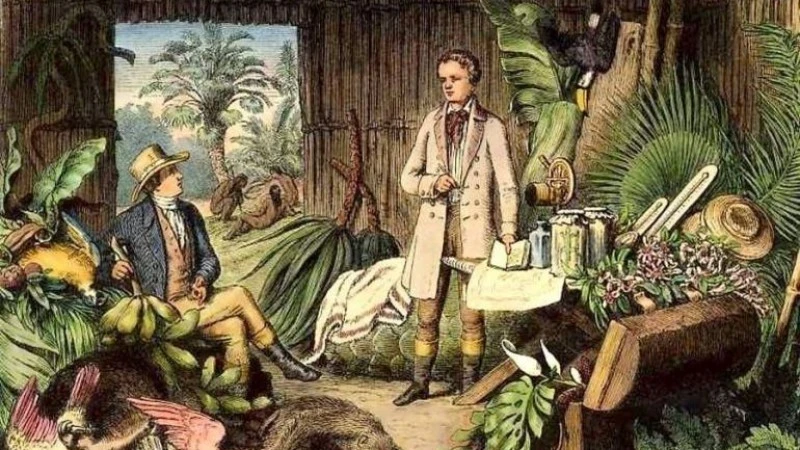
Alexander von Humboldt learned words from an extinct language spoken by an indigenous tribe—all thanks to a parrot that had outlived its original owners by 40 years. 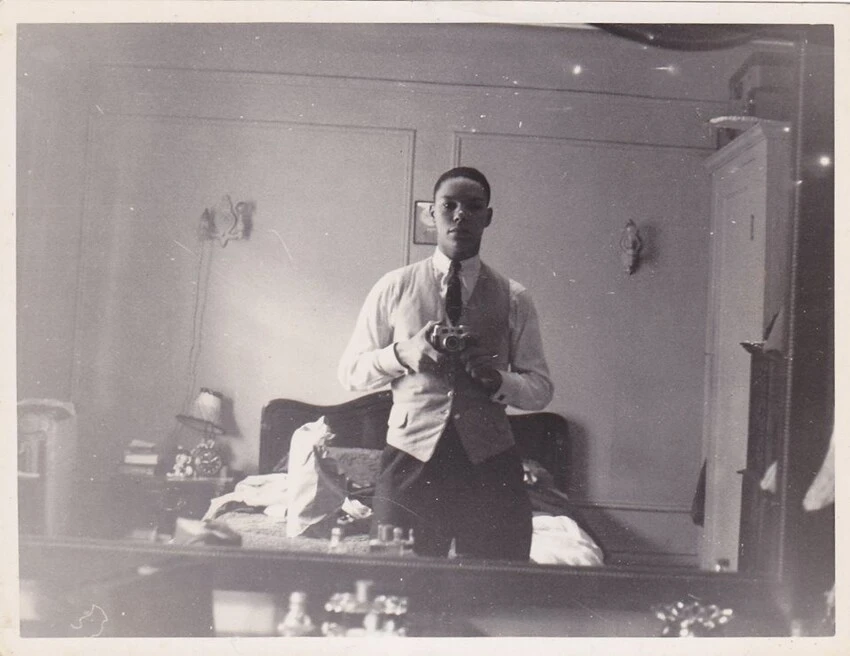
Former US Secretary of State Colin Powell took a selfie 60 years before it was cool.