History's Most Infamous Epidemics—And How They Came to an End (6 photos)
History teaches us that even the most devastating epidemics eventually come to an end—a reassuring thought given today's realities. But how exactly do epidemics end? What brings them to a close, and why? Let's take a look at what history can teach us. 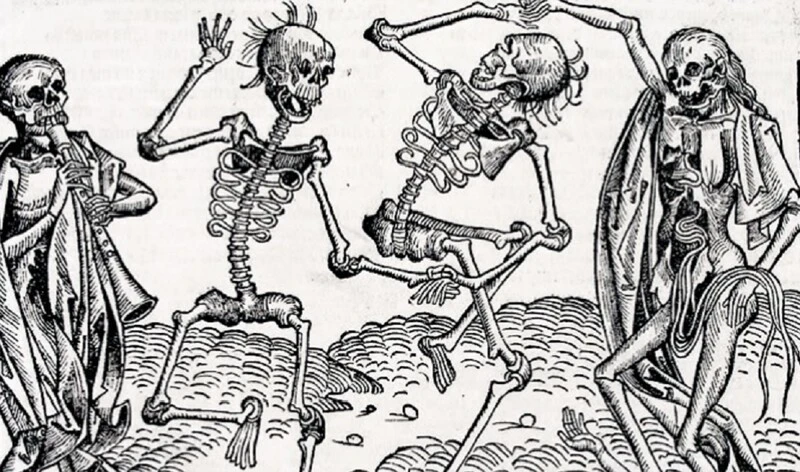
The Plague of Justinian: Running Out of Victims
Three of the deadliest pandemics in human history were caused by the very same bacterium: Yersinia pestis, the plague bacillus. 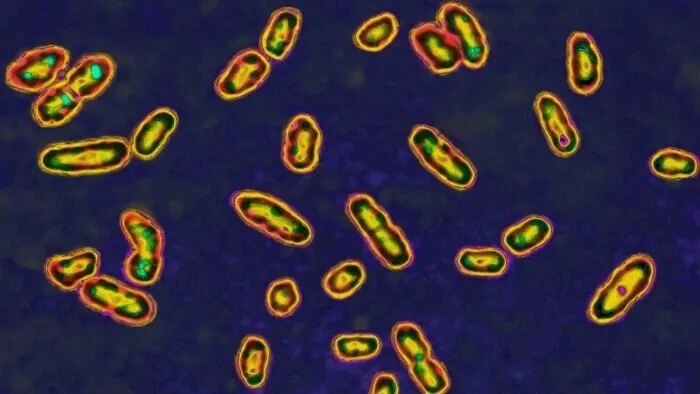
The first of these—and the first recorded pandemic in human history—struck Constantinople, the capital of the Byzantine Empire, in 541 AD. It arrived from Egypt across the Mediterranean aboard ships carrying grain tribute paid to the Byzantine Emperor Justinian. Along with the grain came rats, which spread infected fleas throughout the city.
The plague swept rapidly across Europe, Asia, and North Africa, killing an estimated 30 to 50 million people—nearly half the world's population at the time.
"People had no idea how to treat the disease; their only strategy was to avoid the infected," says historian Thomas Mockaitis of DePaul University.
The epidemic only subsided when the bacterium ran out of victims to infect: everyone who survived had contracted the disease in some form and developed immunity.
The Black Death: The Birth of Quarantine
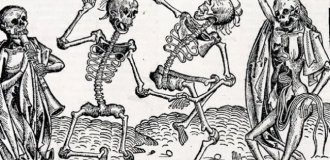
The plague returned to Europe 800 years later. The Black Death, which broke out in 1347, claimed roughly 200 million lives in just a few short years. 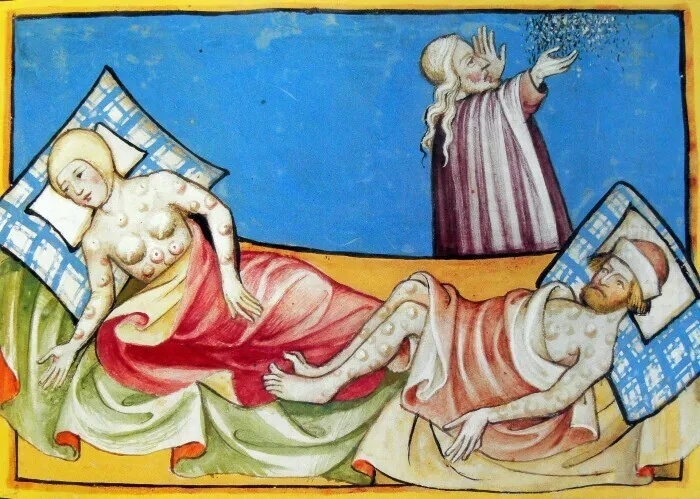
It was during this outbreak in the 14th century that Europeans first came to realize that infection was spread through person-to-person contact, leading them to introduce systematic measures to prevent transmission.
The port officials of Ragusa, then under Venetian control, were the first to take action. They required arriving ships to remain anchored offshore for 30 days, a period later extended to 40 days. During this time, no one was permitted to set foot on land. Only if no one fell ill during this isolation period was the vessel allowed to dock and its crew permitted to enter the city.
The strategy proved successful, bringing local transmissions to a halt. This practice gave us the word "quarantine," derived from
quarantino
, the Italian word for 40. The term—and the measure itself—quickly spread across Europe.
The Great Plague of London: Isolating the Sick
London saw little relief after the Black Death. Over the 300 years between 1348 and 1665, the British capital suffered around 40 plague outbreaks—more than once a decade on average. Each epidemic wiped out roughly 20 percent of the city's population. 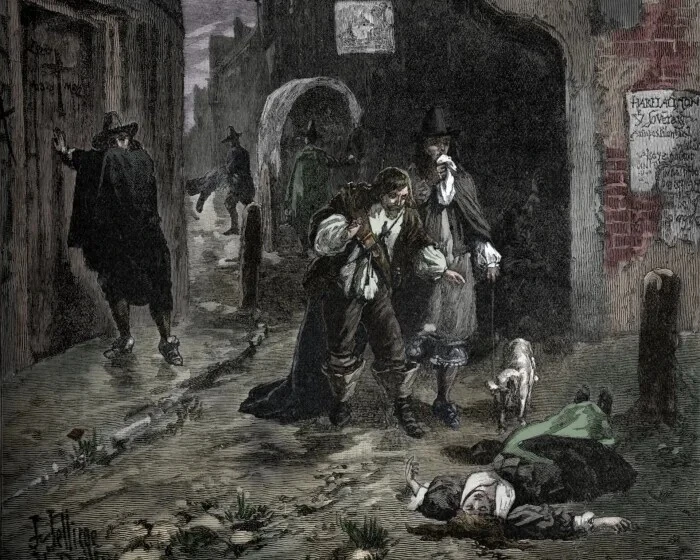
In the early 16th century, Britain enacted its first laws mandating the isolation of the sick. Infected households were marked with a bale of hay tied to a pole outside the entrance. Anyone with sick family members had to carry a white pole when walking in public. Cats and dogs were slaughtered in large numbers, as people believed they were spreading the disease.
The Great Plague of 1665 was the city's last and worst outbreak, claiming 100,000 lives in just seven months. To halt the spread, all public events were canceled. The sick were forcibly locked inside their homes, their doors marked with red crosses and the words: "Lord, have mercy upon us!" The dead were loaded onto carts and buried in mass graves. Harsh as these measures were, they effectively put an end to the plague in London for good.
Smallpox: The First Vaccines
Smallpox had long been endemic to the Old World, killing three out of every ten infected individuals and leaving survivors deeply scarred. Yet the death toll in Europe paled in comparison to the devastation it brought to the New World. 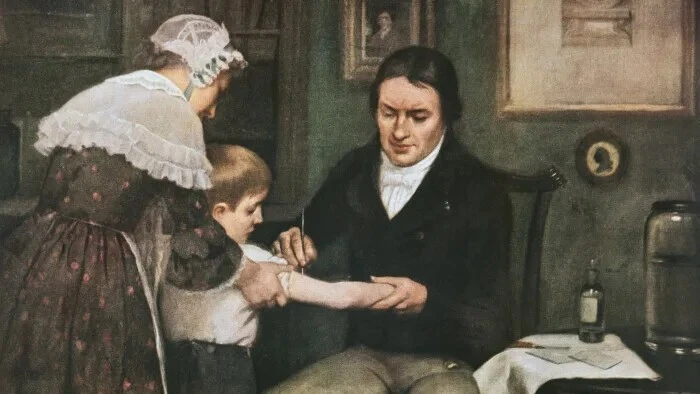
When smallpox arrived in the Americas with European explorers in the 15th century, it decimated tens of millions of Indigenous people who lacked natural immunity to the disease.
"Over the course of a century, smallpox wiped out 90 to 95 percent of the Indigenous population in what is now the United States and Mexico," Mockaitis explains. "Before the arrival of the conquistadors, Mexico had a population of 11 million; within a few decades, that number fell to just one million."
It was not until the late 18th century that humanity gained the upper hand against smallpox, thanks to the creation of the world's first vaccine. British physician Edward Jenner noticed that milkmaids appeared immune to smallpox. As it turned out, having previously contracted cowpox—a mild infection harmless to humans—they had developed immunity to smallpox itself.
Jenner tested his theory by inoculating his gardener's nine-year-old son with cowpox, before later exposing him to the smallpox virus. The boy did not fall ill. Jenner then began inoculating people on a wider scale.
"The final result of this practice may be the total annihilation of smallpox," Jenner wrote—and he was proven right.
Two centuries later, in 1980, the World Health Organization declared smallpox officially eradicated worldwide.
Cholera: A Victory for Sanitation
In the early to mid-19th century, cholera claimed tens of thousands of lives in Britain every year. Medical consensus at the time insisted the disease was transmitted through "miasma"—foul air. 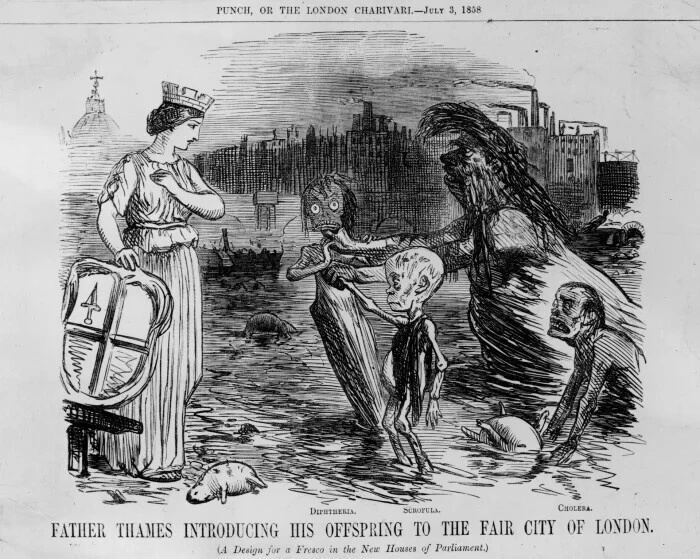
However, British physician John Snow suspected that this devastating illness, which could kill within days of the first symptoms, was lurking not in the air, but in London's drinking water. He examined hospital records and morgue logs to track the locations of outbreaks. Mapping cholera deaths over a 10-day period, he identified a cluster of roughly 500 deaths centered around a public water pump on Broad Street.
"On receiving these findings, I suspected that the water from London's most popular street pump was contaminated with cholera," Snow wrote.
He persuaded local authorities to remove the handle from the Broad Street pump, and the outbreak promptly ceased. While this breakthrough did not eradicate cholera overnight, it marked the first crucial step toward understanding the disease and combating it through proper sanitation and clean drinking water. Today, cholera has been eradicated in developed nations, though outbreaks still recur in developing countries where clean drinking water remains scarce.