In Islam, the consumption of any alcoholic beverages—and even dishes prepared with them—is strictly forbidden. Such intoxicants are known as "khamr," and the sin associated with violating this prohibition is referred to as "khamar." While many assume this ban existed from the very birth of Islam, that was not the case. Muslims were weaned off alcohol gradually, following the guidance of the Prophet Muhammad and his closest companions. 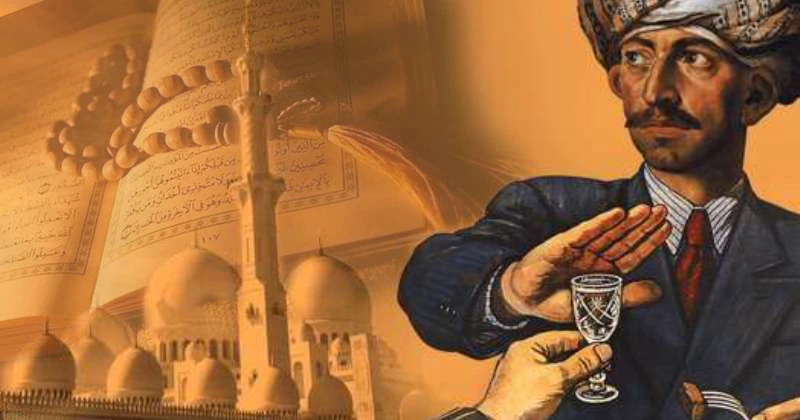
Historical Roots: Pre-Islamic Arabia
Islam emerged in the 7th century CE in the western part of the Arabian Peninsula. Since ancient times, this region had been inhabited by dozens of polytheistic tribes who took a fairly liberal approach to drinking. While distilled spirits were never popular among the Arabs, date wines and fruit ferments were in high demand. In the scorching heat and chronic water scarcity of the desert, these drinks helped locals cope with thirst. 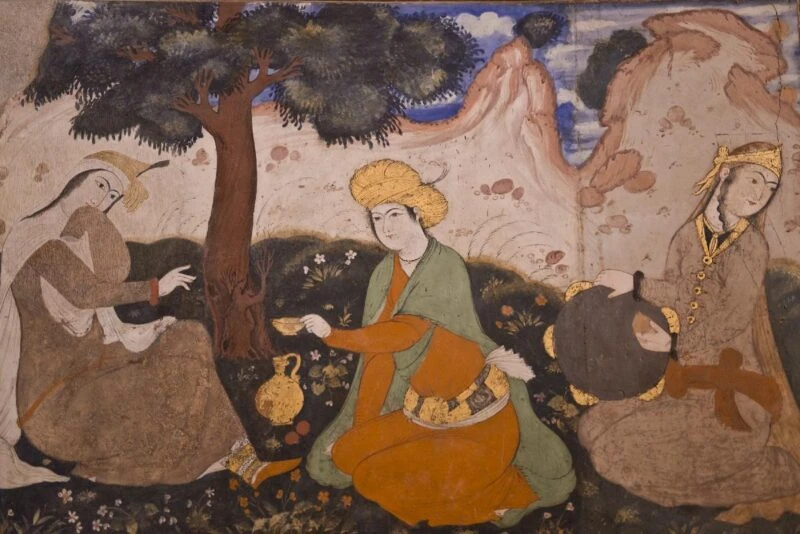
First Steps: The Prophet's Caution
Although these low-alcohol beverages rarely caused severe drunkenness, they were still addictive, bringing along all the usual pitfalls of dependency. Traveling and preaching through towns and settlements, Muhammad initially paid little heed to the Arab fondness for wine, even though he recognized that the habit boded no good. 
Preaching total sobriety right away would have alienated many in the Hejaz (the western region of the peninsula) who were considering Islam. Many families there ran profitable liquor trades, importing wine from Syria, which was renowned for its vineyards at the time.
A Step-by-Step Ban: From Disapproval to Total Taboo
Before long, however, Muhammad had to take a stand against drunkenness—prompted in part by his own followers. The Prophet's disciples were ordinary men with human weaknesses, and a fondness for drink was one of them. On several occasions, early converts got into drunken brawls with their rivals or were caught slurring their prayers.
The Messenger of Allah addressed the harms of alcohol very cautiously at first:
“They ask you about wine and gambling. Say, ‘In them is great sin and yet some benefit for people. But their sin is greater than their benefit.’” (Surah Al-Baqarah, 2:219). 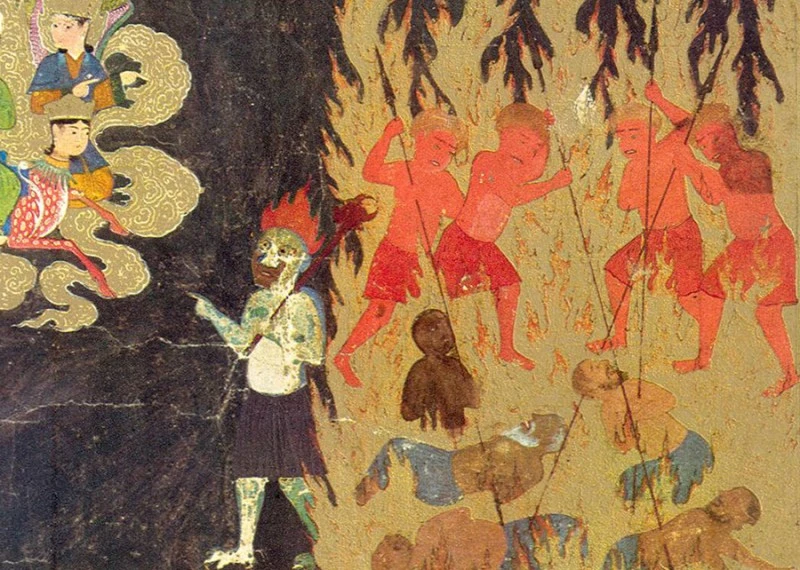
Shortly thereafter, a verse was revealed forbidding believers from performing prayer while intoxicated:
“O you who have believed, do not approach prayer while you are intoxicated until you know what you are saying...” (Surah An-Nisa, 4:43).
Later revelations in the Quran made the total ban explicit:
“Satan only wants to cause between you animosity and hatred through intoxicants and gambling and to avert you from the remembrance of Allah and from prayer. So will you not desist?”
Broadening the Concept of "Khamr"
Thus, Islamic theology established the concept of "khamar"—the grave sin of consuming substances that cloud the human intellect. Muhammad’s concise phrasing led Islamic scholars to elaborate extensively on "khamr." Over time, the prohibition came to encompass not just alcohol and narcotics, but any mind-altering or inhalant substances, including gasoline, acetone, and glue. 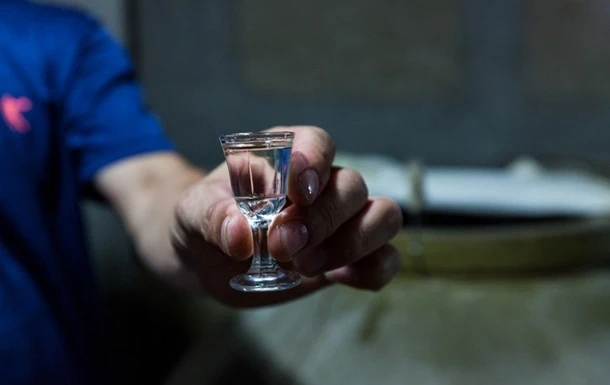
Alcohol in Medicine: The Islamic Stance
Muslim scholars have also taken a clear position on using alcohol for medical purposes. The tradition recorded by Abu Dawud cites the Prophet Muhammad as saying:
“Indeed, khamr is not a cure; it is a disease. Allah has sent down both the disease and the cure, and He has appointed a cure for every disease, so treat yourselves medically, but do not use what is unlawful.” 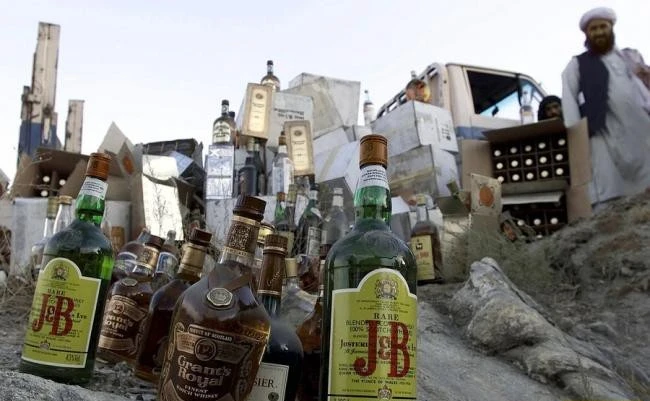
Five Pillars of the Prohibition: Prayer and Accountability
The Islamic ban on alcohol rests on five core principles. First and foremost, Muslims are required to perform prayer five times a day, and the Prophet forbade doing so while intoxicated. In practice, even having a single drink makes it nearly impossible to be entirely sober by the next prayer time, leading to a major transgression.
In his work *Al-Ahad*, scholar Ibn Abi ‘Asim quotes the Prophet Muhammad:
“Whoever drinks wine, his prayer will not be accepted for forty nights. And if he dies while any of it remains in his bladder, Paradise will certainly be forbidden to him!”
Loss of Reason and Willpower
For a believer, what could be worse than being barred from the gardens of Paradise? The second reason to abstain is that intoxication strips away self-control and personal responsibility, paving the way to violate the commandments of the Quran. The Hadith collector Ibn Majah records:
“Drinking an intoxicant and worshipping fire are sins of the same magnitude. A person who worships fire has gone astray and does not acknowledge Allah. Likewise, a person who drinks an intoxicant loses his senses while drunk and fails to acknowledge Allah.” 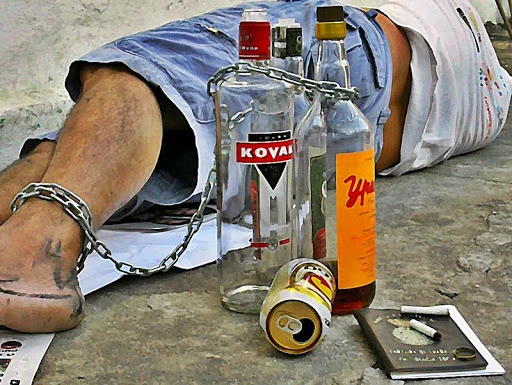
Aggression, Degradation, and Bad Example
The third reason behind the ban is the intoxicated person's propensity for indecent and criminal behavior, violating not only religious tenets but the basic laws of society. Aggression, vanity, loose speech, lust, blasphemous thoughts, and other destructive impulses can take over once a person is under the influence.
Fourth, sustained alcohol abuse leads to gradual physical, intellectual, and spiritual degradation. Finally, there is the moral and social dimension: someone who drinks sets a poor example for others, especially the younger generation, fueling the spread of vice. 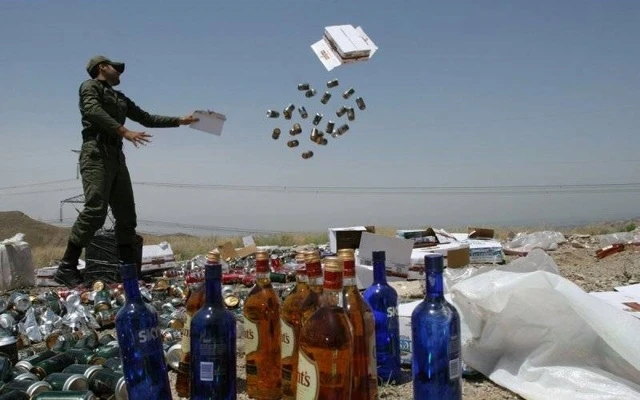
A Curse on All Involved
The restrictions do not stop at drinking. Islam forbids any involvement in the alcohol trade whatsoever. As the companion Ibn Umar reported:
“Allah has cursed alcohol, the one who drinks it, the one who pours it, the one who sells it, the one who buys it, the one who presses it, the one for whom it is pressed, the one who carries it, and the one to whom it is carried.”
Repentance, Punishment, and Heavenly Wine
Islamic tradition offers forgiveness up to three times, provided the person genuinely repents. After a fourth offense, mercy is withheld, and according to traditions recorded by Ibn Majah, such a transgressor will be made to drink the discharge of the inhabitants of Hell. The Quran warns that unrepentant drinkers will not enter Paradise, while those who remain sober in this life will enjoy “rivers of wine, delicious to those who drink” in the Hereafter (Surah Muhammad, 47:15). 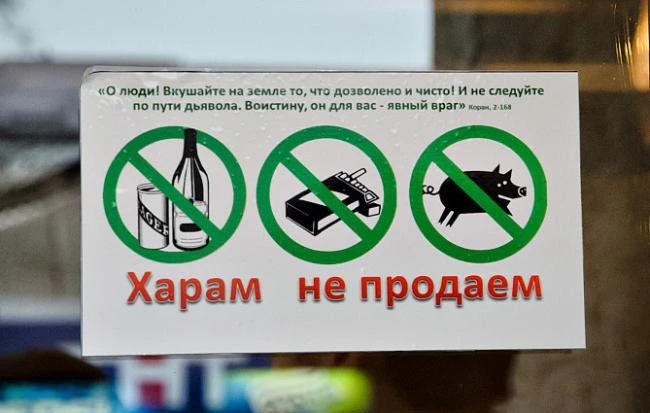
Islam also maintains other distinct personal lifestyle rules outlined by Muhammad and his companions, such as the prohibition against men wearing gold or pure silk.
Do you think such an absolute, comprehensive ban on alcohol is an effective way to safeguard society's moral and physical health, or is it overly strict? Share your thoughts in the comments below!
Add your comment
You might be interested in:

















Spanish is easy, right?

Gray in the beard, a devil in the ribs (acting wild in

Techno music played on classical instruments

A sea breeze at sunset

A Chevrolet lost its rear axle while the driver was

In China, a unique method for clearing fallen leaves has

A cat falls in love with its owner’s new cactus

In Ecuador, a boy rides a llama to school every day

In the U.S., a drone delivered food to a monkey
