13 Historical Facts That Sound Like Fiction But Are Actually True (14 photos)
Sometimes reality is stranger than fiction. History is full of events and facts that sound so incredible, it’s hard to believe they actually happened. We’ve put together a collection of amazing true stories from the past. Ready to discover a few unexpected pages of history? Read on! 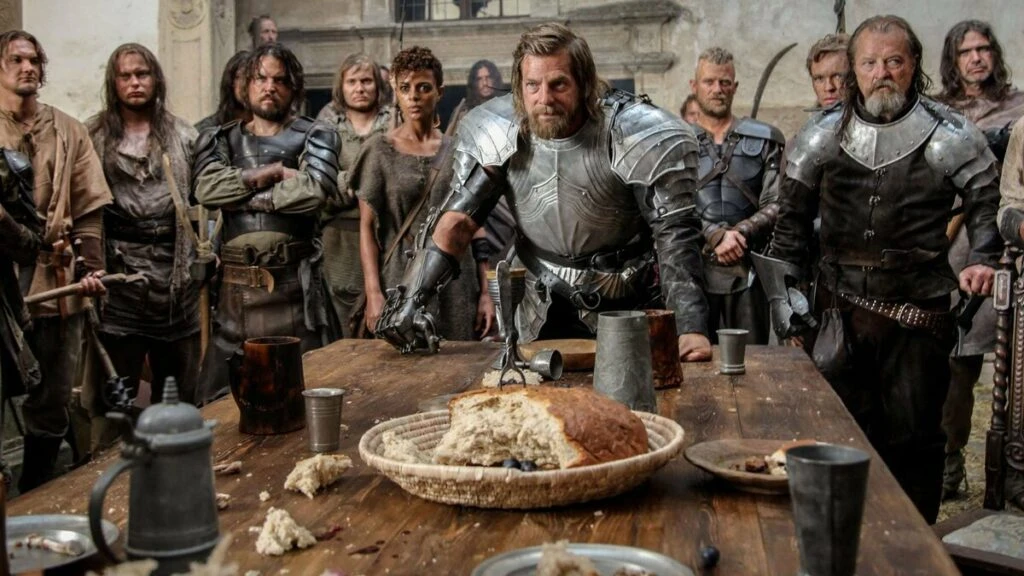
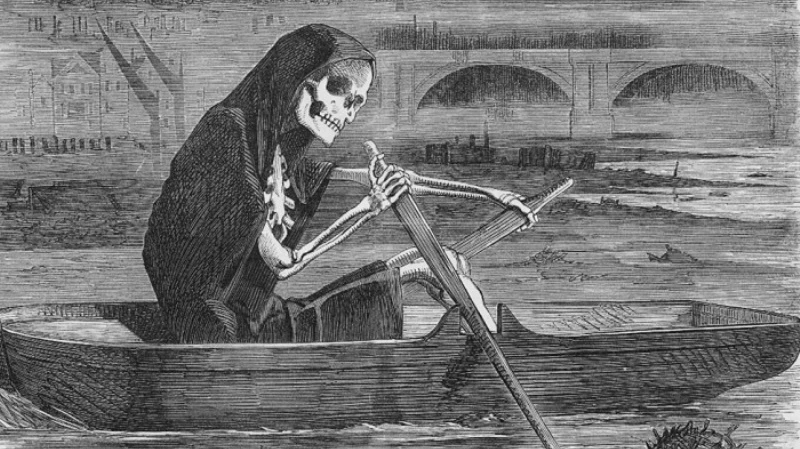
1. In 1858, London was struck by "The Great Stink." During an extraordinarily hot summer, the River Thames—which served as the city's main sewer—began to dry up, triggering an unbearable stench. The crisis forced members of Parliament to abandon their country estates, convene, and take action. Their solution was a complete overhaul of London's sewage system. 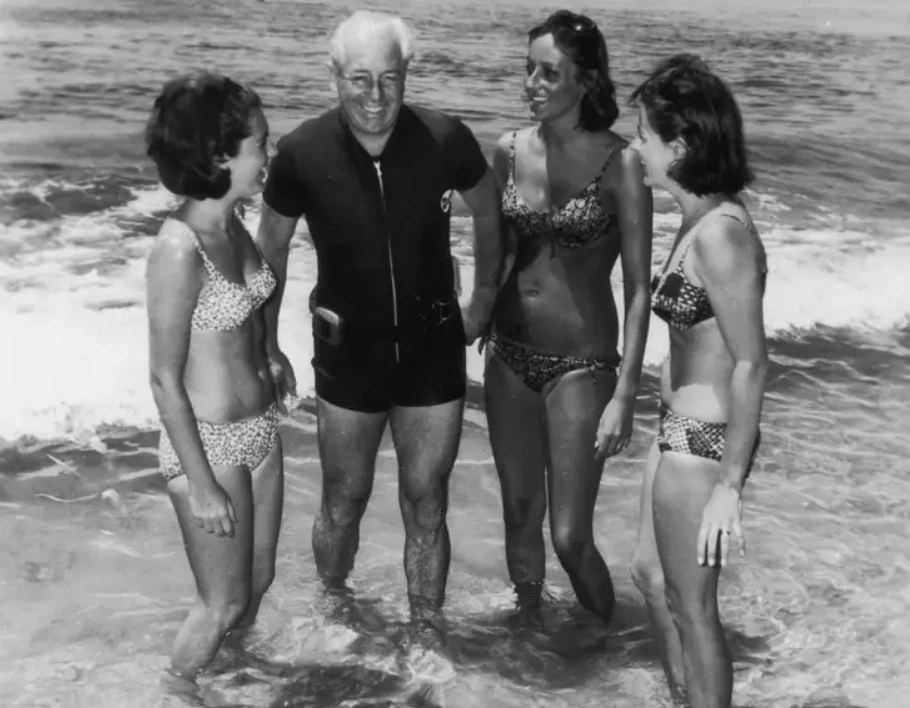
2. In 1967, Australian Prime Minister Harold Holt vanished without a trace, and to this day, no one knows what happened to him. 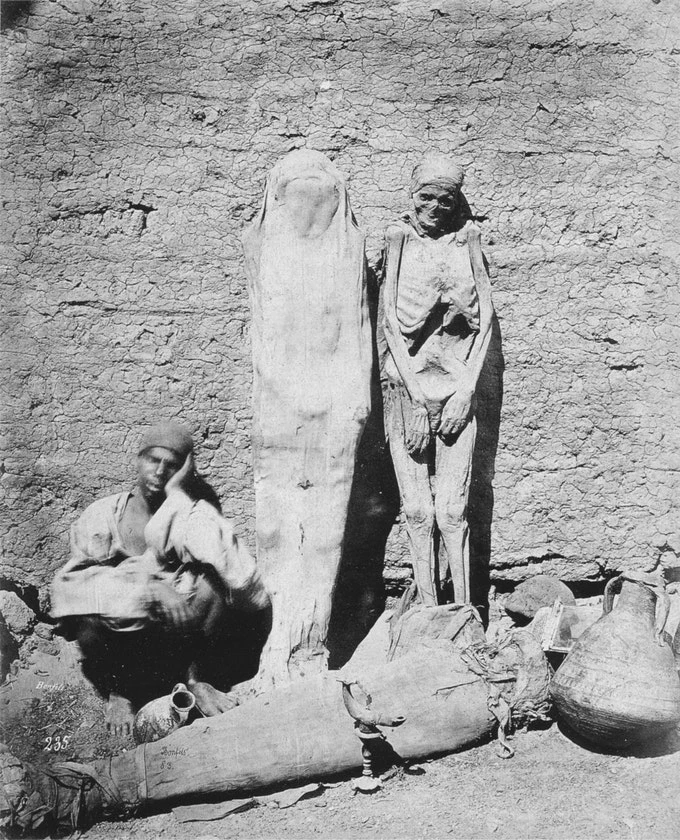
3. In 19th-century Egypt, mummies were sold right on the street. Tourists bought them as novelty souvenirs to show off back home. Even stranger, from the Middle Ages well into early modern history, Europeans actually consumed pulverized mummies, believing them to be a cure-all remedy. 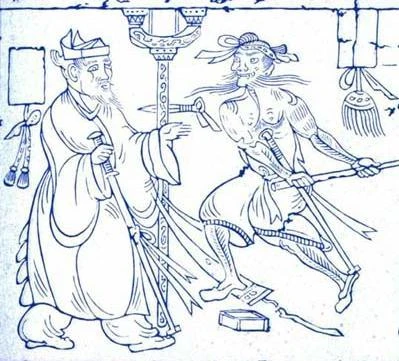
4. An ancient Chinese emperor once managed to survive an assassination attempt simply by running around a pillar until help arrived. 
5. In 2007, paraglider Ewa Wiśnierska was caught in a powerful updraft that swept her up to an altitude of nearly 33,000 feet (10 km). She lost consciousness almost immediately and didn't wake up until she descended to around 11,500 feet (3,500 meters). She landed safely 3.5 hours later, 37 miles (60 km) from where she started. 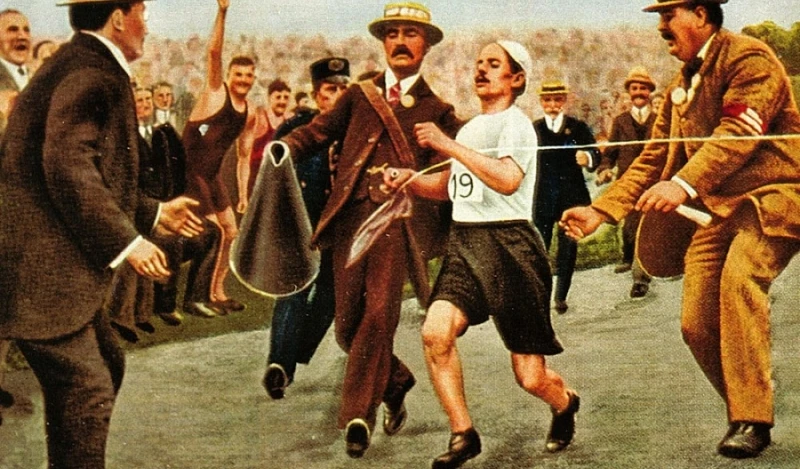
6. The 1904 Olympic marathon in St. Louis was utterly bizarre. The initial "winner" drove most of the race in a car. The actual winner, who crossed the line second, had to be carried across by his trainers. Throughout the race, they fed him brandy laced with rat poison (strychnine) and refused to give him water. He was awarded gold after the car driver was disqualified.
The third-place runner was unremarkable, but fourth place went to a Cuban mailman who likely would have won had he not eaten rotten apples from a roadside orchard, developed severe cramps, and taken an hour-long nap mid-race. Afterwards, he immediately lost all his prize money at a local casino.
The 9th and 12th place finishers were South African students who were in town and decided to enter on a whim; one ran barefoot, while the other was chased off course by a pack of stray dogs. Half the field had never run a marathon before, and conditions were so severe that several runners nearly died. The course featured only a single water stop for the entire distance. 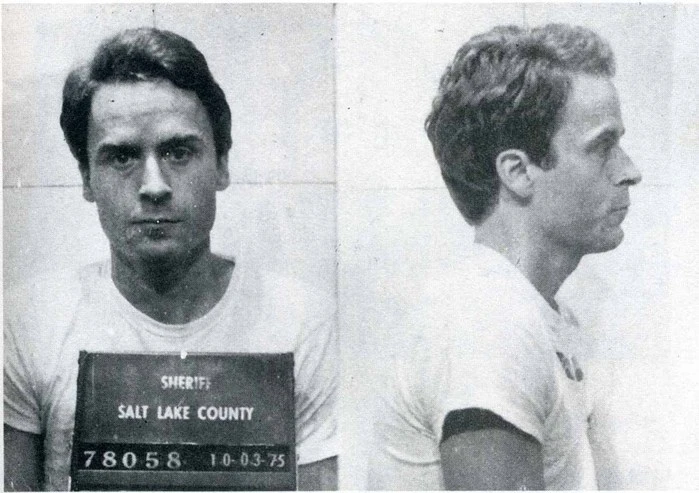
7. Serial killer Ted Bundy escaped from custody twice. The first time, he jumped out of a three-story building window. The second time, he disguised himself as a guard and walked right out the main entrance. 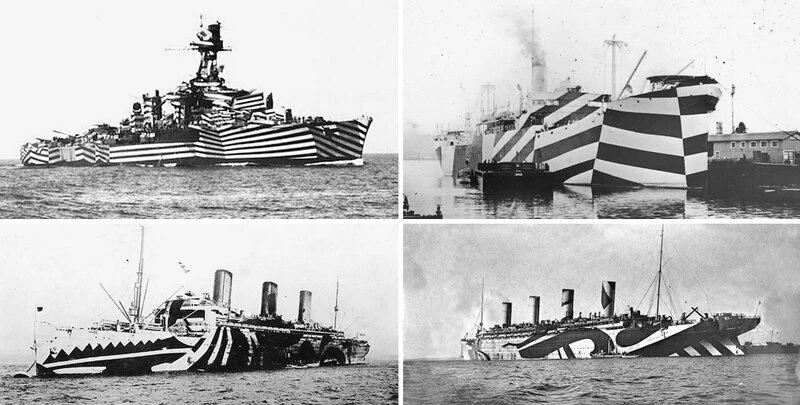
8. During World War I, navies recruited numerous artists to paint "dazzle camouflage" on warships. These geometric patterns confused enemy gunners, making it difficult to determine a ship's heading and speed. 
9. One of the longest piano pieces ever written is Erik Satie’s "Vexations." The 180-note composition is meant to be repeated 840 times, lasting roughly 18 hours and 40 minutes. At its public premiere in September 1963, ten pianists took turns playing. A music critic fell asleep at 4:00 AM, and by the time the performance ended, only six audience members remained—one of whom shouted "Encore!" 
10. Flight attendant Vesna Vulović survived a fall from 33,330 feet (10,160 meters) after her plane exploded mid-air. She holds the world record for surviving the highest fall without a parachute. 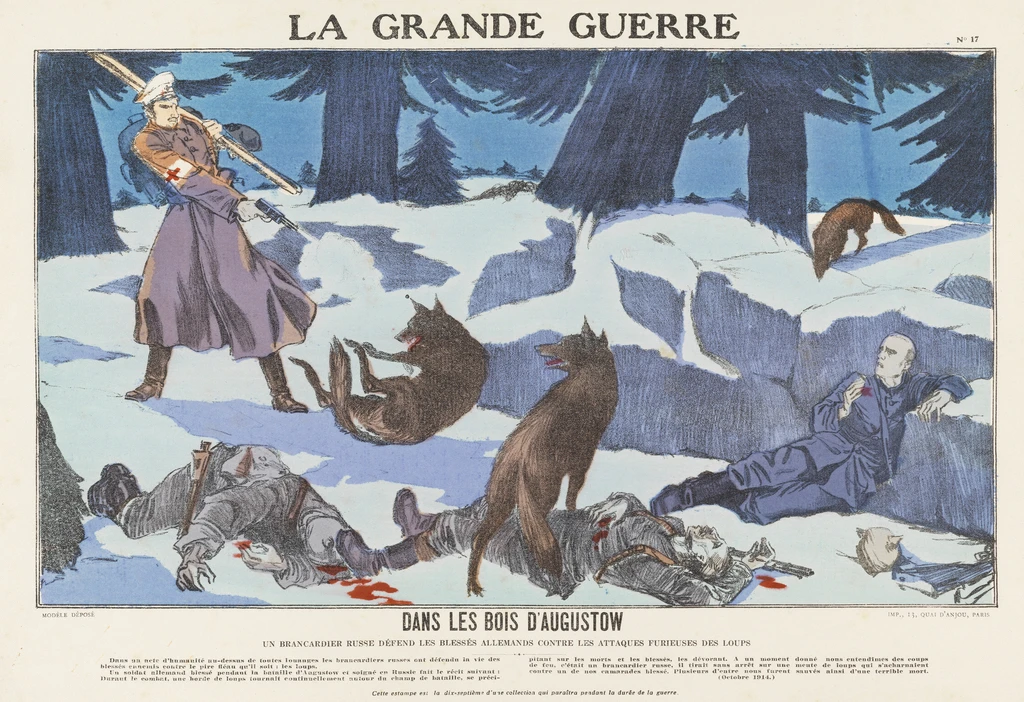
11. During World War I in Poland, German and Russian forces temporarily called a ceasefire to join forces and fight off a massive pack of hungry wolves attacking their troops. 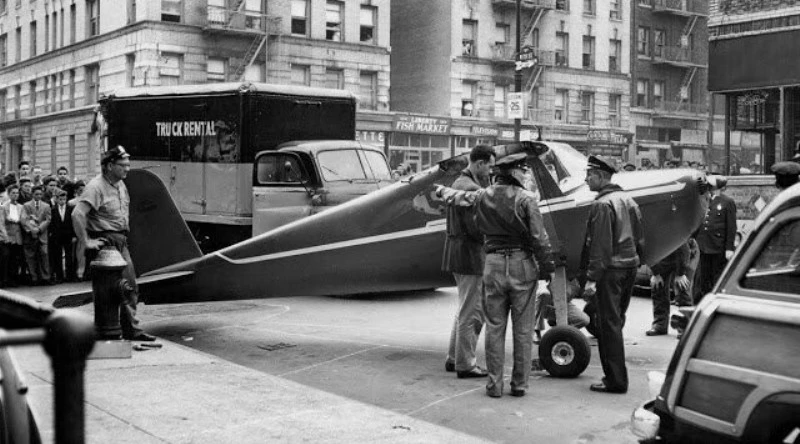
12. In 1956, Thomas Fitzpatrick stole a small plane on a bar bet and landed it on a narrow Manhattan street right in front of his favorite tavern. Two years later, he repeated the stunt simply because someone doubted he had done it the first time. 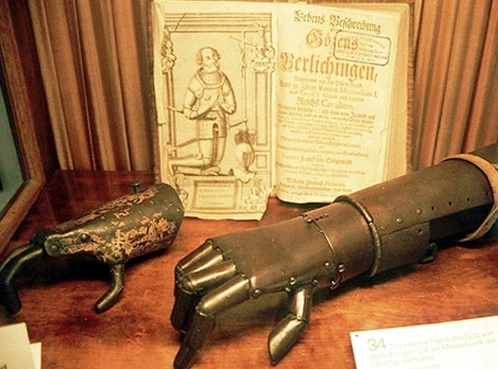
13. In 1504, a German knight lost his right arm during battle. Instead of retiring, Götz von Berlichingen—known as "Götz of the Iron Hand"—had a sophisticated iron prosthetic made and kept fighting with it for another 40 years. He spent his final days at Hornberg Castle, and his famous iron hand can still be seen in a museum today.