The Bear Cuscus: Indonesia's Bizarre Blend of Raccoon and Sloth (9 Photos)
Who exactly are the cuscuses? Well, that remains a big mystery! No, seriously—hardly anyone even knows the bear cuscus exists, let alone how it lives. Yet these aren't tiny little rodents, but sizable creatures weighing as much as a raccoon! 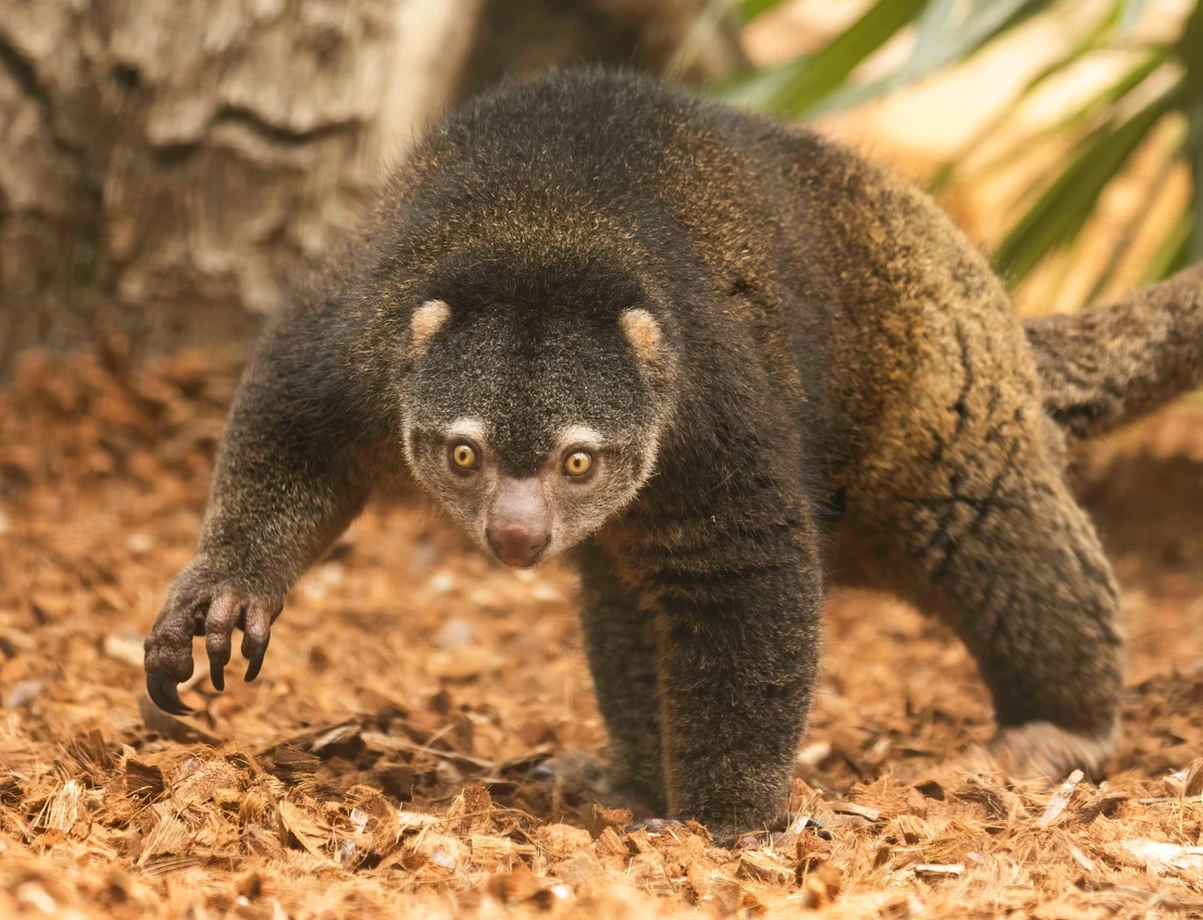
To start with, the cuscus is a master of deception. Not only does it have zero connection to the grain (couscous), but the "bear" in its name is more misleading than informative. Despite a superficial resemblance, they couldn't be more different from true bears. In fact, evolutionarily speaking, bears are closer to whales and elephants than to these stocky, short-legged creatures! 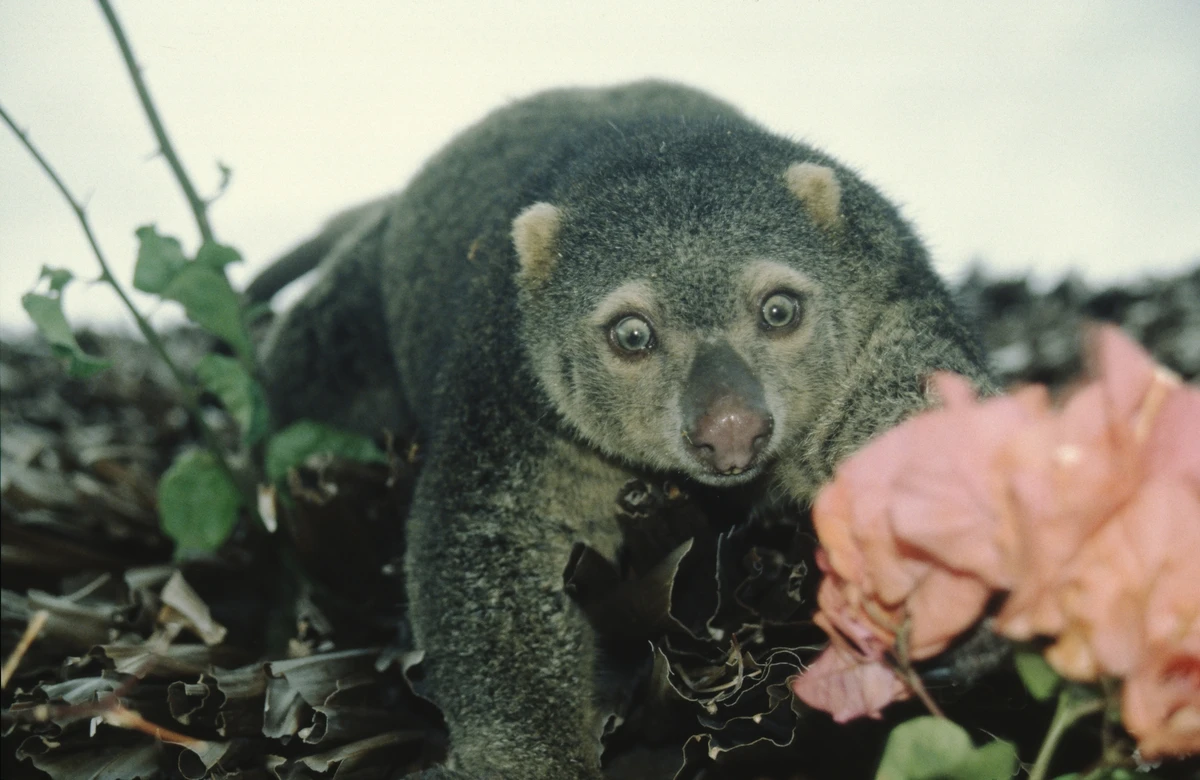
Not couscous, not a bear... and hardly looks like a fraud. Just look at that sweet little face!
That's because the bear cuscus is a marsupial. Like other marsupials, females give birth to highly underdeveloped young, then nurse them to maturity inside a belly pouch. Their evolutionary path split from placental mammals—including us—roughly 180 million years ago, back when dinosaurs ruled the planet and birds didn't even exist yet. 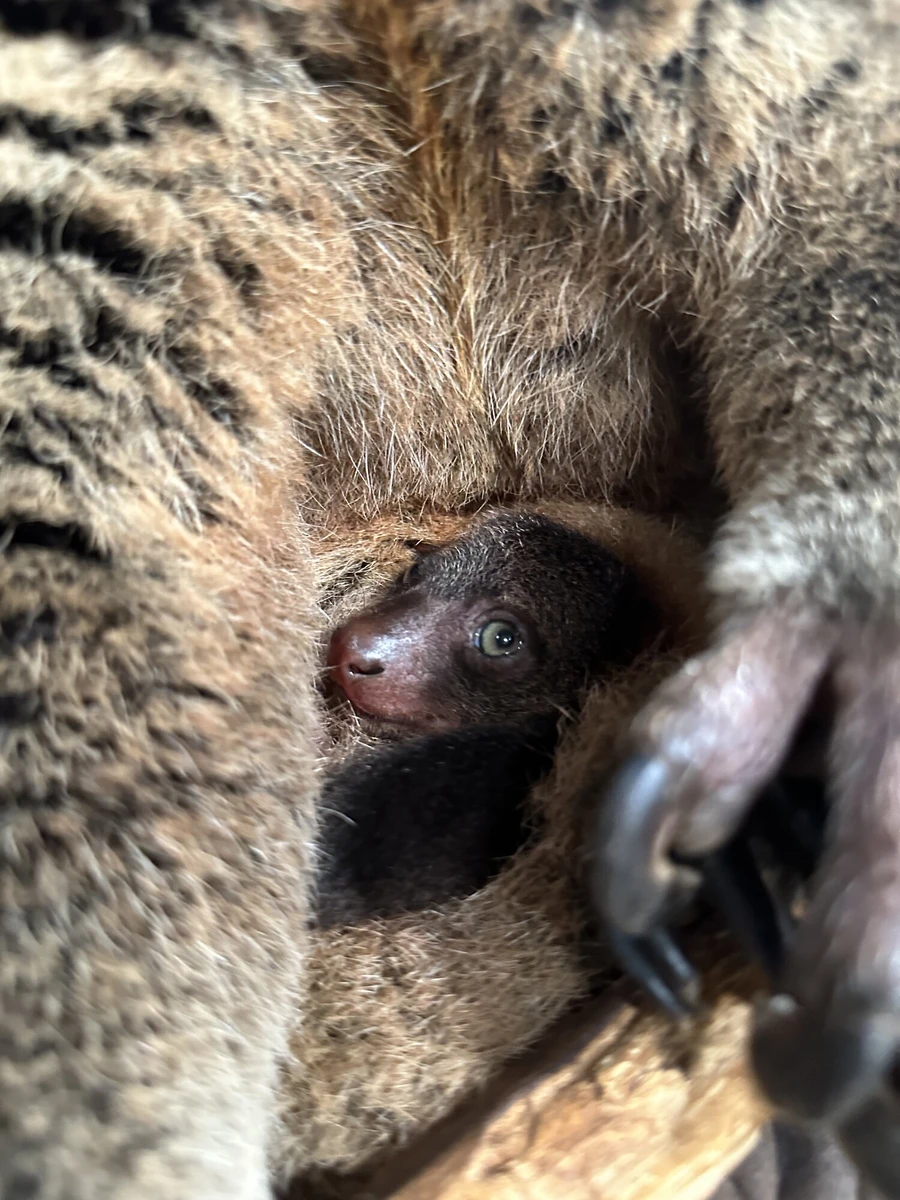
So tiny, hasn't even left the pouch yet. But already looking at the world like a grown-up. 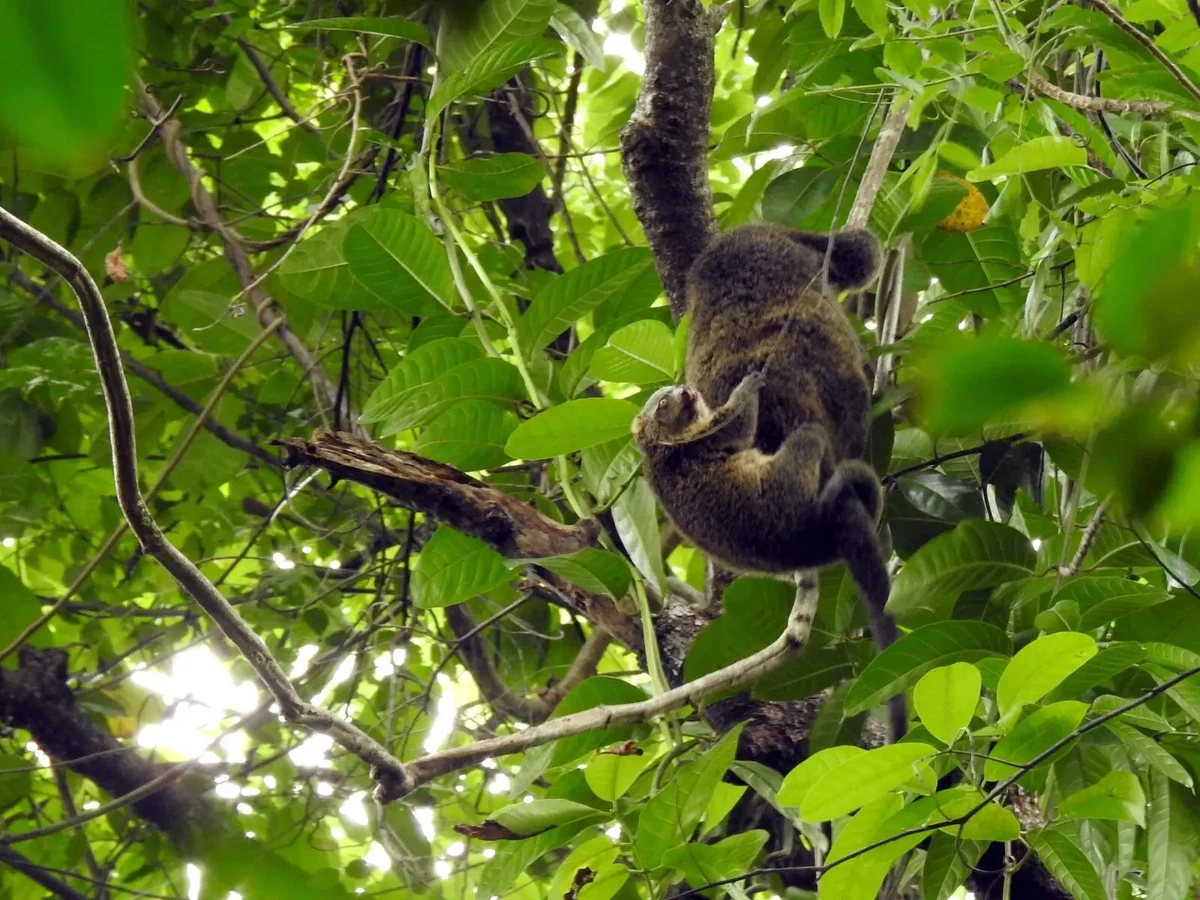
Mooom! I'm gonna fall! Mom, wait up!
Behaviorally, cuscuses most closely resemble sloths. While they are a bit more agile and active than true sloths, they are still among the slowest marsupials on the planet. Their metabolism is remarkably sluggish—a cuscus has a body temperature of just 34–35°C (93–95°F) despite weighing up to 7 kilograms (15 lbs). Placental mammals of similar size, such as cats or rabbits, run much hotter, maintaining body temperatures around 39–40°C (102–104°F). 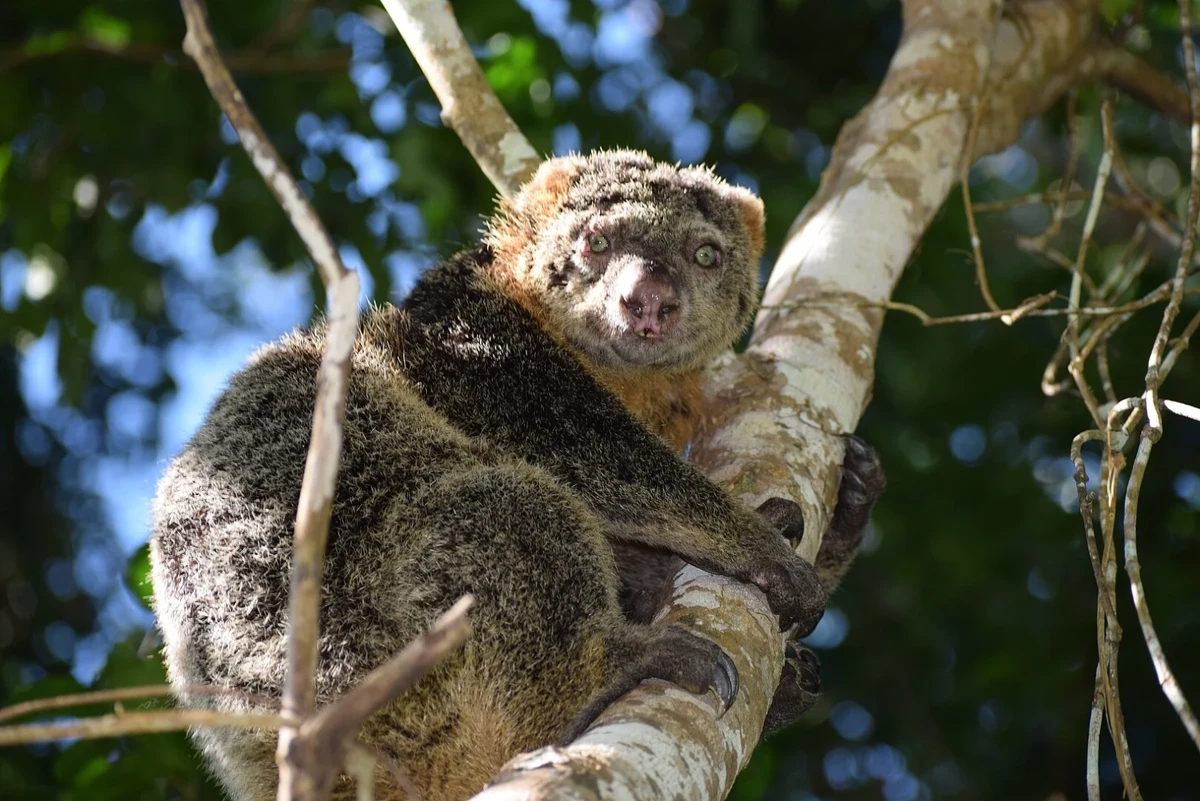
Personally, I think cuscuses look far more like lemurs than bears. 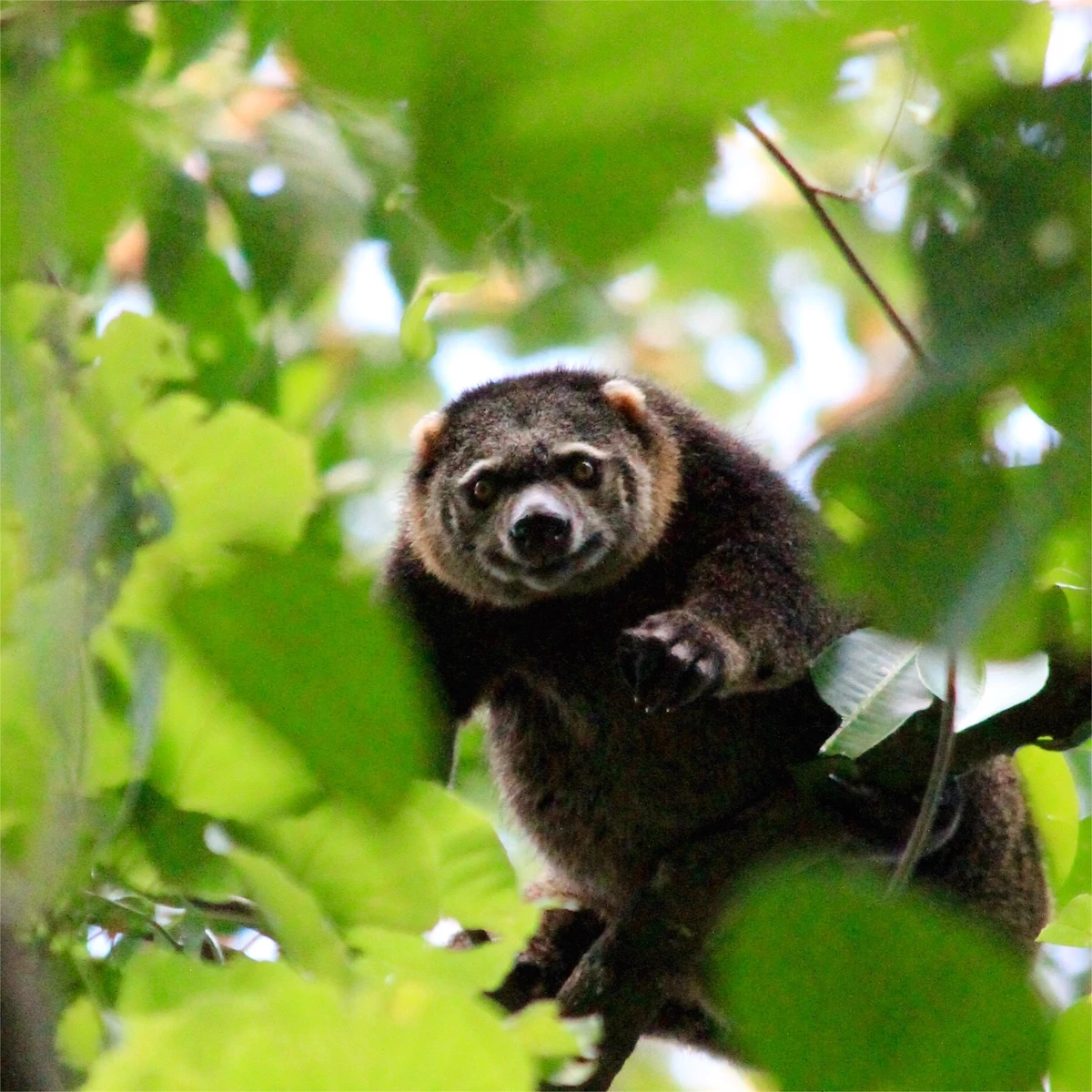
Ooh, leaves—my absolute favorite! How did they know?
Their diet is also strikingly similar to that of sloths. These forest dwellers of Sulawesi, Indonesia, feed almost exclusively on fig and mulberry leaves, spending only a couple of hours a day eating. Another 18 to 20 hours are spent snoozing away while digesting the fibrous, low-calorie foliage, leaving whatever time is left for grooming and a semblance of a social life. 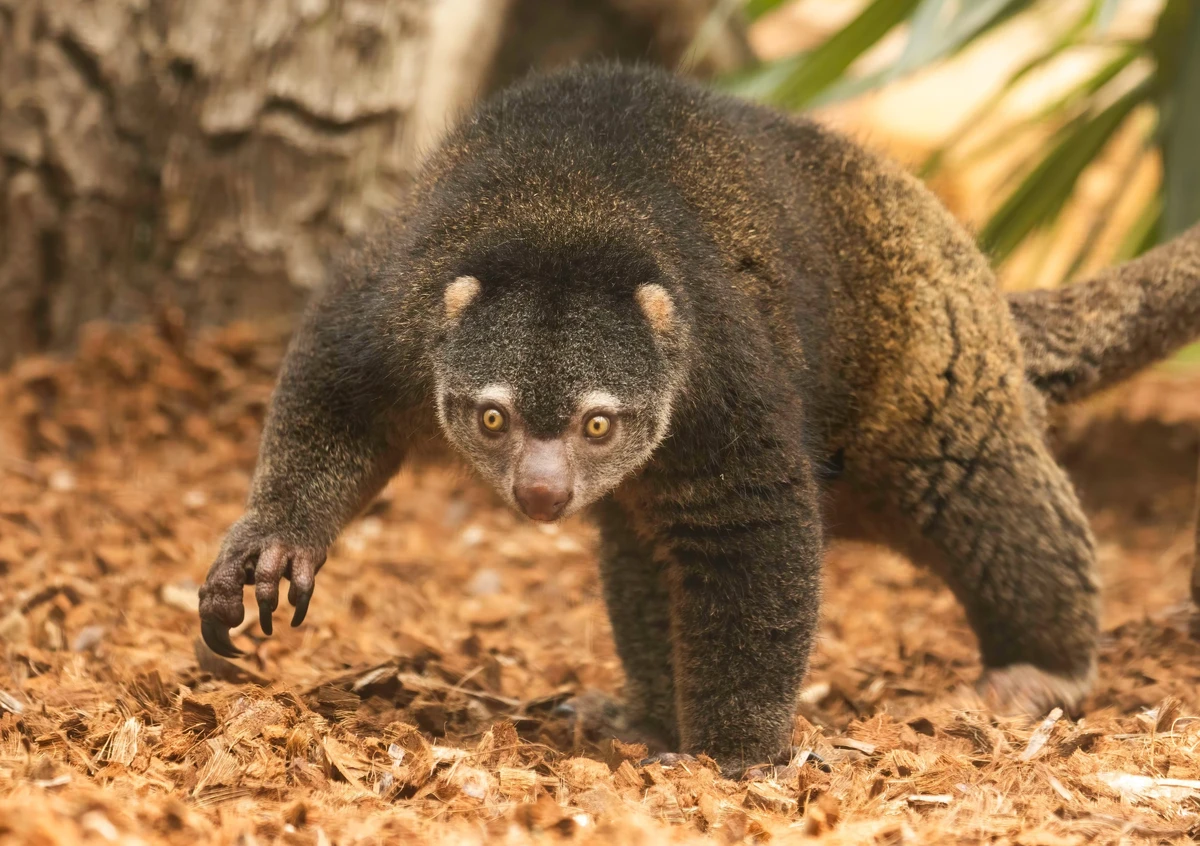
Trudging from the tree where it was sleeping to another tree. Where it will sleep.
Bear cuscuses aren't particularly territorial or outgoing, but they still prefer sticking around in small groups, meeting up at least once a day to play and groom each other's fur. They devote an average of 0.6% of their day—roughly 8.5 minutes—to these leisure activities. Talk about an extravagant luxury! 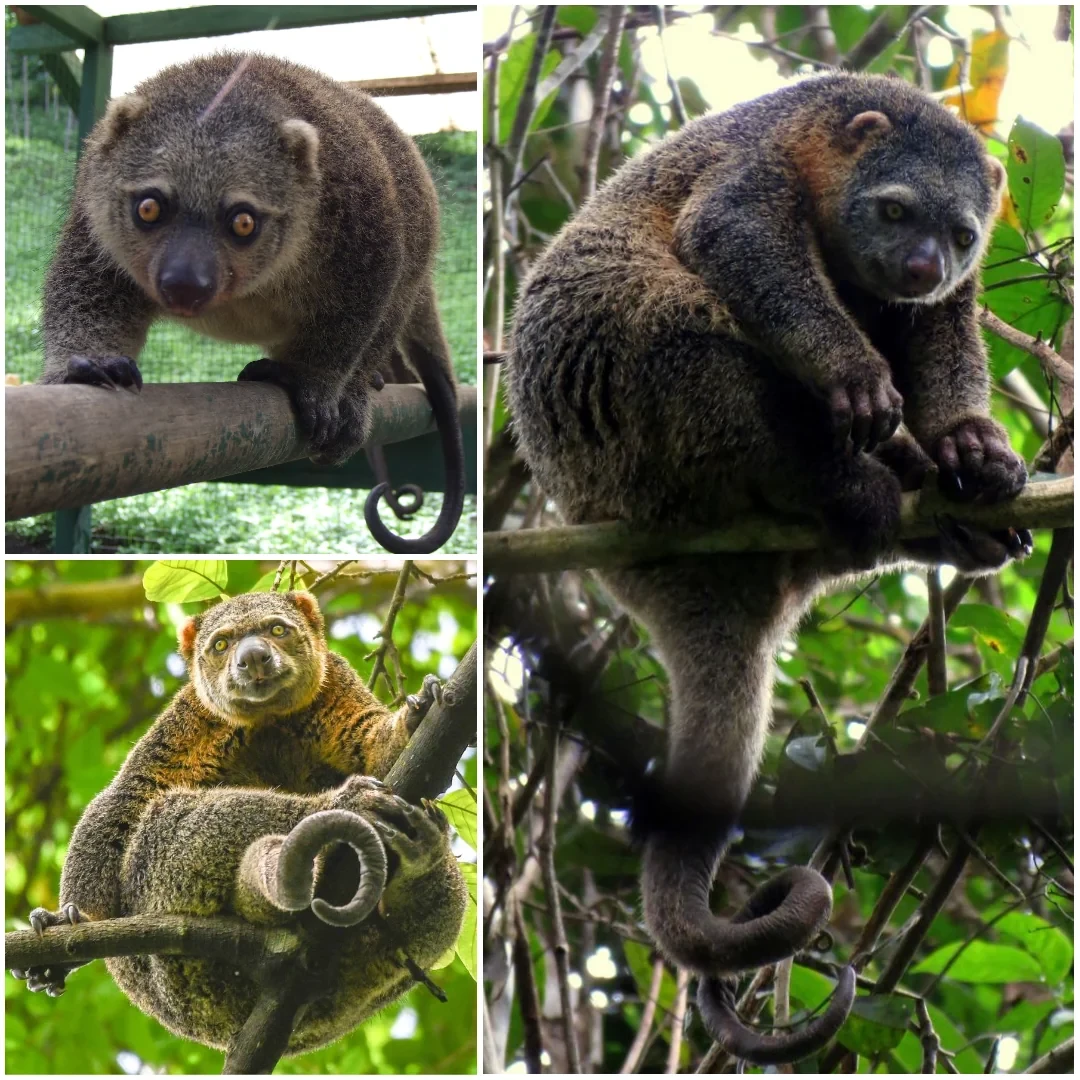
Cuscuses are true masters of awkward poses. Photographers must love them.
To be fair, that window doesn't account for courtship rituals. But those don't make it into any statistics anyway, since we can't even tell for sure if they exist. Cuscuses reportedly make distinct vocalizations and intertwine their tails rather sweetly before mating, but field observations have been far too scarce to confirm it. Indonesia is a developing region, after all, and funding to study these little marsupial "bears" is simply in short supply. 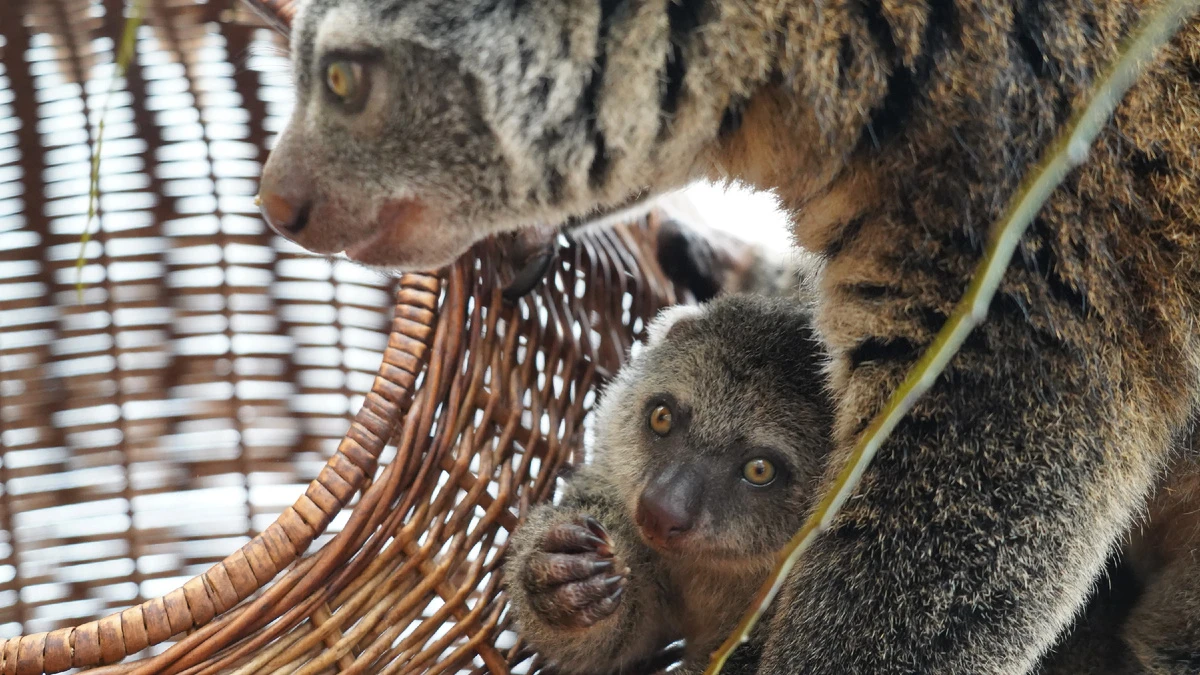
A mama cuscus and her joey. Both live at the Wrocław Zoo in Poland.
Meanwhile, these little "bears" are quietly slipping toward extinction. The reason is frustratingly routine: habitat destruction. Humans clear forests and plow fields to grow food—for themselves, not for cuscuses. And so the cuscuses are left to crowd into ever-shrinking patches of jungle.