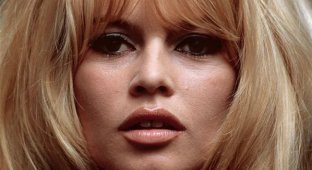
She was trembling with fear — and that's exactly how she became an icon of seduction (13 photos)
She landed the cover of Harper’s Bazaar at just 18 — a nervous girl from a working-class neighborhood in the Bronx whose hands and head wouldn't stop shaking. A few months later, Hollywood was mesmerized: on screen emerged a woman whose smoldering gaze could bring anyone to their knees. The truth was that "The Look" — which went down in cinematic history as one of the most seductive screen personas of the 20th century — was born purely by accident. It was simply a desperate attempt to stop trembling. Here is the story of how shy Betty Perske from the Bronx transformed into Lauren Bacall: an icon of ultimate poise forged out of sheer terror. 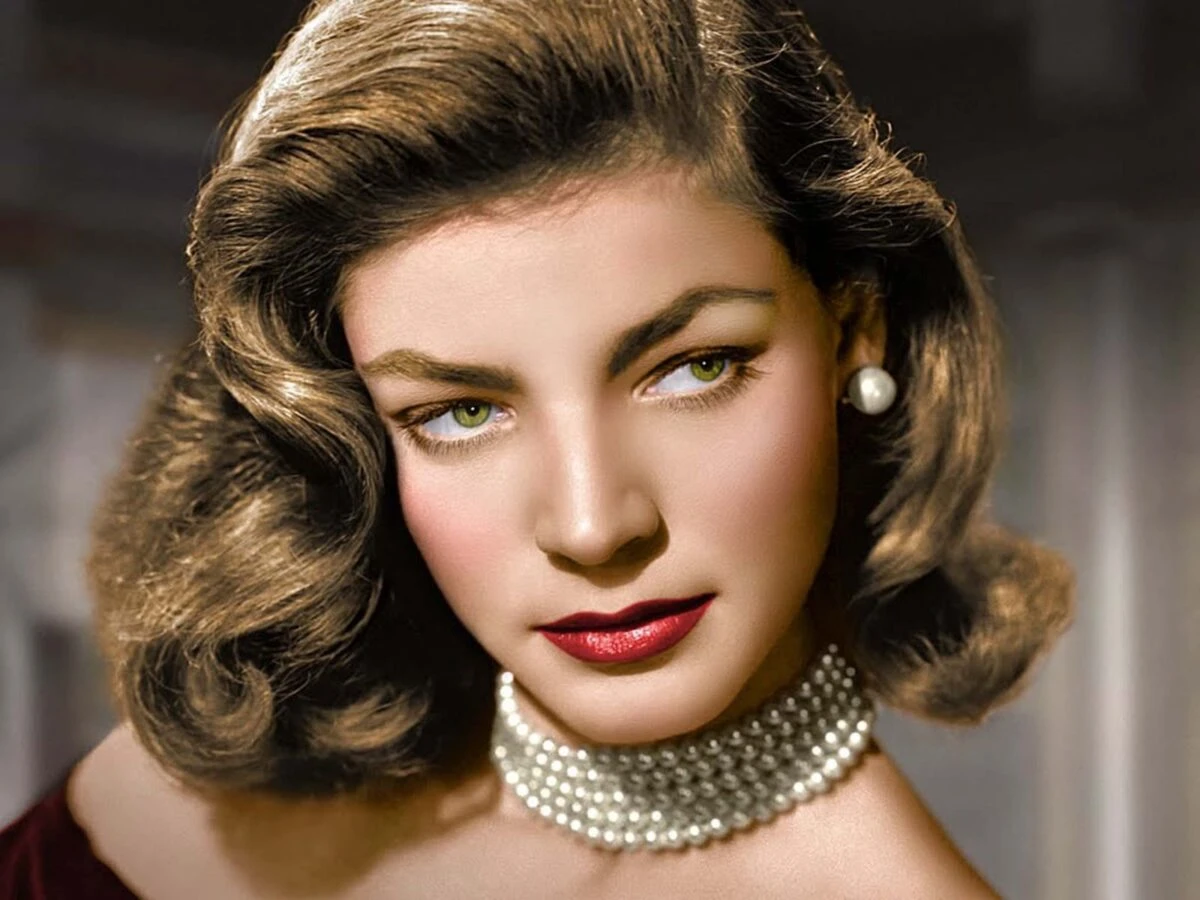
The Bronx girl who longed for the stage
On September 16, 1924, Betty Joan Perske was born in the Bronx, the only child of Jewish immigrants. Her mother, Natalie, hailed from Romania, while her father, William, was from Poland. When Betty was six, her parents divorced, and her father walked out of her life for good. Shortly after, her mother moved them to Manhattan, raising her single-handedly on a secretary's salary. 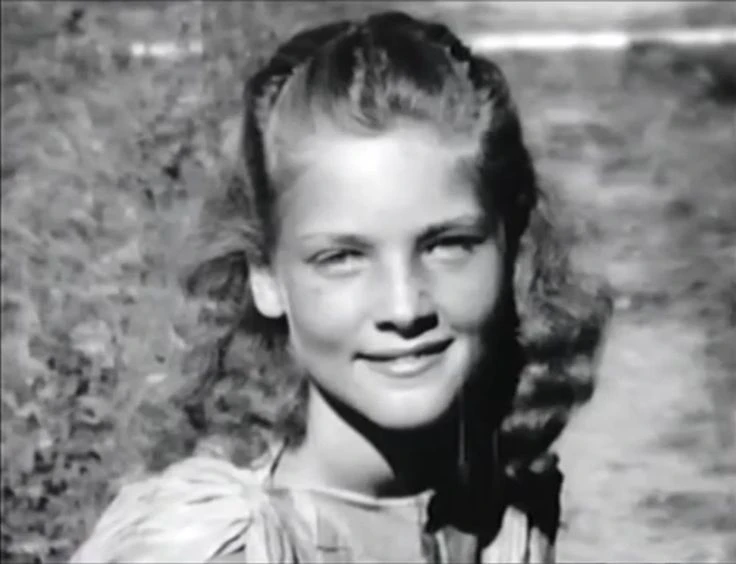
Future screen legend Lauren Bacall (born Betty Joan Perske) as a young girl
Thanks to financial help from wealthy uncles, Betty attended Highland Manor, a private boarding school in Tarrytown, before transferring to Julia Richman High School in Manhattan. There, she regularly skipped classes to watch Bette Davis movies — the star was her ultimate idol and represented a dream that seemed forever out of reach. 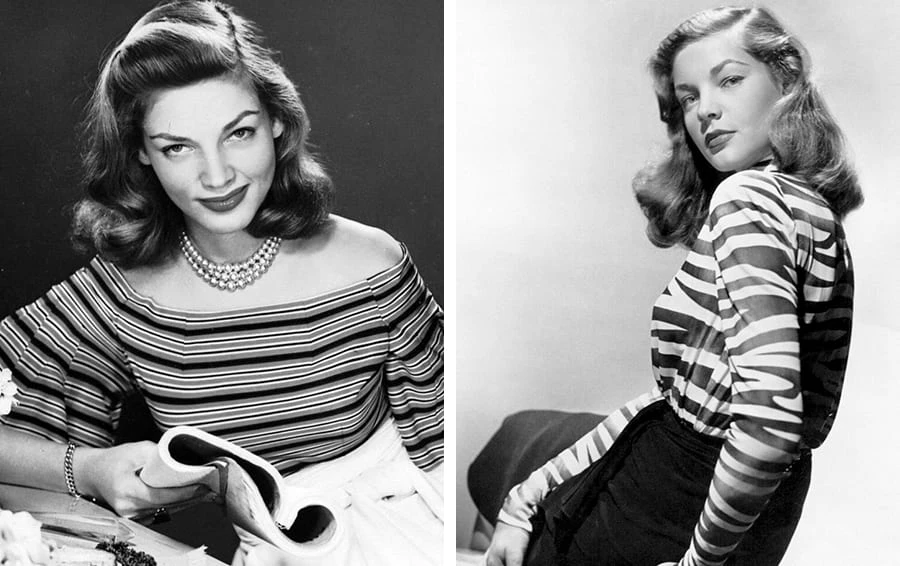
Betty Perske at the start of her modeling career in the early 1940s. Back then, no one called her Lauren
In 1941, she enrolled at the American Academy of Dramatic Arts in New York, where she crossed paths with fellow classmate Kirk Douglas. To pay her tuition, she took a job as an usherette at the St. James Theatre and picked up occasional modeling gigs. Money was constantly tight, and she soon had to drop out.
The cover that changed everything
In February 1943, Harper’s Bazaar fashion editor Diana Vreeland arranged a photoshoot with the 18-year-old Betty for the March cover. Photographer Louise Dahl-Wolfe captured her outside a Red Cross blood donation center wearing a navy coat, a white scarf, and carrying a bright red purse. Betty looks straight into the lens with a weary, subtly defiant glare. Within weeks, the magazine was sitting on newsstands across the country.
Slim Hawks, wife of legendary director Howard Hawks, was leafing through the magazine at home when the photograph stopped her cold. She showed it to her husband: "Who is this girl?" Hawks happened to be looking for a new leading lady. A week later, Betty was standing in his office. 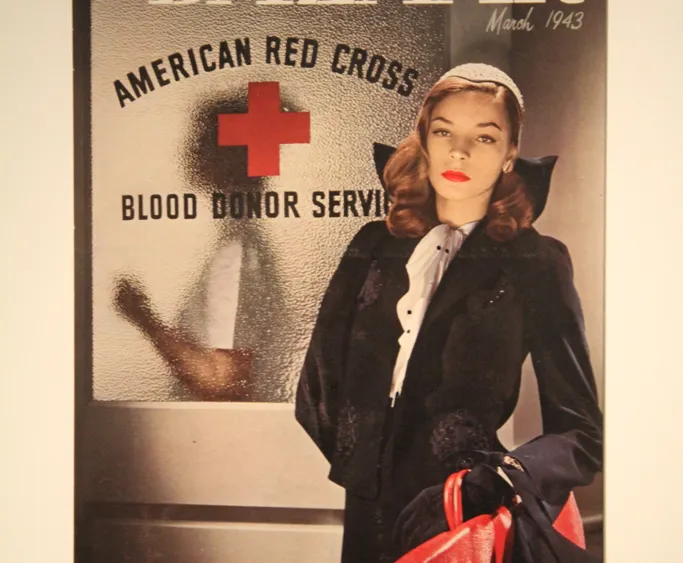
Harper’s Bazaar cover photo, March 1943. Bacall later called this shot "a twist of fate that changed my entire life"
Hawks signed her to a personal seven-year contract at $100 a week. He personally picked her new name: Betty became "Lauren" to avoid confusion with Bette Davis and Betty Grable. She was already using the surname Bacall — her mother had adopted a variation of her maiden name, and Betty added a second "l" so it wouldn't rhyme with "cracker."
How "The Look" was born
Hawks brought her to Hollywood and promptly cast her opposite Humphrey Bogart in an adaptation of Ernest Hemingway’s *To Have and Have Not*. By then, Bogart was Hollywood's biggest star — rugged, seasoned, and world-famous. Bacall, on the other hand, had never appeared in front of a movie camera.
On her first day of shooting, she was practically paralyzed with fear. She later recounted the experience in her 1978 autobiography, *By Myself*:
"My head shook, my hands shook, my cigarette shook. I was mortified. The harder I tried to stop, the more uncontrollably I trembled." 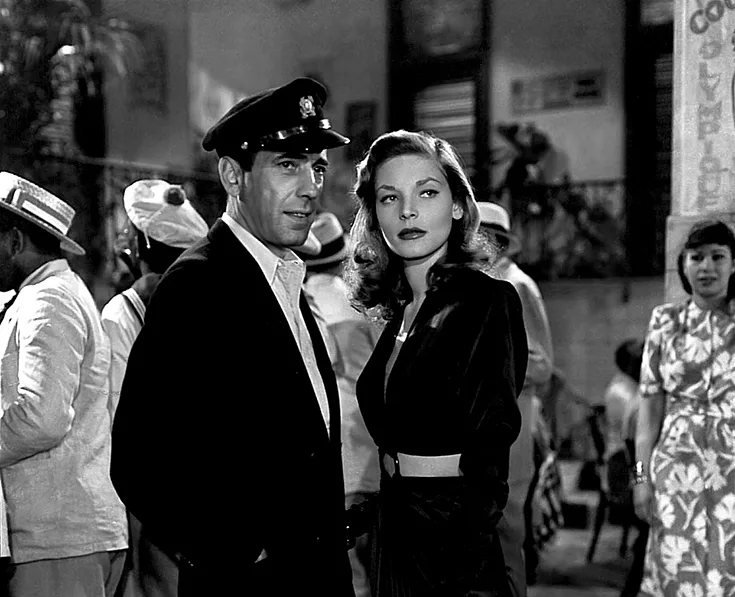
A film still from *To Have and Have Not* (1944): the exact moment fear turned into the most famous gaze in cinema history
After several ruined takes, she found a workaround. To quell the shaking, Bacall pressed her chin down against her chest. To keep her eyes on Bogart, she looked up at him through heavy-lidded eyes. The trick worked: her head stopped trembling. Realizing the power of the pose, the director kept it. Warner Bros. subsequently dubbed the smoldering gaze "The Look" and built their entire advertising campaign around it. Soon, fan magazines were publishing step-by-step guides on how women could recreate the sultry expression at home.
The voice that had to be invented
Meanwhile, Hawks set out to tackle another problem: naturally, Betty had a high-pitched, nasal voice. The director demanded a deeper, richer timbre. He prescribed a simple yet grueling method: shouting at the top of her lungs outdoors for hours until her vocal pitch dropped.
Bacall would get into her car, drive up to Mulholland Drive in the hills above Los Angeles, and sit alone reading Lloyd C. Douglas's novel *The Robe* aloud, deliberately forcing her voice into a deep register.
"Who else sits in a car on a mountain road reading books to the canyons? Well, I did," she later wrote.
To speed up the process, she chain-smoked several packs of cigarettes a day and spent hours barking Shakespearean verses until her vocal cords grew husky. 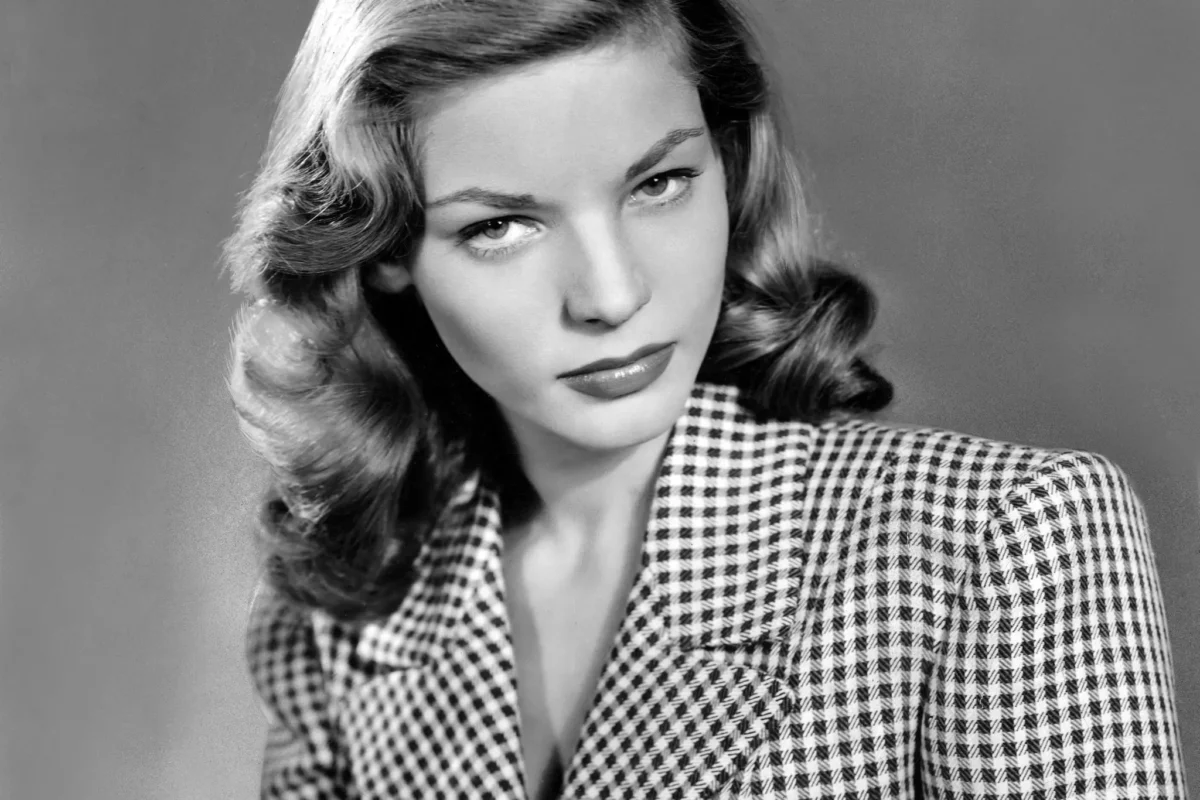
A 1944 studio portrait: by this time, Hawks had fully transformed shy Betty Perske into Lauren Bacall
Her low screen voice eventually became so distinctive that in 1988 medical experts coined a new term. Bogart–Bacall syndrome describes chronic vocal hoarseness in actors, singers, and announcers who unnaturally force their voices into a lower register.
Hawks had virtually built a star from scratch: inventing her name, lowering her voice, honing her trademark glare, and shaping her persona. But the result far exceeded his plans.
"You know how to whistle, don't you?"
*To Have and Have Not* hit theaters in 1944. Bacall was 19; Bogart was 44. Filmed at the height of World War II, the story was set on the French island of Martinique, following an American fishing boat captain reluctantly drawn into the Resistance.
Bacall's role was originally intended to be minor. However, as shooting progressed, the script was continually rewritten to showcase her, making her character the female lead. It gave rise to a scene that would become movie legend. Standing in the doorway, her character delivers her famous line to Bogart:
"You don't have to act with me, Steve. You don't have to say anything, and you don't have to do anything. Not a thing. Oh, maybe just whistle. You know how to whistle, don't you, Steve? You just put your lips together and... blow." 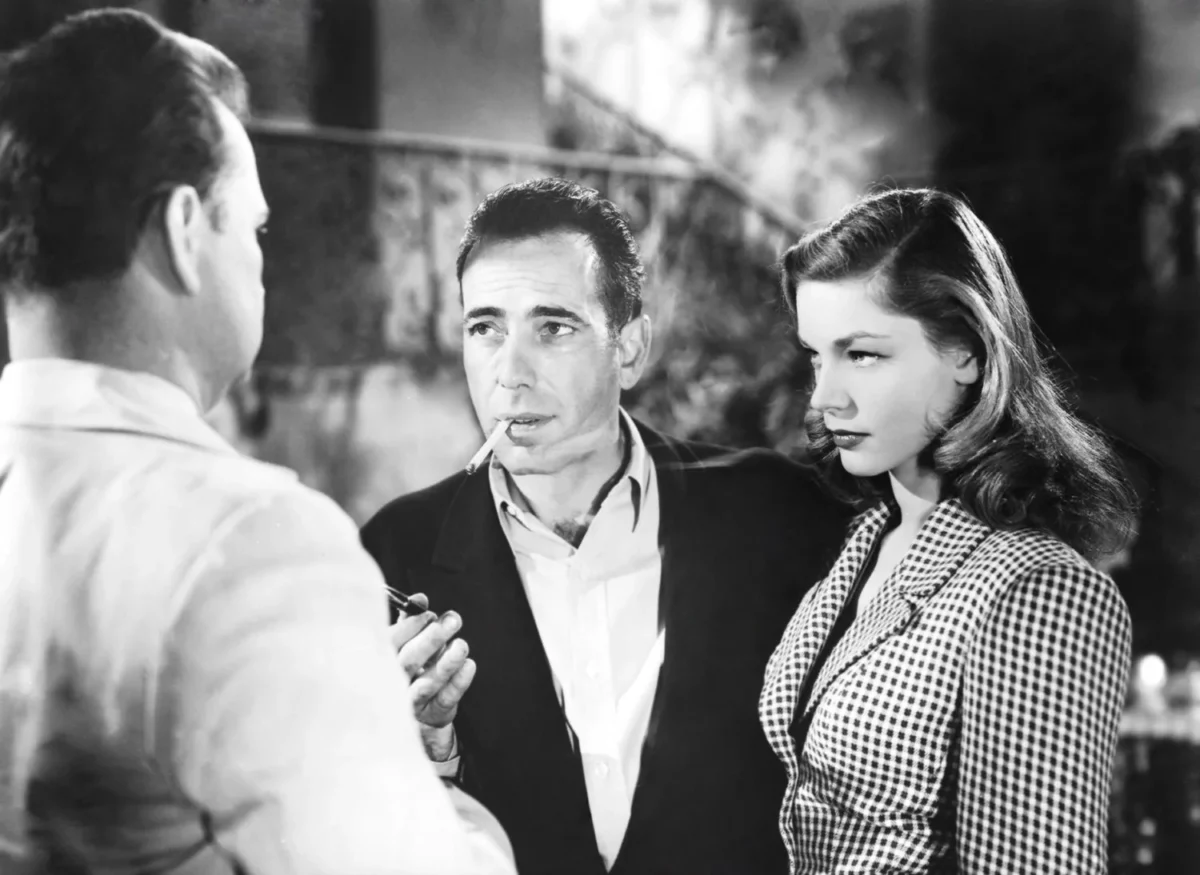
That iconic scene. In 1944, these few seconds redefined Hollywood's idea of a screen heroine
Critic James Agee wrote that Bacall was "the toughest girl Hollywood has seen in a long time." The movie was a runaway hit, making "Lauren Bacall" a household name across America. The American Film Institute later ranked the whistling line among the 100 greatest movie quotes of all time.
An onset romance
By the time the film premiered, Bogart and Bacall had been secretly dating for months. It all started a few weeks into production when he stopped by her trailer at the end of the day to say goodnight — and kissed her. Bacall scribbled her phone number on a book of matches.
The complication was that Bogart was married — for the fourth time. His wife, Mayo Methot, was notorious for her explosive temper, earning the couple the Hollywood moniker "the Battling Bogarts." The affair dragged on in secret. Bogart vacillated, returning to his wife before leaving again. Bacall spent nights weeping, applying ice packs to her eyes before morning shoots. Finally, in May 1945, Bogart divorced. On May 21, 1945, the 45-year-old actor and 20-year-old actress were married at Malabar Farm, the Ohio estate of their friend, author Louis Bromfield. 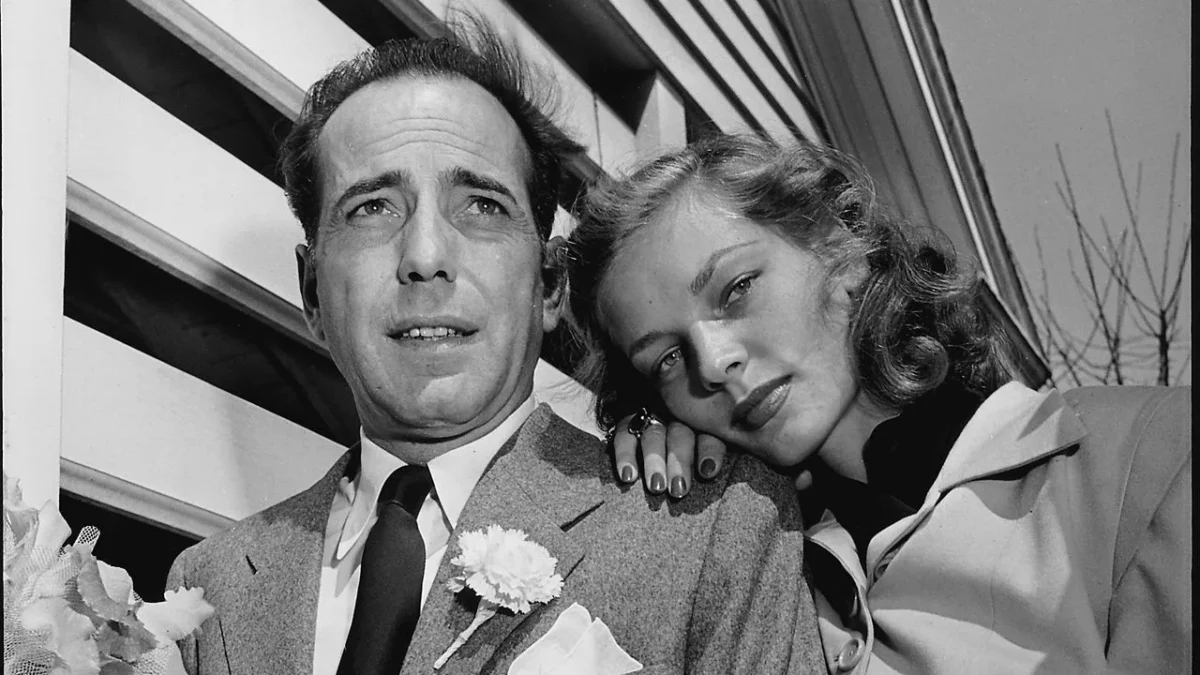
Humphrey Bogart and Lauren Bacall on their wedding day, May 21, 1945, at Malabar Farm in Ohio. *Time* magazine dryly noted: "His fourth, her first"
Despite their 25-year age gap, Bacall later described it as a true blessing:
"I met everyone because I was married to Bogie. And that 25-year difference was the most fantastic thing that ever happened to me."
Together, they starred in three more classics: *The Big Sleep* (1946), *Dark Passage* (1947), and *Key Largo* (1948). They had two children — a son, Stephen, born in 1949, and a daughter, Leslie, in 1952.
Life after Bogart: Broadway and a rebirth
In 1956, Bogart was diagnosed with esophageal cancer. Bacall rarely left his hospital bedside. On January 14, 1957, Bogart passed away. She was just 32 years old.
Without him, Hollywood felt alien. She tried to keep making movies, but pictures with other co-stars failed to capture audiences — the spark was unique to them as a pair. A brief fling with Frank Sinatra ended disastrously: after she inadvertently let slip news of their engagement to reporters, Sinatra abruptly cut all ties, refusing to speak to her for the next two decades. In 1961, she married actor Jason Robards, but that marriage ended in divorce in 1969. 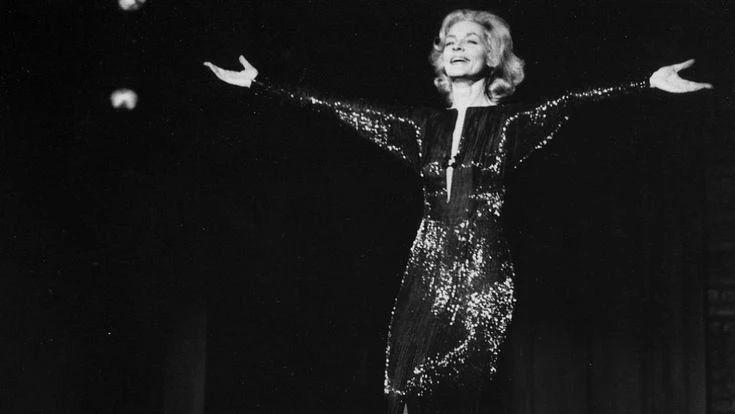
Lauren Bacall starring in the Broadway musical *Applause*, 1970. Playing a legendary stage diva, she won her first Tony Award — proving she could command the spotlight without Bogart
Bacall's true reinvention came on Broadway. In 1970, she starred in *Applause* — a musical adaptation of *All About Eve* — playing aging theater diva Margo Channing, the role famously originated on screen by Bette Davis. After opening night, Davis personally came backstage to congratulate her. Bacall won the Tony Award for Best Actress in a Musical.
She captured a second Tony in 1981 for *Woman of the Year*. Critics noted that on stage, she possessed a fearless command she had rarely been allowed to display on screen.
"The stage was where I finally felt like I had come into my own," she reflected. 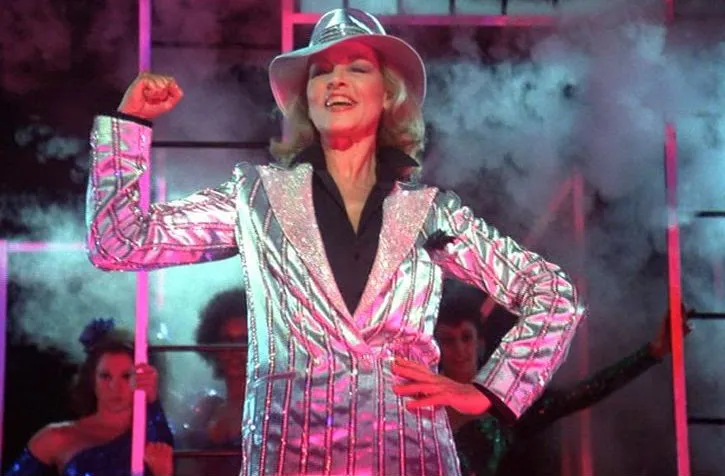
*Woman of the Year*, Broadway, 1981. Winning two Tonys in 11 years — a rare feat even for Broadway veterans
Meanwhile, she never stopped acting in films. She appeared in *Murder on the Orient Express* (1974) alongside Ingrid Bergman and Sean Connery; *The Shootist* (1976), John Wayne's final movie, after Wayne personally requested her as his leading lady; *Misery* in 1990; Lars von Trier’s *Dogville* in 2003; and voiced a main character in Hayao Miyazaki’s *Howl’s Moving Castle* in 2004.
An Oscar after 52 years — and a parting disdain for cinema
Her first and only competitive Academy Award nomination didn't arrive until 1997 — for playing Barbra Streisand’s mother in *The Mirror Has Two Faces* (1996), a performance that won her a Golden Globe. More than 50 years had passed since her debut. She ultimately lost the Oscar that night to Juliette Binoche. 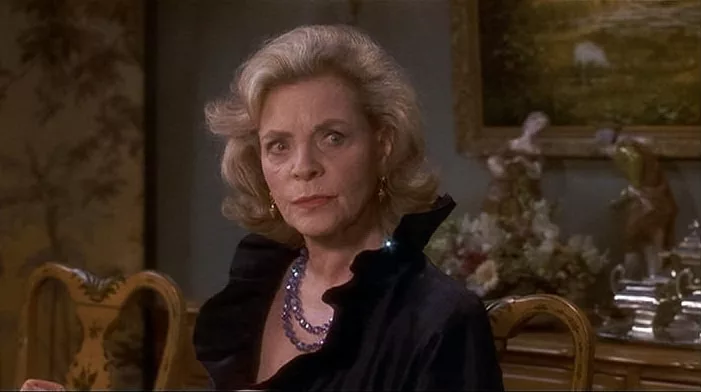
A film still from *The Mirror Has Two Faces* (1996): her first Oscar nomination at age 72, half a century after her debut
In 2009, the Academy presented her with an Honorary Oscar "in recognition of her central place in the Golden Age of motion pictures." She was 84. Accepting the statuette, she offered no grand sentimentality — simply thanking the audience before striding offstage. 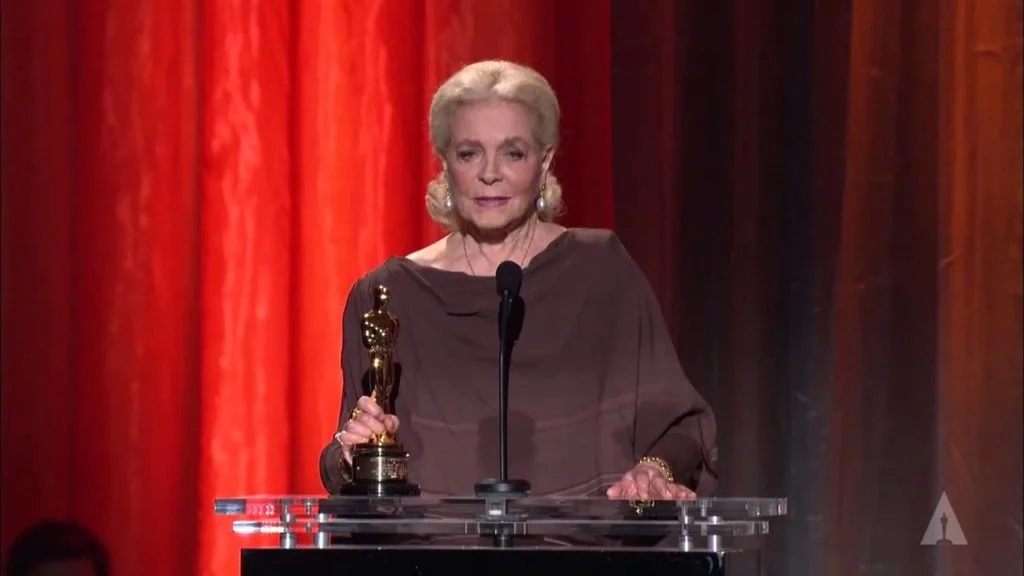
Lauren Bacall accepting an Honorary Oscar, November 2009. At 84, she still delivered that legendary gaze
By then, Bacall had repeatedly voiced her frustration with modern Hollywood. She felt cinema had degraded, complaining that actresses were no longer given complex roles and that substance had been replaced by special effects. In a 1998 interview with the *Los Angeles Times*, she remarked: "I never really had a chance to play much variety. I don't think I was ever taken particularly seriously."
On August 12, 2014, Lauren Bacall died of a stroke at her apartment in The Dakota on Manhattan’s Upper West Side at the age of 89. Decades earlier, before Bogart was buried, she had placed a small whistle in his coffin — a nod to the iconic line from their 1944 film. Bogart had passed away in 1957; Bacall waited 57 years to reunite with him. 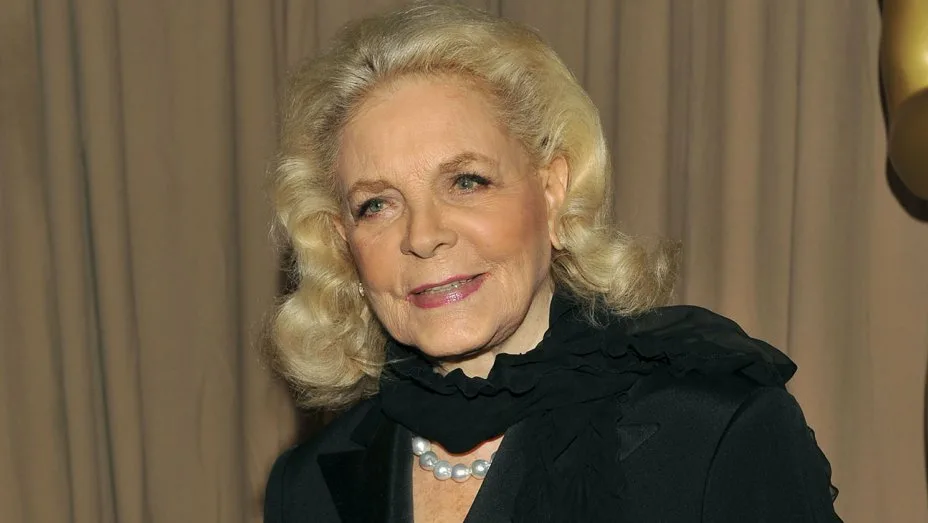
Lauren Bacall in the early 2000s: the same look, the same posture — and zero desire to cater to anyone
Living to 89, she witnessed the birth and demise of an entire era — Golden Age Hollywood, the studio system, and black-and-white cinema. She outlasted it all without altering her gaze, her voice, or her fierce independence. The American Film Institute ranked her 20th among the greatest female legends of classic cinema. Not just for technique, but because in 1944, a 19-year-old girl from the Bronx found a clever way to stop shaking on set — and accidentally created an image that remains timeless.
What do you think: if Bacall's hands hadn't trembled on her first day on set, would she still have become an icon? Or was "The Look" the inevitable outcome for such an uncompromising personality?
The tragedy of actress Gene Tierney, whose life was ruined by a single touch
How a miner's daughter, Lana Turner, became a Hollywood superstar
The life and death of Jean Harlow — Hollywood's original Platinum Blonde