Whale Bone Alley: A Mystery Frozen in Time (11 Photos)
When Soviet scientists peered through the fog of the Bering Strait in 1976 and spotted a palisade of colossal bones on the deserted Yttygran Island, they couldn't believe their eyes. 
Who built this half-kilometer corridor of skulls and jawbones, and why? And how could even the local Yupik, whose ancestors built it, have completely forgotten its existence? 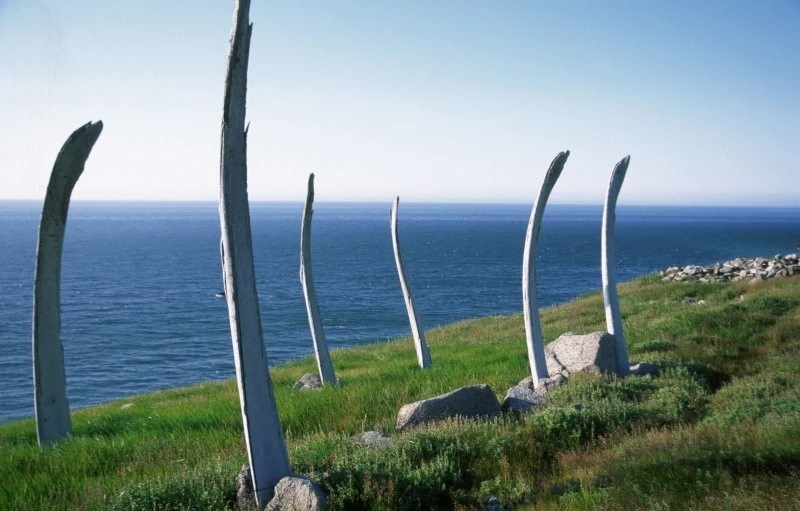
On the northern coast of Yttygran Island, isolated in the Bering Sea off Chukotka's eastern shore, lies a site known to archaeologists as Whale Bone Alley. Far from a random pile of bones, it is a monumental structure consisting of two parallel rows stretching nearly 550 meters along the shoreline. 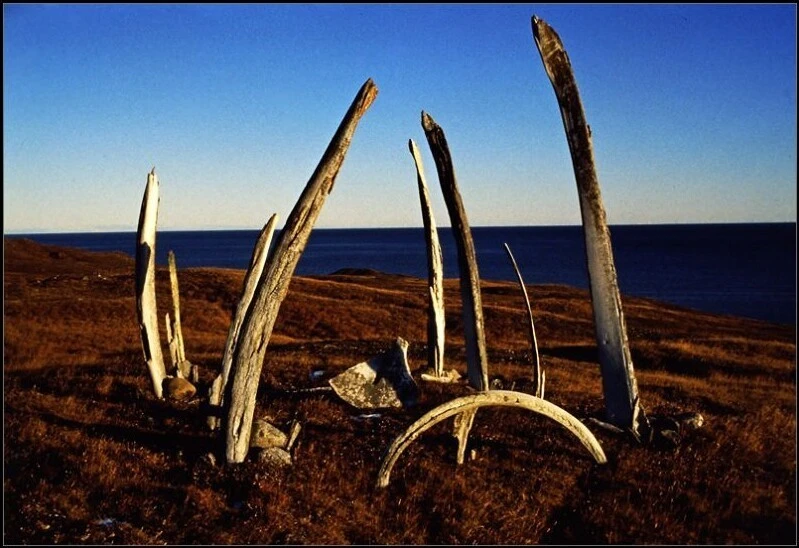
Set closer to the water are Bowhead whale skulls—each at least two meters wide and up to a meter and a half tall. Behind them stands a row of jawbone pillars reaching up to five meters high, with individual bones weighing as much as 300 kilograms. Scattered between them are 150 pits that once served as meat storage. 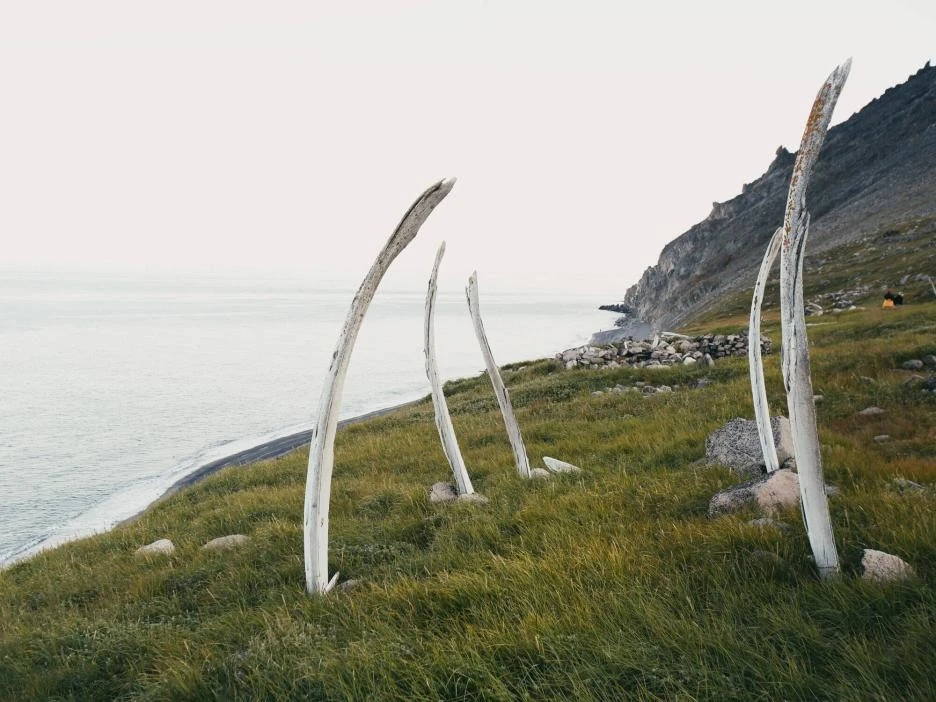
Researchers estimate it took the skeletons of 50 to 60 adult whales to construct the site. Yet, no ribs or vertebrae were ever found on the island. The whales were butchered elsewhere, with only the skulls and jawbones transported to Yttygran. 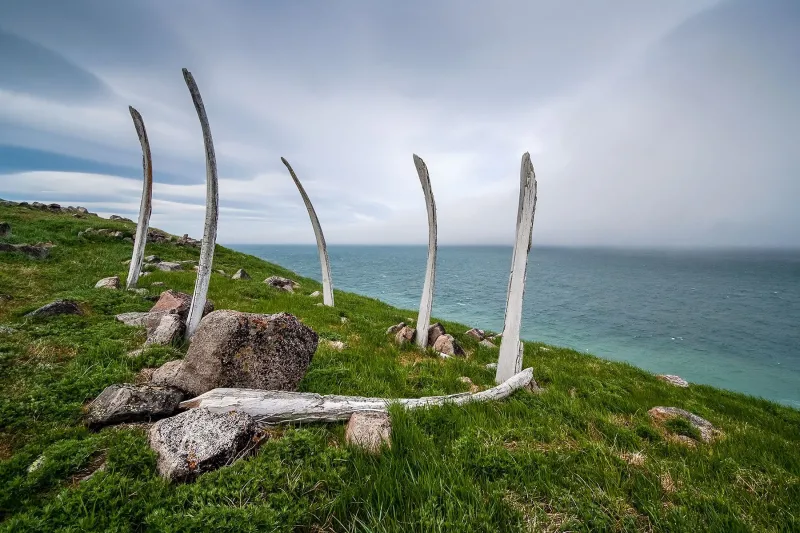
Most scholars agree that Whale Bone Alley was built by the local indigenous people in the 14th century, at the onset of the Little Ice Age, when plunging temperatures triggered severe food shortages across the Arctic. 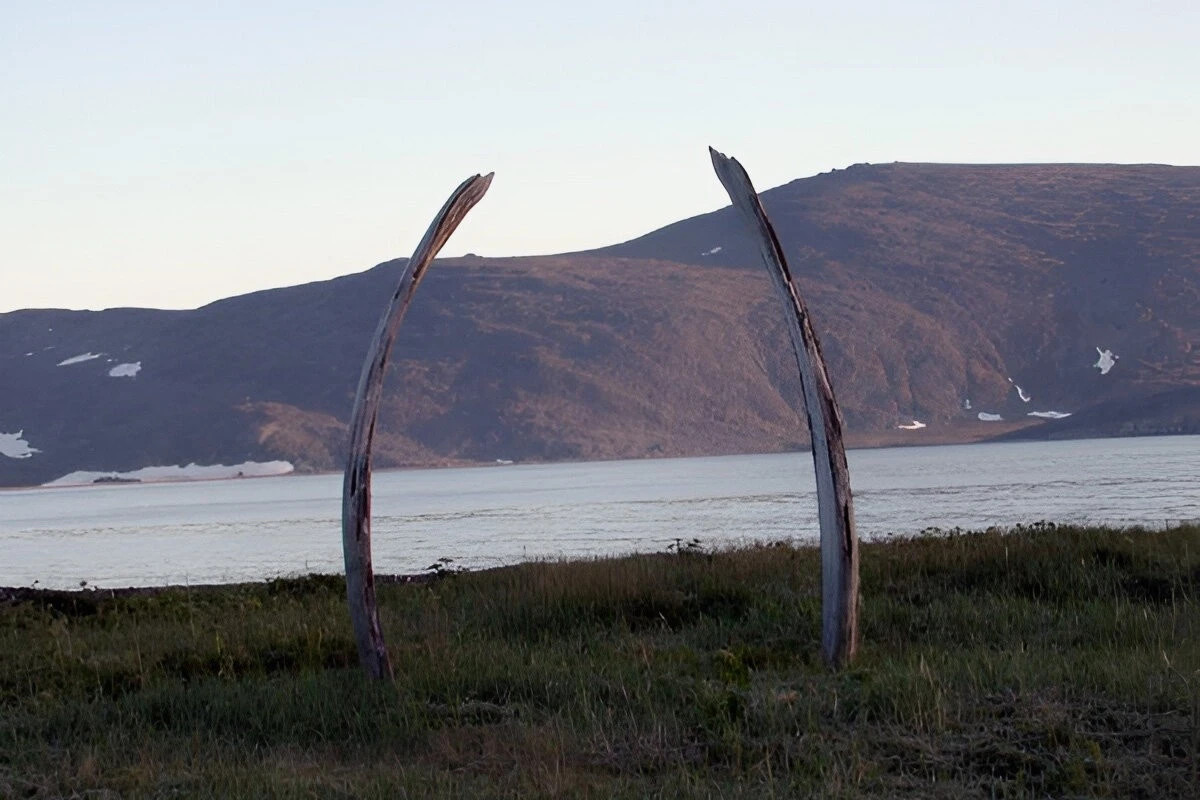
One theory suggests the alley was a sacred sanctuary and neutral meeting ground for warring tribes—a place to resolve disputes, perform rituals, and store communal meat supplies. 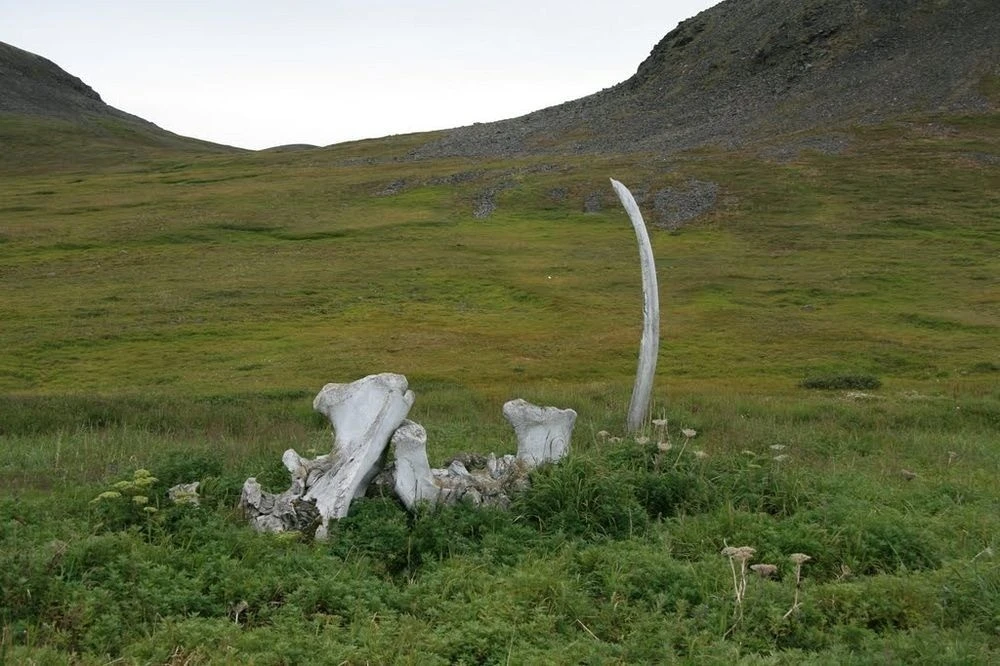
Local Yupik elders, however, offer a much more pragmatic explanation. Their name for the island, Siklyuk, stems from
Siklyugak
, meaning "meat pit." In their view, Whale Bone Alley was simply a collective butchering station where hunters packed meat into the permafrost—not a sacred temple, but a giant communal freezer for the entire coastline. 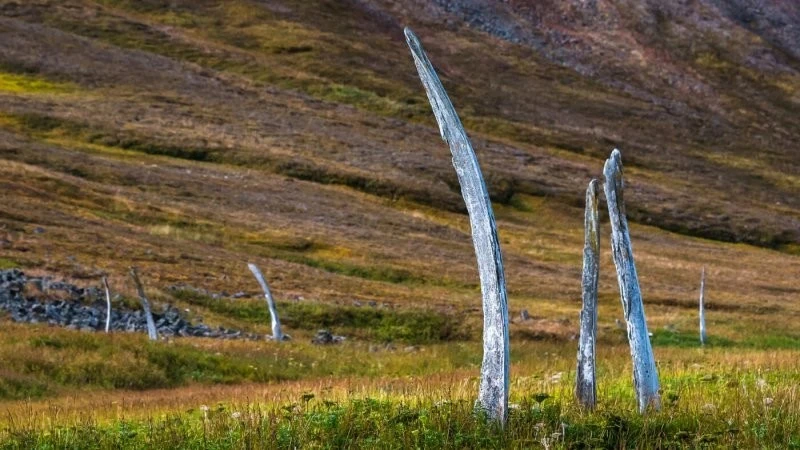
Today, Whale Bone Alley is Chukotka's premier tourist landmark. Since 1993, it has been protected as part of the Beringia Nature-Ethnic Park. 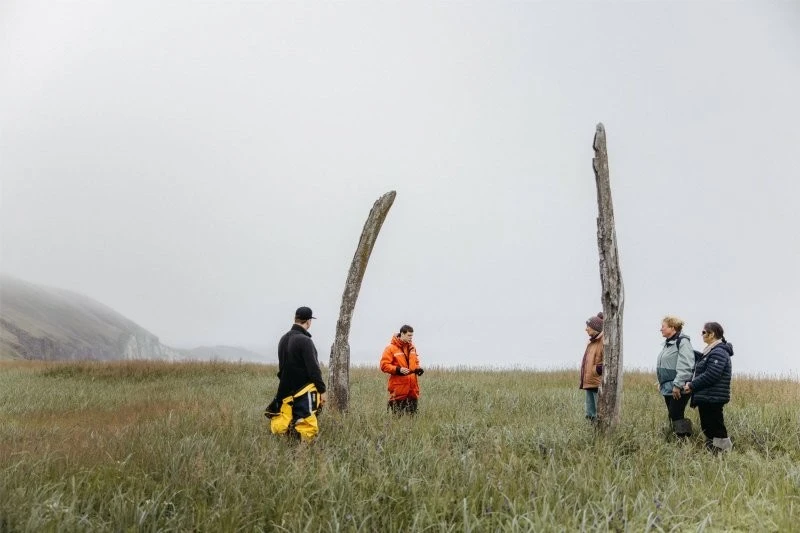
Getting here is no easy feat. The island is completely uninhabited; the original village of Siklyuk was relocated under Soviet resettlement programs in the mid-20th century. There is neither an airport nor a port. 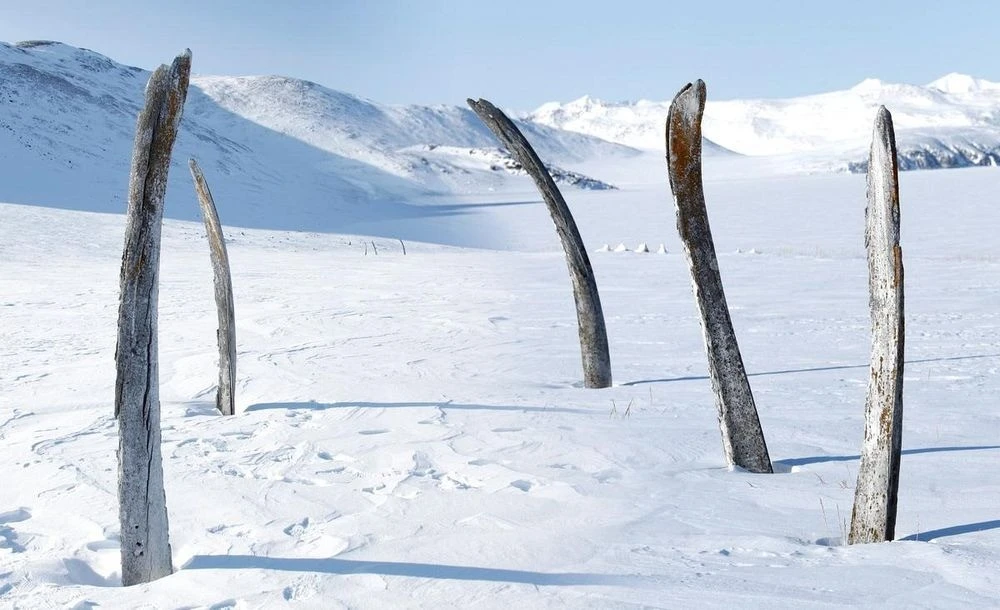
Travelers must either arrive by Bering Sea cruise ship or fly into the village of Provideniya, finishing the journey by all-terrain vehicle, helicopter, or boat. 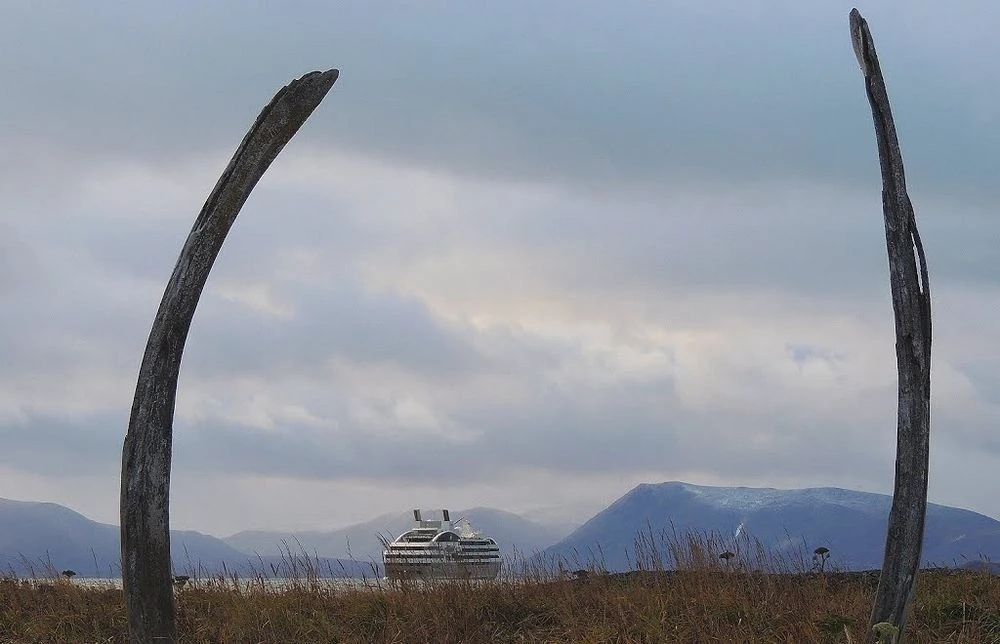
Perhaps the most haunting mystery is that this extraordinary monument is never mentioned in Eskimo or Chukchi folklore. It is as though the alley's very existence was erased from collective memory. To this day, no one knows for certain whether it was a holy sanctuary or merely a giant frozen larder for whale meat.