18 Artifacts That Outlived Their Eras and Still Hold Secrets of the Past (19 Photos)
Some objects look utterly ordinary—until you uncover the stories behind them. 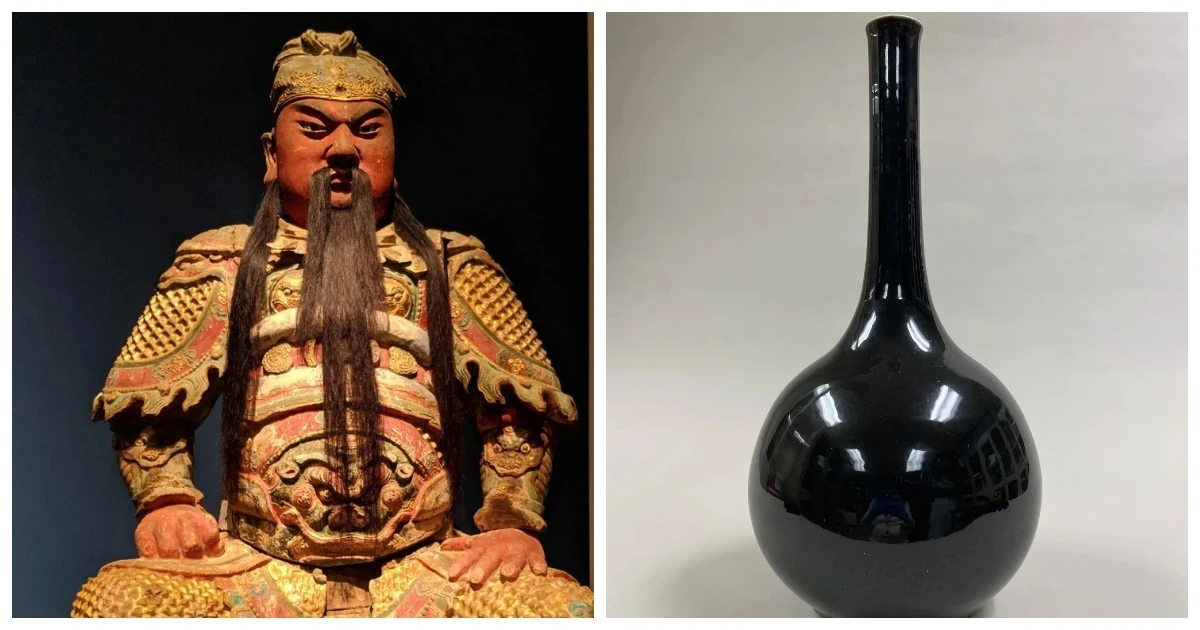
A ship's biscuit riddled with weevil holes is far more than old rations; it’s a visceral testament to what sailors endured on grueling voyages. Marble seats from a Greek amphitheater aren't just stone benches, but windows into a society defined by strict hierarchy and privilege. And an illustrated love letter styled as a miniature gallery of original artwork transcends romance to become a personal monument to devotion. Here are 18 artifacts that prove even the humblest relic can reveal more about an era than any history book.
1. Gold celestial globe inlaid with pearls, Qing Dynasty Imperial Workshop, Qianlong reign 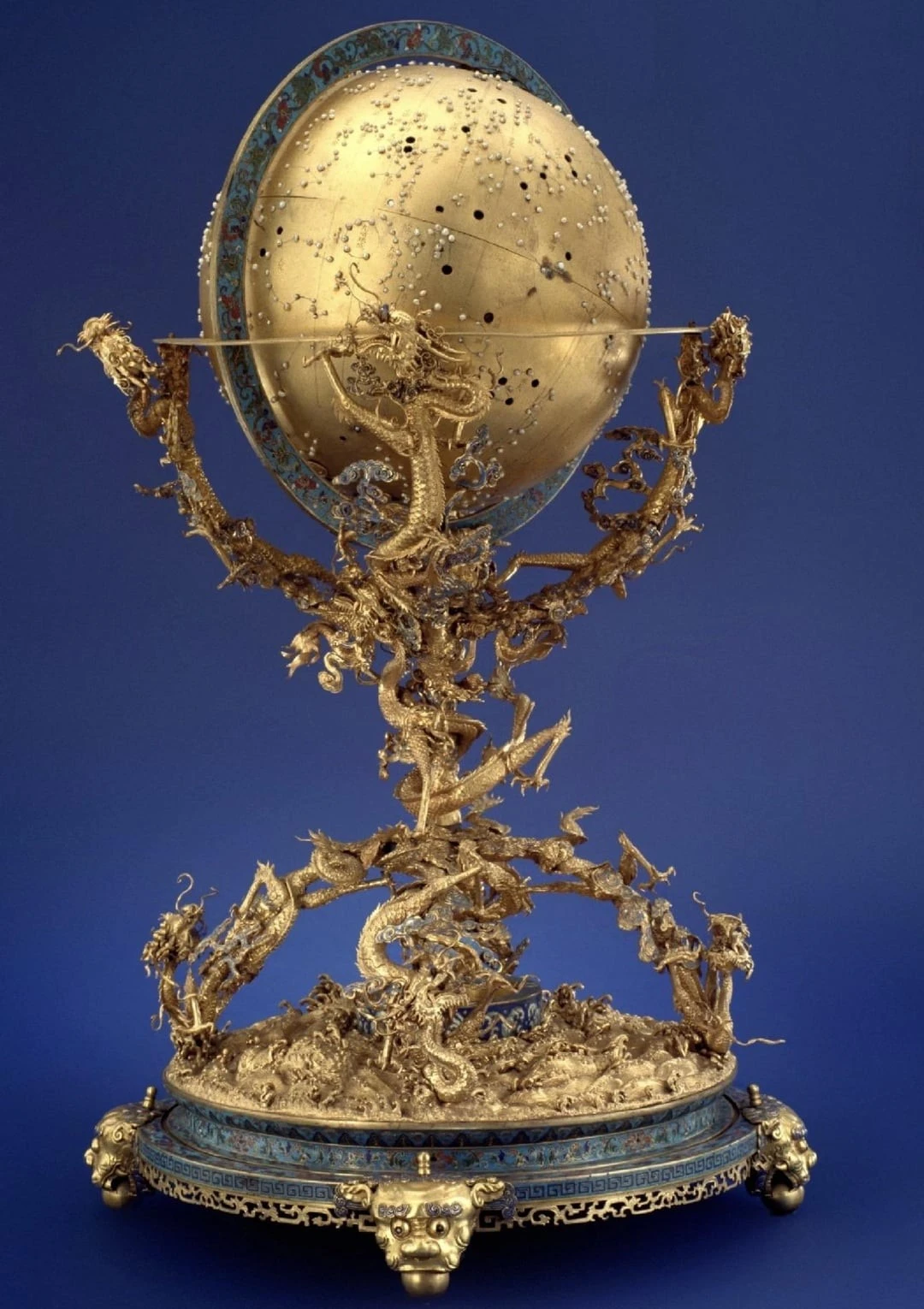
2. "Abolition" teapot, Josiah Wedgwood & Sons, c. 1760 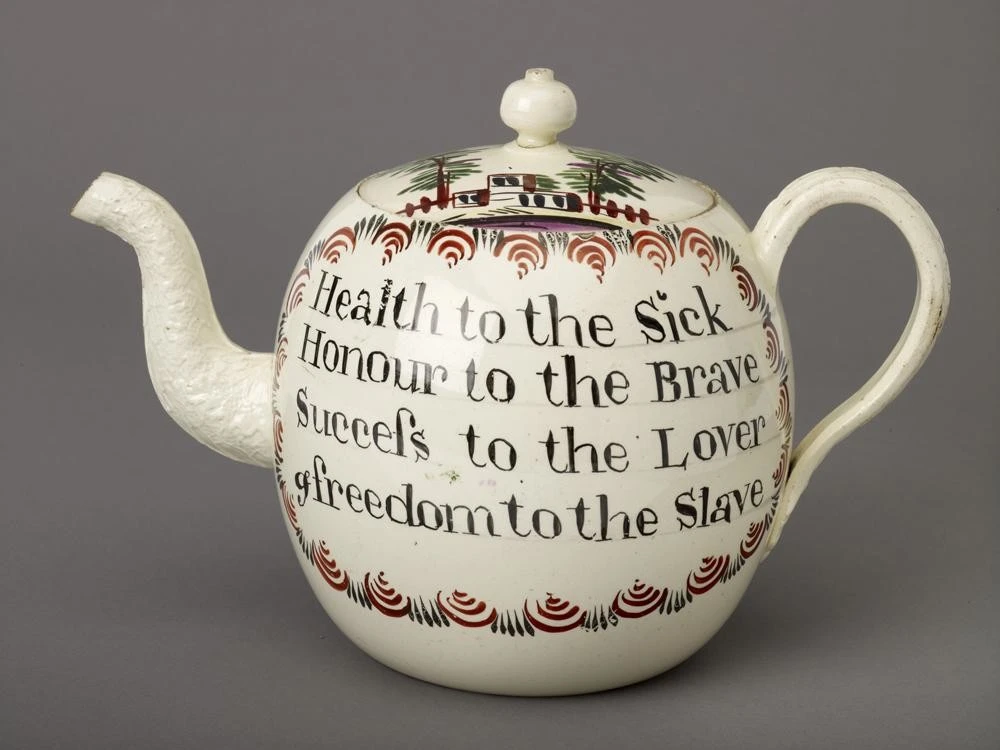
This teapot served as direct visual advocacy for the abolition of slavery. Far from simple tableware, it was a political statement crafted by Josiah Wedgwood, the legendary British potter and staunch abolitionist.
3. Papyrus fragment from the Book of the Dead of the priest Nesshutefnut, Ptolemaic Egypt, c. 250 BCE 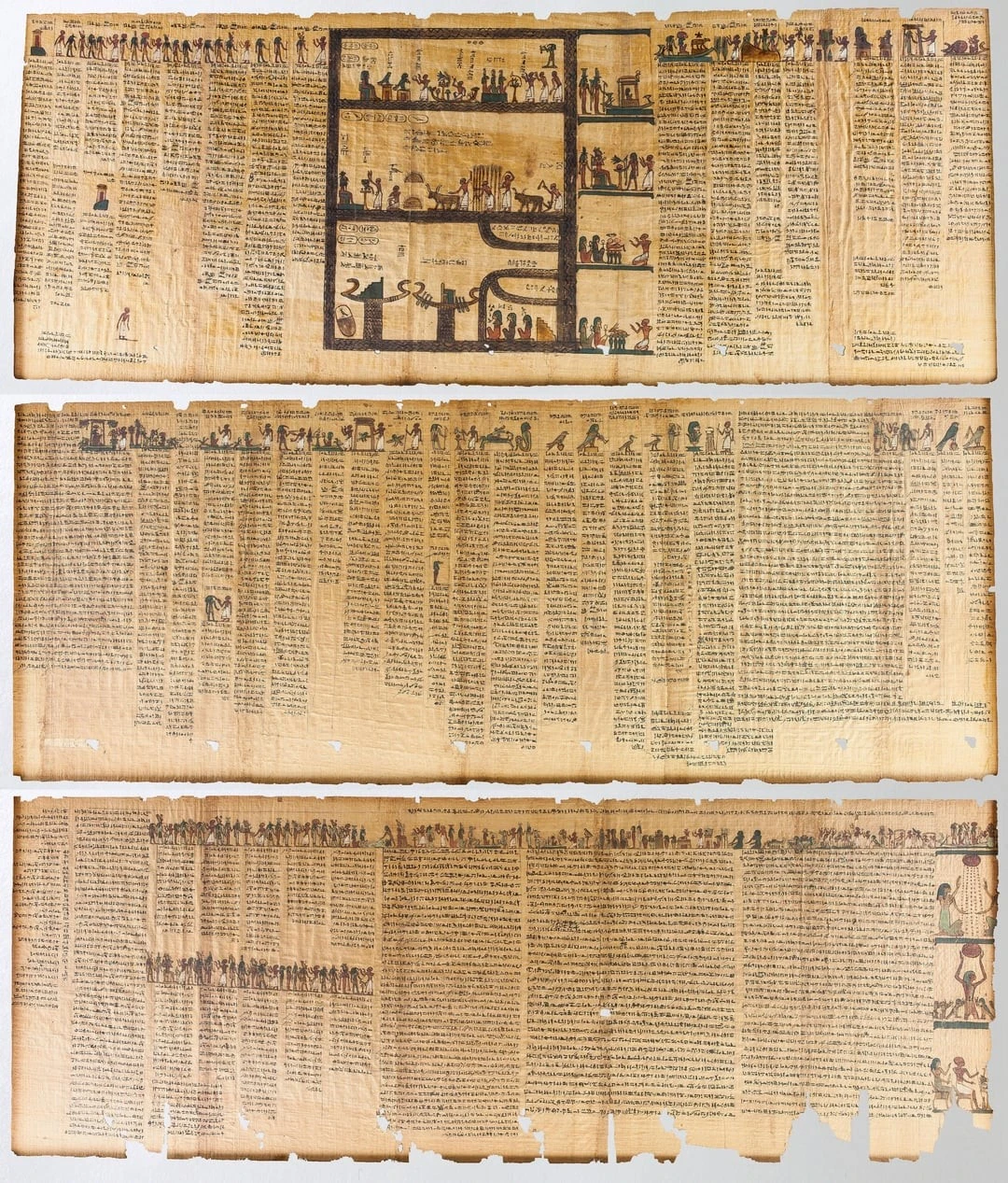
4. Four four-cornered hats, Peru, Wari culture, 7th–9th century CE 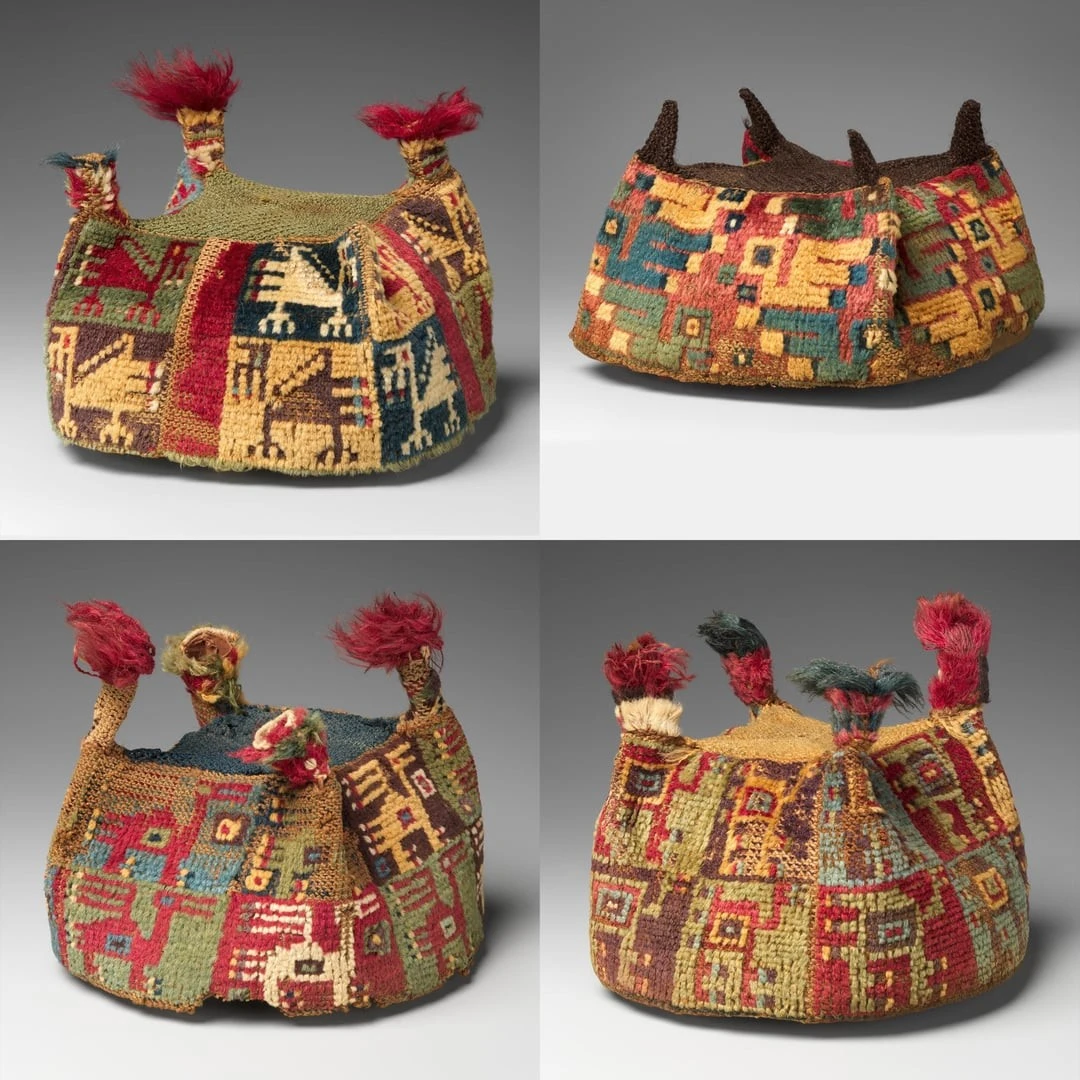
5. Ship's hardtack biscuit with weevil holes, King's Lynn, England, 1830 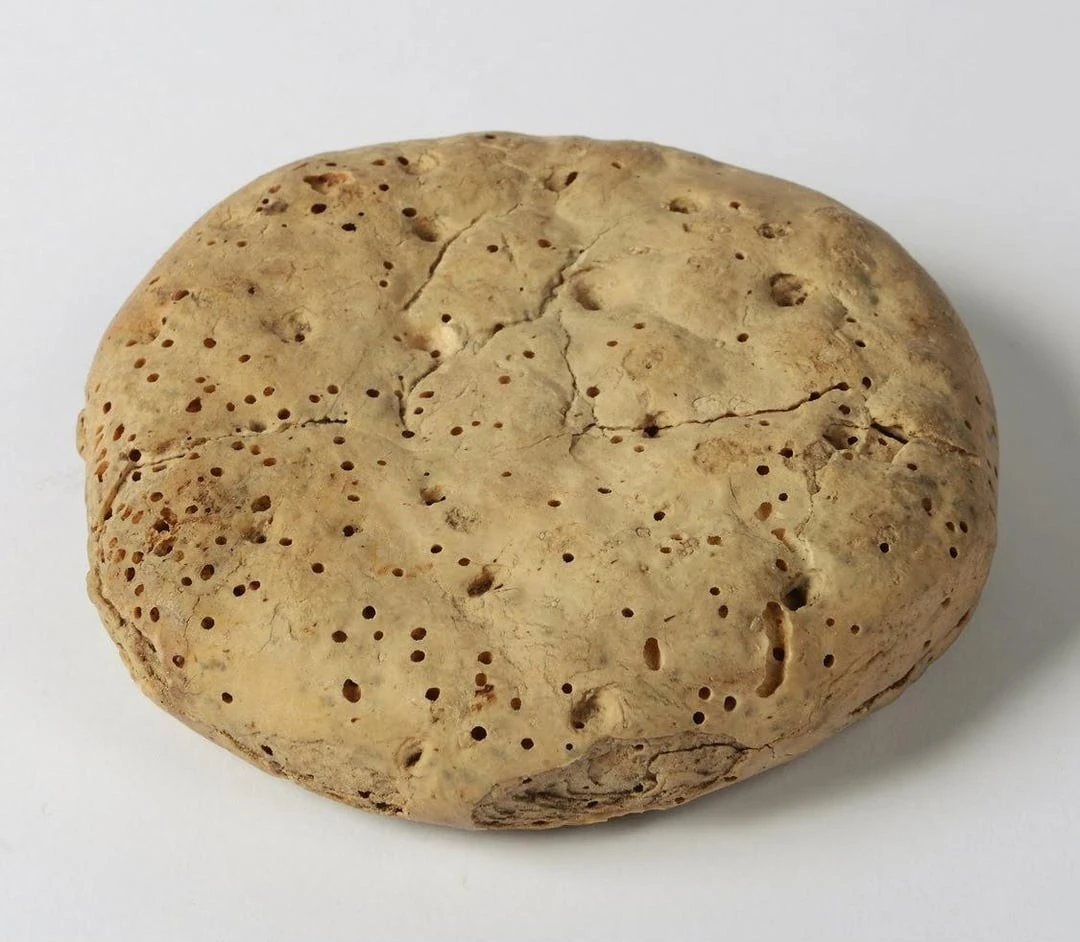
6. Marble seats of honor from the Theater of the Amphiareion in Oropos, Greece, 1st century BCE 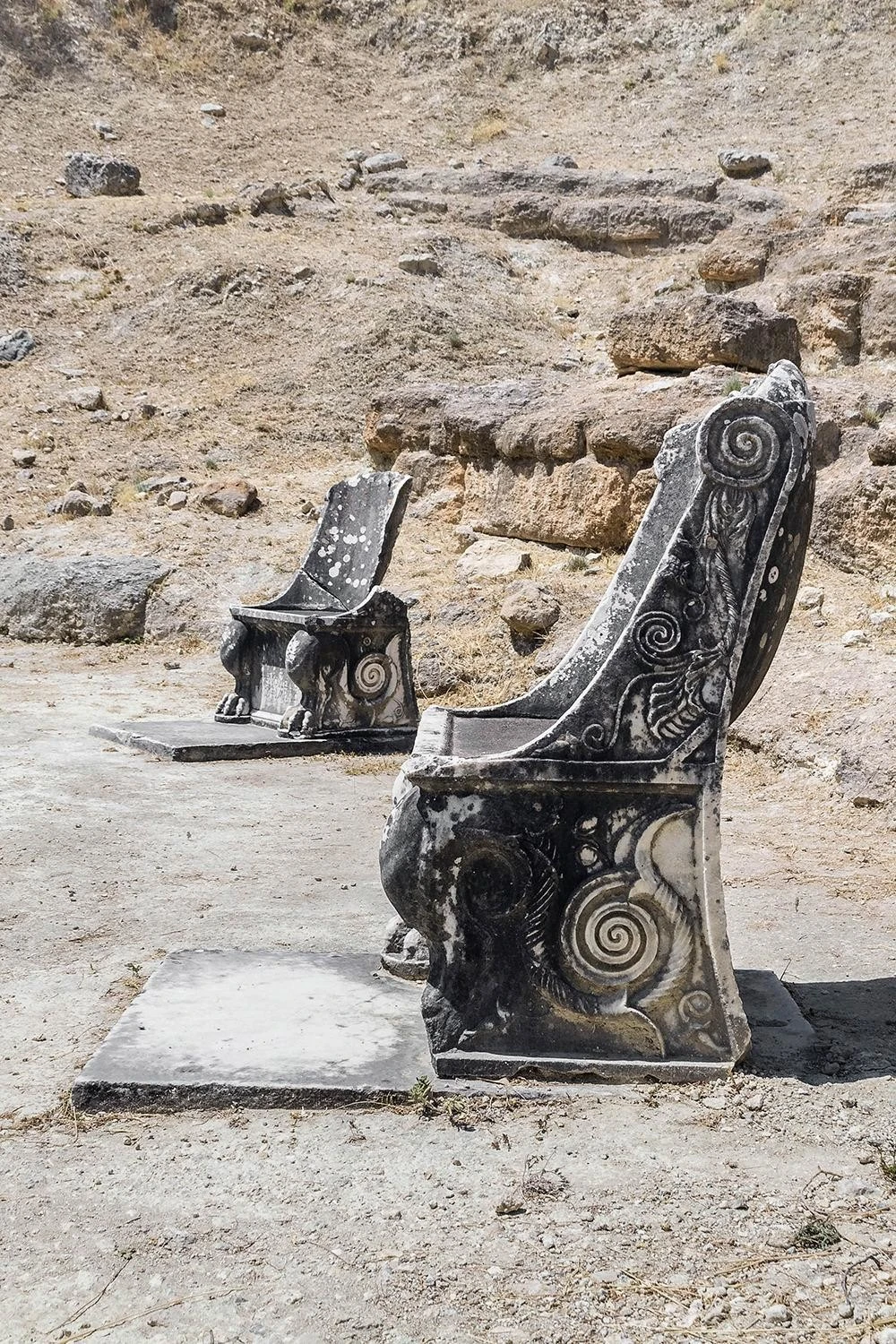
7. Sculpture of General Guan Yu, Shanxi, China, Ming Dynasty, 15th–16th century 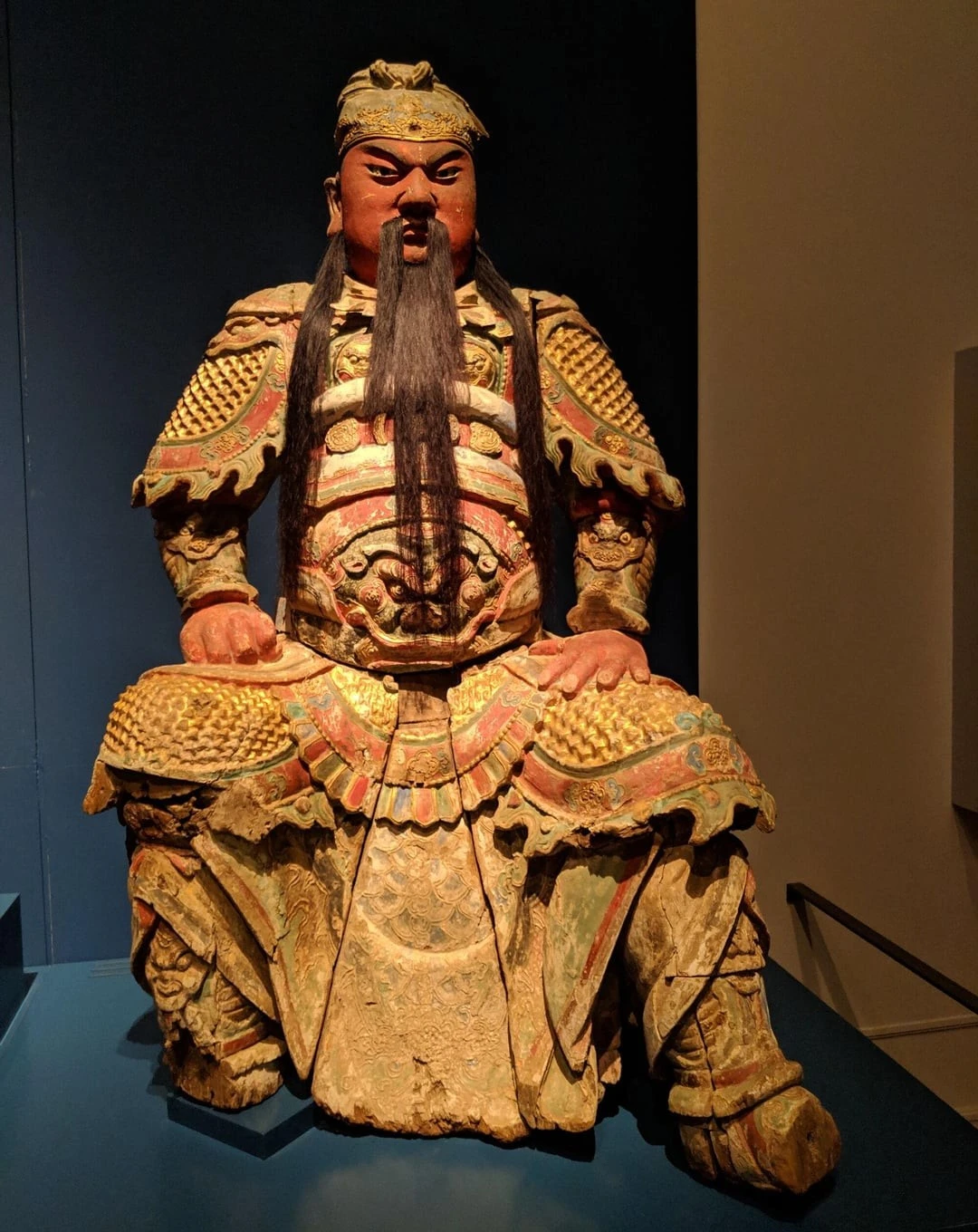
8. Black-glazed porcelain vase, China, 17th–18th century 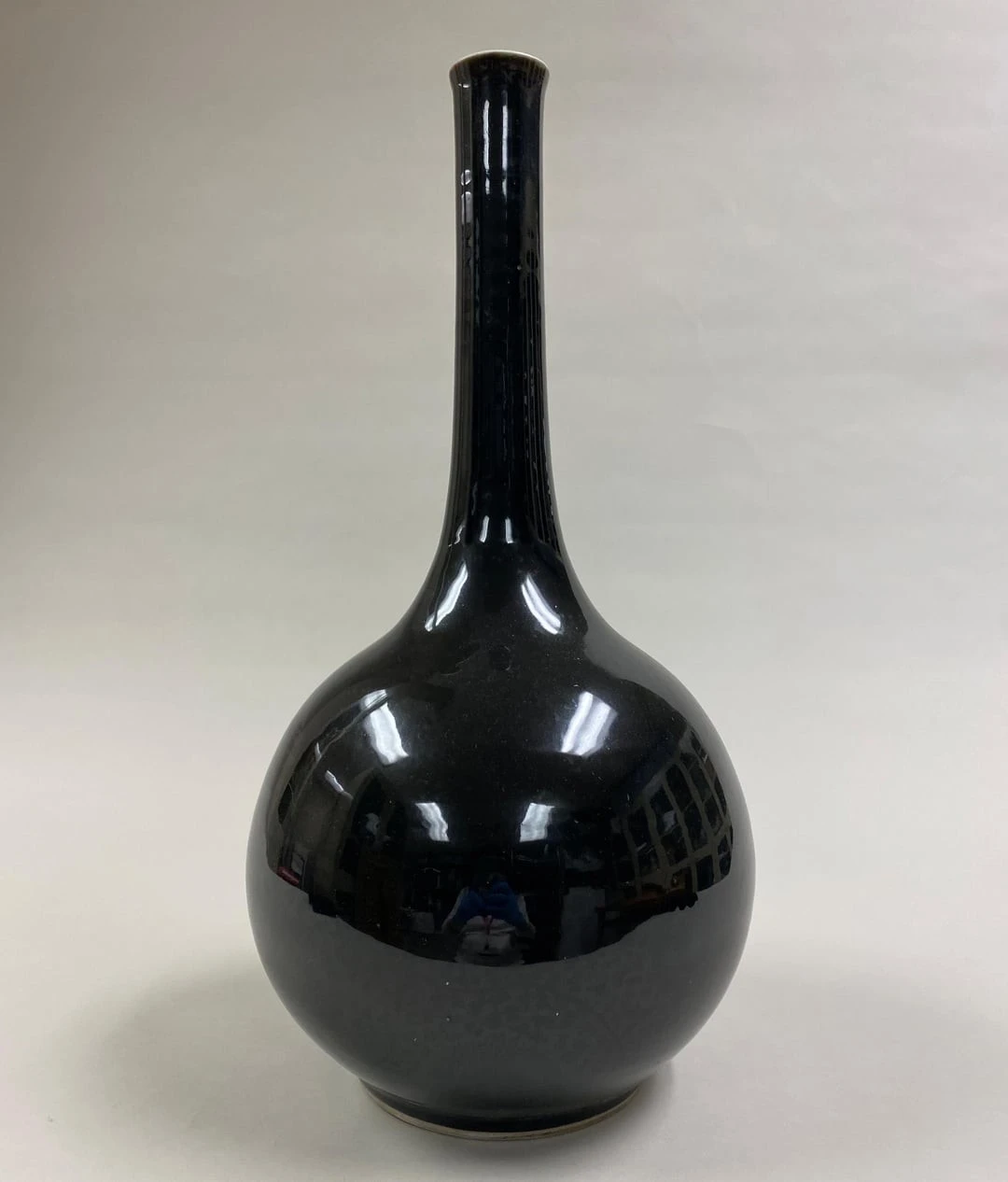
9. Maya stucco head, 550–950 CE, private collection in France 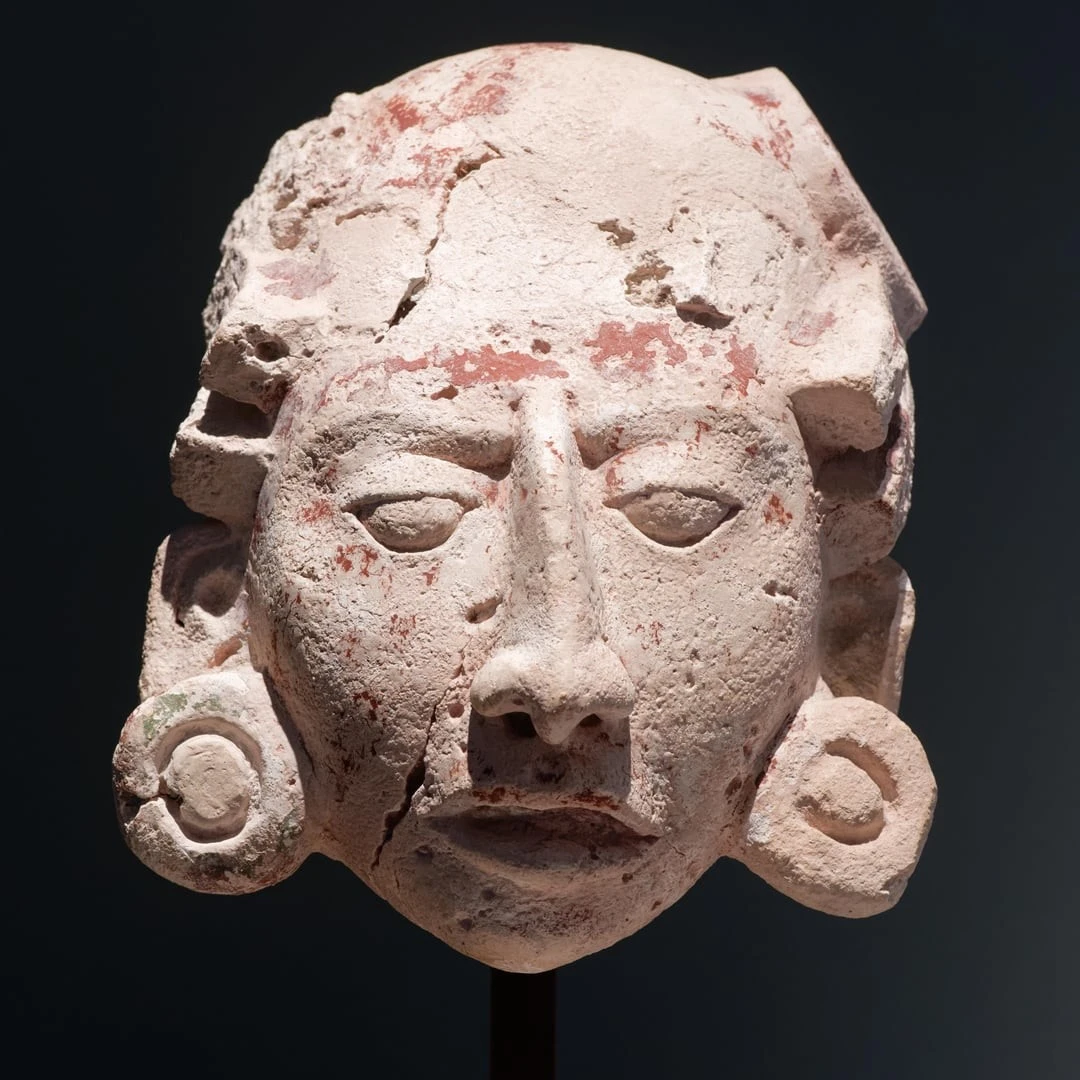
10. Playful kitten sandals from the 1940s 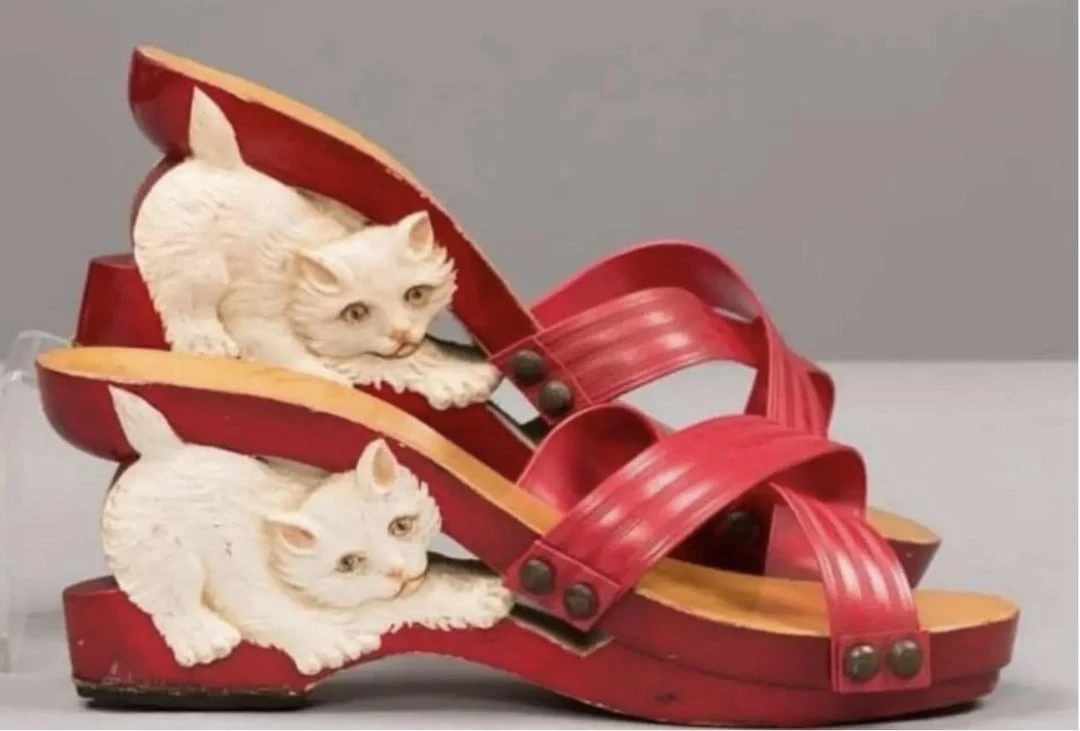
11. Roman stone sarcophagus relief depicting lions devouring bulls, Antioch, Syria, c. 50 BCE – 400 CE 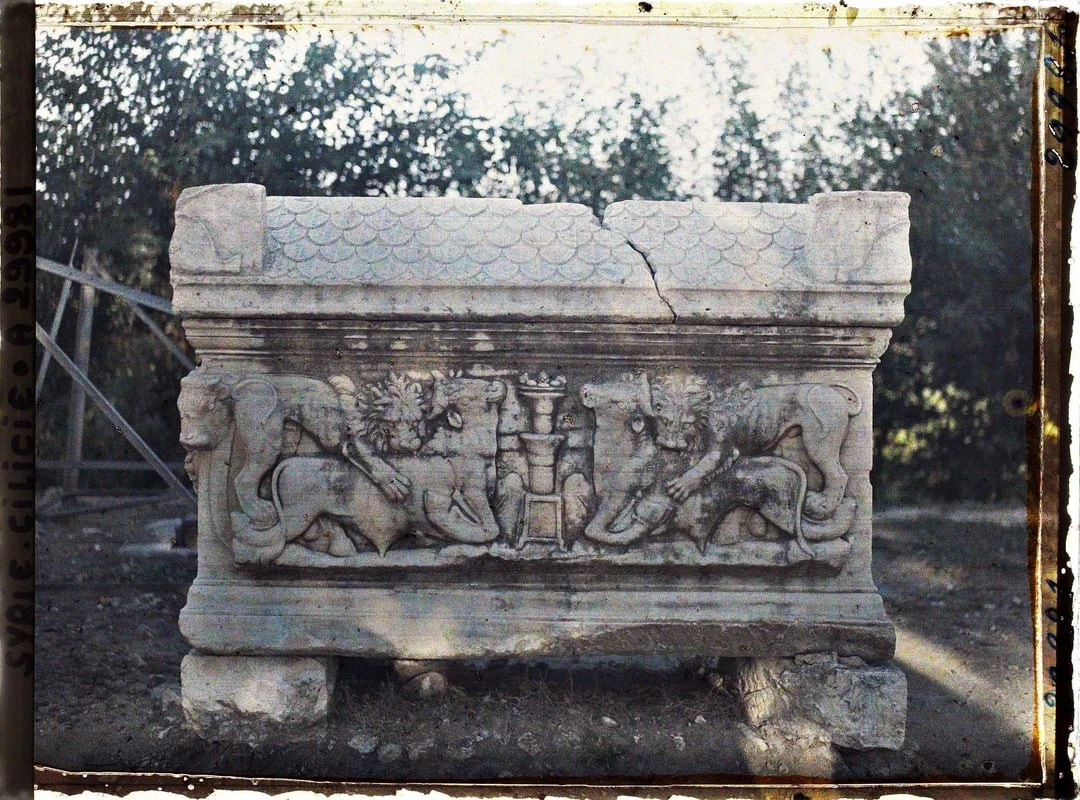
12. Clockwork peacock brooch with moving tail feathers, Germany, 1880–1890 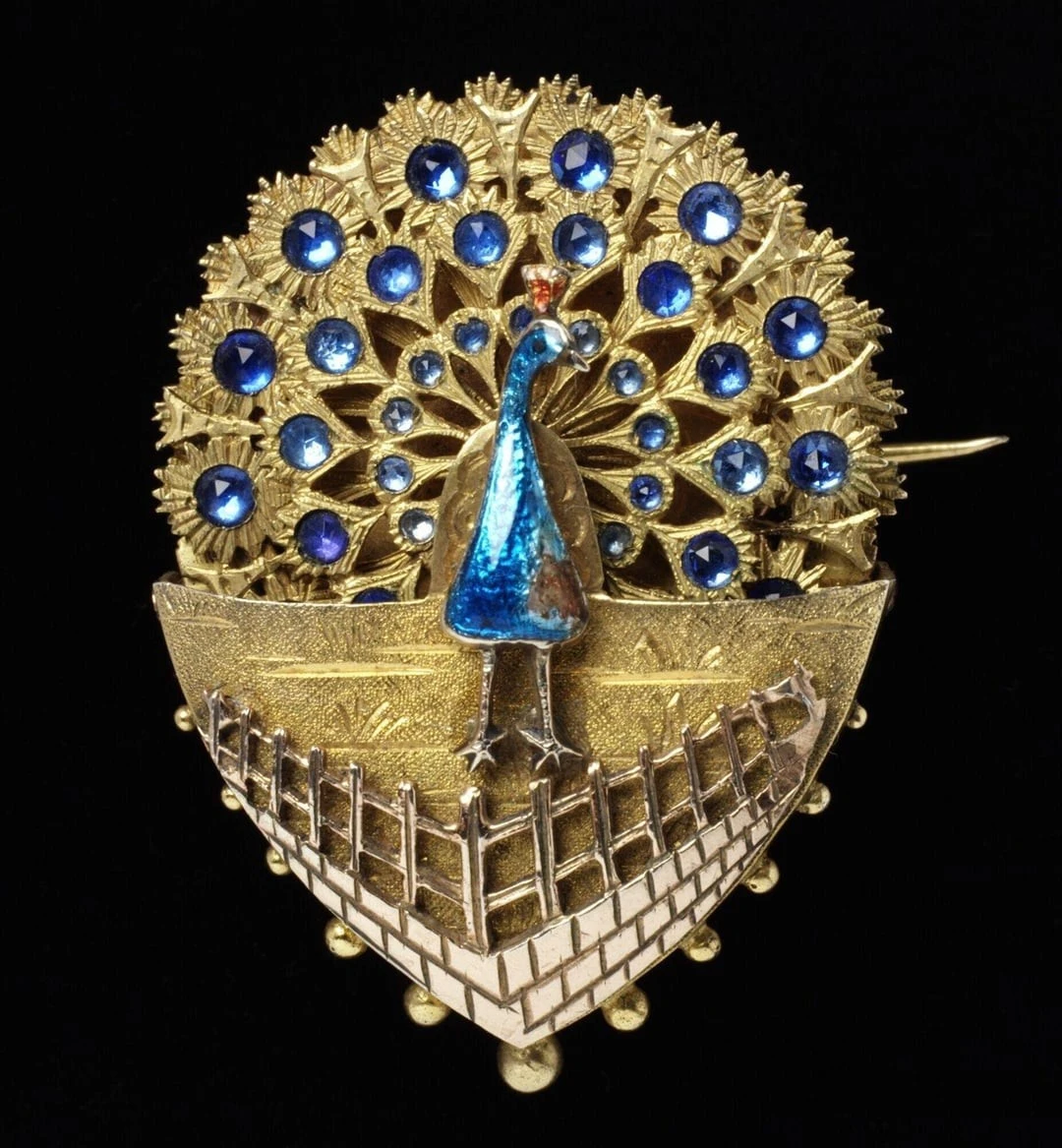
13. Bridal paduka clogs with toe pegs, wood covered in repoussé silver and gold leaf, Kutch, India, 1850–1900 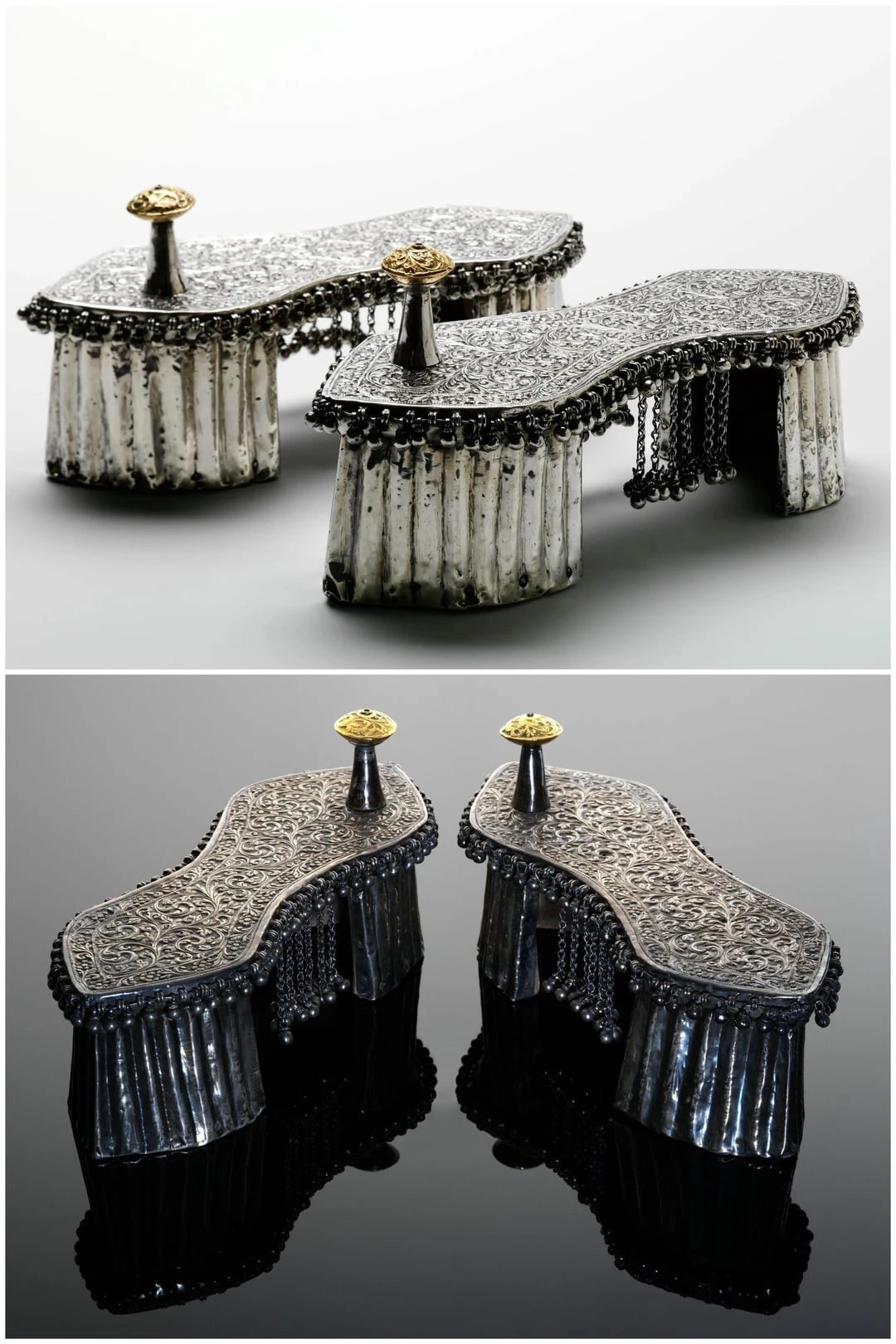
14. Mysterious carved head (532 BCE – 339 CE) 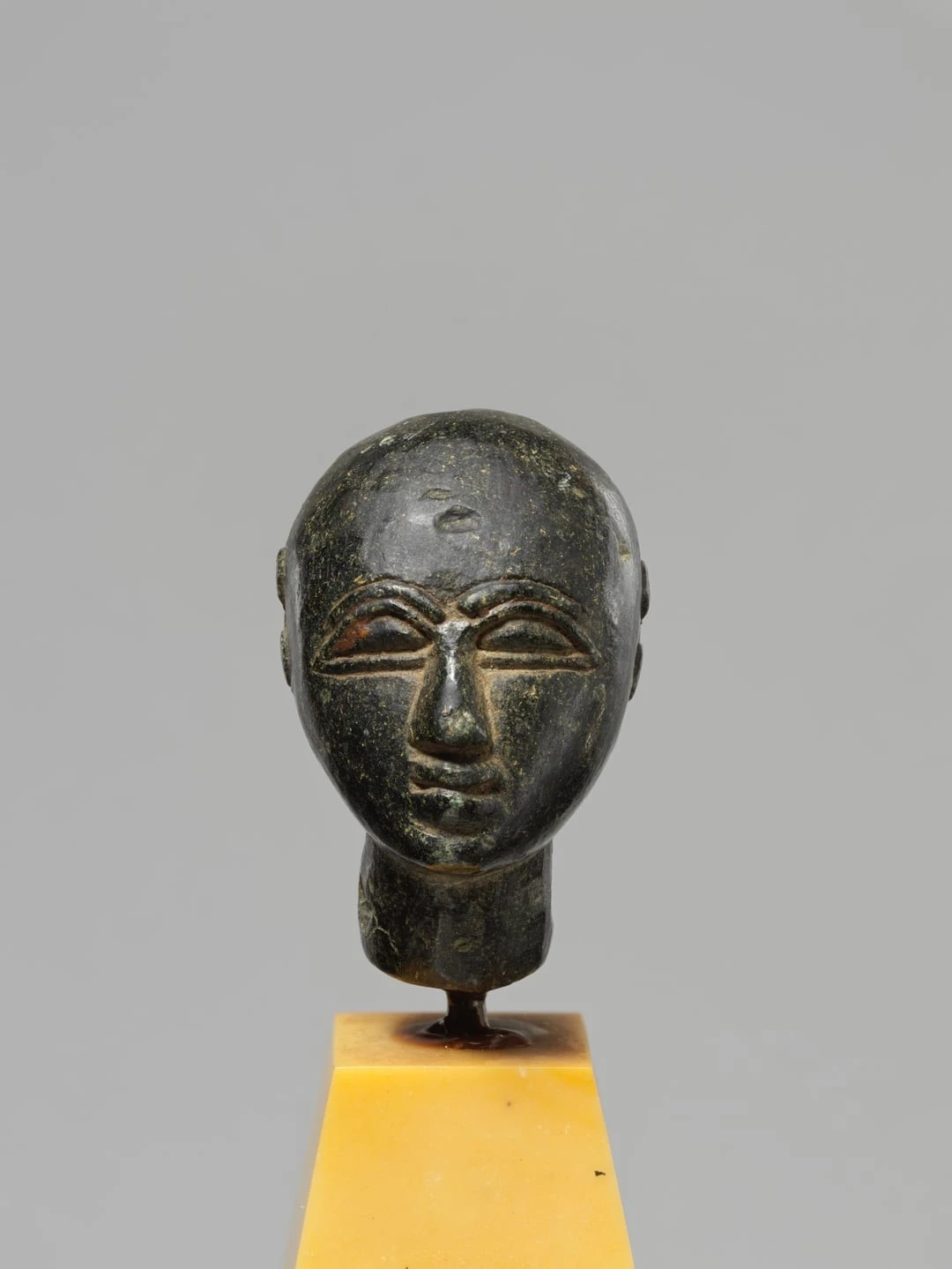
15. Pair of bronze tigers, likely used as bell stands, China, Western Zhou Dynasty, 950–850 BCE 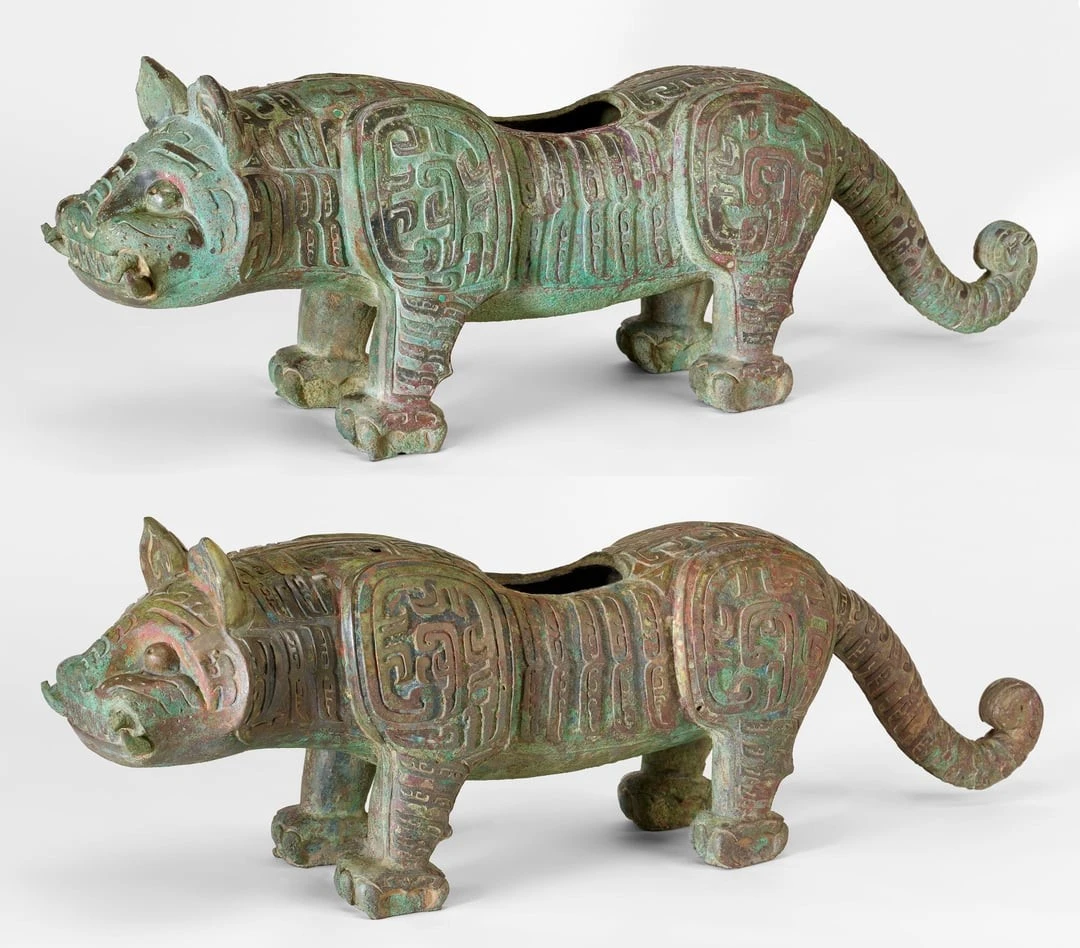
16. Sketch of a horse on limestone, New Kingdom Egypt, c. 1300–1080 BCE 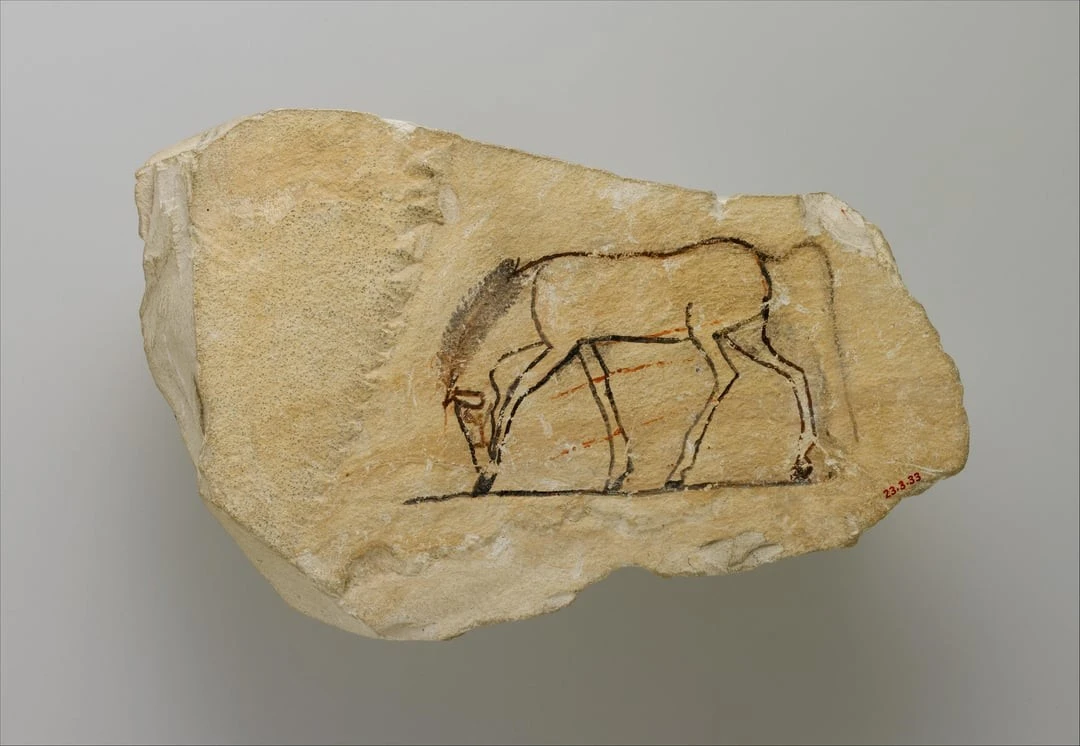
17. An illustrated love letter from cartoonist Alfred Frueh to his fiancée Giuliette Fanciulli, styled as a miniature art gallery with original drawings 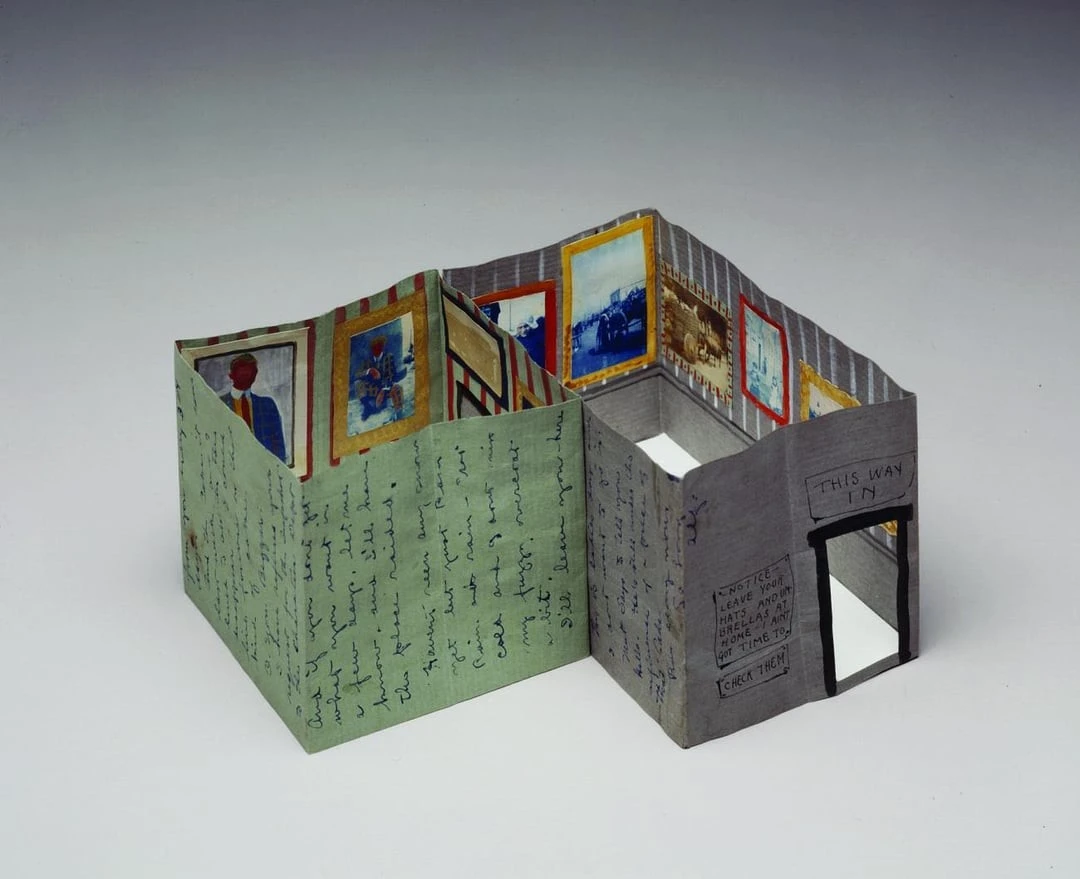
18. 100 escudos (centén), Spanish Empire (Segovia Mint), 1633 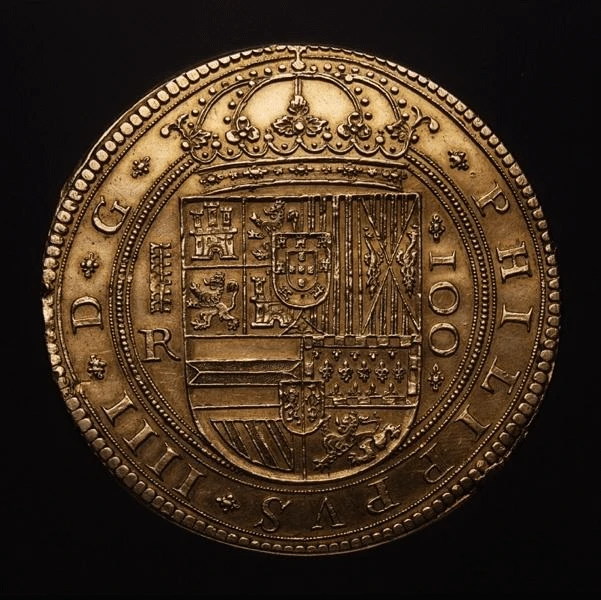
An extraordinary presentation piece struck for nobility by direct royal decree, containing 340 grams of 22-karat (91.7% pure) gold and measuring 71 mm in diameter.