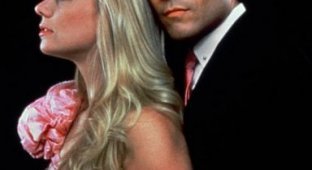
Manhattan’s Ultimate "Swan": How Babe Paley Topped the International Best-Dressed List 17 Times—and Never Forgave Her Best Friend (15 photos)
Barbara Cushing—known to all of New York simply as Babe—was named to the International Best-Dressed List 17 times. An icon of her era, she was Truman Capote’s ultimate muse and the wife of CBS founder William S. Paley. Yet behind her facade of effortless perfection lay years of enduring her husband's affairs and a bitter betrayal by her closest confidant that she carried to her grave. Here is her story, from her childhood as the daughter of a world-renowned neurosurgeon to a silence that spoke louder than words ever could. 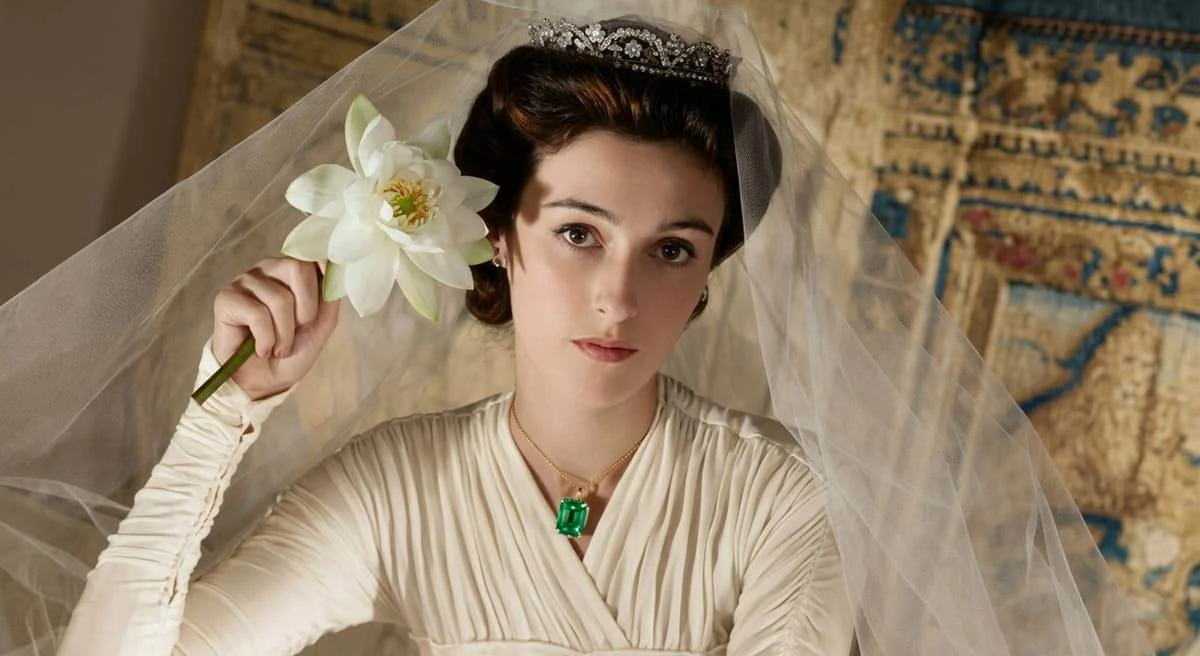
The Fabulous Cushing Sisters
Barbara Cushing was born in Boston on July 5, 1915. Her father, Harvey Cushing, was one of the most celebrated neurosurgeons of his day—a pioneer in brain surgery and a professor at Yale, Harvard, and Johns Hopkins. Her mother, Katherine Crowell, was fiercely dedicated to her daughters' prospects, viewing beauty and upbringing as social capital to be shrewdly invested. 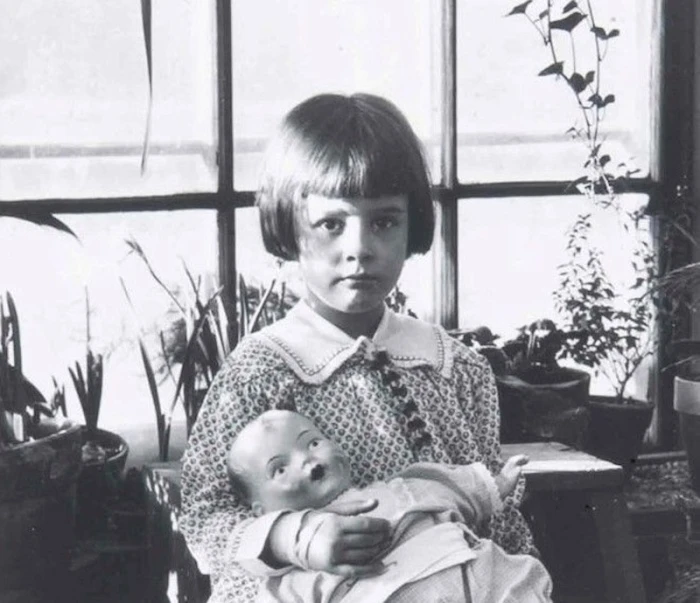
Barbara Cushing as a child. Her neurosurgeon father and ambitious mother gave the three sisters everything—except the luxury of an ordinary life.
In New York high society, the three Cushing girls—Minnie, Betsy, and young Barbara—were dubbed "the Fabulous Cushing Sisters," a moniker they earned in full. Minnie became the second wife of millionaire Vincent Astor. Betsy married James Roosevelt, son of President Franklin D. Roosevelt, and later, publisher John Hay Whitney. Both made brilliant matches, but it was the youngest sister, nicknamed Babe since childhood, who would eclipse them all. 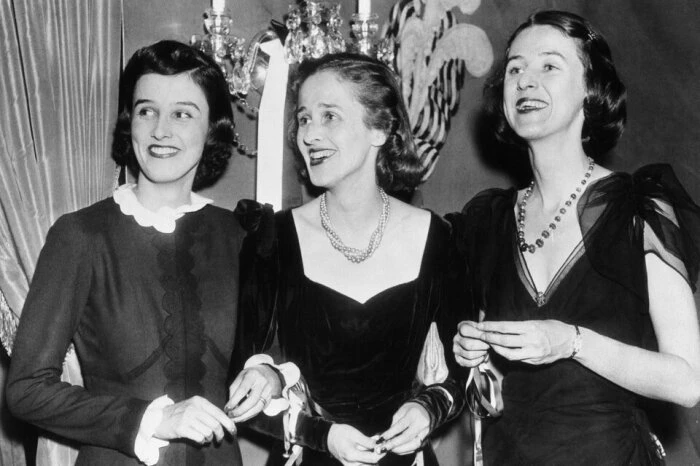
The three Cushing sisters. New York society called them "fabulous" for their grace, poise, and uncanny ability to secure advantageous marriages.
In 1934, Barbara graduated from the prestigious Winsor School in Boston and made her society debut that same year. Even amidst the Great Depression, her debutante ball was a sensation, dominating the gossip columns for weeks. She possessed it all: a distinguished lineage, flawless manners, striking beauty, and an innate sense of style that money simply could not buy. 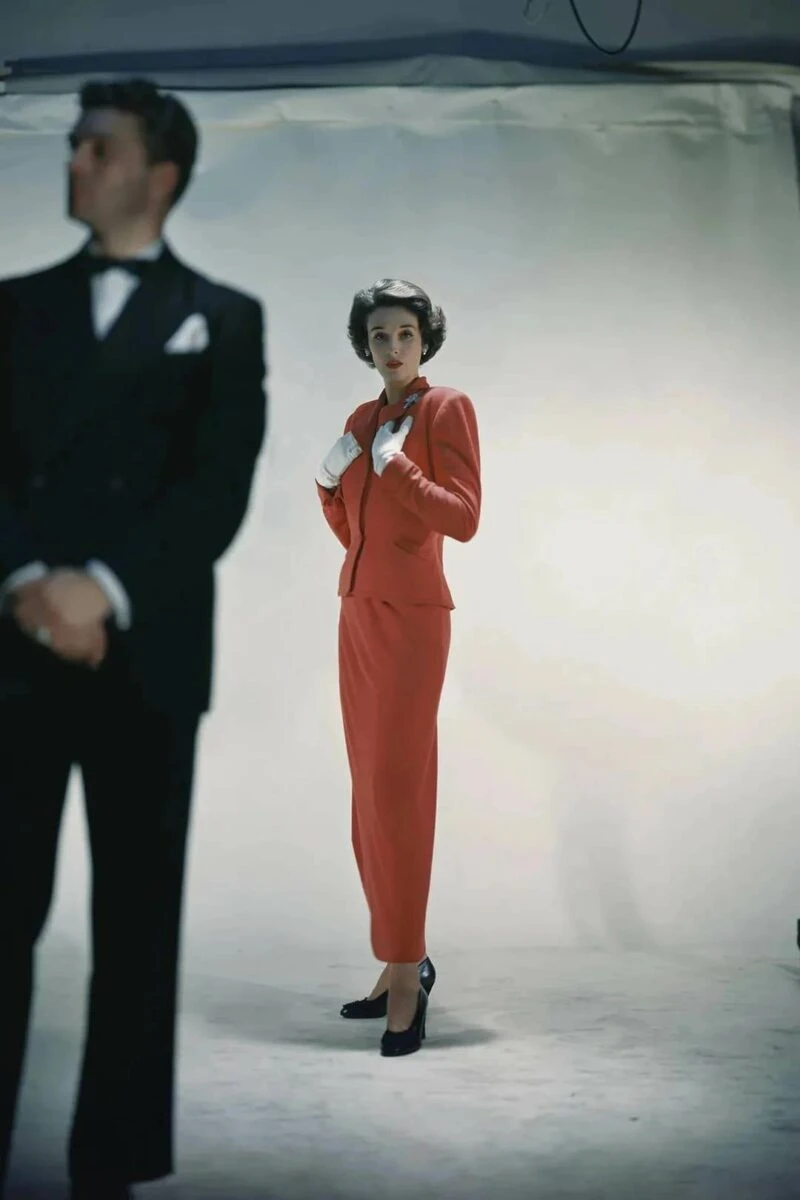
Babe Paley in the pages of Vogue. Her face graced the magazine's cover long before she joined its editorial staff.
Vogue Editor and the Original Queen of "Quiet Luxury"
In 1938, at just 23 years old, Barbara became a fashion editor at American Vogue. She didn't merely follow trends; she set them effortlessly. In 1941, Time magazine ranked her second on its International Best-Dressed List, behind only Wallis Simpson, the Duchess of Windsor, for whom King Edward VIII had abdicated the British throne. By 1945, Babe claimed the top spot—and would go on to hold it 16 more times, for a total of 17 appearances. 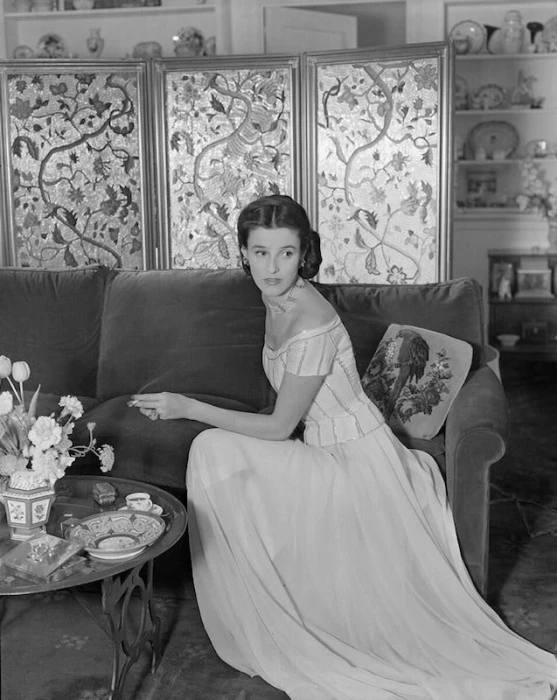
An immaculate look with not a single element out of place. Contemporaries described her style as flawlessly understated—striking precisely because it never tried too hard.
Her influence was tangible. Once, rushing to lunch, Babe casually tied a silk scarf to the handle of her handbag simply because she didn't want to carry it. Paparazzi captured the moment, and by the next day, women all over New York were copying her. She was among the first to pair Harry Winston diamonds with inexpensive costume jewelry, demonstrating that true style had nothing to do with price tags. When her hair began to gray, she refused to dye it—instantly turning natural gray hair into a fashion statement at a time when society deemed it unthinkable. Her legendary jewelry collection was valued at over a million dollars, featuring exquisite pieces from Harry Winston, Cartier, Tiffany & Co., and Van Cleef & Arpels. 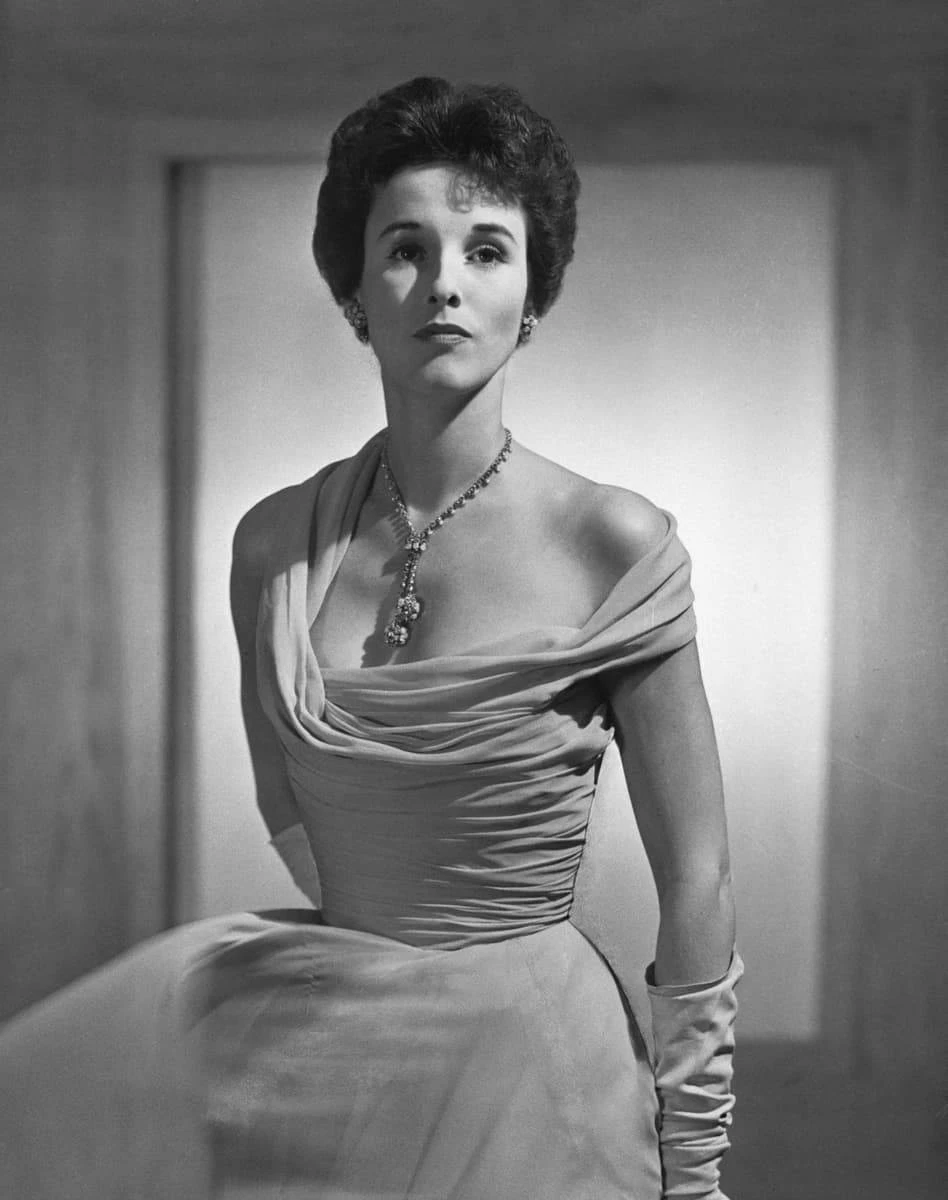
Babe Paley had a knack for wearing a million dollars' worth of jewels as if they were costume trinkets. That effortless paradox was her signature secret.
In 1947, Barbara married her second husband, William S. Paley, the founder of CBS and one of America’s most powerful media tycoons. Her first marriage to oil heir Stanley Grafton Mortimer Jr. had ended in divorce in 1946 after six years and two children, Stanley and Amanda. The union with Paley was mutually advantageous: it granted him entry into New York's elite social circles, which had largely excluded Jewish figures due to prevailing anti-Semitism, while offering her unlimited wealth and global stature. Together, they had two more children, William Jr. and Kate. 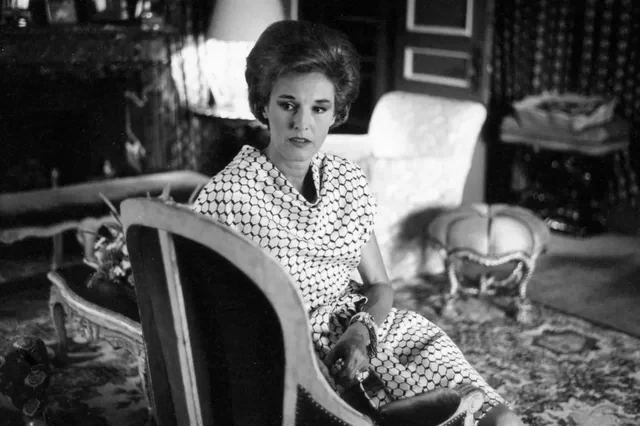
Babe Paley at a high-society reception. She left her editor role at Vogue after marrying Paley, but never stopped dictating style.
In 1958, she was inducted into the International Best-Dressed List Hall of Fame, cementing her status as an enduring fashion icon. As one admirer famously put it: "She was born to make the rest of the world feel inadequate."
Truman Capote and His "Swans"
In 1955, Babe met Truman Capote, sparking an instant, unspoken bond. By then, Capote was one of America's most celebrated literary figures—author of Breakfast at Tiffany's and later In Cold Blood—as well as a fixture of high society. He surrounded himself with glamorous, wealthy socialites whom he dubbed his "swans" for their graceful necks, impeccable poise, and regal bearing. His inner circle included Lee Radziwill, Gloria Guinness, Marella Agnelli, Slim Keith, and Pamela Churchill. But among them all, Babe was his undisputed favorite. 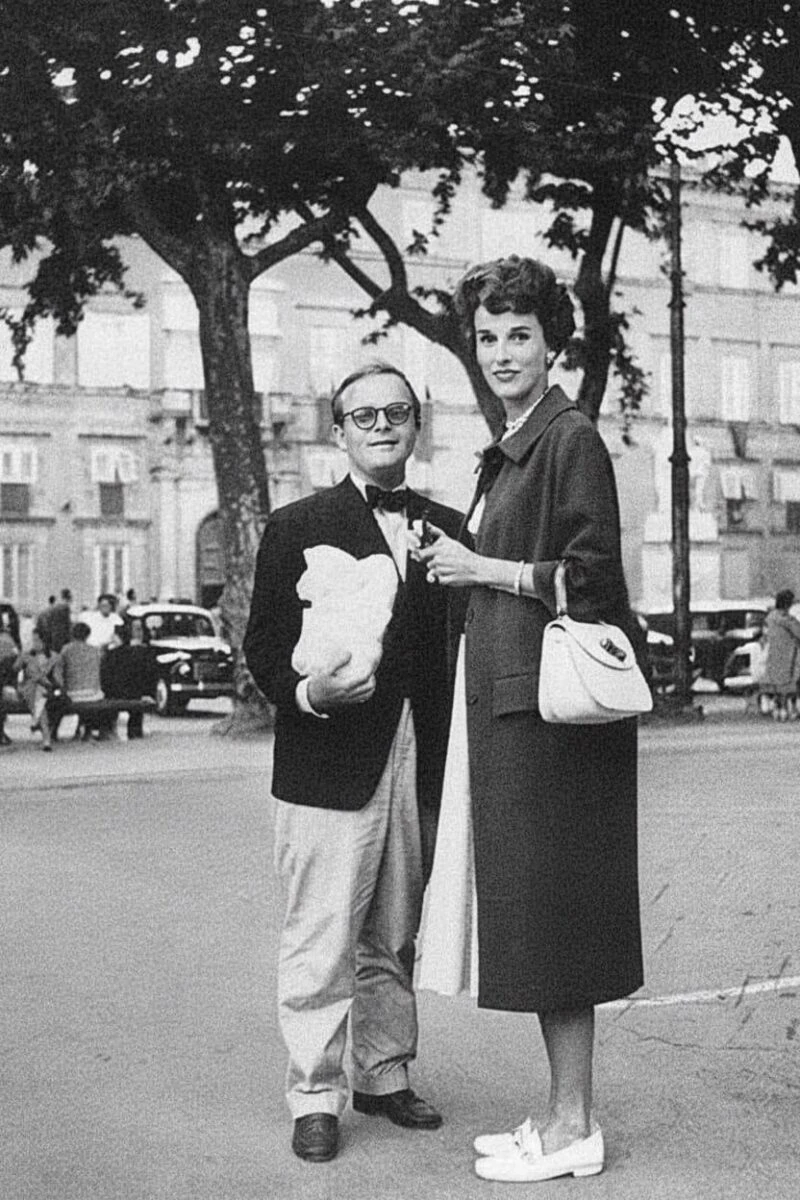
Babe Paley and Truman Capote. He called her his "favorite swan" and declared that everything about her was utterly divine.
"The first time I saw her," Capote recalled, "I thought, 'There is perfection.' Her posture, her grace, the way she held her head." Many biographers believe Babe was the primary inspiration for Holly Golightly in Breakfast at Tiffany's. Capote often hailed her as the most beautiful woman of the 20th century. When Marilyn Monroe once asked him who he thought was the most attractive woman he knew, Capote didn't hesitate: "Barbara Paley. Hands down." Monroe replied, "She’s so elegant. Looking at photos of her makes me feel like a waitress." 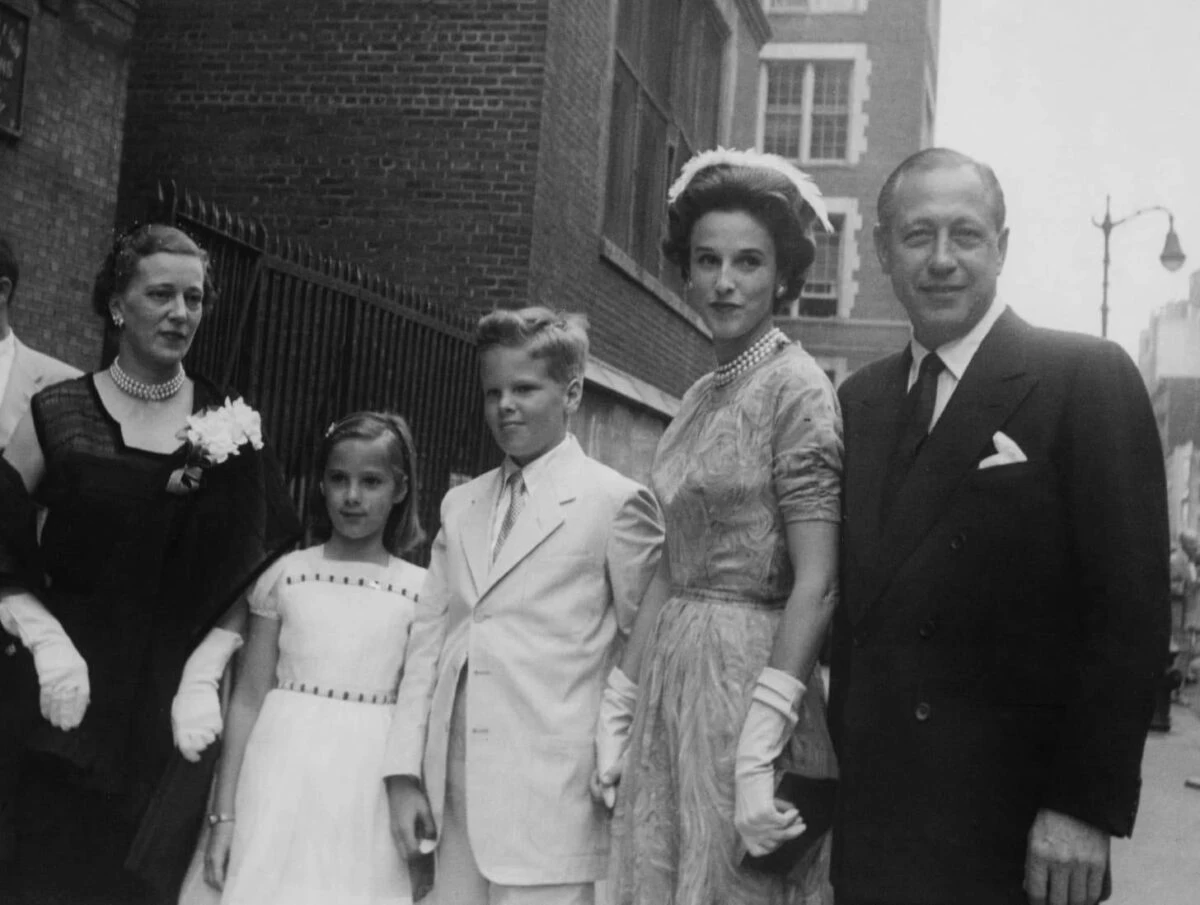
Barbara and William Paley with their children. On the surface, a picture-perfect family; behind closed doors, years of quiet heartbreak known only to a trusted few.
For Babe, Capote became her sole true confidant. William Paley's infidelities were rampant and openly whispered about in their circle, causing Babe deep anguish that she could share with no one else. According to Capote, he twice talked her out of leaving her husband. "Bill bought you," he advised her. "Look at it this way: being Mrs. William S. Paley is a job. The best job in the world. Accept it, and enjoy the perks." She accepted it, maintaining her serene smile at every gala and dinner party. 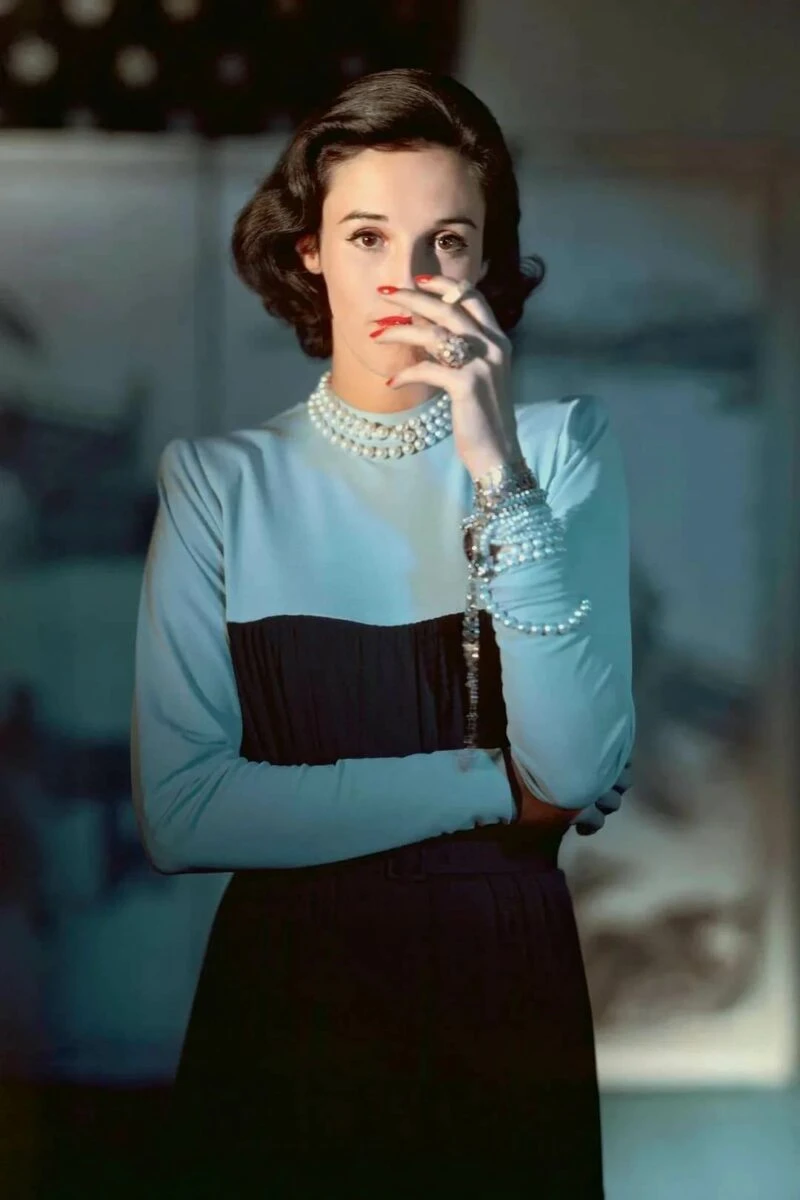
A Vogue photo shoot. Babe once admitted her fear of being remembered merely as the woman who tied a scarf to her purse. Capote dismissed the thought, assuring her she defined an entire era.
"La Côte Basque, 1965": The Birth of a Betrayal
Capote conceived his unfinished novel Answered Prayers as early as 1958, taking its title from Saint Teresa of Ávila’s quote: "More tears are shed over answered prayers than unanswered ones." He planned eight chapters. After publishing the first excerpt, "Mojave," in Esquire in June 1975 to a mild reception, he released the second installment that November: "La Côte Basque, 1965," named after the iconic Manhattan dining spot favored by the social elite. 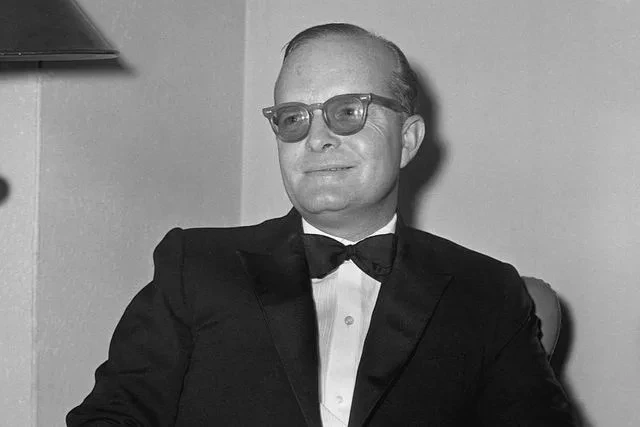
Truman Capote in the 1970s. Following the publication of "La Côte Basque," he was cast out by the very high society he adored.
Though the names in the story were thinly veiled pseudonyms, no one in New York had any doubt who the characters were. Capote brutally detailed a humiliating extramarital affair—a glaringly obvious portrait of William Paley. Babe’s deeply painful private trauma was suddenly laid bare in print for millions to read. To make matters worse, when the November issue of Esquire hit newsstands, Babe was already battling terminal lung cancer, diagnosed in 1974. Crushed by the betrayal, she channeled her heartbreak not at her husband, but at Capote. 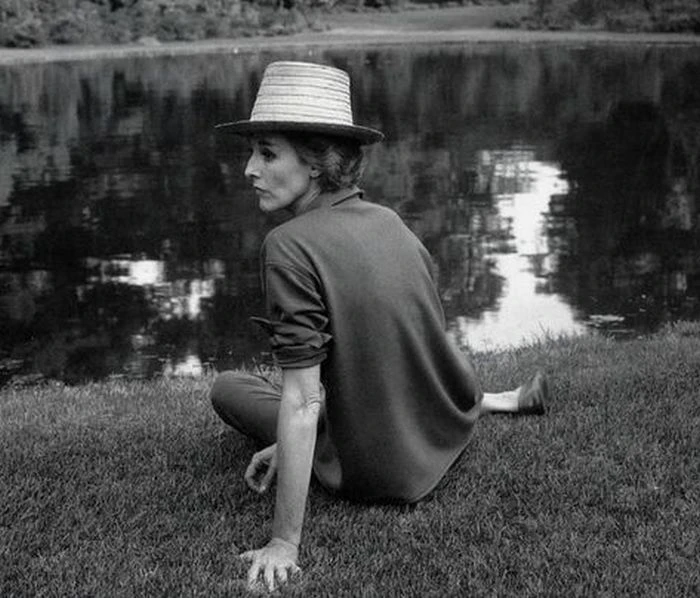
Babe Paley in her final years. She gave no interviews about Capote, wrote no letters, and refused his calls. Her silence was her ultimate response.
After a third excerpt, "Unspoiled Monsters," appeared in May 1976, Capote was permanently banished from the high-society world he treasured. His beloved "swans" cut all ties, and his influential patrons turned their backs on him. Devastated by the ostracization, Capote spiraled into severe drug and alcohol abuse, making erratic television appearances that producers had to cut short. He never finished Answered Prayers. The three published chapters were compiled and released posthumously in 1987. 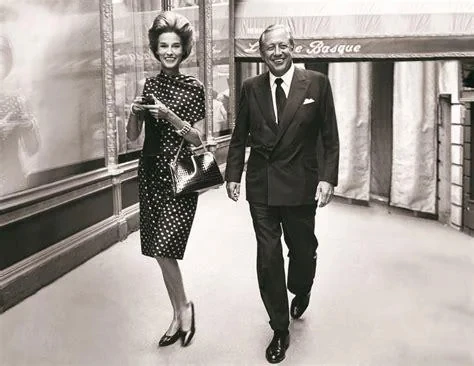
Barbara and William Paley. Following the Esquire scandal, William told Capote over the phone, "My wife is very ill." They never spoke again.
The Final Season: Dying with Elegance
Knowing her time was short, Babe refused to let illness disrupt her poise or routine. She planned her own funeral down to the last detail: curated the menu for the post-funeral lunch, selected the wines, and allocated specific pieces of her jewelry collection to family and friends. She personally wrapped each gift in paper and enclosed a handwritten note. 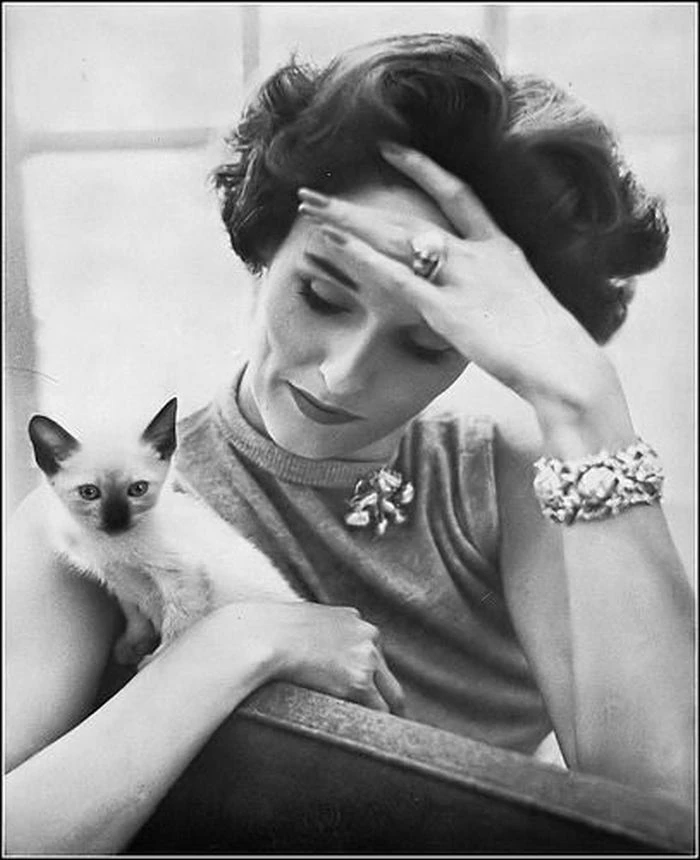
Babe Paley at home. Away from the society columns lay a woman who possessed the rare gift of simply being herself.
Capote made several desperate attempts to reach her. Shortly after the article was published, he called William to ask if he had read it. "I started it," Paley replied coolly, "but I fell asleep. Then the magazine was thrown out." "I’ll send you another copy," Capote offered. "Don't bother. My wife is very ill." That was the end of the conversation. Babe never picked up his calls—not even once.
Barbara Paley passed away on July 6, 1978, the day after her 63rd birthday. Capote was barred from attending the funeral. He survived her by six years, dying on August 25, 1984, at the Los Angeles home of his friend Joanne Carson. Accounts suggest that in his final hours, he kept repeating her name. The masterwork for which he sacrificed his most treasured friendships remained forever incomplete. 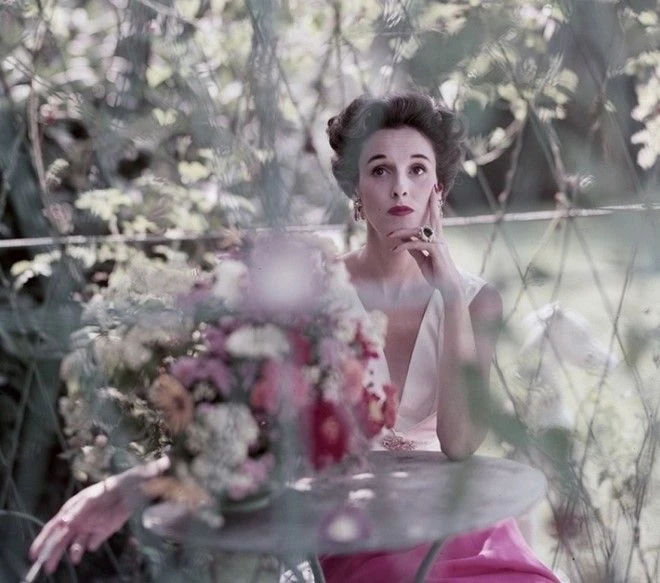
Babe Paley shortly before her death. She never uttered a single public word about Capote. Her three-year silence spoke louder than any accusation.
She was laid to rest at St. John's Church Cemetery in Cold Spring Harbor, New York. In 1990, William Paley was buried beside her.
Babe Paley entered history as the woman who turned a scarf tied to a handbag into global fashion—and as the woman who chose composure where others would have raged. She once reflected with a touch of melancholy: "I can't help thinking I’ll only be remembered for tying a scarf around my purse." Capote disagreed, insisting her legacy ran far deeper. He was right.
What do you think—can betraying personal secrets ever be justified in the name of high art? Or was Capote’s action simply an unforgivable act of betrayal?