8 World-Famous Landmarks Shrouded in Legend (9 Photos)
Modern minds might readily dismiss ancient myths and legends, yet despite an abundance of hard historical facts, these storied tales haven't lost a bit of their magic. Tour guides frequently lean on the most colorful folklore to captivate their listeners—and for good reason. Legends evoke a sense of wonder and fascination, especially when tied to truly extraordinary places. 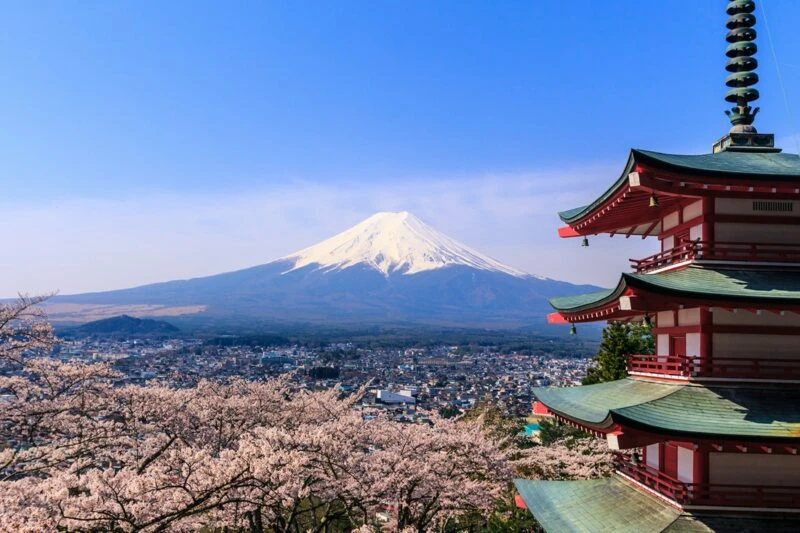
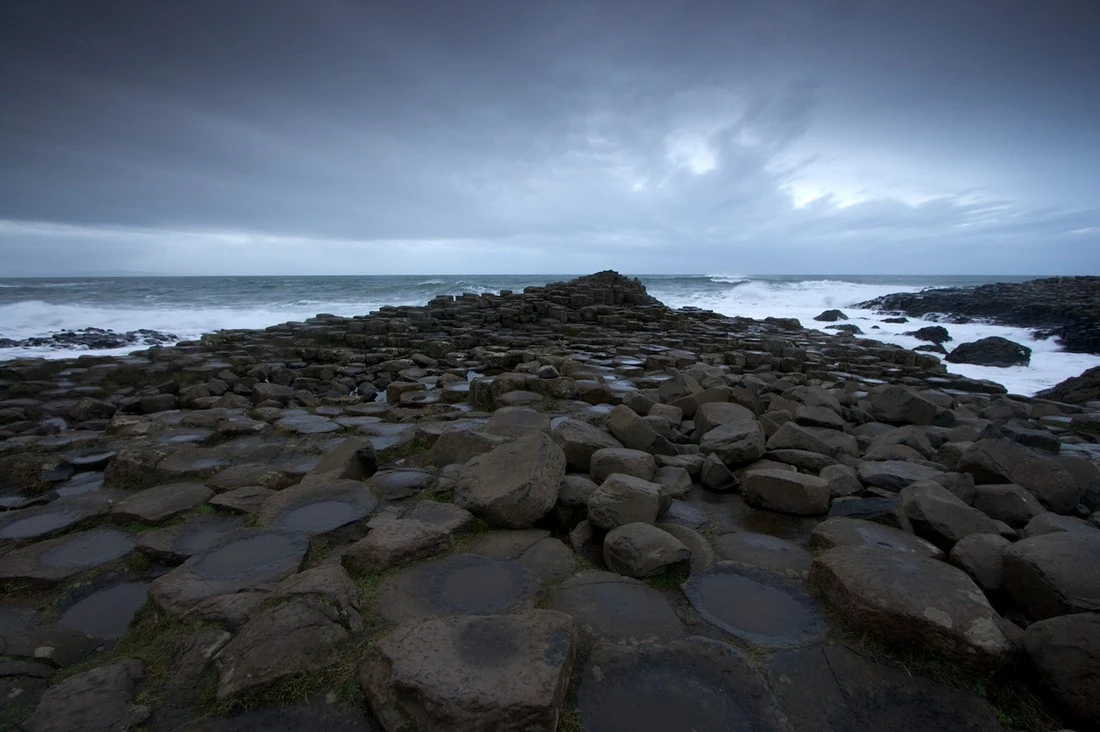
1. Giant's Causeway, Northern Ireland
While scientists maintain that the Giant's Causeway was formed by ancient volcanic activity, local legend tells a far more dramatic story featuring the mythical Celtic hero Fionn mac Cumhaill (Finn McCool). Wanting to challenge the giant Goll (Benandonner) to a duel, Fionn drove massive stone columns into the seabed of the Irish Sea, crafting a makeshift bridge between Ireland and Scotland.
Exhausted after his hard work, Fionn lay down to sleep. Meanwhile, Goll crossed the causeway into Ireland. Sensing danger, Fionn's clever wife rushed out to meet the giant and convinced the brute that the sleeping hero was merely her infant child. She then served the uninvited guest cakes baked with iron griddles inside, while giving her husband ordinary ones. Goll shattered his teeth on the iron-laced cakes, while the "baby" devoured his without flinching. Terrified by the incredible strength of the supposed infant, Goll shuddered to imagine the father's power and fled back to Scotland, destroying the bridge behind him. (Photo: Jonathan Tweed) 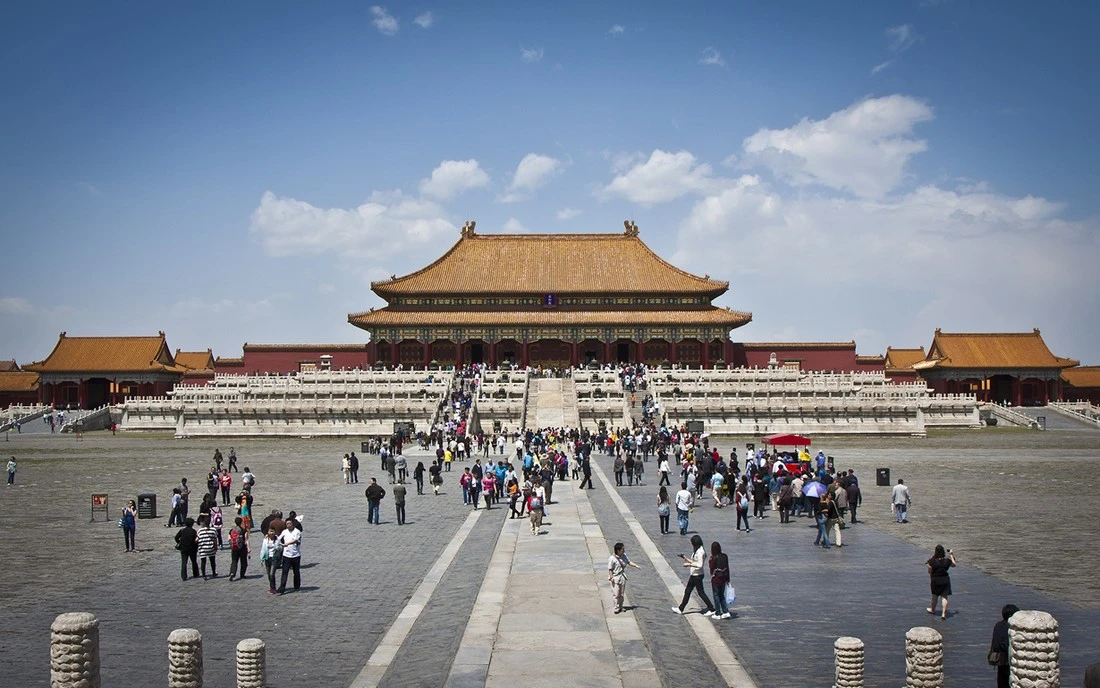
2. The Forbidden City Palace Complex, Beijing
Sprawling across 720,000 square meters, this palace complex is the largest of its kind in the world. Centuries ago, stepping inside without permission would have cost you your head. Today, visitors are free to explore its magnificent grounds and unearth the legends embedded in its history. One of the most famous tells of the Yongle Emperor (Zhu Di), who dreamed of four extraordinary watchtowers he had never seen before. Upon waking, he ordered his architects to erect these exact towers at the four corners of the Forbidden City walls within three months—under penalty of execution.
A month went by, and the chief architect remained completely baffled, unable to design the complex structures. In sheer desperation, he went for a walk through the city and stumbled upon an old man selling woven grass cages for crickets. Buying one on a whim, he was astonished to discover that the intricate design of the cage was the perfect architectural blueprint for the towers. The Emperor was thrilled with the final result. As it turned out, the old cricket vendor was none other than Lu Ban, the patron god of carpenters. (Photo: Sam Gao) 
3. Avenue of the Baobabs, Madagascar
Madagascar is famous for more than just its lemurs; it is also home to magnificent, ancient trees. The iconic Avenue of the Baobabs is located in the western region of the island. According to one popular legend, God was in a foul mood one day when a baobab tree crossed his path. Venting his anger, he ripped the tree out of the earth by its roots and shoved it back into the ground upside down—which is why its branches look like roots reaching for the sky. (Photo: Gavinevans) 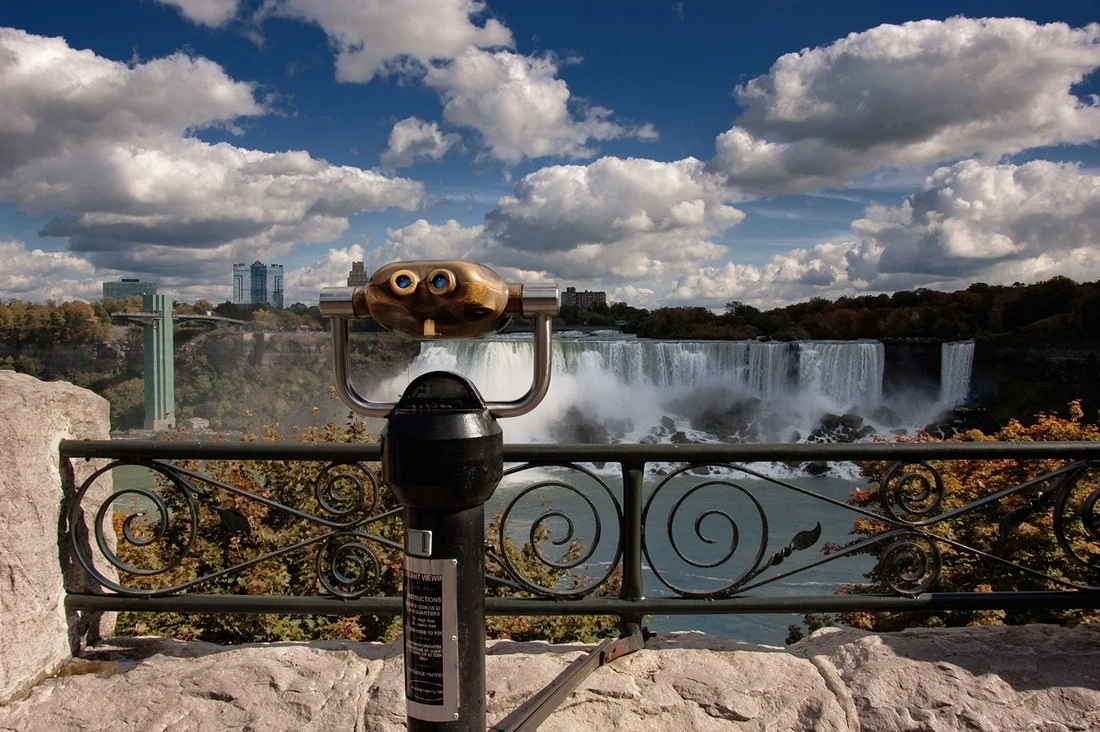
4. Niagara Falls
Straddling the border between the United States and Canada, Niagara Falls boasts a rich tapestry of folklore. The undisputed favorite among local tour guides is the legend of the Maid of the Mist. According to one version, Lelawala, the beautiful daughter of a Seneca chief, was chosen as a sacrifice to the god who dwelled beneath the raging waters, in hopes of appeasing his anger after the tribe's water turned toxic. The selfless young woman paddled her canoe over the brink to meet her fate, but was rescued by the thunder god Heno. He revealed that a monstrous serpent dwelling in the river was responsible for poisoning the water. Lelawala returned to her village and warned her father. The chief rallied his warriors, engaged the beast in battle, and slew it. (Photo: Kiril Strax) 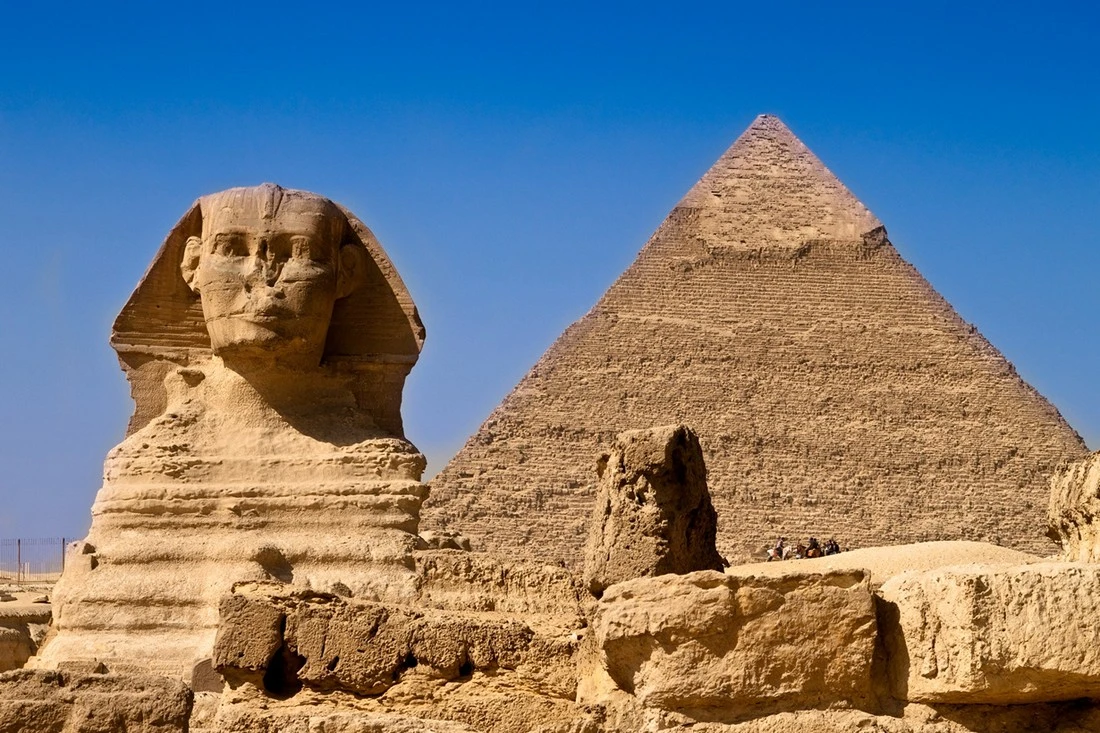
5. The Great Sphinx, Egypt
Towering over the Giza Plateau, this majestic monument is one of the oldest surviving statues in the world. Depicting a mythical reclining creature with the body of a lion and the head of a human, the origin of the Great Sphinx is shrouded in myth and speculation. One of the most enduring legends involves Crown Prince Thutmose, son of Pharaoh Amenhotep II.
While hunting in the desert, Thutmose dismissed his guards to pray near the pyramids alone. Exhausted by the blistering midday sun, he fell asleep in the shadow of the Sphinx, which was buried up to its neck in sand at the time. The statue came alive in his dream and spoke to him, promising him the throne if he would clear the suffocating sand from its paws. The Sphinx then fixed its luminous gaze on the prince, causing him to lose consciousness. Upon waking, the prince vowed to honor the request. Once he ascended the throne as Pharaoh Thutmose IV, he ordered the excavation of the statue and erected a commemorative granite stele between its paws. (Photo: Clark & Kim Kays) 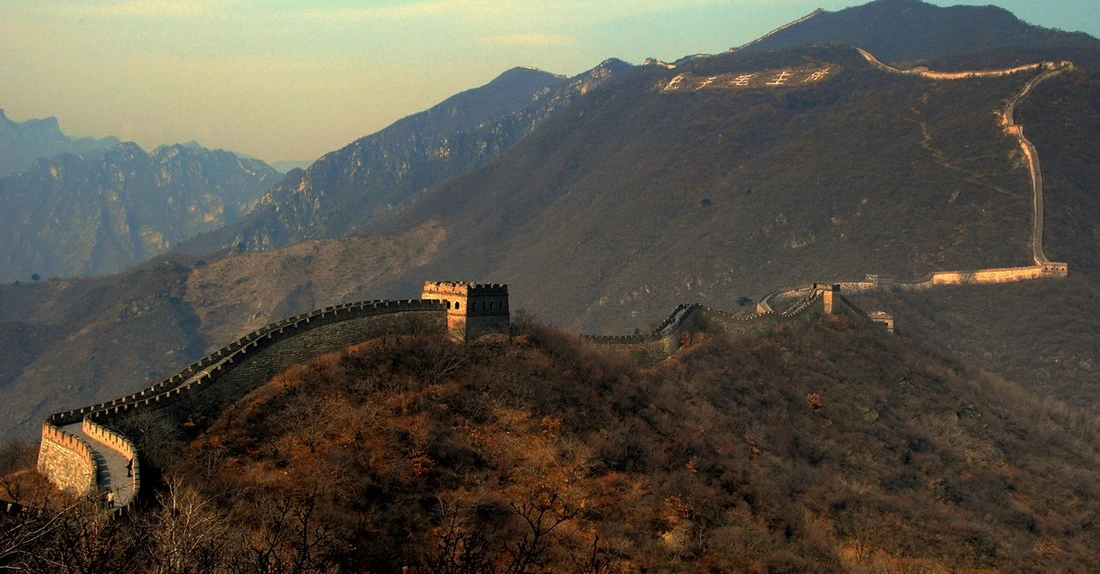
6. The Great Wall of China
Among the countless legends surrounding the building of the Great Wall, the story of Lady Meng Jiang (Meng Jiang Nü) is perhaps the most heartbreaking and romantic. Long ago, two childless neighbor couples, the Mengs and the Jiangs, lived side by side. One year, Mrs. Jiang planted a bottle gourd vine, which grew over the wall into the neighbor's yard and produced an enormous gourd. The close neighbors decided to split it down the middle, only to discover a baby girl inside. They named her Meng Jiang Nü and raised her as their own. She grew into a woman of peerless beauty and married Fan Xiliang, who was hiding from imperial officials forcing young men into hard labor on the Great Wall.
Their marital bliss was short-lived: Fan Xiliang was captured and hauled away to the construction site. After waiting a year without a single word, Meng Jiang Nü set out to find him. Her long search ended in tragedy when she discovered that her husband had died of sheer exhaustion and had been buried beneath the wall itself. Overcome with grief, Meng Jiang Nü wept at the site for three days and three nights. Her agony was so immense that a section of the wall collapsed. Furious at the destruction, the Emperor intended to execute the widow—until he caught sight of her stunning face and demanded her hand in marriage instead. She agreed, but only on the condition that her late husband receive a proper burial. Once the Emperor fulfilled her request, Meng Jiang Nü cast herself into the sea, choosing death over marrying the tyrant. (Photo: Michael McDonough) 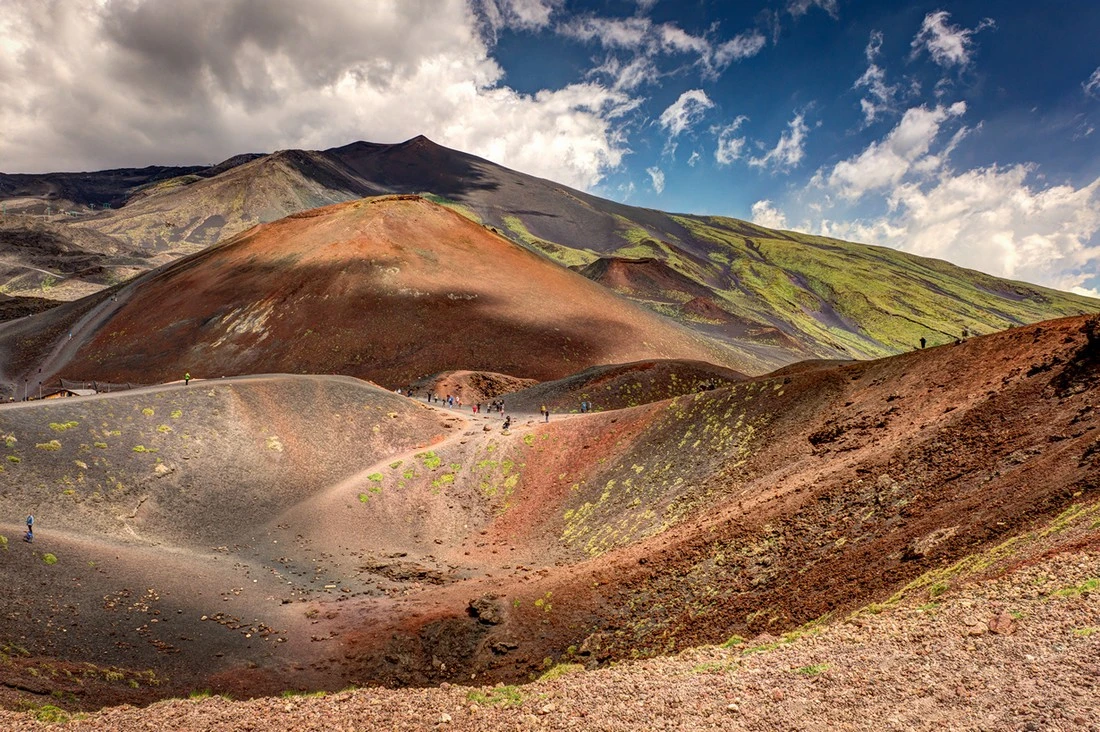
7. Mount Etna, Sicily
Mount Etna is one of Europe's highest and most active volcanoes, having erupted over 200 times throughout recorded history. In 1669, a catastrophic eruption lasted four months, wiping out 12 villages. Mythology, however, offers a darker explanation: the volcano houses Typhon, a fearsome hundred-headed monster imprisoned deep beneath the mountain by Zeus. Whenever Typhon's rage flared up, the earth shook and fiery wrath erupted from the peak. (Photo: Alessandro Baffa) 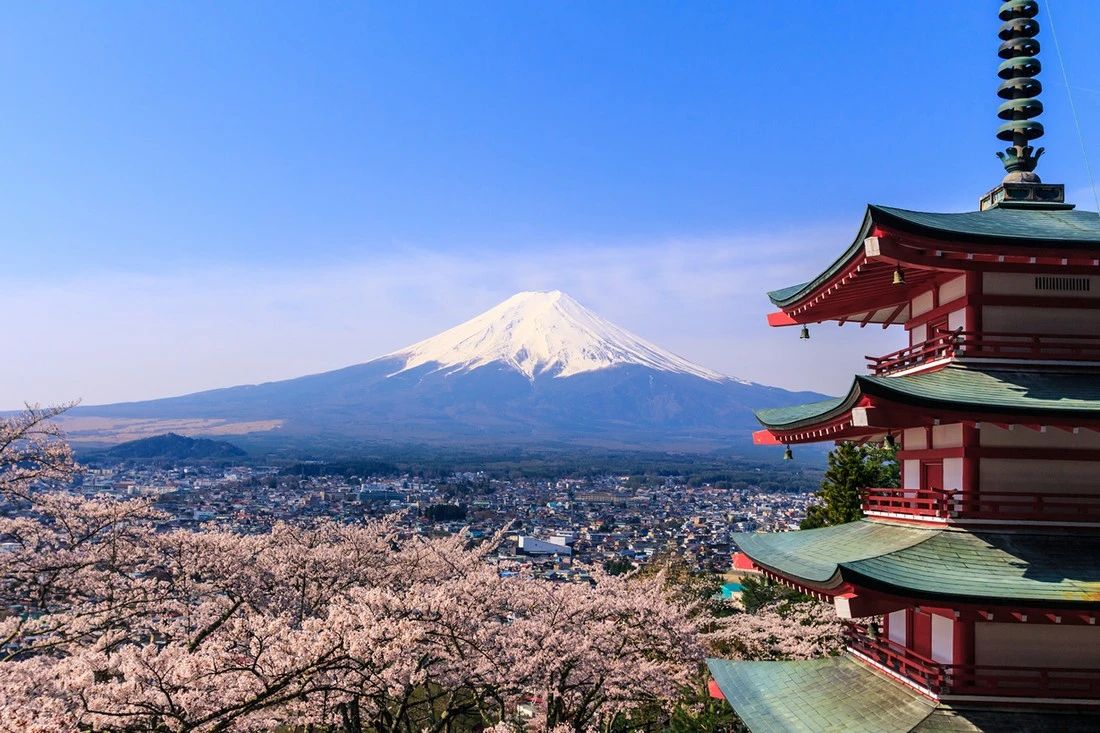
8. Mount Fuji, Honshu, Japan
Mount Fuji is indisputably one of Japan's most recognizable natural landmarks. A cherished motif in Japanese art, poetry, and cinema, it is also steeped in myth. One famous legend tells of an elderly bamboo cutter and his wife living near the base of the mountain. One day, while cutting bamboo, the man discovered a glowing stalk containing a tiny girl no bigger than a thumb. Overjoyed, the childless couple took her home and raised her. Soon after, the bamboo cutter began finding gold nuggets inside bamboo stalks, bringing the humble family instant wealth and happiness.
The child, named Kaguya-hime (Princess Kaguya), grew into a maiden of extraordinary beauty. Noble suitors and even the Emperor himself sought her hand, but she turned them all down, longing to return to her true home on the Moon. On a full moon night, celestial beings descended to take Kaguya-hime home. Before departing, she left the Emperor a farewell letter and the Elixir of Immortality. Heartbroken and refusing to live forever without his love, the Emperor ordered his men to carry the gifts to the peak of Mount Fuji and burn them. Legend has it that the smoke and fire from the burning elixir gave Mount Fuji its volcanic nature. (Photo: Reginald Pentinio)