What the "Slow Life" Philosophy Can Teach Us (6 photos)
The pace of modern life speeds up every year, and it’s not to everyone’s liking. All the hustle and bustle takes a toll on our mental health—and, by extension, our overall well-being. But a growing movement is challenging the relentless rush of the modern world. Known as "Slow Life," it champions an unhurried lifestyle focused on savoring the moment. 
The slow life philosophy urges us to pause, reflect, and truly begin living. Its advocates strive to approach every day mindfully, prioritizing quality over quantity. This philosophy spans every aspect of life—from what we eat to how we work and build personal relationships. At its core, Slow Life is built on a simple premise: good things take time. 
The 21st century offers endless opportunities, convincing us that we must keep up with everything to succeed. Yet living in a perpetual state of hurry and stress in pursuit of achievement risks missing what truly matters—leaving us with regrets down the road.
The History of the Slow Life Movement
The Slow Life movement emerged in the 1980s, when people first began pushing back against the frantic pace of modern living. It grew out of the "Slow Food" movement in Italy, where residents began rebelling against the rise of fast food in the late '80s. 
Italians were reluctant to compromise their dolce vita. Accustomed to leisurely, wholesome meals prepared with organic ingredients and genuine passion, they saw cooking as an art form to be enjoyed. Gathering around the dining table with family for breakfast, lunch, and dinner wasn't just about eating—it was a cherished ritual of conversation and connection.
Today, Slow Food is just one piece of the broader Slow Life philosophy, which now encompasses movements like Slow Art—an approach encouraging people to slow down and thoughtfully engage with painting, sculpture, music, and literature. Similarly, Slow Beauty turns mundane skincare routines into meaningful acts of self-care. 
There's also "Slow Communication," which encourages trading quick phone calls for heartfelt, in-person conversations over coffee or wine. Meanwhile, "Slow Travel" prioritizes unhurried, enriching experiences over packed, sightseeing-heavy itineraries. The list goes on—Slow Life spans almost every facet of day-to-day living.
How to Slow Down and Enjoy Life
It all sounds enticing, but how do you actually adopt Slow Life principles and stop rushing? Here are a few simple steps to help you slow down and start enjoying the journey rather than focusing solely on the destination.
1. Learn to unwind. Keep work strictly within working hours and refrain from bringing office stress home. Spend your free time with family and friends, whether at home, exercising, or relaxing outdoors. Start by granting yourself just one worry-free hour a day. Turn off the news, ignore notifications, and hold off on phone calls. Instead, read a good book, meditate, or take a peaceful walk in the park. 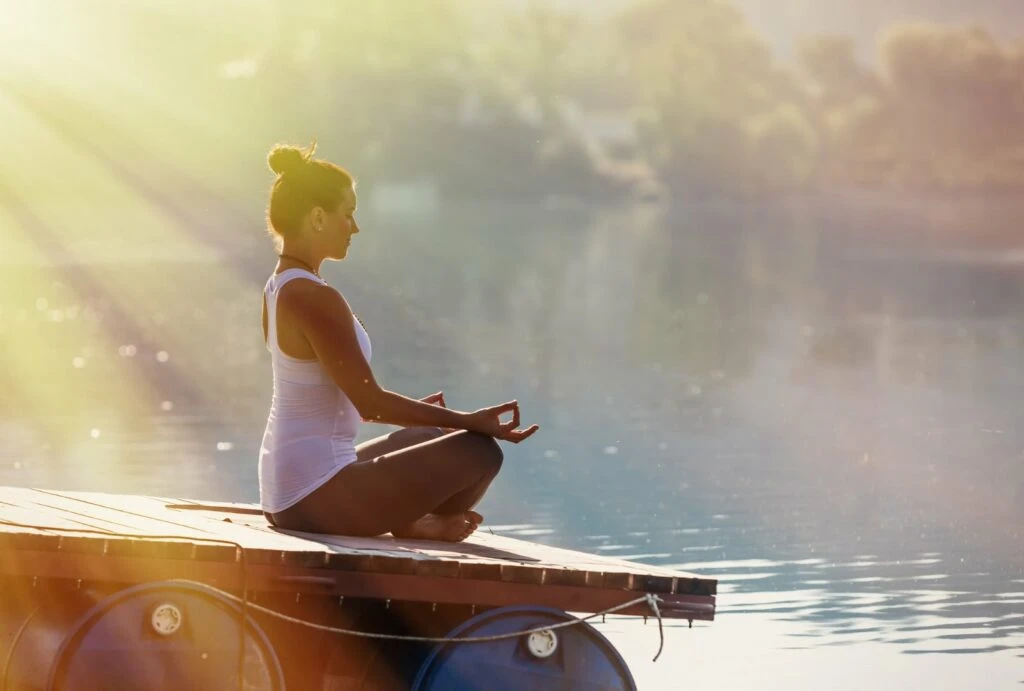
2. Prioritize wisely. Avoid taking on everything at once or rushing through your to-do list. Focus on one single task that matters most in the moment. You'll be more productive—and ultimately free up more time for yourself.
3. Savor simple pleasures. Learn to find joy in life's small moments. True happiness often stems from everyday details, like your morning coffee—which should be a mindful ritual rather than a rushed fix. Find contentment in watching the sunrise, taking your time while shopping, or indulging in a favorite treat just because.
4. Practice non-action. Try doing absolutely nothing for a short period. Start with just five minutes: sit in a comfortable chair without dwelling on the past or planning for the future. Don't make plans and refrain from moving. Simply embrace the present moment and the rare luxury of doing nothing. It’s harder than it sounds, especially if you’re used to a fast-paced life, but mastering this practice will help you find calm both physically and mentally. 
5. Declutter your life. The Slow Life movement goes hand in hand with conscious consumption and minimalism. Physical clutter leads to mental chaos. Clear out items you no longer need, and donate or discard anything you haven't used in over a year. The same applies to social circles—let go of relationships that bring unnecessary stress and discomfort.
6. Take a complete break. Give yourself a true day off—and not just a day away from your job. We often spend our weekends tackling errands and household chores, turning Sundays into cleaning days. Instead, dedicate a day entirely to yourself. Step away from your routine, take a short trip out of town, and spend just one day a month alone with your thoughts. Trust us, the world won't fall apart while you're away.