Talking About the Taboo: How Toilet Paper Came to Be and What People Used Before It (5 Photos)
Every second, around 1,000 rolls of toilet paper are used across the globe—adding up to a staggering 30 billion rolls a year. For some reason, toilet paper is often viewed as a hallmark of modern civilization, even though this hygienic staple was invented centuries ago. Perhaps learning a bit more about its history will give you a newfound appreciation for this humble yet indispensable product of the paper industry. 
Like so many groundbreaking inventions, toilet paper first emerged in ancient China. The earliest documented mention of using rice paper for personal hygiene comes from a letter by the scholar Yan Zhitui, who addressed his concerns in 589 AD:
I would caution against using paper that bears quotations from the Five Classics (Wujing) or the names of sages for toilet purposes.
This curious remark suggests not only that some in the Middle Kingdom lacked reverence for philosophical texts, but also that by the sixth century, people had figured out a practical use for tedious treatises beyond just kindling fires. 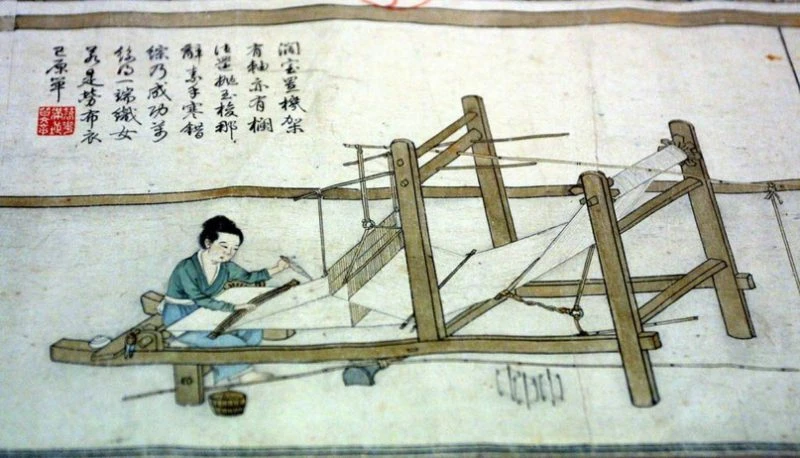
By the ninth century, the practice was in full swing, as evidenced by numerous accounts from the period. Perhaps the most intriguing reference appears in the travel logs of an Arab merchant. Accustomed to washing strictly with water, he was appalled by what he saw as the locals' poor hygiene:
The Chinese do not care about cleanliness—they do not wash with water, but merely wipe themselves with paper.
By the fourteenth century, toilet paper manufacturing in China had reached an industrial scale. Back then, it was produced as individual sheets and counted one by one. A 1393 imperial record shows that 720,000 sheets were supplied for the palace alone. People didn't skimp on size, either—records suggest the sheets measured roughly two by three feet (50 by 90 cm).
Naturally, the emperor enjoyed privileges far beyond those of ordinary subjects, and a luxury grade was crafted exclusively for the imperial family. Palace supply records note that 15,000 extra-soft, perfumed sheets were specially produced for Emperor Hongwu and his relatives. 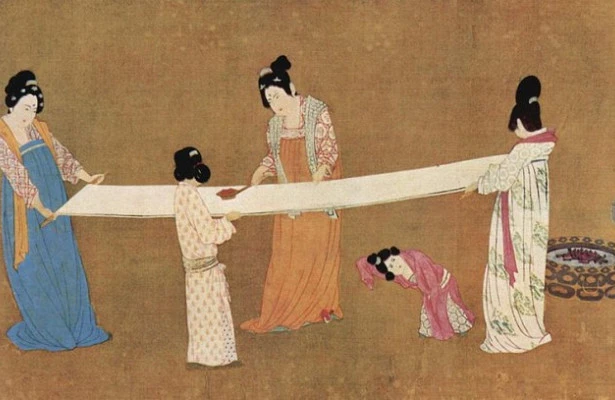
While China was refining the art of personal hygiene, Europe took a much rougher approach. The days of the Romans—who shared a communal wet sponge on a stick—were long gone. During the Middle Ages, commoners turned to leaves and grass, while the aristocracy favored clumps of wool or scraps of cloth. The hardy Vikings relied on moss in the summer and snow during the long winter months.
The colonization of the Americas introduced a few new alternatives. Seeing that Native Americans used dried corncobs, the early settlers promptly followed suit. Even that was mild compared to Oceania, where islanders made do with seashells and coconut husks.
The printing boom of the early nineteenth century prompted widespread use of old newspapers. Connoisseurs even developed preferences for specific textures and paper weights, favoring certain publications over others. Throughout the nineteenth and early twentieth centuries in the United States, The Old Farmer’s Almanac was especially popular for this purpose. Notably one of the oldest continuously published periodicals in the Western Hemisphere, it was thoughtfully pre-punched with a hole by the publishers so it could be hung on a nail in the outhouse. 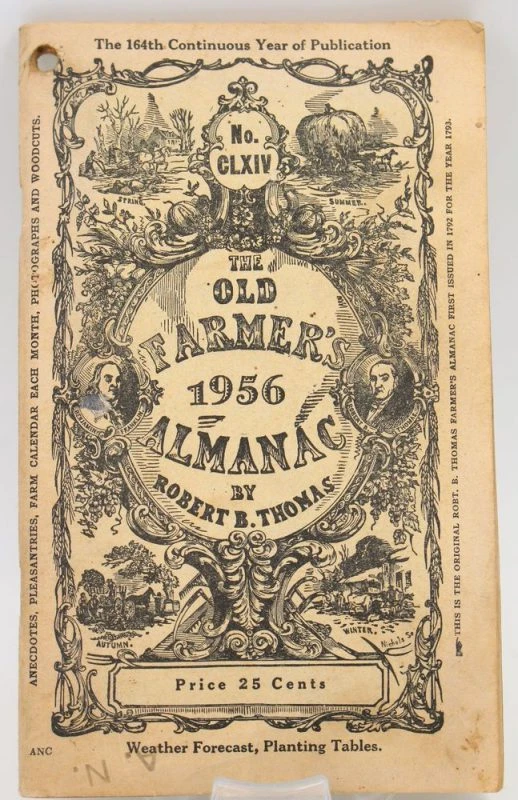
By contrast, the publishers of the Sears, Roebuck catalogue failed to anticipate how their product was actually being used and switched from uncoated to glossy paper. While this may have made the catalogue look sleeker, complaints poured in immediately. In fact, readers began writing to the company, begging them to bring back the softer, absorbent paper—claiming it made the catalogue "much more pleasant to read."
Commercially packaged toilet paper officially debuted in the United States in 1857, when entrepreneur Joseph Gayetty began marketing Gayetty’s Medicated Paper—individual sheets infused with aloe. The perforated roll arrived later, introduced in 1879 by the Scott Paper Company. The ultimate breakthrough in bathroom comfort came with the invention of two-ply paper, pioneered in the UK by the St. Andrew’s Paper Mill.
Surprisingly, in our age of high tech, barely a third of the world's population uses toilet paper. For some, such amenities remain out of reach, while others simply favor traditional washing methods. Preferences also vary considerably from country to country. 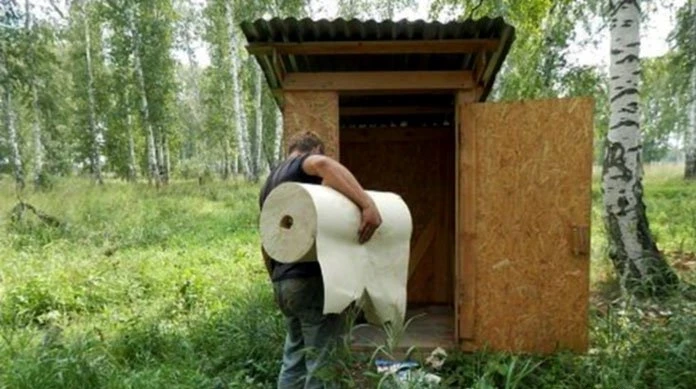
Germans, for instance, tend to favor firmer, heavier paper, while elsewhere people prefer it softer. Color plays an unexpected role as well: most of Europe opts for classic white, with the exception of France, where pink paper is distinctly popular. White rolls are also standard in China, where white symbolizes cleanliness. Meanwhile, in tech-savvy Japan, toilet paper is steadily becoming obsolete. Advanced bidet toilets handle all the cleaning, making standard paper rolls an increasingly rare sight.