Cells That Can Become Anything: How Stem Cells Are Set to Transform Medicine (10 Photos)
Imagine a cell that has yet to decide what it wants to be. It could turn into a heart muscle cell, a brain neuron, or a skin cell. Known as a stem cell, it is the body's ultimate biological blank slate. In 2006, Japanese scientist Shinya Yamanaka demonstrated in mice that such a blank slate could be created from a fully differentiated adult cell. For this breakthrough, he was co-awarded the 2012 Nobel Prize alongside British researcher John Gurdon. Fast forward to March 6, 2026, and Japan became the first country in the world to grant conditional approval to two therapies derived from these cells. Here is the full story—from a 19th-century concept to lab-grown neurons for Parkinson's patients and the fight against predatory stem cell clinics. 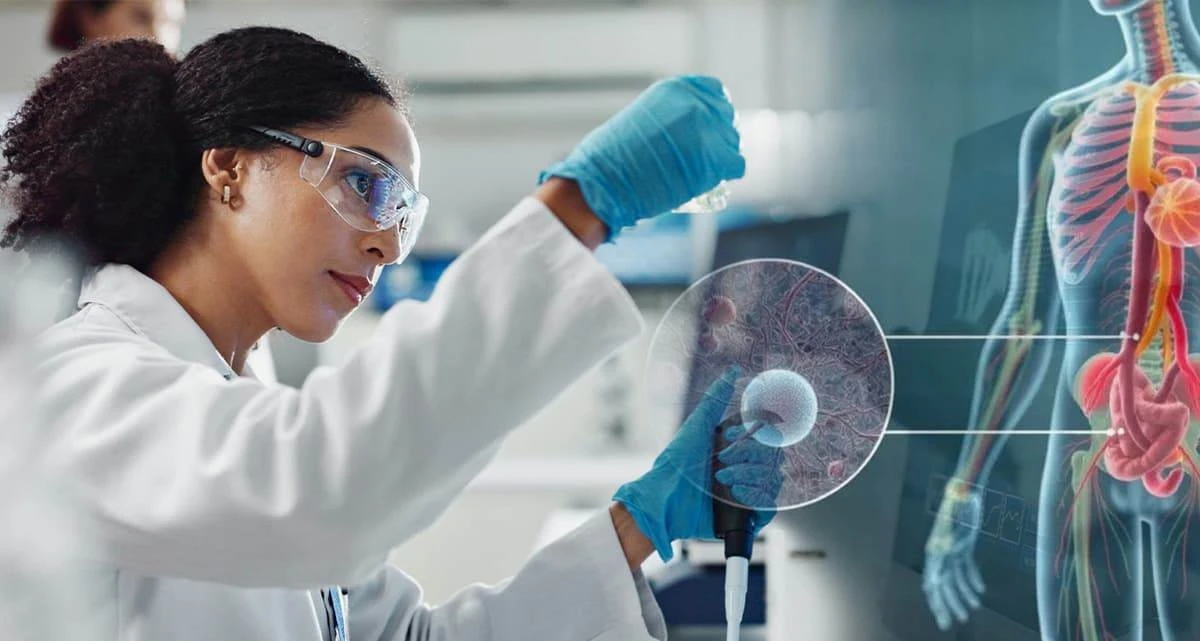
Origins and Early Breakthroughs
Although stem cells are closely associated with cutting-edge medicine, the term itself dates back to the 19th century. In 1868, German biologist Ernst Haeckel coined the word "Stammzelle" ("stem cell") to describe the single-celled ancestor of all living organisms. For decades, the concept remained purely theoretical. The real turning point came in the 1950s with the advent of bone marrow transplants. 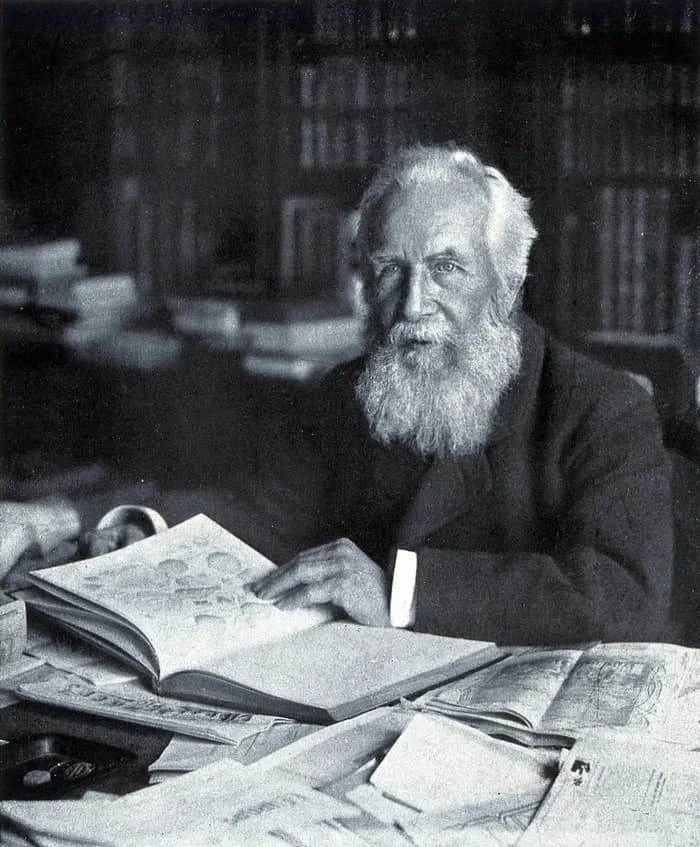
Ernst Haeckel (1834–1919) didn't discover stem cells—he gave them their name
In 1956, American physician E. Donnall Thomas performed the first successful bone marrow transplant on a leukemia patient using marrow from the patient's identical twin. Later, in 1961, Canadian researchers James Till and Ernest McCulloch proved in mice that bone marrow harbors hematopoietic stem cells, which continuously replenish blood cells and rebuild the immune system. By 2012, roughly one million people had undergone such procedures. Yet researchers pushed further, searching for cells capable of regenerating other organs as well. 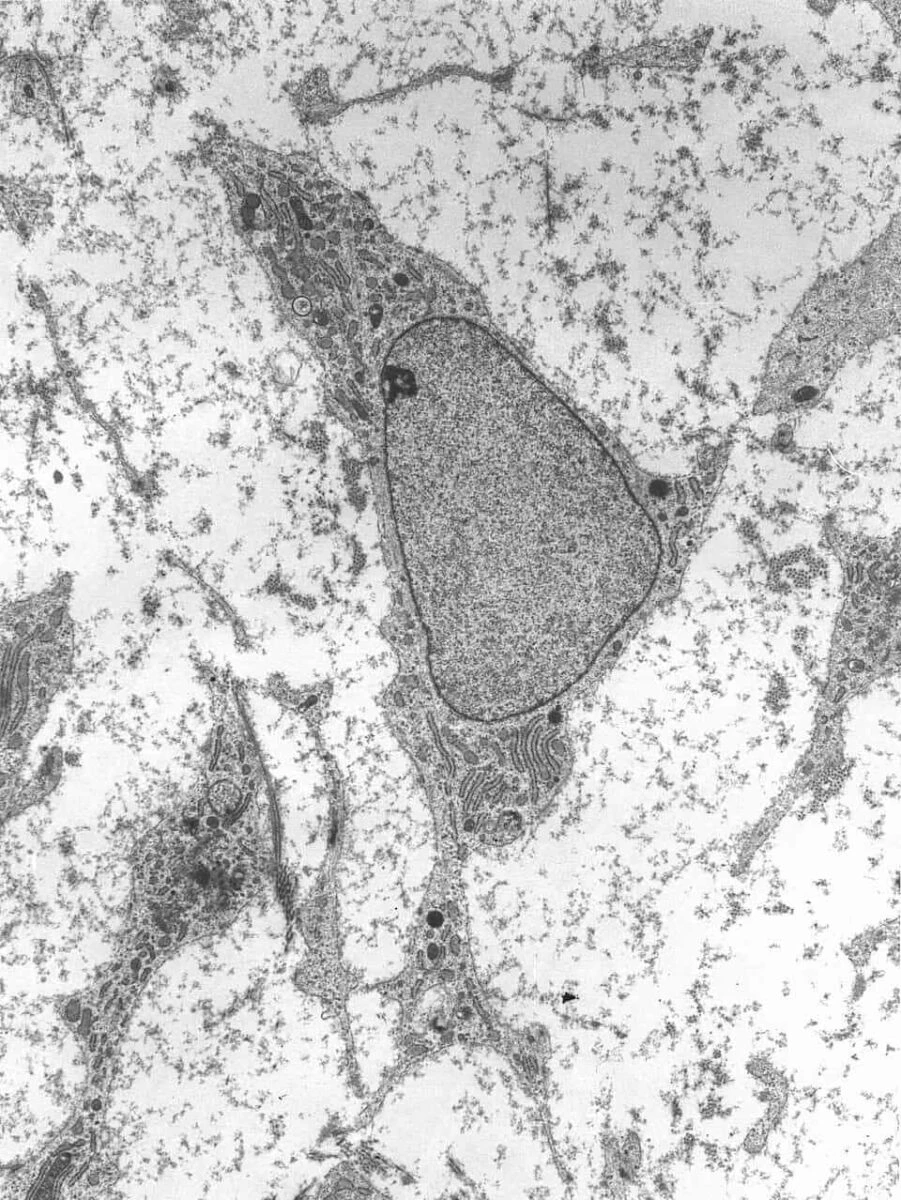
A stem cell under high magnification. Deceptively simple in appearance, its true potential lies within
The real game-changer came in 2006. Yamanaka introduced just four specific genes into mouse fibroblasts—cells found in connective tissue. The cells essentially rolled back their biological clocks, reverting to an embryonic-like stem state. In 2007, his team successfully replicated the experiment using adult human cells. 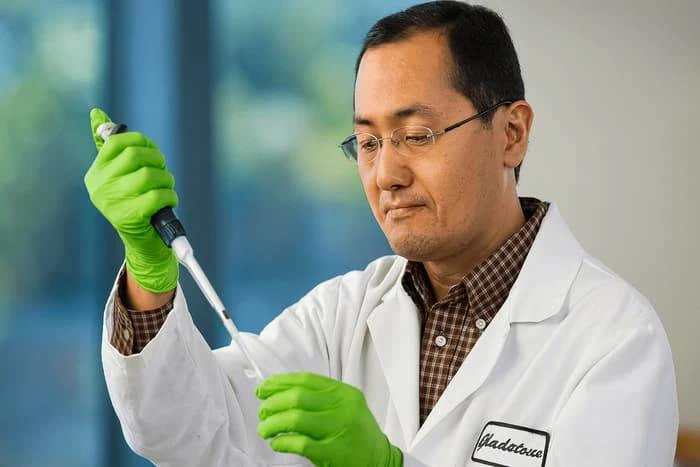
Shinya Yamanaka spent years directing the Center for iPS Cell Research and Application (CiRA) at Kyoto University
Scientists dubbed these newly created cells induced pluripotent stem cells, or iPSCs. On October 8, 2012, Yamanaka was awarded the Nobel Prize in Physiology or Medicine jointly with John Gurdon. Decades earlier, in 1962, Gurdon had demonstrated in frogs that cellular specialization is reversible: when he transplanted the nucleus of a tadpole's intestinal cell into an egg cell, it developed into a normal tadpole.
An Ethical Breakthrough: Cells Grown from Your Own Skin
What does this mean in practice? Previously, pluripotent stem cells—capable of forming any tissue in the body—could only be harvested from early-stage embryos. This sparked intense ethical, religious, and legal debate worldwide. 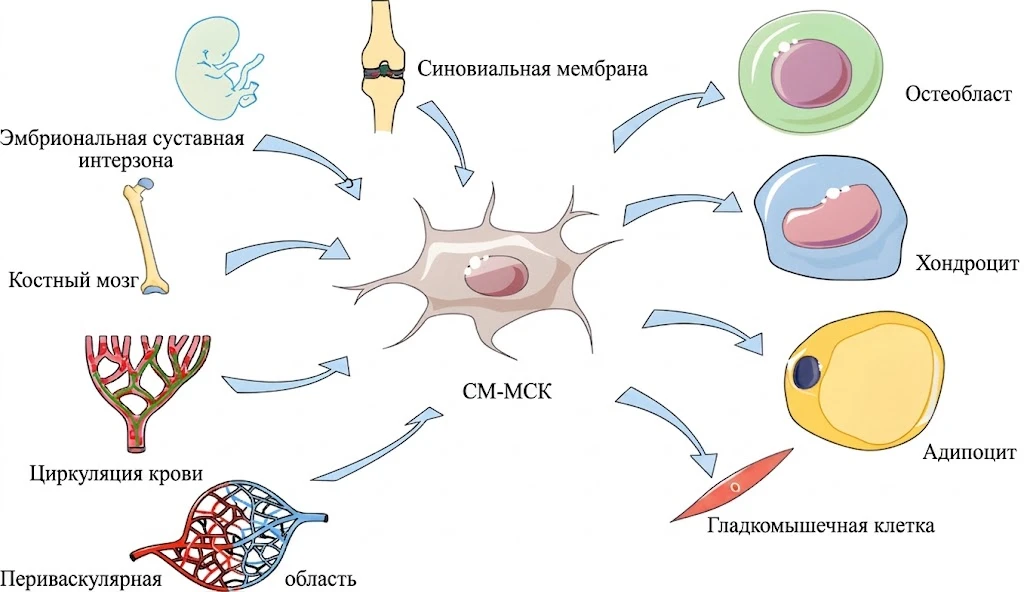
A single stem cell can be guided down different paths to become a neuron, a heart cell, or a pancreatic cell
iPSCs bypassed this core ethical dilemma entirely. Derived from an adult patient's skin or blood, they require no embryonic tissue. This paved the way for personalized medicine—therapies created using a patient's own cells. In theory, this also minimizes the risk of immune rejection, though in practice, things are far more complex.
Parkinson's and Diabetes: Human Trials Underway
Parkinson's disease is characterized by the loss of dopamine-producing neurons in the brain. The concept behind stem cell therapy is straightforward: replace the lost neurons with fresh ones grown from iPSCs. 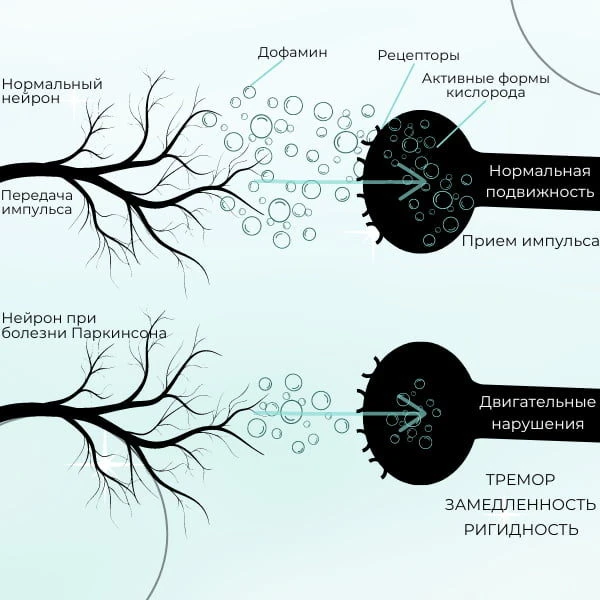
Parkinson's disease originates at the neuronal level. Healthy dopamine-producing neurons can now be grown from stem cells
In 2018, Kyoto University launched the first clinical trial of this kind. Seven patients received brain transplants of progenitor cells derived from donor iPSCs. After 24 months, researchers observed no severe adverse effects or tumor growth. The transplanted cells successfully engrafted and began producing dopamine. Whether this will lead to a definitive cure remains to be seen in further trials; for now, the treatment has received only conditional approval.
Type 1 diabetes is being approached with similar logic: researchers recreate insulin-producing pancreatic beta cells. In 2025, The New England Journal of Medicine published trial results showing that a year after treatment, 10 out of 12 patients no longer required insulin injections, though they still needed immunosuppressive drugs.
Mending Hearts and Testing Drugs
Regenerating damaged heart tissue after a heart attack is no longer the stuff of science fiction. In 2020, surgeons in Osaka successfully transplanted a sheet of iPSC-derived cardiac muscle cells onto the heart of a patient with severe heart failure. By March 2026, Japan granted conditional approval for these stem-cell heart patches for patients with severe heart disease. 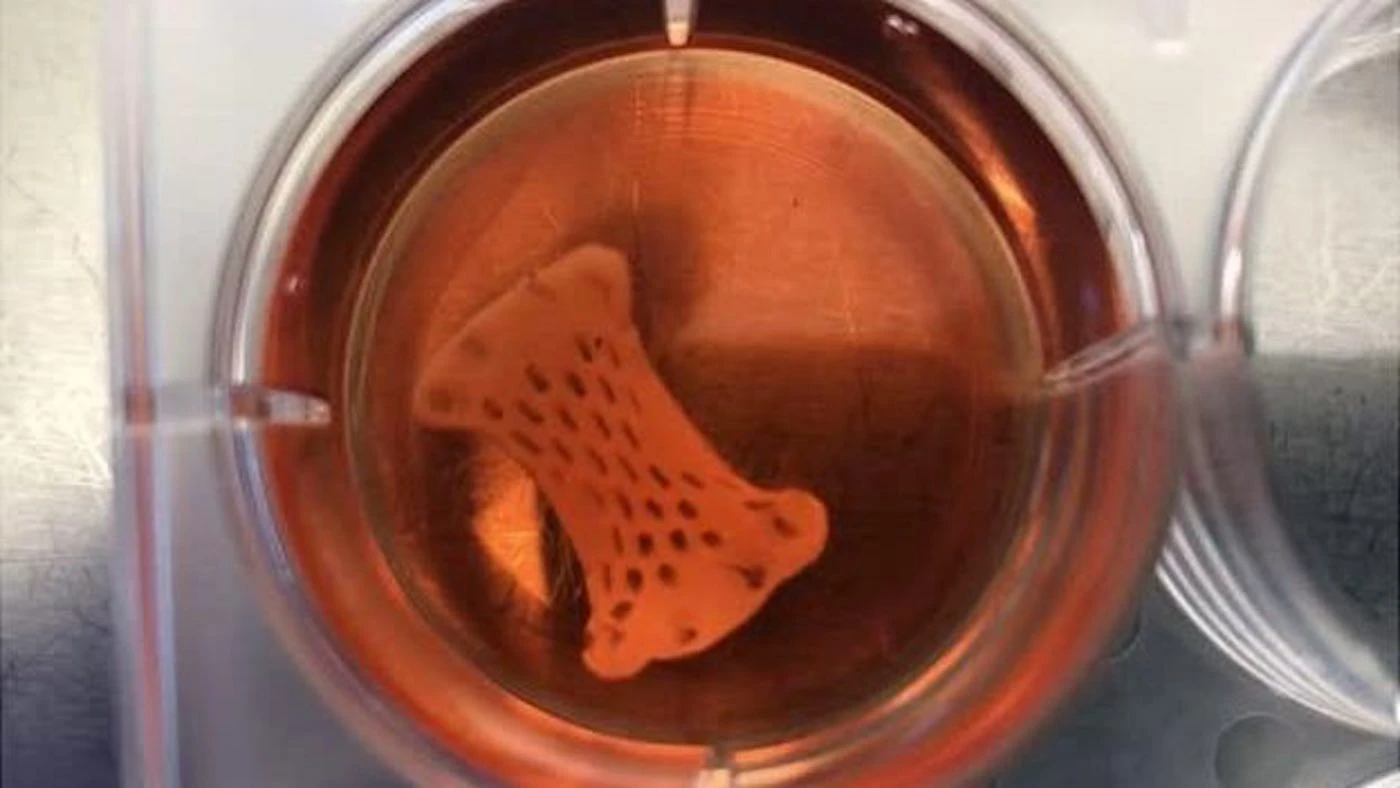
A sheet of lab-grown heart muscle cells is applied directly to the surface of the heart
Beyond tissue replacement, these cells allow scientists to screen potential drugs on human tissue models. By cultivating diseased tissue directly from a patient's own cells, researchers can test candidate drugs in vitro—eliminating any direct risk to the patient.
The Obstacles: Why the Future Isn't Here Quite Yet
If this breakthrough occurred back in 2006, why aren't stem cell treatments widely available? The reality is that stem cell therapy is far from flawless, blocked by three major hurdles. The first is the risk of tumors. 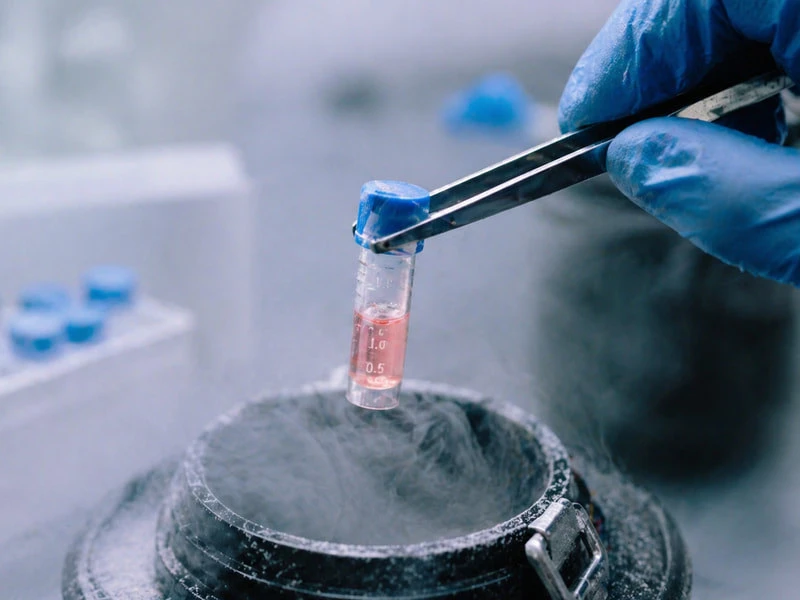
Cell lines are stored frozen in liquid nitrogen and carefully thawed prior to experimentation
If even a single cell remains pluripotent after the differentiation process, it can divide uncontrollably, forming tumors. These benign or malignant growths are known as teratomas—from the Greek for "monster tumors"—and can contain fully formed hair, teeth, and other tissues. Scientists cannot yet guarantee that a lab-grown cell culture is 100% free of undifferentiated stem cells.
The second issue is immune rejection. Even a patient's own cells, after being reprogrammed and cultured in a lab, can sometimes trigger an immune response. The third hurdle is cellular control: guiding stem cells into becoming specific neurons or heart cells requires meticulously mimicking complex embryonic development.
Myths, Quackery, and the 'Anti-Aging' Hype
No discussion of stem cells is complete without dispelling common myths. Commercial clinics offering pricey "stem cell anti-aging treatments" and miracle cures for incurable diseases are, in most cases, peddling dangerous quackery. According to a 2021 study, there were 2,754 such unproven stem cell clinics operating in the United States alone. 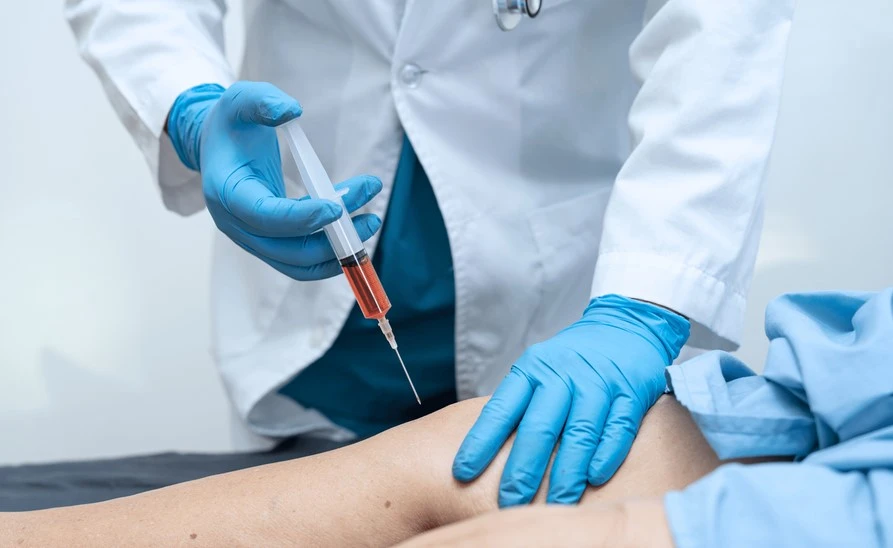
Stem cell clinics most commonly advertise joint injections—procedures whose clinical efficacy remains unproven
Injecting unapproved cellular suspensions has no proven efficacy. Worse, it carries serious health risks, including severe infections, allergic reactions, and even tumor growth. In 2015, three elderly women suffered severe vision loss after undergoing unproven stem cell injections at a clinic in Florida. Legitimate stem cell therapies undergo rigorous, years-long clinical trials, and very few—such as bone marrow transplants for leukemia—have received regulatory approval. 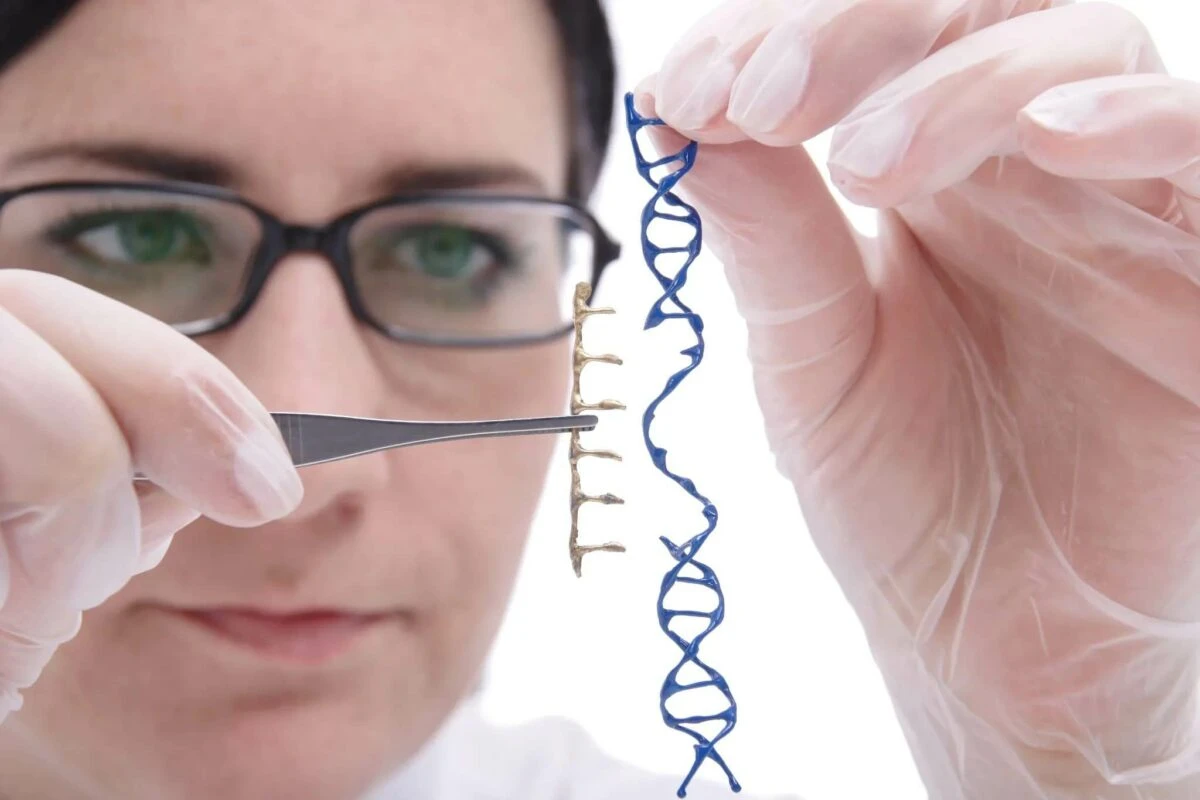
Just four genes were all Yamanaka needed to rewind an adult cell back to its embryonic start
Stem cells won't wipe out incurable diagnoses overnight, but they are already shifting the boundaries of what medicine can achieve. The journey from Haeckel's 19th-century terminology to the first approved therapies has spanned 158 years—a reminder that scientific progress requires not just breakthroughs, but an honest conversation about safety and cost.
Do you think stem cell therapies will become accessible to everyone, or will they remain a luxury for the wealthy? Share your thoughts in the comments below!