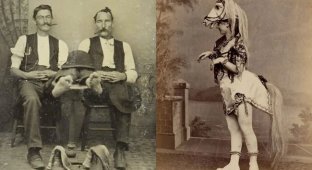
Bizarre Beauty Trends from the Past That Will Make Your Hair Stand on End (11 Photos)
Ideal standards of female beauty have constantly shifted throughout history, and at times, the old adage "beauty requires sacrifice" was taken dead seriously. What women subjected themselves to in the pursuit of beauty can leave modern readers thoroughly shocked. Here are 10 wild examples from the past proving that chasing fleeting fashion trends is never worth risking your health. 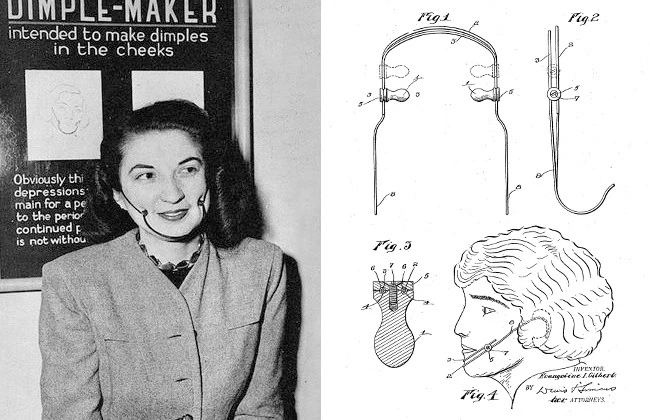
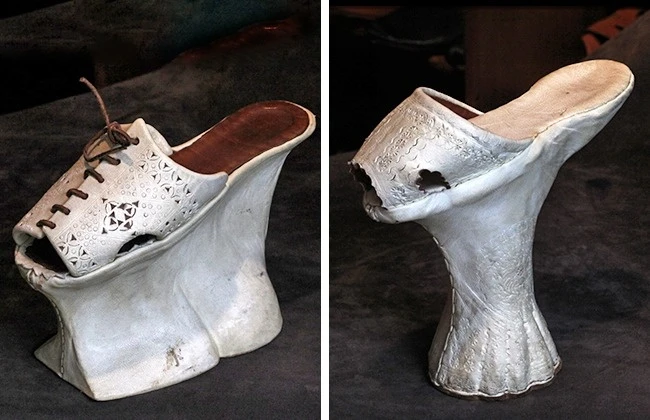
Chopines
Women from the 15th to 17th centuries were forced to wear chopines (also known as zoccoli or pianelle). These platform shoes kept delicate garments high above the filth of unpaved streets while flaunting the wearer's elevated social status. Some chopines reached astonishing heights of up to 20 inches (50 cm). Unsurprisingly, noblewomen needed maids on hand at all times to keep them steady and prevent them from falling flat on their faces—quite literally. 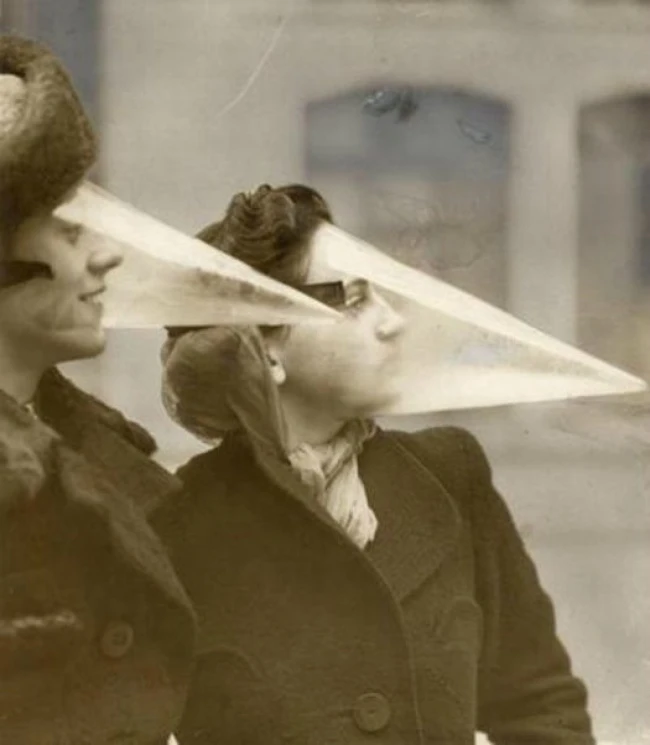
1939 Makeup Protection Shields
Fashion-conscious women used these plastic cone shields to protect their makeup from rain and snow. The glaring flaw? The bizarre contraptions fogged up almost instantly from the wearer's breath. 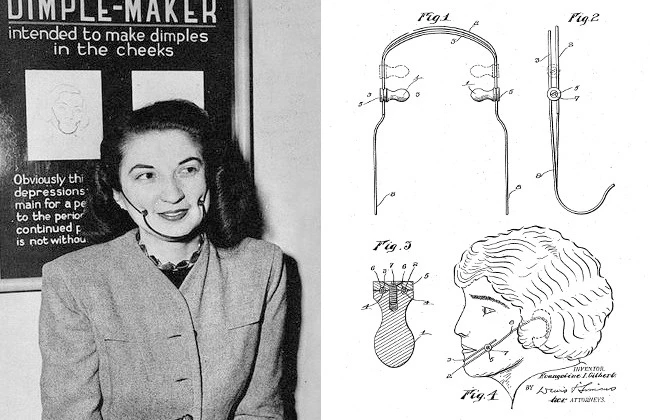
Cheek Dimple Makers
In the early 20th century, a woman's look was hardly considered complete without a pair of charming cheek dimples. In 1923, a device was patented promising to bestow coveted dimples upon anyone who wanted them. Worn over the face, secured behind the ears and around the chin, it forced two metal prongs painfully into the cheeks. After prolonged use, the intense pressure eventually created the desired indentations. 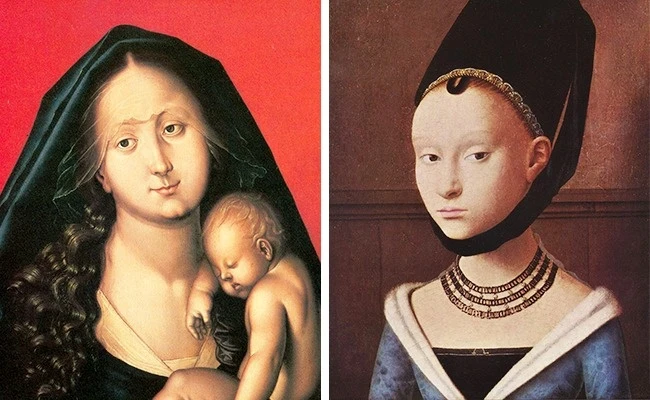
The Renaissance: High Foreheads and Plucked Eyelashes
Natural looks were out during the Renaissance, replaced by heavy cosmetics and an idolization of the female form. A high, rounded forehead was the pinnacle of beauty—and the higher the hairline, the better. To meet this standard, women shaved their foreheads. On top of that, fashion-forward ladies completely plucked out their eyelashes using tweezers. 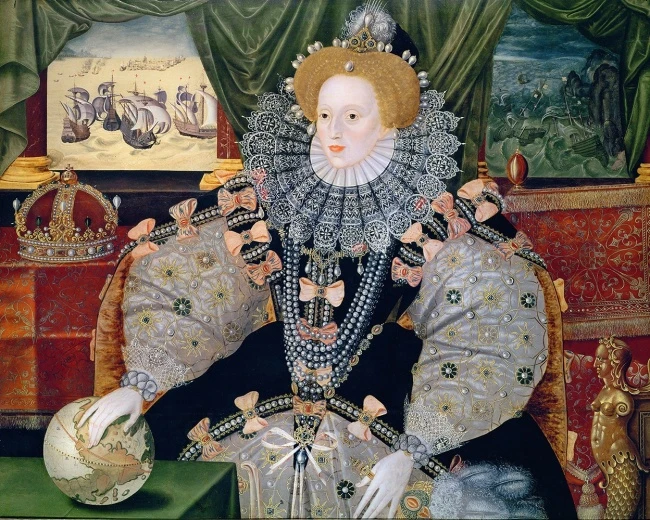
17th-Century England: Deathly Pale Skin
To achieve a porcelain complexion, women used a skin-whitening mixture made of mercury and vinegar. While it effectively blanched the skin, it eventually caused permanent yellowing. Queen Elizabeth I of England was a notorious devotee of cosmetic whiteners; her famously chalky face became known to history as the "mask of youth." 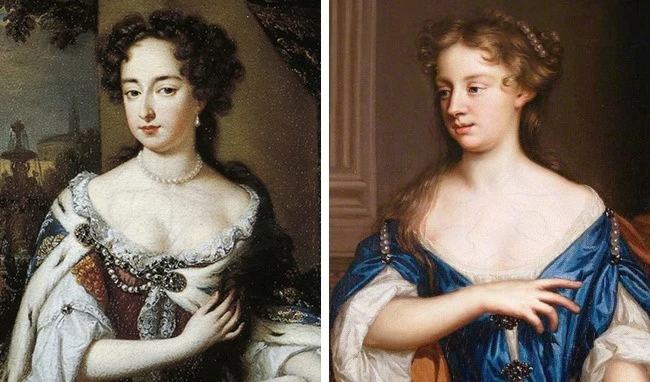
17th-Century England: Painted Veins
To emphasize their aristocratic "blue blood," women used blue pencils to paint delicate vein patterns across their necks, chests, and shoulders. 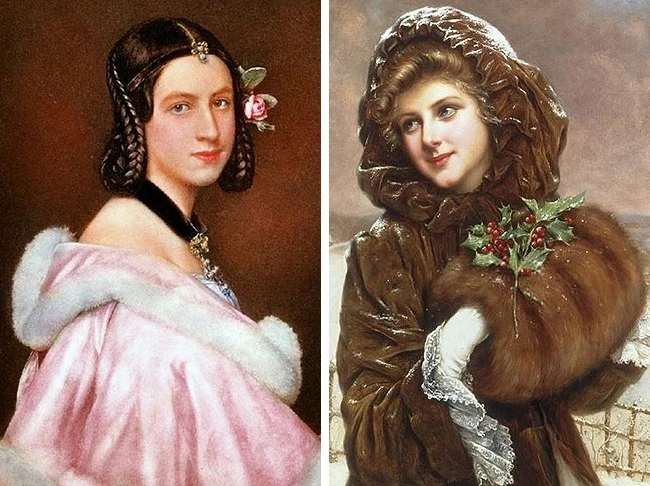
The Victorian Era: Lip Biting and Cheek Pinching
Queen Victoria famously banned cosmetics, deeming them vulgar, but British women quickly found a workaround. Instead of applying lipstick and blush, they repeatedly pinched their cheeks and bit their lips to force a rosy flush. 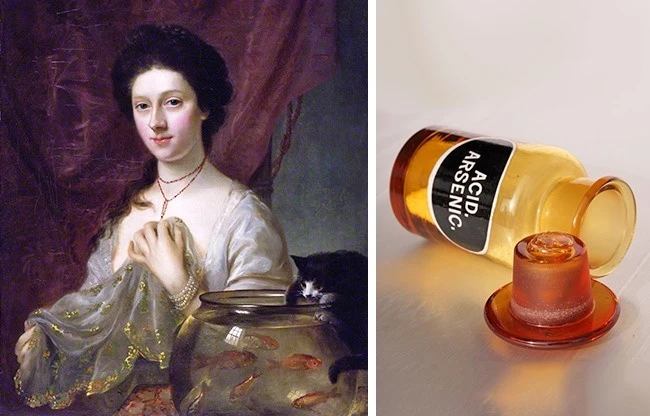
The 19th Century: Arsenic for a Radiant Glow
In the 19th century, consuming arsenic was fashionable, touted as a way to give the face "a blooming complexion, the eyes a sparkle, and the body an attractive fullness." Naturally, the side effects were deadly: arsenic accumulated in the thyroid gland, causing goiters and often leading to fatal poisoning. 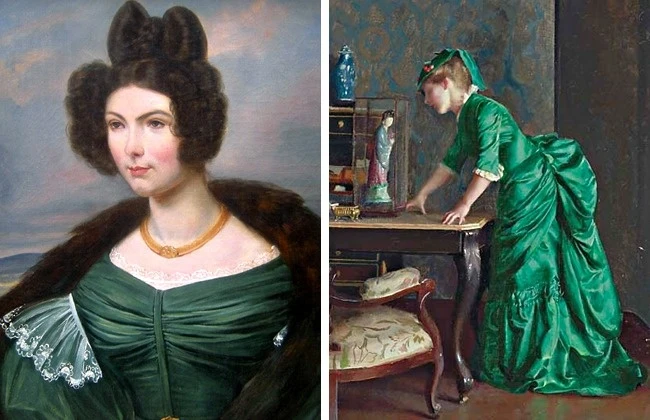
The Victorian Era: Poisonous Green Dresses
Victorian textile makers introduced a vibrant new green dye that quickly captured the fashion world's imagination. Known as "Scheele's Green," the color relied on a toxic compound of arsenic and copper. Wearing these vibrant gowns slowly poisoned the wearer: contact with mucous membranes caused severe irritation, and the toxins absorbed directly through the skin. To make matters worse, the same dye was used in wallpaper, making green-walled rooms a deadly hazard for wealthy homeowners and their guests. 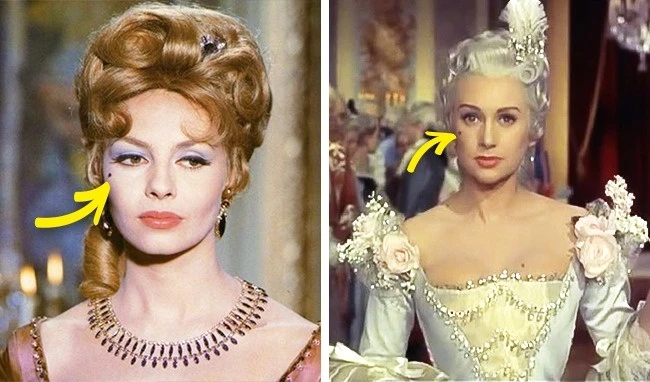
18th-Century Europe: Artificial Beauty Marks
In 18th-century Europe, heavy makeup was worn unapologetically, and artificial beauty marks—known as mouches—held special significance. Beyond being a cosmetic trend, they served as a secret language of flirtation. A crescent moon shape signaled an invitation to a nighttime secret rendezvous, a Cupid beauty mark declared love, and a carriage indicated consent to elope. Placed above the upper lip, it meant a woman was single and open to marriage proposals. A mark on the right cheek meant she was already married, while widows wore theirs on the left cheek.