Millionaire, racer, maniac: how Christopher Wilder hunted models for years in front of the police (15 photos)
On April 13, 1984, the quiet town of Colebrook, New Hampshire, was rocked by gunfire. Christopher Wilder's life ended at a gas station during a standoff with police. The news that he was one of the FBI's most wanted serial killers shocked America. A successful real estate developer, millionaire, owner of a mansion in Boynton Beach, and professional Porsche racer didn't fit the mold of a serial killer. How did this darling of fortune become a ruthless hunter of young beauties? 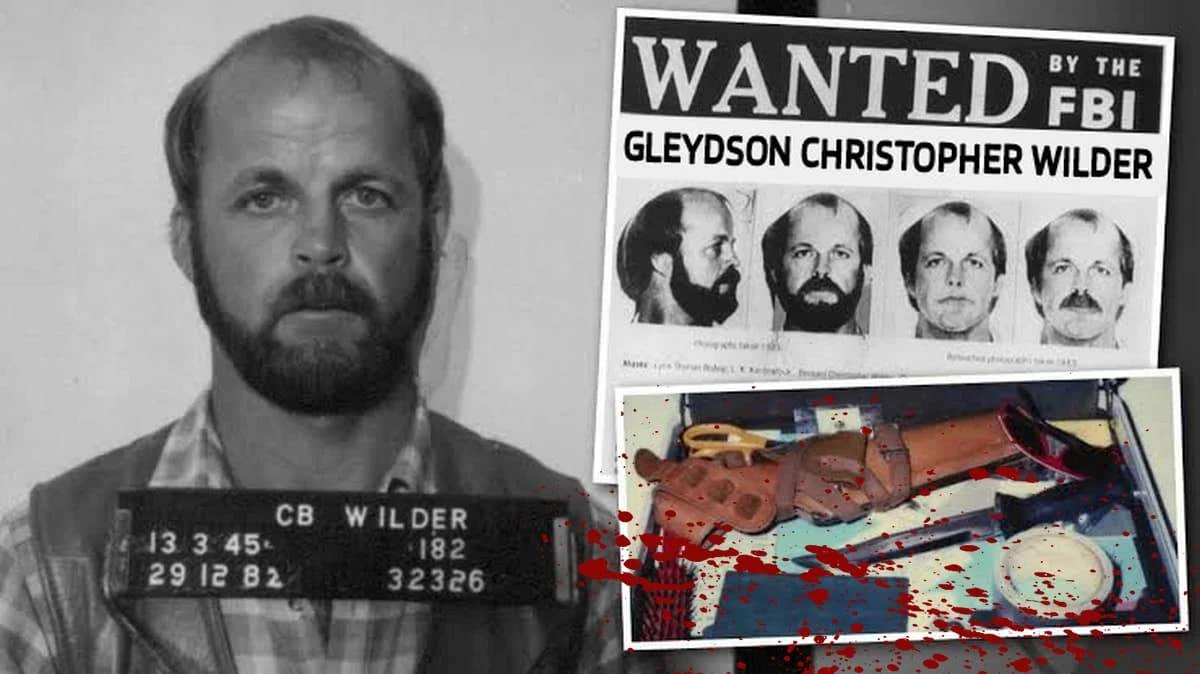
The Perfect Facade: Race Car Driver, Builder, Socialite
Christopher Wilder's life seemed like the embodiment of the American dream. He was born on March 13, 1945, in Sydney. His father was a US naval officer, and his mother was Australian. This background gave Wilder dual citizenship and opened the door to the States. 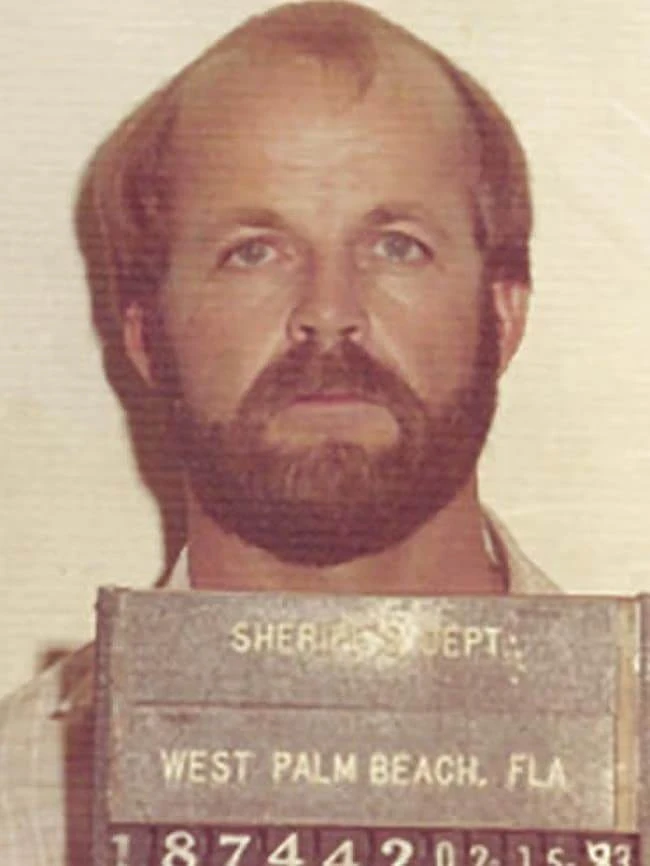
Christopher Wilder
In 1969, 24-year-old Christopher moved to Boynton Beach, a small coastal town in Florida 30 kilometers south of wealthy Palm Beach. There, he founded a construction company, Sawtell Construction Corp., and over time, he became quite wealthy. He owned four apartments in the Fort Lauderdale area, which he rented out. He also owned a house in Boynton Beach, 10 acres of land in Loxahatchee, and the company building itself. 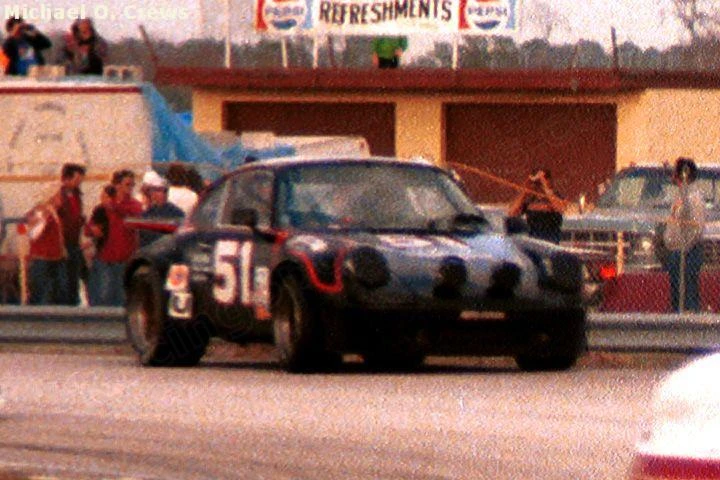
Christopher Wilder's black Porsche at the Miami Motor Speedway. 1979
Wilder's main passion, bordering on obsession, was expensive sports cars. He didn't just collect them. Christopher competed professionally in the IMSA GTU class, driving a Porsche 911. Charming, intelligent, and always impeccably dressed, he easily made acquaintances in high society. Business partners recalled: Christopher would surprise clients' secretaries with flowers and was generous with compliments. But behind this luxurious façade lurked a profound abyss.
First Crimes: From Sydney to Florida
Wilder's criminal history began long before the bloody 1984 tour. In 1963, when he was 17, he was arrested for the gang rape of a 13-year-old girl. He was given probation. He claims to have undergone electroshock therapy. Biographers still debate whether this is true or an attempt to entice the court. 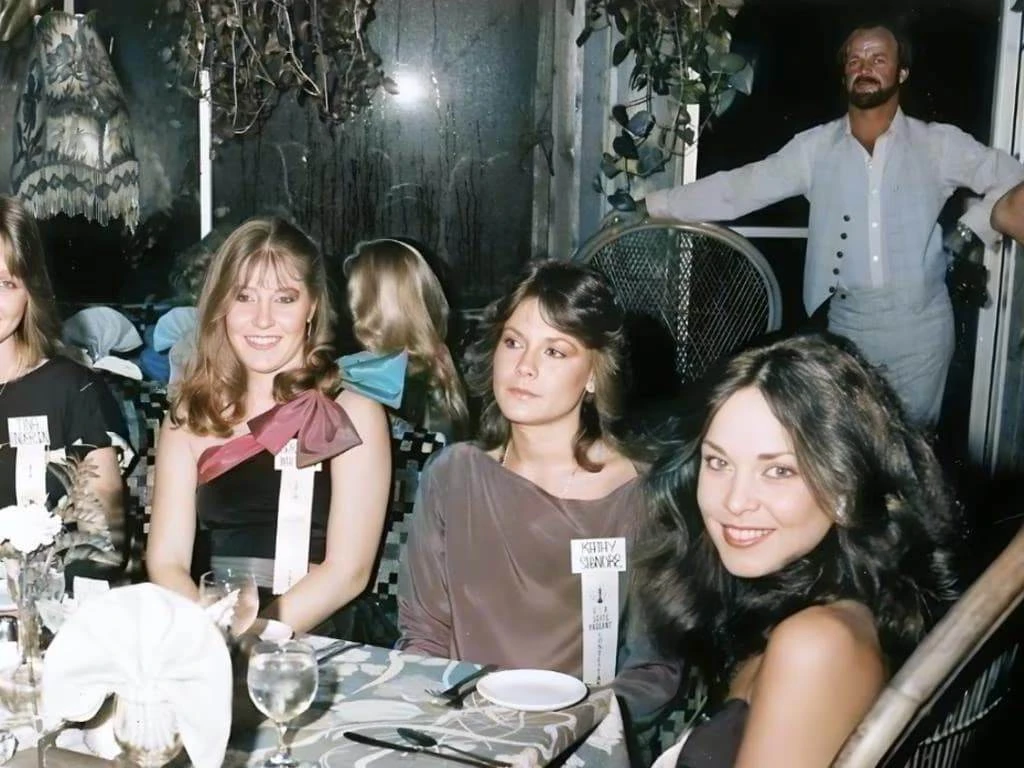
Eerie Photo: Christopher Wilder Watching Miss Florida USA Contestants Among the girls were future victims of the serial killer.
In November 1969, on the eve of his departure for the States, Wilder used explicit photographs to blackmail a student nurse. The case was dropped when the woman refused to testify. Christopher's marriage in 1968 lasted exactly one week. His wife left him after finding explicit photos of women in her underwear in her husband's car.
After moving to Florida, Christopher continued to attack women, using photo shoots for fashion magazines as a pretext. In 1971, he was arrested on Pompano Beach, demanding that two unknown women pose nude. In 1974, he lured a young woman to his house, ostensibly for a photo shoot, and then raped her. However, he never went to prison. 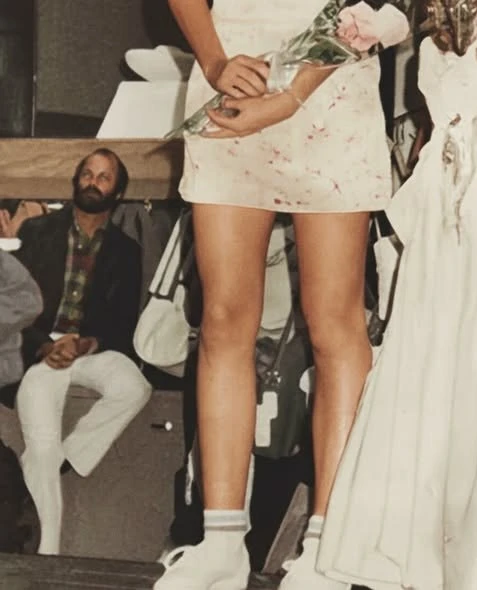
After the maniac's death, he began to appear in dozens of photos from beauty pageants and fashion shows.
A psychologist who worked with him in 1977 wrote bluntly: "a mentally ill sex offender." Such a person is dangerous on the outside. Incredible charm, expensive lawyers, and the imperfections of the system allowed him to escape unscathed time and again.
Australian Episodes: Arrest and Escape
In 1982, Wilder came to Australia to visit his parents. There, he kidnapped two 15-year-old schoolgirls and forced them to pose nude for the camera. He was arrested. His parents posted bail – $350,000 Australian. Christopher returned to Florida to await trial, scheduled for April 1984. 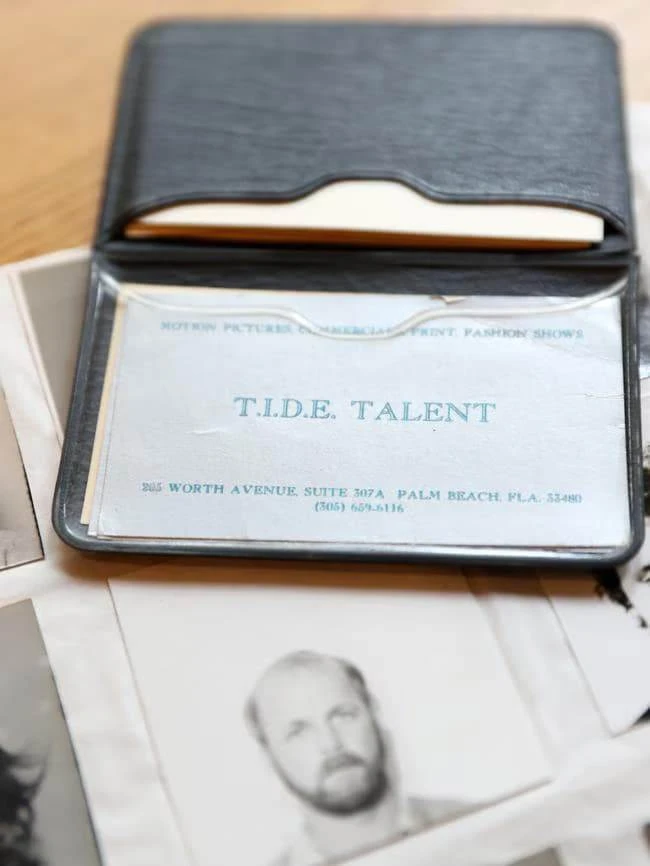
Business cards the killer handed out to girls on Sydney beaches, inviting them to model "castings"
The hearing never took place. By that time, Wilder was already dead. After his death, even more horrific details emerged. Two girls, ages 10 and 12, identified him as the man who kidnapped them in June 1983. He picked them up from the parking lot of the Boynton Beach Civic Center, drove them to the outskirts of West Palm Beach, sexually assaulted them, and then returned. The description of the car matched the Chevrolet El Camino Wilder owned. 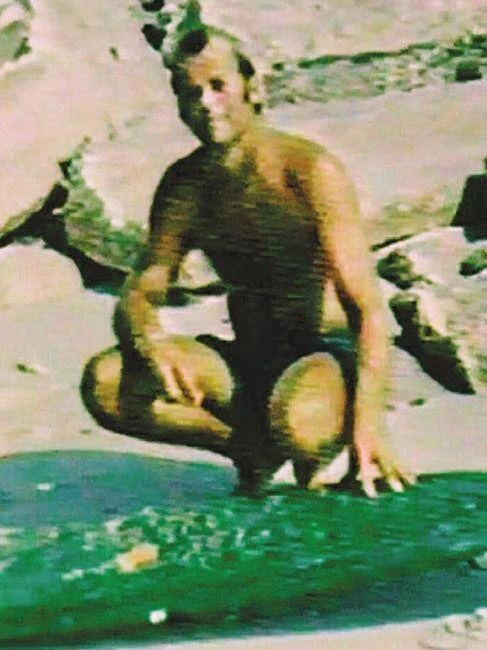
Wilder was captured on camera on a Sydney beach while searching for victims. He changed his appearance—shaved off his mustache and beard.
The Disappearance of the Florida Beauties
On February 26, 1984, Wilder's inner monster finally broke free. That day, he raced in the Miami Grand Prix in a Porsche 911 and finished 17th, earning $400. But he wasn't there for the prize money.
His first victim was 20-year-old Rosario Gonzalez, a local celebrity and Miss Florida contestant. She was working as a race promoter that day, handing out aspirin samples. She was last seen leaving with a handsome man in his thirties. 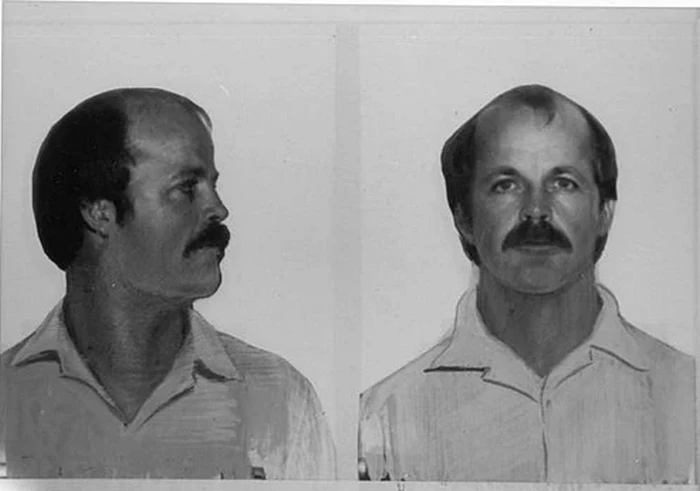
Christopher Wilder. Photo taken in 1982 for a criminal case
A week later, on March 5th, Elizabeth Kenyon disappeared without a trace. She was a Miss Florida finalist and Wilder's ex-girlfriend. Shortly before, she had rejected his marriage proposal. Elizabeth's family, dissatisfied with the police's inaction, hired private investigator Kenneth Whitaker, a former FBI agent. 
Elizabeth Kenyon was Wilder's girlfriend, but that didn't save her.
Whitaker quickly connected the dots. Both missing women were models, both active in the racing scene. A gas station attendant identified Wilder: he had paid for Kenyon's gas on the day she disappeared. Whitaker gave a detailed report to the police, bluntly stating: a dangerous maniac was on the loose. The Palm Beach police didn't want to disturb the respected millionaire. This delay cost the lives of many more women. The bodies of Rosario and Elizabeth remain missing to this day.
Bloody Marathon: Eight Thousand Miles in Seven Weeks
On March 13, 1984—his 39th birthday—Wilder read in the newspaper that police were naming him as a suspect in the disappearance of two women. The next day, he dropped everything and went on the run. So began what investigators would call "the bloody marathon." Nearly 13,000 kilometers in seven weeks. 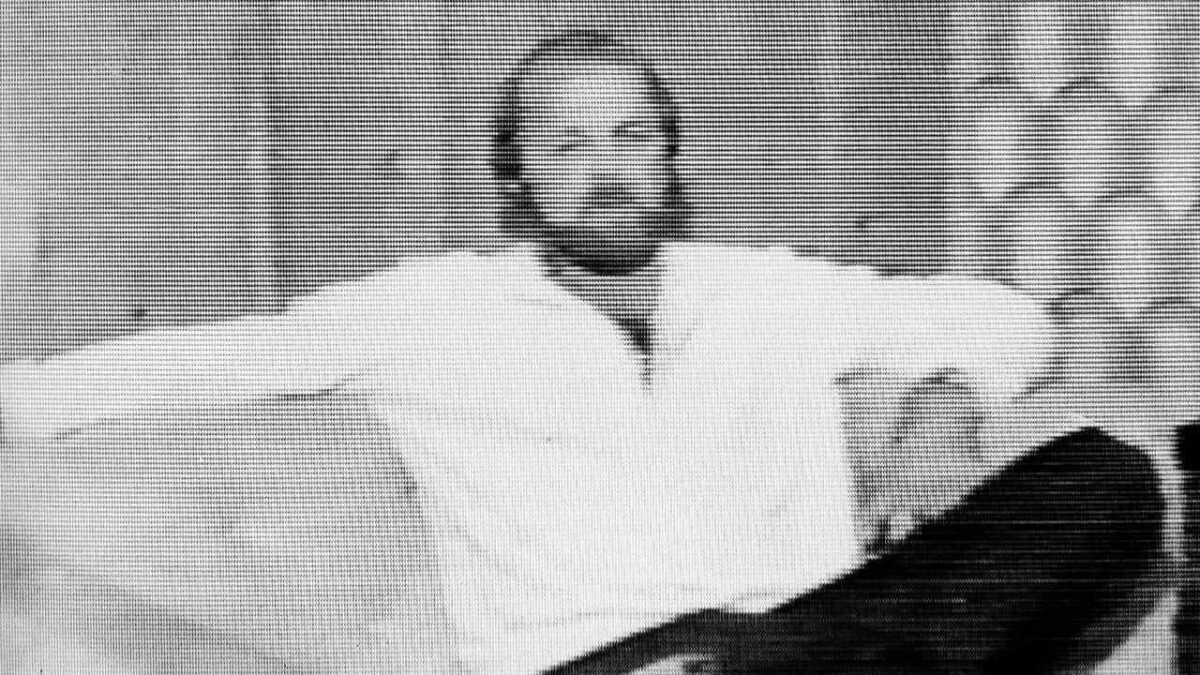
Christopher Wilder was caught on hidden FBI camera footage in 1981
The scheme was well-established. Wilder wore a Pentax camera around his neck, posed as a modeling agent, and lured women with the promise of contracts. He stalked most of his victims in shopping malls. He took them to motels or secluded areas. There, he tortured them with blows, electric shocks, and superglue applied to their eyes. Then he killed them.
On March 18, he kidnapped 21-year-old Teresa Ferguson from the Merritt Square Mall in Florida. Four days later, her body was found in a canal in Polk County. It was so disfigured that she was identified only by dental records. On March 20, 19-year-old Florida State University student Linda Grover was killed. 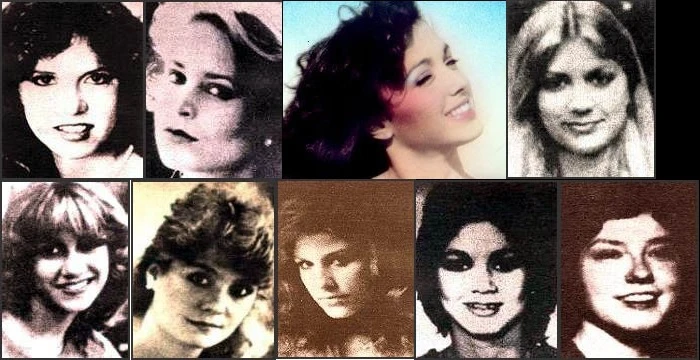
Victims of Wilder's "Bloody Tour." He murdered at least 8 women over 7 weeks.
Grover miraculously survived. Locking herself in a motel bathroom in Georgia, she made such a noise that the killer panicked and fled. It was her testimony that finally made the FBI realize the scale of what was happening. Wilder was added to the US Ten Most Wanted list. Victims subsequently appeared in Texas, Oklahoma, Colorado, Nevada, California, and New York.
The Story of Tina Risico: Accomplice or Victim?
A special place in this story belongs to 16-year-old Tina Marie Risico. Wilder kidnapped her on April 3, 1984, in a shopping mall parking lot in Torrance, California. He didn't kill her. He carried her around with him for nine days, forcing her to help lure new victims.
It was Tina who approached 33-year-old Beth Dodge in New York State and asked her to drive her and "Daddy" to the nearest store. Dodge agreed. Wilder shot her and took the car. He eventually bought Tina a plane ticket home and let her go. 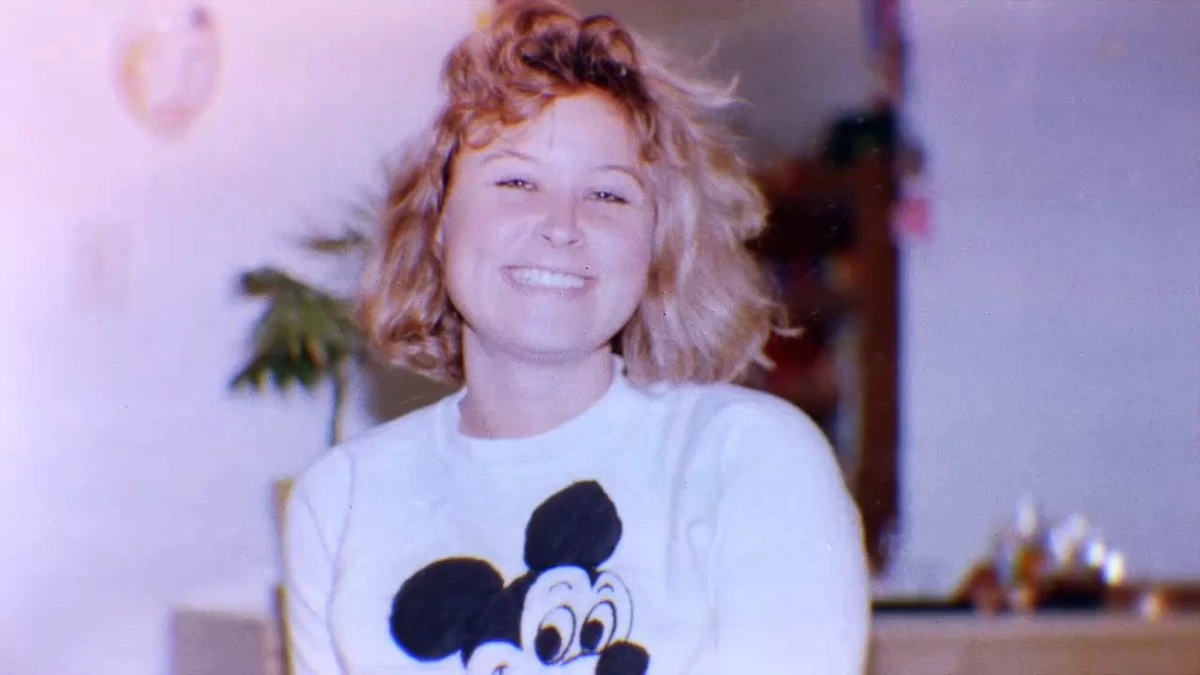
Tina Marie Risico is one of the few victims of the serial killer who survived.
After her release, the girl didn't immediately go to the police, but first went shopping—leading many to believe she was a willing accomplice. Tina explained it differently: she grew up in a harsh environment and knew how to adapt to dangerous men in order to survive. In 2024, Hulu released the documentary series "The Beauty Queen Killer: 9 Days of Terror." There, Tina told her story publicly for the first time.
End of the Road: A Shot at the Canadian Border
The wild ride ended on April 13, 1984. That day was Wilder's 39th birthday. In the town of Colebrook, New Hampshire, a ten-minute drive from the Canadian border, he was spotted by police. Christopher pulled out a pistol. In a struggle with an officer, two shots rang out. One seriously wounded a police officer, the second proved fatal for the maniac himself.
Whether it was suicide or an accidental discharge during a struggle remains unclear. Investigators were leaning toward Wilder intentionally pulling the trigger, refusing to surrender. Floyd Clark, Deputy Assistant Director of the FBI, announced at a press conference that one of America's most wanted men was dead. 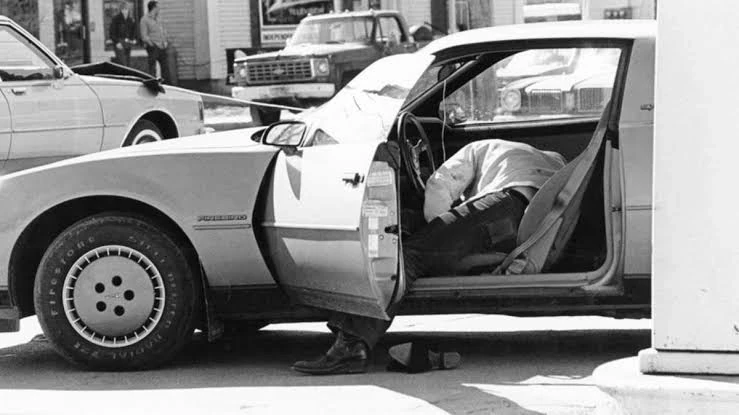
Christopher Wilder's body in his car
After his death, it was revealed that the racer's fortune was approximately $1.8 million. He left the majority of his wealth to his parents in Australia. They also risked losing the $350,000 bail they had posted for their son in the Australian case. The victims and their families filed civil lawsuits against the estate.
Unsolved Mysteries and the Wanda Beach Case
The Wilder case remains unresolved. Investigators suspect him of involvement in at least ten other unsolved murders in the US and Australia. Among them is the murder of two 15-year-old schoolgirls on Wanda Beach in Sydney on January 11, 1965. 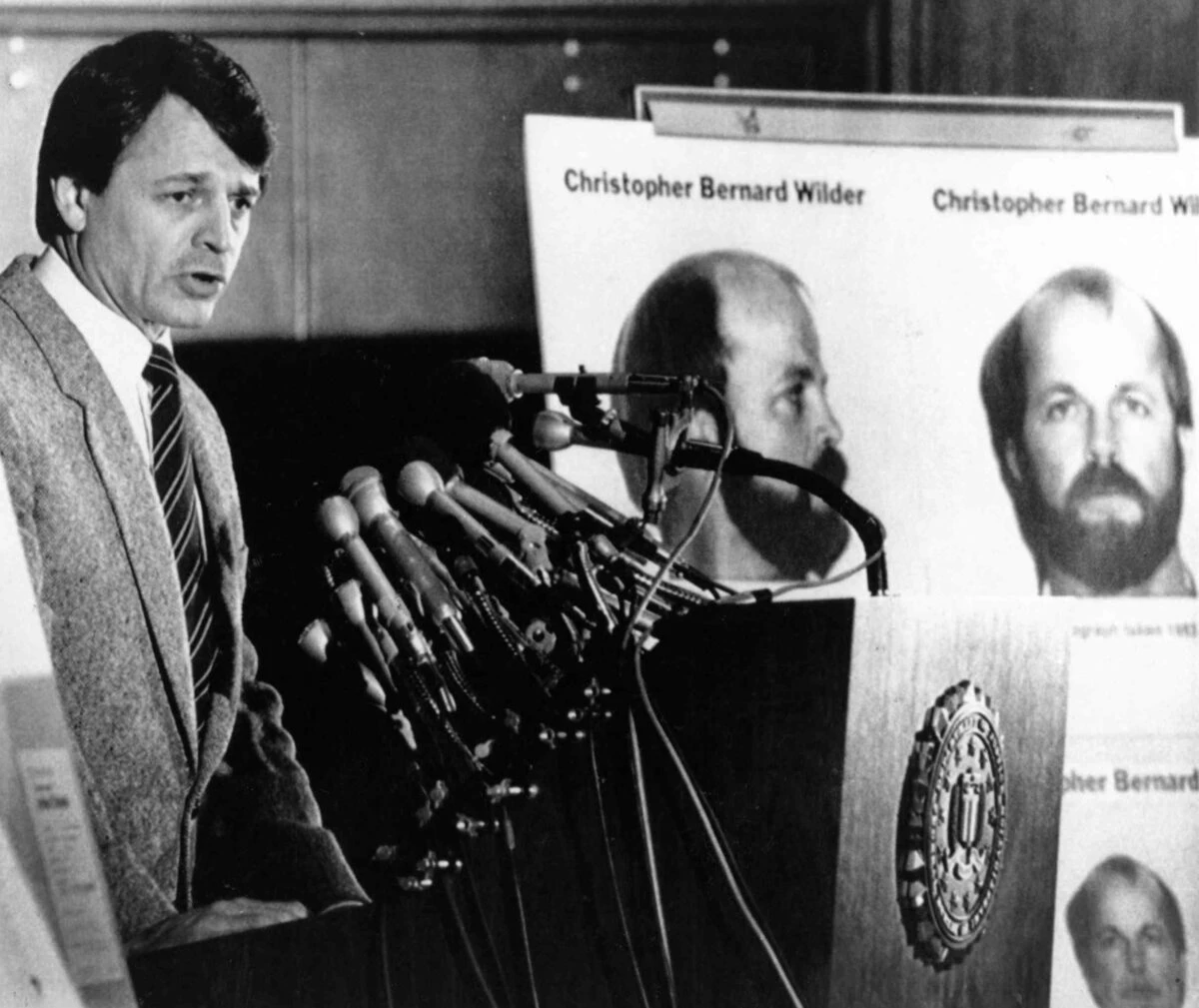
Floyd Clark, Deputy Assistant Director of the FBI, announces the death of Christopher Wilder at a press conference. April 13, 1984
Marianne Schmidt and Christine Sharrock were found dead in the coastal dunes near Cronulla. Their bodies were discovered the day after they disappeared. They had been stabbed to death. Over the course of a year and a half, police interviewed 7,000 people—the largest investigation in Australian history. The case remains unsolved.
In 2018, the television program Sunday Night revealed a key detail. Wilder's ex-wife reported to police back in 1984 that her husband might be involved in the case. He lived in Sydney and was a frequent beachgoer. Police remained silent for eight months. Veteran investigator Detective Inspector Ian Waterson named Wilder as the prime suspect. 
In 2024, Hulu released a documentary series about Wilder, "The Beauty Queen Killer: 9 Days of Terror."
Wilder's story demonstrates how society is easily seduced by the allure of wealth and status, while warning signs are persistently ignored. The same thing happened with another serial killer, Rex Heuermann, who successfully hid for 30 years.
What do you think helped the serial killer escape justice for so long? Money and lawyers, or the negligence of the police, who didn't believe in the guilt of a respectable millionaire?