Deep-Sea Snow: Eerie, Fascinating, and a Feast for the Dead at the Ocean Floor (11 Photos)
Have you ever wondered what actually happens to dead organisms in the ocean? You might assume everything gets eaten, while the remaining scraps quietly decay into nothingness. Not quite. Today, we're diving into the eerie underwater phenomenon known as deep-sea—or marine—snow. 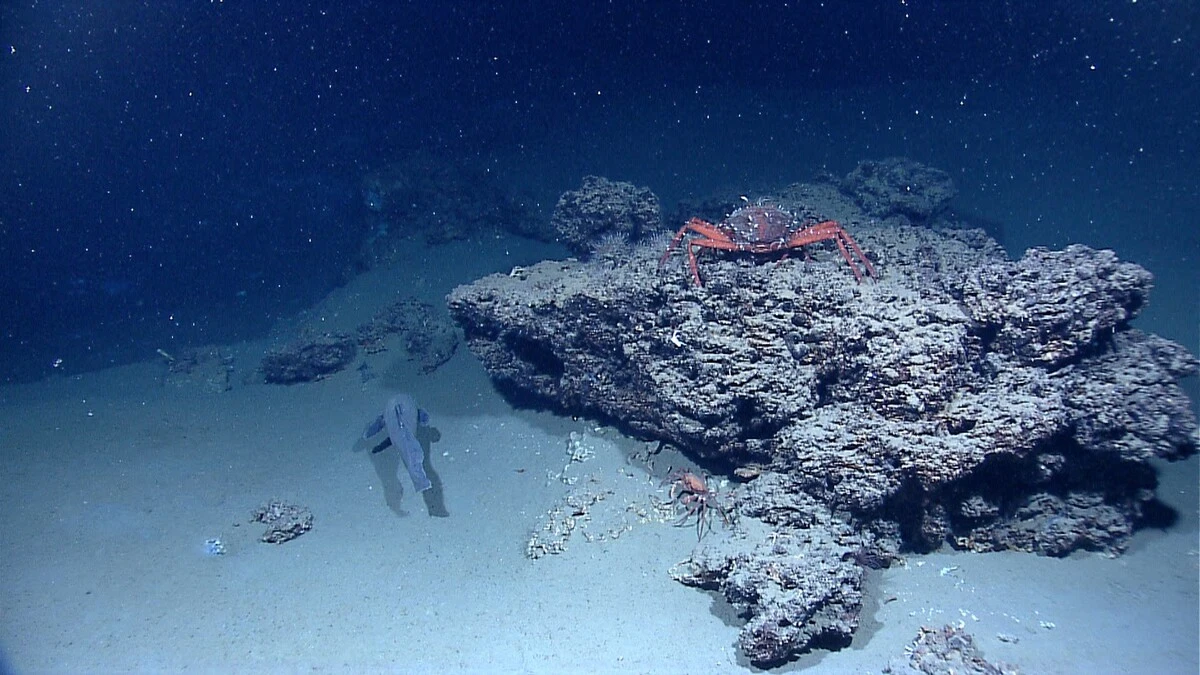
It's like a winter wonderland down here. We're talking about those tiny white specks that look just like snow in most deep-sea photography.
"Snow??? How can there be snow underwater? Have you lost your mind?" a skeptical reader might ask. Fair enough—"snow" is used metaphorically here. Marine snow is a relentless shower of dead organic matter drifting down from the sunlit surface layers into the abyss: fragments of decaying bodies, fecal matter, mucus, fish eggs, plankton shells, and algae remnants. Throw in some sand, dust, and inorganic debris, and you get a continuous blizzard of everything that was once alive. 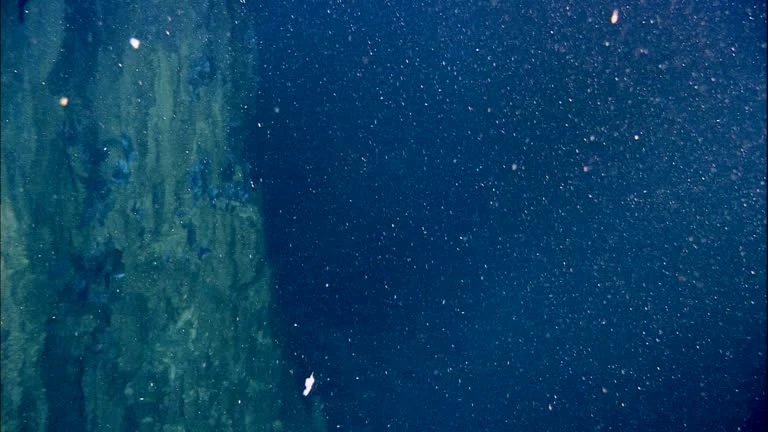
Oh no, why are these lost souls floating down instead of up???
Imagine descending into the abyss aboard a submarine. Below 200 meters, where sunlight fades completely, switching on the floodlights reveals a strange, dusty haze. White particles swirl lazily through the beams like dandelion seeds. That is why deep-ocean photographs almost always capture this eerie white "dust." 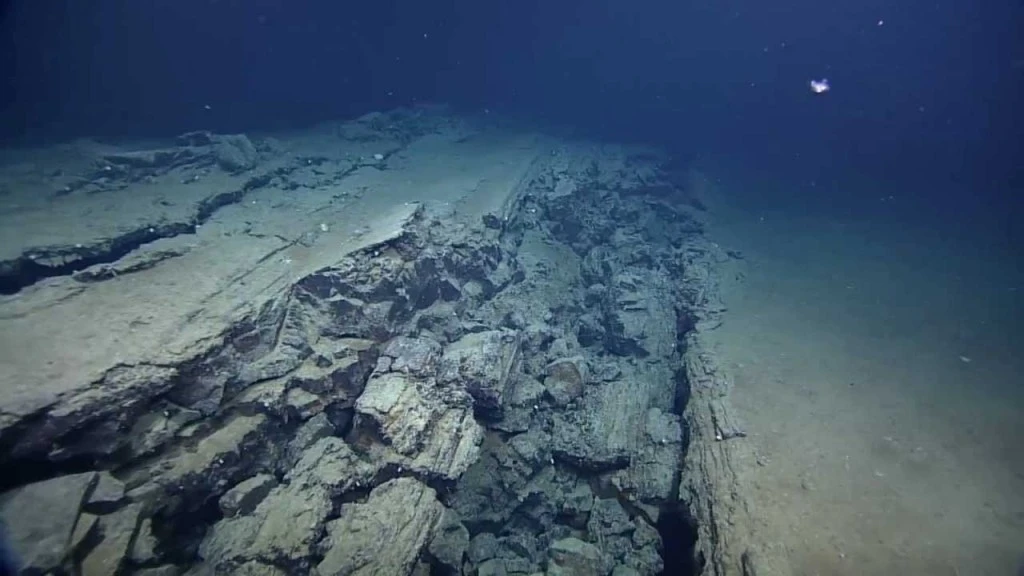
Imagine living where winter never ends.
The individual particles are minuscule, but as they sink, they clump together, glued by mucus produced in massive quantities by planktonic organisms. This forms flakes ranging from a few millimeters to several centimeters across. The larger the flakes, the faster they sink—anywhere from a few meters to hundreds of meters per day. Still, reaching the seabed 4 to 5 kilometers down takes weeks. 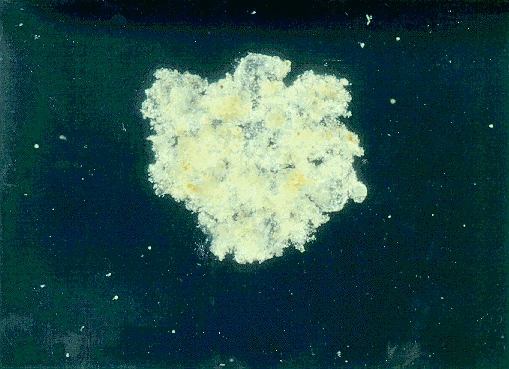
A flake of marine snow measuring a couple of centimeters across.
One of the main "snowmakers" is the larvacean (or appendicularian), a tiny planktonic relative of sea squirts. They construct intricate mucus structures or "houses" around themselves to filter food, abandoning them as soon as they clog up to build new ones. In the deep ocean, these discarded houses can measure up to a meter across, sinking to the bottom like giant snowflakes. 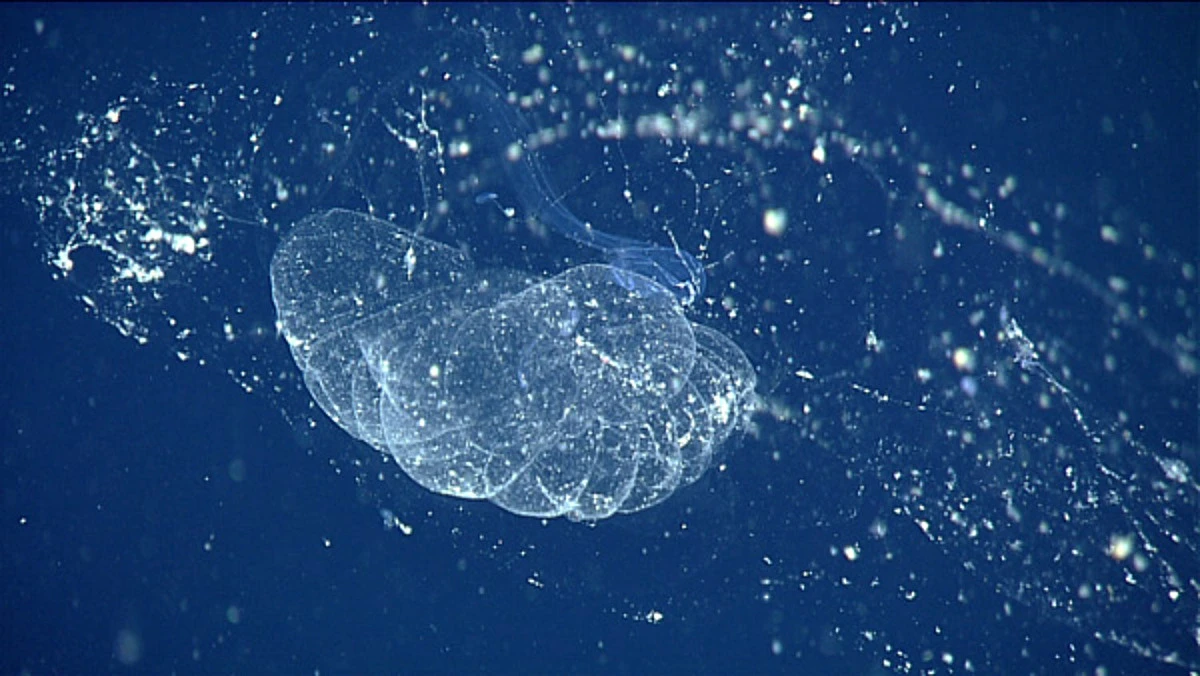
The discarded mucus house of a deep-sea larvacean.
However, only about 1 to 3 percent of this snow actually makes it to the seafloor. The rest is devoured en route by crustaceans, jellyfish, and deep-sea fish. Even the famous vampire squid—a deep-water cephalopod—doesn't feed on blood; it lives on marine snow, capturing drifting particles with its long, sticky filaments. 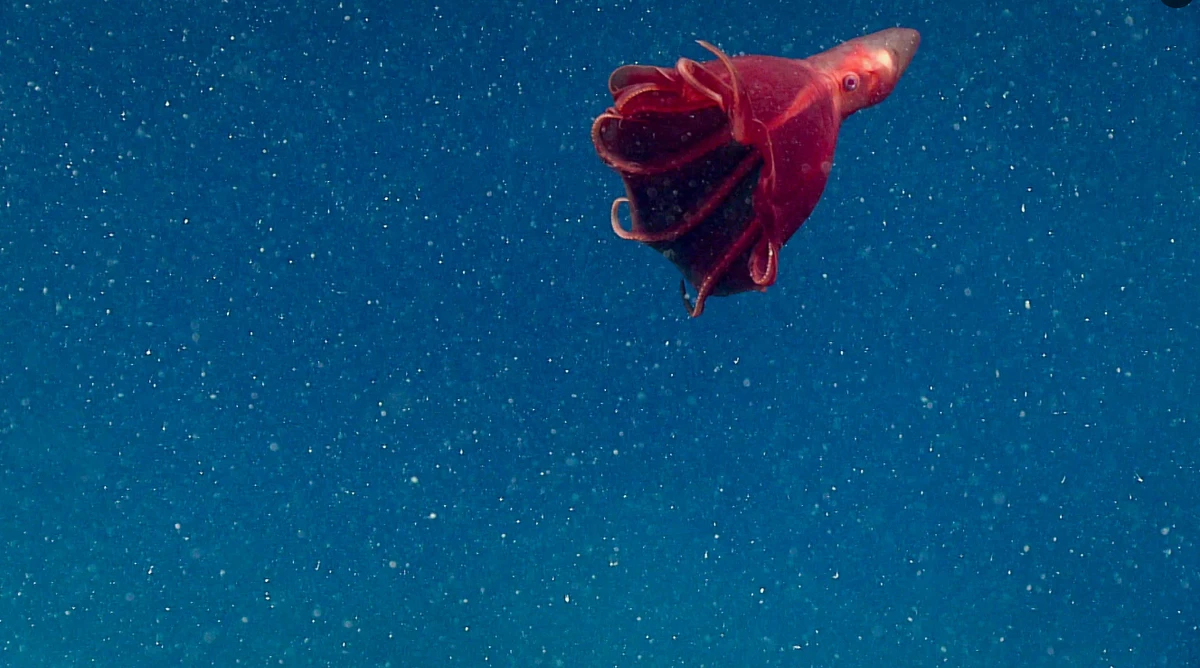
The vampire squid singing: "Miles of ocean above me, swimming in an endless buffet..."
At the ocean floor, marine snow is the primary food source. Sea cucumbers vacuum up the sediment, sea lilies and sponges filter the water, while scavengers like the giant isopod lie in wait for larger carcasses to drop from above. In spring, when plankton blooms near the surface, the snowfall intensifies, temporarily blanketing the seabed in a plush, greenish carpet of algal debris. 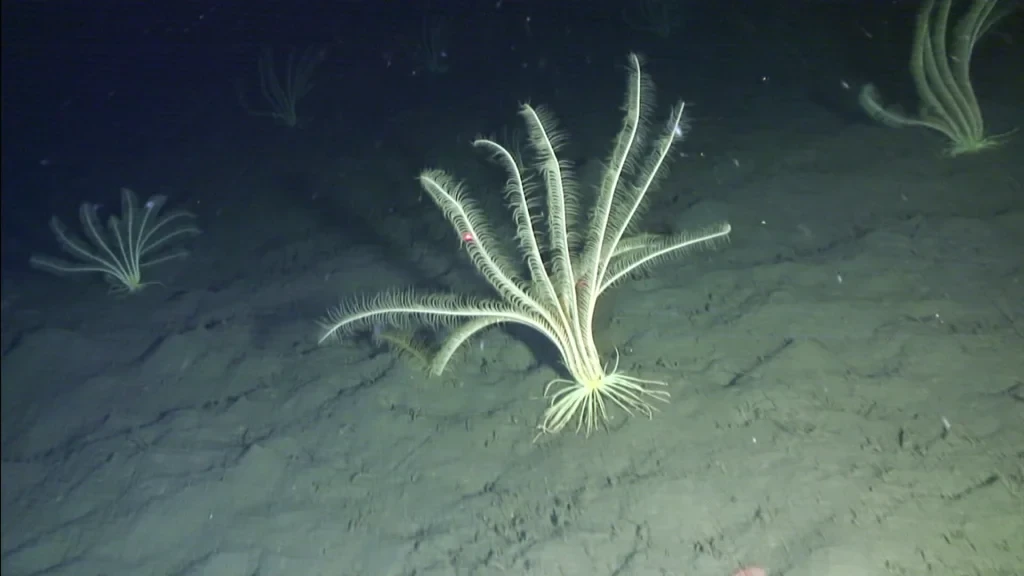
A deep-sea sea lily (crinoid). And yes, it's an animal, not a plant. 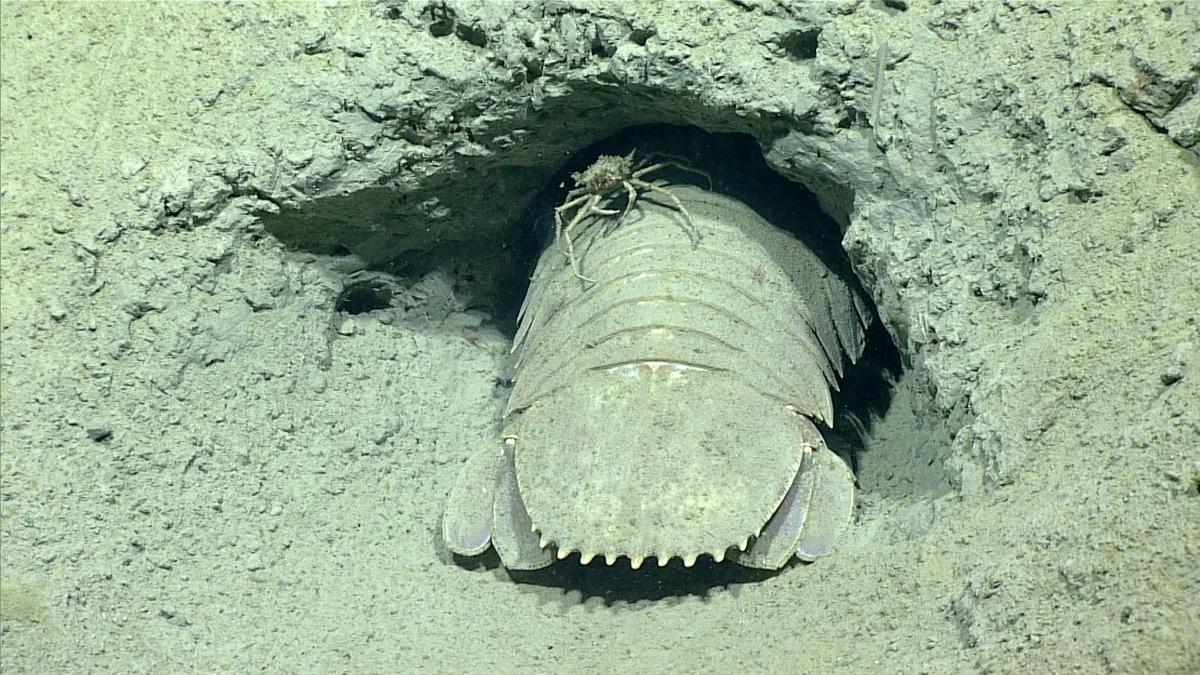
An isopod—proof that the ocean floor has its own roombas.
The ultimate "snowflake" is a dead whale. A sunken whale carcass, known as a whale fall, sustains an entire ecosystem for decades: first, sharks, hagfish, and crustaceans strip the flesh, and later, bone-eating Osedax worms dissolve the skeleton. 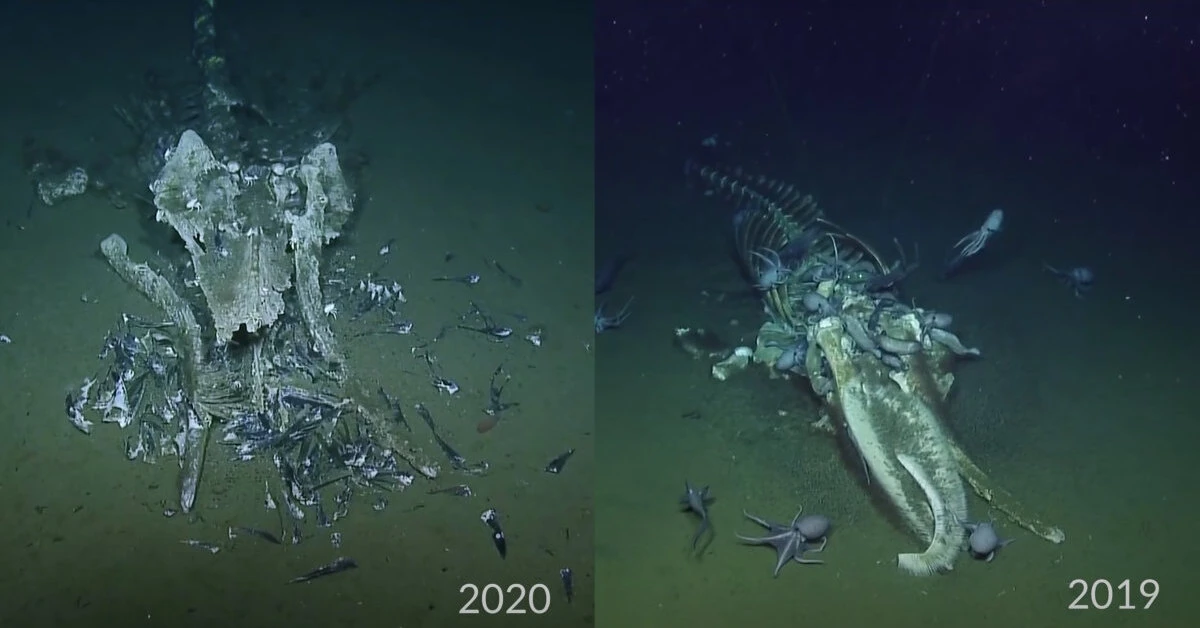
A feast on a fallen whale can last for decades.
Over millions of years, this continuous snowfall has built sediment layers hundreds of meters thick on the ocean floor. Growing at a rate of roughly one centimeter per thousand years, these layers consist mostly of microscopic plankton shells. In essence, the ocean floor is a vast, ancient graveyard. It invites a fascinating thought: could unknown deep-sea or subterranean creatures be living within this sediment layer? Perhaps even giant undiscovered worms. 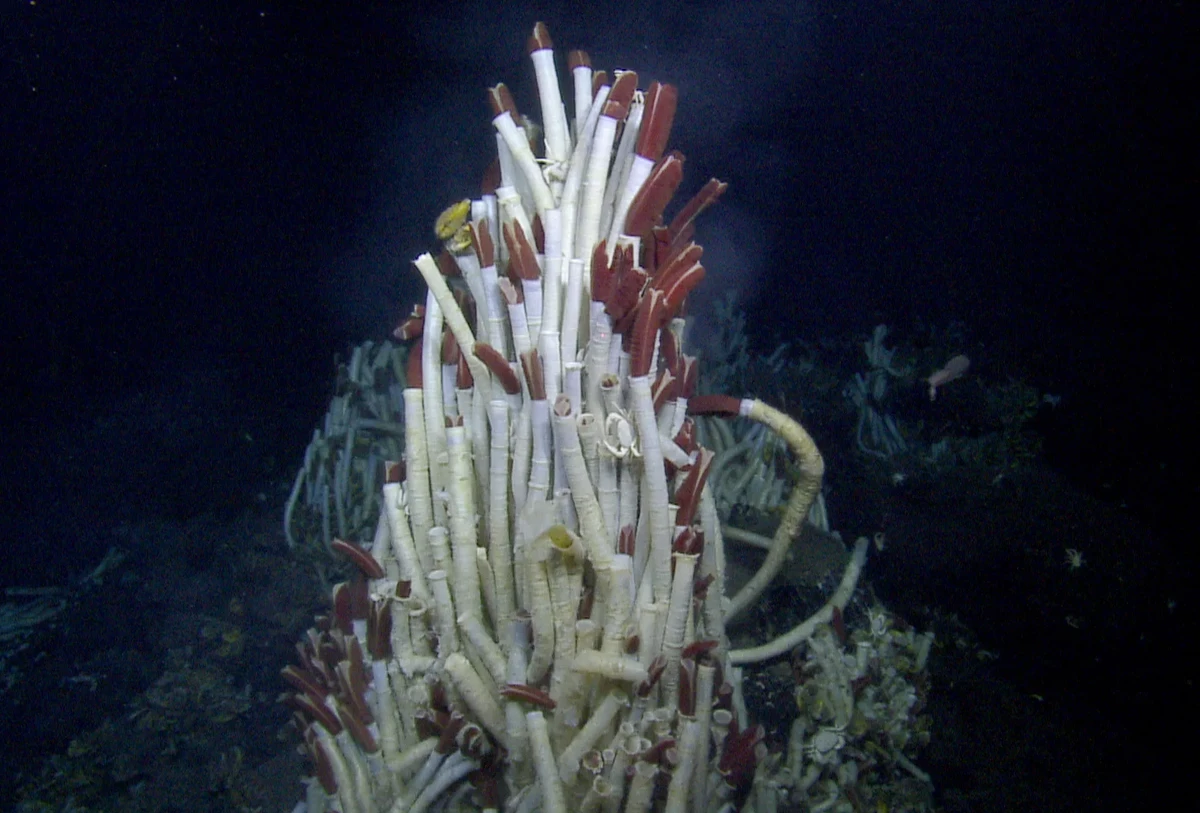
For instance, we already know about vast forests of meter-long tube worms living near hydrothermal vents at depths of up to 3 km.
A common theory suggests that marine snow explains deep-sea gigantism—that food is so abundant down there, creatures grow massive. In reality, it's the exact opposite: food in the deep sea is desperately scarce. Scientists attribute gigantism to frigid temperatures (cold-blooded animals grow more slowly and reach larger sizes in the cold), abundant dissolved oxygen, and the fact that a larger body makes it easier to survive long periods of starvation while traveling great distances in search of food. 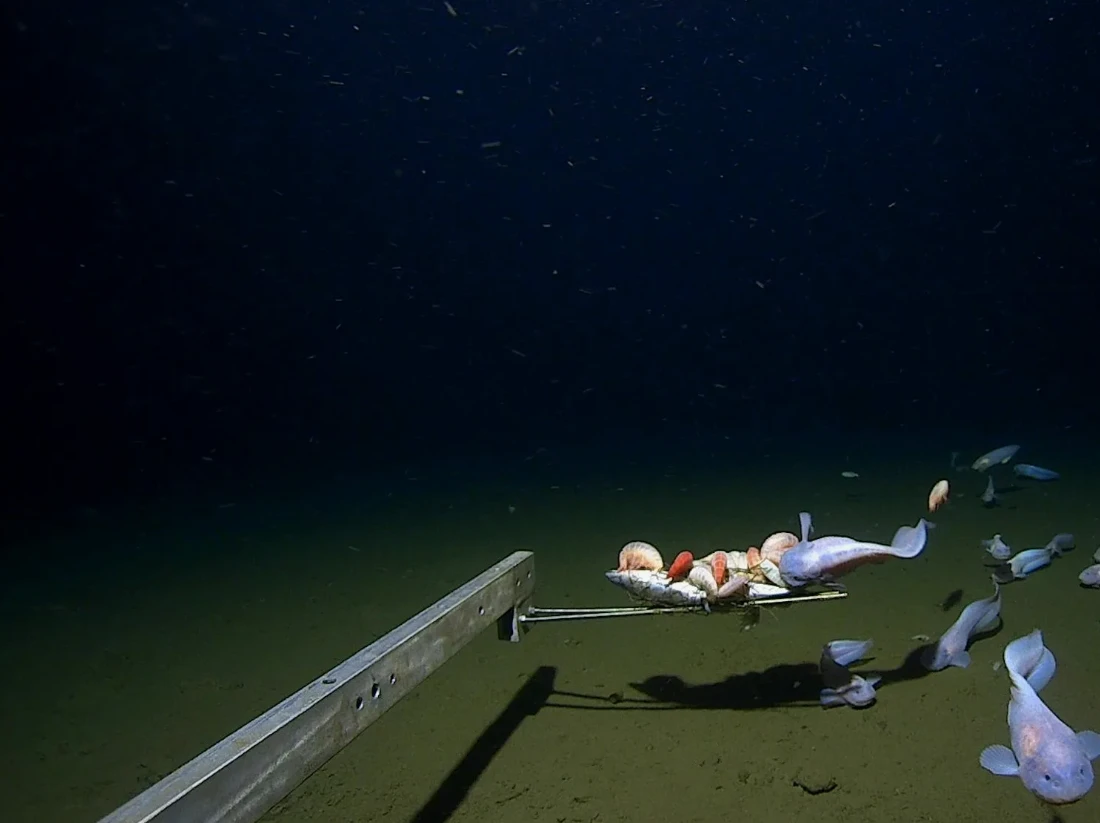
By the way, pictured here is a snailfish—the deepest-living fish ever discovered. These pale, gelatinous ghosts inhabit crushing depths down to an astonishing 8 kilometers!
All in all, the ocean depths remain largely unexplored. Every expedition equipped with underwater robots turns up new species. What other mysteries—or monsters—is the abyss holding in store for us?