Camels, Donkeys, and Therapy Dogs: The Most Unusual Ways to Teach People to Read (11 photos)
Every year on September 8, the world celebrates International Literacy Day. Established by UNESCO in 1966, the date serves as a reminder that reading and writing are still out of reach for millions. According to UNESCO data for 2025, 739 million adults worldwide remain illiterate. That is why people around the globe have come up with creative ways to bring books where cars cannot drive and teachers cannot reach: loading volumes onto camels, saddling donkeys, enlisting dogs, and even broadcasting soap operas during prime time. Here are five such extraordinary stories—from the Colombian jungle to Mexican television screens. 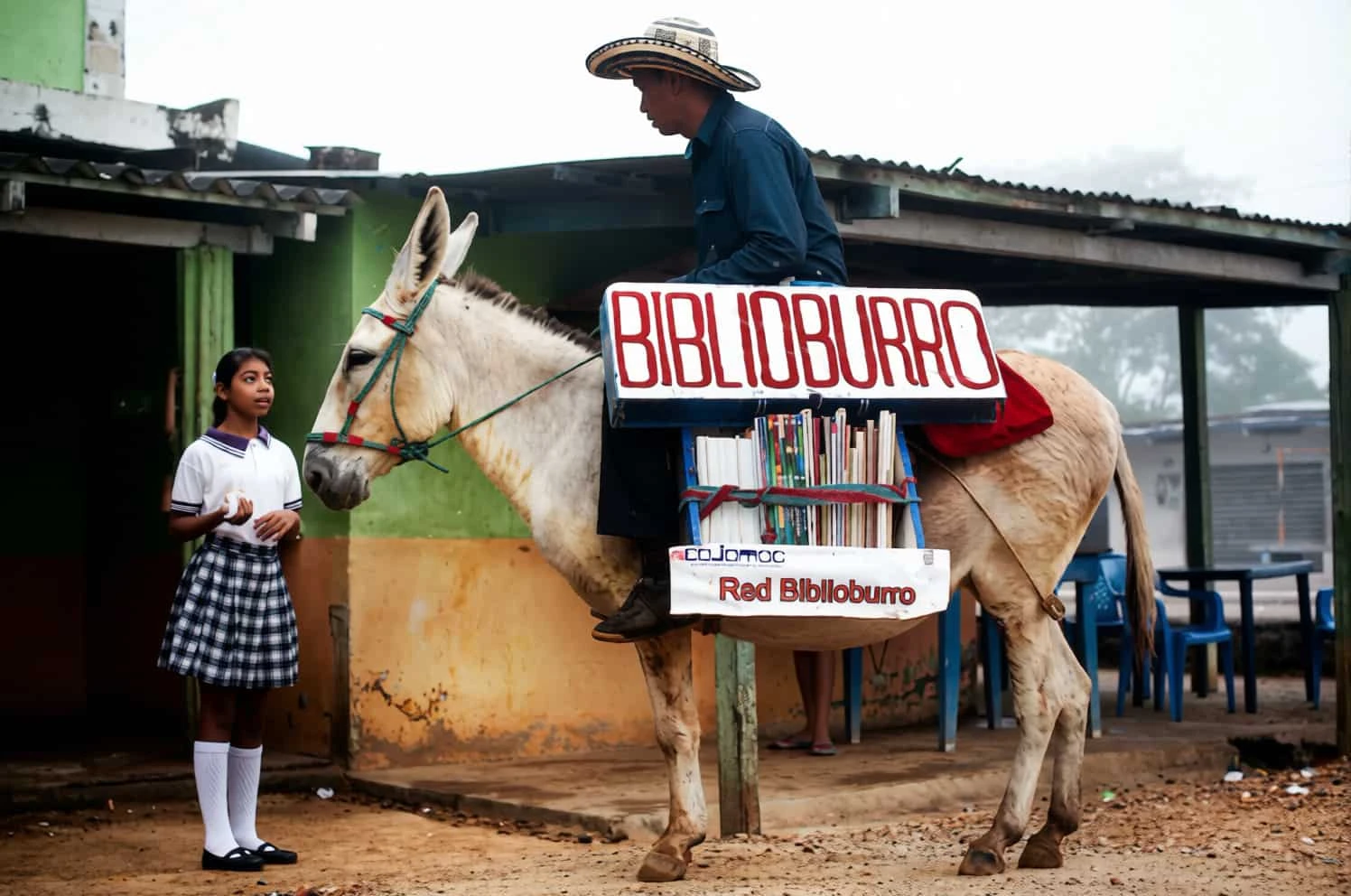
Alfa and Beto: Donkeys Named "Alphabet"
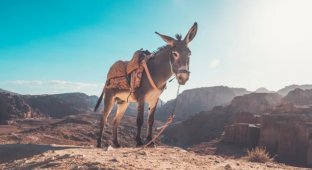
In 1997, a primary school teacher in the small Colombian town of La Gloria noticed his students weren't doing their homework. The reason was surprisingly simple: for miles around, he was the only person who owned books. Luis Humberto Soriano Bohórquez packed up 70 of his own volumes, loaded them onto his lone donkey, and set off through the jungle before dawn to visit his students house by house. 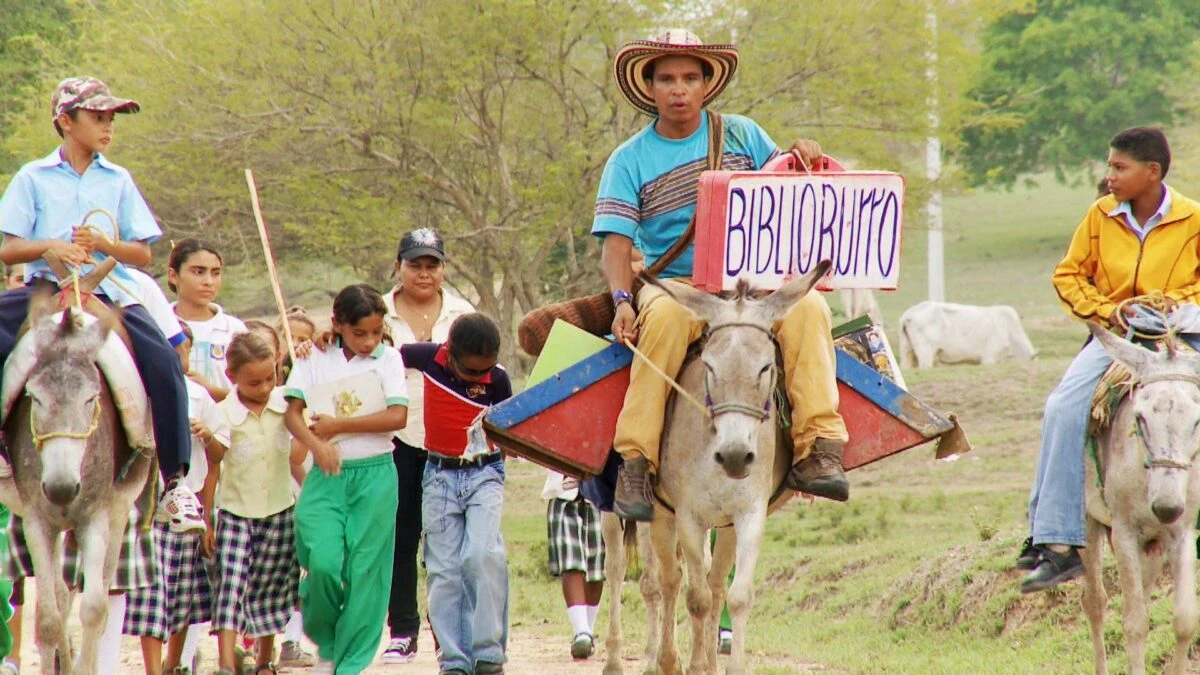
Soriano built the wooden saddle-shelves himself, each holding several dozen books. The library initially consisted of just 70 personal volumes.
Soon, he acquired a second donkey and attached wooden bookshelves to both saddles. He named the animals Alfa and Beto—put together,
alfabeto
, the Spanish word for "alphabet." He dubbed his initiative "Biblioburro," combining
biblioteca
(library) and
burro
(donkey). Traversing zones plagued by armed conflict, Soriano risked his life on every trip, but he never stopped. 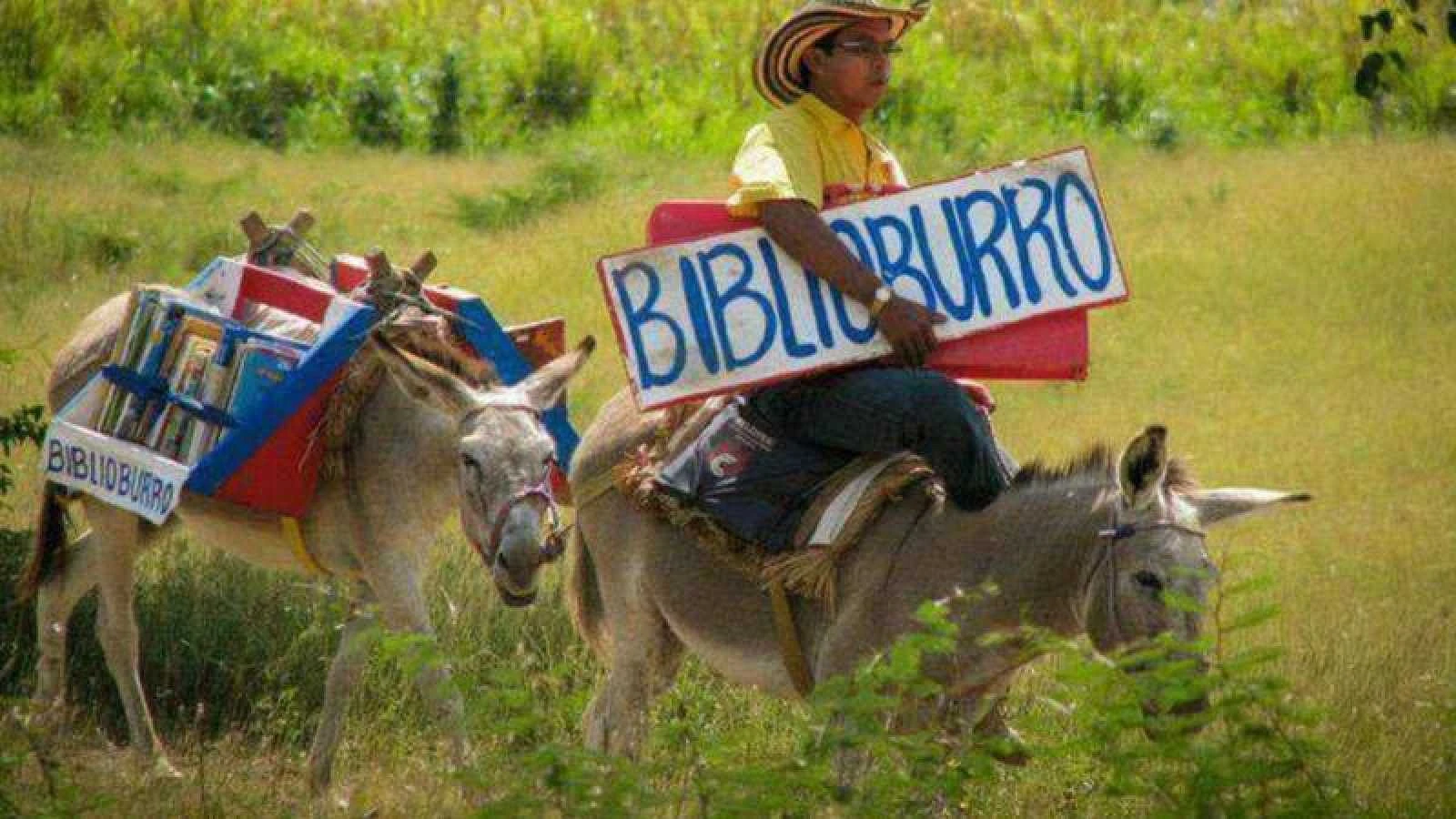
After journalist Juan Gossaín covered the project in 2003, book donations poured in from all over the world. Today, the Biblioburro collection boasts over 7,000 volumes.
In 2003, prominent Colombian radio journalist Juan Gossaín featured the project, sparking a global deluge of donated books. Over time, the collection expanded to more than 7,000 volumes. A documentary about Biblioburro aired on PBS, bringing Soriano international acclaim—though he still sets off alone with those same two donkeys every weekend.
Camels Going Where Buses Can't
In October 1996, librarian Wycliffe Oluoch in the northern Kenyan town of Garissa faced a dilemma: his shelves were packed with books, but there were no readers in sight. The local population consisted mainly of semi-nomadic Somali pastoralists who couldn't physically reach a brick-and-mortar library due to vast terrain, lack of roads, and an adult illiteracy rate exceeding 85%. 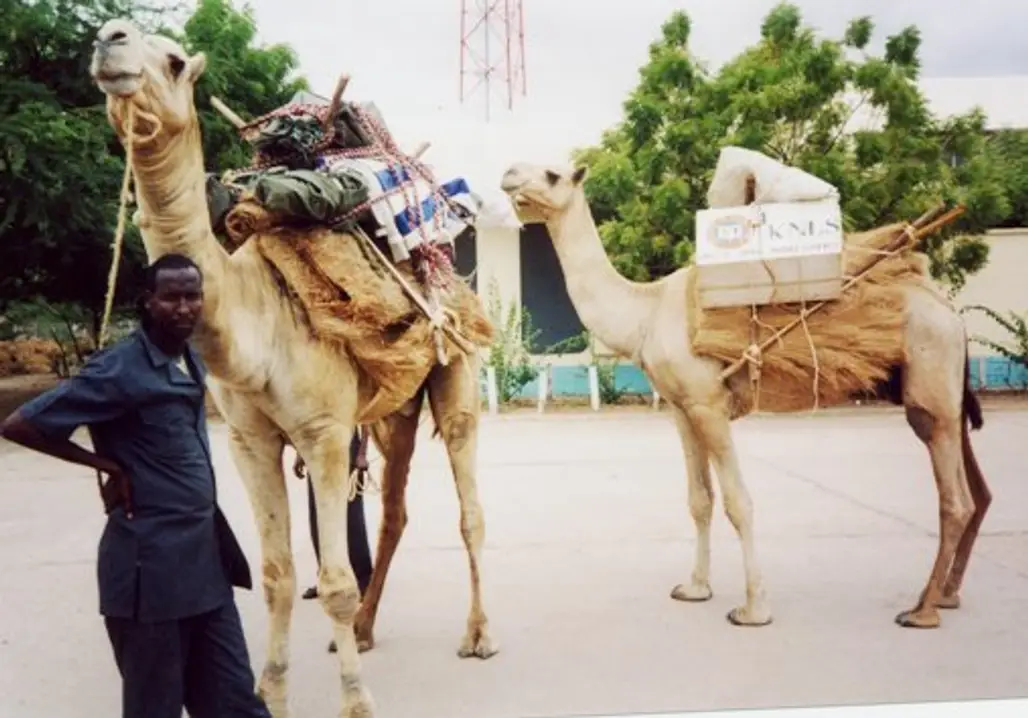
Each camel carries two boxes holding 200 books each. The third camel in the caravan serves as a backup, carrying the librarian's gear.
Oluoch came up with a solution perfectly suited to the region: camels. The Kenya National Library Service launched the Camel Mobile Library, deploying three animals per route. The first camel carries two crates filled with 200 books each; the second hauls a tent, folding chairs, and a table; and the third transports the personal belongings of the librarian and the handler. Once at a stop, books are spread out on woven mats beneath acacia trees as villagers gather to pick out a read. 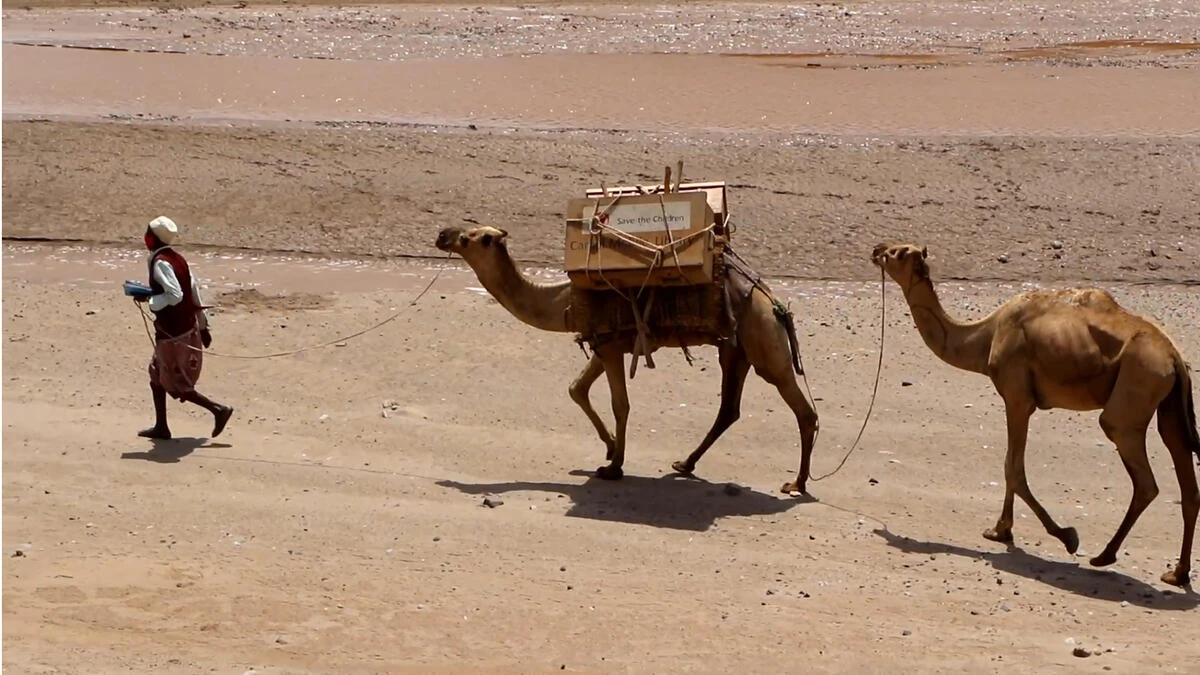
The library operates four days a week, serving 12 settlements. Patrons know the schedule by heart and await the camels just as city dwellers wait for a bus.
Today, the service uses nine camels split across three caravans operating out of two hubs in Garissa and Wajir. Travelling Monday through Thursday across 12 locations, the initiative serves over 3,500 registered patrons in a region where paper and pencils were once a rarity.
"The Elephants Are Coming!"
In 2012, the world's only elephant library was launched in Sainyabuli Province, Laos. The international non-profit Room to Read (founded in 2000) teamed up with two local organizations, ElefantAsia and Action with Lao Children, loading 640 Lao-language children's books onto the backs of elephants. 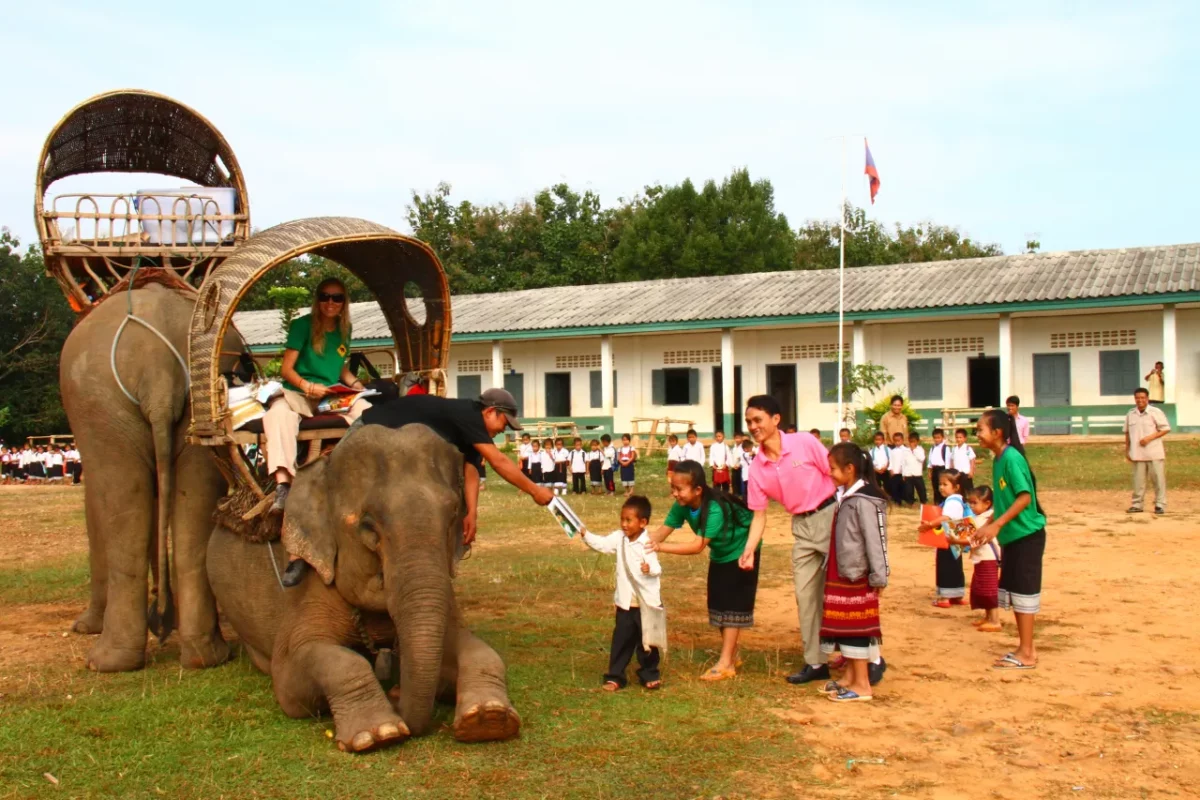
On their maiden voyage, the elephants visited four primary schools serving over 1,000 children—many of whom were seeing a book in their native language for the very first time.
As the elephants stepped through the school gates, hundreds of children lined up, chanting, "The elephants are coming! The elephants are coming!" Kids received books directly from the librarian seated atop the gentle giant. Distribution was followed by sing-alongs, storytelling sessions, and reading comprehension games. The project pursued a dual mission: boosting childhood literacy and raising awareness for the endangered Asian elephant. 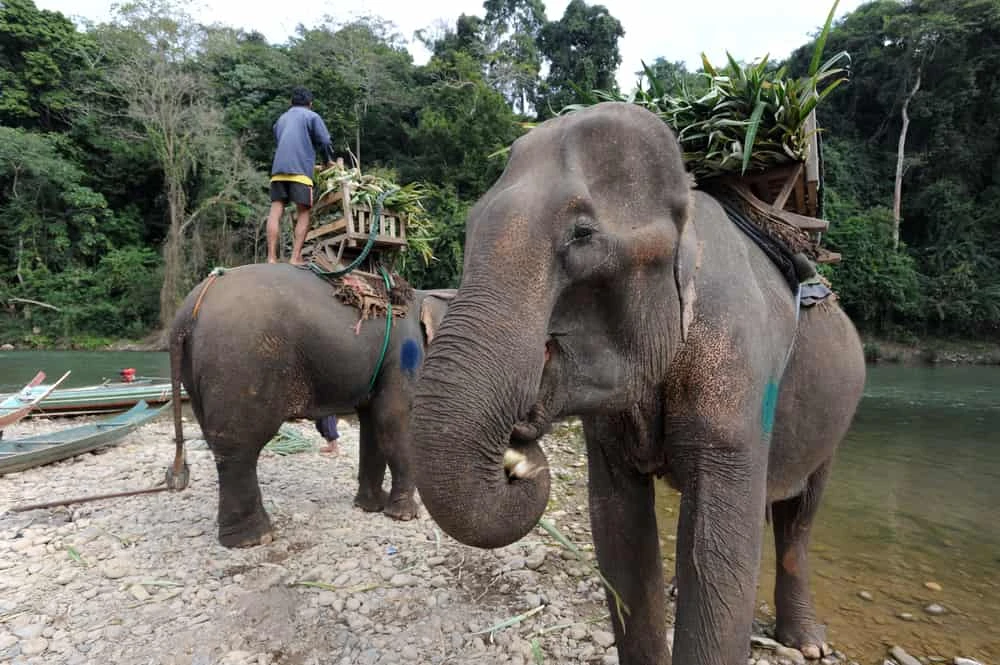
The Asian elephant is a national symbol of Laos. The mountain paths of Sainyabuli Province are too narrow for vehicles, but elephants can navigate any terrain.
Elephants were hardly a random choice for transport. In Laos, they have served as working animals and national symbols for centuries. The steep, narrow mountain tracks of Sainyabuli are impassable for motorized transport, but elephants handle them with ease—earning their library card long before many mobile book buses.
Dogs Don't Interrupt or Laugh
In November 1999, the main library in Salt Lake City, Utah, hosted its first "Dog Day Afternoons." The organization Intermountain Therapy Animals offered struggling young readers a novel approach: reading aloud to a therapy dog. 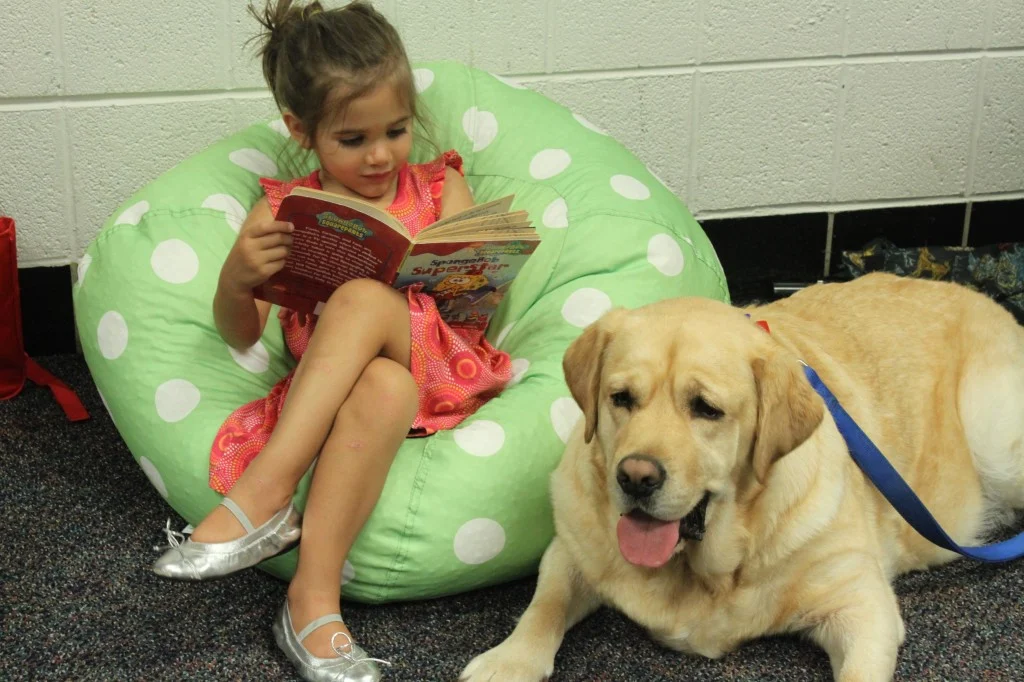
The R.E.A.D. program launched in Salt Lake City in 1999, starting with four consecutive Sunday sessions right inside the public library.
The logic was simple: when a child stumbles, mispronounces a word, or loses their place, a dog won't interrupt, correct, or mock them. It just lies there listening. Anxiety drops, focus improves, and the motivation to pick up another book grows. A 2000 pilot study at Bennion Elementary School in Salt Lake City documented significant reading gains among participants. 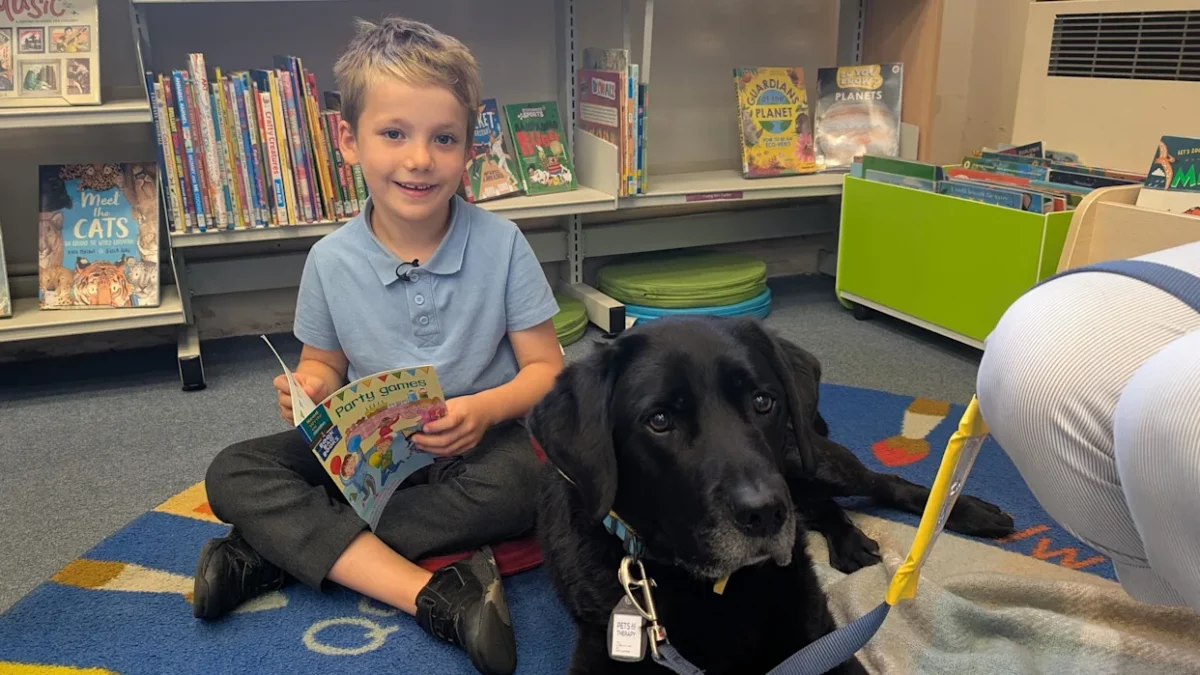
A therapy dog listens without correcting. This judgment-free space relieves anxiety and helps children read with confidence.
Dubbed R.E.A.D. (Reading Education Assistance Dogs), the program relies exclusively on certified therapy animals that undergo rigorous screening and work alongside volunteer handlers. Today, over 3,500 therapy teams are registered across the US, Europe, and South Africa, operating in schools, libraries, and rehabilitation centers.
Soap Operas as Textbooks
In 1975, Mexican producer Miguel Sabido operated on a simple premise: if people were glued to their TVs, television could be used to teach them. Partnering with Televisa, Mexico's largest network, he created the telenovela
Ven Conmigo
("Come With Me"). The drama followed rural adults enrolling in literacy classes, weaving educational lessons into the storyline so seamlessly that viewers barely noticed. 
Airing five times a week in 30-minute episodes,
Ven Conmigo
pulled in higher ratings than Televisa's standard entertainment soap operas.
In one episode, characters mentioned an address where free reading primers were being handed out. The following day, 25,000 people showed up—blindsiding government officials. By the end of the 1975–1976 season, 840,000 new adult learners had enrolled in literacy programs, representing a 63% surge. 
Sabido's next telenovela,
Acompáñame
(1977), focused on family planning and sparked a 23% surge in contraceptive sales across Mexico.
Sabido's approach was later dubbed "entertainment-education." The strategy was simple: viewers bond with beloved characters and gradually adopt positive behaviors themselves. Two years later, Sabido applied the framework to family planning; his follow-up soap opera,
Acompáñame
("Accompany Me"), led to a 23% jump in contraceptive sales in Mexico. Dozens of countries have since adopted the methodology.
Dogs, donkeys, camels, elephants, and television shows—all served a single purpose: bridging the gap between people and the written word. Sometimes that takes a long journey; other times, just a quiet dog sitting beside you.
Which of these creative approaches surprised you the most?