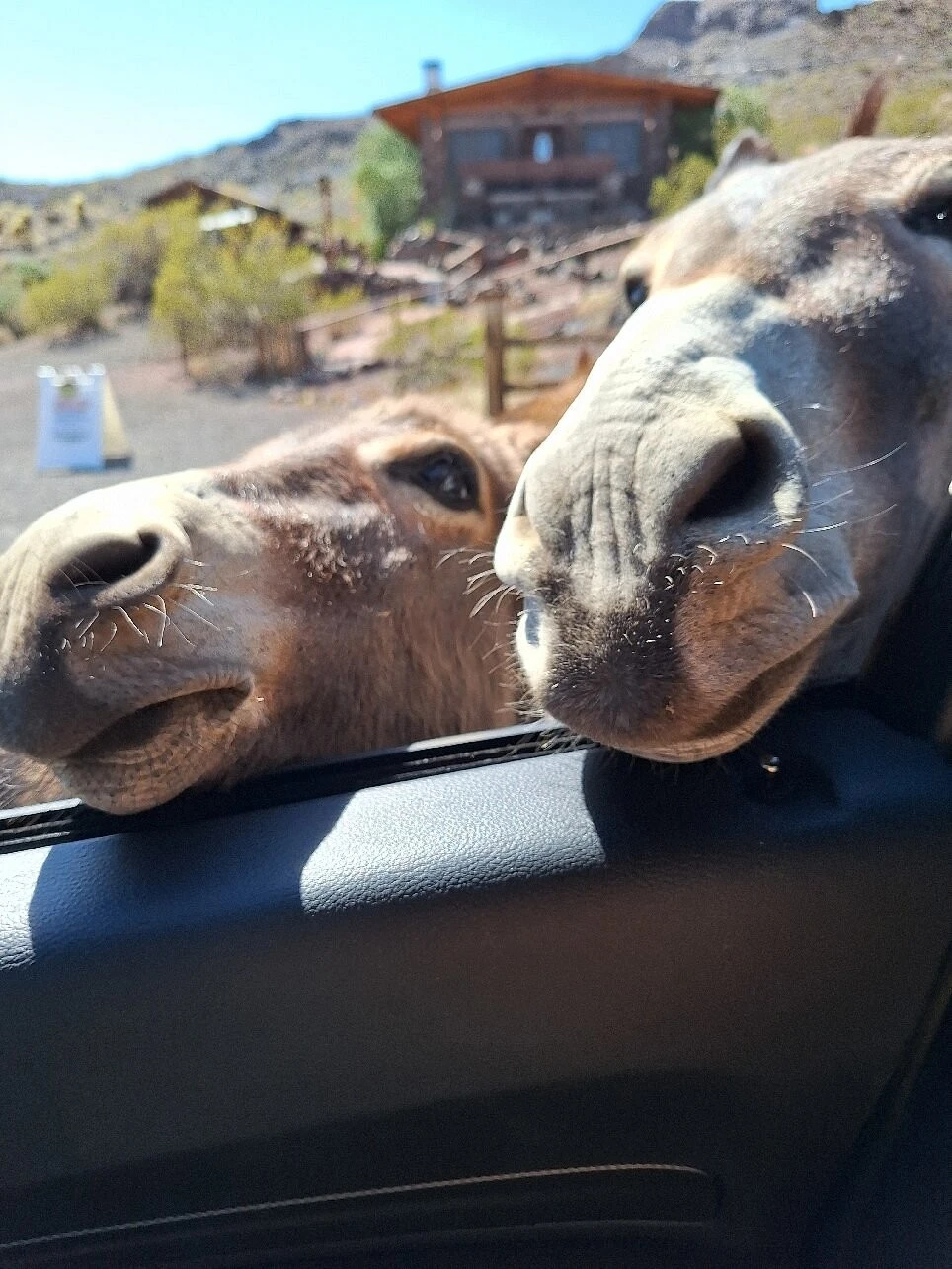
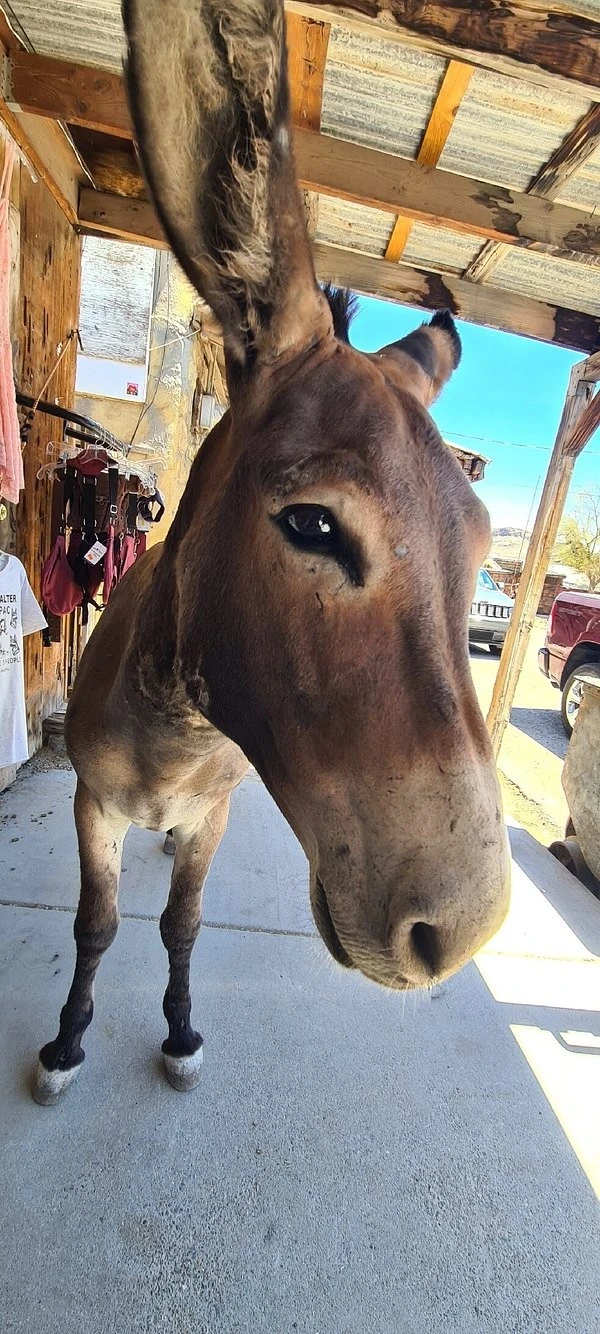
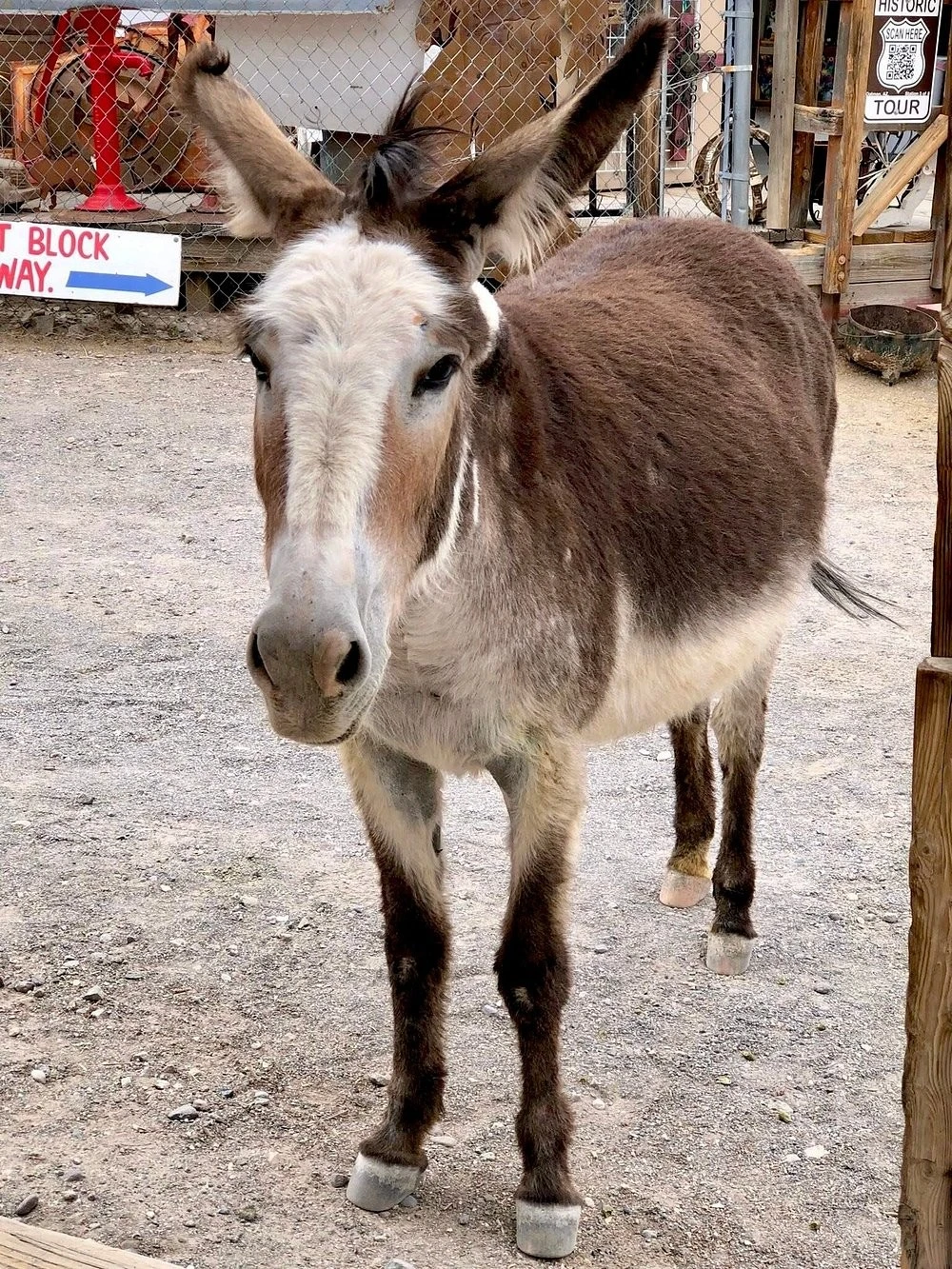
Oatman's wild donkeys, who come to people every morning and return to the mountains at night (23 photos + 1 video)
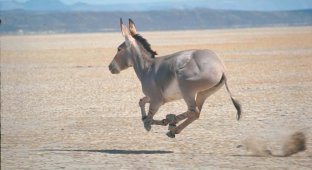
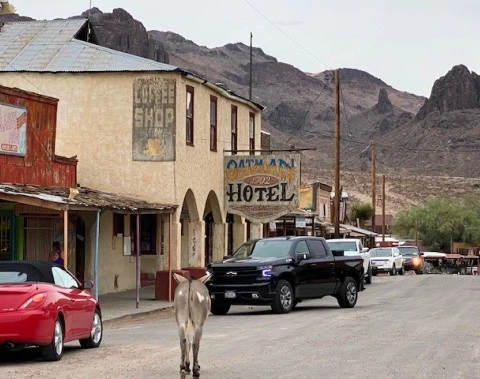
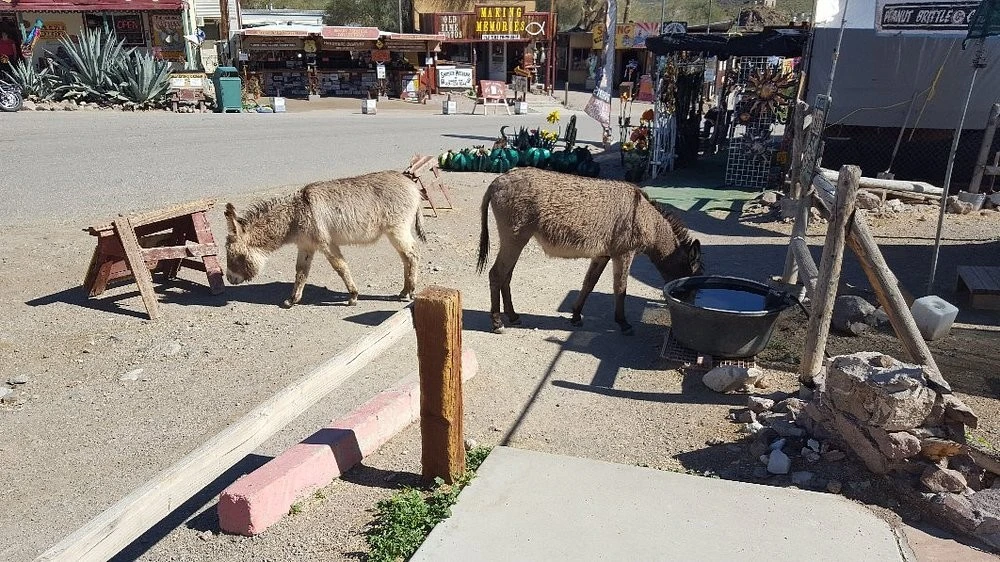
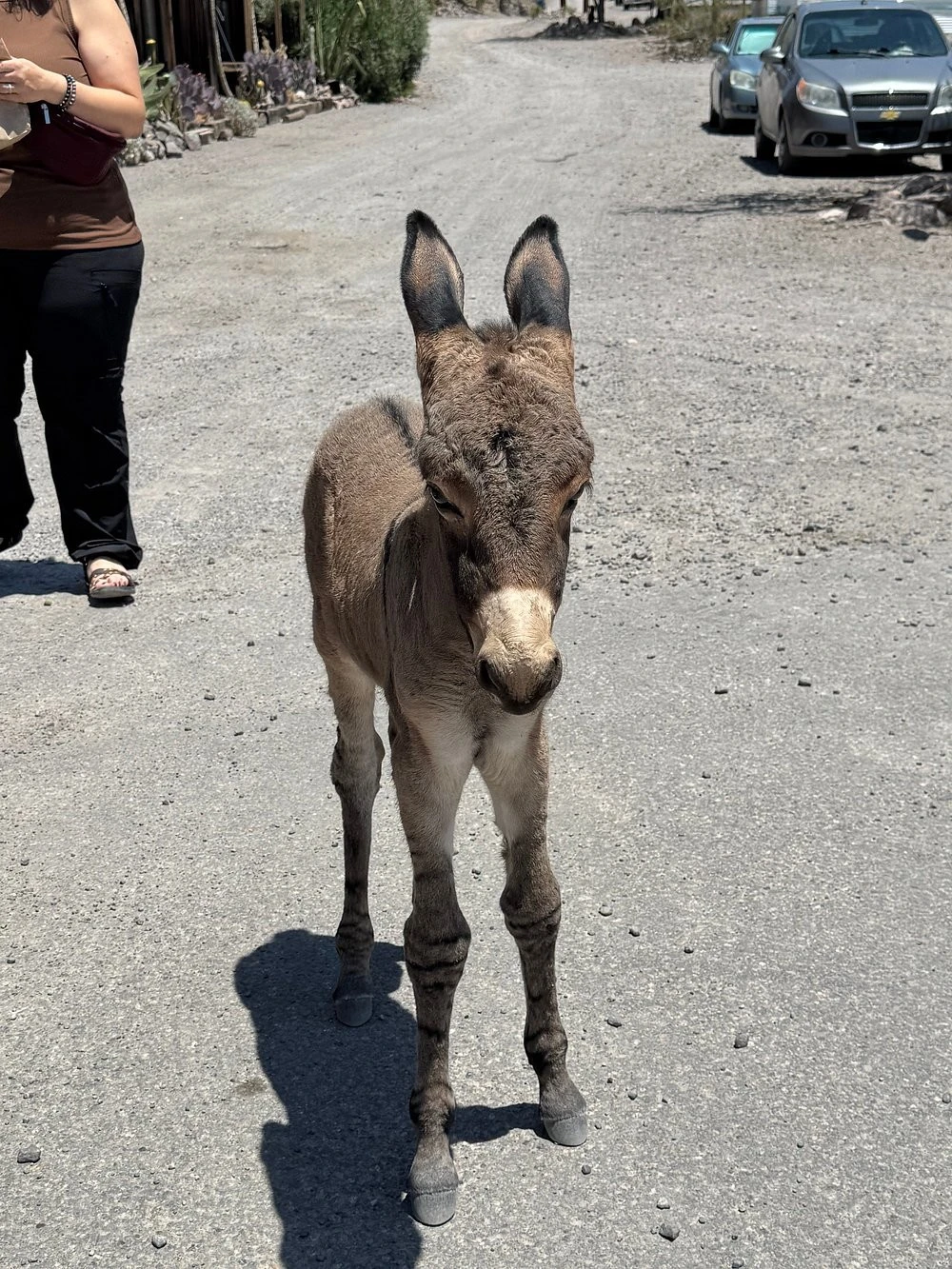
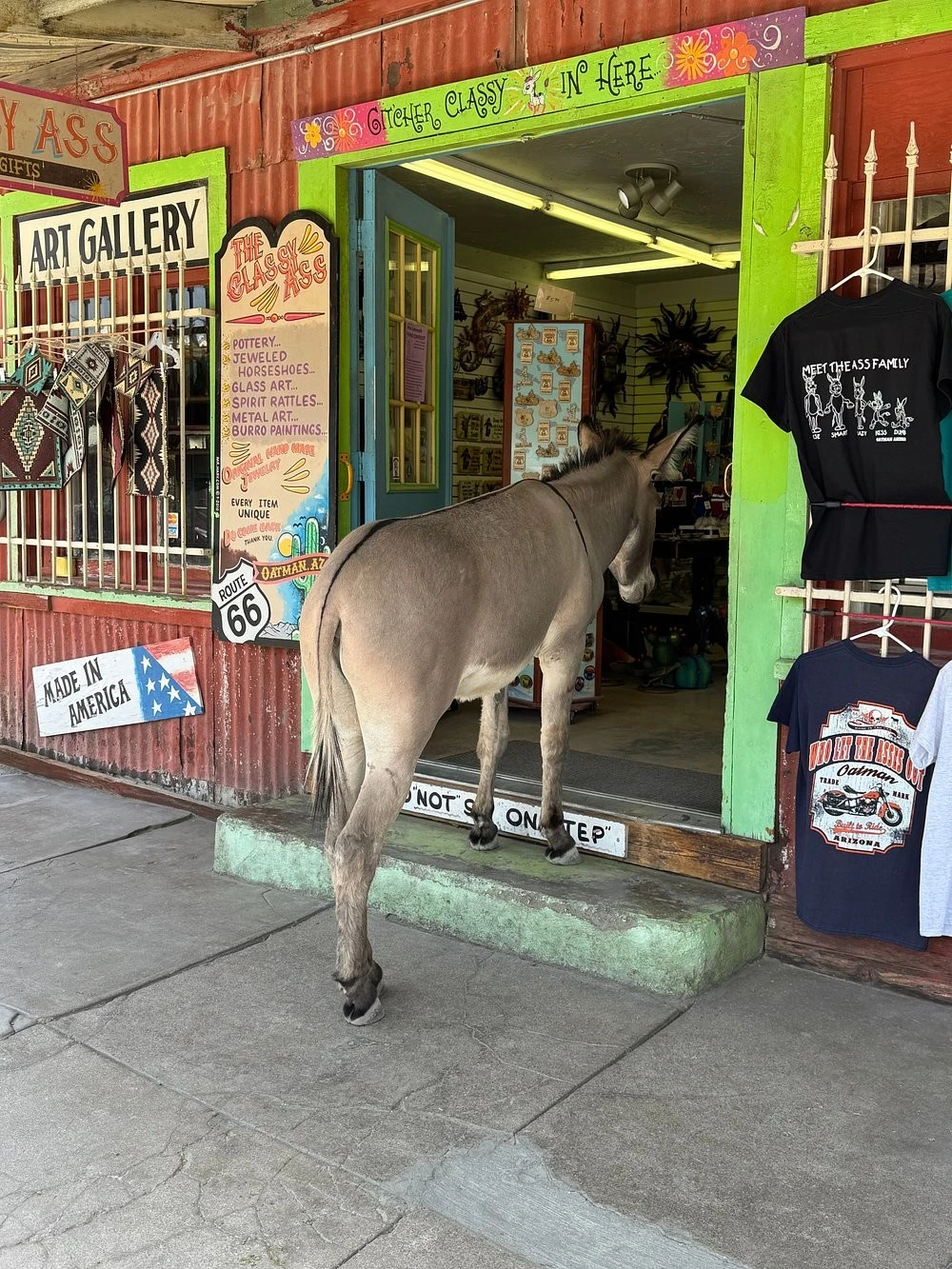
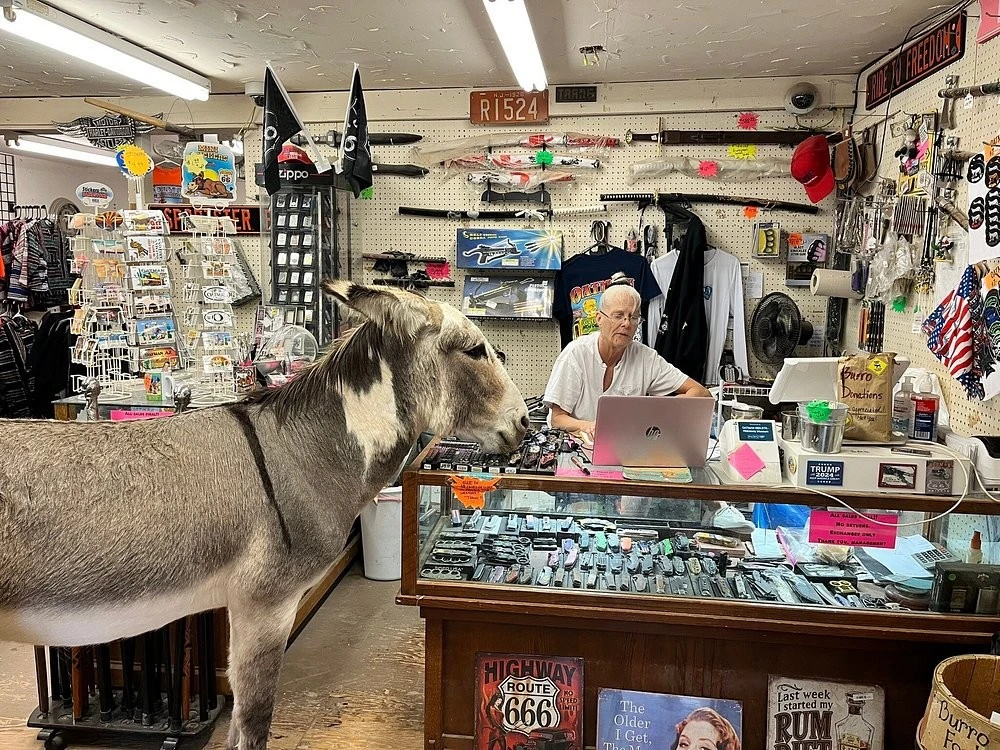
In the heart of the ancient section of the legendary US 66, the Will Rogers Highway, in Arizona, lies the town of Oatman. Its streets are filled with wild burros. 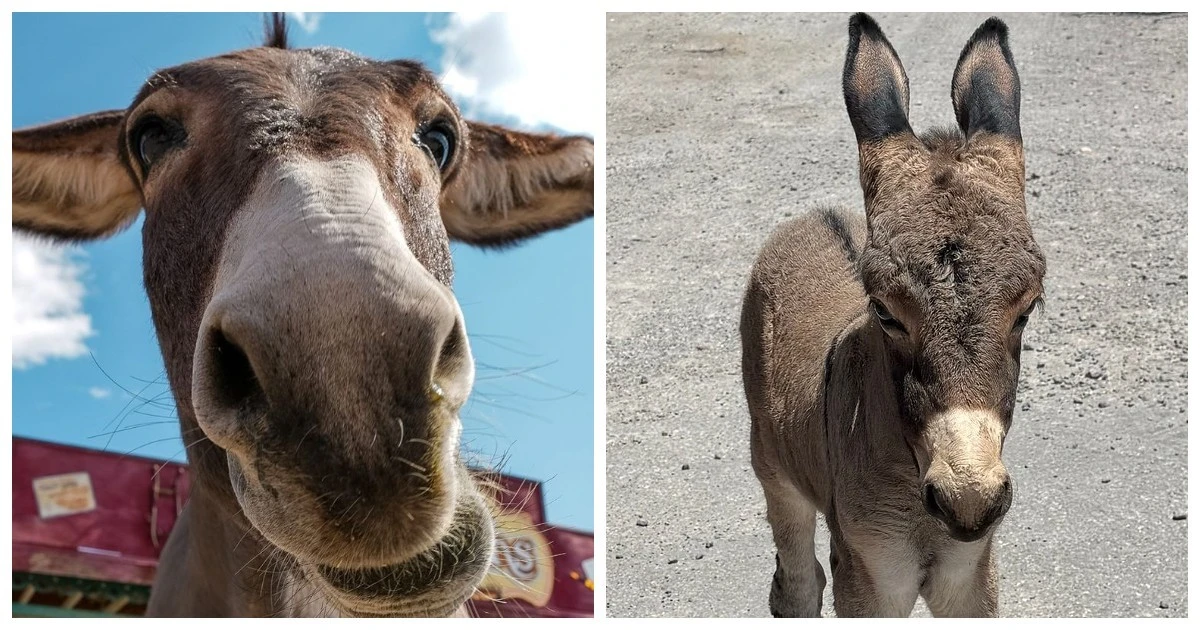
This town, with its Wild West atmosphere, has become a true paradise for four-legged wanderers and a tourist mecca for those looking to feed the long-eared creatures. 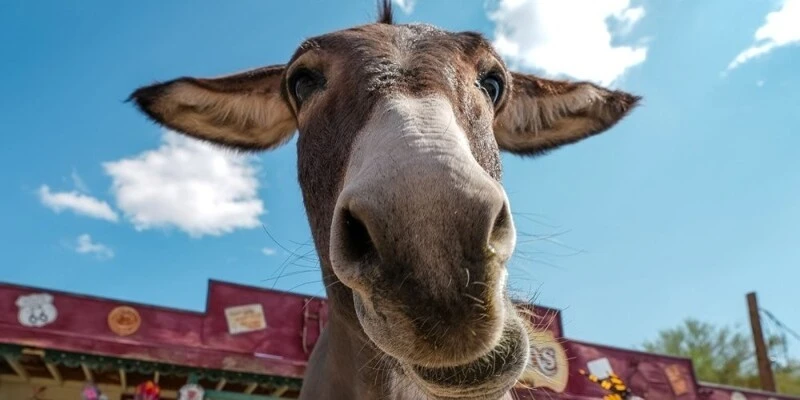
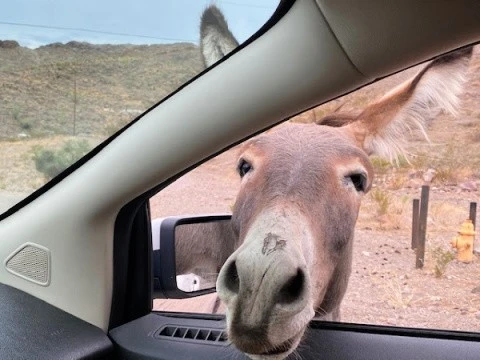
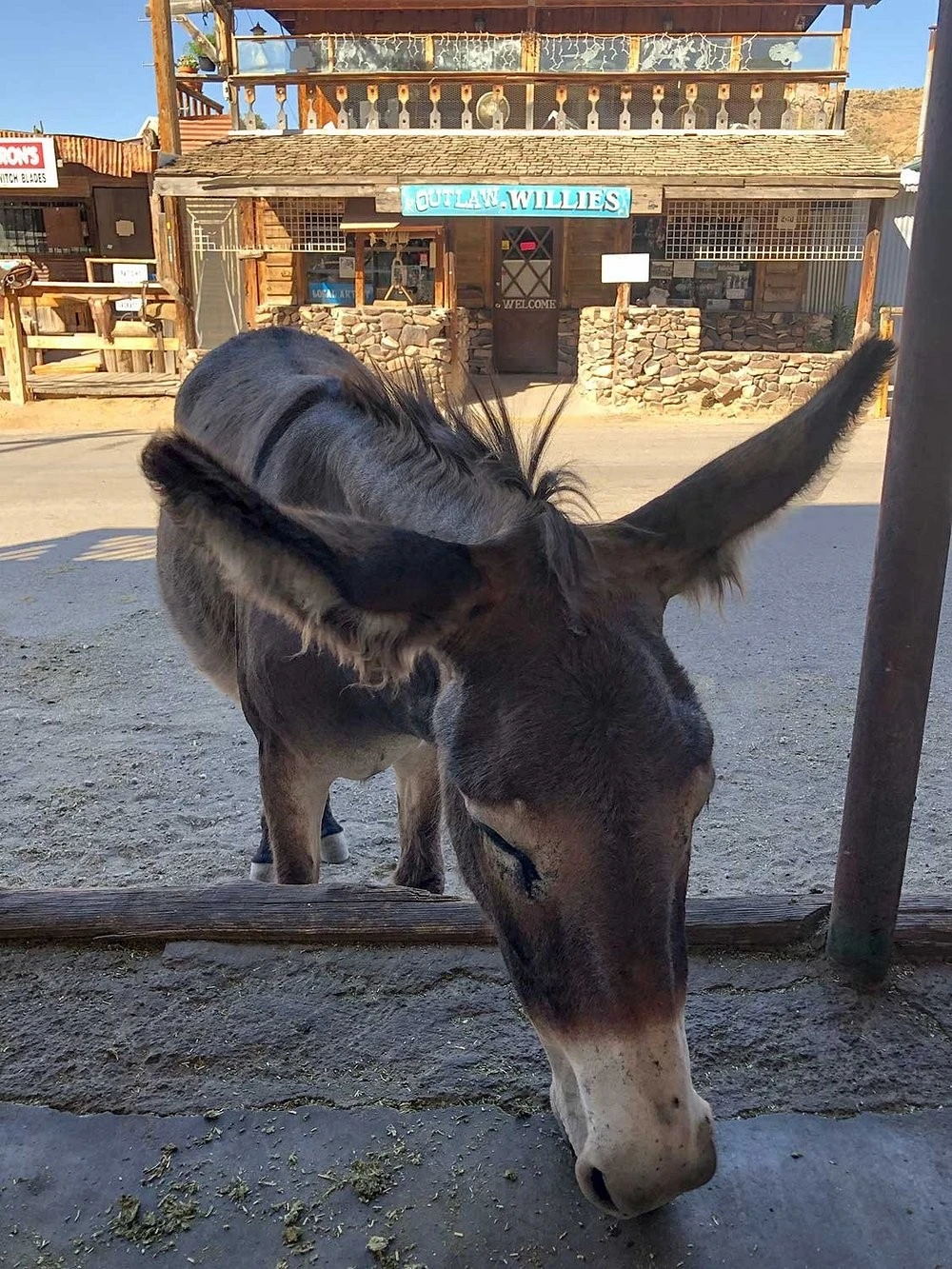
Wild donkeys can be hand-fed special donkey food. Essentially, it's just compressed hay cubes, which are sold at every store. Although the donkeys are quite friendly toward tourists, signs are posted throughout the city warning tourists to exercise caution. 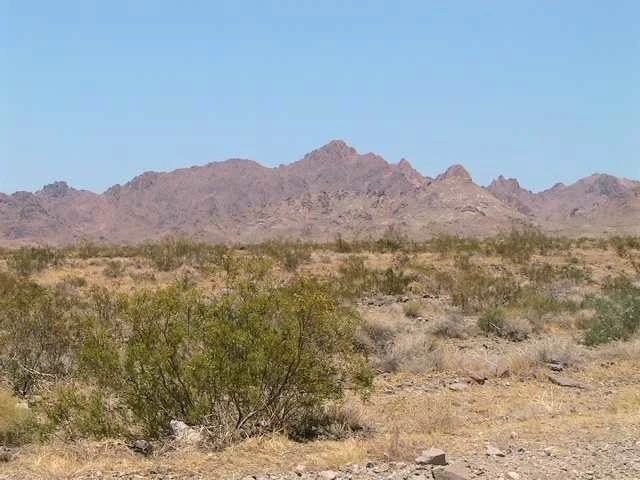
Oatman's wild burros are descendants of the burros brought here in the late 1800s, when the miners no longer needed them. Back then, burros were used to haul heavy loads—rock, metal, and supplies. The days of mining fever are gone, but the burros remain. 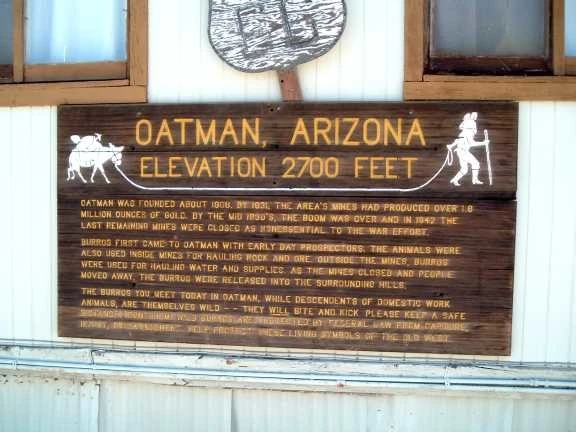
Every morning they wander around the city in search of food and in the hopes of greeting tourists. Food (carrots and pellets) is sold in almost every store and shop. The donkeys eat it all day, no matter how much you give them. And when the sun sets, they trot back to the mountains to spend the night and make another trip the next morning. 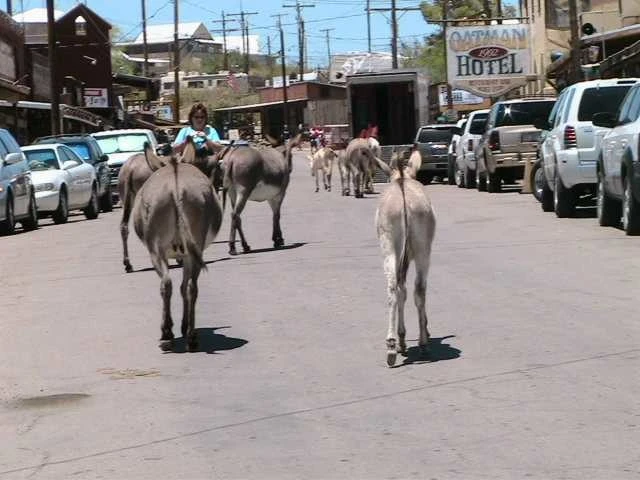
The donkey population is monitored by the agency responsible for wild horses and donkeys on federal lands. Vaccination and sterilization campaigns are periodically conducted to keep the population manageable. 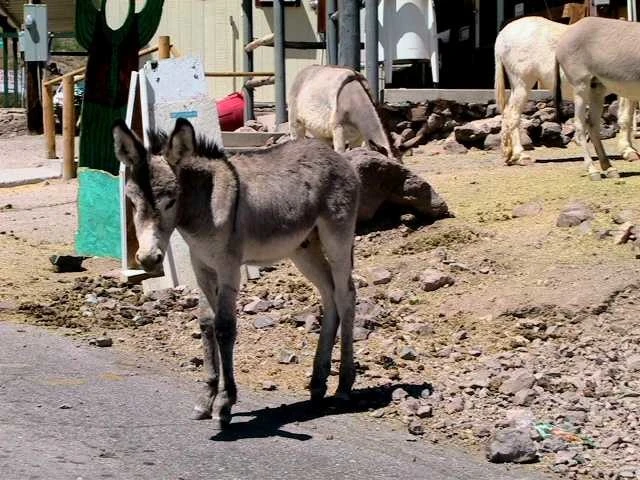
However, there is a caveat. As with any animal dependent on tourists for food, controversy arises:
Pros: Donkeys have become a symbol of the city; tourists come for them, and local shops profit from the food.
Cons: Some environmentalists believe that wild animals shouldn't be dependent on people, and that hand-feeding makes them clingy and less cautious. 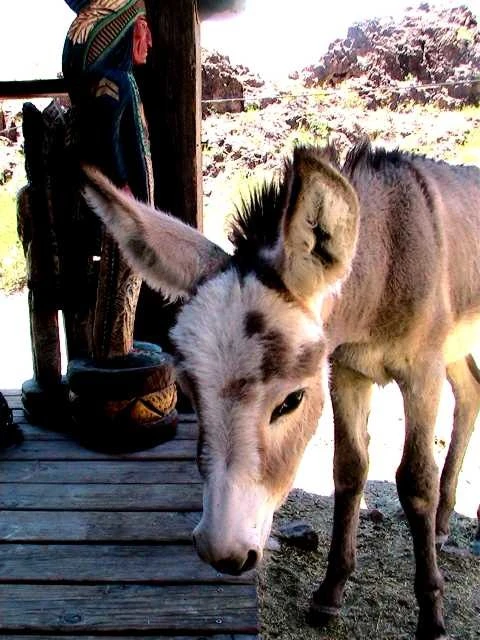
But for now, the compromise is working. The donkeys come in the morning, pose for photos, get carrots (sometimes chips, which are bad for them, but tourists still give them), and in the evening, they head to the hills to sleep. Local residents and the sheriff maintain order, and can issue fines if anyone harms the animals or tries to take them away. 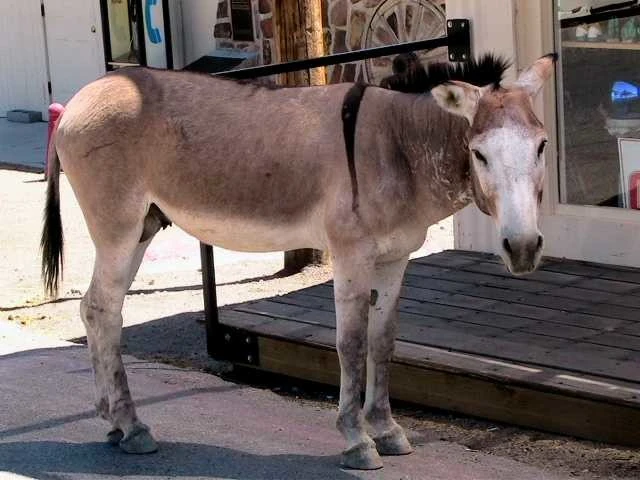
In 2019, a famous donkey named Bam-Bam died in Oatman at about 45 years old (the average lifespan of a donkey is 25-30 years). She was a local legend and appeared on several television shows. A corner of the town was named after her. 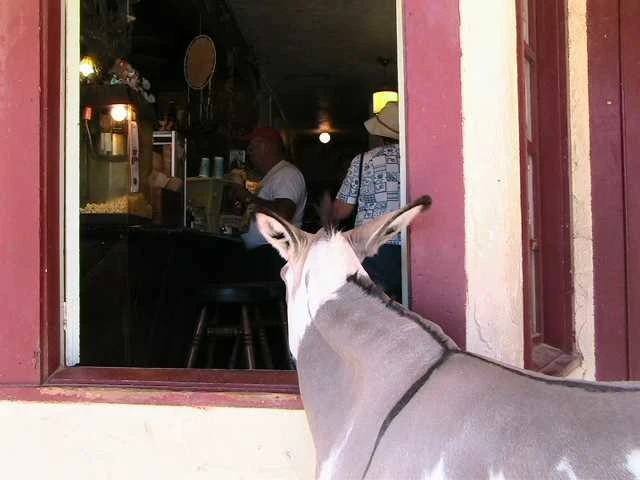
Donkeys came to the city during the Great Depression (1930s), when people had nothing to eat themselves, but they still shared their crumbs with the animals. This casual tradition has survived for decades. Today, donkeys are no longer necessary for survival, but they remain a symbol of human kindness—feeding those who are weaker. 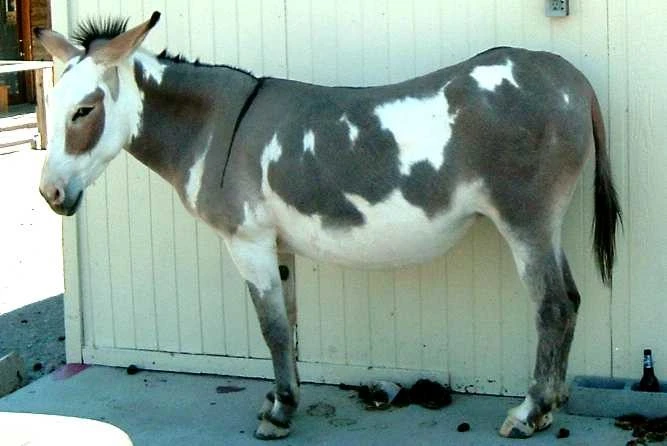
[thumb]https://cn22.nevsedoma.com.ua/p/29/2947/205_files/21a577ed0 51579a8d86cdae4a1662d1d.webp[/thumb] 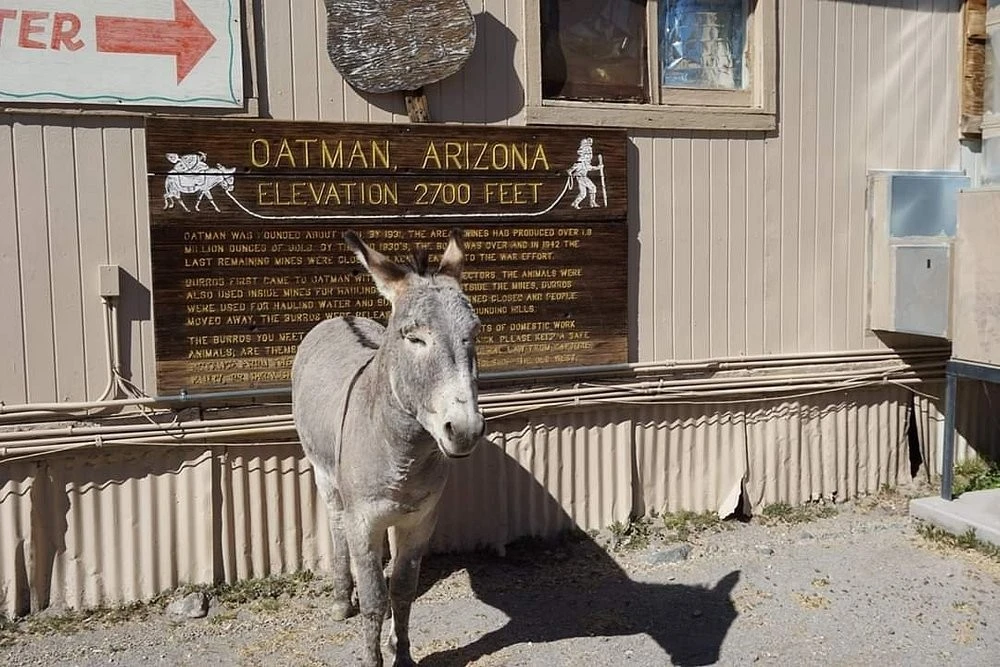
[thumb]https://cn22.nevsedoma.com.ua/p/29/2947/205_files/1fa25eeb f57d8b496c662c019802c8e4.webp[/thumb]