Amur gorals are among the rarest ungulates on the planet. The total population of these goat-like creatures is estimated at 700-900 individuals, comparable to the endangered Amur tiger. 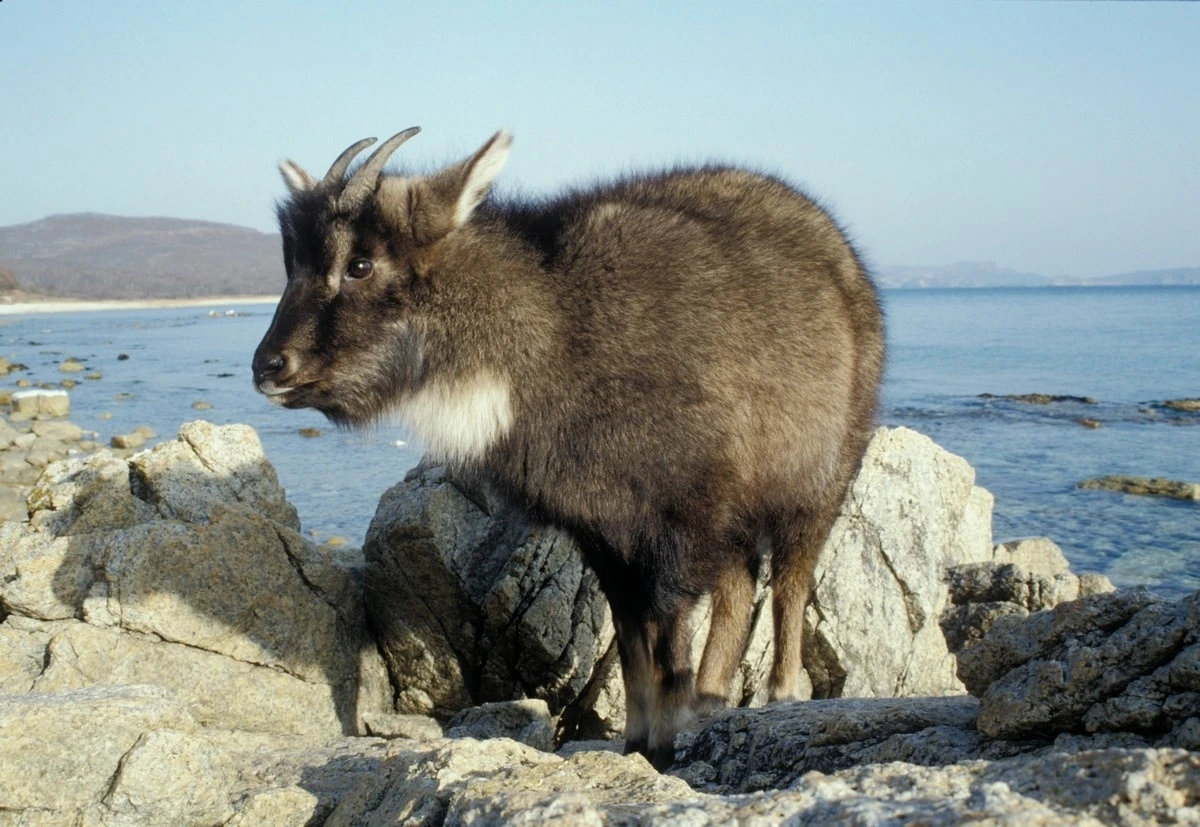
Are there cuter goats in the world?
But a tiger is an apex predator weighing up to 300 kilograms, requiring an entire ecosystem to support it, producing biomass day and night. Gorals, meanwhile, are tiny creatures weighing up to 40 kilograms, needing only grass and bushes to survive. So why are they so poorly off?
There are two culprits behind their dire situation, the first being the gorals themselves. Gorals are adapted to a very limited habitat, thriving only on low (up to 500 meters) forested cliffs. Given these requirements, it's no surprise that less than 1% of Primorye's territory is accessible to them. 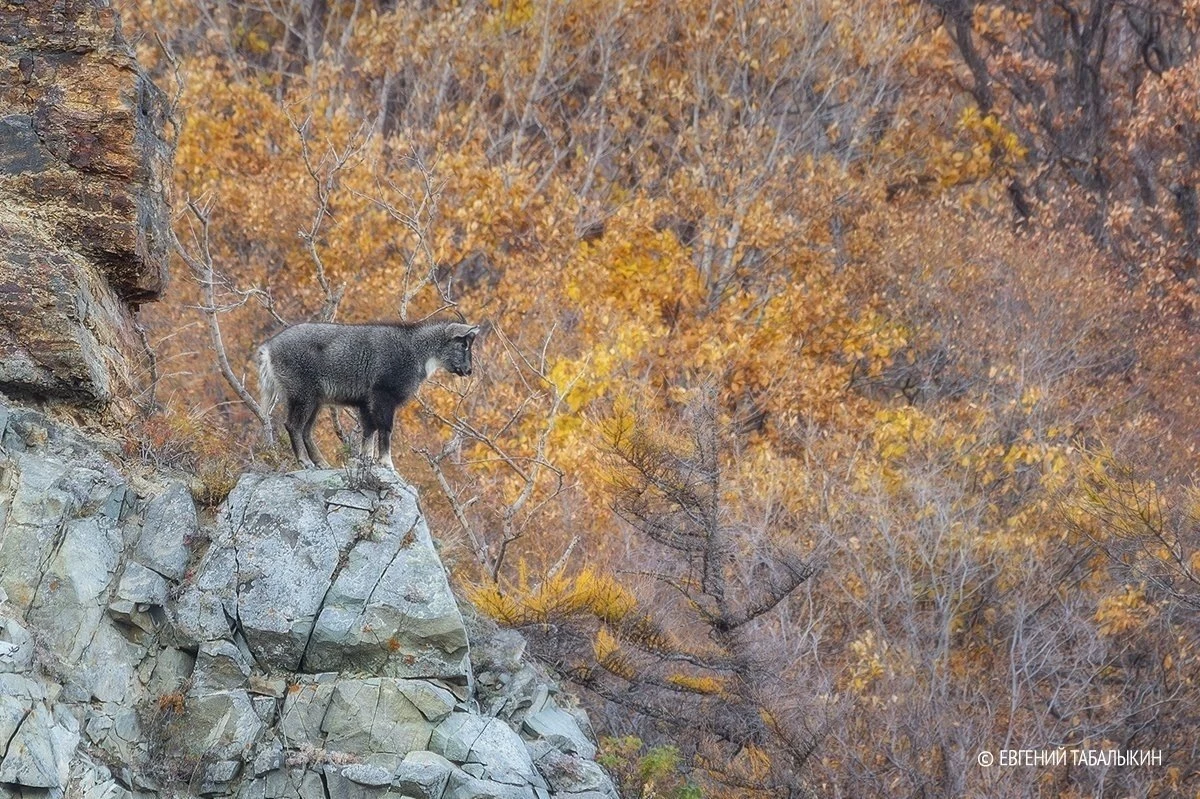
Sometimes you just want to stand on a slope and gaze at the autumn forest...
And their rigid attachment to a specific location is further complicated by their low fertility. The average lifespan of a female goral in the wild is approximately 10 years. She begins to reproduce at 2-3 years of age and gives birth, on average, to 1-2 offspring per year. This means that the maximum theoretical fertility limit for gorals is 16 offspring, most of which are taken by disease, injury, and predators like wolves, lynxes, and Amur tigers. However, females themselves can also die at the hands of predators, and males live, on average, half as long. Fights for females and a more aggressive nature play a cruel trick on them. As a result, the species has been in a vulnerable and precarious position for hundreds of thousands, if not millions, of years. Yet their range could have been much larger. Gorals used to be found in all the mountain ranges of Primorye, Khabarovsk Krai, and Amur Oblast, but now 90% of them live only in two nature reserves: Sikhote-Alin and Lazovsky. And humans are to blame. 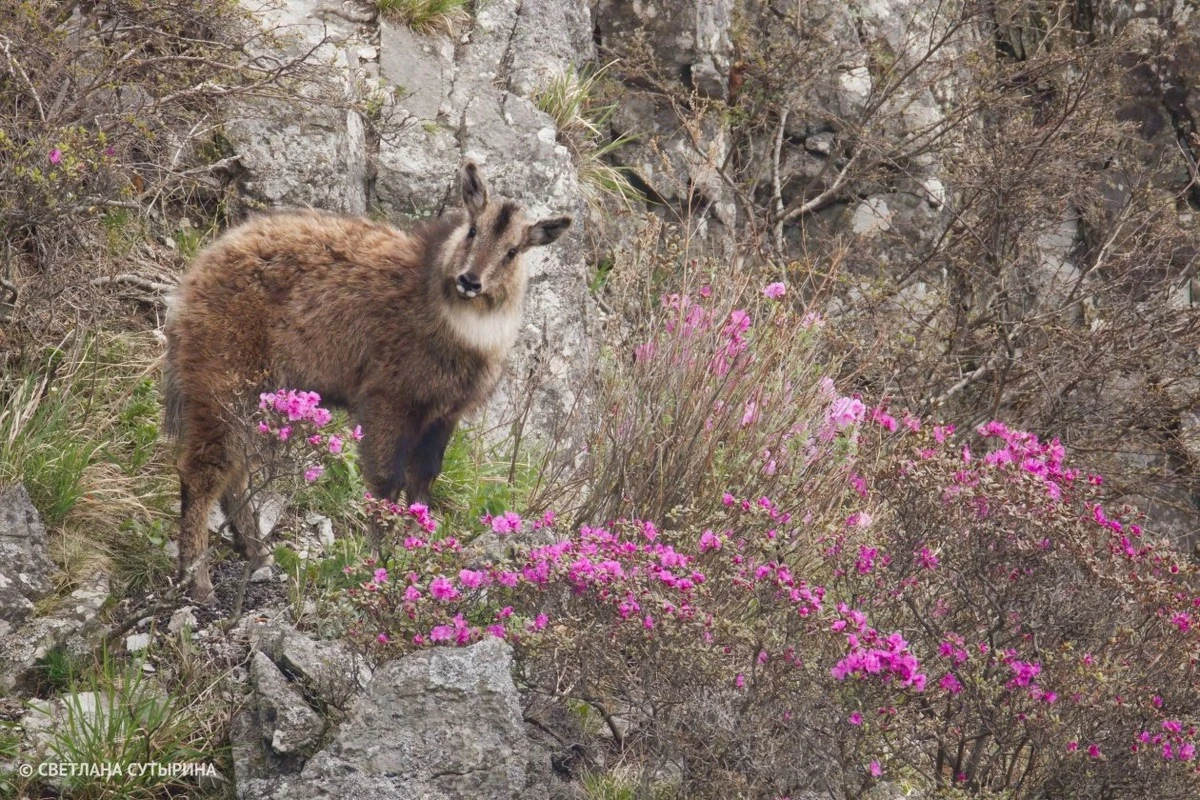
Yes, I'm quite comfortable living on steep cliffs. Questions?
First and foremost, of course, through its direct impact: hunting gorals. Gorals are generally quite slow goats. Yes, they can jump 2-3 meters high from a standing start or reach quite a fast speed over a short distance, but their primary means of self-defense is living in remote areas and following a specific daily routine. Mountain goats are active only at dusk, when nocturnal predators have already gone to bed and diurnal predators have not yet developed their masculinity (or vice versa). However, these characteristics are useless against people with rifles. And they really liked the goral's soft fur. 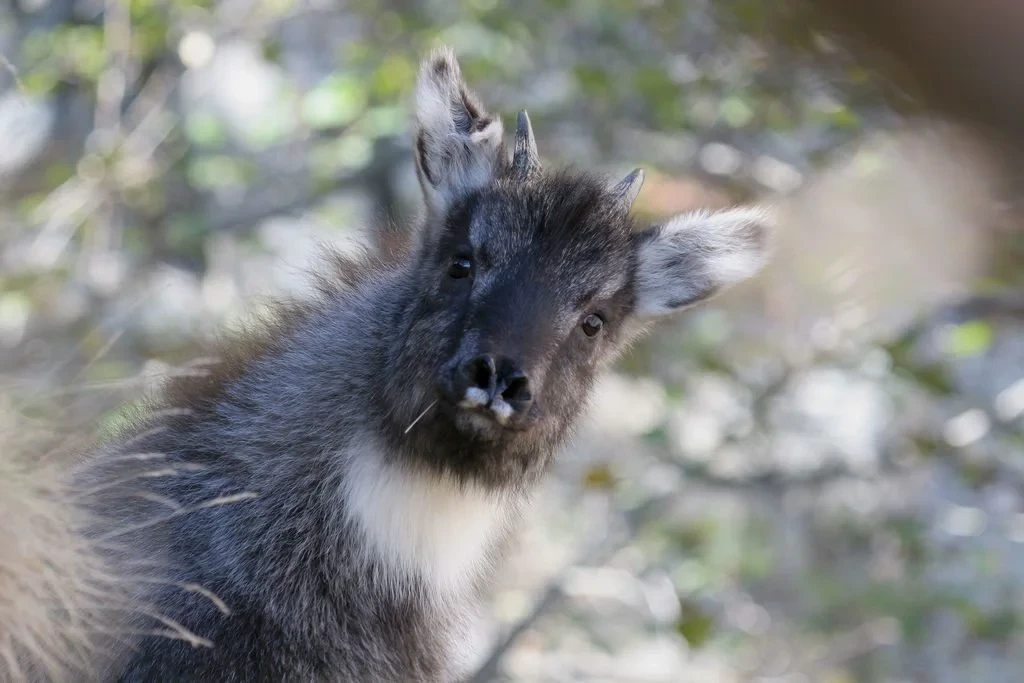
What did you like about me?!
To protect the species from extinction, hunting was banned as early as 1924, but this didn't stop the decline. People continued to cut down forests, build roads and settlements, and shoot large predators like tigers and leopards. This, in turn, played into the hands of wolves, whose numbers began to grow. For a while, they were effectively contained, but with the collapse of the USSR, the entire predator control system went into decline, and the wolf population began to increase. Meanwhile, the ungulate population began to decline. 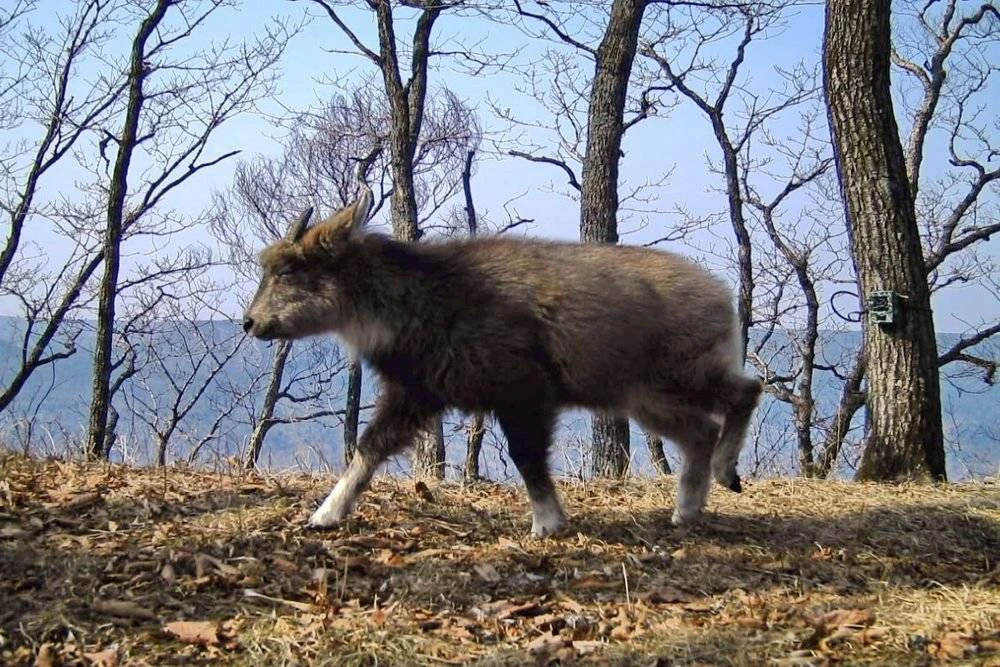
He's so fluffy, I can't stand it!
Therefore, today the species is in a state of fragmentation. The single habitat has fragmented into several disconnected patches, where small populations are slowly stagnating. The only hope is extinction, final and irreversible. 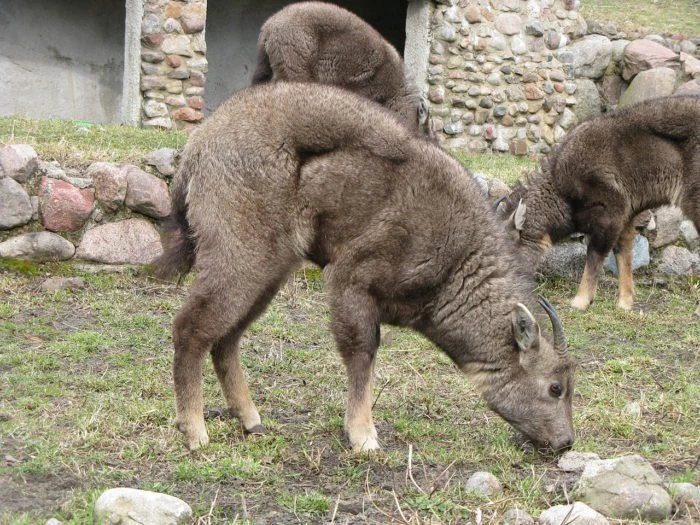
Look at those fluffy biceps!
But the gorals still have a chance to rise from the ashes. This year, the first-ever large-scale study of Amur gorals began, aiming to update data on the population and range of these ungulates. This study is the essential foundation upon which a whole system of rules and methods will be built that will help us stabilize and restore the population of this endangered species. 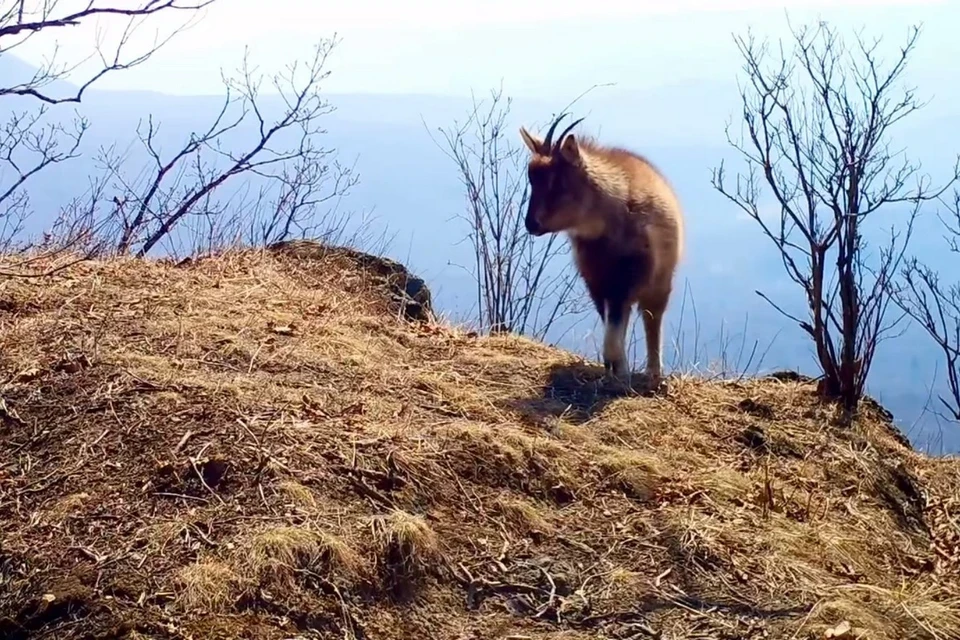
And we'll finish this article with some good news: in 2023, an Amur goral was filmed for the first time in Land of the Leopard National Park!
Add your comment
You might be interested in:













Margaret Hamilton Dies at 90: The Story of the Moon

25 Incredibly Beautiful and Rare Stones (26 Photos)

16 Fascinating and Surprising Facts About Life in Sweden

"What Is This Thing?": 20+ Bizarre Objects That

13 "Healthy" Habits You Should Actually Quit (14

Cassini Spacecraft Reveals Saturn’s Rings (10 Photos)
How Germany Got a Mountain Made of Salt (6 photos)

30 Everyday Details That Will Change How You See the World

Hypnotic and Oddly Satisfying GIFs That Show How Food Is
