What Sake Really Is: The Surprising Truth About Japan's Traditional Drink (7 photos)
What do we actually know about sake? Most people only know two things: it’s a traditional Japanese alcoholic beverage, and it’s made from rice. Almost everything else you've heard about this drink is pure myth and urban legend. The real story behind sake is far more fascinating than popular misconception—and definitely not what you’d expect from Japan's iconic tipple. 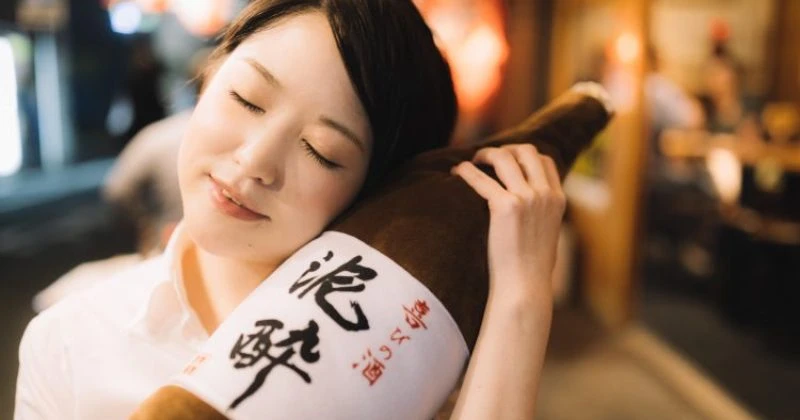
For starters, calling this rice beverage "sake" is technically a misconception. In Japanese, the word refers to any alcoholic drink, regardless of its origin. What we call sake, locals in the Land of the Rising Sun refer to as "nihonshu." If you spot that word on a menu, you can rest assured the place knows its booze. 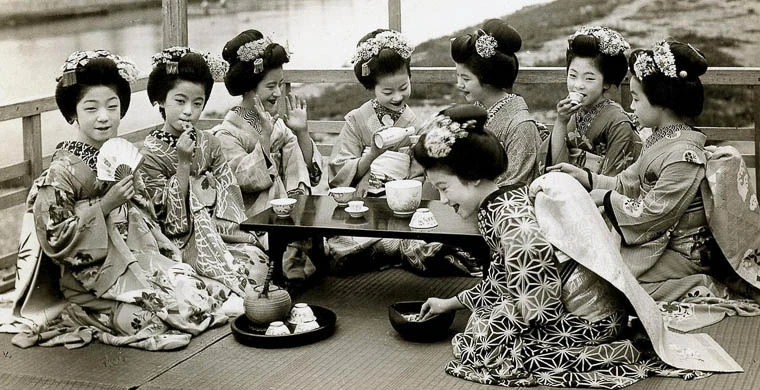
Another common mistake is calling it "rice vodka." That label does a real disservice to Japanese drinkers, given that nihonshu sits at a modest 15% ABV. Besides, its brewing process has nothing in common with vodka production. Strictly speaking, sake (as we’ll continue calling it here for simplicity) isn't wine either. So what is it, exactly?
Microbes, Yeast, and Japanese Precision
Japan does things its own way, and its traditional spirits are no exception. True sake can only be brewed from specific varieties of large-grain rice rich in starch. Before the magic begins, the rice grains undergo rigorous polishing to strip away the outer layers that could introduce unwanted off-flavors. 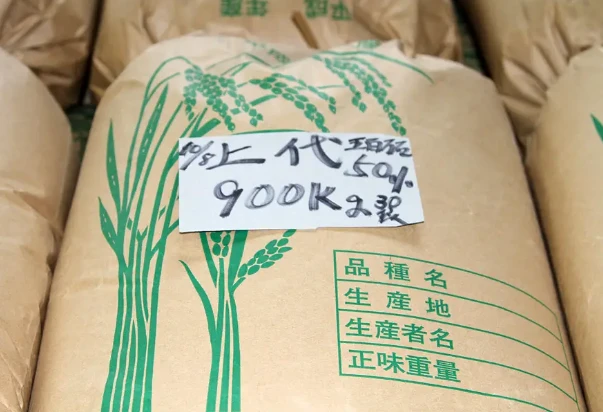
Sake rice doesn't come cheap
The extent of this polishing determines the grade of the final drink—the more heavily polished the grain, the higher the quality of the sake. After polishing, the rice is washed, soaked in water for a precise duration, and then steamed. Steaming opens up the grain's pores, which is crucial for the next step.
Enter the microbes: brewers inoculate the rice with a specialized fungus called koji. The culture is kept in hot, humid rooms for 48 hours to propagate. Once the koji mold has worked its magic, the mixture is transferred to fermentation vats, combined with water, and pitched with kobo yeast to create the main mash.
After fermenting for at least two weeks, another batch of steamed rice and koji is added to the vats. The mold breaks down the starches into sugars, while the yeast turns those sugars into alcohol. This double fermentation lasts another three weeks, resulting in a thick mash known as moromi. This mash is then pressed to extract the liquid, which is filtered and pasteurized. 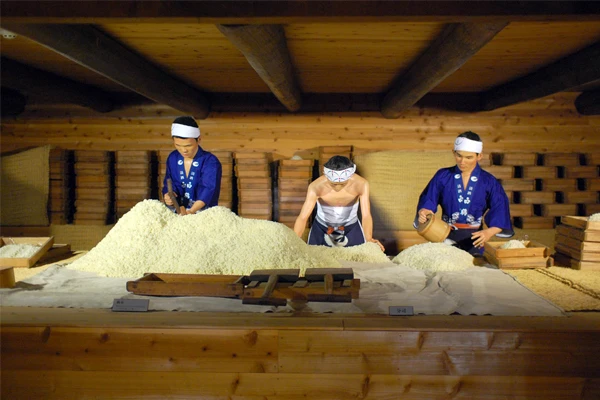
Filtration is an essential step—cloudy, sediment-heavy sake is generally considered substandard, and no local connoisseur would touch it. Pasteurization is equally vital, as it halts microbial activity that would otherwise ruin the drink's flavor during storage in no time at all.
This is, of course, a simplified overview of an incredibly delicate craft. In reality, sake brewing is a painstaking art governed by down-to-the-minute precision. Any deviation from the traditional rules immediately spoils the taste, color, or proof, rendering the entire batch unusable.
The Origins of Sake
History hasn't preserved the name of the person who first decided to go through all this trouble just to get a 15% alcoholic drink. What we do know is that sake has ancient roots, and its primitive ancestor was produced using a process called "kuchikamizake." 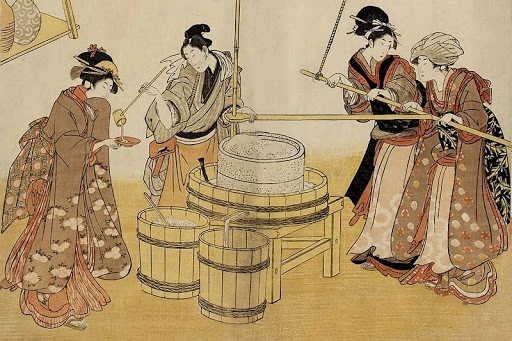
This tongue-twisting term literally translates to "mouth-chewed sake." The ancestors of the samurai would chew raw rice, letting their saliva break down the starches, and spit the unappetizing mixture into communal pots to ferment into a crude booze.
To make the process slightly less off-putting, the chewing duty was entrusted exclusively to young, attractive maidens. Some of the resulting brew was consumed by the villagers, while the rest was offered up to the spirits—poured over temple altars or splashed onto the soil to win the favor of fertility gods.
Should Sake Be Served Hot?
Now for the question that comes up in almost every conversation about sake. As a rule of thumb, if you're served warm sake without asking for it, there's a good chance you're being poured cheap stuff. Heating sake masks off-odors and harsh flavors left behind by poorly polished rice. Locals call this everyday grade futsushu—essentially the Japanese equivalent of cheap moonshine or house table liquor. 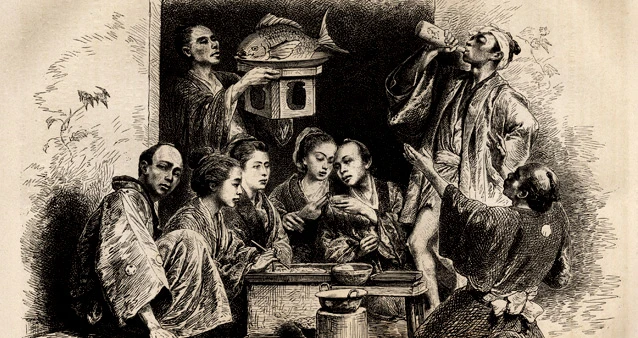
That said, warm sake is also a matter of personal preference, and many connoisseurs enjoy it heated. Purists distinguish between different temperatures, ranging from hinatakan (warmed to around 30°C/ 86°F) to tobikirikan (scalding hot at 55°C/ 131°F). Western carafes and shot glasses are a definite faux pas; true aficionados serve sake from traditional ceramic flasks called tokkuri.
Each guest receives their own tokkuri, but pouring your own drink is considered poor etiquette in Japan. Instead, you pour for your companion, and they return the favor. Because sake isn't overwhelmingly strong, it isn't traditionally paired with heavy food—the Japanese believe its delicate flavor profile should be appreciated without distraction. 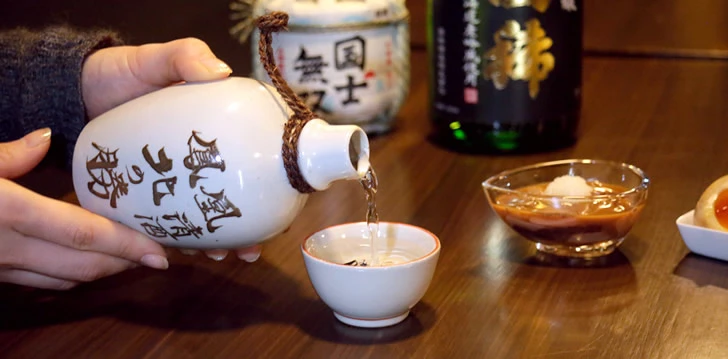
Still, snacking alongside your sake won't earn you any judgment from locals if you choose to do so. And when raising a glass, skip "Cheers" or "To your health" in favor of the customary Japanese toast: "Kanpai!"—which literally means "empty the cup."
To Western eyes, Japanese culinary traditions and drinking customs can seem downright bizarre. But rest assured, the feeling is mutual—to the people of Nippon, our habits look just as bafflingly illogical.