You Can't Take It With You? The Absurd Luxury of Romani Barons' Tombs (18 photos)
We are all just passing through this world, and no matter how much wealth we accumulate, you can't take it with you when you go. Or so most of us think. Romani barons, however, beg to differ—their funerals look less like a final send-off and more like moving from one lavish mansion to another, complete with a journey to the cemetery staged in peak luxury and comfort. 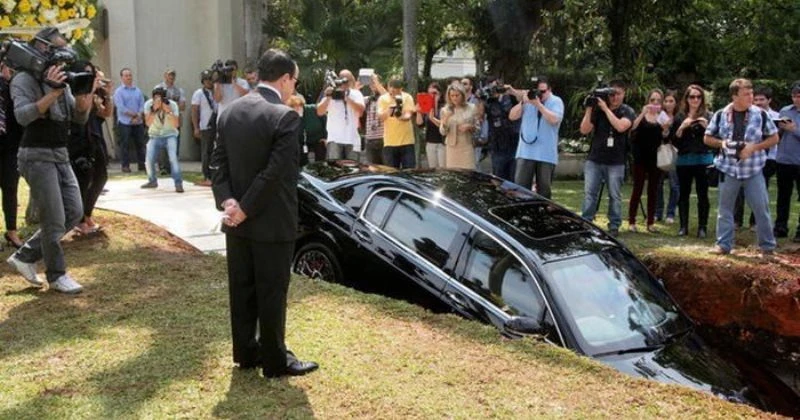
Although the Romani people are predominantly Christian, their burial customs couldn't be more different from traditional practices. In Romani culture, the afterlife is viewed as a direct continuation of earthly existence, meaning the deceased must be provided with every possible comfort for their new subterranean life. 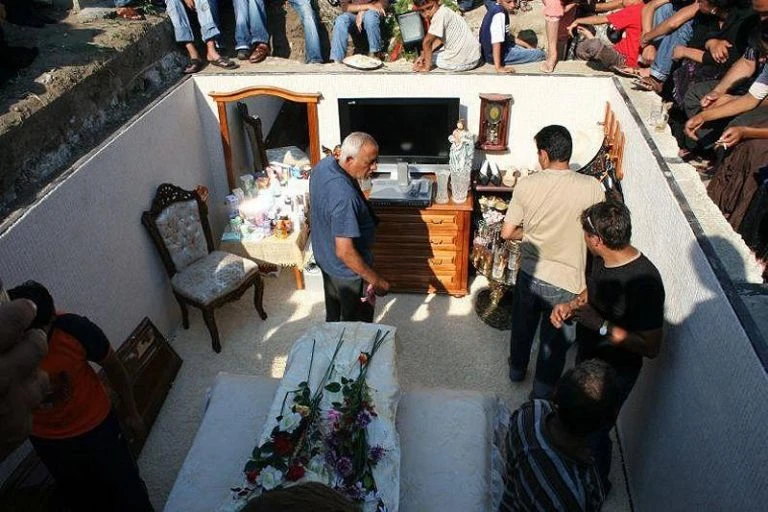
While few can afford a grand send-off, an extravagant underground crypt is a non-negotiable requirement for Romani barons. These community leaders are buried much like Egyptian pharaohs—in sprawling tombs packed with everything they cherished in life.
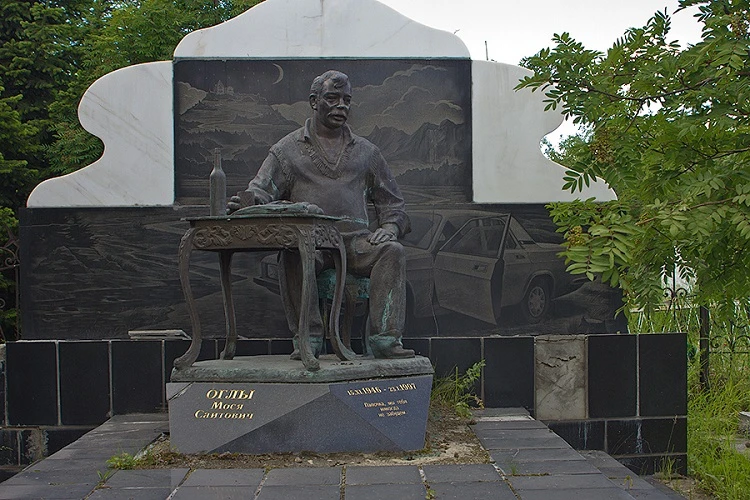
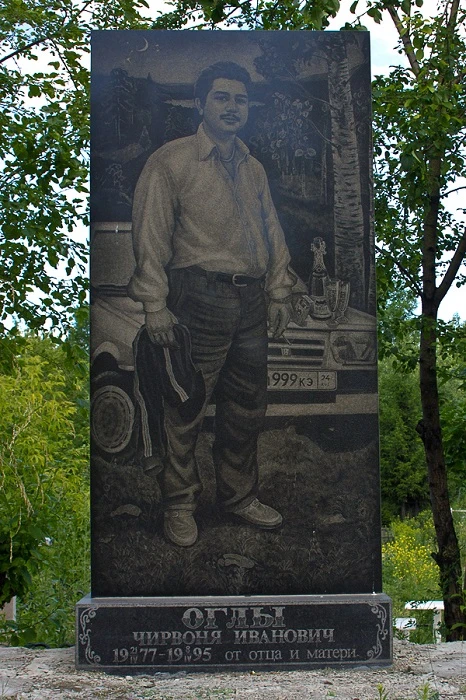
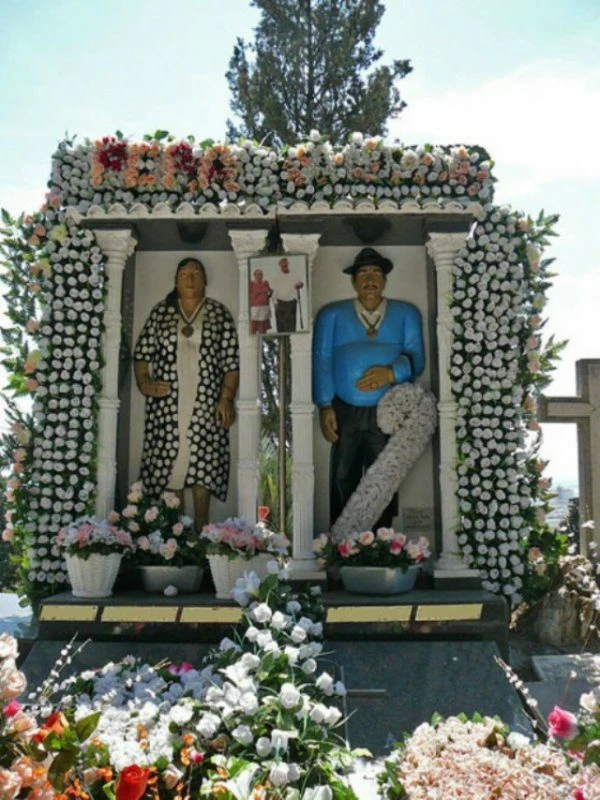
Beneath a grand granite or marble monument lies the underground chamber. The headstone typically features a life-sized depiction of the deceased—sometimes shown alongside their prized horse or luxury car. 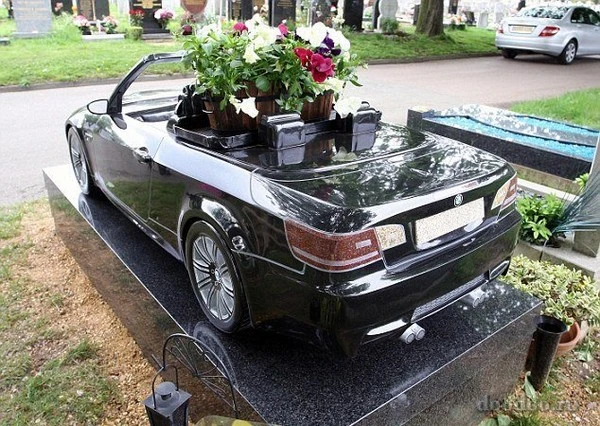
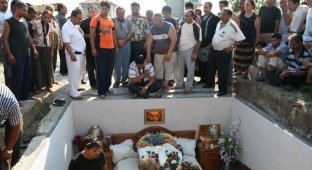
Inside the tomb, families pack in furniture, home appliances, designer clothes, top-shelf liquor, smartphones, and fine gold jewelry. Alongside these luxury items go personal everyday favorites: a razor, cozy slippers, a preferred pair of pajamas, or even a potted ficus—anything that might brighten up eternity.
For exceptionally wealthy figures with varied interests, grieving families construct multi-room underground apartments. The ultimate flex is a tomb equipped with its own garage containing the deceased's actual vehicle, though such extreme measures are relatively rare. 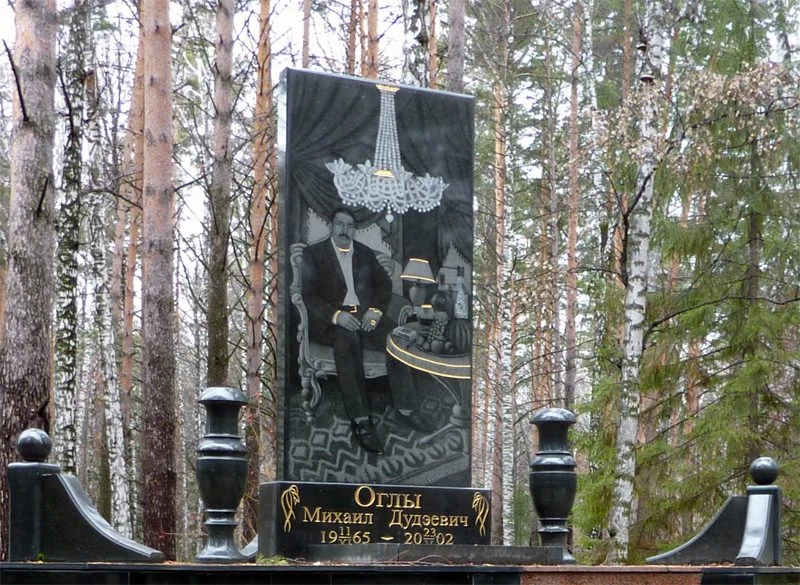
Once the casket is lowered into these lavish underground quarters, female mourners take off their gold jewelry and toss it into the pit. The vault is then sealed with reinforced concrete slabs and capped with a thick layer of poured concrete for security.
Despite these precautions, grave robbing remains a threat. While desecrating a tomb is universally taboo, the temptation of a lucrative heist from a defenseless underground "apartment" proves too strong for some. While thieves usually target gold and cash, they aren't above hauling away large home appliances either. 
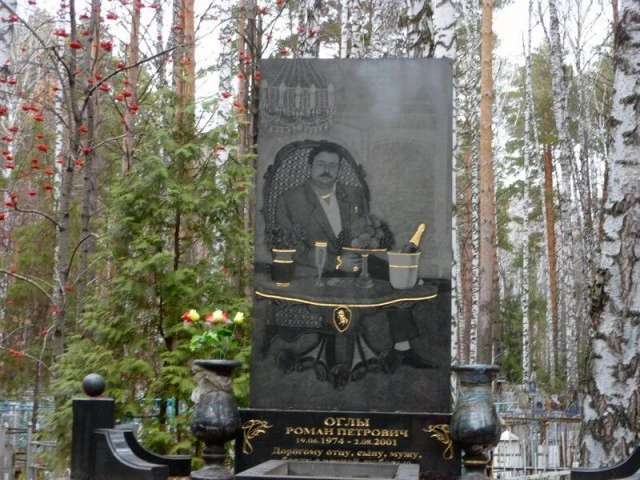
A memorable case involved the burial vault of Romani baron Mikhail Ogly, as recounted by the grave robbers themselves following their arrest. The thieves struck shortly after the funeral, before the poured concrete had fully set. Using a sledgehammer, they smashed through the crypt's roof and dropped inside.
The deceased was dressed to the nines in a designer suit, a Rolex watch worth as much as a luxury sedan, and a diamond signet ring. The room featured a table laden with gourmet food and fine alcohol. That lavish feast proved to be the thieves' undoing. After grabbing the watch, jewelry, and $5,000 in cash—while thoughtfully leaving behind video equipment for the deceased—they decided to toast their success with cognac from the funeral table. Police later tracked down the culprits using fingerprints left on the bottle. 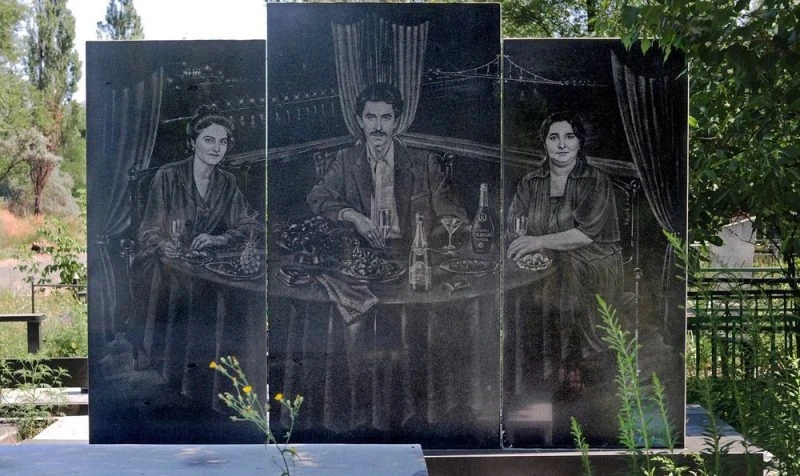
The funeral ceremony itself is quite a spectacle. The deceased is laid to rest in a custom casket crafted from fine hardwoods, sometimes equipped with air conditioning, wireless connectivity, and built-in lighting. This was the case for King Florin Cioabă, whose funeral took place in Sibiu, Romania, in August 2013. 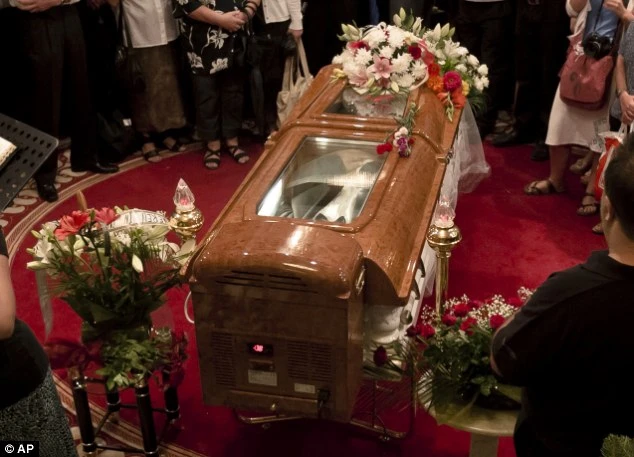
The Romani leader went out in style: delegations from 59 countries arrived to pay their respects, and the funeral procession of supercars and stretch limousines spanned four miles. Meanwhile, in the UK, the country's "Gypsy Queen" was bid farewell in equally extravagant fashion. 
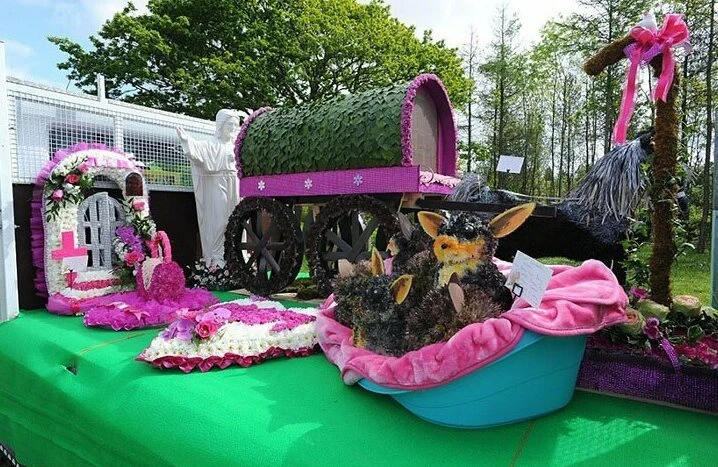
Her family arranged a horse-drawn hearse pulled by a team of four, accompanied by a fleet of limousines. More than £16,000 was spent on floral arrangements alone, with 60 three-foot-tall wreaths shaped like her favorite things, including candy, puppies, and ponies. 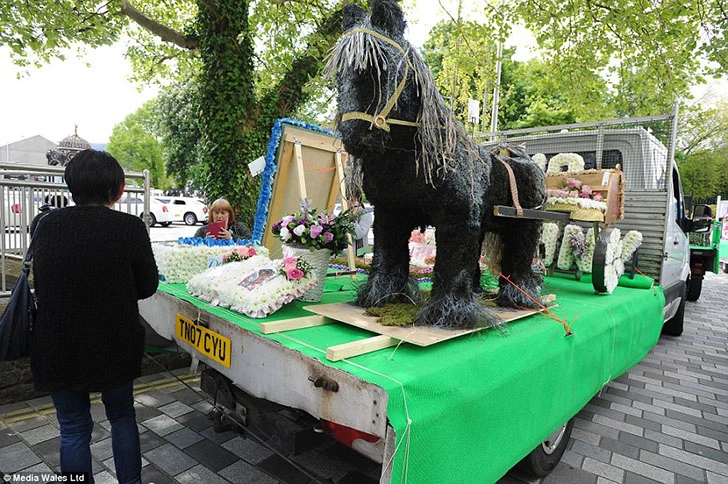
Here is the funeral procession of Vittorio Casamonica, head of a notorious Romani mafia clan in Italy. It featured a six-horse carriage, an opulent hearse, and a procession stretching for miles. Shortly thereafter, Italian authorities cracked down on his clan, bulldozing the family's luxury villas in the fall of 2018. 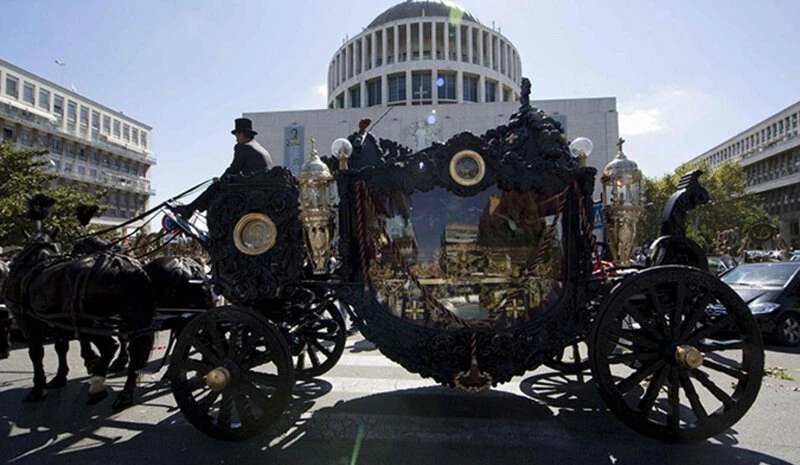
Romani monuments stand out from a distance. Beyond full-length statues of the deceased, headstones sometimes depict surviving family members alongside them. The message is clear: an influential person lies here, and their loss is deeply felt by the entire family. 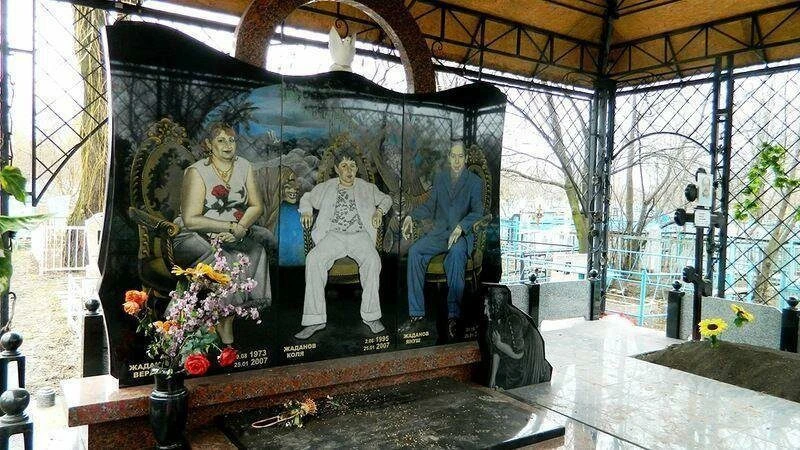
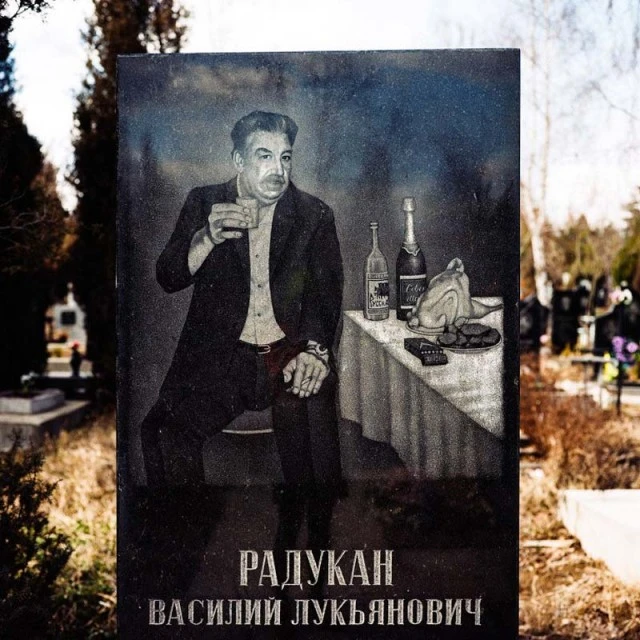
Gravestones often show the deceased seated at a lavish feast set with fine spirits, branded cigarettes, and gourmet treats. Others feature fishing gear, luxury cars, or yachts, highlighting their favorite pastimes. Since memorial services traditionally revolve around dining together, families install tables, benches, and even covered pavilions right beside the graves.