Can You Guess What These Are? 23 Mysterious Objects From the Past (25 Photos)
Here is a collection of baffling artifacts from the past whose original purpose would stump almost anyone today. 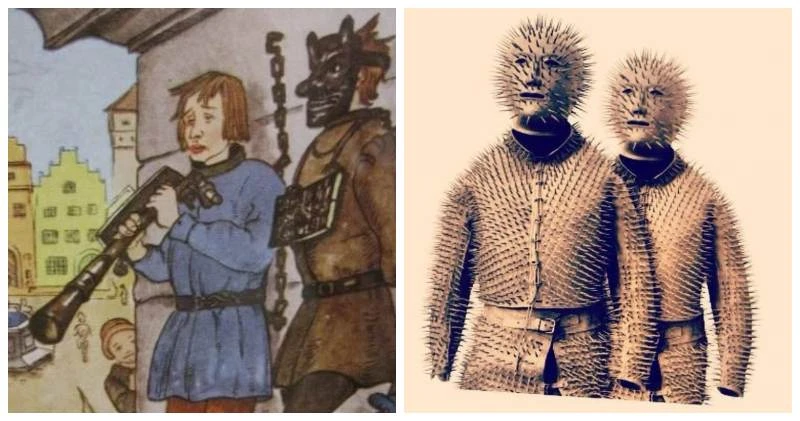
What do you think this is? A masquerade costume? The ceremonial garb of a secret cult worshipping a divine hedgehog? A jacket for hardcore anti-huggers? Close! This is actually a bear-hunting suit. Naturally, even with this kind of gear, taking on a bear single-handed wasn't recommended, but during a group hunt, it could easily save you from a lethal swipe. 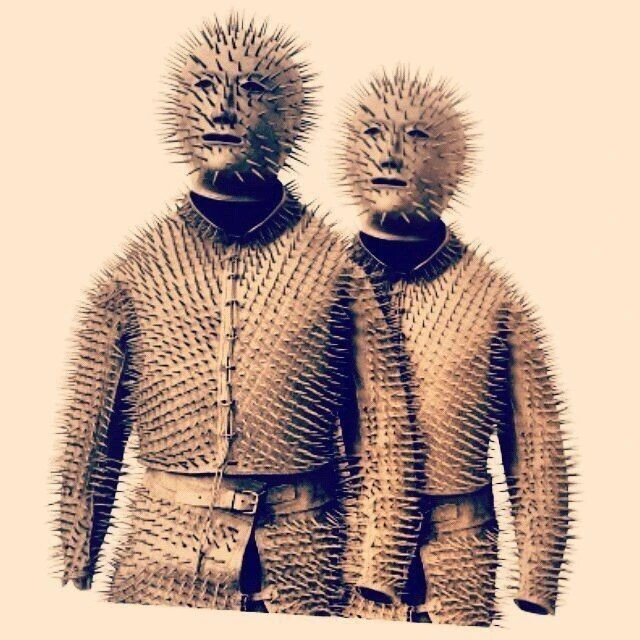
Bear-Hunting Suit
For a solo hunt, this "chainmail" was far too heavy: it's hard to imagine anyone moving freely in it, let alone running fast. But when mobility wasn't critical—such as during staged fights or coordinated group hunts—the suit offered solid protection against bites and heavy paw swipes.
Belgian Gunpowder Tester
The earliest recorded device for testing the strength of gunpowder was invented in Berne in 1578. 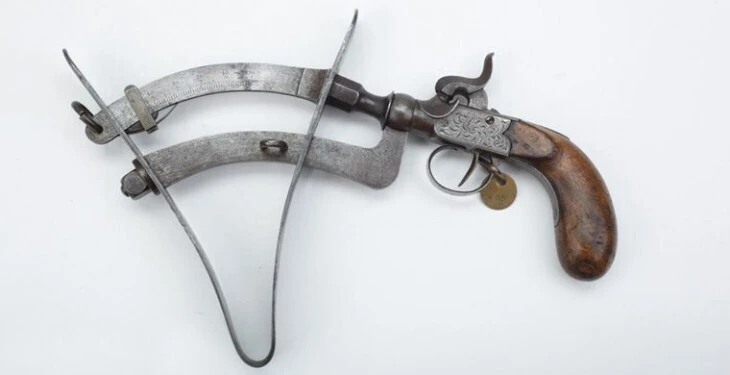
It consists of a small cylinder with a tightly fitting hinged lid. Gunpowder was ignited inside, and the angle to which the lid blew open was used to measure its explosive force.
Ophthalmotrop: A Device Demonstrating Eye Movements and Human Visual Anatomy
Essentially, it is a mechanical model of the eyeballs, designed as hollow spheres that rotate around their center. 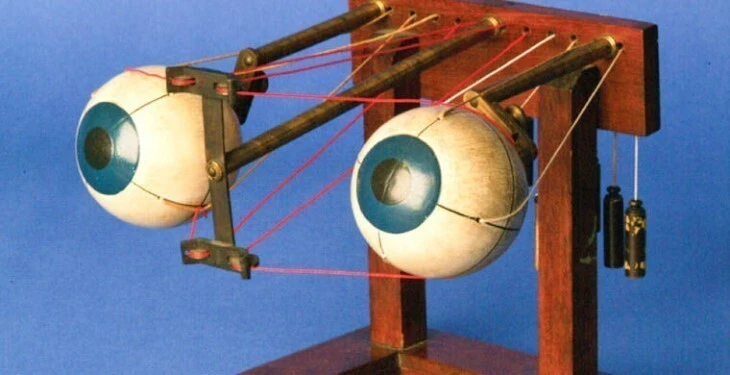
The eyeballs are driven by simulated ocular muscles—here represented by six cords attached to different points on the spheres and extending backward, mimicking real eye anatomy. The cords run over pulleys and are balanced by weights. Pulling a specific cord rotates the eyeball model accordingly.
Vinaigrette (Smelling Salts Box)
As 19th-century literature often reminds us, ladies of the era fainted constantly. Yet the culprit was rarely an overflow of emotion; more often, it was tight-lacing corsets, toxic fumes from wallpaper (which frequently contained arsenic or lead), or simply the stomach-churning stench of pre-sewer city streets. 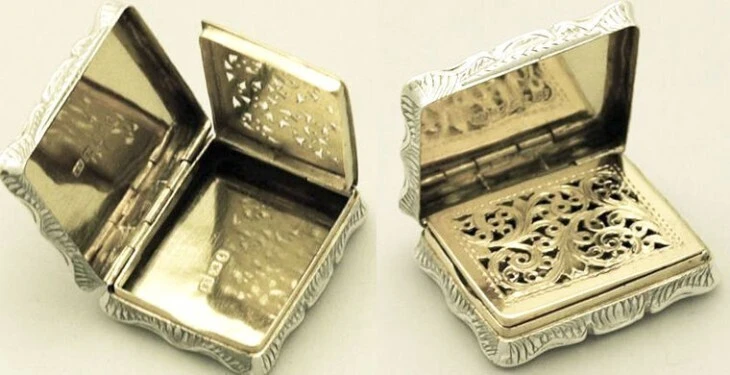
To cope, women carried smelling salts or a small vinaigrette—a tiny box containing a cotton ball soaked in vinegar or ammonia. At the first sign of dizziness, they would open the lid and take a whiff.
Mariners' Mailbox
Seafarers first began using makeshift mailboxes in the 16th century. The sea route from Europe to India was long and perilous, and sailors used these stopover drop-offs to leave letters informing trusted allies of their crew count, course, and mission. 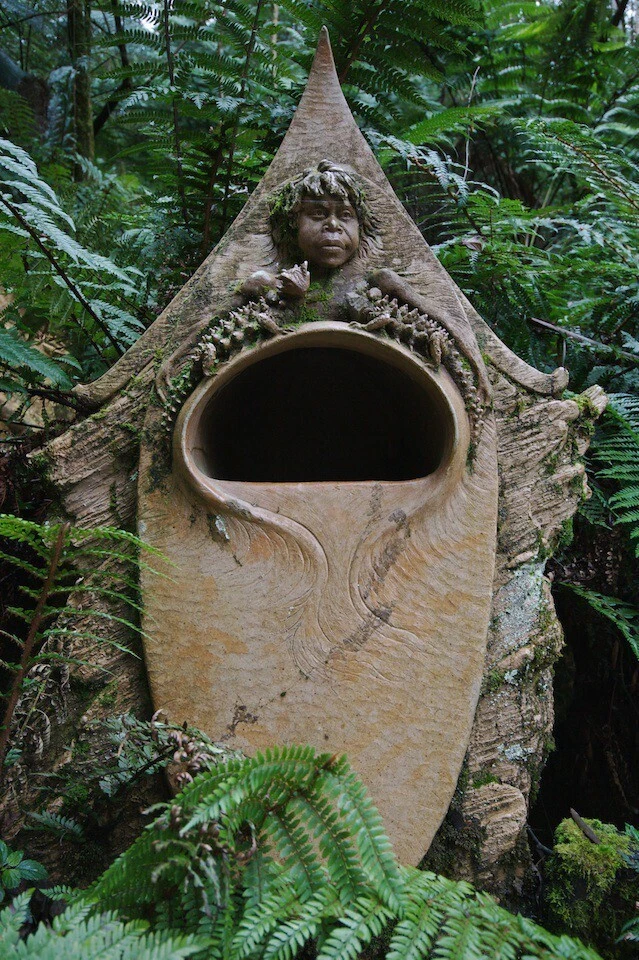
The Cape of Good Hope at the southern tip of Africa became a primary exchange point. Letters were placed in containers and hidden under agreed-upon landmarks or disguised as rocks to prevent strangers from intercepting them. Passing ships would anchor in the bay, collect the left messages, and drop off their own.
Wild West Brothel Tokens
Tokens like these were used to pay for adult services in 19th-century American brothels. 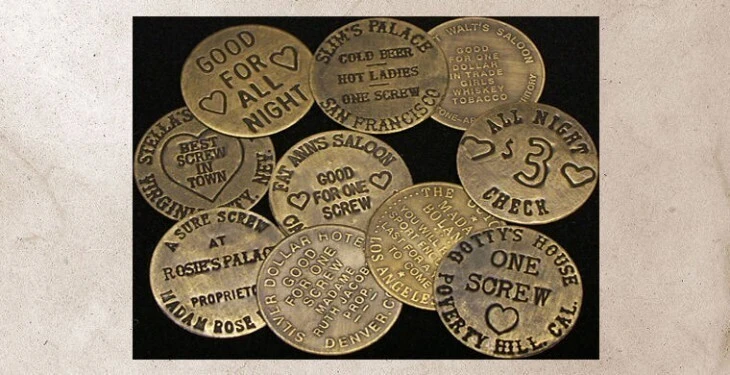
Brothel owners preferred tokens because they prevented workers from pocketing cash directly or overcharging clients on the side.
An Early Version of a Credit Card (Tally Stick)
Notches representing credit purchases were carved across two matching sticks simultaneously. 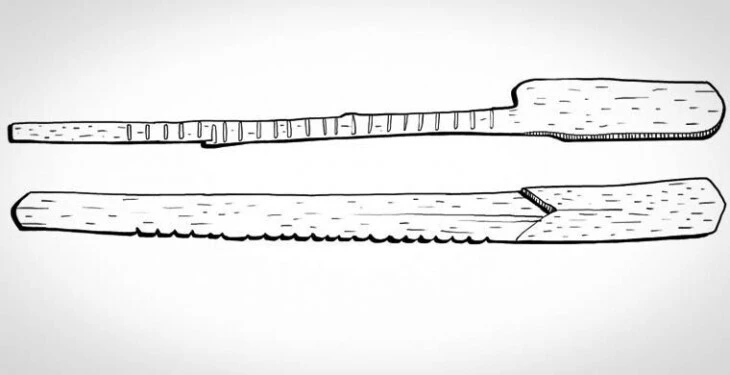
The buyer kept one half and the seller kept the other, preventing tampering or fraud. Once the debt was settled, the sticks were destroyed.
The Flute of Shame (Schandflöte)
Used in 16th and 17th-century Germany, this device publicly humiliated terrible musicians as well as minor offenders guilty of slander, profanity, heresy, or blasphemy. 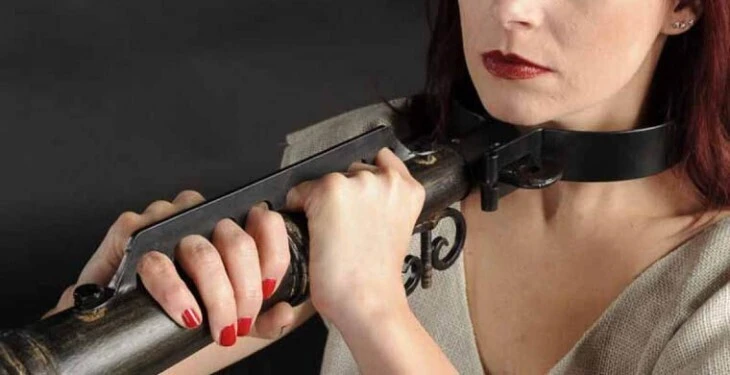
The "instrument" got its name from its resemblance to a flute. Crafted from various hardwoods, it featured a heavy iron collar locked around the neck, while the victim's fingers were clamped down into place. The more serious the crime, the tighter the clamps were tightened. 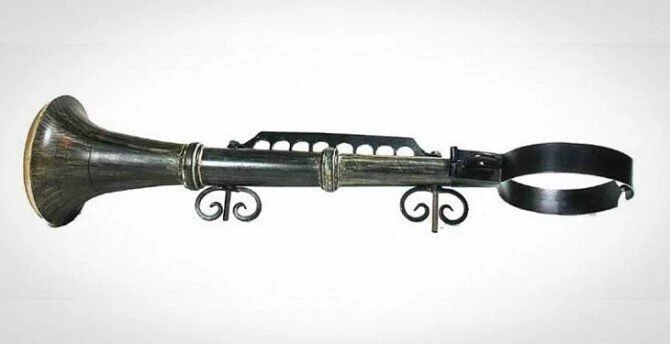
To maximize humiliation, the offender was chained to a pillory before a mocking crowd. It created the cruel illusion that the person was playing a flute, while their grimaces of pain entertained the public. This ordeal could last for several days.
Vampire Hunter Kit
This terrifying trunk looks like something seized from a serial killer or salvaged from a Hollywood horror movie set. 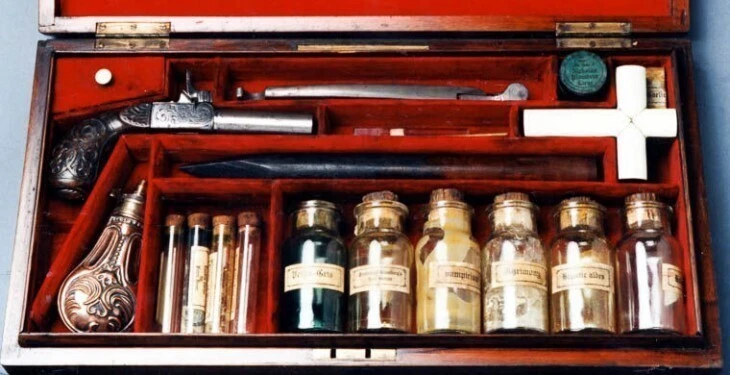
Yet this kit wasn't a movie prop or a Halloween costume—it was a genuine artifact used by superstitious ancestors.
Tear Catcher (Lachrymatory)
This small bottle with a narrow neck was contoured to fit directly against the corner of the eye. Designed to capture human tears, its history spans over 3,000 years. 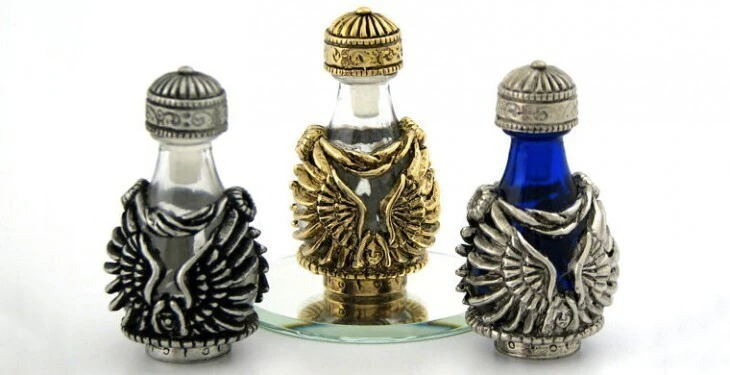
Lachrymatories were especially popular in ancient Persia. Upon returning home from battle, husbands would inspect their wives' tear bottles to judge just how much they had been missed.
Defensive Ring
In Victorian times, poorly lit city streets were rife with crime, making evening walks notoriously dangerous. 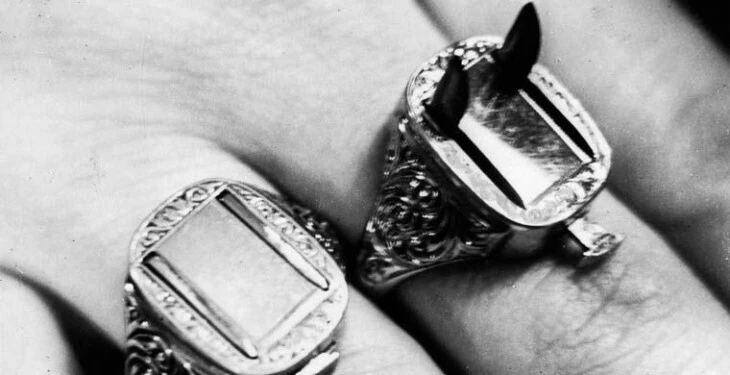
To protect themselves, Victorians invented clever concealed weapons. Pressing two hidden buttons on this ring instantly deployed razor-sharp blades, giving the wearer an immediate upper hand against muggers.
Mortsafe
A mortsafe was a heavy iron or cast-iron cage placed over a coffin. 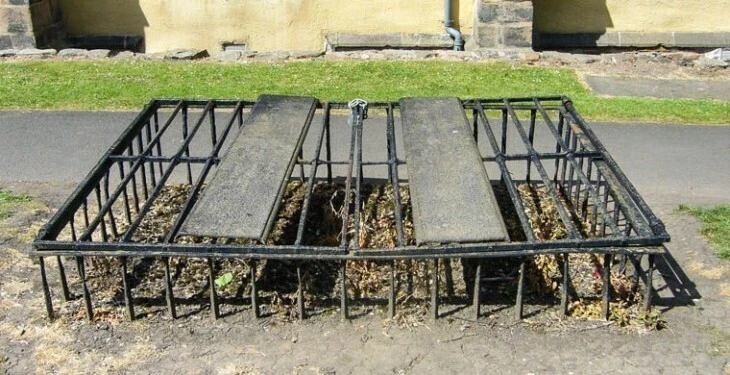
In the early 19th century, rapid advances in medicine and anatomy in Britain triggered a massive surge in demand for cadavers. Yet God-fearing Victorian society harbored a deep dread of disturbing the dead—even cremation was viewed as an abominable, unholy practice.
"Clockwork Canary" (Mechanical Songbird Box)
In the late 19th century, Blaise Bontems began manufacturing intricate music boxes that simulated bird song. 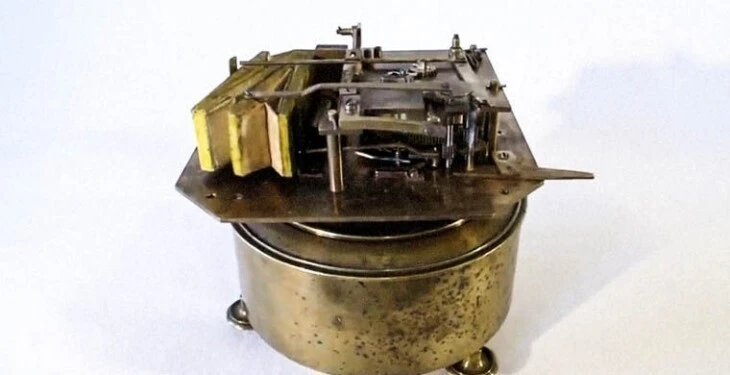
His son Charles and grandson Lucien carried on the family trade into the 20th century, continually refining the mechanism until the factory finally closed in the 1950s.
Flea Trap
Inside these screw-top flea traps, a small piece of cloth was placed as bait, soaked in honey, blood, resin, or fragrant oils. 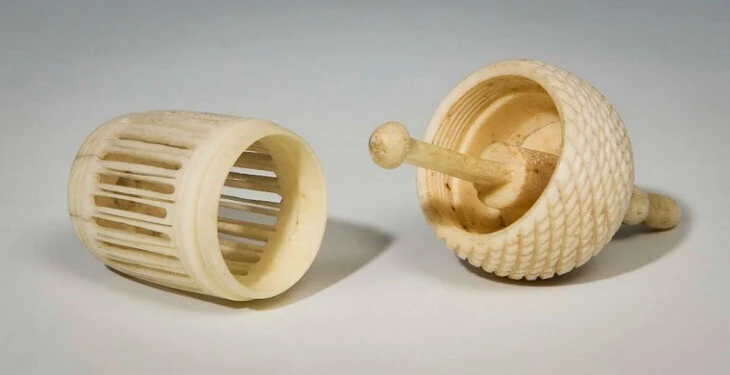
Insects crawling inside got stuck to the adhesive bait. People wore these traps hidden in wigs, pinned under clothing, worn around the neck like a pendant, or placed on bedside tables. In those days, flea hunting was a daily ritual—and occasionally, a flirtatious pastime.
Diagnostic Medical Dolls Used by Female Patients
Historically, physicians were strictly male and forbidden from directly touching high-status female patients. To diagnose ailments, doctors relied on specialized anatomical dolls carved from ivory, mammoth tusk, wood, or mother-of-pearl, measuring between 10 and 25 cm. 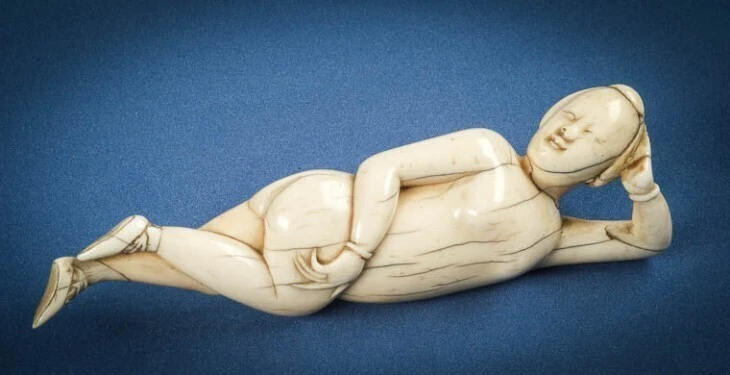
An intriguing detail: some Chinese dolls feature bound feet. Historians remain unsure whether doctors brought these dolls with them or if wealthy ladies owned their own personal sets.
Strigil: An Ancient Body Scraper
Ancient Romans didn't have access to soap, shower gels, shampoos, or modern exfoliation products. 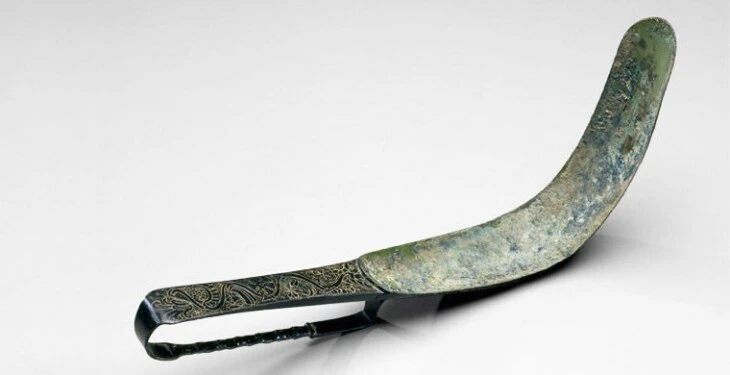
Instead, they slathered themselves in oil and scraped away all the dirt, sweat, and grime using curved tools like this.
The Tempest Prognosticator
This eccentric device was invented by Dr. George Merryweather in Whitby, England, during the 19th century. 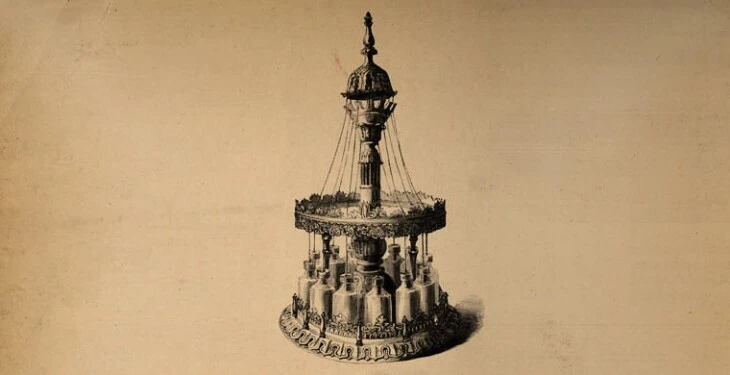
After noticing that leeches became agitated before approaching storms, the doctor decided to harness their sensitivity, creating an ingenious contraption called the "Tempest Prognosticator."
It arranged 12 pint-sized glass bottles in a circle. At the neck of each bottle, a piece of whalebone was linked via wire to a small hammer. When a storm approached, the leeches scrambled up the bottles, dislodging the whalebone, pulling the wire, and ringing a central bell.
Victorian Toaster
Toasters were wildly popular in the 19th century, spawning a surprising variety of creative designs. 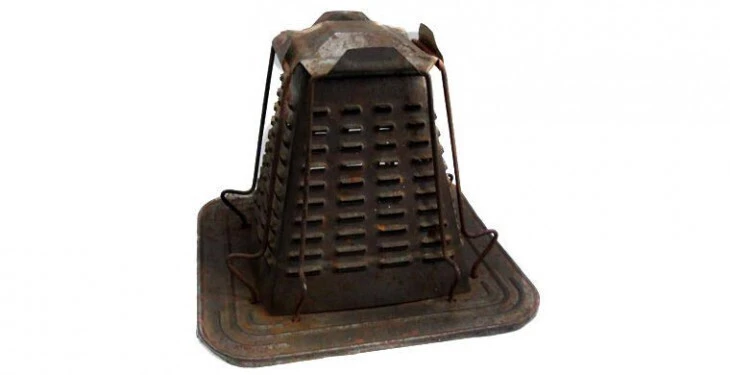
High-end models featured ceramic cores for even heat distribution, double walls, removable doors for easy cleaning, and detachable wire racks to warm extra slices or keep fresh toast from cooling too quickly.
Simpler versions were basic tin pyramids with perforated sides: glowing embers inside toasted the bread slices leaned against the outer panels.
Bullet Extractor
The device was simple in design: a hollow tube housed a screw-like shaft. Surgeons inserted it into a gunshot wound, screwed it into the lead bullet to grip it, and pulled it out. 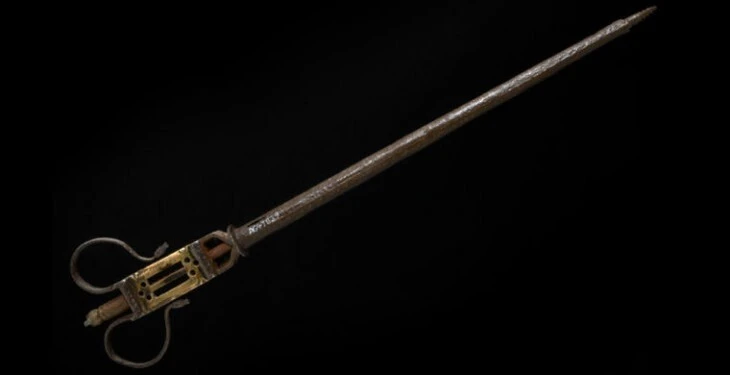
Despite its clever appearance, the bullet extractor often caused more harm than good. Lacking effective anesthesia or antiseptics, patients frequently died from traumatic shock or severe post-operative infection.
Tobacco Smoke Enema
The setup was remarkably straightforward: similar to a standard enema, but featuring bellows made from a pig's stomach to pump tobacco smoke directly into the patient's rectum. 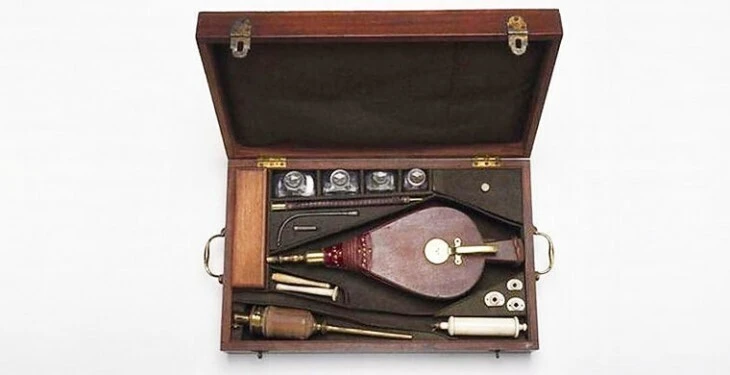
At the time, tobacco was viewed as a potent remedy for lethargy and cold symptoms. Smoke enemas were believed to treat stomach aches and even revive drowning victims by "warming" the body and absorbing excess internal moisture.
Chatelaine: A Victorian Multi-Tool
A chatelaine (derived from the French for "lady of the castle") was a decorative belt hook or clasp worn at the waist. 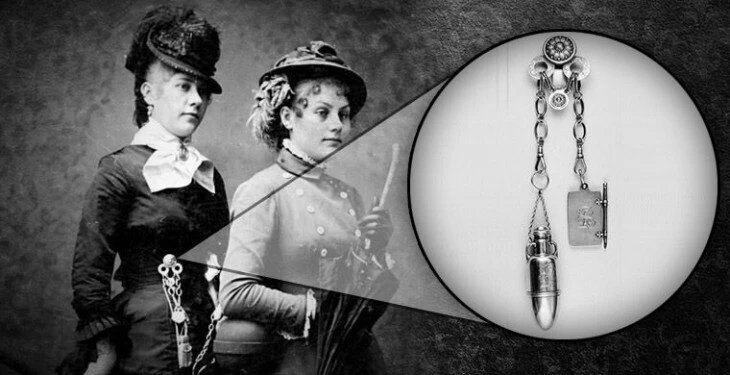
A series of chains dangled from the clasp, holding everyday household necessities: keys, thimbles, pocket watches, scissors, wax seals, and smelling salts.
Burglar Alarm
Much like today, 19th-century city dwellers faced constant threats from housebreakers. To combat them, inventors developed a revolutionary mechanical burglar alarm. 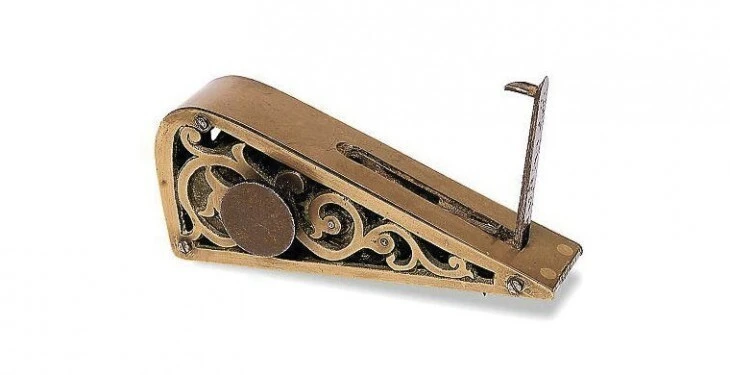
Placed on the floor inside a door, the alarm relied on a small prop wedged against the frame. If an intruder forced the door open, the prop fell, triggering a loud mechanical bell to wake the residents.
Artificial Leech
Invented in 1840, the artificial leech was designed to replace live parasites in medical bloodletting. 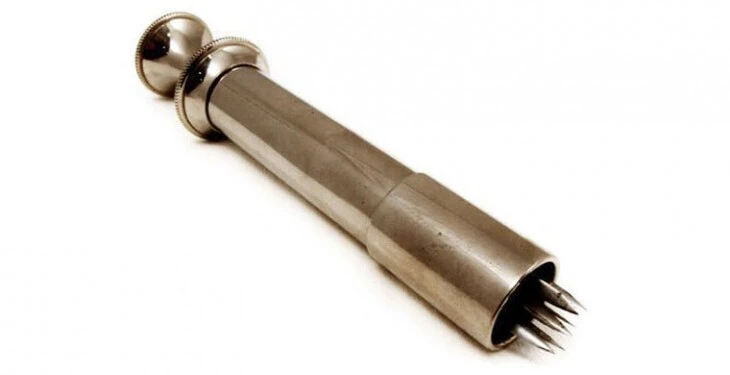
Advocates claimed it was more reliable, hygienic, and sterile than real leeches, though its terrifying mechanical appearance unnerved patients far more than the living worms.