Heroin, Radium, and 5 Other Deadly Substances Once Sold at the Local Pharmacy (9 photos)
Asbestos lotion and over-the-counter heroin for infants? In our modern, health-obsessed era, such ideas sound like absolute madness. Yet it is historical fact: lethal toxins were once sold freely in neighborhood pharmacies—and routinely prescribed by doctors. 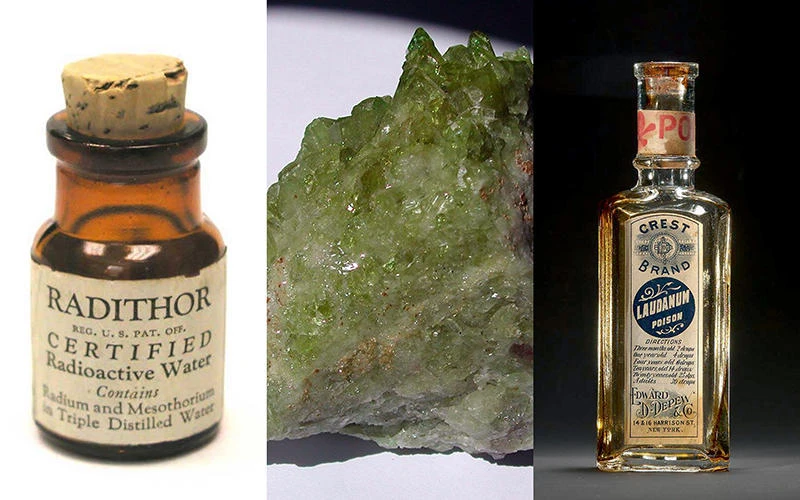
Truth in Lead 
The ancient Romans went all-in on lead, putting it in everything from decorative pottery glazes to plumbing pipes, blithely ignoring repeated warnings from imperial engineers. They even added lead acetate to wine as a sweetener. Naturally, they poisoned themselves en masse—to the extent that historians still debate whether lead-induced neurological decay contributed to the fall of the empire.
Always Listen to Your Elders 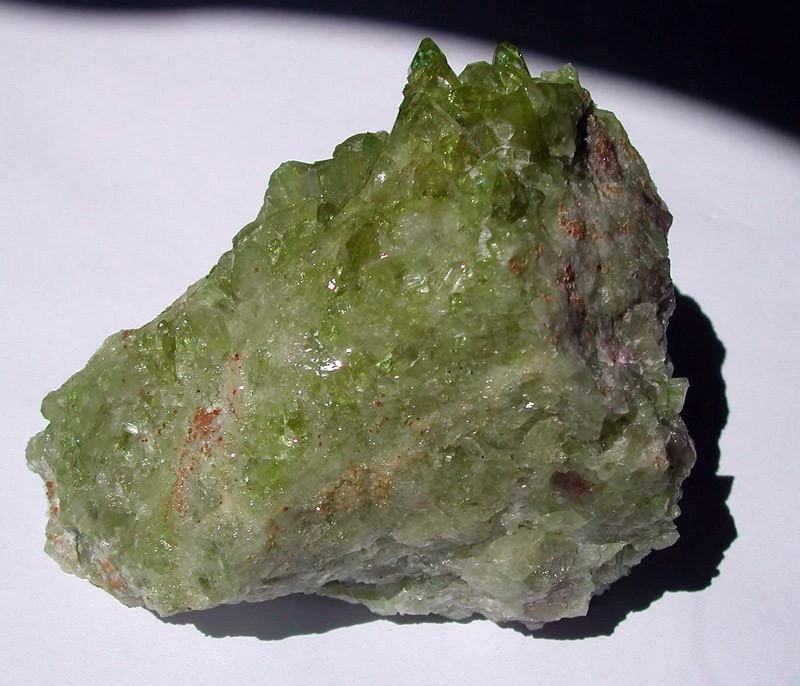
Roman historian Pliny the Elder claimed that clothing woven with asbestos would "protect against all evil spells, even those cast by sorcerers." But it wasn't just Pliny. Wealthy Romans used asbestos tablecloths because they were fireproof and remarkably easy to clean: you simply tossed them into a fire and pulled them out spotless. Curiously, Pliny advised against buying slaves who had worked in asbestos quarries. "They die young," he noted.
Opium for the Masses 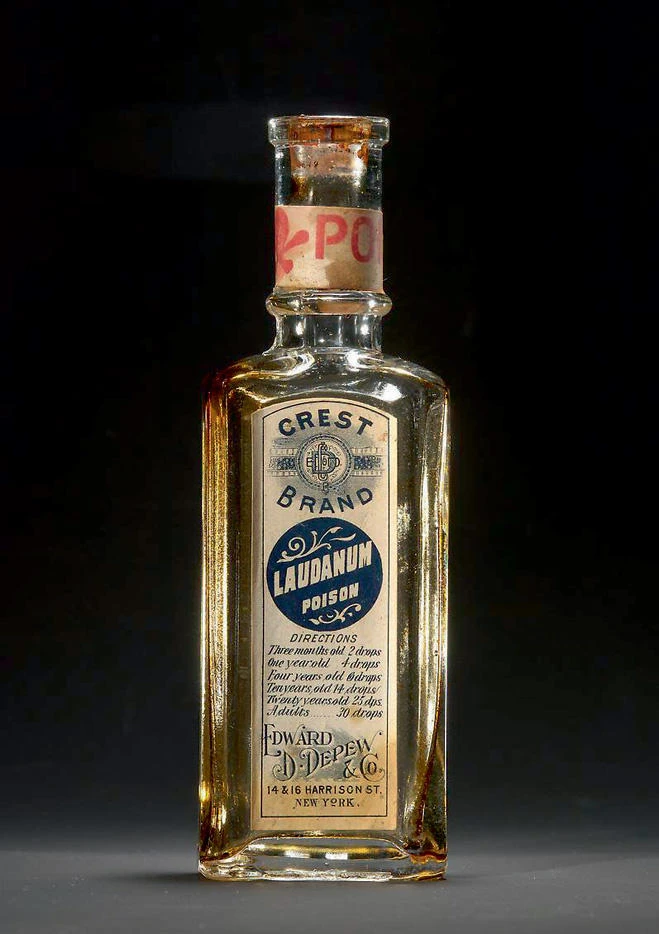
The Renaissance physician Paracelsus prescribed opium across Europe as a universal painkiller. A savvy marketer, he rebranded opium as "laudanum"—meaning "something to be praised." People took it like aspirin for everything from common colds to dysentery, and Charles Dickens even relied on it to beat writer's block. Opium's dark side wasn't widely acknowledged until the 18th century, and even then, only after several people accidentally poisoned themselves by mixing it with camphor.
Breakfast of Fools 
Robert Loibl, head of a chemical company manufacturing DDT, was so convinced of the pesticide’s safety that he set out to prove it himself. For three months, he ingested DDT alongside his wife, claiming zero ill effects and even reporting a surge in energy. Later research revealed that while DDT isn't immediately fatal, it carries a few minor drawbacks—such as causing cancer and severe long-term neurological damage.
Heroin to the Masses 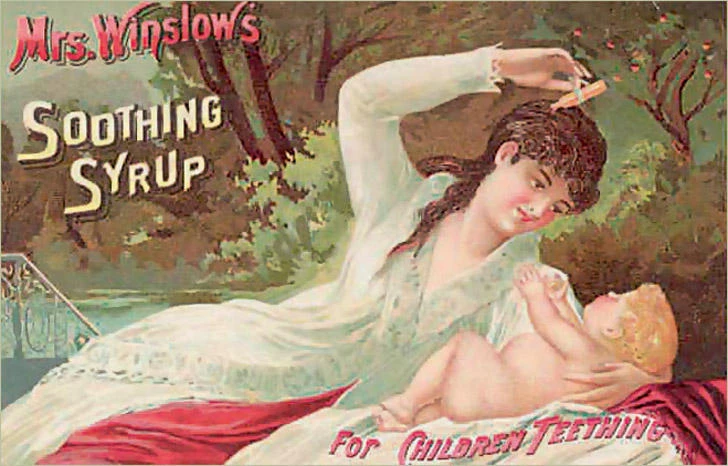
Back in 1898, young mothers bought Bayer’s brand-new drug, Heroin, by the armful to treat their children's coughs and colds. The American Medical Association even endorsed it as a non-addictive alternative to morphine. That endorsement aged horribly. As horror stories began piling up, Bayer acknowledged its mistake and pulled the drug from production in 1913. Even so, heroin-infused lozenges, pills, and elixirs remained on pharmacy shelves for another decade.
Speaking of Camphor... 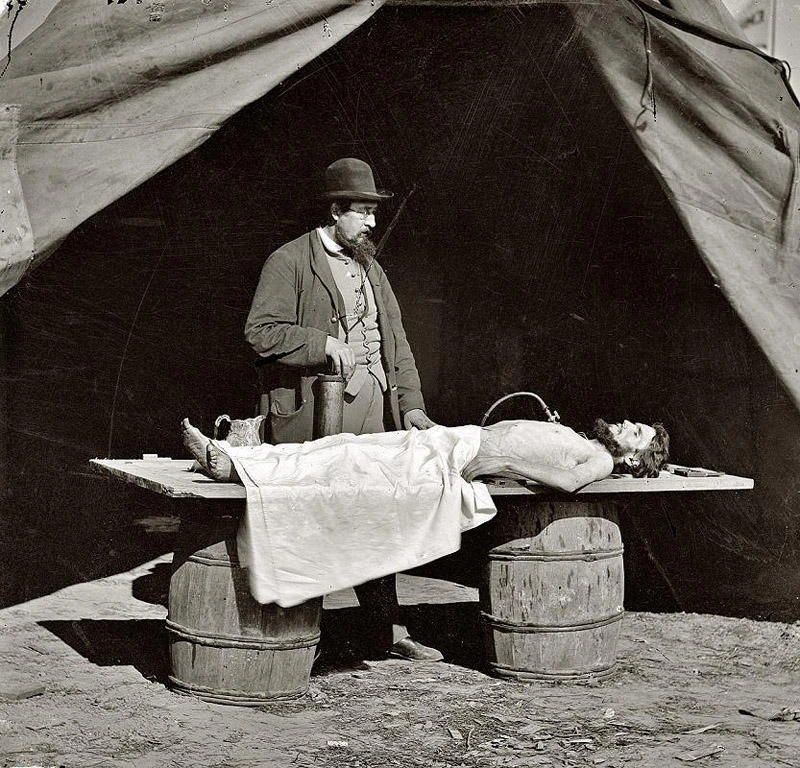
In the mid-19th century, camphor was hailed as a cure for hysteria, cholera, and gout. Doctors eventually realized it was toxic, forcing camphor to pivot to a new career in fireworks manufacturing. Even today, camphor pops up in topical ointments and anti-itch creams, usually paired with a warning label reading: "If swallowed, seek emergency medical care immediately."
Grave of the Fireflies 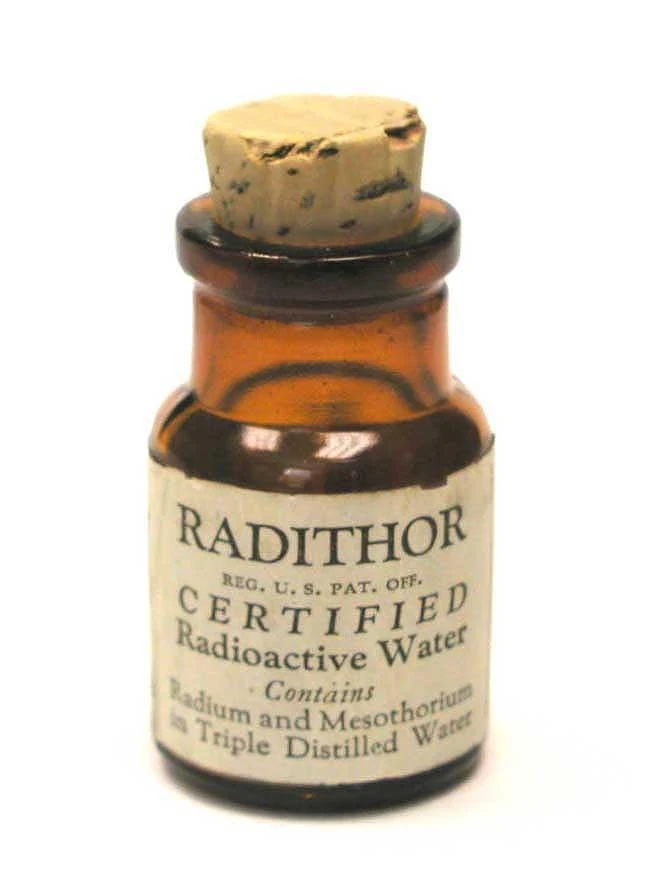
Radium was hyped as a cure for practically everything. In the 1920s, manufacturers added it to toothpaste, soap, and even contraceptives. One famous "fountain of youth" health tonic, Radithor, claimed to work miracles. Steel tycoon Eben Byers downed roughly 1,400 bottles over a few years, eventually dying after losing his entire jaw to severe bone necrosis. His high-profile death abruptly crushed the radioactive health craze, saving countless enthusiasts from the same fate.
The Art of the Soft Rollout 
In the 1930s, fluoride emerged as a byproduct of aluminum manufacturing. Initially viewed as a dangerous toxin, it posed a major PR headache for Alcoa, whose executives knew about its antibacterial properties. Enter PR pioneer Edward Bernays. He persuaded a dictionary publisher to define "fluoridation" as the standard global term for adding fluoride to tap water. Armed with the dictionary entry, Bernays pitched city officials on fluoridating public water supplies—and a new standard was born.