Everything You Need to Know About the Flu (25 photos)
How do we catch the flu, and how long are sick people contagious? Is there an actual cure for influenza, and do you really need to take vitamin C when you're sick? In this article, we debunk the biggest flu myths, uncover common treatment mistakes, and break down the best diet to follow while fighting off this nasty virus. Here is everything you need to know about the flu. 

Can multi-symptom cold and flu meds like Theraflu, Antigrippin, or Fervex actually cure the flu? (All photos: Shutterstock)
No. Over-the-counter remedies only ease your symptoms—they don't cure the underlying infection. Be careful when combining different pain relievers, fever reducers, and cold powders: many contain the same active ingredients, such as acetaminophen (paracetamol). Doubling up on these medications can easily lead to an accidental overdose, risking severe liver and kidney damage.
Is there a genuine antiviral cure for the flu? Yes, a class of modern antiviral drugs known as neuraminidase inhibitors exists for both treating and preventing influenza. However, they are only effective if taken early in the course of the illness—typically within 36 to 48 hours of your first symptoms. 
Does Vitamin C help fight the flu?
Vitamin C won't cure the flu, though taking it won't hurt either. Extensive clinical research shows that vitamin C has no measurable effect on the severity or duration of viral infections. Studies indicate that routine vitamin C supplementation only reduces cold and flu risk in endurance athletes, cutting their infection rates in half. 
How is the flu different from a common cold, and how can you tell them apart?
Flu symptoms aren't unique to the influenza virus. Over 200 distinct respiratory viruses can trigger similar flu-like illnesses, making it tricky to pinpoint the exact cause on symptoms alone.
A regular cold usually comes on gradually with a runny or stuffy nose, fatigue, mild cough, and watery eyes. High fever, severe chills, loss of appetite, and intense headaches are rare with a standard cold.
The flu hits much harder and faster. It starts abruptly with a sudden spike in fever (often exceeding 102°F/39°C) lasting up to three days, accompanied by severe body aches, joint pain, chills, debilitating fatigue, headache, sore throat, and a hacking dry cough. 
Can you diagnose the flu at home?
Doctors can usually diagnose the flu based on symptoms alone during peak flu season. However, rapid at-home flu test kits are now widely available, allowing you to confirm an infection within minutes and seek proper targeted treatment without delay. 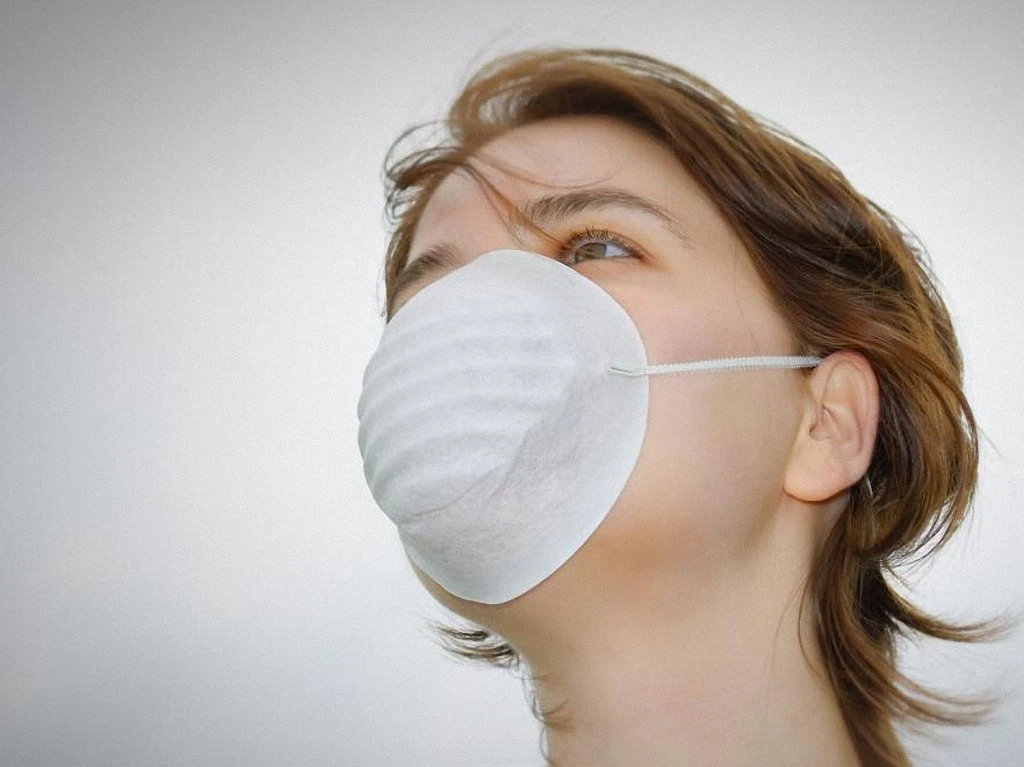
How long is a person with the flu contagious?
Adults with the flu can pass the virus to others for about 3 to 5 days after their symptoms first appear. Children, on the other hand, can remain contagious for up to 7 days. 
How does the flu spread?
The virus spreads through direct contact or by inhaling microscopic respiratory droplets sprayed when an infected person coughs, sneezes, or talks. People are most contagious during the first few days of illness.  Do you need antibiotics to treat the flu?
No. Antibiotics kill bacteria, not viruses, making them completely ineffective against the flu. Unless a doctor diagnoses a secondary bacterial infection, antibiotics should never be taken for flu symptoms. 
How can you protect yourself and your family from getting the flu?
Annual flu vaccination is the single most effective and cost-efficient way to prevent infection. The World Health Organization recommends flu shots for everyone aged 6 months and older. Vaccination is crucial for high-risk groups, including adults over 65, individuals with chronic heart, lung, or kidney conditions, people with diabetes, cancer, HIV, immunocompromised patients, or those carrying bacterial infections like streptococcus, staphylococcus, or Haemophilus. 
How can a flu shot developed ahead of time protect against new strains that mutate so rapidly?
Using advanced molecular biology techniques, scientists analyze global flu trends to predict upcoming strains with remarkable accuracy. Laboratory testing confirms that seasonal vaccine formulas match circulating wild strains very closely.
When is the best time to get a flu shot? Is it true you must get vaccinated before October?
There is no rigid deadline, but high-risk individuals should get vaccinated as soon as the current season's vaccine hits pharmacies. Your doctor can advise on the optimal timing based on your overall health, current medications, and recent vaccinations. 
Many believe flu shots are ineffective and just a moneymaker for big pharma. Is there any truth to this?
Vaccines are one of modern medicine's greatest achievements, having virtually eradicated or neutralized diseases that once posed a deadly threat to humanity. Flu vaccines have proven their value over decades by reducing hospitalizations and saving lives. Dismissing flu shots as a corporate cash grab ignores decades of rigorous scientific research and public health data. 
Stay hydrated: drink, drink, and drink some more.
Hydration is key when fighting off the flu. Fever and sweating cause rapid fluid loss that must be replenished for your immune system to function at its best. Warm water mixed with honey and fresh lemon juice is ideal, especially for soothing an irritated throat and calming a cough. Israeli researchers found that children given 10 grams of honey 30 minutes before bed coughed less and slept significantly better. Warm liquids soothe upper airways, while the bright citrus flavor provides a gentle mood boost.
Herbal teas like linden flower (which promotes sweating to help break a fever) and ginger tea (which boosts immune function) are also great choices. 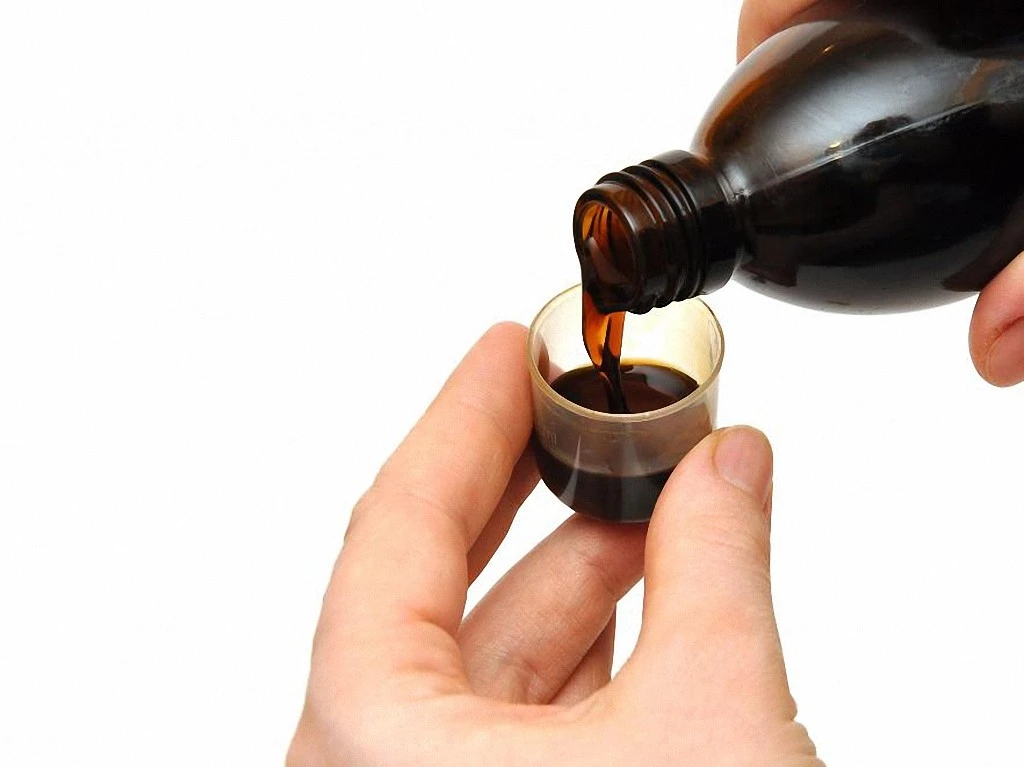
Avoid cough syrup right before bed.
If you have a productive, wet cough, expectorant syrups can help clear mucus—but take them at least 4 hours before lying down. Otherwise, loosened secretions will keep you coughing all night. 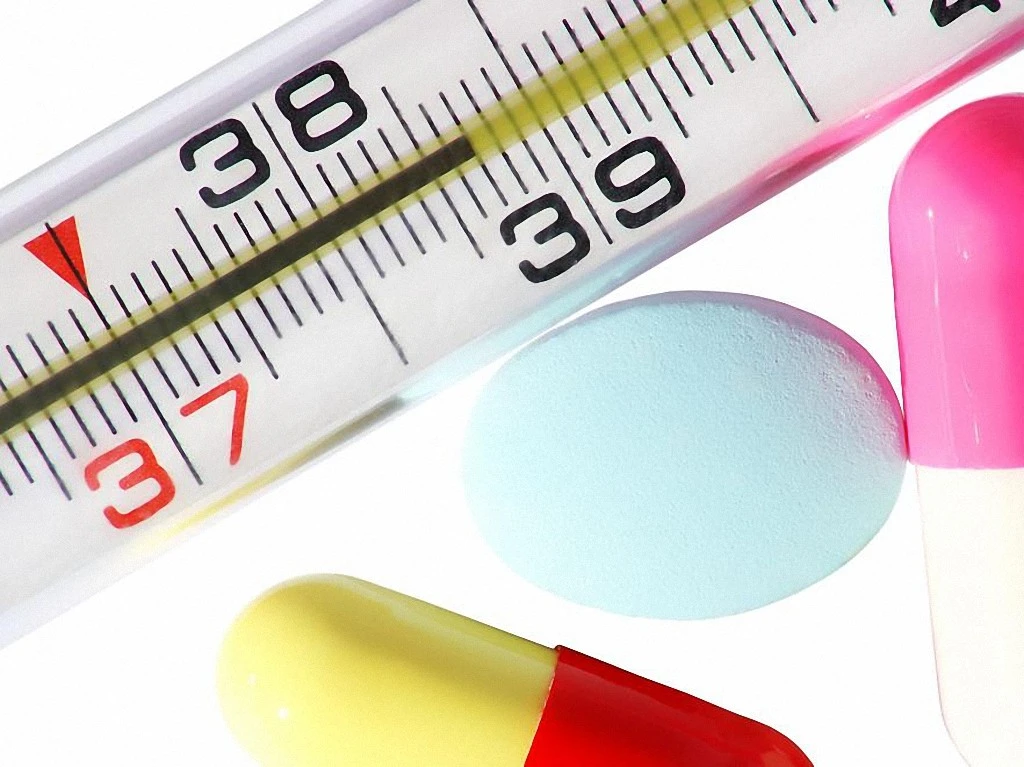
Take fever reducers—but only when your temperature exceeds 101.3°F (38.5°C).
A mild fever is actually your body's way of fighting off the virus. However, if your temperature spikes above 101.3°F (38.5°C), it's time to take fever-reducing medication like acetaminophen or ibuprofen to avoid complications. Applying cool compresses to the forehead, neck, and groin can also help bring down a high fever safely. 
Stay home, rest up, and recover.
Rest is critical when battling influenza. Staying home lets your body dedicate its energy to fighting the infection, protects your weakened immune system from secondary bug exposures, and keeps you from spreading the virus to co-workers and friends.
Never push through the flu. Failing to rest can lead to serious complications like pneumonia, bronchitis, ear infections, or even myocarditis (inflammation of the heart muscle). 
How to relieve nasal congestion
Steam inhalation is a great way to clear congested airways: add a few drops of pine, lavender, or eucalyptus essential oil to a bowl of hot water, drape a towel over your head, and breathe in the steam for 5 minutes. Saline nasal sprays or sea water rinses also help flush out mucus. Decongestant nasal sprays offer quick relief, but use them for no more than three consecutive days to avoid rebound congestion and dried-out nasal membranes. 
Chest rubs and warming ointments applied to the chest and back can soothe coughing fits alongside traditional cough syrups. 
Soothe a sore throat by gargling with warm chamomile or thyme tea, and sip warm tea with lemon and honey throughout the day. 
Flu prevention.
Probiotics and prebiotics play a surprisingly major role in boosting immunity against colds and flu. Incorporate probiotic-rich foods into your diet, such as live-culture yogurt, sauerkraut, and fermented pickles. Clinical studies show that people who regularly consume probiotics are up to three times less likely to catch viral respiratory infections. 
Vitamin D for cold and flu protection.
Vitamin D strengthens immune defenses. A meta-analysis of 11 scientific studies published in the journal PLOS One confirmed that adequate vitamin D levels help shield against respiratory tract infections. 
Wash your hands frequently.
Washing your hands thoroughly with soap and warm water for at least 20 seconds remains one of the simplest and most effective ways to stop flu transmission. While hand sanitizers and wipes are convenient on the go, proper handwashing with soap and water is far more effective. 
And finally, what should you eat when you have no appetite?
Chicken soup really is a go-to remedy for cold and flu symptoms. Cooking chicken releases cysteine, an amino acid that thins mucus and eases congestion. A warm bowl of broth also delivers essential protein, zinc, and hydration without burdening a sensitive stomach. 
Fruit sorbet.
Fruit sorbet numbs sore throats, reduces swelling, and brings instant relief to dry, irritated airways. Made from 100% natural fruit juice, it provides hydration along with essential vitamins and nutrients. Strawberry, apple, or grape sorbets are great options when solid food feels too harsh. 
Garlic.
Garlic has been used as a natural remedy for centuries because of its potent immune-boosting and antimicrobial properties. 
Vegetable juices.
Fresh vegetable juices are perfect when you can't stomach solid meals. They deliver a concentrated dose of vitamins, antioxidants, and hydration to keep your energy up while resting.