How People Protected the Privacy of Correspondence and Prevented Forgeries Throughout History (12 photos)
Today, the privacy of correspondence is a legally guaranteed human right. Even so, there has never been a shortage of people eager to lay their hands on sensitive information. Today, there are countless ways to protect data from prying eyes, ranging from tamper-evident envelopes to advanced encryption. Digital communication and its security measures could fill an entire article on their own. But how did people manage in the past, when technology was entirely primitive? 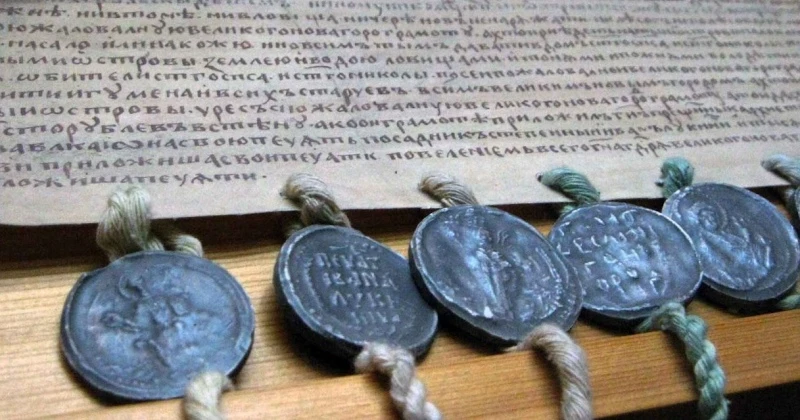
Brands, Clay, and Stone
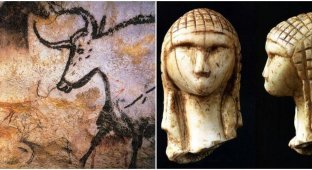
Seals were the earliest method used to mark something as one's own property. They emerged long before the invention of writing as proof of ownership. The first seals were simple handprints and drawings. People applied them using paint or soot on cave walls and everyday items. Later, with the rise of livestock farming, similar markings were used to brand animals. 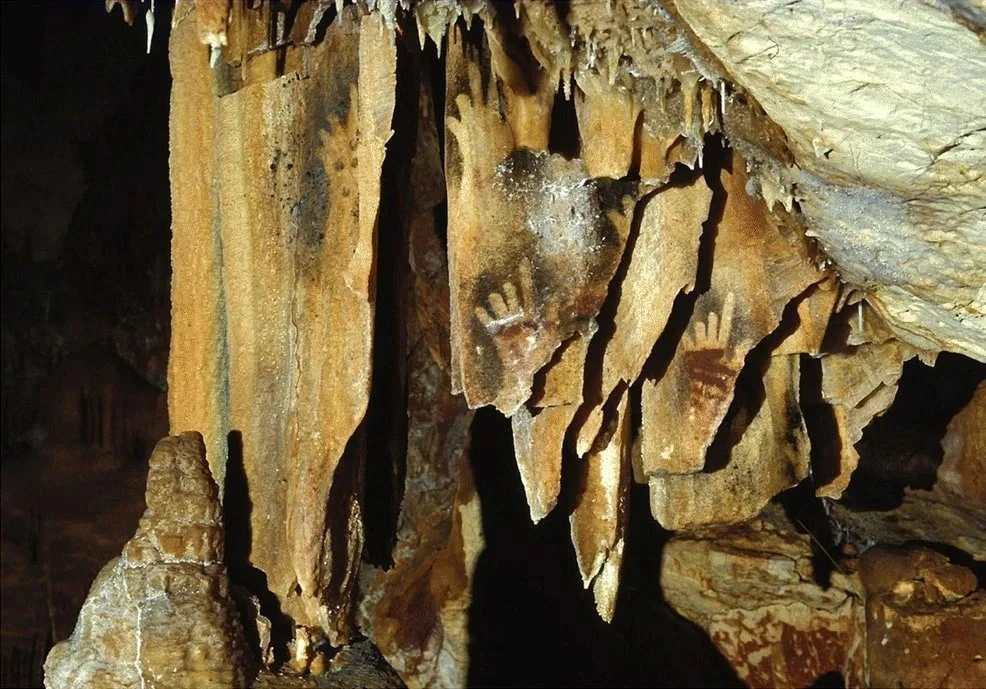
Handprints on a cave wall
Long before the Common Era, nomadic tribes began using unique emblems to mark their property. Known as a tamga, this hereditary emblem flew on banners, adorned yurt canopies, and was branded onto livestock. While a tamga was relatively easy to forge, removing an existing brand was virtually impossible. 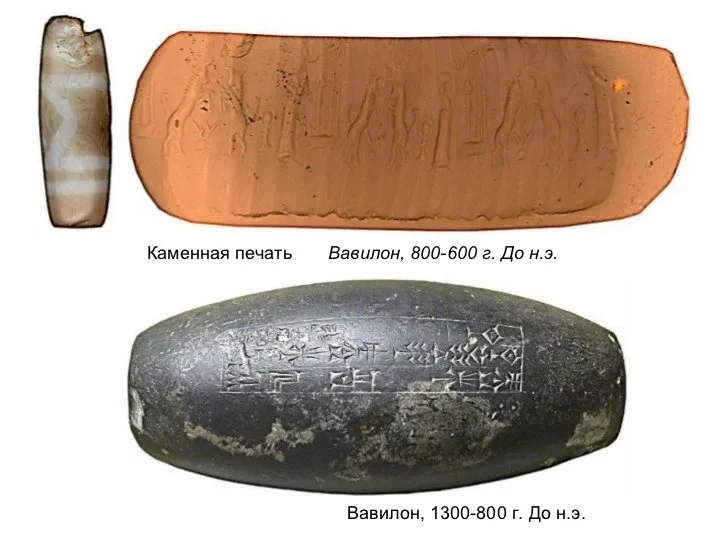
In Mesopotamia, where cuneiform script was etched onto clay tablets, seals were used to authenticate documents and letters. They functioned much like modern seals, but required no ink. Instead, the raised design was pressed into wet clay, which preserved the impression forever once baked.
Seals as Works of Art
Ancient seals were carved from everything from simple limestone to semi-precious stones. Craftsmen used materials such as alexandrite, amethyst, or jade. These seals typically featured no text. Instead, skilled engravers carved portraits of the owner, coat of arms, or scenes from religion and mythology. Stone carvers were held in high esteem, and the more intricate the seal, the wealthier its owner was presumed to be. Ancient Egyptian artisans mastered this craft to perfection. They could carve entire multi-figure scenes onto a single miniature seal. 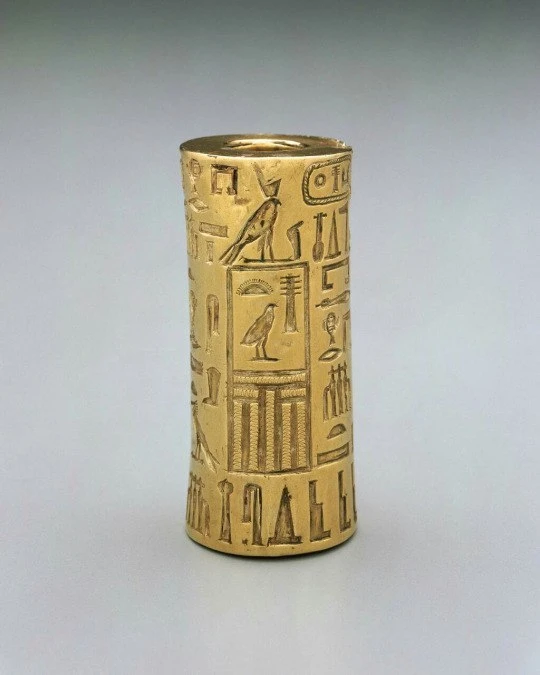
A cylindrical gold seal from ancient Egypt
Some seals were cylindrical, shaped like miniature rolling pins. They were rolled across wet clay, and later over papyrus or parchment. Complex imagery helped protect documents—especially vital state records—from forgery. Replicating someone else's delicate work was extremely difficult, making any attempt at fraud immediately obvious. 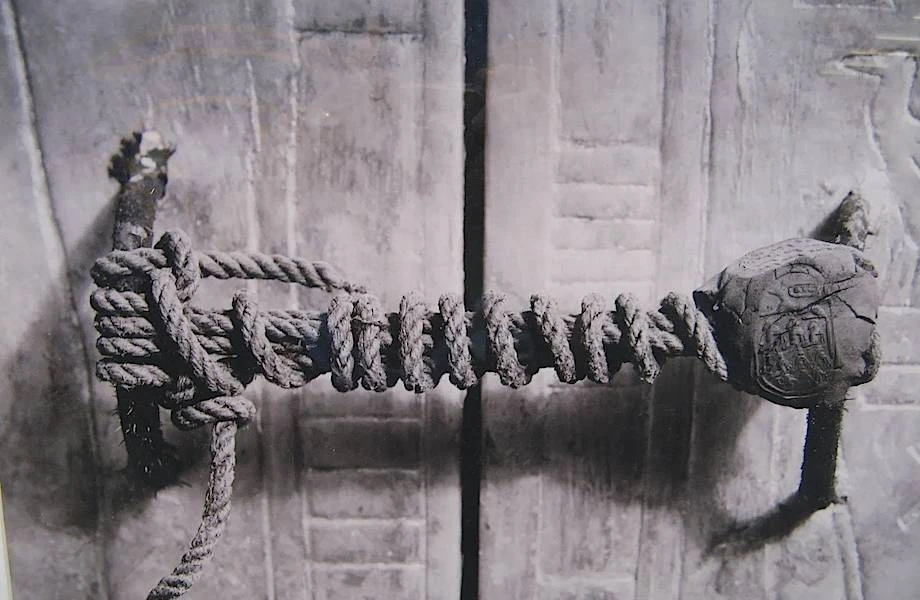
The sealed entrance to King Tutankhamun's tomb. The seal itself is pictured on the right
Signet rings were also widely used in Ancient Egypt. They were uniquely practical, eliminating the need to carry a seal in a pouch or case. The Egyptians were true masters of sealing. Take, for instance, the famous seal on Pharaoh Tutankhamun’s tomb. Researchers broke it only in the early 20th century—3,245 years after priests applied it on the day of the pharaoh's burial. 
An ancient Chinese document bearing official seals
Interestingly, Ancient China, which was far ahead of the rest of the world technologically, used ink for sealing. A couple of thousand years ago, officials and merchants simply dipped their stone, wooden, or bone seals into ink and pressed them onto paper. In other words, the process was remarkably similar to how rubber stamps work today.
Seals as Symbols and Status Accessories
The study of seals and stamps is known as sphragistics. The term derives from the Greek word
sphragis
, meaning "seal." The Greeks were true experts in the craft. Ancient Greek artisans carved gems and cast bronze to create intaglios—decorative seal jewelry. These took the form of rings and pendants adorned with intricate engravings. 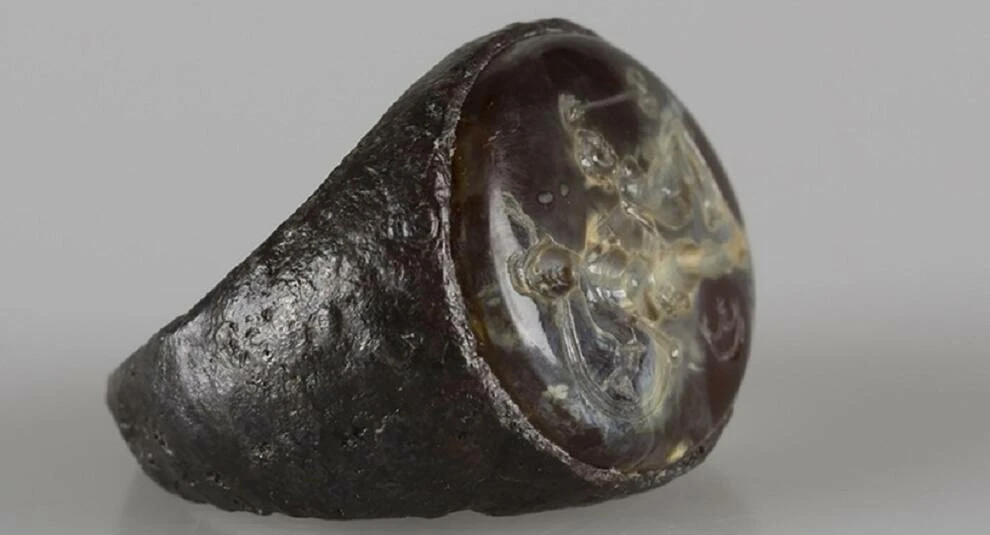
A Roman seal depicting Achilles holding the slain Amazon queen, Penthesilea, daughter of Ares
The Romans inherited this art form from the Greeks and elevated seal-making to new heights. Many of their creations were true masterpieces that continue to amaze museum visitors today. Across the Mediterranean, clay impressions gave way to beeswax stamped with an intaglio to authenticate documents. Signet rings were guarded like priceless treasures and passed down through generations. 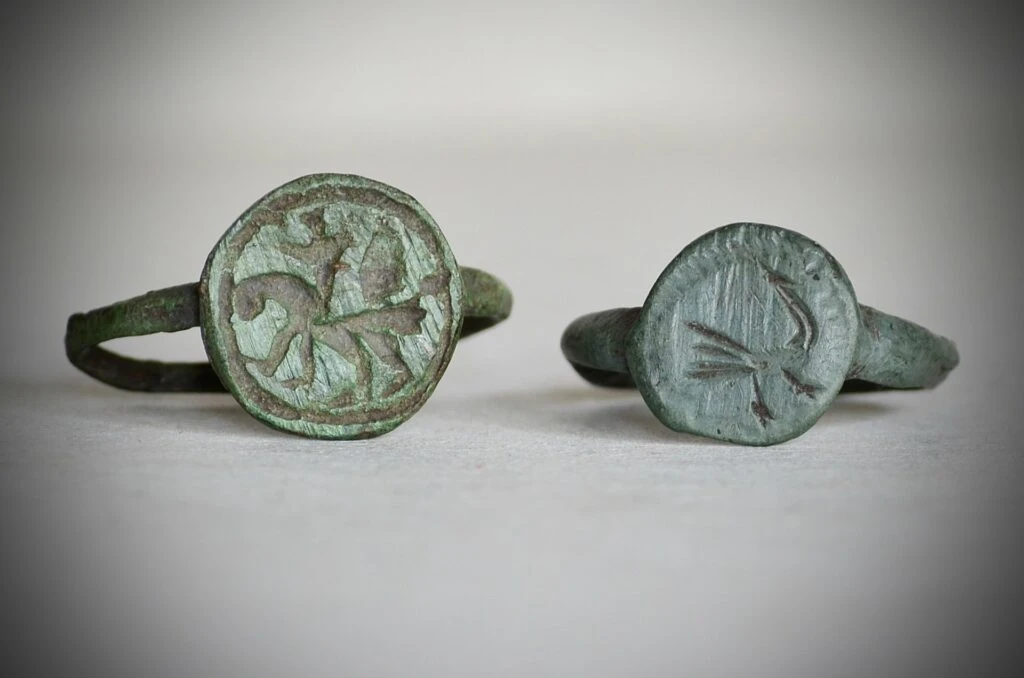
A ring with a primitive seal
In medieval Europe, however, artistic refinement fell by the wayside. The craft of seal-making declined along with many other arts. Some document seals from the 12th to 14th centuries were simple crosses. Occasionally, letters or basic patterns were added. Nevertheless, no figure of importance—least of all a monarch—could do without an official seal. 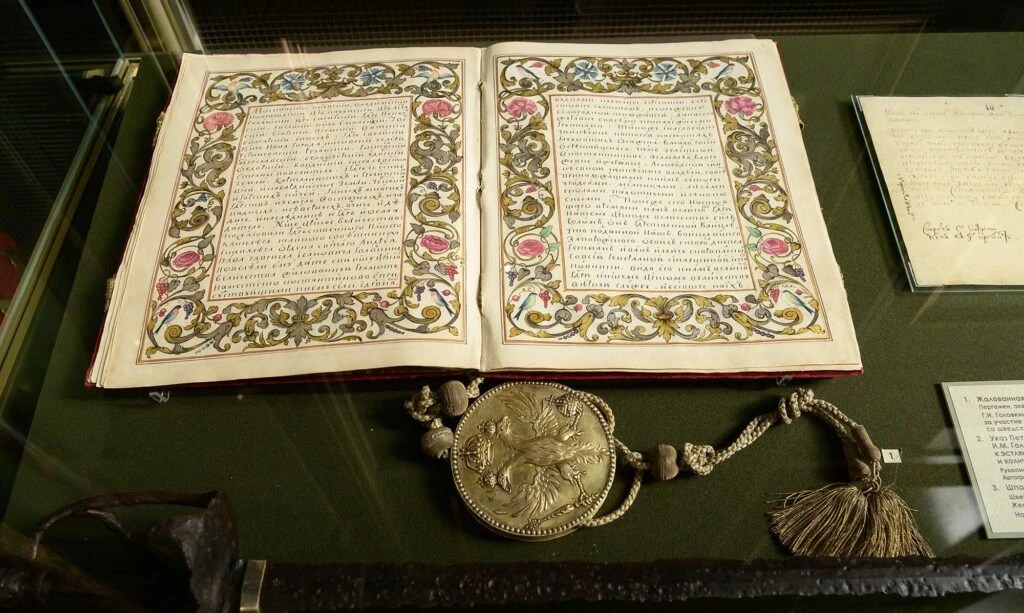
A suspended metallic seal (bulla)
In Medieval Rus, pendant metal seals were used first, followed later by wax seals. Signet rings were pressed into wax as well. The earliest historical mention appears in the
Primary Chronicle
, describing negotiations between Prince Igor and the Greeks in 945 AD. These ancient seals rivaled Hellenistic traditions, depicting princes, saints, biblical scenes, and churches, complete with formal inscriptions. 
The legendary Ring of the Fisherman
The most famous signet ring in history is the Ring of the Fisherman. It is an essential symbol of the Papacy. Since time immemorial, a custom ring has been crafted for each pope upon his election. It features the pope's name engraved in reverse so that the stamped image reads correctly. Upon a pope's death, his seal is destroyed to prevent misuse and maintain its uniqueness.
The Invention and Rise of Sealing Wax
During the Soviet era, valuable letters and packages were inextricably linked with heavy sealing wax. Few realize that this method of protecting correspondence is ancient and originated in India. Early sealing wax was made from beeswax mixed in precise proportions with pine resin. Spanish traders brought it to Europe from the East Indies in the 16th century. 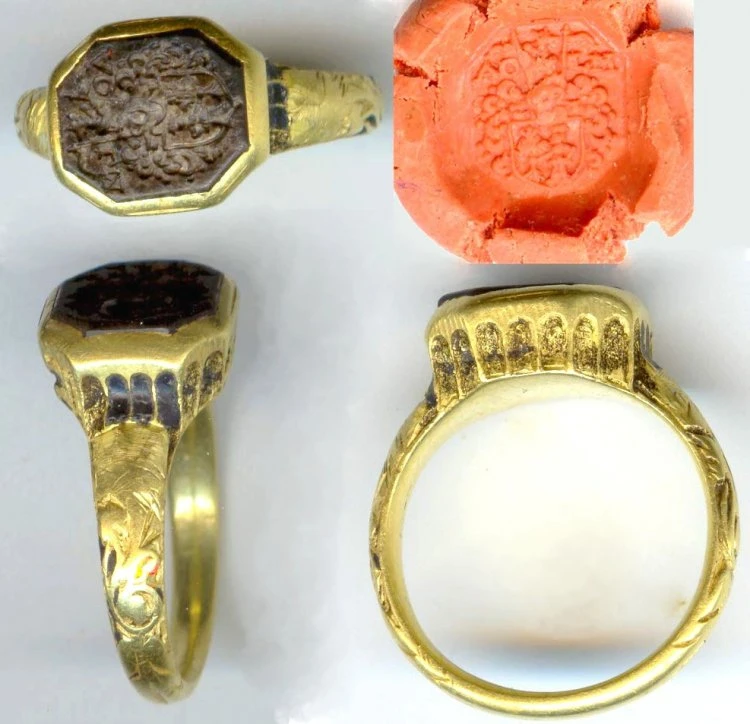
A signet ring and its wax impression
The earliest sealing wax was translucent or yellow, but cinnabar was later added to the mixture. Cinnabar gave the wax its signature red color, which became the standard. At room temperature, sealing wax is hard and brittle. However, it melts easily when heated. Molten wax was dripped onto an envelope or parcel, and a seal was pressed into it immediately. The material hardened quickly, leaving a sharp, durable impression. In addition, sealing wax had excellent adhesive properties, bonding paper tightly without glue. 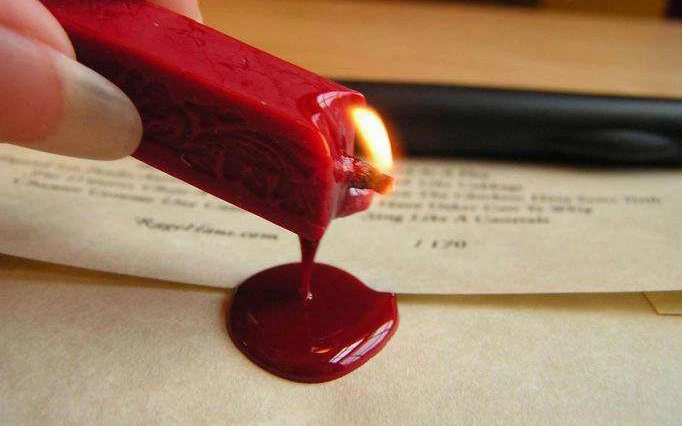
Sealing wax is produced in sticks
Opening a wax seal without damaging it is nearly impossible. Resealing the document without melting the wax again is outright impossible. This level of security explains why the method remained popular for over 500 years. Today, sealing wax has lost its importance in postal services. It is now primarily used to seal fine wine bottles and laboratory test tubes. Postal systems have replaced it with tamper-evident stickers and security holograms, which offer high protection, stick firmly, and withstand bending.