The Blue-Eyed Tribe of Buton Island: A Genetic Phenomenon (8 photos)
We are hardly surprised to see blue-eyed Europeans, even those with raven-black hair. But what about Southeast Asia—specifically Indonesia? Most people picture locals from the region with dark skin, dark hair, and deep brown eyes. Yet there are striking exceptions. Take the indigenous tribe living on Buton Island, located southeast of mainland Sulawesi: the natives here routinely astonish visitors with their vivid blue eyes. 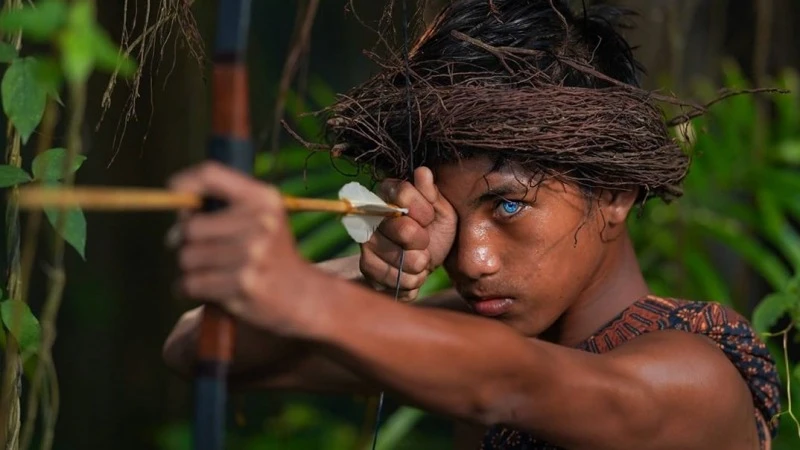
While seeing blue eyes on an Indonesian native might feel like a miracle, scientists offer a straightforward explanation. As it turns out, members of this tribe inherited their striking gaze the exact same way Scandinavians did—through a mutation in a gene known as OCA2. 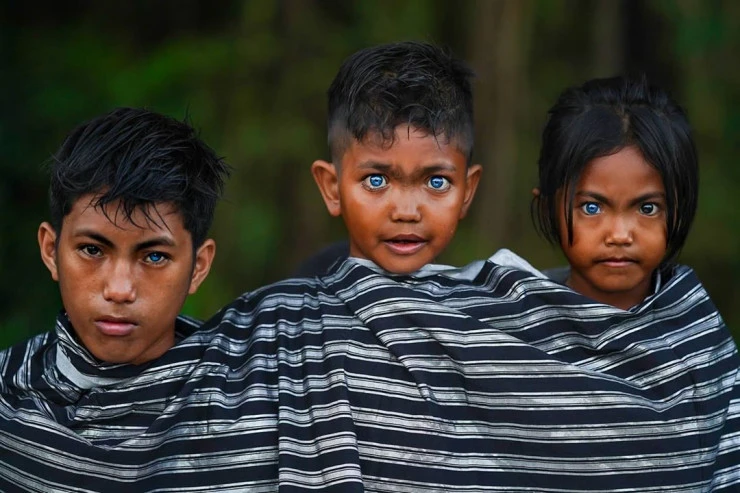
Long ago, every human on Earth had brown eyes. Then, a genetic mutation occurred in the OCA2 gene, creating a biological switch capable of turning off brown iris pigmentation. 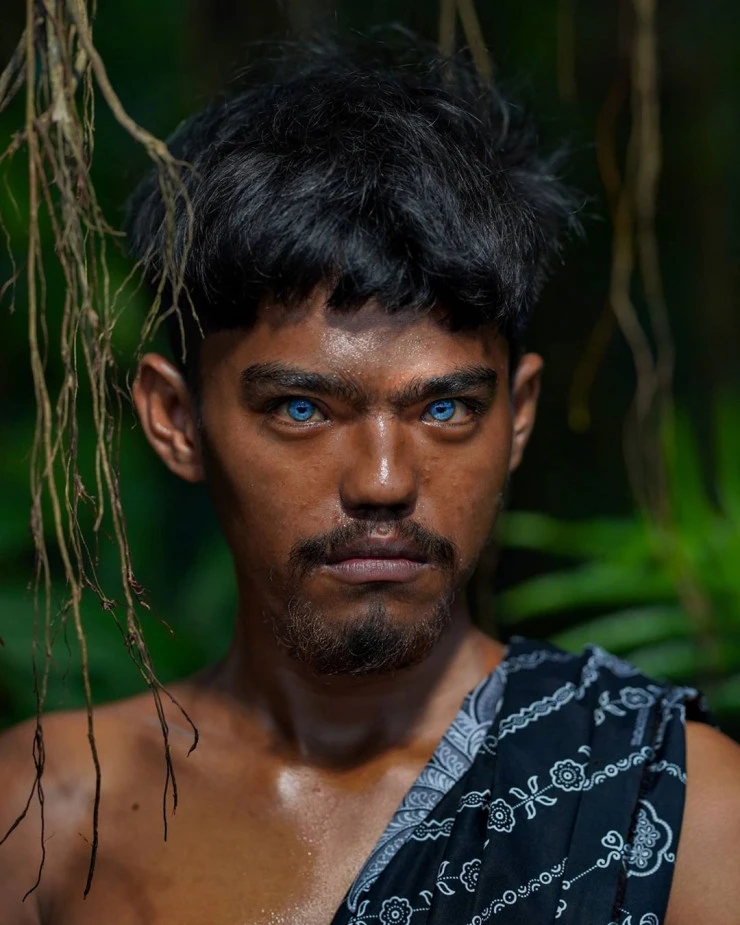
This altered gene codes for what is known as the P protein, which plays a key role in producing melanin—the pigment responsible for giving color to our hair, eyes, and skin. 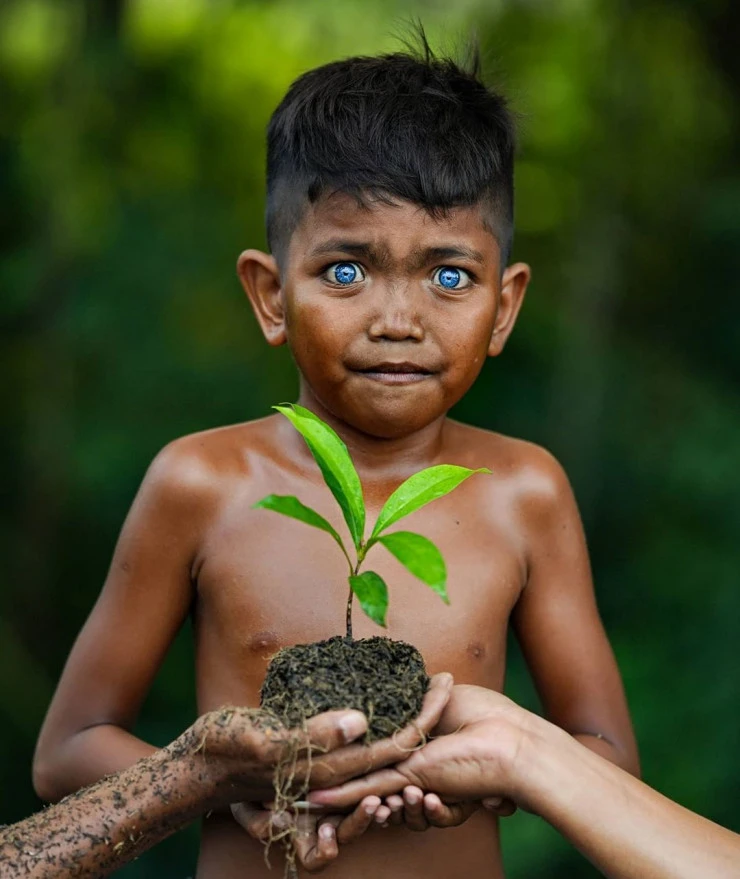
The genetic switch drastically reduces melanin levels without eliminating them completely, effectively diluting dark eyes into shades of blue. 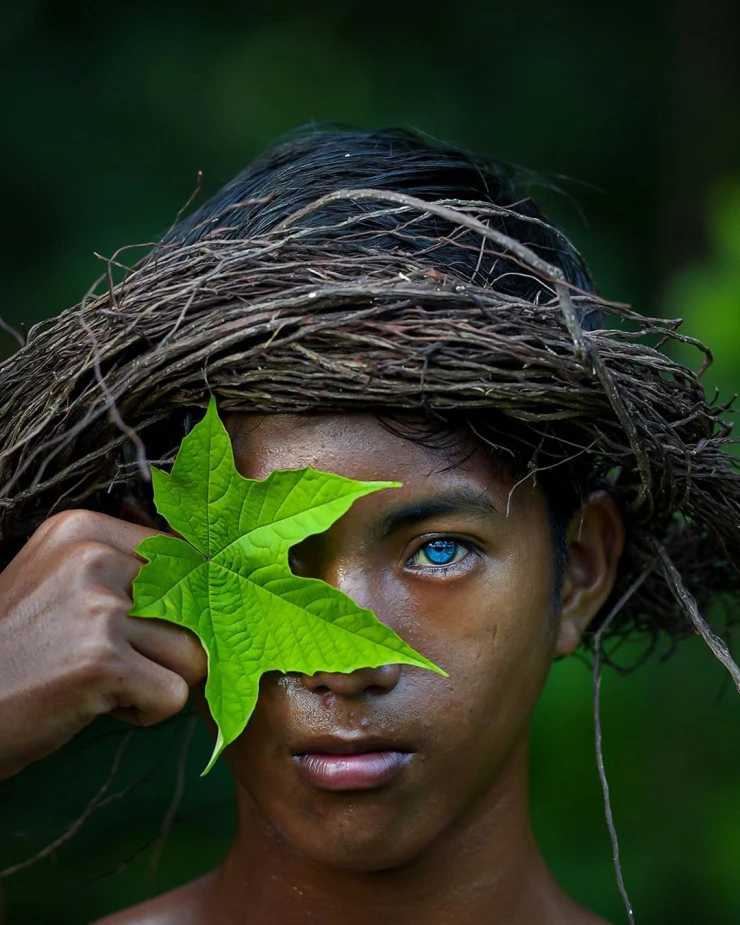
What would happen if OCA2 turned off melanin production entirely? The results are well known: it causes albinism. A complete lack of melanin leaves eyes extremely pale, or even reddish in hue. 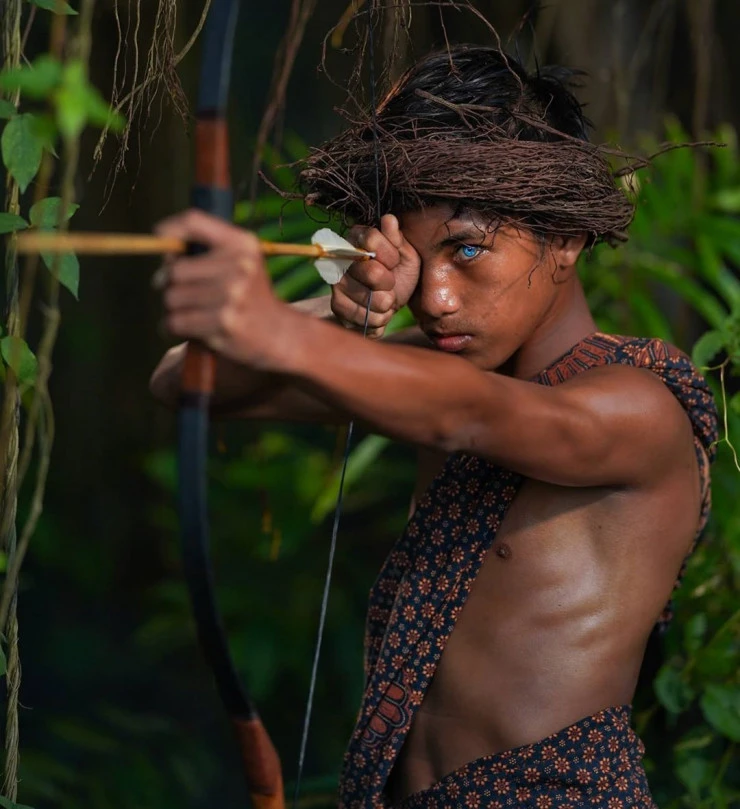
Does this gene mutation affect the islanders' daily lives? Researchers studying the residents of Buton found that this inherited genetic trait is not always harmless. Some tribe members suffer from hearing loss or impaired vision. 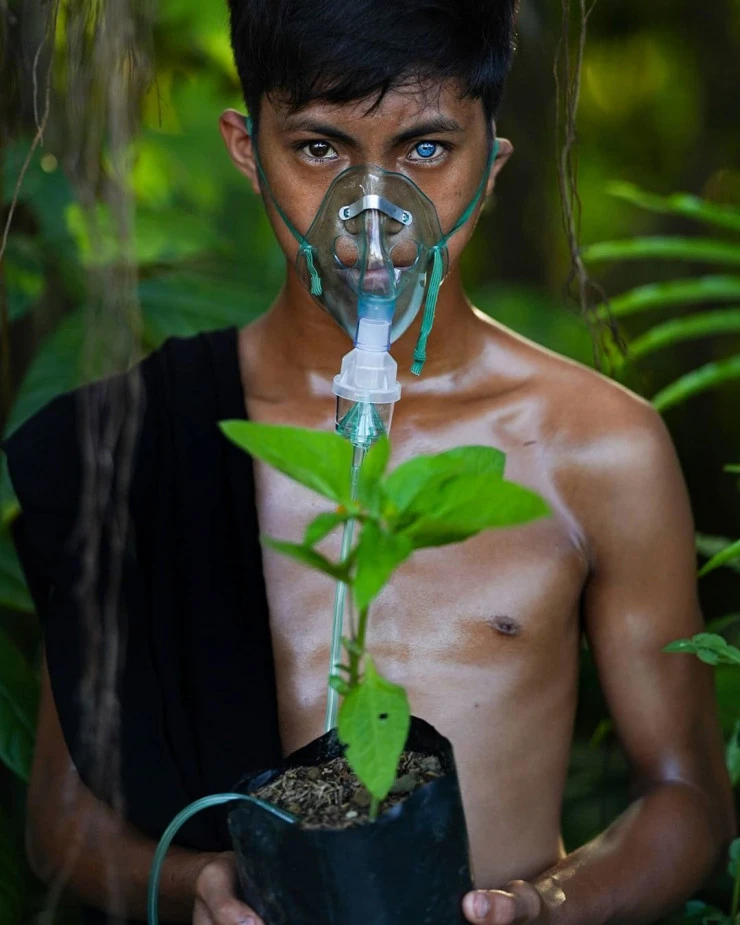
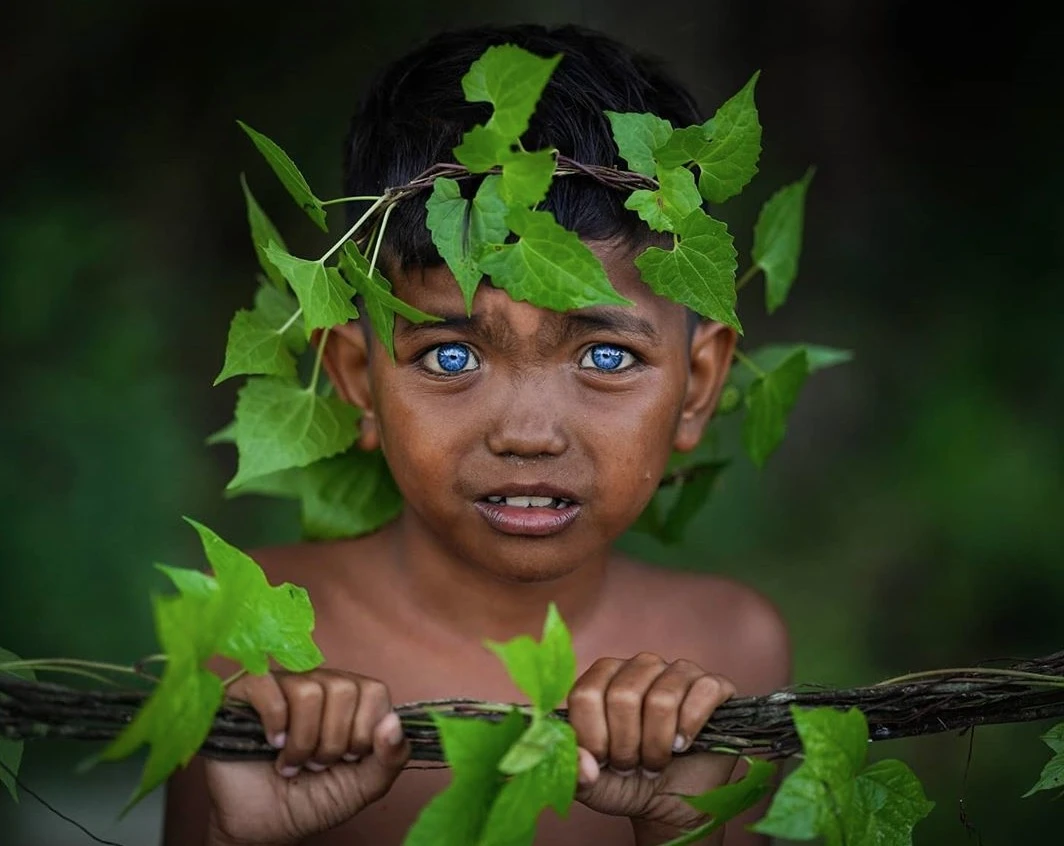
Studies also revealed a small percentage of individuals with heterochromia—eyes of different colors—as well as patchy pigmentation on their skin and hair. This condition is known scientifically as Waardenburg syndrome, a rare hereditary genetic disorder.