Fascinating Historical Facts: A Selection for Curious Minds (29 Photos)
The world is full of stories that never make it into history textbooks. A dolphin that helped save a mate and thanked a diver with a kiss. A man who transformed a deserted island on his own and turned down $50 million. A sailor who feigned incompetence in captivity—and ended up saving 256 lives. Scroll down: every story here is one you'll want to pass along. 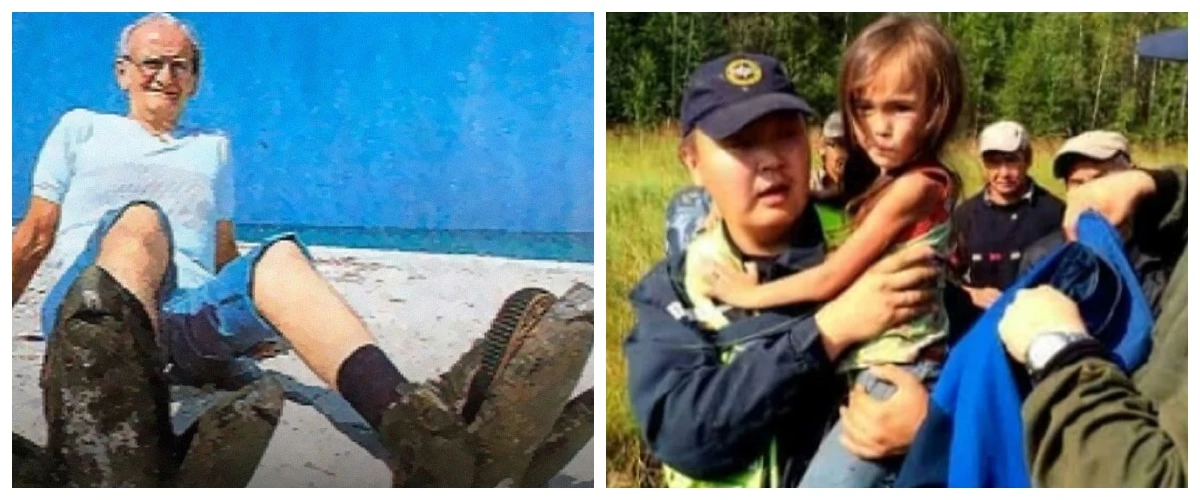
The Dolphin That Said Thank You 
Italian free-diver Enzo Maiorca off the coast of Syracuse in the 1970s. The dolphin he freed from a net thanked him with a kiss on the cheek.
Italian diver Enzo Maiorca was diving off Syracuse when he felt a gentle nudge on his back. Turning around, he saw a dolphin that seemed desperate to tell him something. Maiorca followed the animal down to a depth of 12 meters, where he found a female dolphin tangled in a fishing net. Working alongside his daughter, he managed to cut her free. Once both dolphins reached the surface, they let out a sound Maiorca later described as almost human-like. Shortly after, the rescued dolphin gave birth to a calf. The male dolphin then swam over to Maiorca and touched his cheek—a gesture Maiorca remembered for the rest of his life as a kiss of gratitude.
The Farmer Who Stood by His Neighbors 
Bob Fletcher in California. While his Japanese American neighbors were forced into internment camps, he spent four years managing their farms and paying their taxes.
Bob Fletcher was a farmer living in California. In 1942, when the U.S. government forced Japanese Americans into internment camps, three neighboring families lost everything: their homes, their land, and their livelihoods. Fletcher stepped in to manage their farms, paying their taxes, covering their mortgages, and harvesting their crops—all for a tiny fraction of the profits. He was even shot at for coming to the aid of Japanese families. When the war ended, those families returned home to find their farms intact and thriving.
Five Bullets. Twenty Lives Saved 
Anthony Borges in Parkland, Florida, 2018. At age 15, he used his own body to barricade a classroom door while taking five bullet hits.
On February 14, 2018, a gunman opened fire at Marjory Stoneman Douglas High School in Florida. Fifteen-year-old Anthony Borges was in the hallway as the shooter approached his classroom. Borges ducked inside last and used his body to hold the door shut while the gunman fired through it. He was shot five times. Remarkably, he survived and made a full recovery. All twenty students inside the classroom survived.
A $10,000 Island and a $50 Million Rejection 
Moyenne Island in the Seychelles. Brendan Grimshaw bought it for $10,000 in 1962 and transformed it into a national park.
In 1962, 37-year-old British newspaper editor Brendan Grimshaw quit his job and purchased a tiny, deserted island in the Seychelles for $10,000. Moyenne Island had been abandoned for 50 years, and everyone thought Grimshaw had lost his mind. He moved there permanently as its sole inhabitant. Over the next 40 years, he personally planted 16,000 trees, built three miles of nature trails, and attracted around 2,000 birds to the island. A Saudi prince once offered him $50 million for the island, but Grimshaw turned him down. Following his death in 2012, the island was designated a national park, open to everyone.
Grimshaw’s story is extraordinary in its own right. Read the full story on BigPicture →
The Teenage Girl Who Poisoned 100 Nazi Officers 
Zinaida Portnova (Leningrad, 1926 – Polotsk, 1944). Posthumously named Hero of the Soviet Union. She was not yet 18.
Zinaida Portnova was born in Leningrad in 1926. In the summer of 1941, while visiting her grandmother in Belarus, the region fell under German occupation. At age 15, she joined an underground resistance group called the Young Avengers and took a job as a dishwasher in a cafeteria catering to German officers. Acting on orders, she poisoned the soup, killing over 100 officers. Suspecting her, the Nazis forced her to eat the soup herself; she did, and somehow survived. In 1943, she was captured. During an interrogation, she grabbed the investigator's pistol, shooting him and two guards. She attempted to escape but was caught. After a month of torture, she was executed on January 10, 1944. In 1958, Portnova was posthumously named a Hero of the Soviet Union.
The Final Photograph of Harriet Tubman 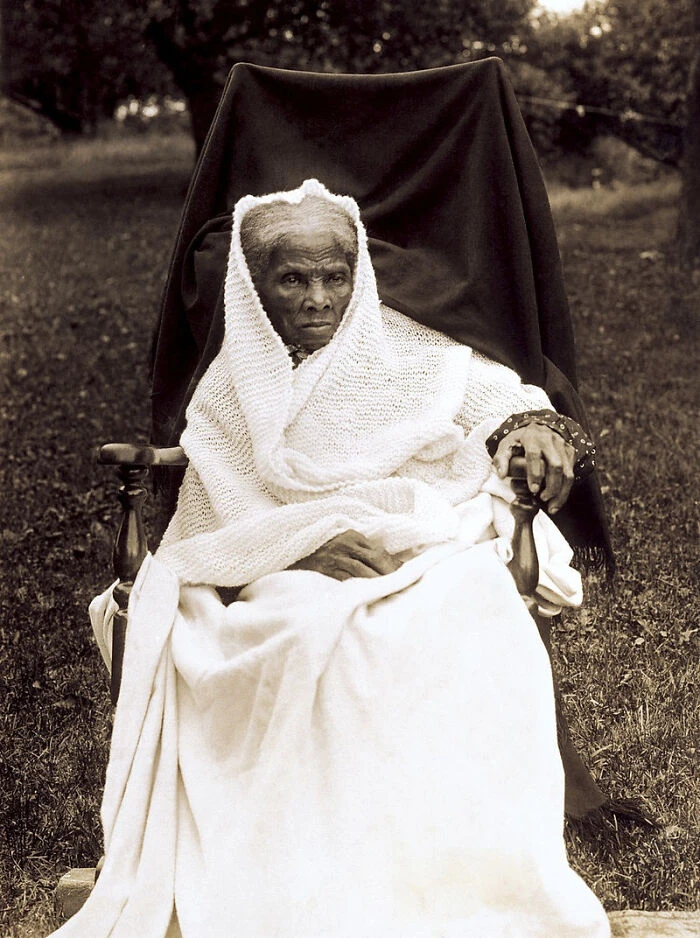
Harriet Tubman, circa 1910. The last known photograph taken during her lifetime. She helped 70 people escape slavery despite a traumatic brain injury and chronic pain.
Harriet Tubman was born into slavery in Maryland around 1820. As a young woman, she refused to help an overseer catch an escaping enslaved person, standing firmly in the doorway. An angry overseer threw a heavy metal weight that hit her in the head. The severe injury plagued her for the rest of her life with agonizing headaches and seizures. After escaping to freedom herself, she returned to the South time and again, guiding 70 people to safety. In her final photo, she is nearly 90 years old. Though frail and in pain, she outlived slavery—and liberated dozens along the way. She passed away in 1913 after actively championing women's suffrage.
The Life-Saving Hug 
Twins Kyrie and Brielle Jackson, 1995. When Kyrie put her arm around her dying sister, Brielle’s vitals immediately stabilized. The moment became known as the “Rescuing Hug.”
In 1995, twin sisters Kyrie and Brielle Jackson were born 12 weeks premature in Massachusetts, each weighing just two pounds. Brielle’s condition rapidly deteriorated: her oxygen levels dropped, her heart rate faltered, and her skin turned blue. Nurse Gayle Kasparian decided to try an unconventional approach—placing both babies in the same incubator, a practice virtually unheard of in the U.S. at the time. Kyrie instinctively wrapped her arm around Brielle. Almost instantly, Brielle's vital signs stabilized. Dubbed the “Rescuing Hug,” the photograph went viral worldwide and revolutionized neonatal care across the nation.
From a One-Room Cabin to 200 Million Books 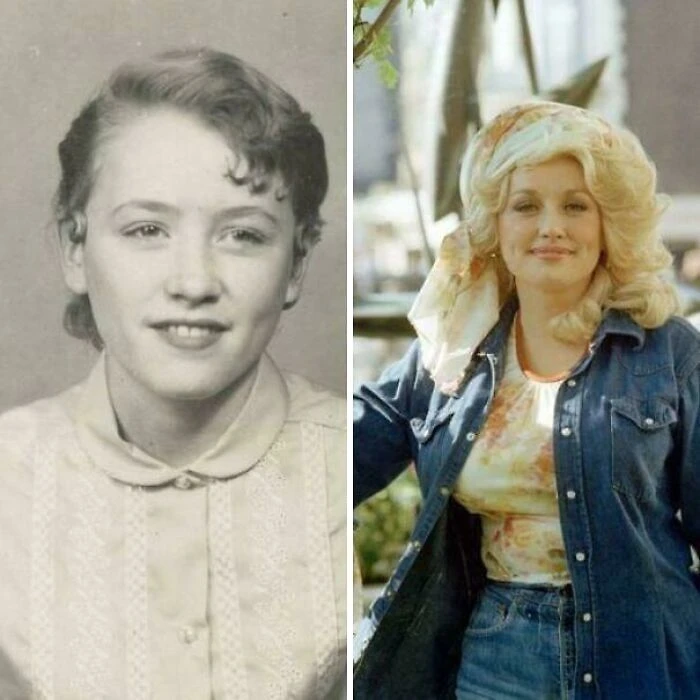
Dolly Parton. Born in 1946 in a wooden cabin in Tennessee, her Imagination Library program has gifted over 200 million children's books worldwide.
Dolly Parton was born in 1946 in a rustic Tennessee cabin, the fourth of 12 children. Her father was illiterate, which inspired her to give back: through her charity, the Imagination Library, the country legend has gifted more than 200 million books to children across the globe. From humble cabin roots to changing millions of young lives, her journey spanned less than a lifetime.
The Mother Who Planted Two Million Trees 
Yi Jiefang in Inner Mongolia. For 20 years, she traveled on foot where vehicles couldn't reach to plant trees, fulfilling her late son's dying wish.
Yi Jiefang, a 67-year-old mother from China, has planted over two million trees in the desert of Inner Mongolia. Her son, Yang, had studied ecology in Japan and dreamed of returning home to reforest the arid region, but he was tragically killed in a car accident before he could realize his dream. Grief-stricken, his mother sold her apartment in Shanghai, poured his life insurance payout into the project, and spent two decades trekking into remote areas inaccessible by car to plant trees. “I can’t take money with me when I die,” she said. “But the trees will stay.”
The Penguin That Swims 5,000 Miles for an Annual Visit 
Fisherman João Pereira de Souza and Dindim the penguin. Every year, the Magellanic penguin swims around 5,000 miles from Argentina to spend a few months with his rescuer.
In 2011, Brazilian fisherman João Pereira de Souza rescued an oil-slicked penguin stranded on a beach and nursed him back to health. The Magellanic penguin, named Dindim, now swims roughly 5,000 miles (8,000 km) every year from his breeding grounds off Patagonia to visit João. He stays for several months before swimming back out to sea. Local fishermen who witness their reunions say Dindim recognizes João immediately, greeting him like an old friend.
From an Impoverished Childhood in Uganda to Becoming a Foster Father in the US 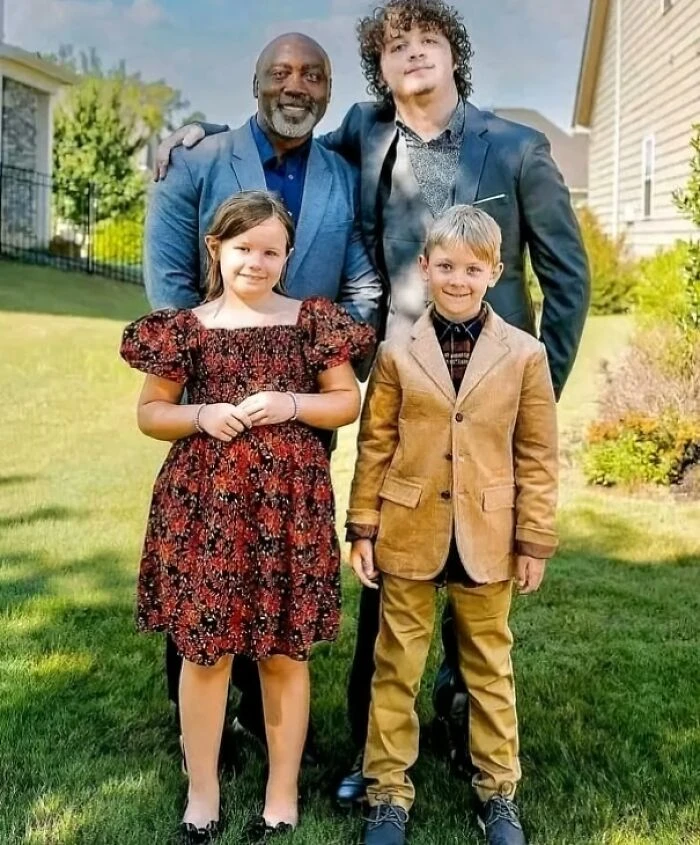
Peter Mutabazi and his adopted son Anthony. Growing up amidst poverty in Uganda, Peter moved to the U.S. and has since fostered dozens of children.
Peter Mutabazi endured a hardship-filled childhood in Uganda before eventually moving to the United States. Upon learning that a 13-year-old boy named Anthony had been abandoned at a hospital, Mutabazi stepped up to adopt him. Today, Mutabazi fosters multiple children and advocates for foster care reform, explaining that he connects deeply with these kids because he was once in their shoes.
“Money Is All One Color”: Frank Sinatra and the Desegregation of Las Vegas 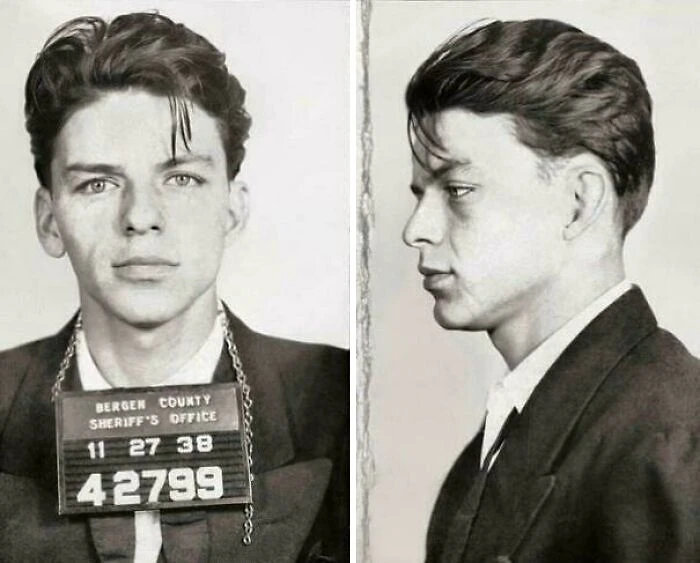
Frank Sinatra in the 1950s. He refused to perform at venues that banned Black patrons, helping force Las Vegas hotels to desegregate.
Throughout the 1950s, Frank Sinatra refused to stay at hotels or perform at venues that denied entry to Black guests, and he insisted on paying his Black musicians the exact same wages as white musicians. In Las Vegas, Black performers were allowed on stage but barred from staying in the very hotels where they performed. Sinatra confronted casino executives with a simple truth: money is all one color. Las Vegas eventually desegregated—due in large part to his unyielding stance.
A Flower Girl at Her Bone Marrow Donor’s Wedding 
Skye and her bone marrow donor, Hayden Ryals. Doctors gave the little girl just a 10% chance of survival. Years later, she served as the flower girl at Hayden's wedding.
When three-year-old Skye Savren-McCormick was diagnosed with a rare form of cancer, doctors gave her only a 10 percent chance of survival. Hayden Ryals, a 26-year-old stranger, registered as a bone marrow donor and saved her life. Skye beat the odds. A few years later, she walked down the aisle as the flower girl at Hayden’s wedding.
He Freed 3,000 Children. He Was Only Twelve 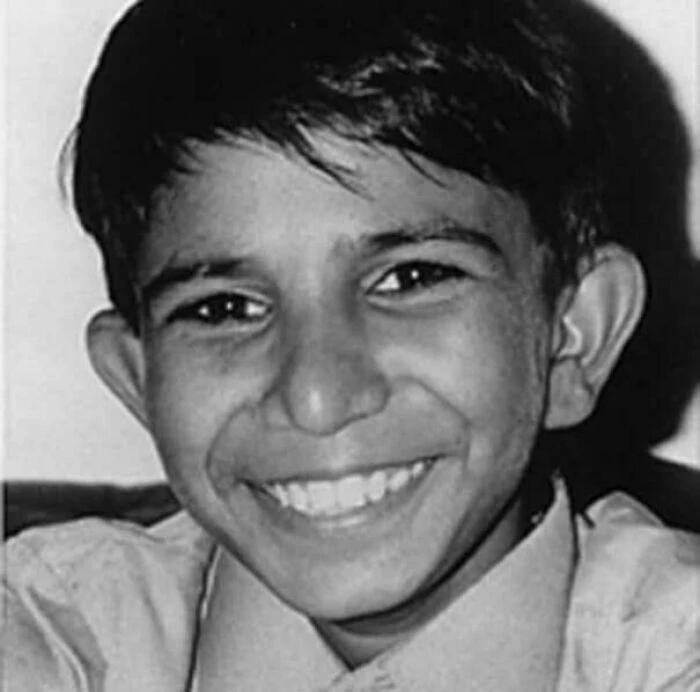
Iqbal Masih. Sold into bonded labor at age four, he escaped at ten and helped free nearly 3,000 child laborers by age twelve. Murdered in 1995.
Iqbal Masih was sold into bonded labor at a carpet factory in Pakistan when he was just four years old. At age ten, he escaped and joined the movement against child slavery; his courage and testimony helped free nearly 3,000 child laborers. He traveled internationally to speak out against child exploitation. In 1995, at just 12 years old, he was shot and killed—presumably by those whose lucrative illegal trade he threatened.
The Midwife of Auschwitz 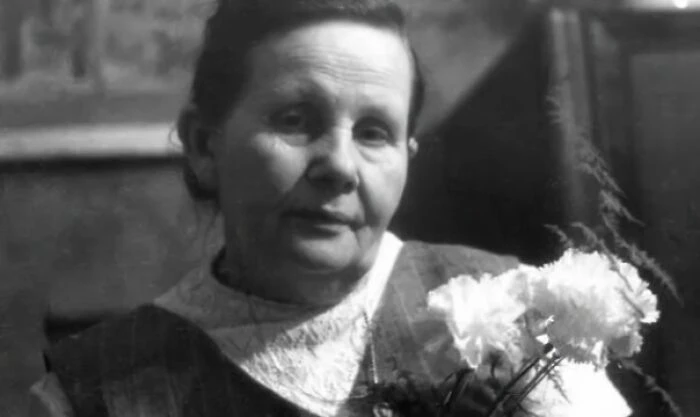
Stanisława Leszczyńska. While imprisoned in Auschwitz, she delivered nearly 3,000 babies and refused orders to murder newborns. The Catholic Church is considering her for beatification.
Stanisława Leszczyńska served as a midwife at the Auschwitz concentration camp. When ordered by Nazi officials to murder newborn infants, she refused. Under unimaginable conditions—without clean water or medical supplies, in barracks infested with disease—she delivered nearly 3,000 babies. Though most infants tragically succumbed to starvation or were forcibly taken away, about thirty survived. Today, the Catholic Church has initiated her cause for beatification.
The “Incredibly Stupid One” of the Hanoi Hilton 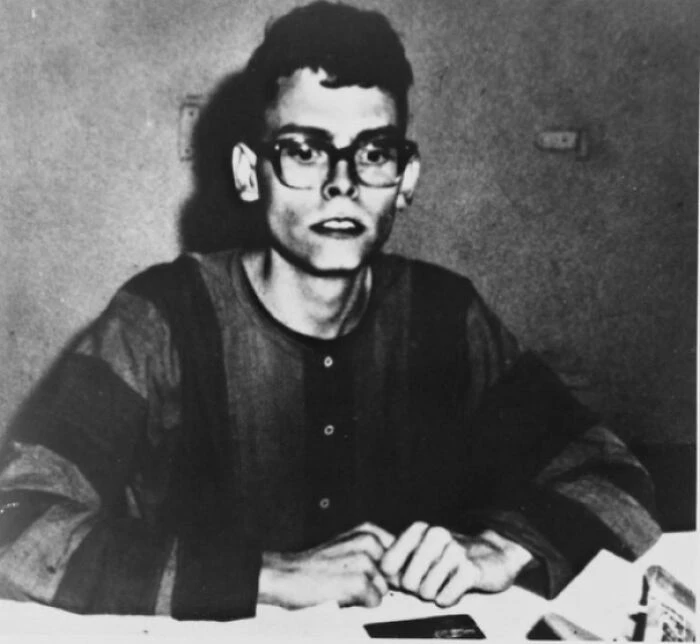
Douglas Hegdahl as a POW in Vietnam, 1967–1969. Guards nicknamed him “The Incredibly Stupid One” and let him roam freely. He took full advantage.
Douglas Hegdahl was captured in Vietnam in 1967 after being blown overboard from his ship. While imprisoned at Hỏa Lò Prison—famously known as the “Hanoi Hilton”—he feigned utter foolishness. His captors nicknamed him “The Incredibly Stupid One” and granted him relative freedom around the camp. Hegdahl exploited their mistake: he sabotaged five enemy trucks by dumping dirt into their fuel tanks and memorized the route to downtown Hanoi when taken to get glasses. Most impressively, he memorized the names, ranks, social security numbers, and details of 256 American POWs by singing them to the tune of “Old MacDonald Had a Farm.” Upon his early release in 1969, he provided this vital intelligence to military commanders, allowing the U.S. to reclassify 63 men previously listed as missing in action to prisoners of war.
Togo: The Dog Forgotten by History 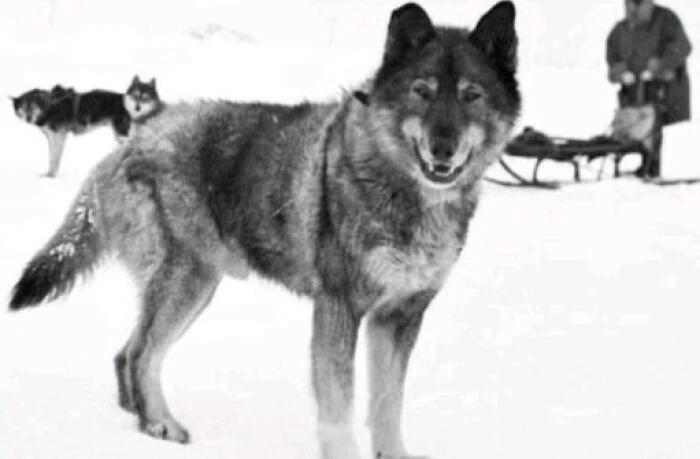
Togo the husky, the true hero of the 1925 Alaskan “Serum Run.” He covered the most treacherous leg—674 miles through an Arctic blizzard—at 12 years old.
In 1925, a deadly diphtheria outbreak threatened the town of Nome, Alaska, putting thousands of lives at risk. Harsh weather prevented planes from delivering the lifesaving serum. A husky named Togo led a sled team across 674 miles (1,085 km) of treacherous ice and blizzard conditions in just five and a half days. He was 12 years old—a veteran age for a sled dog. Yet, it was Balto, the dog that ran the final, much shorter leg, who received a famous statue in New York’s Central Park. Togo’s heroic contribution was only fully recognized decades later.
Maps in Braids: How Enslaved Women Encoded Escape Routes 
The cornrow braiding tradition in Colombia dates back to the 17th century. Historians link it to a system of secret maps created by Benkos Biohó.
In 17th-century Colombia, enslaved African women developed an ingenious way to share escape routes in plain sight: through their hair. They braided intricate patterns into cornrows that represented secret maps detailing roads, rivers, forests, and mountains. This communication system is credited to Benkos Biohó, a captured African leader who escaped slavery and founded San Basilio de Palenque, the first free town in the Americas. Biohó established an intelligence network, with braided maps serving as a key tool for liberation.
Viola Desmond: The Beautician Who Made It onto the $10 Bill 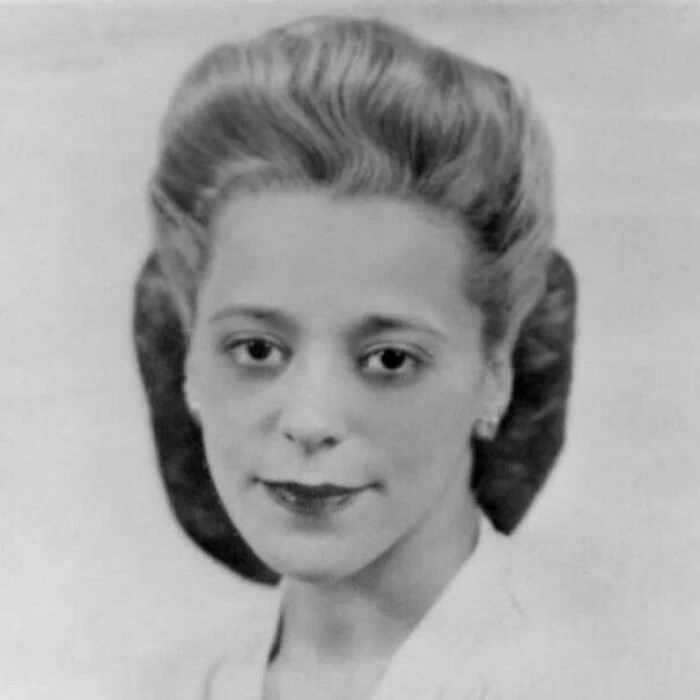
Viola Desmond, featured on the Canadian ten-dollar bill. She opened a beauty school for Black women after being denied admission to existing schools because of her race.
Viola Desmond was born in Nova Scotia in 1910. As a Black woman, she was turned away from beauty schools across her province. Undeterred, she trained in Montreal and New York before returning home to establish her own beauty school for Black women. In 1946, she was arrested for sitting in a “whites-only” section of a movie theater—a stand that sparked a major push against racial segregation in Canada. Today, her portrait graces the Canadian ten-dollar bill.
30,000 Missions. Average Age: 20 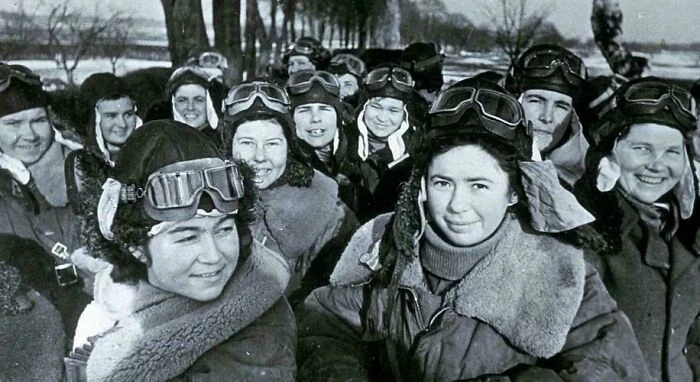
The “Night Witches”—the 46th Guards Night Bomber Aviation Regiment. They flew nearly 30,000 missions with an average pilot age of just 20.
The “Night Witches” was the nickname given to the Soviet 46th Guards Night Bomber Aviation Regiment, an all-female unit. Ranging in age from 17 to 26, these female pilots flew roughly 30,000 missions and dropped over 23,000 tons of bombs on German positions. Flying outdated Polikarpov Po-2 biplanes in the dead of night, they idled their engines on approach to glide silently over targets. Terrified German soldiers dubbed them the “Night Witches” because the stealthy swooping sound resembled a broomstick.
We have a detailed feature on this legendary regiment. Read more on BigPicture →
A Girl, Her Dog, and Eleven Days in the Taiga 
Karina Chikitova and her dog Naida in Yakutia, 2014. For nine days, Naida kept the toddler warm and safe. On the tenth, she left to guide rescuers back.
In 2014, three-year-old Karina Chikitova spent nine agonizing days lost in the dense Siberian taiga accompanied only by her dog, Naida. The toddler survived by eating wild berries, drinking river water, and cuddling with Naida for warmth. On the tenth day, Naida left Karina to find help, guiding rescuers straight to the toddler’s hiding spot. When Karina was discharged from the hospital and reunited with Naida, she initially scolded the dog for leaving her—only later realizing that Naida’s departure was what saved her life.
A Palm-Sized Mirror That Captures an Entire Room 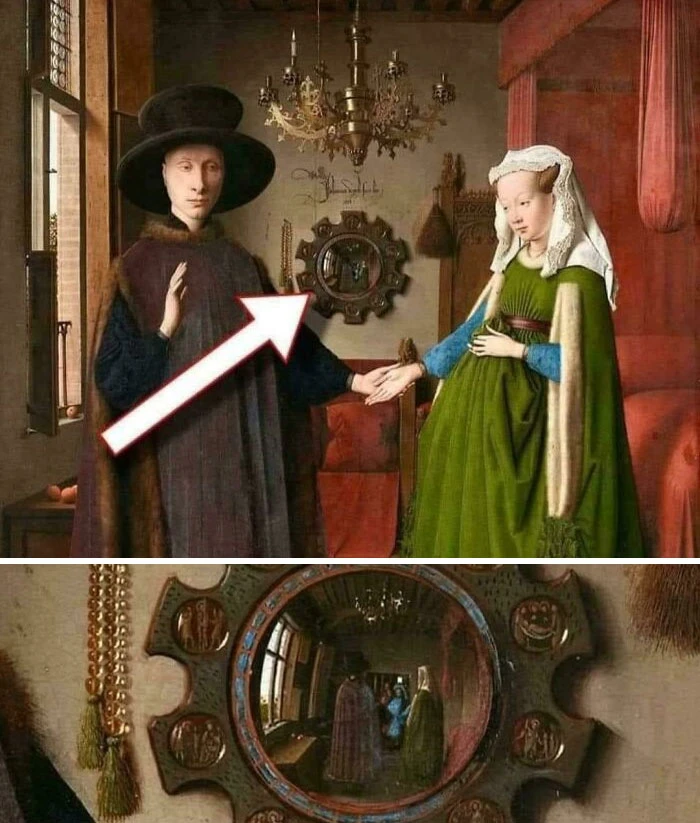
Jan van Eyck’s “Arnolfini Portrait” (1434). A convex mirror measuring just three inches across reflects the entire room—and possibly the artist himself.
Jan van Eyck painted the famous
Arnolfini Portrait
in 1434. In the background hangs a small convex mirror just three inches (8 cm) in diameter. Miraculously, it reflects the entire room, including two figures standing at the doorway—thought to be the artist himself and a witness. Painted with incredible precision, the mirror’s reflection continues to spark debate among art historians over the identities of the figures and the true meaning of the scene. The masterpiece hangs in the National Gallery in London.
For more on the mysteries surrounding this masterpiece, read our deep dive on BigPicture →
60 Years of Secret Masterpieces 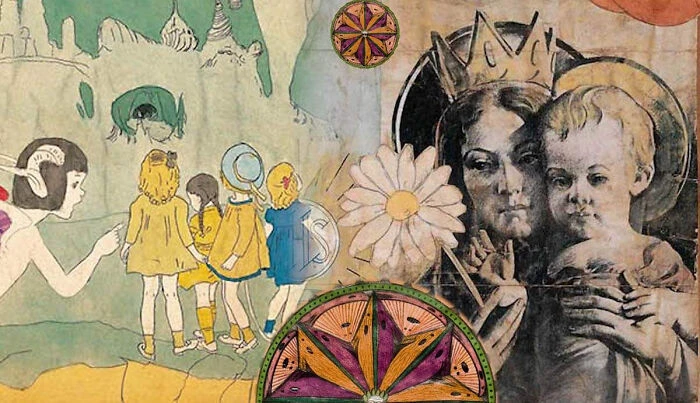
Henry Darger (Chicago, 1892–1973). A reclusive custodian whose secret life was revealed after his death, when a 15,000-page manuscript and thousands of illustrations were found in his room.
In 1973, an elderly custodian named Henry Darger passed away in a Chicago hospice. When his landlord began clearing out his rented room, he discovered a staggering 15,000-page illustrated fantasy epic that Darger had worked on in secret for over six decades. The room was filled with thousands of watercolors, drawings, and collages. Every night after work, Darger had returned to his room to create without telling a soul. He died unaware that he would become one of the most celebrated figures in outsider art history.
A Virtuoso in the Subway and a Sea of Indifference 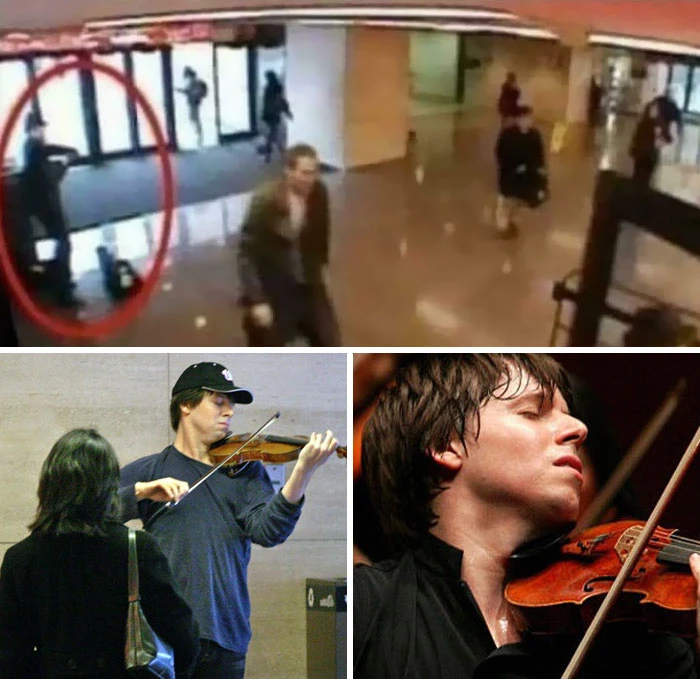
Joshua Bell playing in the Washington, D.C. subway in January 2007. One of the world's finest violinists played for 45 minutes; out of 1,097 passersby, only six stopped to listen.
In January 2007, world-renowned virtuoso Joshua Bell played his $3.5 million Stradivarius violin for 45 minutes inside a busy Washington, D.C. subway station. While Bell normally sells out concert halls around the world, 1,097 people rushed past him that morning. Only six people stopped to listen, and he earned just $32 in tips. Organized by
The Washington Post
, the experiment posed a provocative question: do we recognize genius and beauty when it isn't presented in an elite context?
The Longchamp Scandal That Changed Fashion Forever 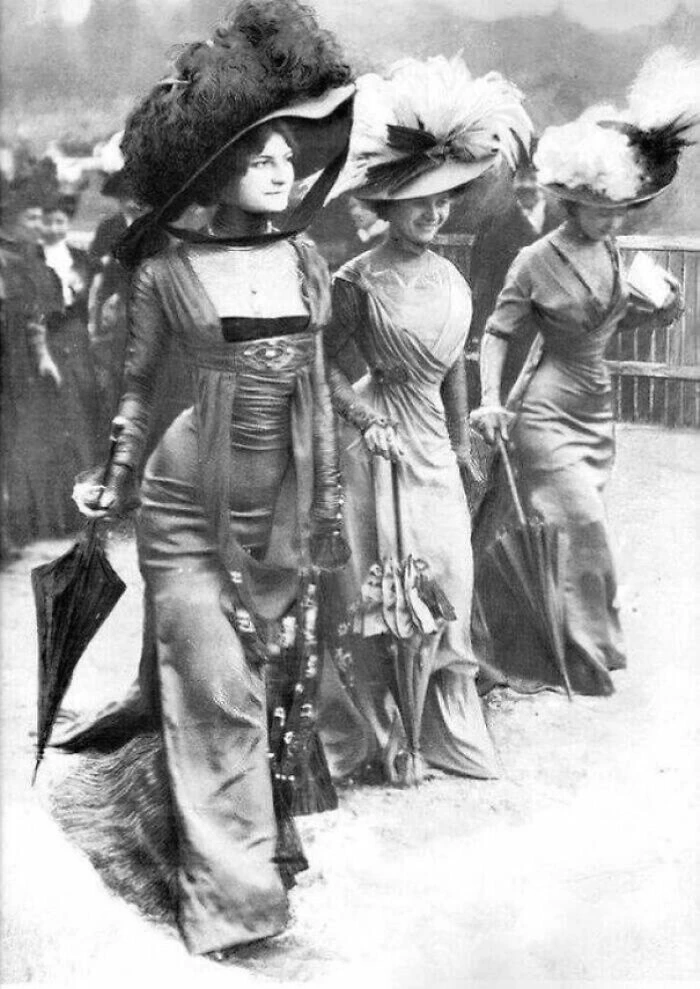
Jeanne Margaine-Lacroix's debut at the Longchamp racecourse, Paris, 1908. Spectators branded her uncorseted silk jersey dresses a “monstrosity,” but they reshaped 20th-century fashion.
In 1908, three models stepped onto the stands at the Longchamp racecourse in Paris, leaving the crowd stunned. Newspapers condemned the display as a “monstrosity” and “obscene nudity.” The women were wearing form-fitting, uncorseted dresses made of stretchy silk jersey. Designer Jeanne Margaine-Lacroix intentionally chose the high-society horse races for maximum press coverage and shock value. Her revolutionary designs ended the era of suffocating corsets and redefined the modern female silhouette.
Ten Years on Lead Feet 
Tony Signorini and his lead shoes. From 1948 to 1958, he strolled along Florida beaches at night, fooling scientists with giant “extinct penguin” tracks.
In 1948, Florida resident Tony Signorini began taking midnight walks along Tampa Bay wearing 30-pound three-toed lead boots. Experts were baffled by the giant, mysterious footprints, which matched no known creature. Academics even debated whether they belonged to a giant extinct penguin species. Signorini kept the prank going for ten years and only revealed the truth in 1988—forty years after the hoax began.
The Limbless Performer Who Starred in Barnum’s Show 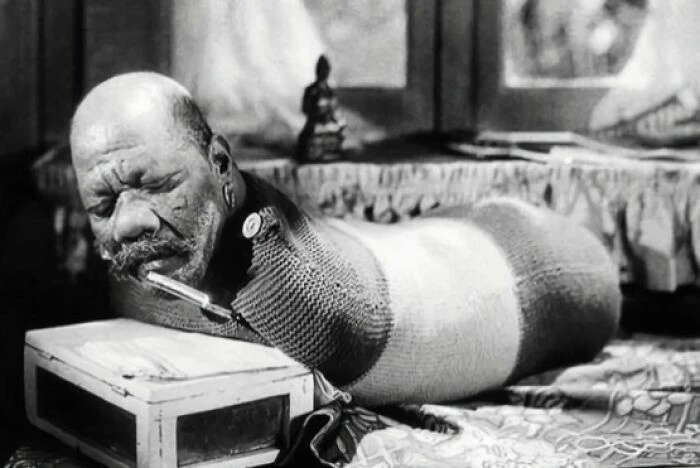
Prince Randian, “The Living Torso.” Born in British Guiana around 1871, he performed with P.T. Barnum, raised three children, and lived a full life.
Prince Randian was born in British Guiana around 1871 with tetra-amelia syndrome, an extremely rare condition causing the absence of all four limbs. Famous for rolling, lighting, and smoking a cigarette using only his mouth in the 1932 cult film
Freaks
, Randian performed in P.T. Barnum’s sideshows by moving his hips and shoulders. He lived a long, happy life in New Jersey, raising three children.
Read the complete story of Prince Randian on BigPicture →
27 Years in Solitude: The Last True Hermit 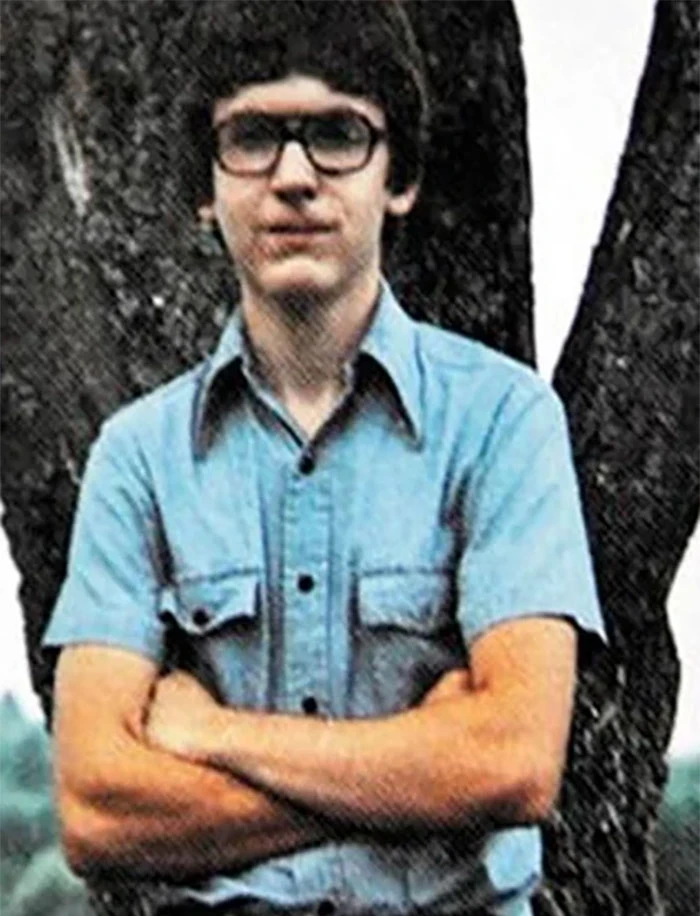
Christopher Thomas Knight, the “North Pond Hermit.” He vanished into the Maine woods in 1986 at age 20. He was caught in 2013 after committing over 1,000 camp burglaries.
In 1986, 20-year-old Christopher Thomas Knight walked into the woods of Maine and disappeared from society. For 27 years, he lived in complete isolation, having virtually no human contact—aside from saying a single word, “hi,” to a passing hiker in the 1990s. He survived by burglarizing nearby summer cabins for food and supplies, committing over a thousand break-ins. Many locals doubted he was even real until 2013, when a game warden set a trap and finally caught the elusive hermit.
Which of these stories amazed you the most? Let us know in the comments!