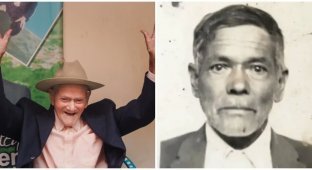
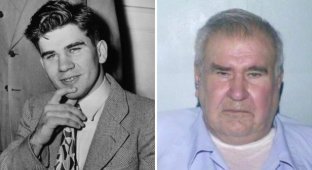
He Ate Eight Last Meals Before Execution—and Lived to Be 101 (13 Photos)
Francis Clifford Smith holds a record no one would ever want to set. Born in Connecticut in 1924, he was first locked up as a child. From that moment on, the correctional system held onto him for nearly 85 years. His death on June 25, 2026—at age 101, in his sleep at a secure nursing home for former inmates—made headlines around the world. Here is the story of how prison came to replace the outside world for one man, and why that might be worse than any sentence. 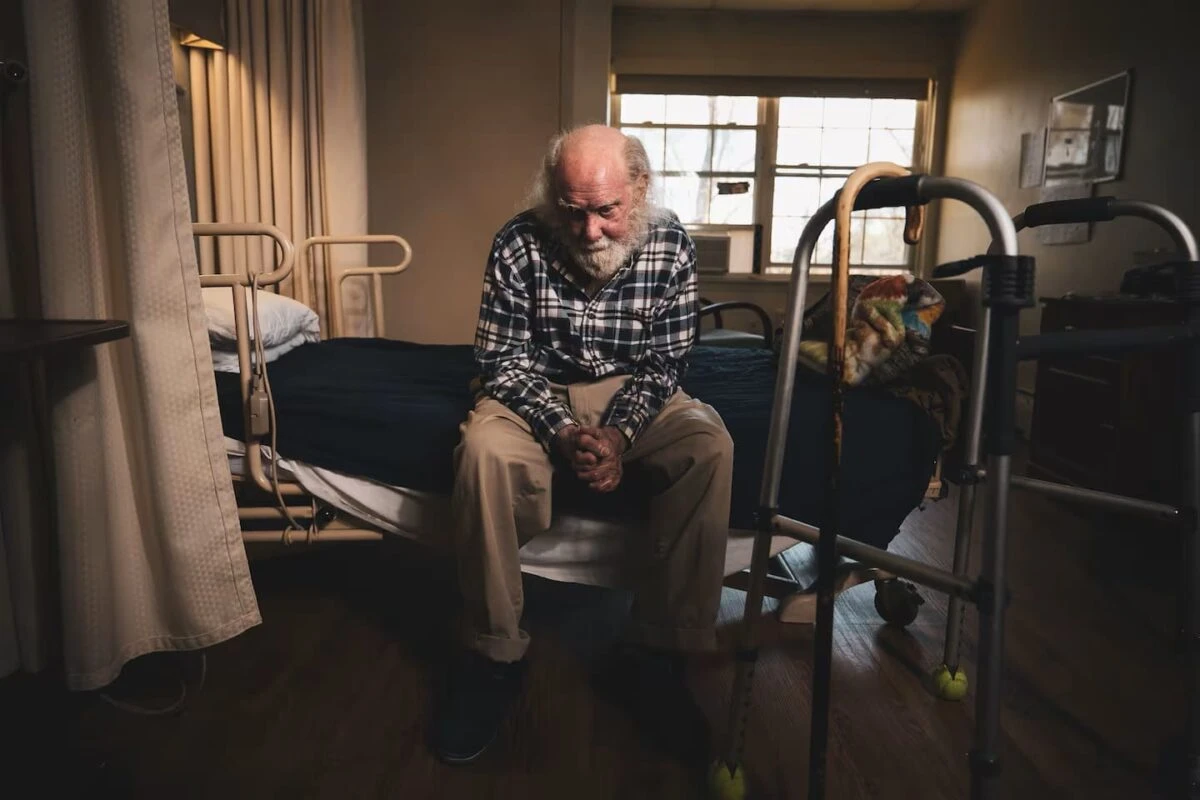
A Boy from the Working-Class Outskirts
Francis Clifford Smith was born on September 1, 1924, in Stamford, Connecticut. His father worked as a roofer, and the family lived in a working-class neighborhood in Darien. Francis began stealing at an early age. By 10 or 11, he was sent to the Connecticut School for Boys—as juvenile reformatories were called back then. Later, he was transferred to a facility for older youths, and eventually, to adult prison. 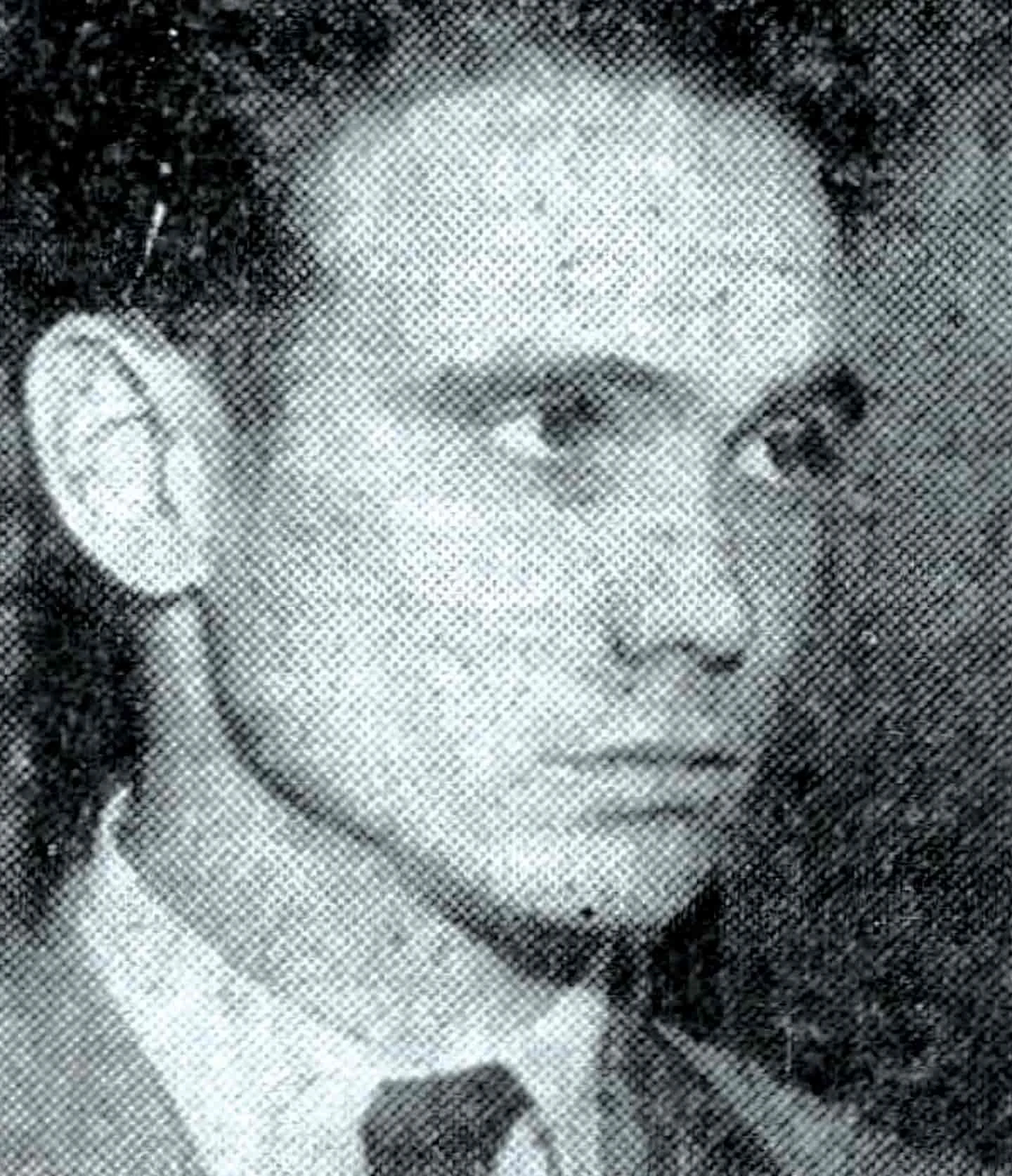
He hadn't known freedom since age 10. A 24-year-old Francis Smith featured on a newspaper front page in June 1950, just as his murder trial was getting underway.
In January 1942, at age 17, he received an indeterminate sentence at a Cheshire reformatory for breaking into three gas stations. Upon release, he was caught again for grand theft auto and burglary. He escaped after attacking a guard, but was quickly recaptured. Thus began a cycle: prison, release, prison. He was finally paroled in 1949, at age 24, with less than three months remaining on his sentence. He had never spent a single full year of his adult life as a free man.
A Murder He Maintained He Didn't Commit
On the night of July 22–23, 1949, two men broke into the Indian Harbor Yacht Club in Greenwich. Sixty-eight-year-old security guard Grover Hart confronted them. He was shot dead with two different handguns; investigators determined both intruders were armed. Before he died, Hart told police that one assailant had worn a mask, making facial identification impossible. 
On the night of July 23, 1949, 68-year-old security guard Grover Hart was shot and killed outside this Greenwich yacht club.
Five days later, police found Smith hiding in the woods near a reservoir. He gave a false name and was carrying a bottle of hair dye.
In 1950, Smith was convicted of first-degree murder, despite a complete lack of direct evidence. Accomplice George Lowden took a plea deal and pointed the finger at Smith—only to recant at trial, testifying that police had beaten him during interrogation. Another witness, Edith Springer, testified she saw both men in a stolen Cadillac containing jewelry taken from the yacht club. That proved enough for a conviction. There was nothing else linking him to the crime: no fingerprints at the scene, no murder weapon.
Eight Last Meals
From his first interrogation, Smith maintained his innocence. He insisted he had merely lent his car to Lowden and wasn't anywhere near the club that night. The court was unmoved: he was sentenced to death by the electric chair. Smith was transferred to death row at Wethersfield State Prison, an area guards dubbed "Siberia." A tiny cell measuring roughly six by eight feet became his world for years of waiting.
His execution date was set and postponed eight separate times between 1950 and 1954. Each time, a chaplain came. Each time, he was served a last meal. Each time, Smith prepared to die. The exact menus of those final suppers were never made public by prison authorities. 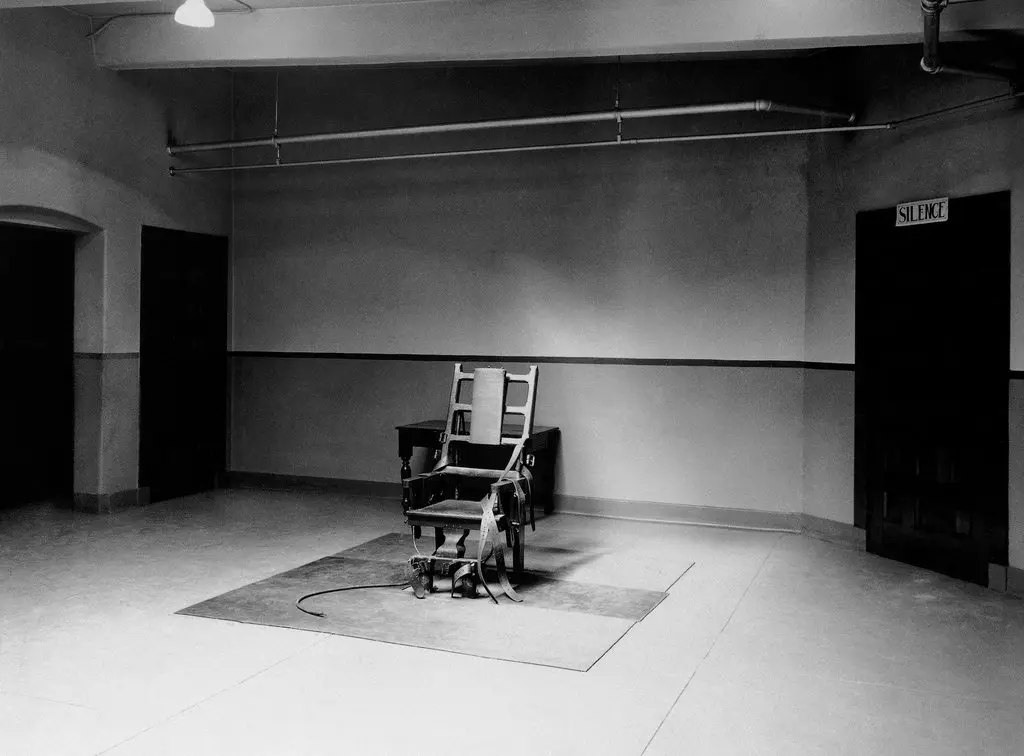
The electric chair at Wethersfield State Prison, where Smith was scheduled to die eight times. The prison was demolished in 1963.
Reasons for stays of execution kept building up. In 1951, Springer came forward to authorities in tears, confessing she had lied at trial.
"Nothing I said was true."
In 1953, David Blumetti, an inmate in Alabama, confessed that he—not Smith—was with Lowden that night, and that Smith had merely lent them the car after refusing to participate in the burglary. The judge rejected the confession, calling Blumetti a liar who simply wanted to be transferred closer to home. It was odd reasoning: confessed murder carries a heavy penalty just to secure a prison transfer.
The eighth stay proved to be his last—in a different sense. In July 1954, Smith's head was shaved for the electrodes. The chaplain spent the night with him. Then, Major Leo Carroll—the very officer who had interrogated Smith after his arrest—burst into a Board of Pardons hearing.
"I’m not even sure he was at the scene of the crime."
The man who built the case against Smith had come to save him. His death sentence was commuted to life imprisonment. The state never declared him innocent, but the system drew back from executing a man whose guilt even the lead detective questioned.
Life in a Black Box
With his death sentence commuted, hope for freedom emerged. Lawyers pushed for a retrial, and Smith submitted petition after petition. In 1954, his case reached the Connecticut Supreme Court. He requested a new trial, pointing to the recanted witness testimony and another man's confession. The court denied his appeal in a split decision. The reasoning was stark and rigid: a jury's verdict was considered final, and appellate courts would not overturn it—even if the prosecution's case unraveled after sentencing. As a legal expert later noted, that was precisely how a person could be kept behind bars for life with virtually no evidence against them. 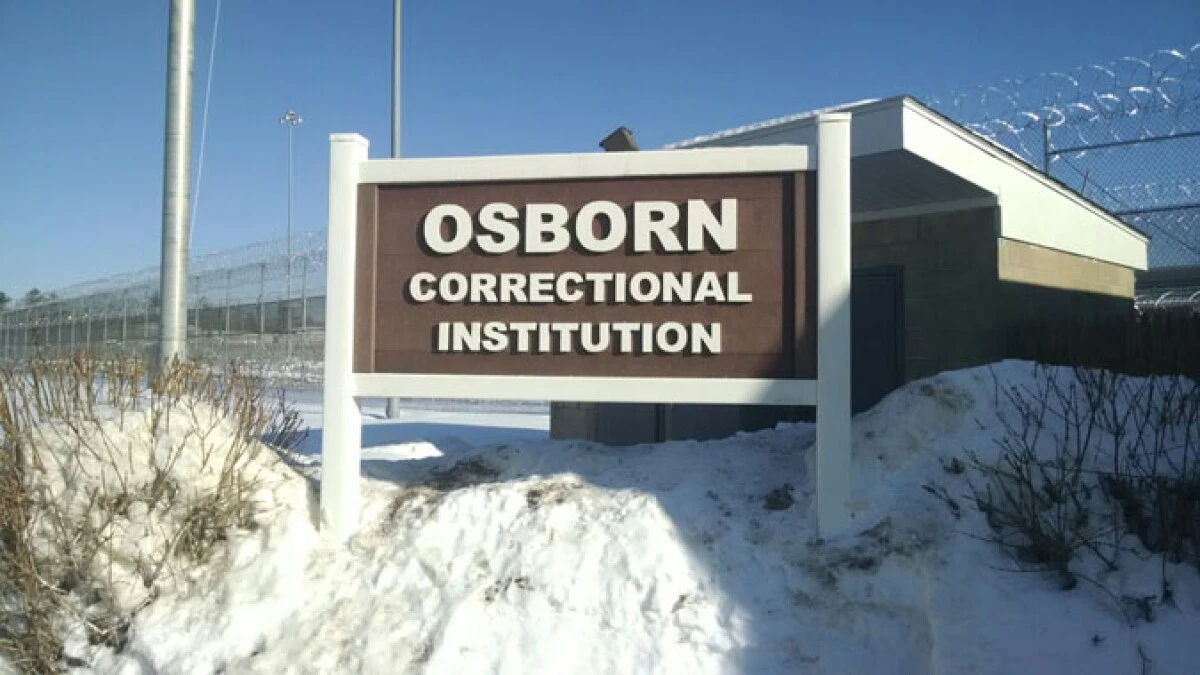
Osborn Correctional Institution in Somers, Connecticut. Smith spent his final decades here, earning the nickname "Birdman."
Throughout the 1960s, Smith worked at the Enfield minimum-security prison farm as an auto mechanic, carpenter, and window washer. In May 1967, his final federal appeal failed. Eyewitnesses recall that Smith simply snapped: he got into a truck on the farm and drove off. With no real plan, he spent 12 days on the run before being apprehended in Winthrop, Massachusetts. Along the way, he robbed a store—the only crime after 1949 he was definitively proven to have committed. 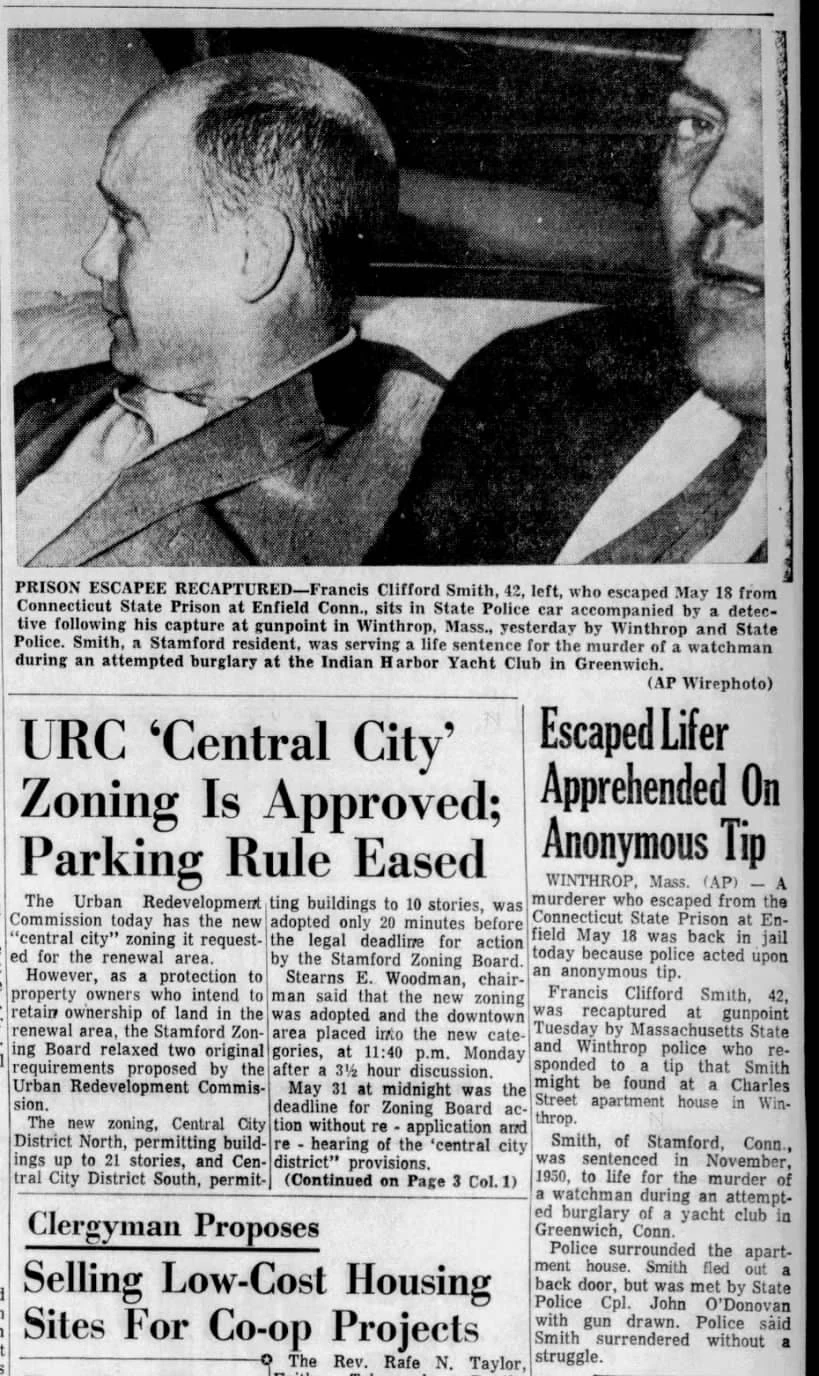
How newspapers reported Smith's capture in 1967—the only crime he was definitively proven to have committed fit into a single short article.
In 1974, prison authorities granted him a Christmas furlough. He returned voluntarily the very next day. In 1975, Smith was granted parole; he was now over fifty and knew no life outside of prison walls. Just 10 months later, he was arrested for a parole violation—the exact circumstances were never made public. Charges were dropped, yet he was sent back behind bars. Smith returned—and stopped asking for release altogether. 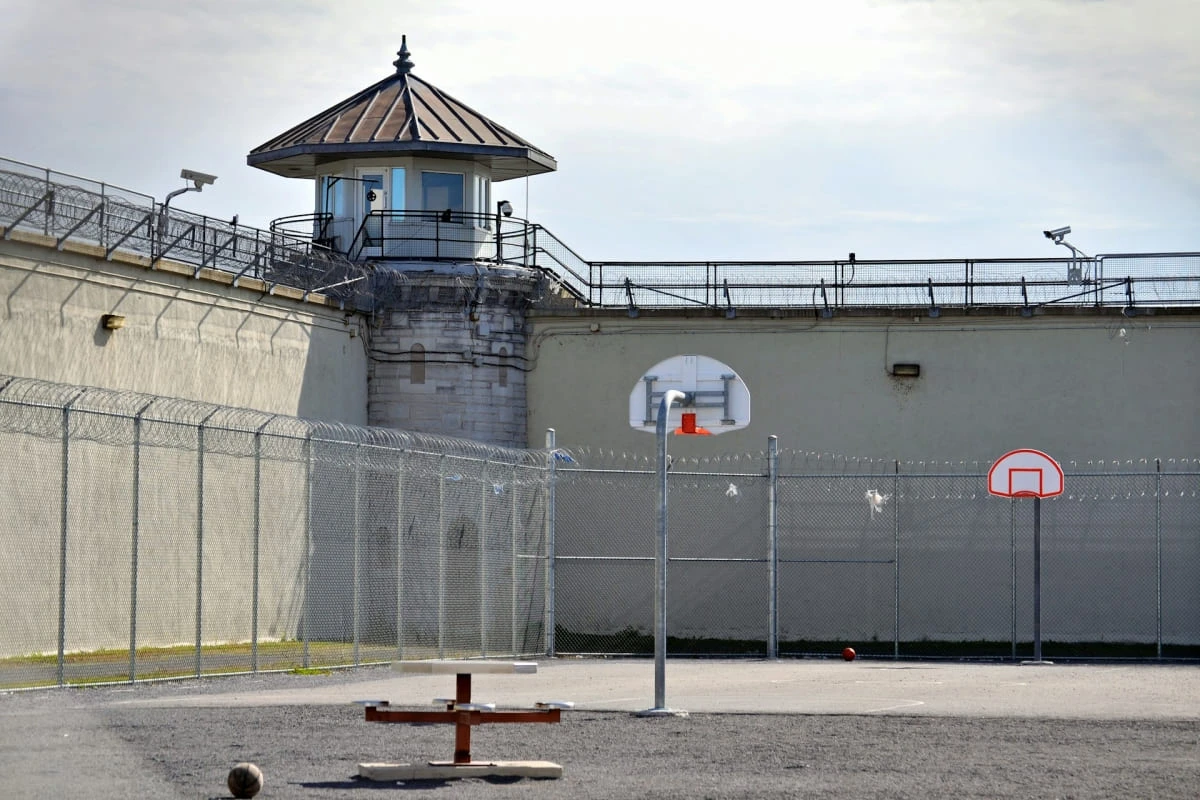
The yard at Osborn Correctional Institution. Guards knew Smith hid bread in his clothes to feed the birds and turned a blind eye.
At Osborn, he earned the nickname "Birdman." He would stash bread in his clothing and quietly feed the birds in the yard. Department of Correction spokesman Andrius Banevicius told reporters:
"He’d stuff his pockets with as much bread as he could. Everyone turned a blind eye—they knew he was just feeding the birds."
When Prison Becomes Home
After his last parole hearing in 1976, Smith's case file simply slipped through the cracks. He remained in the system, but no further hearings were held, even though state law required them every few years. Visitors stopped coming after the 1970s. In 1984, Smith filed a grievance alleging guards were turning away his family. An official letter informed him:
"No one has visited you since 1979. The last person was your attorney."
In 2012, Richard Sparaco, an official with the Connecticut Board of Pardons and Paroles, stumbled upon Smith's file. At first, he assumed it was a mistake—a case couldn't go over thirty years without a hearing. He dispatched an inspector to see Smith. Smith threw the inspector out of his cell. As Sparaco later admitted, "He didn't want to hear anything about parole." 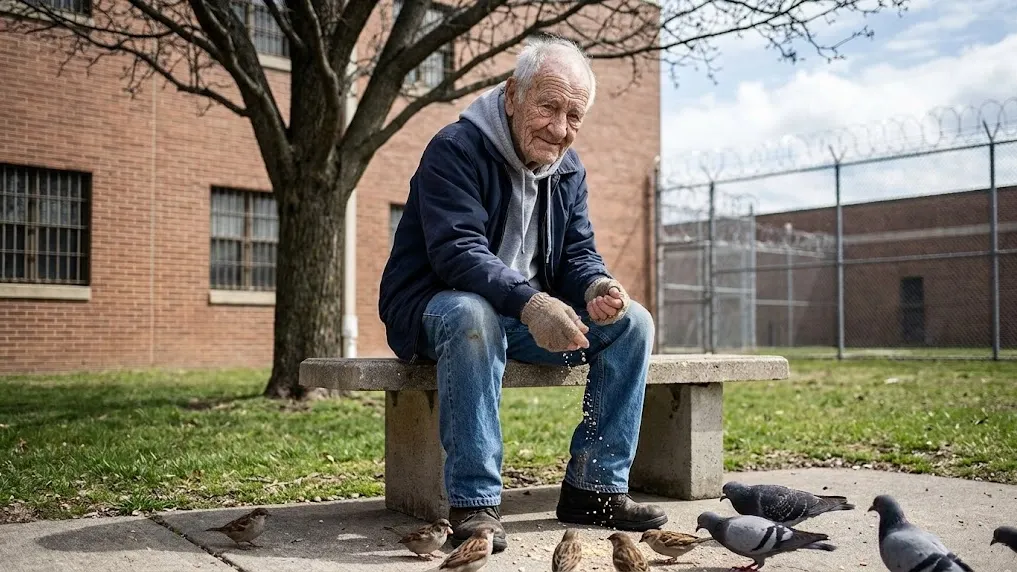
Smith was incarcerated for so long that everyone he had known before his conviction had passed away.
Psychologists call this phenomenon institutionalization or "prisonization." First coined by sociologist Donald Clemmer in 1940, it describes how inmates absorb the values, roles, and routines of prison life to the point where the outside world loses its appeal. Researcher Craig Haney of the University of California, Santa Cruz, documented its classic effects: reliance on institutional structure, hypervigilance, and deep social withdrawal. A person doesn't simply "choose" to stay behind bars; they genuinely no longer know how to live anywhere else. 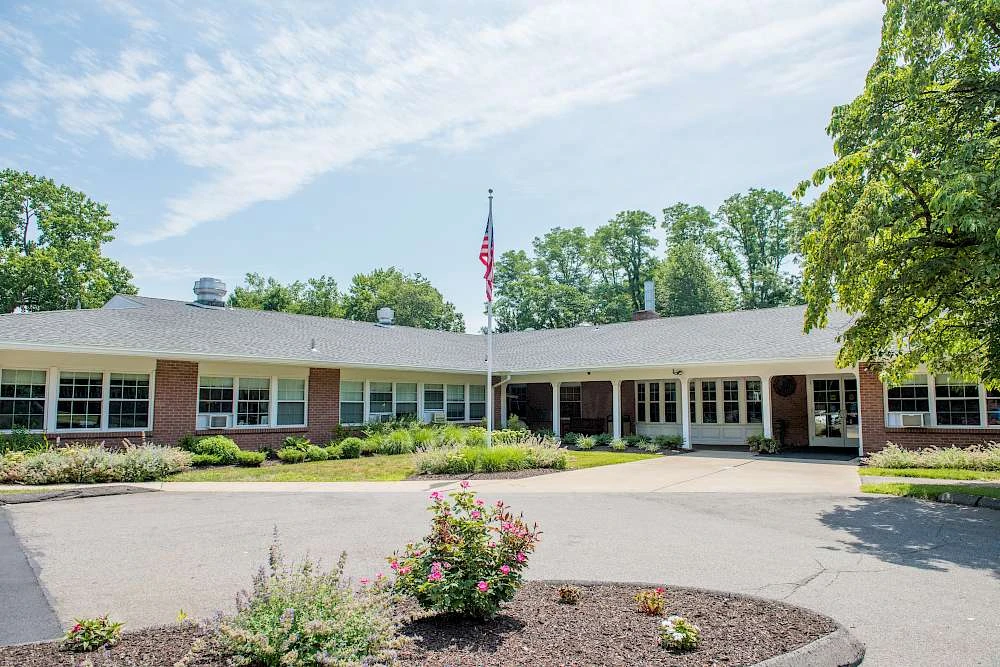
The 60 West facility in Rocky Hill is one of only three specialized nursing homes for justice-involved seniors in the U.S. Northeast.
Smith put it simply:
"I’ve spent my whole life locked up. I just take it one day at a time—wherever the road leads."
In a 2023 interview with The Boston Globe, he refused to talk about most of his decades in prison. But he kept circling back to the electric chair in 1954, rocking back and forth in his chair without realizing he was doing it.
"It fries you," he repeated. "It fries you."
Final Years and a Quiet Death
By 2020, Smith was 95 years old. Having previously turned down parole hearings, he finally agreed to one, telling The Boston Globe simply that he’d "been here a long time" and was 95. On July 7, 2020, he was paroled to 60 West—a secure nursing home in Rocky Hill, Connecticut, for elderly individuals from the criminal justice system. Smith was among its very first residents. 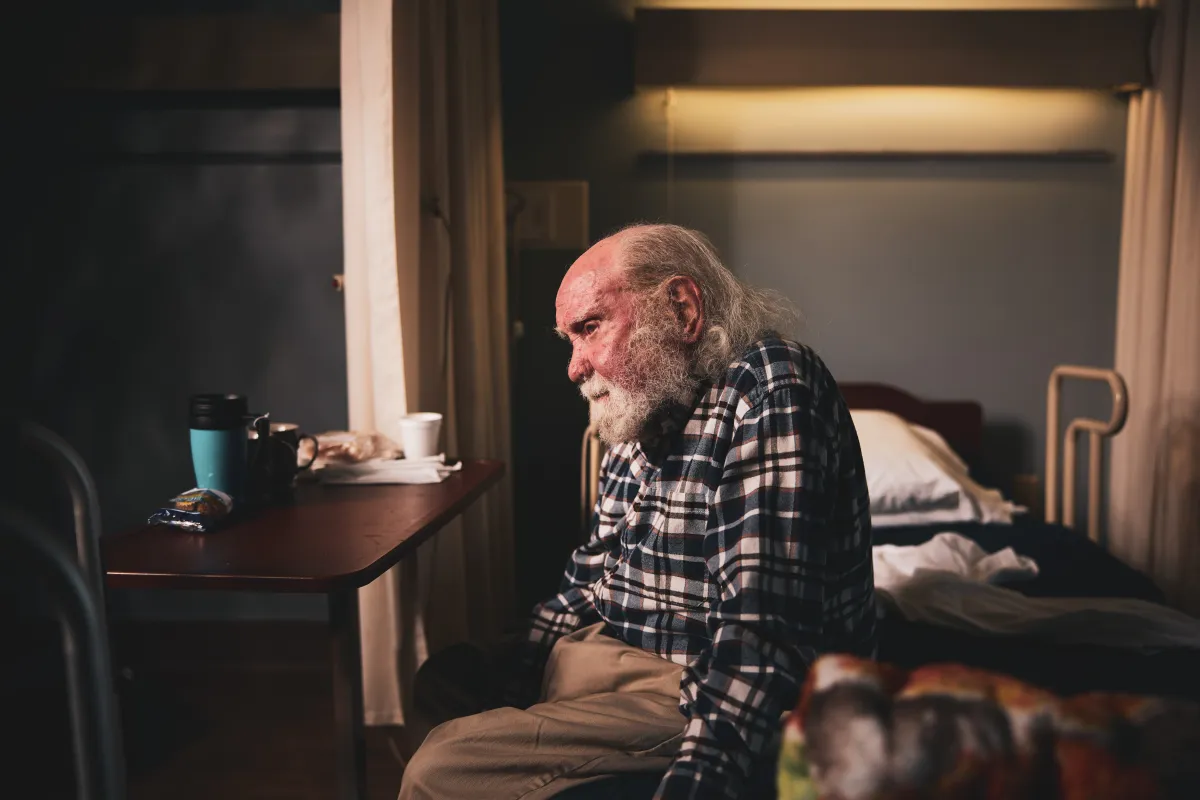
Smith in his room at 60 West in 2023. Photo by Jared Charney for The Boston Globe—one of the last portraits taken of him.
On paper, he was free. In reality, he had merely moved from one secure institution to another. While technically permitted to go for walks or travel to a neighboring town with permission, Smith never did. As dementia set in, he lived increasingly in the 1940s and 1950s, refusing to discuss his decades in prison and repeatedly fixating on the electric chair.
His sister, Joyce Lavatori, had never told her children she had a brother in prison. His niece, Jessica Mancini of Ridgefield, only learned he existed near the end of his life.
"It's sad he had no family," she said. "Just nurses." 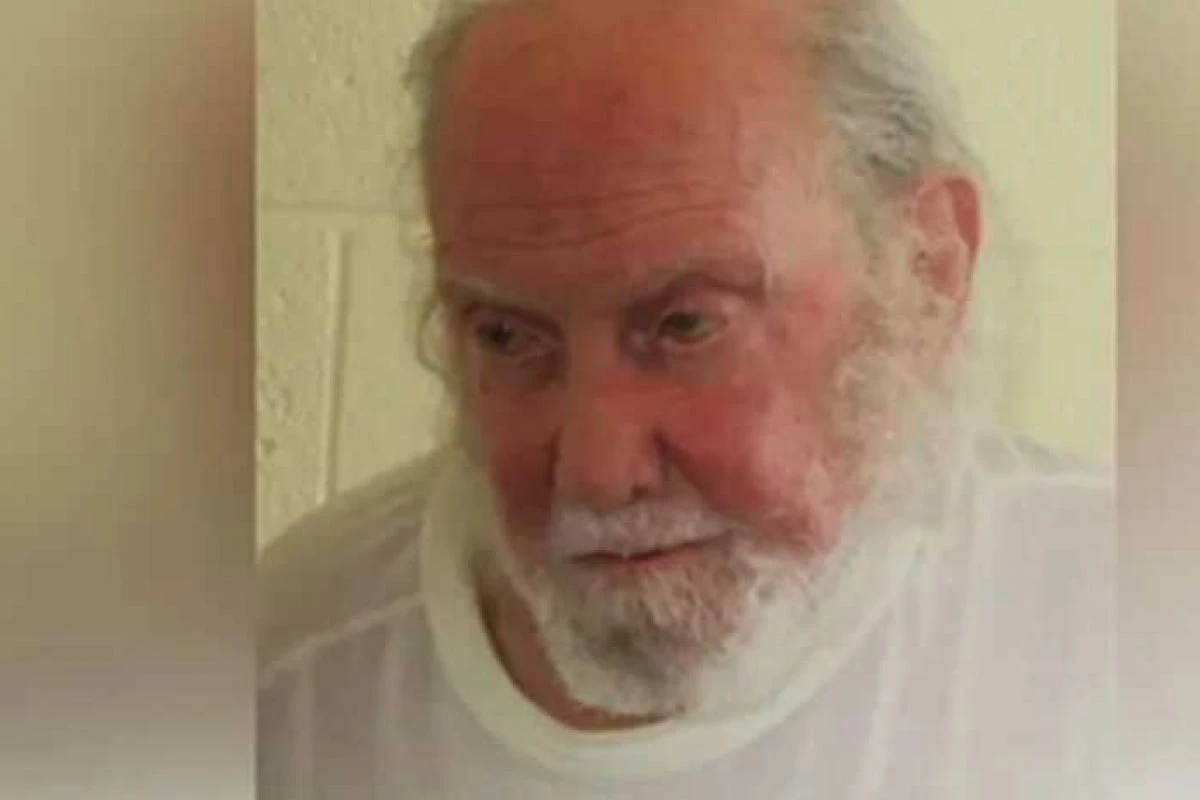
One of the last photos of Smith. He claimed his hair never grew back properly after his head was shaved in 1954.
On June 25, 2026, Smith died in his sleep, just months short of his 102nd birthday. David Skokelek, a spokesperson for 60 West, told reporters:
"Essentially, he died of old age. While there was virtually no family present, we ensured everything was handled with dignity, according to his wishes."
His body was cremated. There was no funeral service.
A Record Hard to Call a Victory
Between juvenile reformatories, adult prisons, and the secure nursing facility, Smith spent roughly 85 years in the correctional system. For the murder of Grover Hart alone, he spent 70 years and 31 days in custody—an official U.S. record for the longest sentence served. 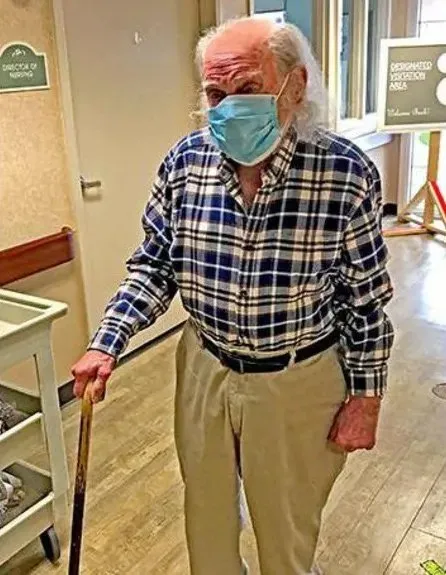
Even in old age, Smith's status remained unchanged: an inmate, not a free man.
Others near the top of that list include Paul Geidel of New York, who served 68 years before his release in 1980, and Walter Bourke of New York, who served 69 years before being freed in January 2025. Smith surpassed them both. Yet the key difference lies not in the numbers, but in the mindset: most long-serving inmates fight relentlessly for freedom. Smith actively turned it down.
Can what happened in 2020 really be called freedom? Smith was transferred to a facility with specialized medical care and controlled supervision, remaining on parole until his final breath. Official Connecticut records listed him as a paroled inmate in a nursing home until the day he died. 
Advanced age is no guarantee of freedom: in the U.S., elderly inmates frequently remain in custody until death.
To the very end, Smith maintained he was innocent. "They’re keeping me here without any proof," he told The Boston Globe in 2023. Whether he was guilty is a question the justice system never definitively resolved. Whether he was ever truly free is just as uncomfortable a question.
What do you think: can a person truly be considered free if they no longer wish to be?