The ocelot (Leopardus pardalis), also known as the dwarf leopard, is native to South and Central America and Mexico, though sightings have also been reported in Texas and Trinidad. Resembling a domestic house cat in appearance, its coat features patterns similar to those of a leopard or jaguar. Once highly prized by the fur trade, these striking coats led to hundreds of thousands of ocelots being hunted for their pelts. 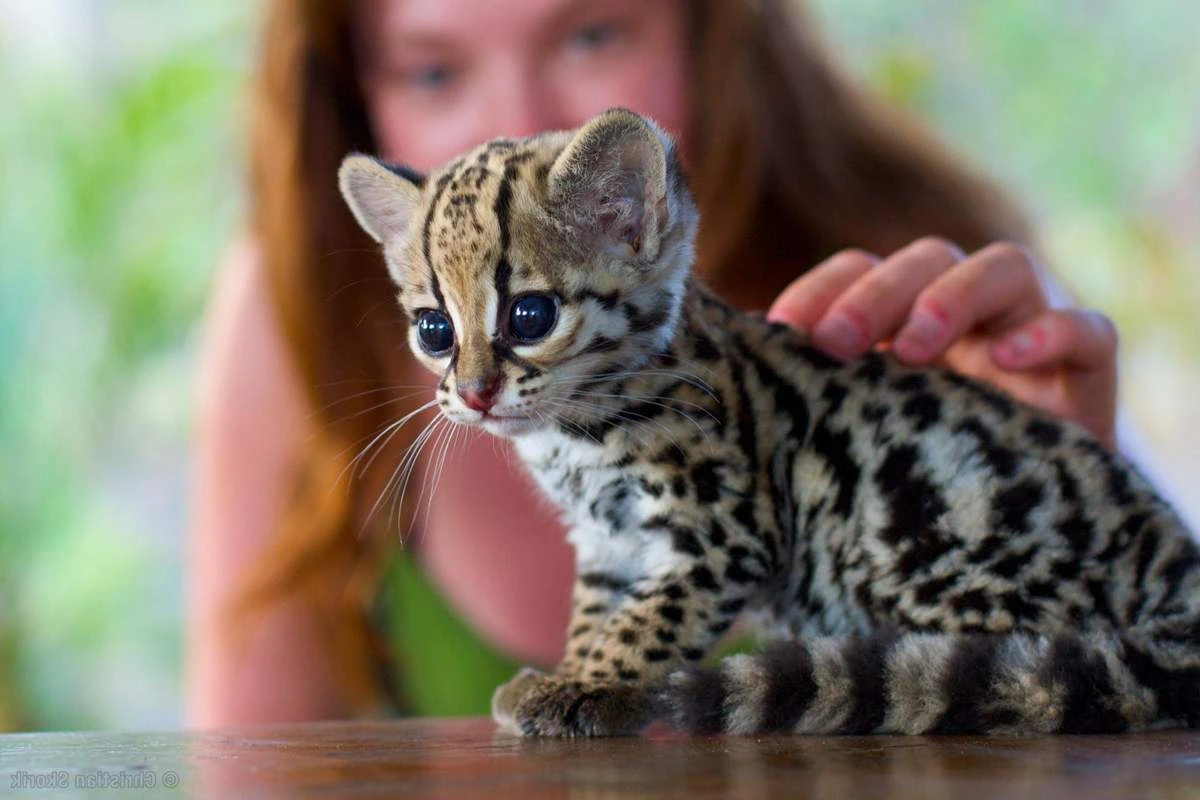
From 1972 to 1996, this wild cat was classified as an endangered species, but by 2008, its IUCN Red List status was updated to "Least Concern." Below, you'll find 30 stunning photos of this magnificent creature alongside a few fascinating facts. 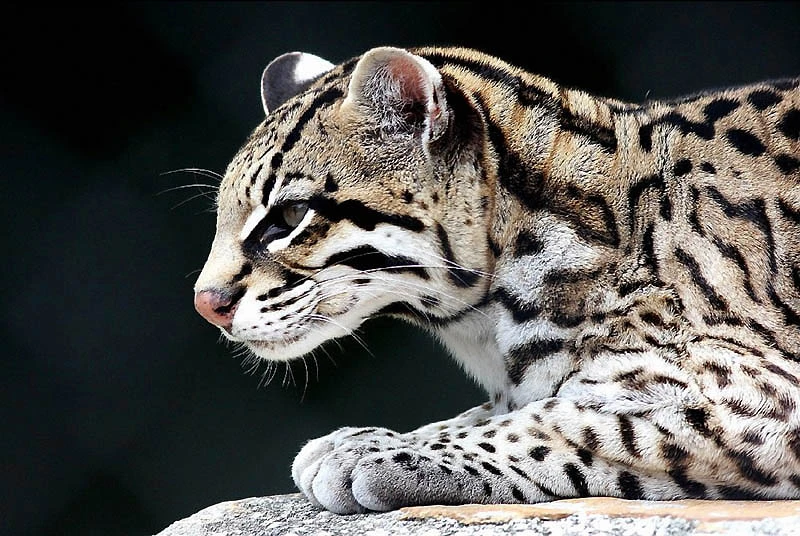
1. The ocelot's scientific name is Leopardus pardalis. Native to South and Central America, all cats in this genus are spotted, agile, and small—with the ocelot being the largest of them all. (FLASHFLOOD STUDIOS) 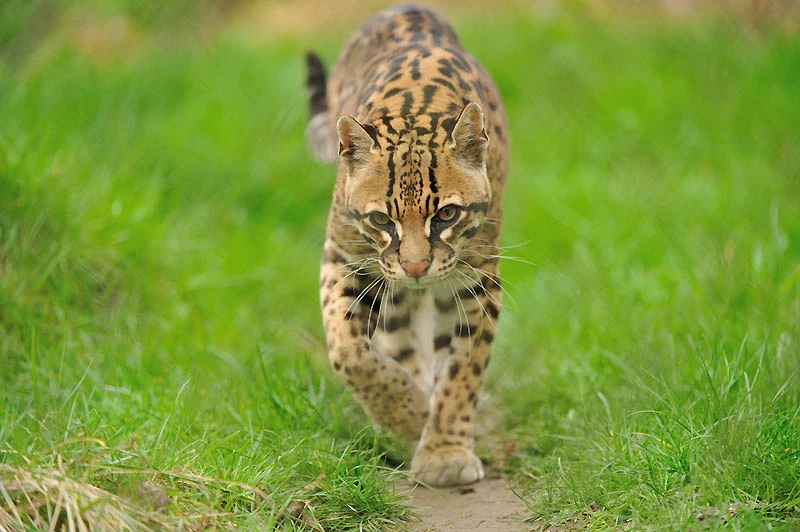
2. Ocelots range from 68 to 100 cm in body length, with a tail length of 26–45 cm. They weigh between 8 and 18 kg. (ANNE-MARIE KALUS) 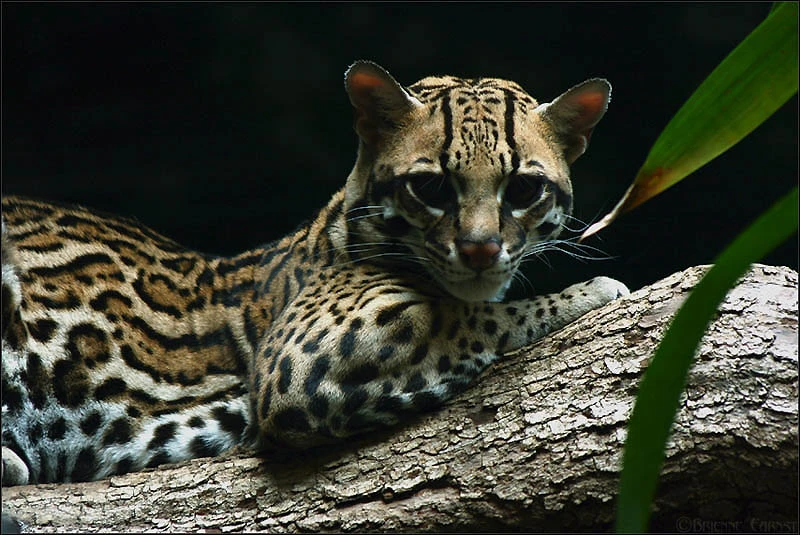
3. The ocelot is the largest member of the genus Leopardus. (BRIENNE EARNST) 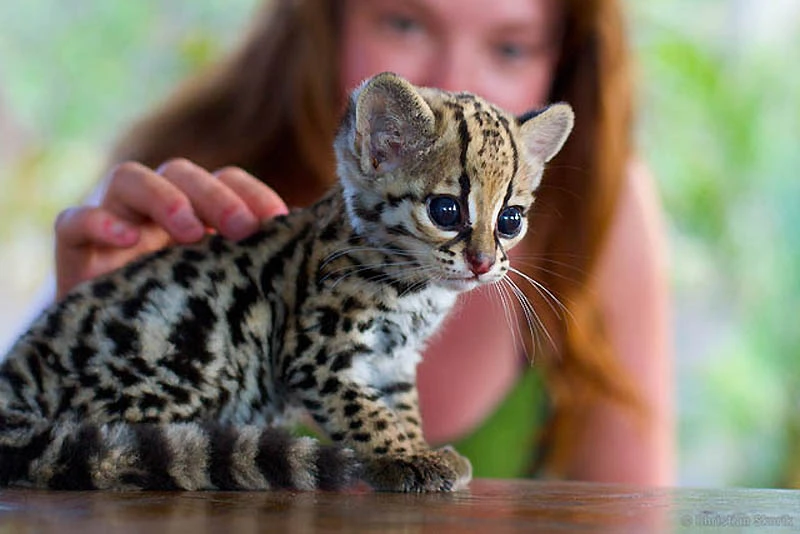
4. Ocelots boast sleek fur, rounded ears, and relatively large front paws. (Reddit) 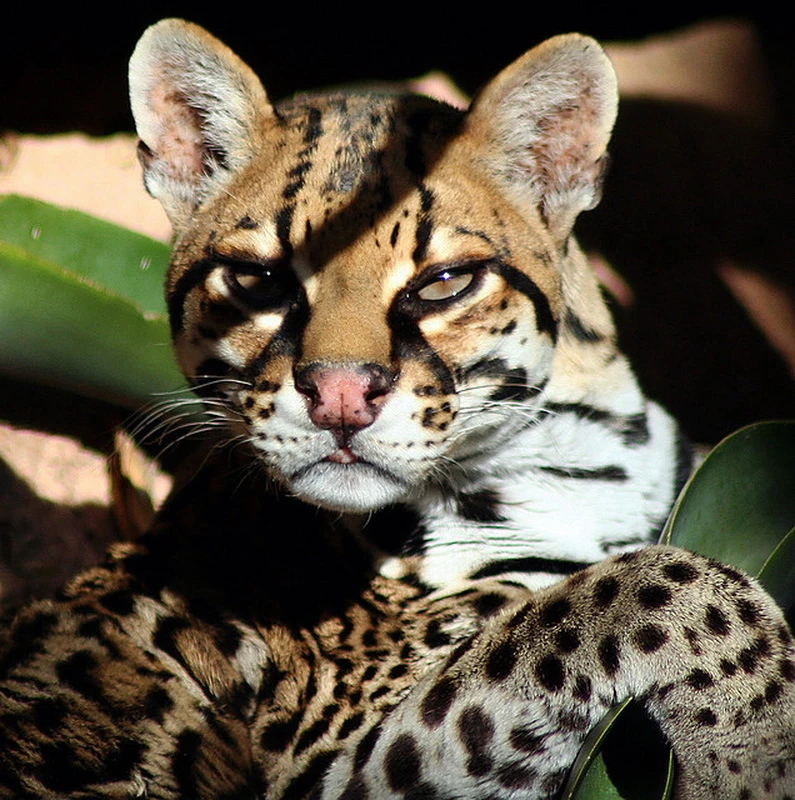
5. Ocelots are primarily nocturnal and fiercely territorial. (WAYNE DUMBLETON) 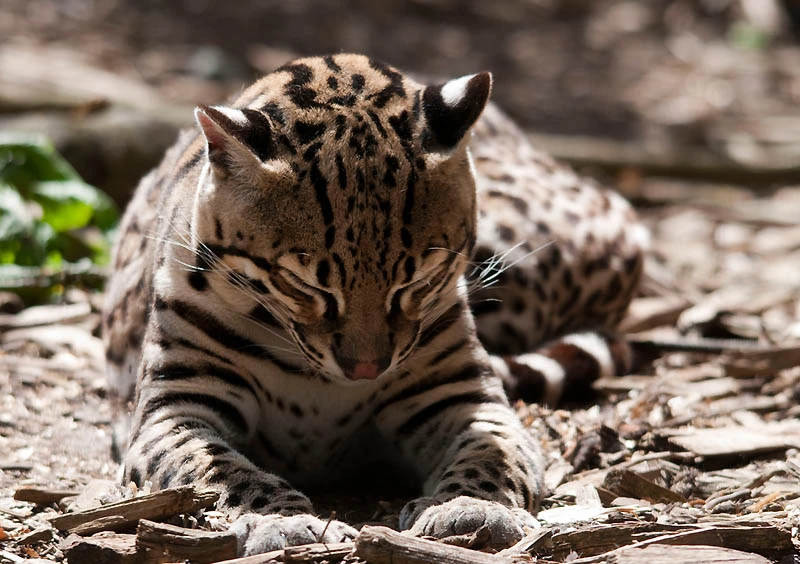
6. They will defend their territory aggressively, sometimes fighting to the death. (JIM NICHOLSON) 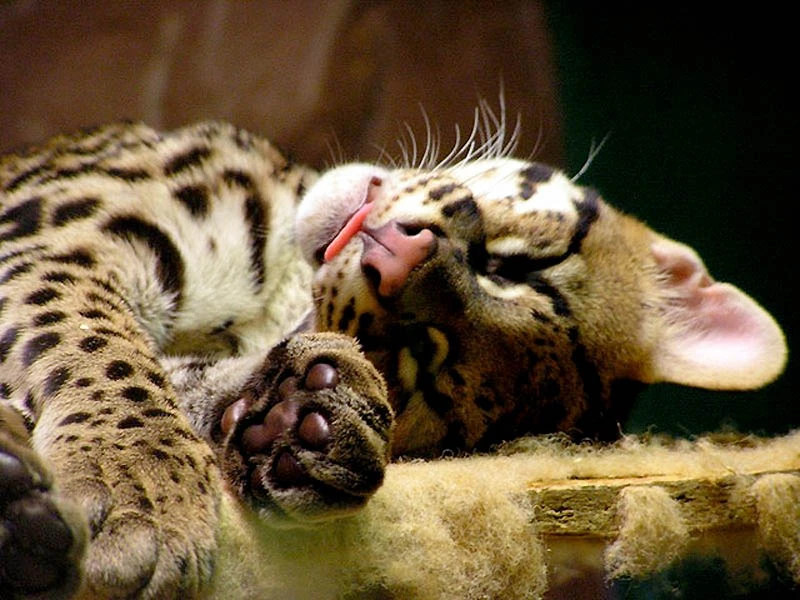
7. In addition, ocelots meticulously mark their territory with urine. (DAVID RIVERA) 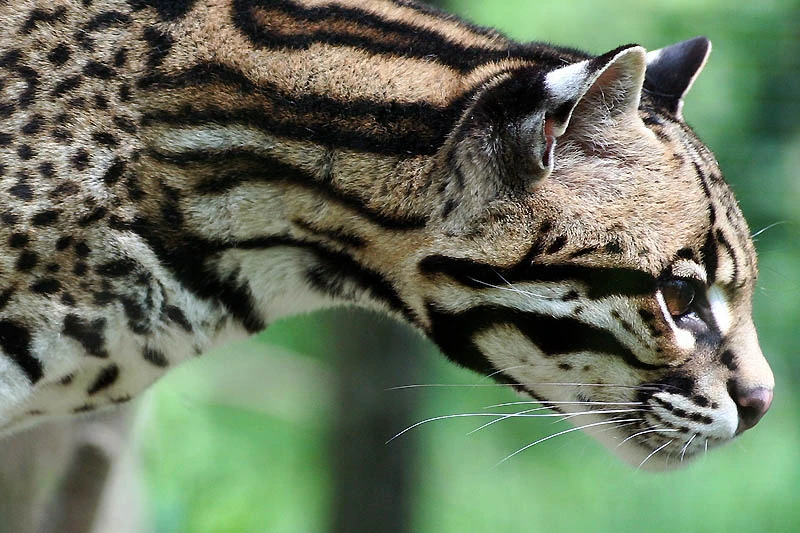
8. Like most felines, ocelots are solitary creatures, gathering only to mate. (Hotel Lyric) 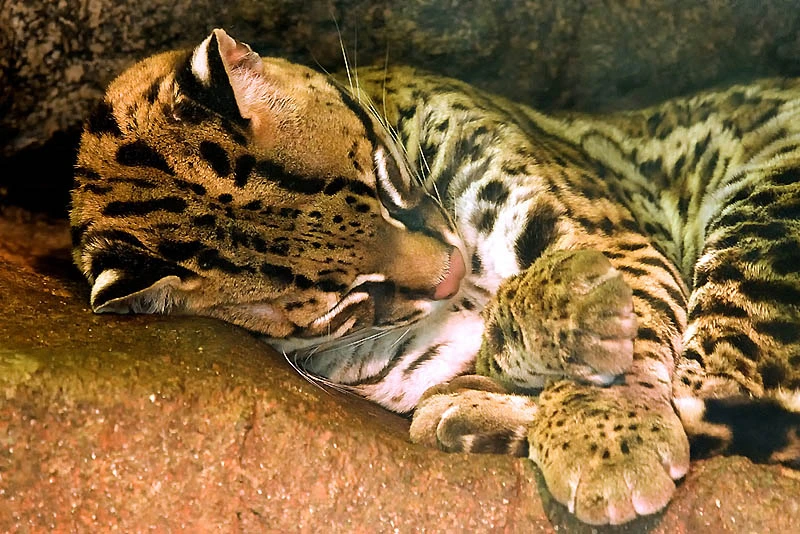
9. During the day, these cats sleep in trees or dense foliage, occasionally sharing a resting spot with another member of the same sex. (E_MONK) 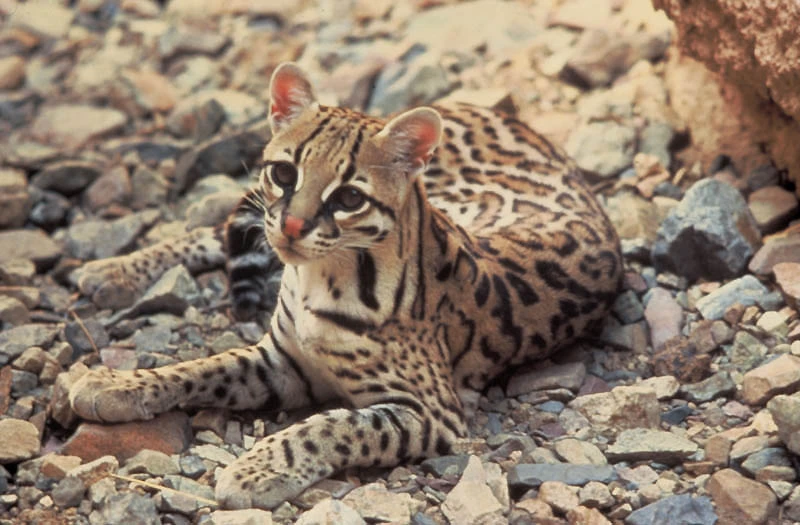
10. Males command territories ranging from 3.5 to 40 km², while females occupy smaller, non-overlapping ranges of 0.8 to 15 km². (TOM SMYLIE, US Fish & Wildlife Service) 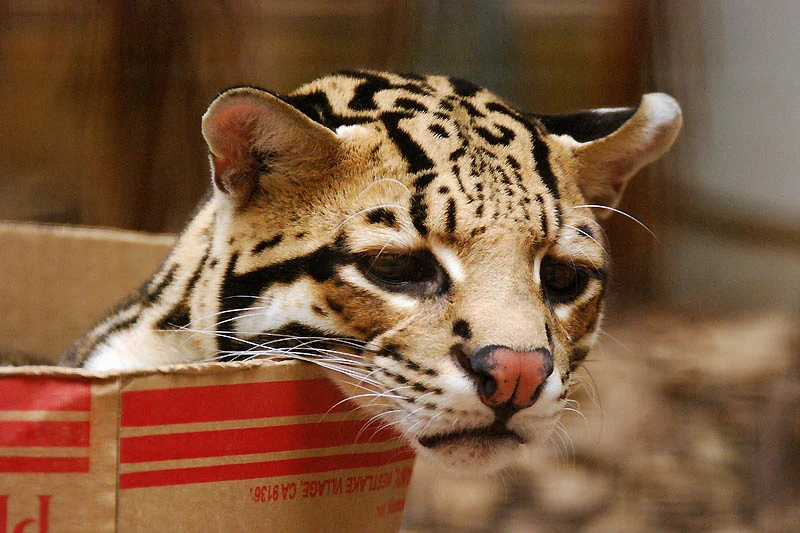
11. Ocelots hunt across a territory of up to 18 km², preying mostly on small mammals (various rodents), reptiles and amphibians (lizards, turtles, and frogs), crabs, birds, and fish. (LOOPY PHOTOS) 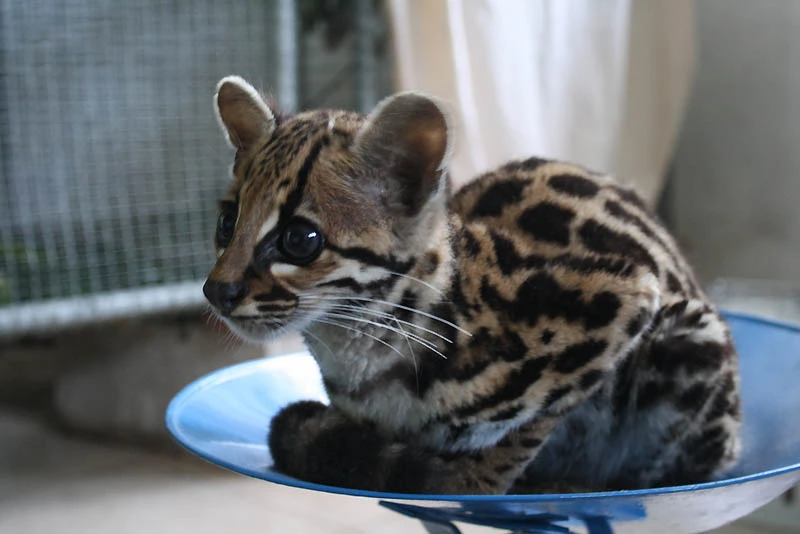
12. Ocelots target smaller prey—rodents, rabbits, and opossums make up the bulk of their diet. (FLOR DE LA AMAZONIA) 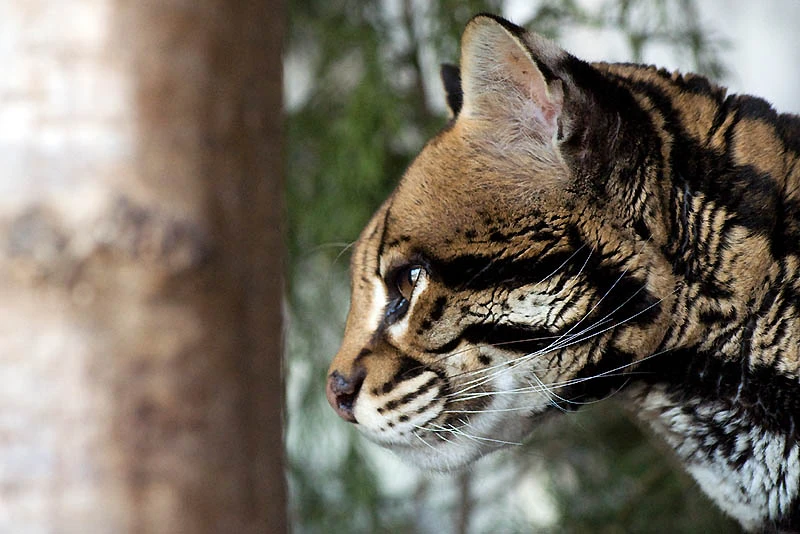
13. Compared to other small wild cats, ocelot kittens mature remarkably slowly. (TIM CHEESMAN) 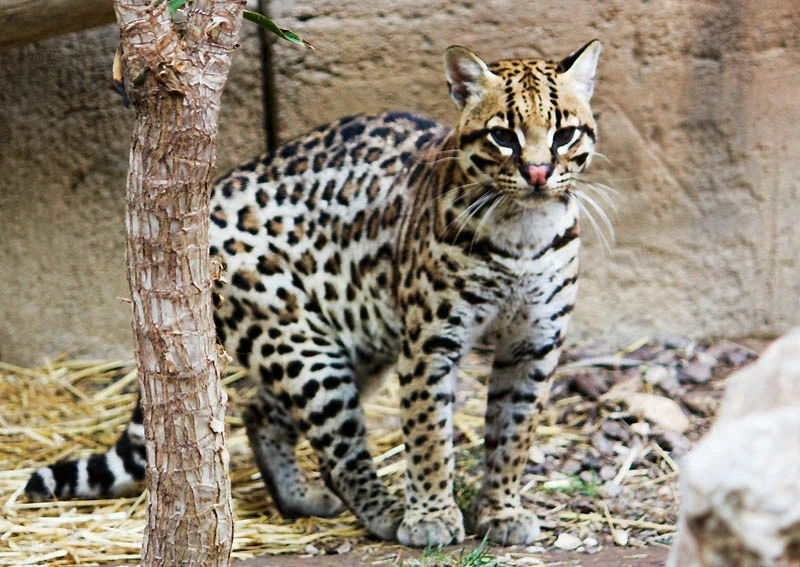
14. At birth, kittens weigh around 250 grams and do not open their eyes until 15 to 18 days later. (GLENN SHOEMAKE) 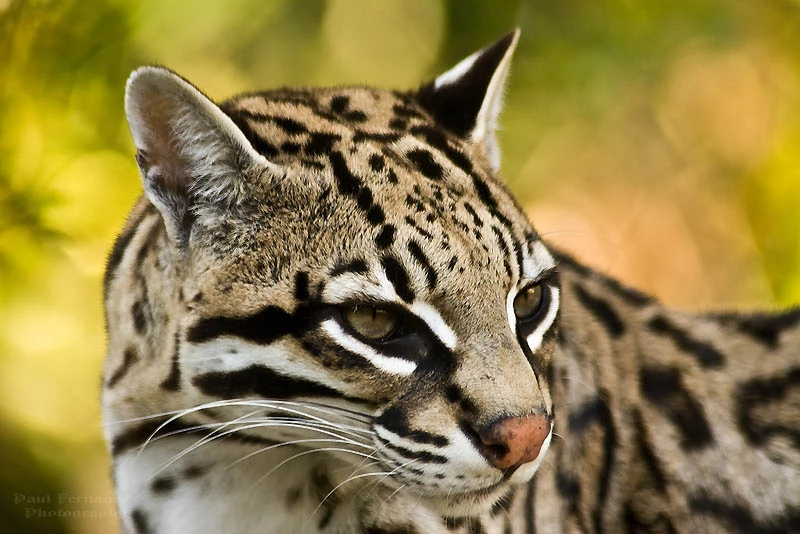
15. They start venturing out of the den at three months old but stay with their mother for up to two years before setting off to claim their own territory. (PAUL FERNANDEZ) 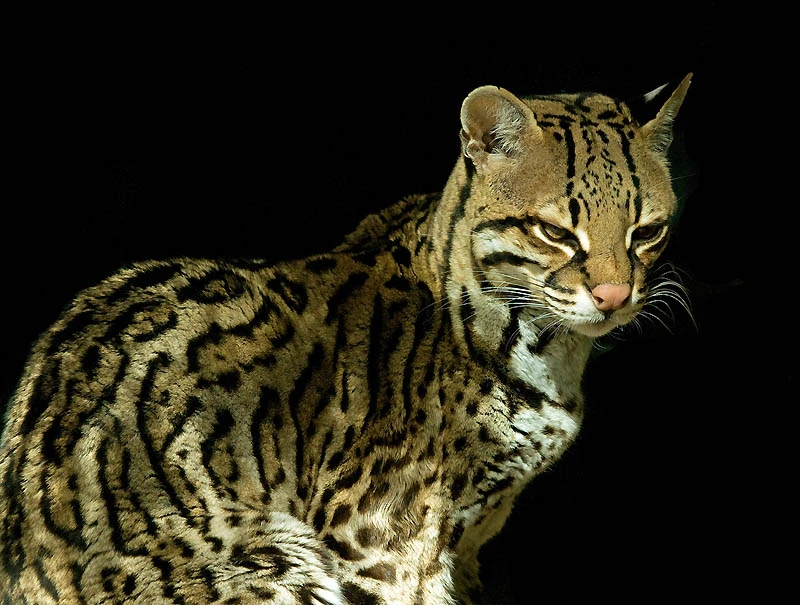
16. In captivity, ocelots can live for up to 20 years. (E_MONK) 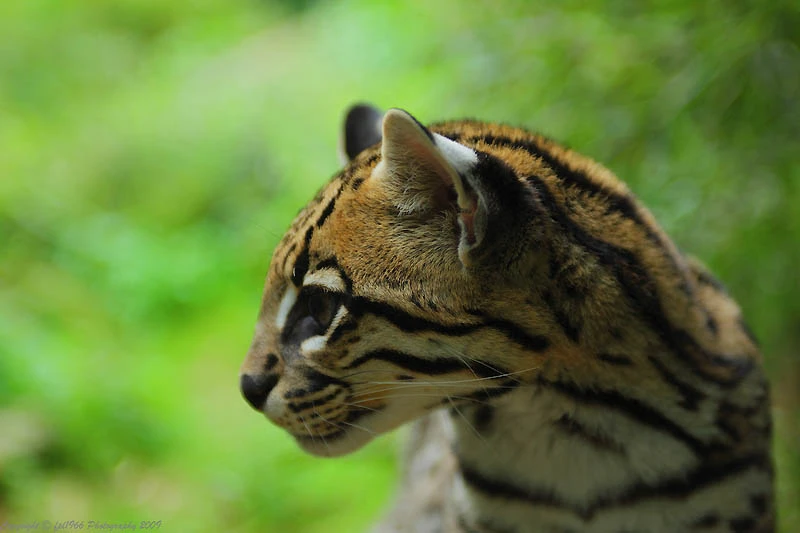
17. Like many wild cats, ocelots have occasionally been kept as exotic pets. (FILIPPO PHOTOS) 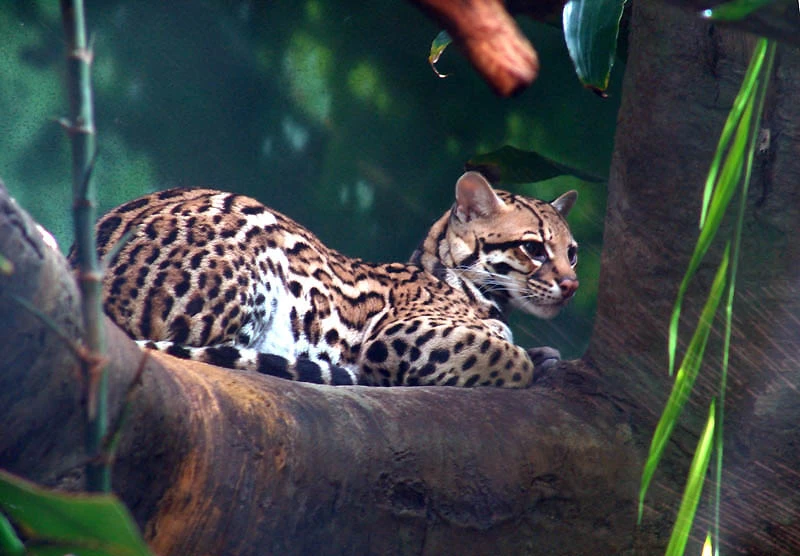
18. Salvador Dalí frequently traveled with his pet ocelot, Babou, even taking the cat aboard the luxury ocean liner SS France. (DANLEO) 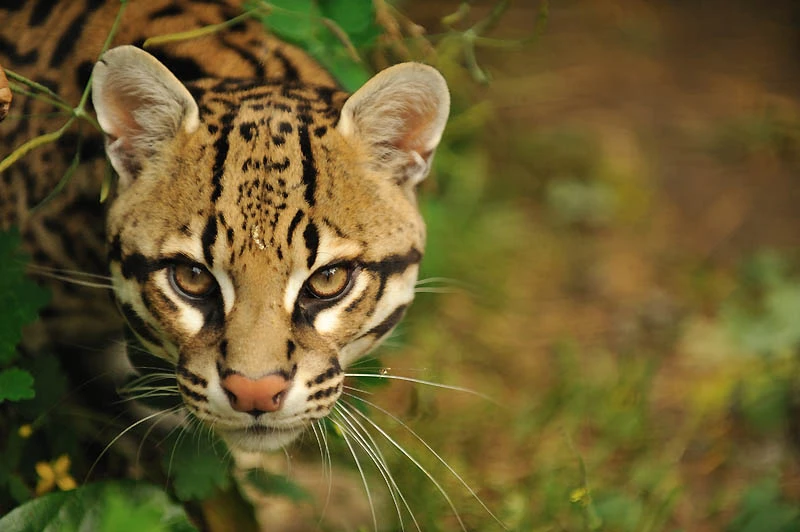
19. Musician Gram Parsons kept an ocelot in the backyard of his Florida home in the mid-1960s. (ANNE-MARIE KALUS) 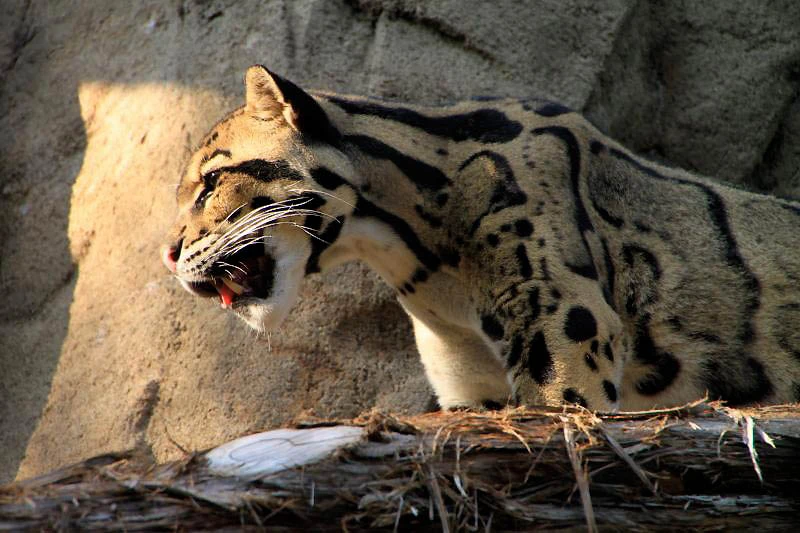
20. The Moche people of ancient Peru worshipped these animals, frequently depicting them in their art. (B. TSE) 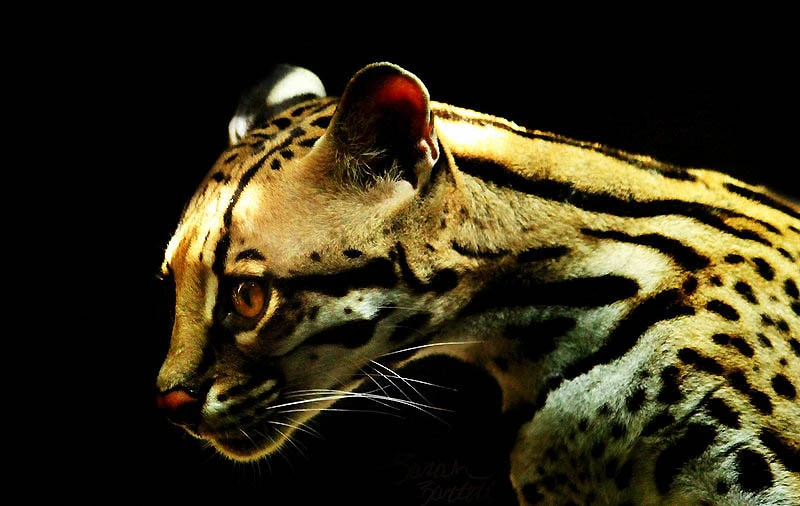
21. The Usulután Department in El Salvador owes its name to the ocelot—in Nahuatl, it translates to "city of ocelots." (NATUREPUNK) 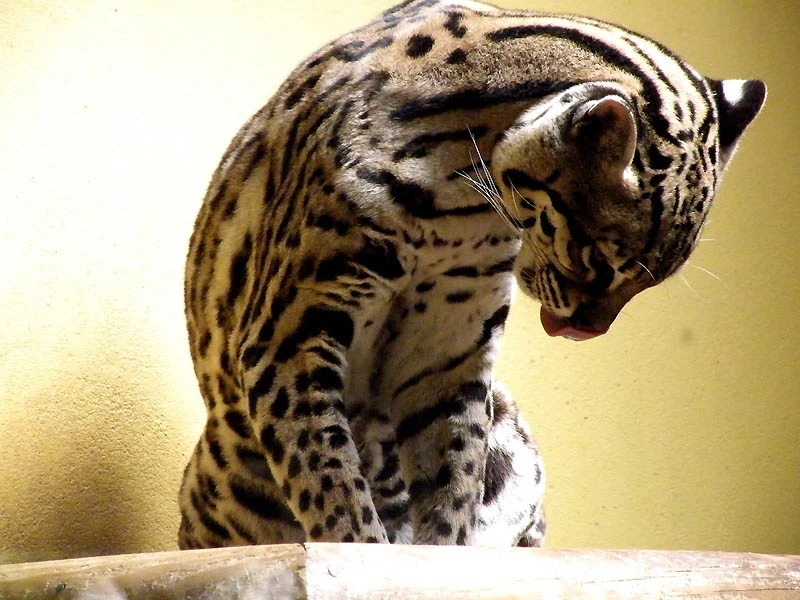
22. Ocelot fur was a highly sought-after commodity for decades. For instance, in 1969, over 133,000 pelts were imported into the US. By the 1980s, ocelot fur coats sold for up to $40,000, while live ocelots were sold as pets for around $800. (JANIS SMITH) 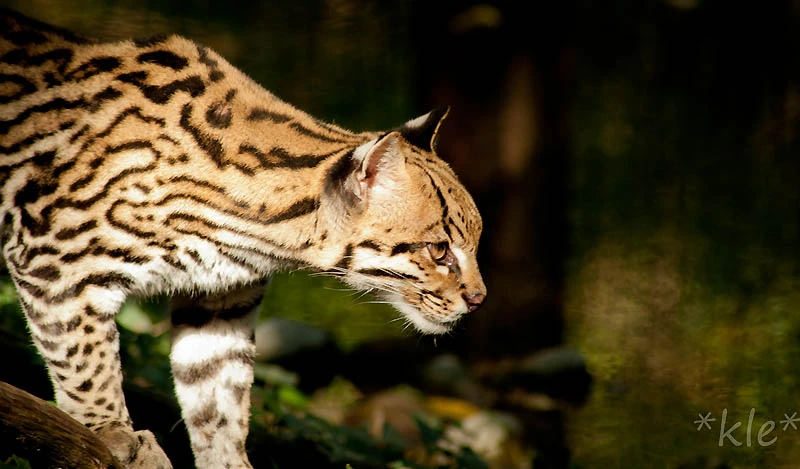
23. Due to intensive hunting, the ocelot became extremely rare. Thanks to international treaties, hunting ocelots and trading products made from them are now strictly prohibited. (*KLELIA) 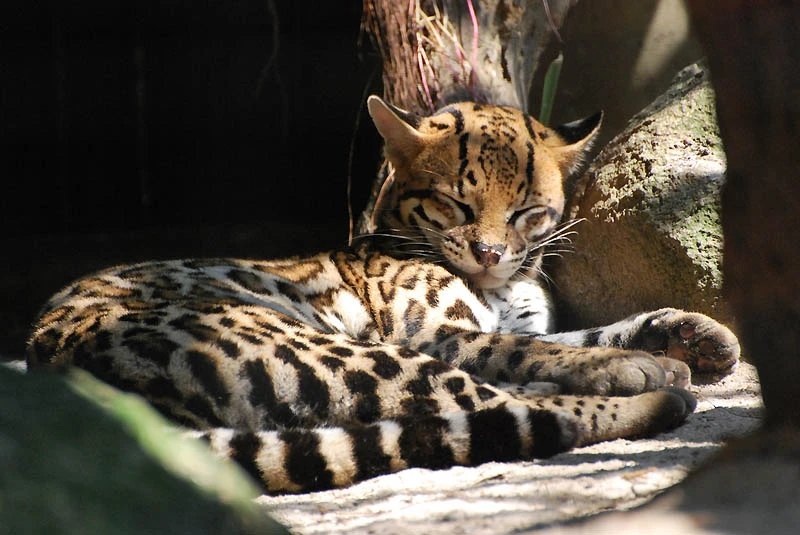
24. (MARIKA BELL) 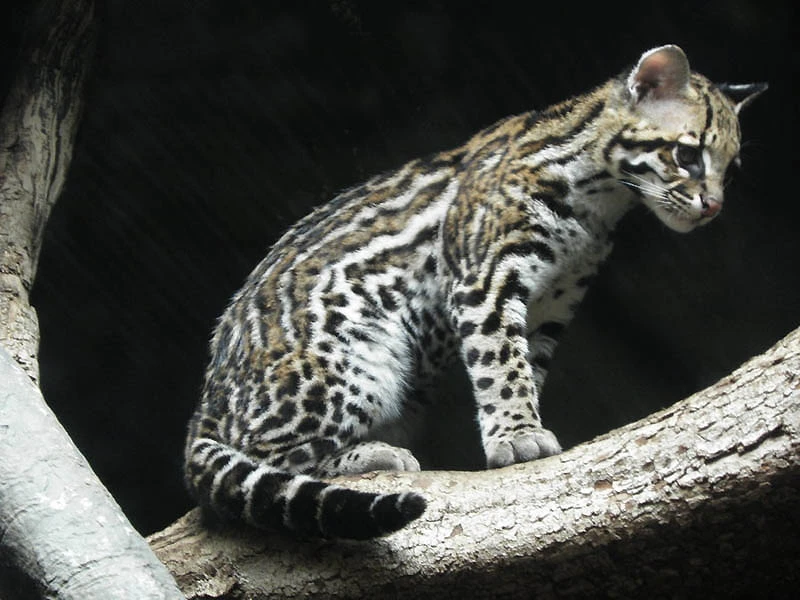
25. (Canislupuscorax) 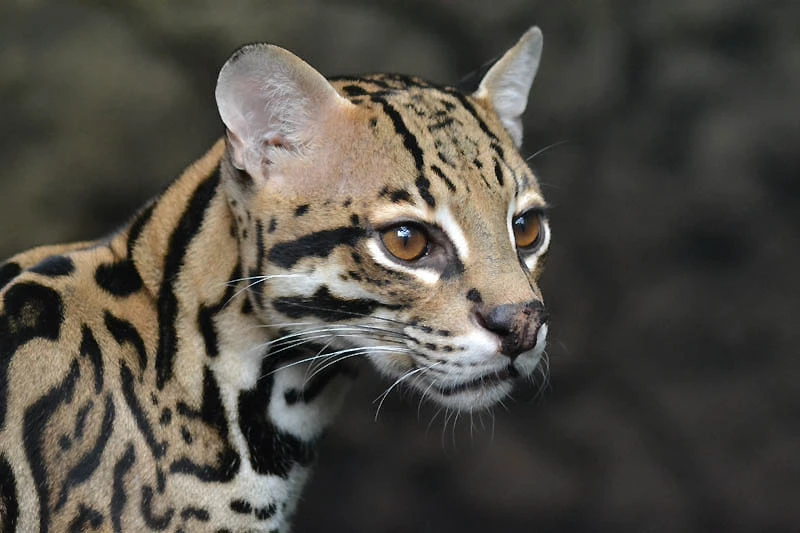
26. (MidnightGiraffe) 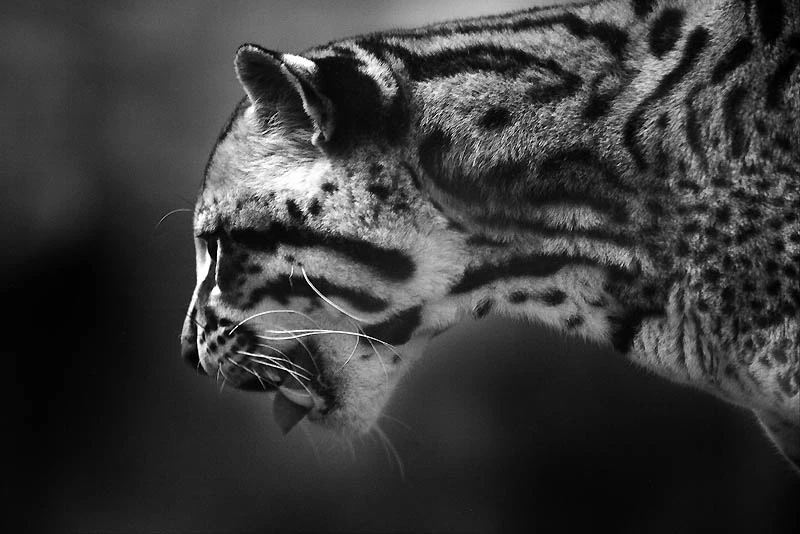
27. (RORY O’BRYEN) 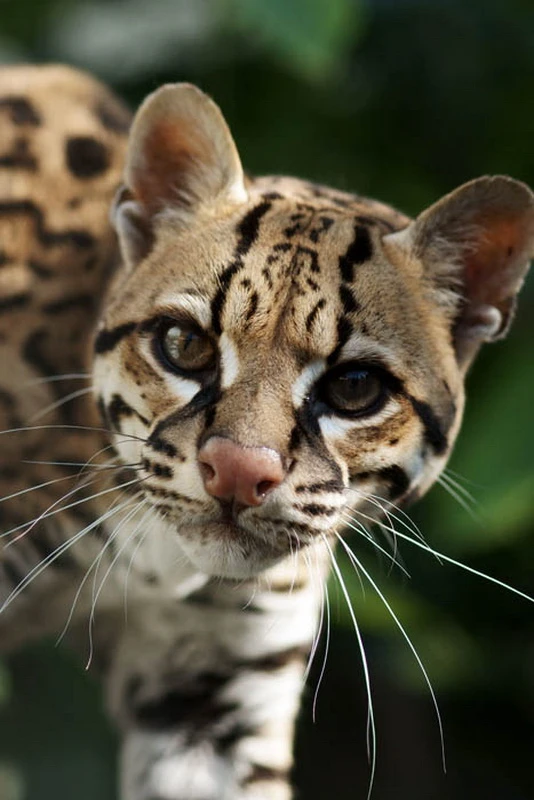
28. (CJCHMIEL) 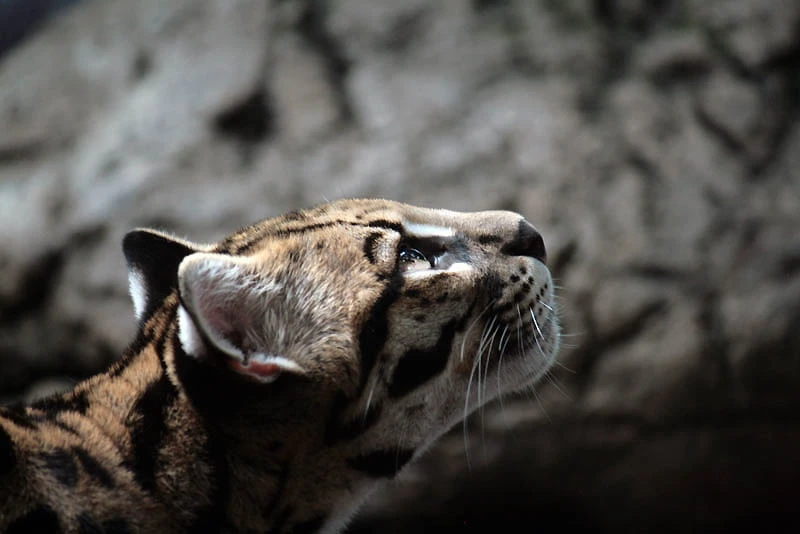
29. (AmurLeopard) 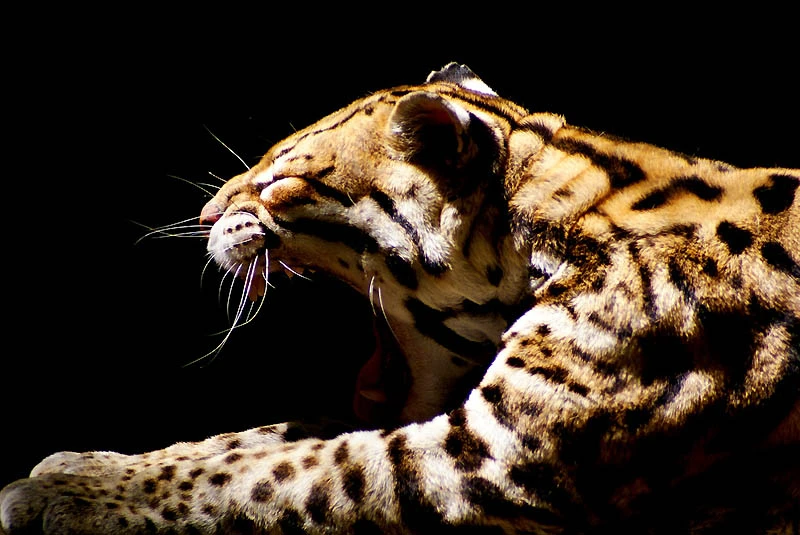
30. (JIM COX PHOTOGRAPHY)
Add your comment
You might be interested in:













17 Photos That Will Stop You in Your Tracks (18 Photos)

Behind the Camera on 'Back to the Future' (45 Photos)

What Would Happen to a Human on Every Planet in the Solar

22 Examples of Pure Design Genius That Deserve a Huge

The Sexual Customs of the Vikings: Why an Older Partner Was

Stunning Views of the Martian Horizon from 400 Kilometers

20+ Fascinating Photos of Rare and Unusual Sightings (40

50 Incredible Treasures People Rescued From the Trash (51

Hard to Believe Your Eyes: 20 Unreal Photos With
