The Mysterious Death of Elisa Lam: Accident, Murder, or the Curse of an Old Hotel? (17 photos)
In 2013, a baffling mystery shook Los Angeles—one that continues to haunt true crime enthusiasts and mystery lovers to this day. 21-year-old Canadian student Elisa Lam vanished without a trace from the Cecil Hotel. Nearly three weeks later, her body was discovered inside a rooftop water tank. Surveillance footage showing her bizarre behavior in an elevator went viral, sparking countless theories ranging from a tragic accident to paranormal forces. What really happened to Elisa Lam? Here is a deep dive into this chilling story of riddles and haunting coincidences. 
A Mysterious Death on the Roof
In February 2013, news of 21-year-old Elisa Lam's death swept through Los Angeles. In a sprawling metropolis where hundreds of people die daily from various causes, death is a tragic reality of city life. Yet this case was uniquely disturbing, baffling, and downright eerie.
Her body was found inside a water tank on the roof of the Cecil Hotel, a cistern supplying water to the building. Elisa was unclothed, with her belongings floating nearby. There was no physical evidence indicating foul play or murder. One might assume she had chosen a bizarre method of taking her own life, but unsettling security camera footage cast serious doubt on that theory. 
Elisa Lam
Weeks of intense investigation by Los Angeles' top detectives yielded no answers. The Elisa Lam case became more than just an unsolved mystery; it spawned endless urban legends and internet lore. Today, the case is officially closed, her death ruled an accidental drowning. But is that really the whole story?
A Student from Vancouver
Born in Vancouver, Canada, in 1991 to immigrants from Hong Kong, Elisa Lam was a psychology student at the University of British Columbia with dreams of becoming a writer. Friends and family described her as warm, open, and caring. She had a passion for travel, especially solo adventures around the world.
Behind her bright smile, however, lay a personal struggle. Elisa lived with bipolar disorder, requiring regular medication to keep her condition under control. In 2010, she started a blog where she documented her daily life, travels, and ongoing battle with mental illness. 
A few months before the tragedy, Elisa wrote that her mental health had deteriorated, causing her severe anxiety. She soon reassured her readers that she was feeling better. After that, her posts took on a lighter tone, focusing less on her struggles and more on her travel stories, accompanied by vibrant photos she had taken or curated.
The Final Journey
In January 2013, Elisa embarked on a long-planned trip through California, traveling through Los Angeles and San Diego before heading toward Santa Cruz. Her final blog photos were taken at the San Diego Zoo. On January 28, she checked in with her followers to say she had arrived at the Cecil Hotel in downtown Los Angeles. Shortly after, the posts stopped, and she ceased all communication with her family and friends. 
The last photo of Elisa, taken at the San Diego Zoo
Elisa was initially assigned to a shared hostel-style room on the fifth floor. However, hotel management later moved her to a private room after her roommates complained about her erratic behavior. 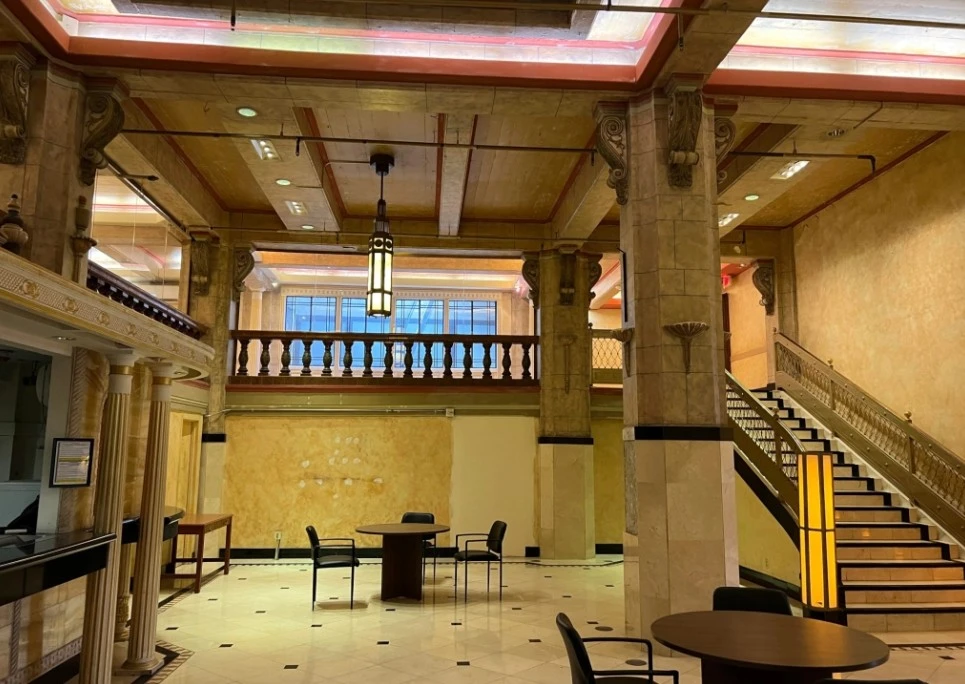
The lobby of the Cecil Hotel
On January 31, Elisa failed to make her daily call to her parents. She also stopped answering her phone. Alarmed, her parents contacted the Los Angeles Police Department and flew to California to help look for her. Despite an exhaustive police search, officers found no trace of her. She seemed to have vanished into thin air.
The Search for Elisa Lam
Detectives interviewed hundreds of potential witnesses, including hotel staff, former roommates, nearby shopkeepers, and cafe servers, but no one could provide any concrete leads. 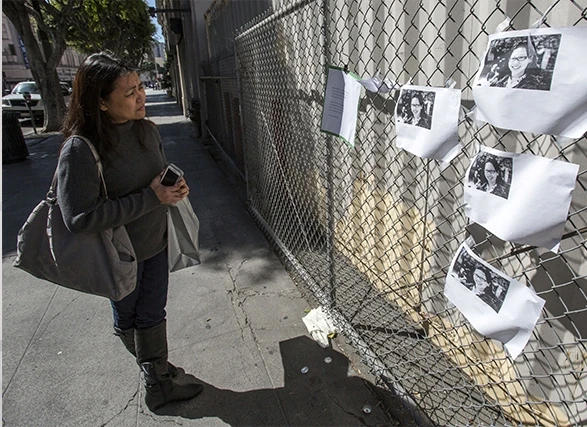
Missing person flyers for Elisa Lam
The last known person to interact with Elisa was Katie Orphan, the manager of a nearby gift shop. She remembered the young tourist clearly, though her account yielded no clues:
"She was outgoing, very friendly, and polite. We talked for a bit, and she bought some gifts for her family before leaving."
For two weeks, the investigation stalled. Police combed the surrounding streets, posted flyers, and followed up on leads. Then, on February 14, authorities released elevator surveillance video from the Cecil Hotel showing Elisa's last known moments.
The Chilling Elevator Footage
The footage quickly became one of the most haunting and widely discussed videos on the internet. In the clip, Elisa steps into the elevator and begins acting unnervingly strange. She presses multiple buttons at random, peers out into the hallway, and moves her hands frantically—appearing to either talk to an invisible entity or hide from someone. Visibly terrified and disoriented, she eventually rushes out into the corridor, looking frantically around as if being hunted. 
A frightened Elisa Lam inside the elevator
Bizarrely, the elevator doors remain wide open despite her pressing the close button several times. It looks as though the elevator is malfunctioning or someone is holding the door from the outside. At the end of the video, Elisa walks away, never to be seen alive again. Frame by frame, investigators, psychologists, and millions of internet sleuths analyzed the footage. Almost immediately, theories of a terrifying, supernatural encounter began to spread.
The Cecil Hotel: A History of Horror
Many quickly pointed out that the Cecil Hotel had a dark, violent history long before Elisa Lam arrived. Built in 1924 in downtown Los Angeles as an upscale establishment, the hotel gradually spiraled downhill, becoming a refuge for transient workers, drug addicts, and troubled individuals.
Over the decades, the Cecil gained a macabre reputation. In 1976, Jeffrey Thomas Paley climbed to the roof with a rifle and opened fire on pedestrians below. Since the 1930s, the hotel had become infamous for suicides, with at least eight guests taking their own lives in its rooms. 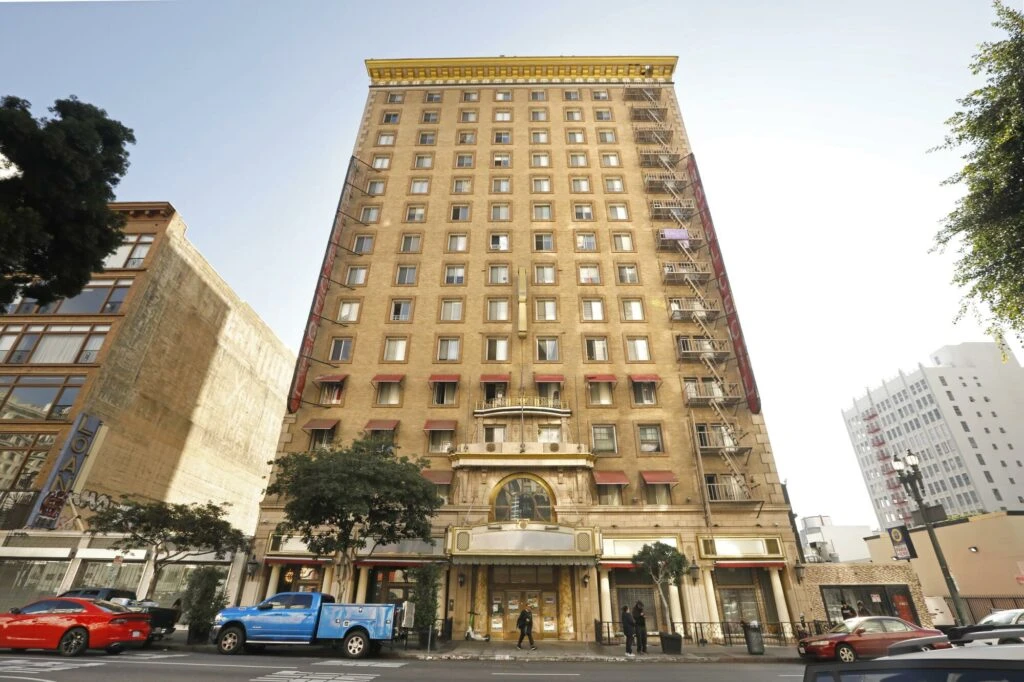
The Cecil Hotel
In 1944, a young woman threw her newborn baby out of a hotel window. In 1962, another woman jumped from the roof, killing herself and a pedestrian on the sidewalk below. Violent crime was equally common: in 1964, a woman was sexually assaulted and murdered in her room. The hotel also hosted infamous serial killers, including Richard Ramirez, known as the "Night Stalker," and Jack Unterweger, the "Vienna Strangler." 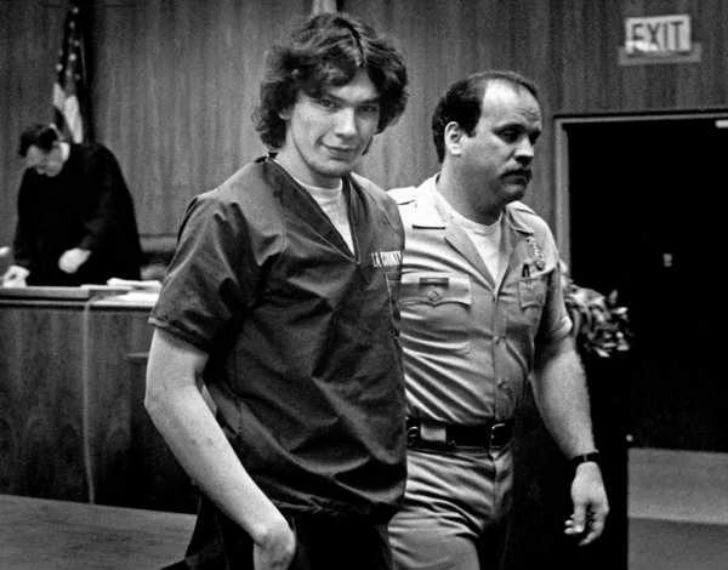
Serial killer Richard Ramirez, known as the Night Stalker
In 1947, the mutilated body of Elizabeth Short—famously known as the "Black Dahlia"—was found in a vacant L.A. lot; she was allegedly last seen at the Cecil Hotel bar. Guests frequently complained of inexplicable noises coming from empty rooms, and some claimed to have seen ghosts lurking in the hallways. While these chilling stories captured the public's imagination, they did little to solve the mystery of Elisa's disappearance.
Theories
Investigators primarily focused on the possibility of a severe psychotic breakdown, which could explain her bizarre behavior in the elevator. Experts suggested she might have been suffering from auditory or visual hallucinations. Authorities also investigated whether she had taken drugs or psychotropic substances—either voluntarily or under coercion. 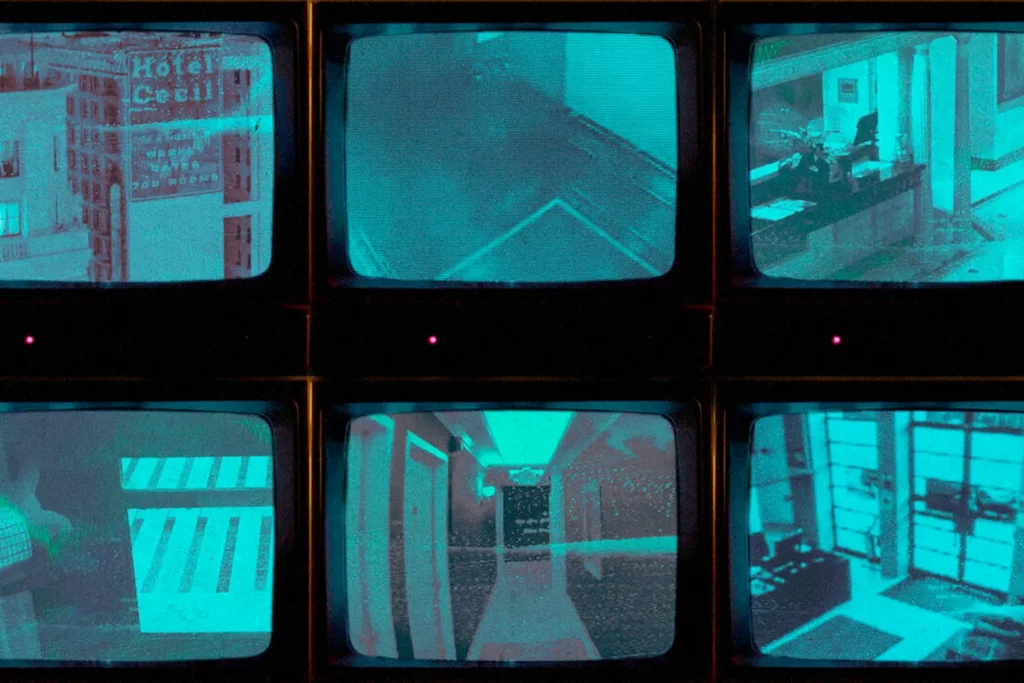
Internet sleuths put forward a flood of alternative theories, including wild conspiracy plots. Some pointed out the suspicious quality of the elevator footage, speculating that it had been edited to cut out an intruder who was pursuing Elisa.
Meanwhile, guests at the hotel began complaining about a strange issue with the water supply. The tap water throughout the building—and in the ground-floor cafe—suddenly developed a foul taste, an unsettling odor, and extremely low pressure. Blackish, murky water dribbled from the faucets. Following multiple complaints, maintenance staff went up to inspect the roof's water tanks.
The Discovery in the Water Tank
On February 19, hotel workers inspected the four massive water tanks on the roof and discovered Elisa Lam's body floating inside one of them. She was completely nude, with her clothes, room key, watch, and personal belongings resting at the bottom of the tank. Her body had been in the water for nearly three weeks. 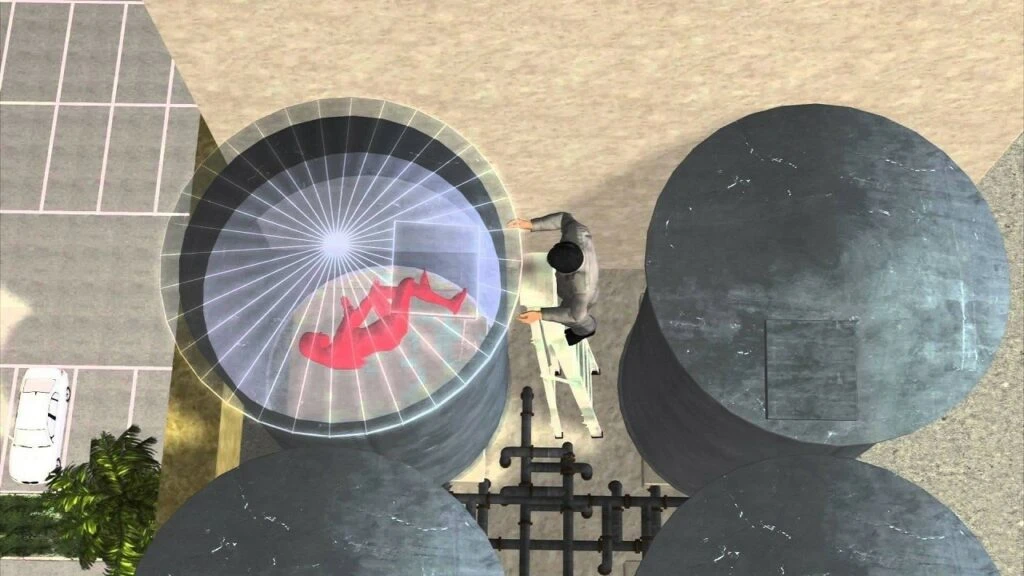
A 3D diagram showing the position of Elisa Lam's body inside the tank
On February 21, the coroner released initial autopsy findings confirming that Elisa had died from accidental drowning. There were no signs of physical trauma or foul play, suggesting she had climbed into the tank herself through an open hatch. Toxicology reports showed no illegal drugs or alcohol in her system, though they did indicate she had stopped taking her prescribed bipolar medication. The report also noted evidence of recent sexual activity, but confirmed there were no signs of sexual assault.
Case Closed, Questions Remain
Based on the autopsy findings, the LAPD officially ruled Elisa Lam's death an accidental drowning, likely triggered by a severe manic episode. The case was closed and archived. However, the official conclusion failed to convince the public. Too many glaring inconsistencies remained unanswered. 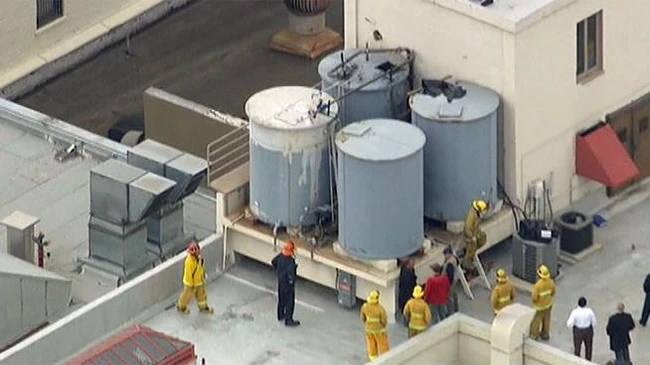
The water tanks on the hotel roof
Chief among them was how Elisa managed to access the roof in the first place. The rooftop was strictly off-limits to guests, secured by locked doors equipped with alarm systems that required employee keys or access codes. While she could theoretically have used an exterior fire escape, navigating it would have required considerable effort and determination—an unlikely route for a guest unfamiliar with the building.
Even if she had reached the roof, getting inside the tank presented another immense hurdle. The heavy cylindrical tanks stood eight feet tall on elevated concrete platforms. Reaching the access hatches at the top required a ladder—which wasn't kept on the roof, but brought up only by maintenance staff as needed. 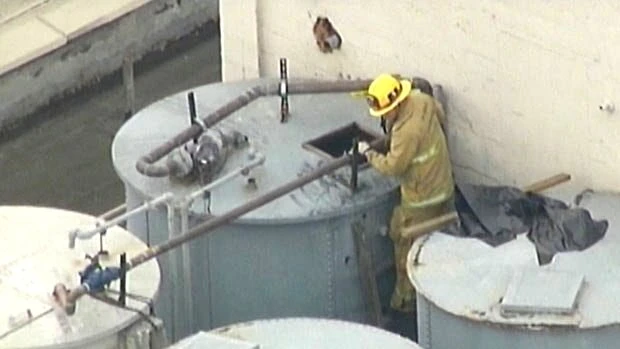
A rescue worker next to the water tank hatch
Furthermore, opening the tank required lifting a heavy steel hatch door—a task that typically demanded significant physical strength. It seemed nearly impossible for a petite young woman to open the heavy lid, climb inside, and then pull it shut behind herself while submerged in water. Another nagging mystery remained: what happened to her cell phone? It was never recovered, neither from her room nor from the tank.
Paranormal Theories and Pop-Culture Legacy
The story exploded across social media and mainstream news outlets, inspiring documentaries, podcasts, and investigative TV specials. Netflix's docuseries
Crime Scene: The Vanishing at the Cecil Hotel
brought renewed global attention to the case. Her strange elevator movements spawned countless internet memes and viral breakdown videos, with amateur sleuths scrutinizing every single frame for hidden clues. 
The mystery gave rise to eerie, uncanny coincidences that captured the public imagination. Web sleuths pointed out that "Lam" sounds like "lamb"—a classic symbol of sacrifice—and noted that downtown L.A. experienced a tuberculosis outbreak around the same time, where the diagnostic test used was named LAM-ELISA. An even stranger link involved occultist Aleister Crowley, who stayed at a Cecil Hotel in London in 1889 and wrote a poem about ritual sacrifice. Others drew unsettling parallels to the 2005 horror film
Dark Water
, in which a young girl drowns in a building's rooftop water tank. 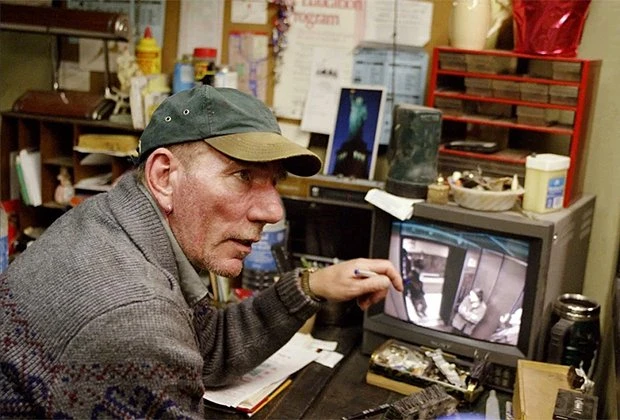
Walter Salles' 2005 film
Dark Water
was released eight years before the tragedy of Elisa Lam
While wildly speculative, these theories were fueled by the Cecil Hotel's dark history. The horrific reality that unsuspecting hotel guests drank and bathed in water from the tank where her body lay added a stomach-churning element to the story. But were sinister, supernatural forces at play, or were people simply trying to make sense of an unimaginable tragedy?
The Second Video and Unidentified Men
Adding to the intrigue were persistent rumors of a second, unreleased security video. According to reports in Canadian media, the footage allegedly showed Elisa entering the hotel accompanied by two unidentified men who handed her a box. The contents of the box and the identity of the men remain unknown. While police never confirmed the existence of this video, reports of its existence added fuel to murder and cover-up theories. 
The sole surveillance video of Elisa has gathered millions of views on YouTube
If a second video exists, it could offer vital clues about Elisa's final hours. Perhaps she encountered someone who played a sinister role in her fate. Without verified access to such footage, however, the rumor remains pure speculation, leaving the internet divided on whether authorities hid the footage or if it was simply a hoax.
The Case Today
Today, the Elisa Lam case remains officially closed. The Cecil Hotel has since been rebranded and renovated, yet its dark aura lingers, with paranormal investigators continuing to view the location as cursed. Elisa's family has repeatedly asked the public not to exploit her tragic death, urging people to remember her as a bright, creative young woman rather than a viral mystery. 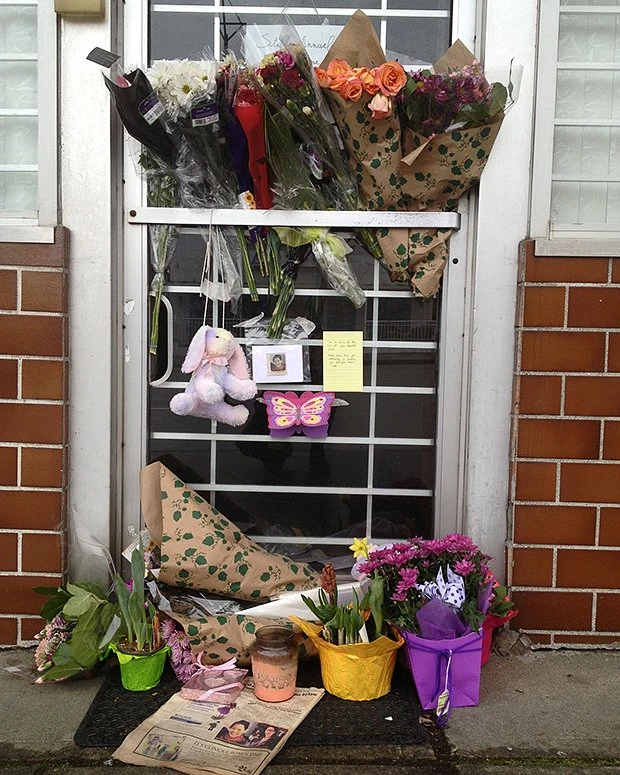
A makeshift memorial outside Paul's Restaurant, owned by Elisa Lam's parents in Canada
"The world is so giant and vast, and I've seen so little of it. I'm excited to see new places and hopefully meet lots of interesting people," Elisa wrote in her online blog.
What are your thoughts on the death of Elisa Lam? Do you accept the official ruling of an accidental death, or do you believe the full truth has yet to come to light? Share your thoughts in the comments below—which theory do you find most compelling?